

Mehr zum Buch
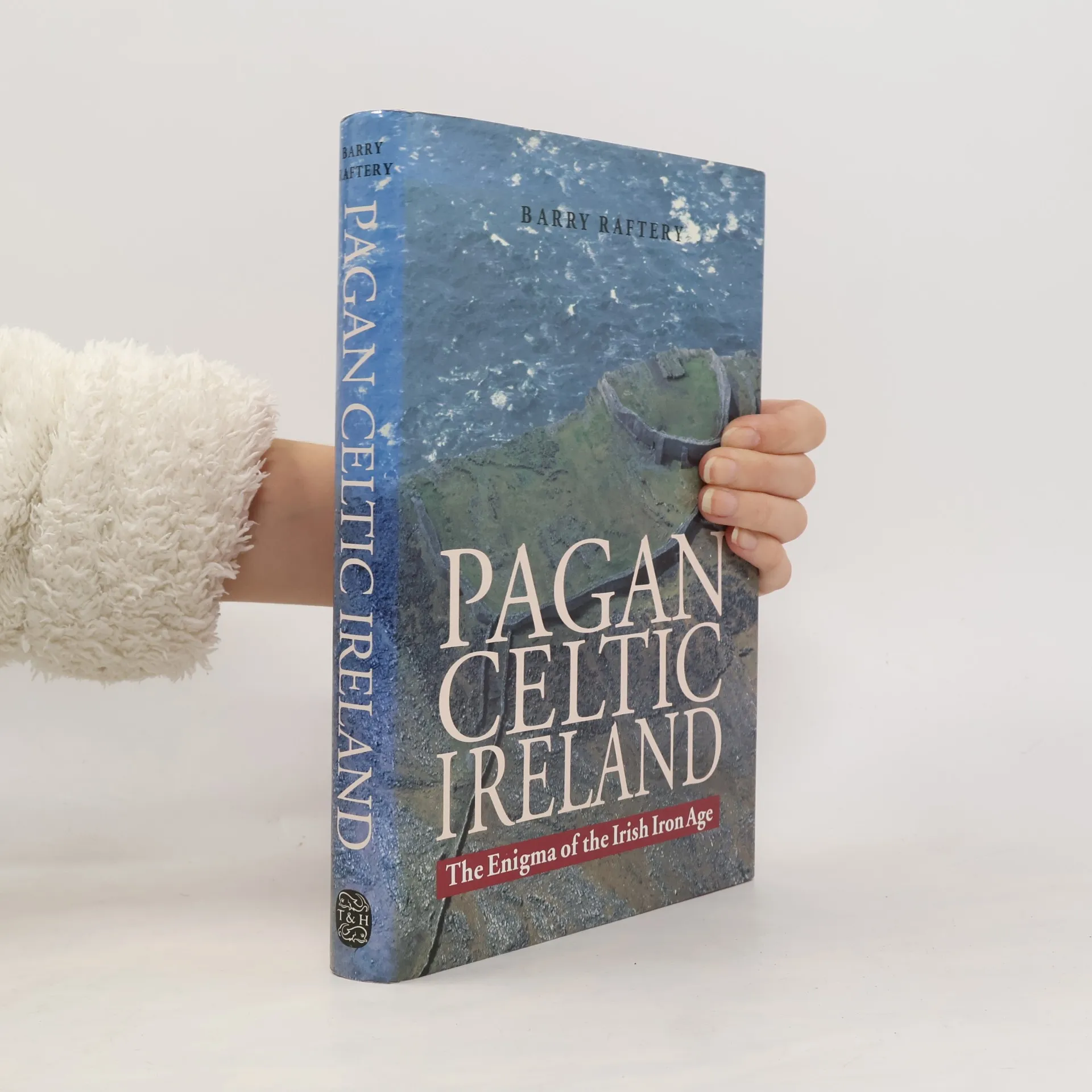
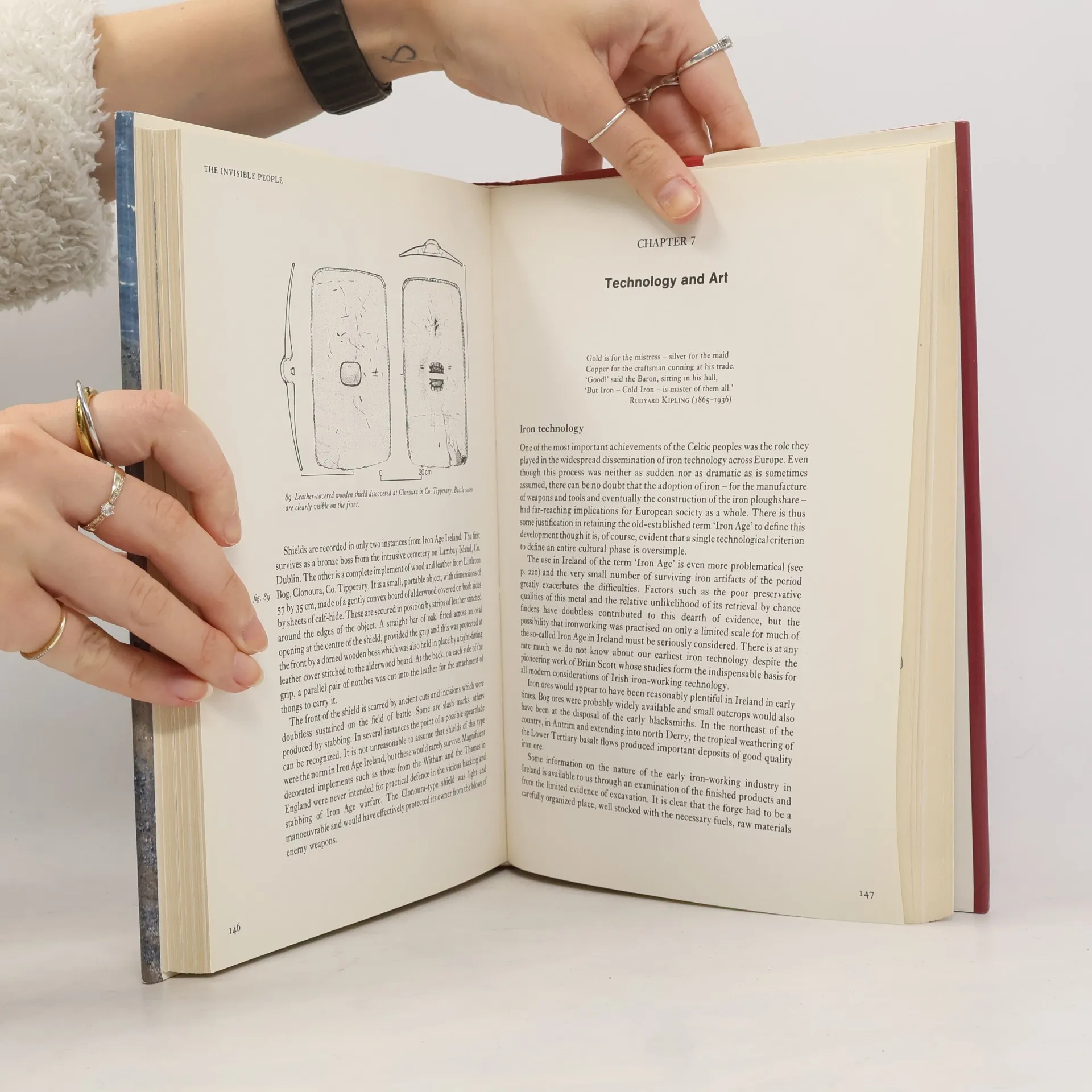
Our impressions of early Celtic Ireland stem from epic tales of heroic struggles, gods, and Druids. However, recent archaeological research has reshaped our understanding of this period. Professor Barry Raftery offers a compelling and current account of Ireland in the millennium before Christianity. The transition from the Bronze Age to the Iron Age brought significant changes, including the rise of imposing hillforts. Their purpose—defensive, ceremonial, or commercial—remains a topic of discussion. New findings suggest that the construction of major royal centers like Tara and Emain Macha coincided with the emergence of La Tene artifacts, marking the arrival of Celtic material culture. Raftery posits that these artifacts represented a rising aristocratic elite expressing power through monumental architecture. He also explores advancements in travel and transport, including the largest roadway in prehistoric Europe, the lives of common people, the craftsmanship of local metalsmiths, and complex religious beliefs illustrated by standing stones and offerings in water. Additionally, he presents intriguing insights into Ireland's interactions with the Roman world and examines whether La Tene culture spread through invasion or peaceful diffusion. This work serves as a definitive statement on Ireland's Celtic origins and is richly illustrated, appealing to those interested in the country's enigmatic past.
Publikation

Buchkauf
Pagan Celtic Ireland, Barry Raftery
- Sprache

- Erscheinungsdatum
- 1994
- Einband
- (Hardcover)
Keiner hat bisher bewertet.
- Titel
- Pagan Celtic Ireland
- Untertitel
- The Enigma of the Irish Iron Age
- Sprache
- Englisch
- Autor*innen
- Barry Raftery
- Verlag
- Thames & Hudson
- Erscheinungsdatum
- 1994
- Einband
- Hardcover
- Seitenzahl
- 240
- ISBN10
- 0500050724
- ISBN13
- 9780500050729
- Reihe
- Kategorien
- Schlagwörter
- Historisches Thema, Europa, Altertum, Geschichte Europas, Archäologie, Irland, Prähistorie & Urgeschichte, Irische Literatur, Heiden, Heidentum
- Beschreibung
- Our impressions of early Celtic Ireland stem from epic tales of heroic struggles, gods, and Druids. However, recent archaeological research has reshaped our understanding of this period. Professor Barry Raftery offers a compelling and current account of Ireland in the millennium before Christianity. The transition from the Bronze Age to the Iron Age brought significant changes, including the rise of imposing hillforts. Their purpose—defensive, ceremonial, or commercial—remains a topic of discussion. New findings suggest that the construction of major royal centers like Tara and Emain Macha coincided with the emergence of La Tene artifacts, marking the arrival of Celtic material culture. Raftery posits that these artifacts represented a rising aristocratic elite expressing power through monumental architecture. He also explores advancements in travel and transport, including the largest roadway in prehistoric Europe, the lives of common people, the craftsmanship of local metalsmiths, and complex religious beliefs illustrated by standing stones and offerings in water. Additionally, he presents intriguing insights into Ireland's interactions with the Roman world and examines whether La Tene culture spread through invasion or peaceful diffusion. This work serves as a definitive statement on Ireland's Celtic origins and is richly illustrated, appealing to those interested in the country's enigmatic past.