



Der Anspruch der Vernunft gehört zu den großen philosophischen Büchern des 20. Jahrhunderts und hat eine ganze Generation von Philosophen beeinflusst. Ungewöhnlich breit angelegt, komplex in der Argumentation, eigenwillig im Stil, eröffnet uns Stanley Cavell in seinem Opus magnum neue Zugänge zu zentralen epistemologischen, metaphysischen, ethischen und ästhetischen Fragen. Insbesondere seine Wittgenstein-Lektüre und die Art, wie er sie für eine raffinierte Umdeutung des Skeptizismus fruchtbar macht, haben bis heute nichts an Originalität eingebüßt. Die Macht der Skepsis, so Cavell, lässt sich nicht durch das Streben nach letzten Wahrheiten brechen, sondern nur dadurch, dass wir uns die Welt auf geradezu romantische Weise ständig zurückerobern. Ein Klassiker.
Stanley Cavell Bücher
Stanley Cavell war ein amerikanischer Philosoph, dessen Werk sich durch einen konversationellen Ton und häufige literarische Bezüge auszeichnete. Er beschäftigte sich mit Ethik, Ästhetik und der Philosophie der Ordinary Language. Als Interpret hinterließ er einflussreiche Arbeiten zu Wittgenstein, Austin, Emerson, Thoreau und Heidegger. Sein philosophischer Ansatz war tief mit der Analyse von Kunst und alltäglicher Sprache verbunden.


Die Unheimlichkeit des Gewöhnlichen und andere philosophische Essays
- 284 Seiten
- 10 Lesestunden
Must We Mean What We Say?
- 372 Seiten
- 14 Lesestunden
This famous collection of essays by Stanley Cavell explores a diverse range of issues from philosophy to music and drama.
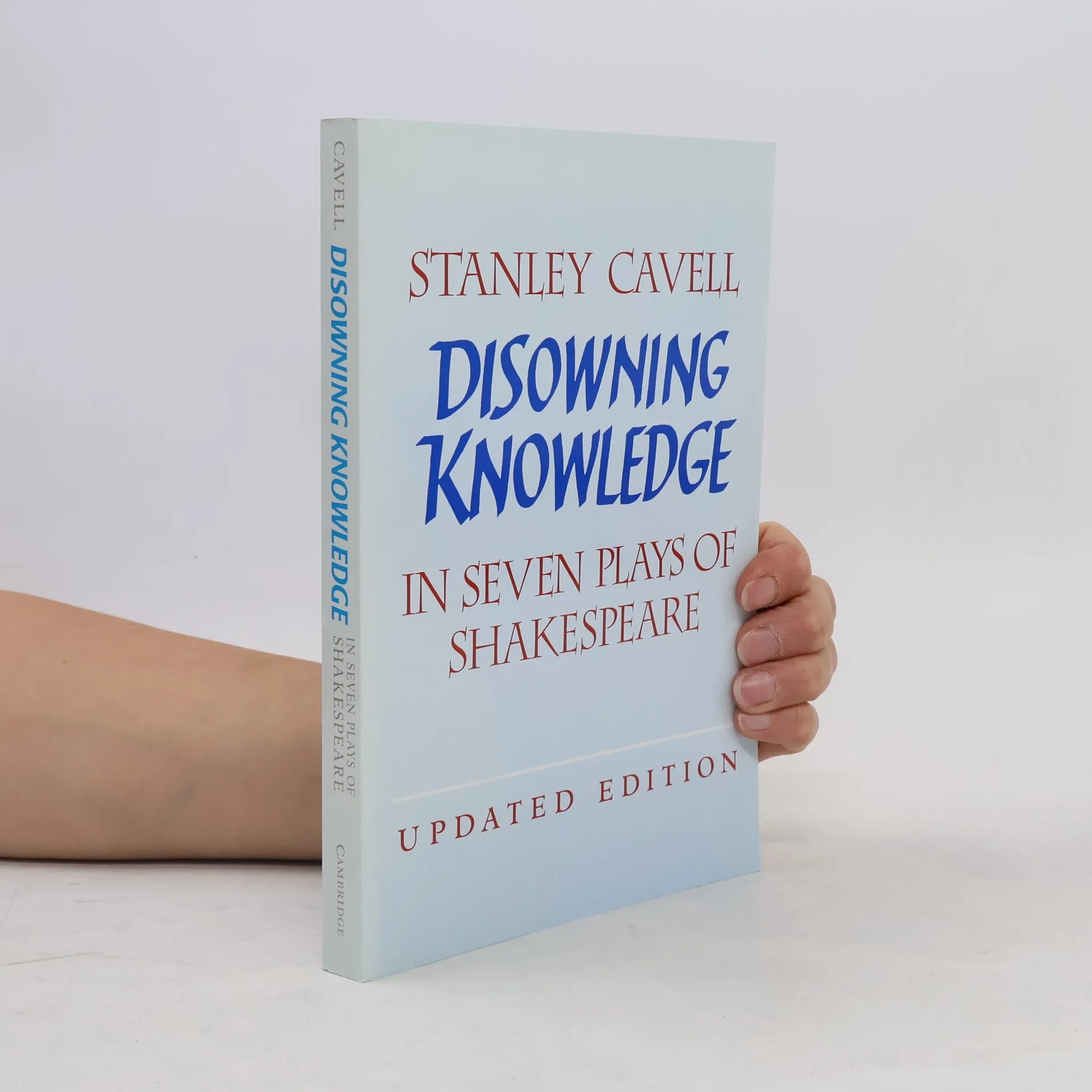
This collection offers insightful essays on Shakespeare's tragedies, examining themes, characters, and the emotional depth of his works. Included is a new essay focusing specifically on "Macbeth," providing a fresh perspective on its complexities and significance within the broader context of Shakespeare's dramatic oeuvre. The essays aim to enhance understanding and appreciation of these timeless plays.
Stanley Cavell was one of the most distinguished and wide-ranging philosophers of his time. This posthumous volume assembles an array of writings that Cavell left behind, synthesizing into a cohesive intellectual vision unpublished works on modernity, music, skepticism, psychoanalysis, anthropology, tragedy, and the human voice.
Pursuits of Happiness
- 296 Seiten
- 11 Lesestunden
During the '30s and '40s, Hollywood produced a genre of madcap comedies that emphasized reuniting the central couple after divorce or separation. Here, Cavell examines seven of those classic movies for their cinematic techniques, and for such varied themes as feminism, liberty and interdependence.
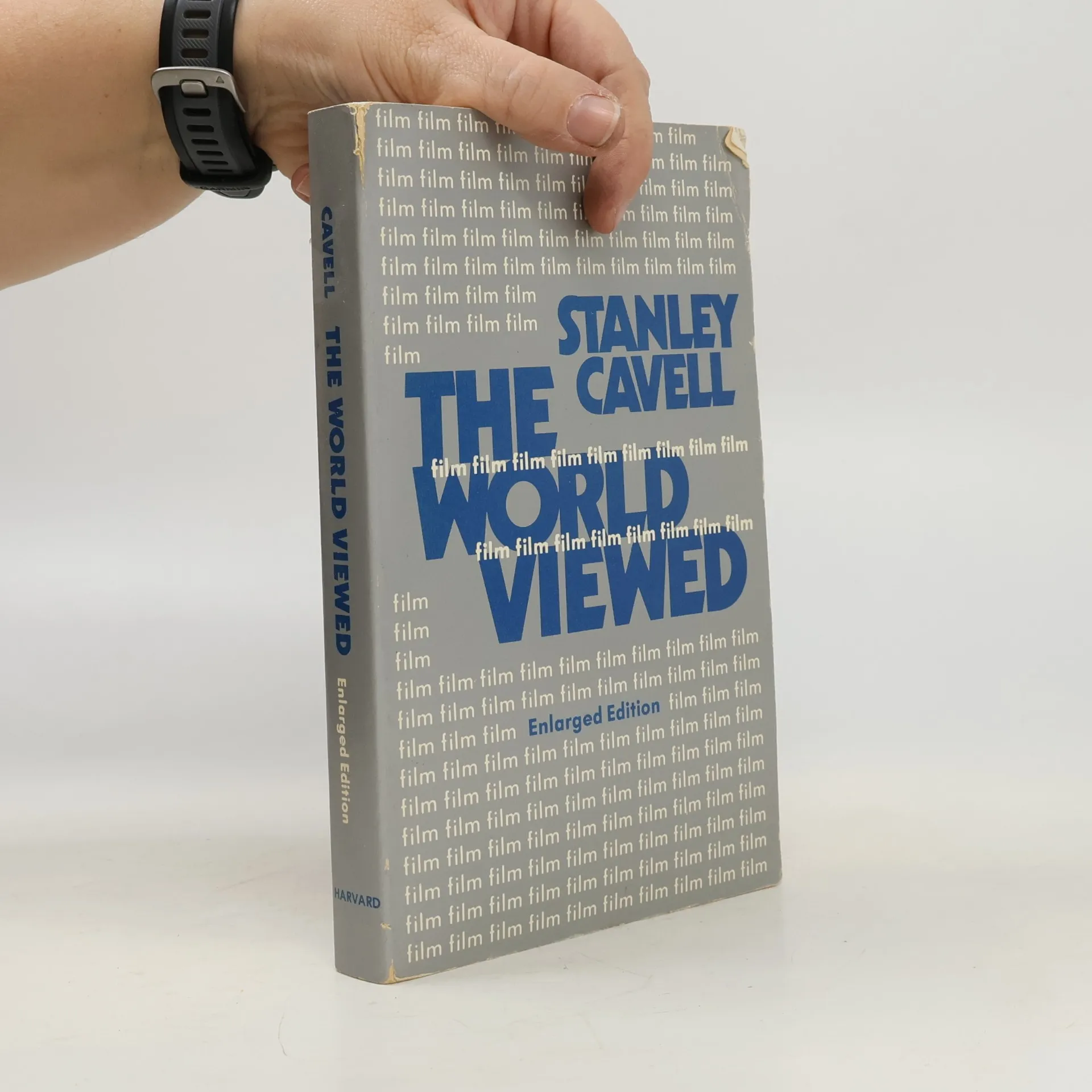
Stanley Cavell looks closely at America's most popular art and our perceptions of it. His explorations of Hollywood's stars, directors, and most famous films-as well as his fresh look at Godard, Bergman, and other great European directors-will be of lasting interest to movie-viewers and intelligent people everywhere.
La filosofía pasado el mañana
- 432 Seiten
- 16 Lesestunden
La filosofía pasado el mañana fue elegido libro del año por el Times Literary Supplement con ocasión de su publicación en 2005: «La filosofía pasado el mañana no decepciona. ¿Quién sino Cavell, con su tono seductoramente conversacional, podría empezar un ensayo con El nacimiento de la tragedia de Nietzsche y acabarlo con un análisis de Fred Astaire?». En este volumen es posible encontrar reflexiones muy pertinentes sobre Shakespeare, acerca del cual Cavell es un experto, pero también sobre Henry James, Wittgenstein, Heidegger, y Thoreau, en un ensayo que estudia la relación entre ambos. Cavell es uno de los mejores intérpretes de estos autores tan diversos, lo que da una idea de la dimensión panorámica de este respetadísimo filósofo. Siguiendo su temprana vocación por la obra del filósofo de Oxford J.L. Austin, en otro de los ensayos que componen la obra y que consideramos uno de los mejores, Cavell propone añadir a las «expresiones performativas» de Austin las que él llama «expresiones pasionales», y que relaciona con el mundo de la ópera, sobre el cual también ha escrito un libro. La traducción al castellano de uno de los libros más recientes e importantes de este filósofo de Harvard es un acontecimiento reseñable que no dejará indiferente a ningún lector interesado en el pensamiento contemporáneo más audaz.