William Hope Hodgson war ein englischer Autor, dessen umfangreiches Werk Essays, Kurzgeschichten und Romane umfasst. Seine Schriften bewegen sich in den überlappenden Genres Horror, fantastische Fiktion und Science-Fiction, wobei frühe Bemühungen der Poesie galten, die zu seinen Lebzeiten nur wenig veröffentlicht wurde. Hodgson ist für seinen unverwechselbaren literarischen Stil bekannt, der das Schreckliche geschickt mit dem Fantastischen verwebt und einen bedeutenden Einfluss auf die Genre-Literatur hinterlassen hat.
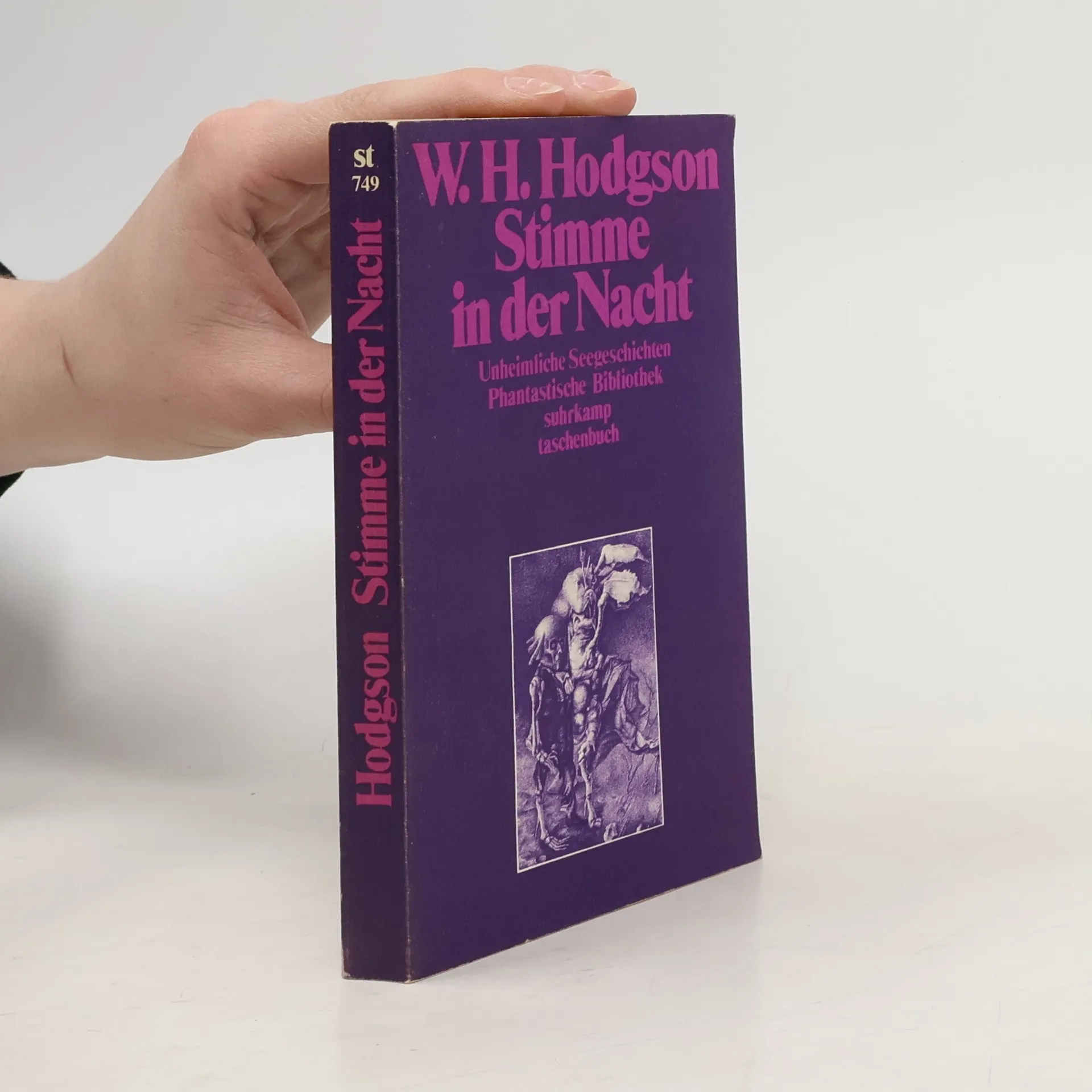
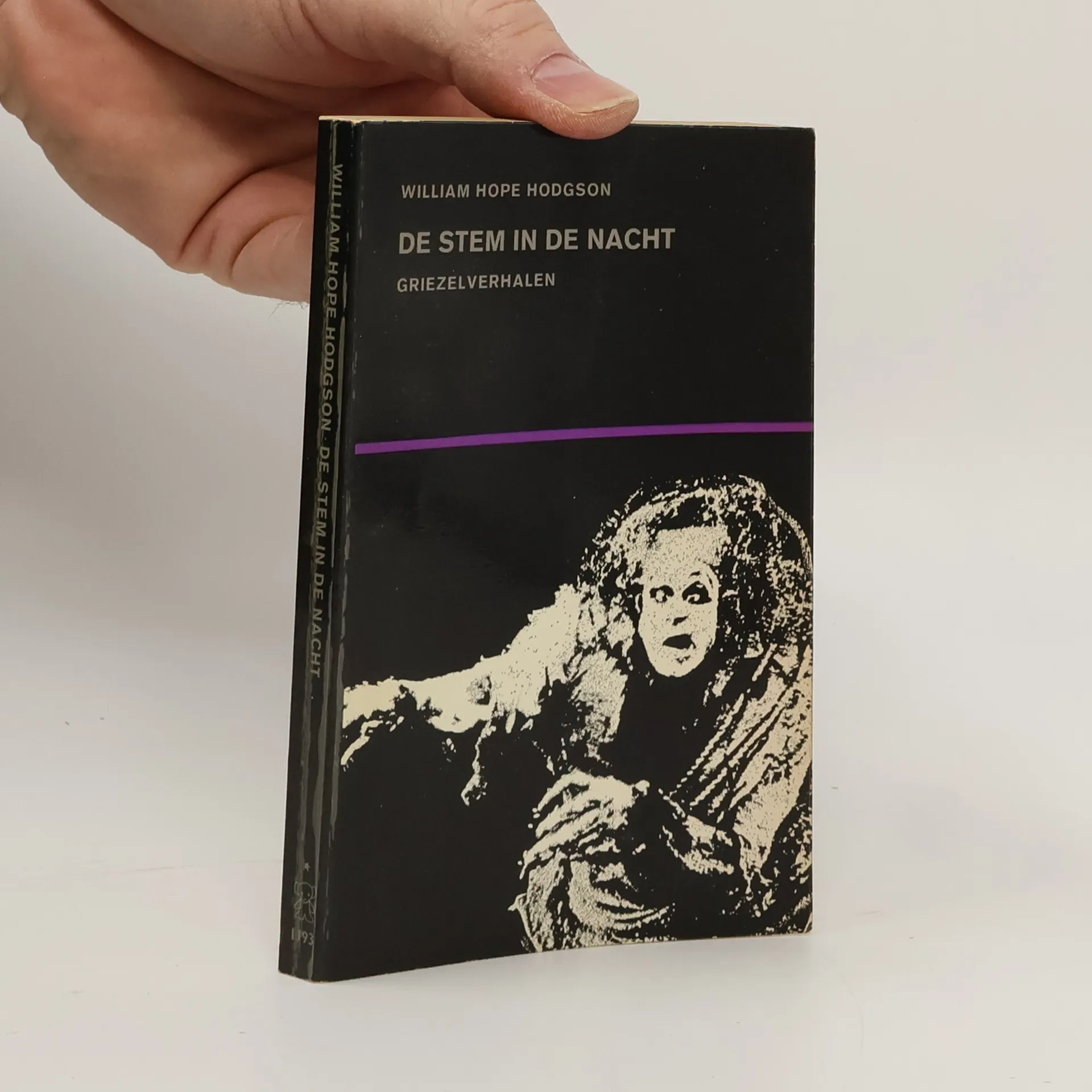
Während einer windstillen Nebelnacht im Pazifik vernimmt der Wach habende eines Schoners unvermutet einen »Ahoi«-Ruf. Die eigenartig klingende Stimme gehört einem Mann in einem Ruderboot, der dringlich um Lebensmittel für sich und seine »Lady« bittet, die er auf einer Insel zurückgelassen habe. Doch weigert er sich beharrlich, längsseits zu kommen und sich zu zeigen. Nach Erhalt der Eßwaren rudert er davon, kehrt aber nach ein paar Stunden zurück und erzählt seine Geschichte. Eine Geschichte des Grauens – – –
Während einer windstillen Nebelnacht im Pazifik vernimmt der Wach habende eines Schoners unvermutet einen »Ahoi«-Ruf. Die eigenartig klingende Stimme gehört einem Mann in einem Ruderboot, der dringlich um Lebensmittel für sich und seine »Lady« bittet, die er auf einer Insel zurückgelassen habe. Doch weigert er sich beharrlich, längsseits zu kommen und sich zu zeigen. Nach Erhalt der Eßwaren rudert er davon, kehrt aber nach ein paar Stunden zurück und erzählt seine Geschichte. Eine Geschichte des Grauens – – –
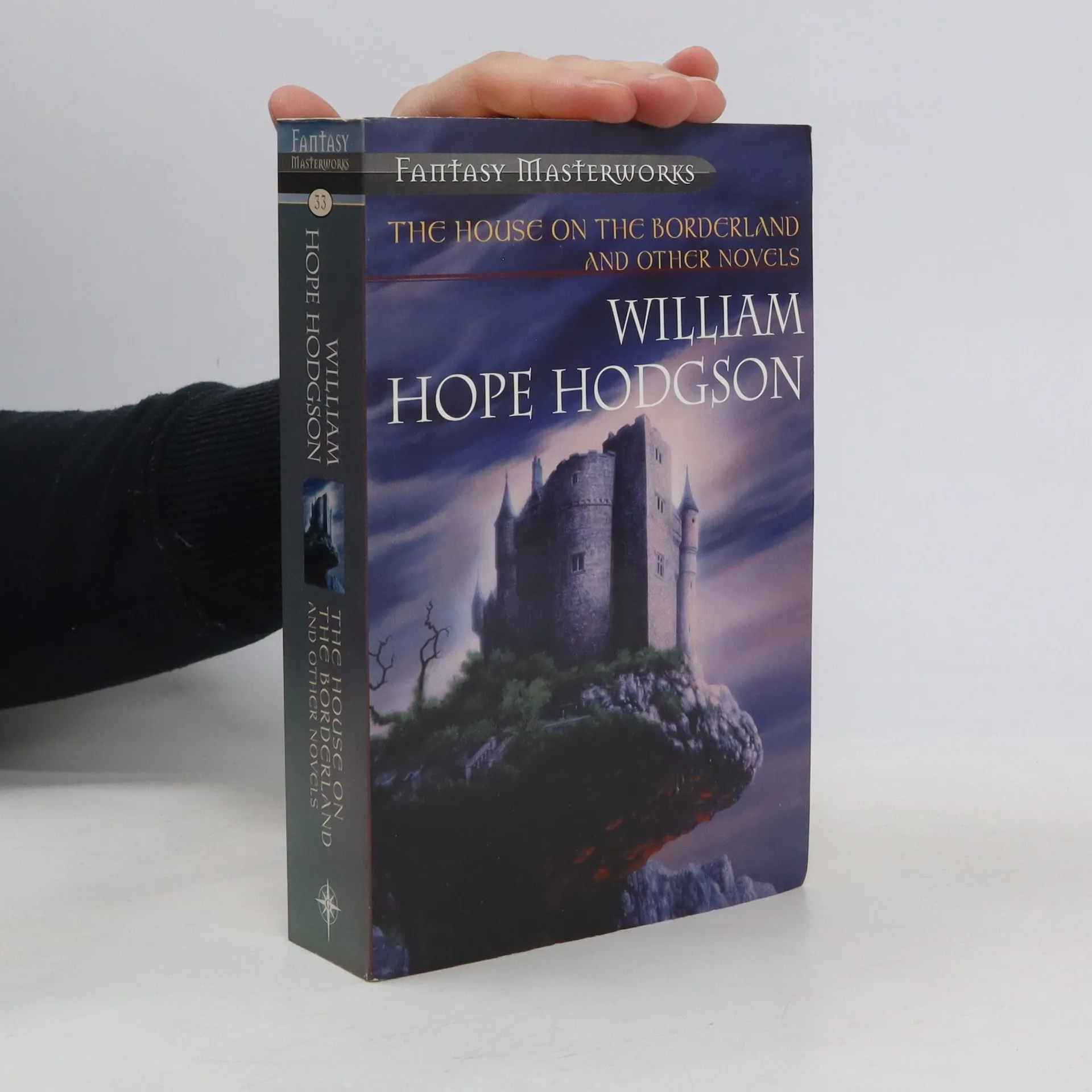
Zwei Männer, die sich auf einem zweiwöchigen Angelurlaub im abgelegenen Westen Irlands befinden, werden von der Entdeckung eines seltsamen Abgrunds überrascht. Auf einem Felsvorsprung über diesem Abgrund finden sie Ruinen und darin vergraben ein Tagebuch, das sie lesen. Der Roman, der von diesem Tagebuch handelt, ist ein halluzinatorischer Bericht über den Aufenthalt eines Einsiedlers in dem abgelegenen Haus und seine Erfahrungen mit übernatürlichen Kreaturen und jenseitigen Dimensionen. Das Tagebuch berichtet unter anderem von bösartigen Schweinekreaturen und einer Kreatur, die durch eine Falltür in den Keller kommt. Dann endet der Bericht. Was war mit dem Haus geschehen und warum befindet sich jetzt dort ein Abgrund? Wissen die Bewohner des entfernten Dorfes etwas darüber? Als der amerikanische Horrorschriftsteller H. P. Lovecraft 1934 auf Hodgsons Romane stieß, lobte er Das Haus im Grenzland und andere Werke von Hodgson ausführlich, und Terry Pratchett nannte den Roman "den Urknall in meinem privaten Universum als Science-Fiction- und Fantasy-Leser und später als Schriftsteller".
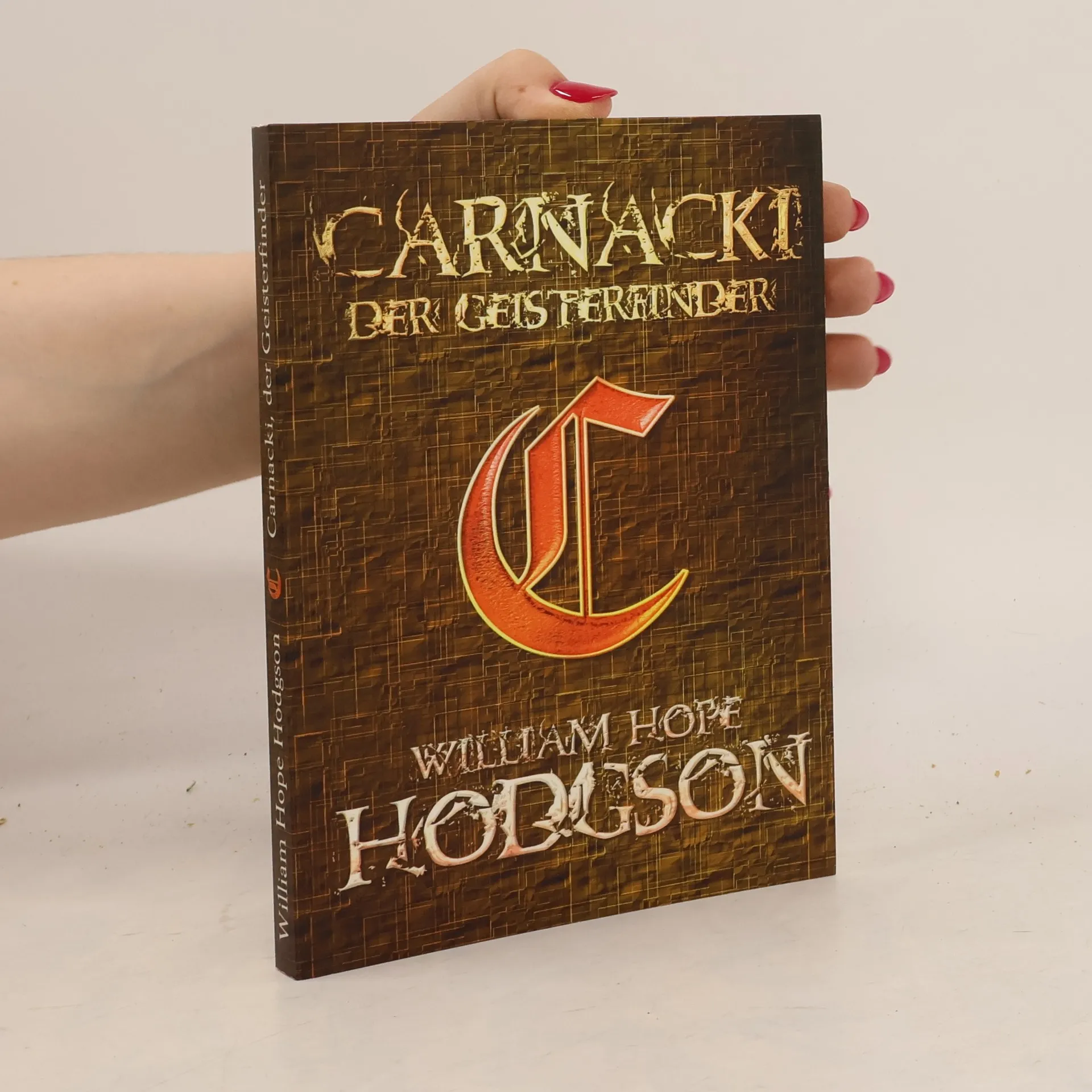
Thomas Carnacki, geschaffen von William Hope Hodgson, ist ein faszinierender Geisterjäger, der gegen körperlose Schrecken aus anderen Dimensionen kämpft. Seine einzigartigen Waffen und sein umfangreiches Wissen machen seine neun Abenteuer zu einem Geheimtipp für Liebhaber des Ungewöhnlichen. Carnackis Geschichten haben das Potenzial, einen Kultstatus zu erreichen.
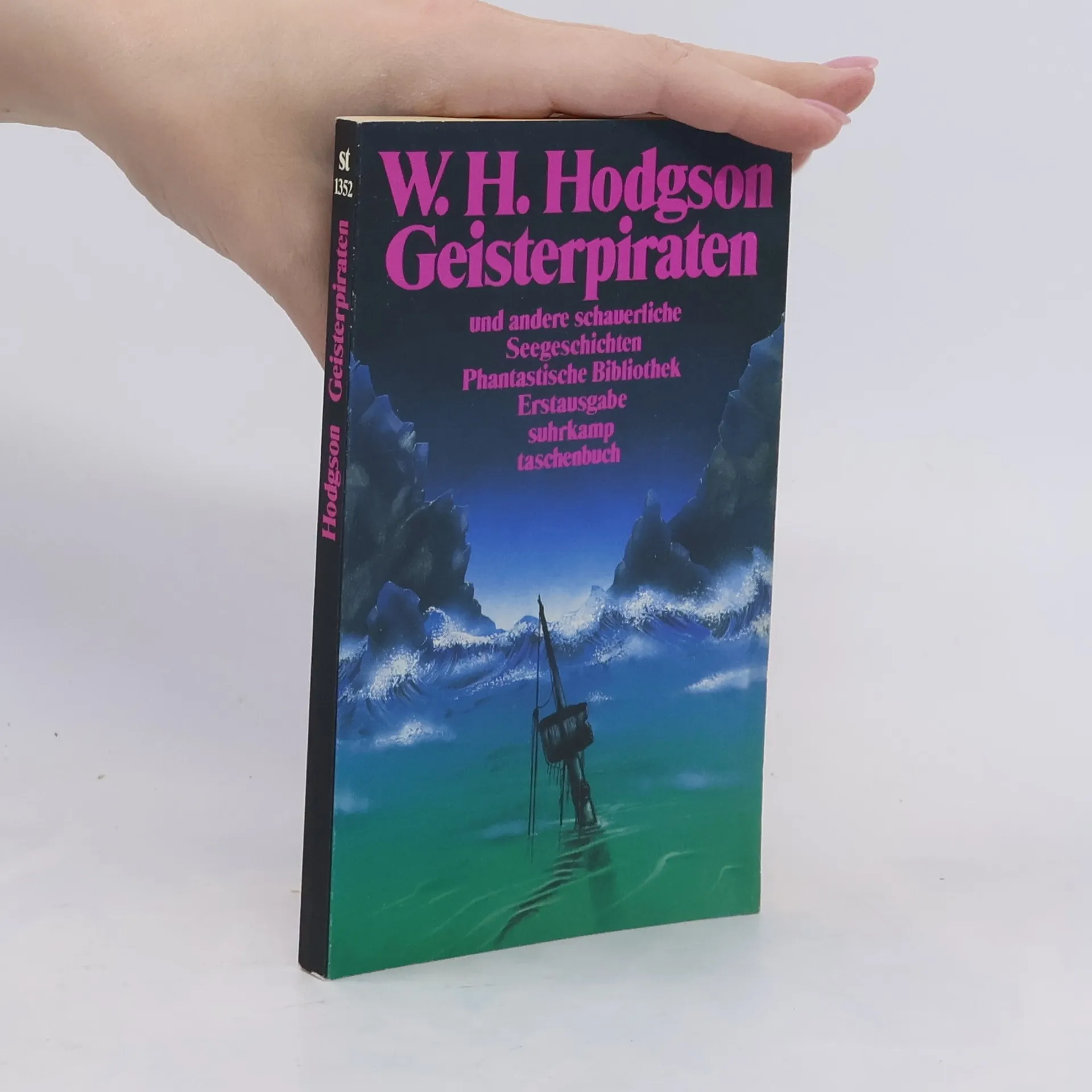
Die Handlung spielt vollständig auf dem Meer und beginnt sofort mit paranormalen Ereignissen, die bereits auf den ersten Seiten eingeführt werden. Hodgson verzichtet auf ausführliche Charakterentwicklungen und lässt die Besatzung eher als Statisten agieren, während er sie mit einer Reihe von Geistererscheinungen konfrontiert. Diese übernatürlichen Elemente sind überraschend ernsthaft und weniger trivial, als der Titel vermuten lässt. Der Roman bietet eine spannende und direkte Erzählweise, die sich auf das Unheimliche konzentriert, ohne sich mit persönlichen Geschichten aufzuhalten.
Ein Meilenstein des Cosmic Horror – Die visionäre Neuübersetzung des Weird Fiction Klassikers
198 Seiten
7 Lesestunden
„Ich sah den Abgrund. Und aus dem Abgrund starrte etwas zurück.“ In einer abgelegenen Ruine in Irland stößt ein Wanderer auf das Tagebuch eines Einsiedlers. Dessen Aufzeichnungen enthüllen ein Grauen, das jenseits der menschlichen Vorstellungskraft liegt: Ein einsames Haus am Rande eines gewaltigen Abgrunds, das als Tor zu fremden Dimensionen und namenlosen Schrecken dient. William Hope Hodgsons Meisterwerk von 1908 ist ein Meilenstein der phantastischen Literatur. Zwischen visionärer Science-Fiction und purem kosmischem Horror erschuf Hodgson eine Welt, die später Giganten wie H.P. Lovecraft und Terry Pratchett maßgeblich beeinflusste. Diese moderne Neuübersetzung des Zeitlos Verlags fängt die beklemmende, halluzinatorische Intensität des Originals perfekt ein. Tauchen Sie ein in eine Reise durch Zeit und Raum, an der Grenze zwischen Verstand und Wahnsinn. Ein unverzichtbarer Klassiker für alle, die das Unheimliche in seiner reinsten Form suchen.
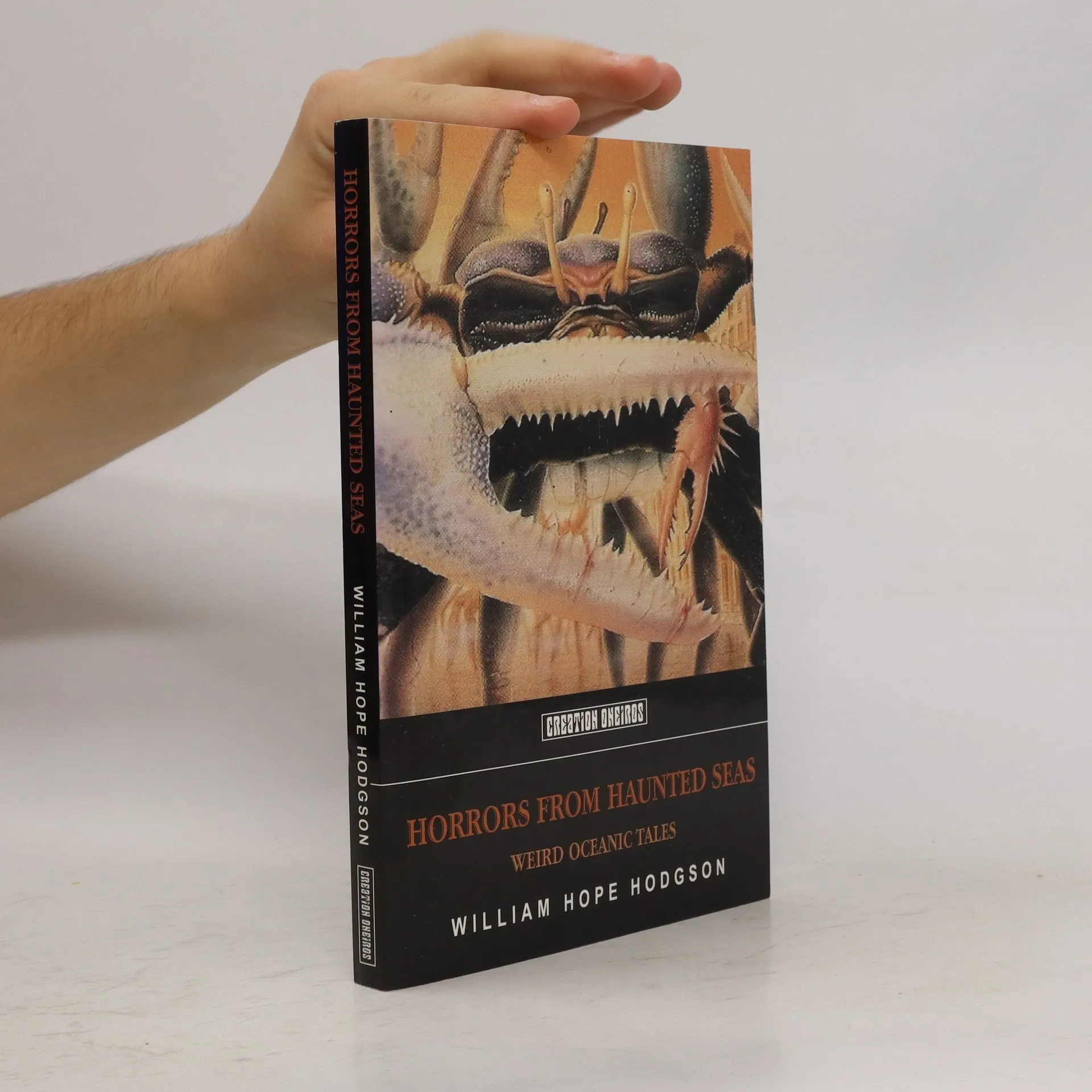
As well as four classic fantasy novels and a series of "occult detective" stories, William Hope Hodgson (1877-1918) produced a large number of sea-faring tales, many of them steeped in elements of supernatural terror. Hodgson's vividly drawn descriptions of revulsive oceanic entities often pre-echo Lovecraft in their evocation of squamous, deep-six deliria, while the latter also acknowledged Hodgson's masterful evocations of elemental disquiet and disorder. HORRORSe ^FROMe ^HAUNTEDe ^SEAS not only collects all of Hodgson's acclaimed "Sargasso Sea" tales -- From The Tideless Sea, The Mystery Of The Derelict, The Thing In The Weeds, The Finding Of The Graiken, and The Voice In The Dawn -- but also presents a further 15 stories and episodes of nautical mystery and horror, including A Tropical Horror, The Voice In The Night, Out Of The Storm, The Stone Ship, Demons Of The Sea, The Albatross, and numerous others. The stories are reproduced in chronological order according to year of publication, making this perhaps the definitive edition of William Hope Hodgson's weird oceanic tales. The Voice In The Night was famously filmed in 1963 by Japanese director Ishira ́ Honda, under the title Matango (aka Attack Of The Mushroom People).
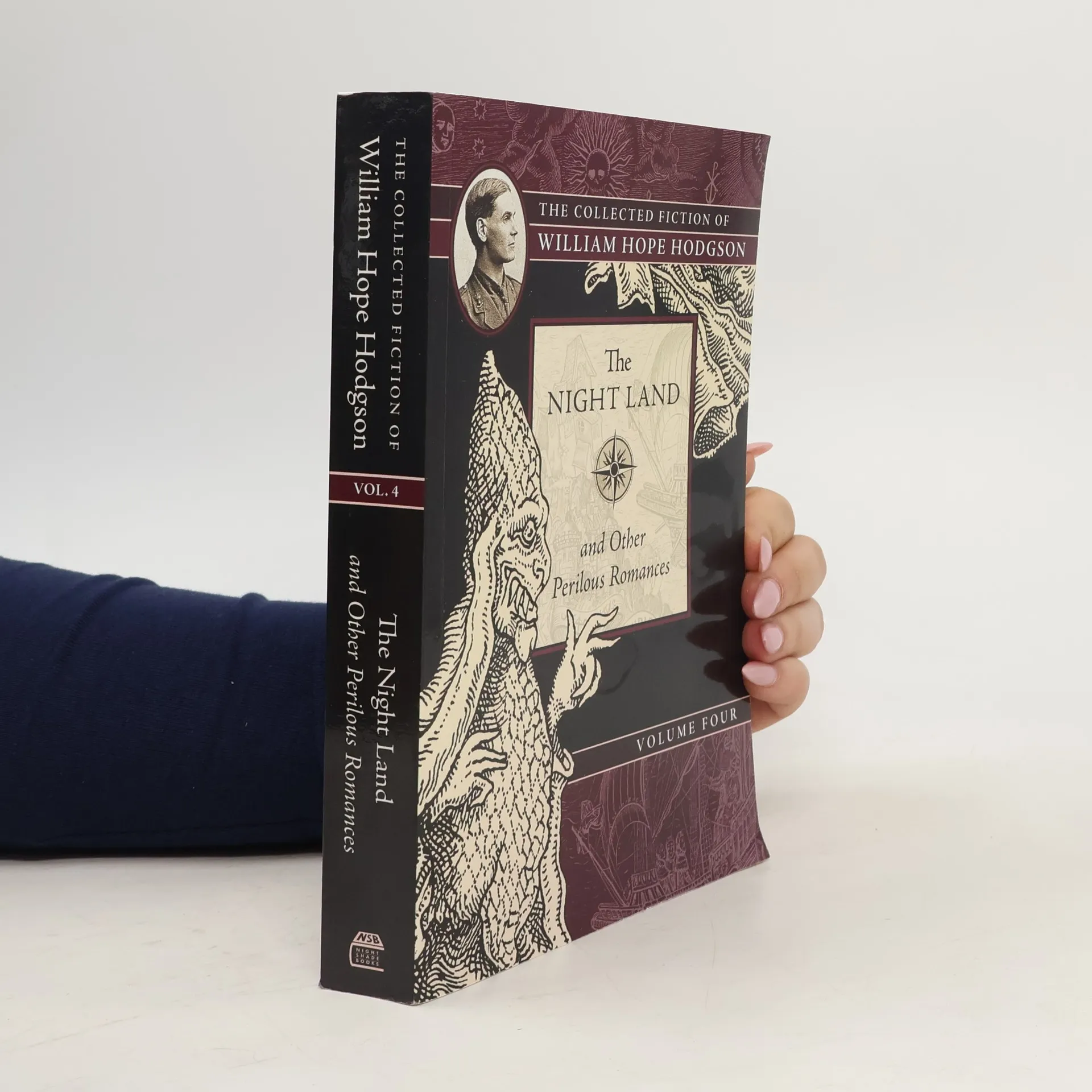
From the chilling adventure tale of the sea, The Boats of the 'Glen Carrig', and the power and horror of The Ghost Pirates, to the strange and haunting vision of the House on the Borderland and the bizarre and wonderfully imaginative The Night Land, the four great novels of William Hope Hodgson are universally recognized as one of the landmarks in the literature of the weird and fantastic. Strange and compelling, these are powerful works that exercise the same fascination today as they did on Lovecraft and Clark Ashton Smith, and all four are collected here.
Available for the first time in trade paperback, the fourth of five volumes
collecting the complete fiction of William Hope Hodgson, an influential early
twentieth-century author of science fiction, horror, and the fantastic.
Set in a haunting and mysterious atmosphere, the novel delves into themes of the unknown and supernatural horror. It follows the eerie adventures of the characters as they navigate strange and otherworldly elements, creating an unsettling experience that captivates readers. Hodgson's unique blend of weird fiction enhances the exploration of fear and the mysteries of the sea.
"A classic of the first order," declared H. P. Lovecraft of this influential tale of a haunted house in the Irish countryside. First published in 1908, it bridges the era between ghost stories and modern thrillers. Its compelling journey through space and time combines the best aspects of horror, science fiction, and fantasy.
The narrative opens directly, avoiding unnecessary embellishments or roundabout expressions. This straightforward approach sets the tone for a clear and engaging exploration of the themes and events that unfold throughout the book. The emphasis on directness suggests a focus on authenticity and sincerity in the storytelling, inviting readers to delve into the characters' experiences with a sense of immediacy and connection.
This book is a reproduction of a historical work, published in large print by Megali, a publishing house dedicated to making literature accessible for individuals with impaired vision. The focus on readability enhances the experience for readers who may struggle with standard print sizes, ensuring that important historical texts are preserved and made available to a wider audience.
Exploring the boundaries of the unknown, this work delves into themes of cosmic horror and the limits of human understanding. It invites readers to confront the mysteries that lie beyond our perception, weaving a narrative that challenges the very fabric of reality. Lovecraft's influence looms large, as the text pushes characters and readers alike to question their place in the universe and the nature of existence itself.
This edition focuses on enhancing accessibility for readers with impaired vision by providing a large print reproduction of a historical work. The publishing house Megali is dedicated to making such texts more readable, ensuring that important historical literature is available to a wider audience.
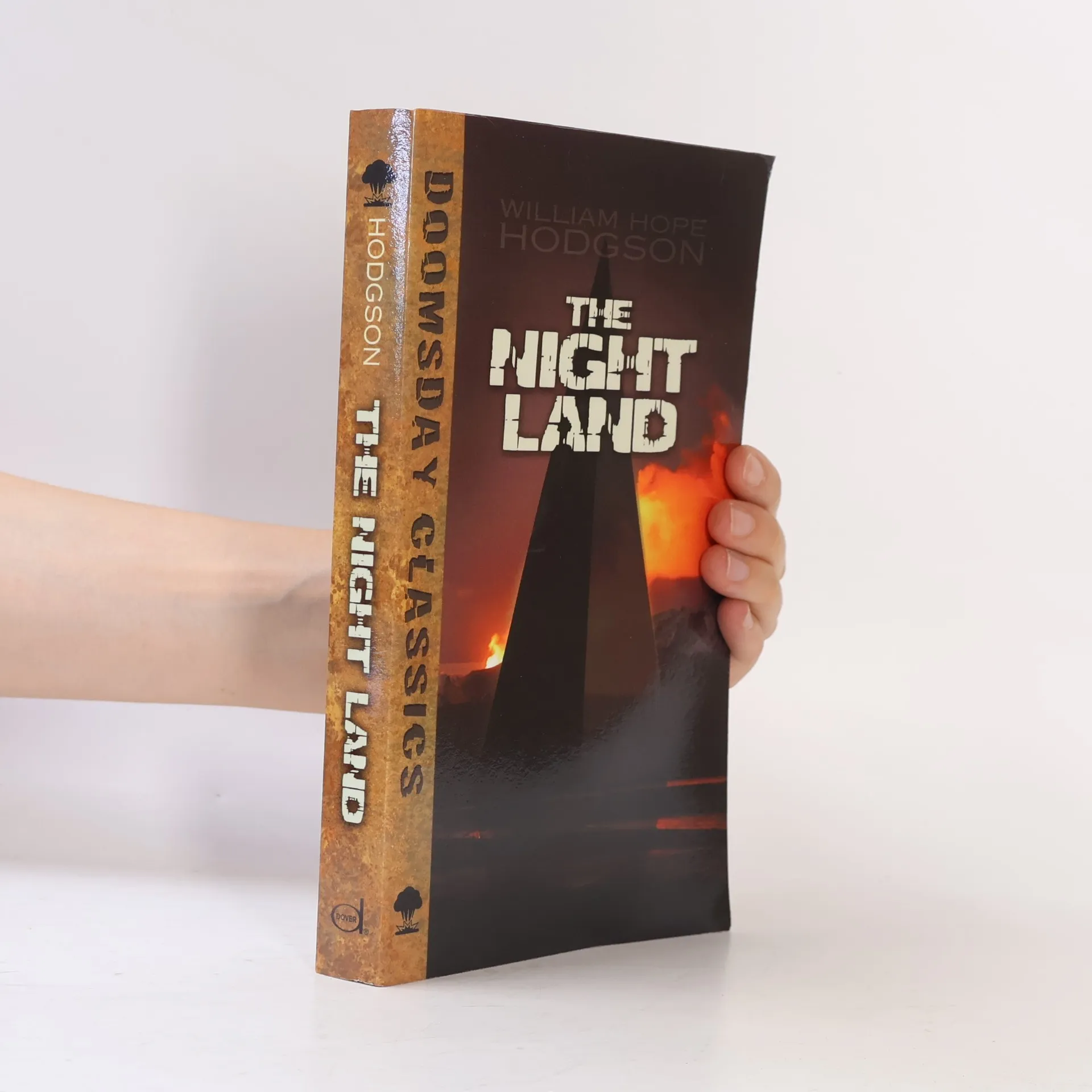
In the distant future, the sun has expired and the Earth's few million survivors are clustered in a gigantic pyramid, under siege from unknown forces. This groundbreaking 1912 fantasy recounts a heroic search for life beyond the darkness. "One of the most potent pieces of macabre imagination ever written." — H. P. Lovecraft.
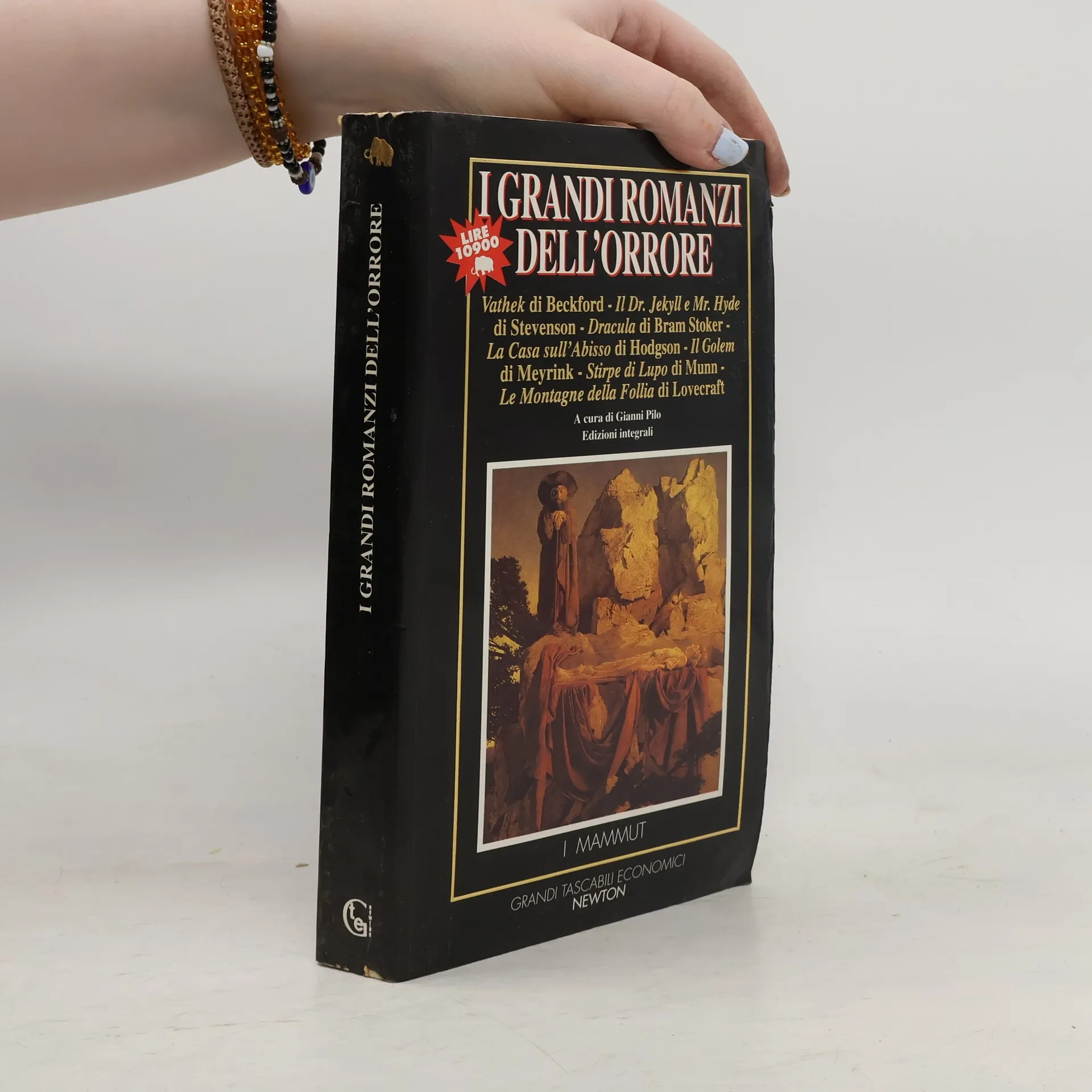
Mistero, terrore, manifestazioni del soprannaturale in sette classici della letteratura horror. Questa antologia non trascura nessuna delle maggiori figure dell'immaginario orrorifico: dal Dracula di Bram Stoker, al Golem di Meyrink, dal Dr. Jekyll di Stevenson al Signore del Male di Warner Munn, dal Vathek di Beckford, agli Esseri dell'Abisso di Hodgson e ai Grandi Antichi di Lovecraft. - Vathek di William Beckford (1784) - Il Dr. Jekyll e Mr. Hyde di Robert Louis Stevenson (1885) - Dracula di Bram Stoker (1897) - La Casa sull'Abisso di William Hope Hodgson (1908) - Il Golem di Gustav Meyrink (1913) - Stirpe di Lupo di Harold Warner Munn (1930) - Le Montagne della Follia di Howard Phillips Lovecraft (1936)
Prípady detektíva Carnackiho – najslávnejšieho vyšetrovateľa paranormálnych záhad.
Starobylé, rubášom noci zahalené domy a hrady mávajú svoje tajomstvá. V každom sa zaručene nájde nejaký duch, lenže v niektorých vyčíňajú aj omnoho nebezpečnejšie prízraky a monštrá... Z komnát sa tam za nocí ozývajú desivé zvuky, zo stropov kvapká krv a niekto, alebo niečo práve prudko rozrazilo dvere a zahasilo všetky sviece. V podobných prípadoch môže zasiahnuť jedine znalec okultných úkazov a zároveň detektív. Presne takým je Thomas Carnacki – vyšetrovateľ paranormálnych záhad, ktorého začiatkom 20. storočia stvoril anglický spisovateľ William H. Hodgson. Bol jedným z prvých svojho druhu v literatúre a vďaka prezieravému pohľadu na svet tušil, že občas sa za zdanlivými prízrakmi nehmotného sveta môže v skutočnosti skrývať aj človek s temnými úmyslami. Ale čo je vlastne väčšie zlo? Zapáľte oheň v krbe, usaďte sa do pohodlného kresla a vydajte sa spolu s lovcom duchov, Thomasom Carnackim do sveta, kde sú hranice reality a nadprirodzena takmer nepostrehnuteľné...
Il mare vede sorgere dalle sue profondità degli esseri mostruosi e soprannaturali che non è possibile in alcun modo controllare. Così, i personaggi cui dà vita Hodgson sono costretti ad affacciarsi ogni volta sul baratro dell'ignoto dove la realtà e i simboli si fondono in un insieme terrorizante. Hodgson ha visto nel mare il lato occulto e spaventoso che genera le tenebre e i mostri marini.