



Mehr zum Buch
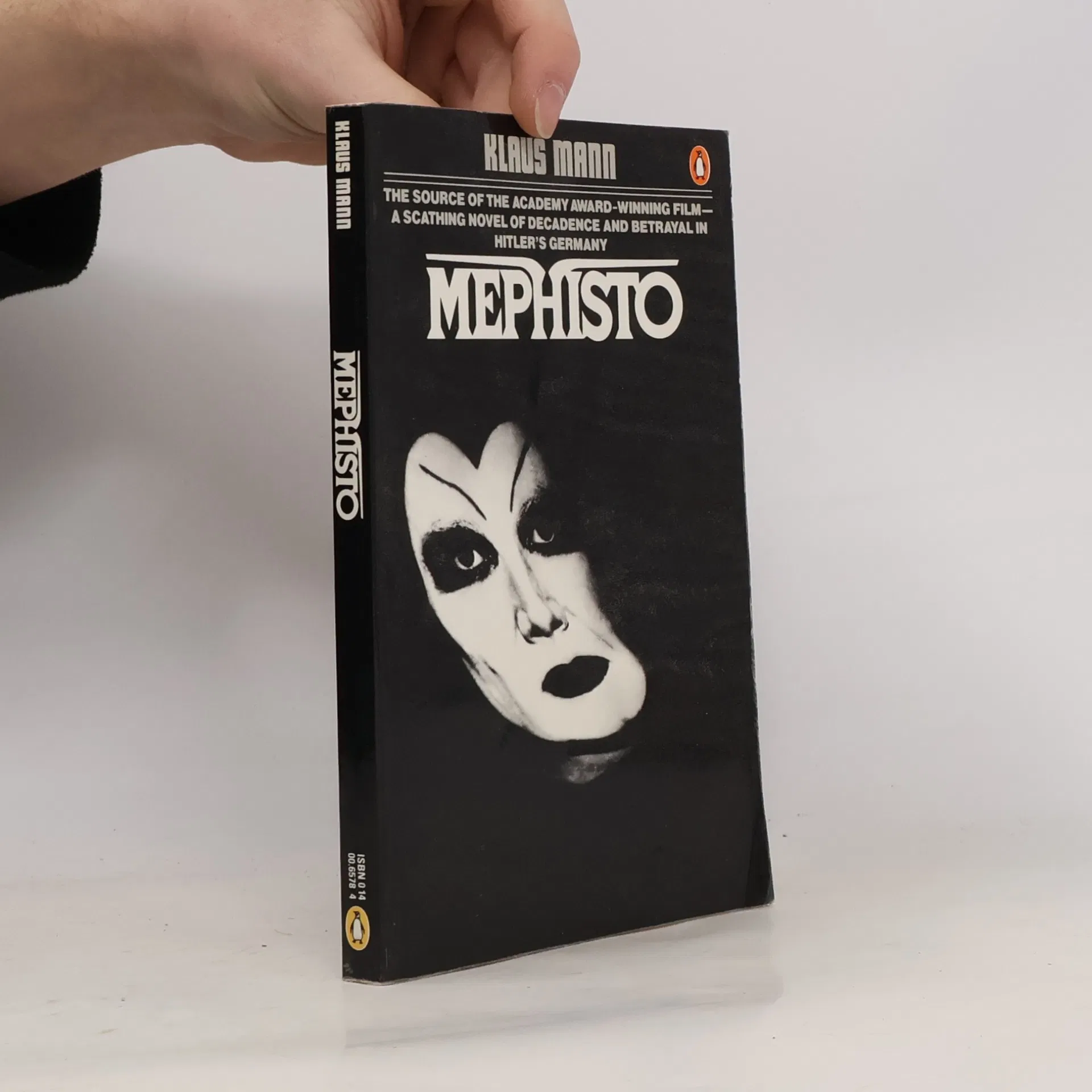
Klaus Mann, son of Thomas Mann, wrote MEPHISTO while in exile during World War II, capturing the atmosphere of Nazi Germany through a satirical narrative about the rise of Hendrik Hofgen, a character actor and a thinly veiled caricature of Mann's brother-in-law. Publicly a revolutionary, Hofgen is privately consumed by an obsessive quest for power and fame. His marriage to the daughter of a prominent politician initially boosts his status, but his affair with ‘a black Venus’ jeopardizes his standing in Nazi society. Achieving brilliant success as Mephisto in FAUST, he gains the favor of the Führer’s prime minister, who appoints him head of the State Theater. While Hofgen's ambitions seem fulfilled, the story concludes with his confrontation of life's emptiness. Mann skillfully weaves a tale of decadence and evil. Born in Munich in 1906, Klaus began writing in 1924 and became a theatrical critic shortly after. He published his first novel, THE PIOUS DANCE, in 1925 and left Germany in 1933, ultimately becoming a U.S. citizen in 1943. He passed away at forty-two in Cannes, France. Robin Smyth served as a European correspondent for the London Observer.
Sprache


Buchkauf
Mephisto, Klaus Mann, Robin Smyth
- Sprache
- Erscheinungsdatum
- 1983
- Einband
- (Paperback),
- Buchzustand
- Gebraucht - Gut
- Preis
- 9,39 €inkl. MwSt.
Hier könnte deine Bewertung stehen.
- Titel
- Mephisto
- Autor*innen
- Klaus Mann, Robin Smyth
- Verlag
- Penguin Books
- Erscheinungsdatum
- 1983
- Einband
- Paperback
- Seitenzahl
- 263
- ISBN10
- 0140065784
- ISBN13
- 9780140065787
- Reihe
- Schlagwörter
- Deutsche Literatur, Verfilmt, Exil
- Erstveröffentlichung
- 1936
- Originaltitel
- Mephisto: Roman einer Karriere
- Bewertung
- 4,05 von 5 Sternen
- Beschreibung
- Klaus Mann, son of Thomas Mann, wrote MEPHISTO while in exile during World War II, capturing the atmosphere of Nazi Germany through a satirical narrative about the rise of Hendrik Hofgen, a character actor and a thinly veiled caricature of Mann's brother-in-law. Publicly a revolutionary, Hofgen is privately consumed by an obsessive quest for power and fame. His marriage to the daughter of a prominent politician initially boosts his status, but his affair with ‘a black Venus’ jeopardizes his standing in Nazi society. Achieving brilliant success as Mephisto in FAUST, he gains the favor of the Führer’s prime minister, who appoints him head of the State Theater. While Hofgen's ambitions seem fulfilled, the story concludes with his confrontation of life's emptiness. Mann skillfully weaves a tale of decadence and evil. Born in Munich in 1906, Klaus began writing in 1924 and became a theatrical critic shortly after. He published his first novel, THE PIOUS DANCE, in 1925 and left Germany in 1933, ultimately becoming a U.S. citizen in 1943. He passed away at forty-two in Cannes, France. Robin Smyth served as a European correspondent for the London Observer.