

Mehr zum Buch
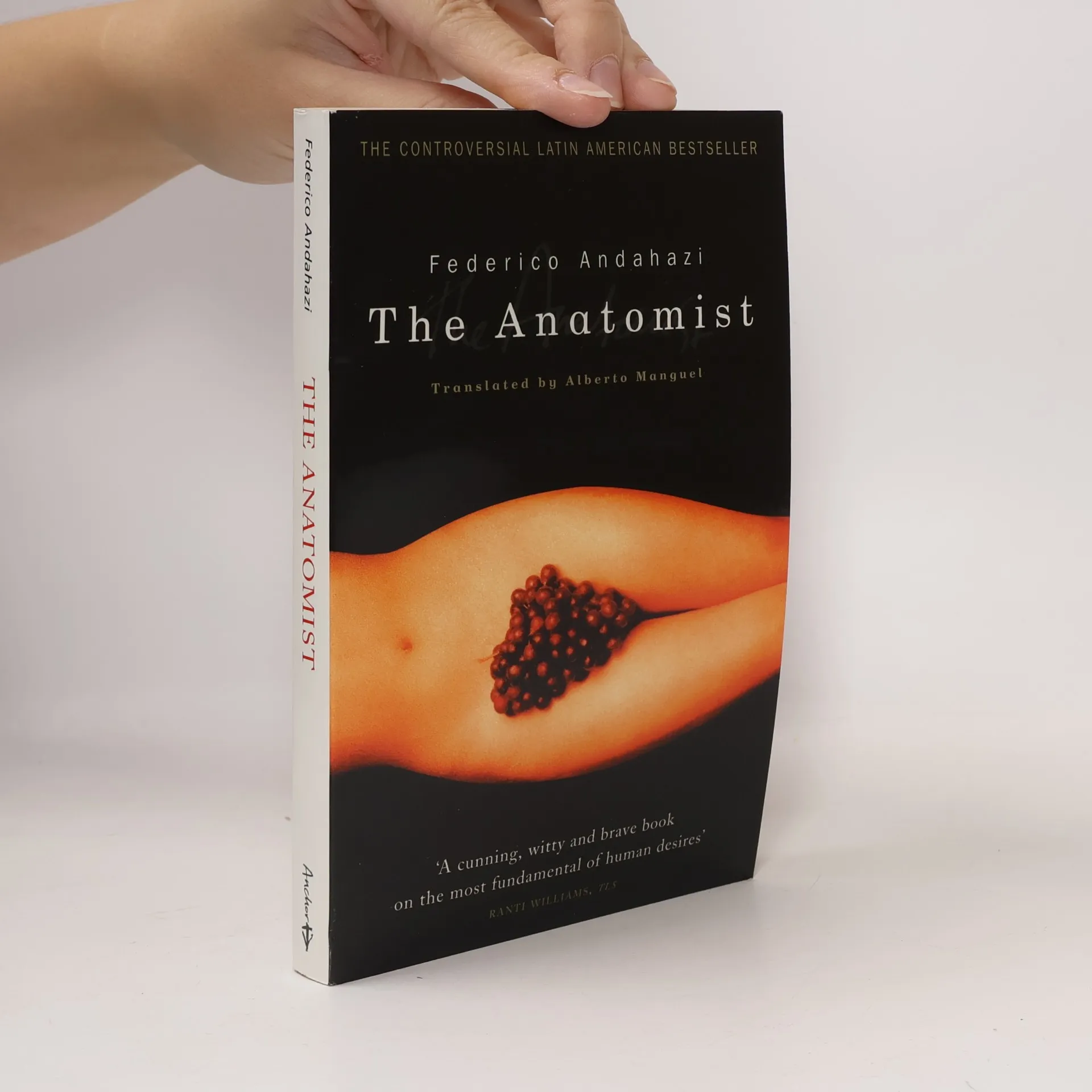
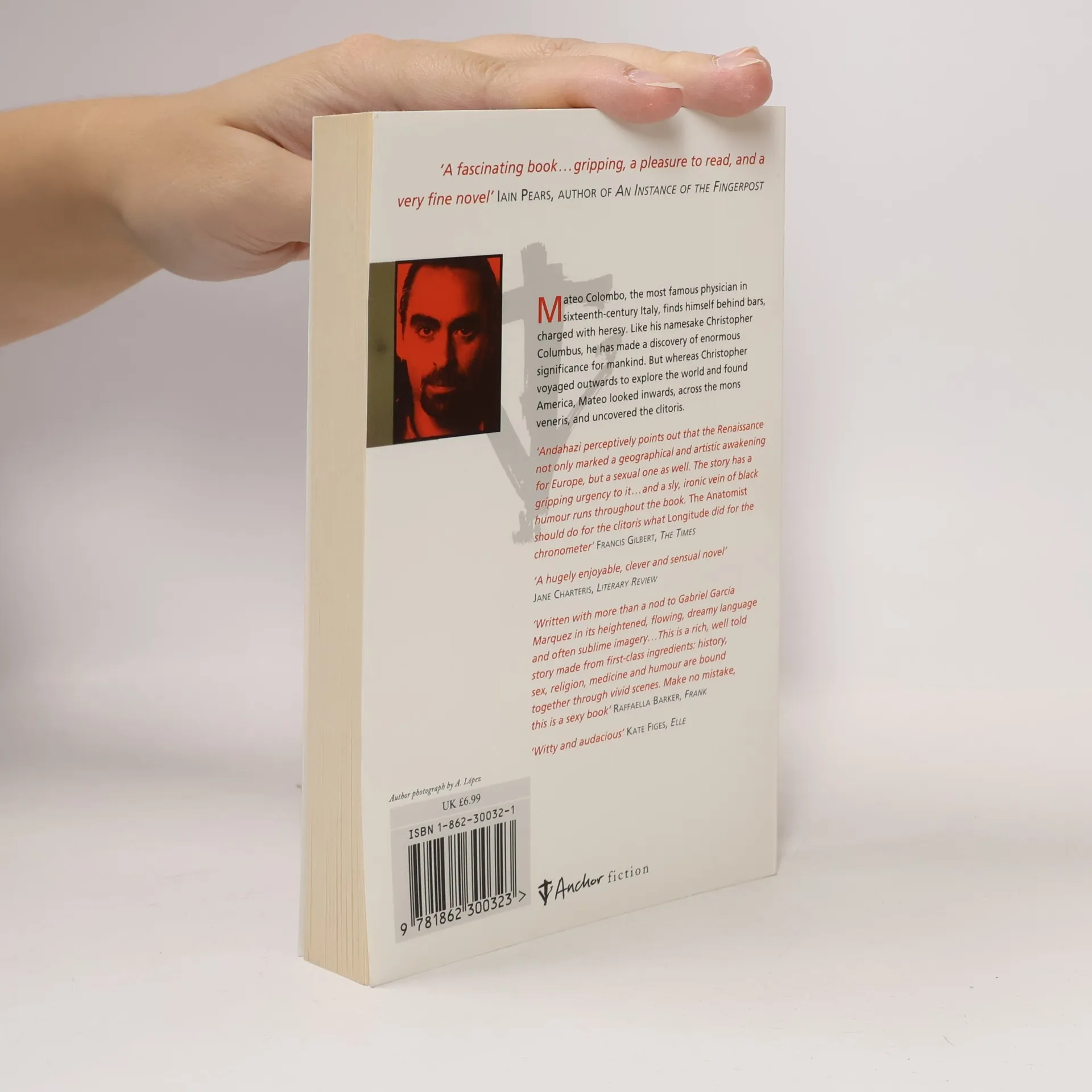
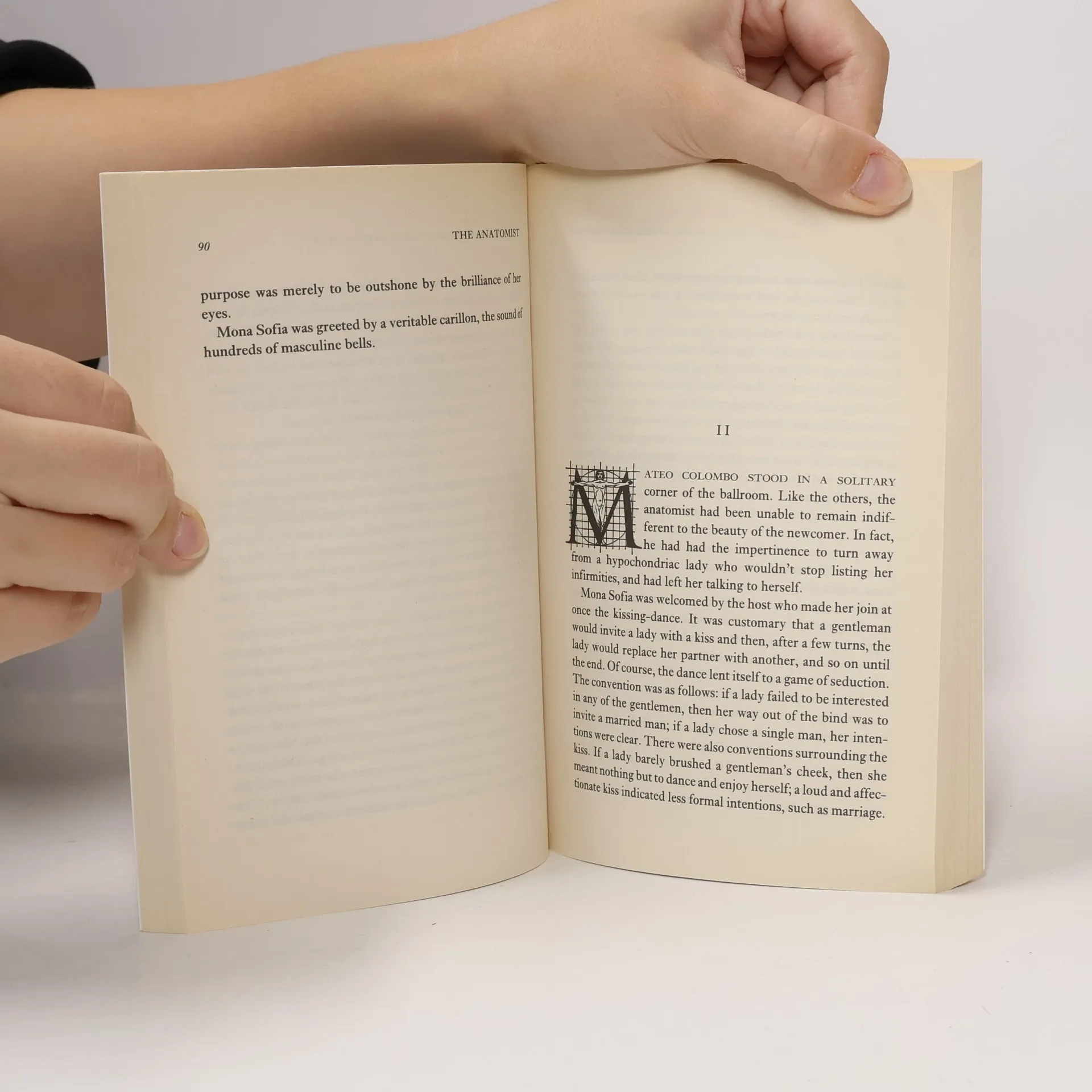
"O my America, my new-found-land!" Mateo Renaldo Colombo, the anatomist, might have exclaimed in his De re anatomica. Federico Andahazi draws a parallel between Colombo and Christopher Columbus, suggesting both made "equally momentous and disturbing" discoveries. While Columbus's exploration is well-known, Mateo's is less so: he discovered the Amor Veneris, or the clitoris. Andahazi presents Mateo as a fierce and heartless figure, akin to Christopher, claiming rights over the female body he "discovered." This irony may resonate with women readers as much as it does with Native Americans regarding Columbus's so-called "discovery." The narrative follows the fictional Colombo, who is enamored with the courtesan Mona Sofia, only to be treated as a mere client. After a heartbreak, he returns to Padua and is summoned to Florence to treat the beautiful Inés de Torremolinos, whose unusual illness leads to a shocking anatomical revelation. This discovery, while ripe for eroticism, ultimately triggers a severe reaction from the Church. As Colombo writes about his findings in De re anatomica, the Renaissance's spirit of inquiry clashes with the era's Inquisition, resulting in his arrest for heresy. The trial and its aftermath elevate the story beyond mere eroticism, inviting deeper philosophical discussions.


Buchkauf
The Anatomist, Alberto Manguel, Federico Andahazi
- Sprache

- Erscheinungsdatum
- 1999
- Einband
- (Paperback),
- Buchzustand
- Gebraucht - Gut
- Preis
- 5,69 €inkl. MwSt.
Hier könnte deine Bewertung stehen.
- Titel
- The Anatomist
- Sprache
- Englisch
- Autor*innen
- Alberto Manguel, Federico Andahazi
- Verlag
- Anchor
- Erscheinungsdatum
- 1999
- Einband
- Paperback
- Seitenzahl
- 254
- ISBN10
- 1862300321
- ISBN13
- 9781862300323
- Reihe
- Schlagwörter
- Gegenwartsliteratur, Südeuropa, Italien
- Erstveröffentlichung
- 1997
- Originaltitel
- El anatomista
- Bewertung
- 3,5 von 5 Sternen
- Beschreibung
- "O my America, my new-found-land!" Mateo Renaldo Colombo, the anatomist, might have exclaimed in his De re anatomica. Federico Andahazi draws a parallel between Colombo and Christopher Columbus, suggesting both made "equally momentous and disturbing" discoveries. While Columbus's exploration is well-known, Mateo's is less so: he discovered the Amor Veneris, or the clitoris. Andahazi presents Mateo as a fierce and heartless figure, akin to Christopher, claiming rights over the female body he "discovered." This irony may resonate with women readers as much as it does with Native Americans regarding Columbus's so-called "discovery." The narrative follows the fictional Colombo, who is enamored with the courtesan Mona Sofia, only to be treated as a mere client. After a heartbreak, he returns to Padua and is summoned to Florence to treat the beautiful Inés de Torremolinos, whose unusual illness leads to a shocking anatomical revelation. This discovery, while ripe for eroticism, ultimately triggers a severe reaction from the Church. As Colombo writes about his findings in De re anatomica, the Renaissance's spirit of inquiry clashes with the era's Inquisition, resulting in his arrest for heresy. The trial and its aftermath elevate the story beyond mere eroticism, inviting deeper philosophical discussions.