

Mehr zum Buch
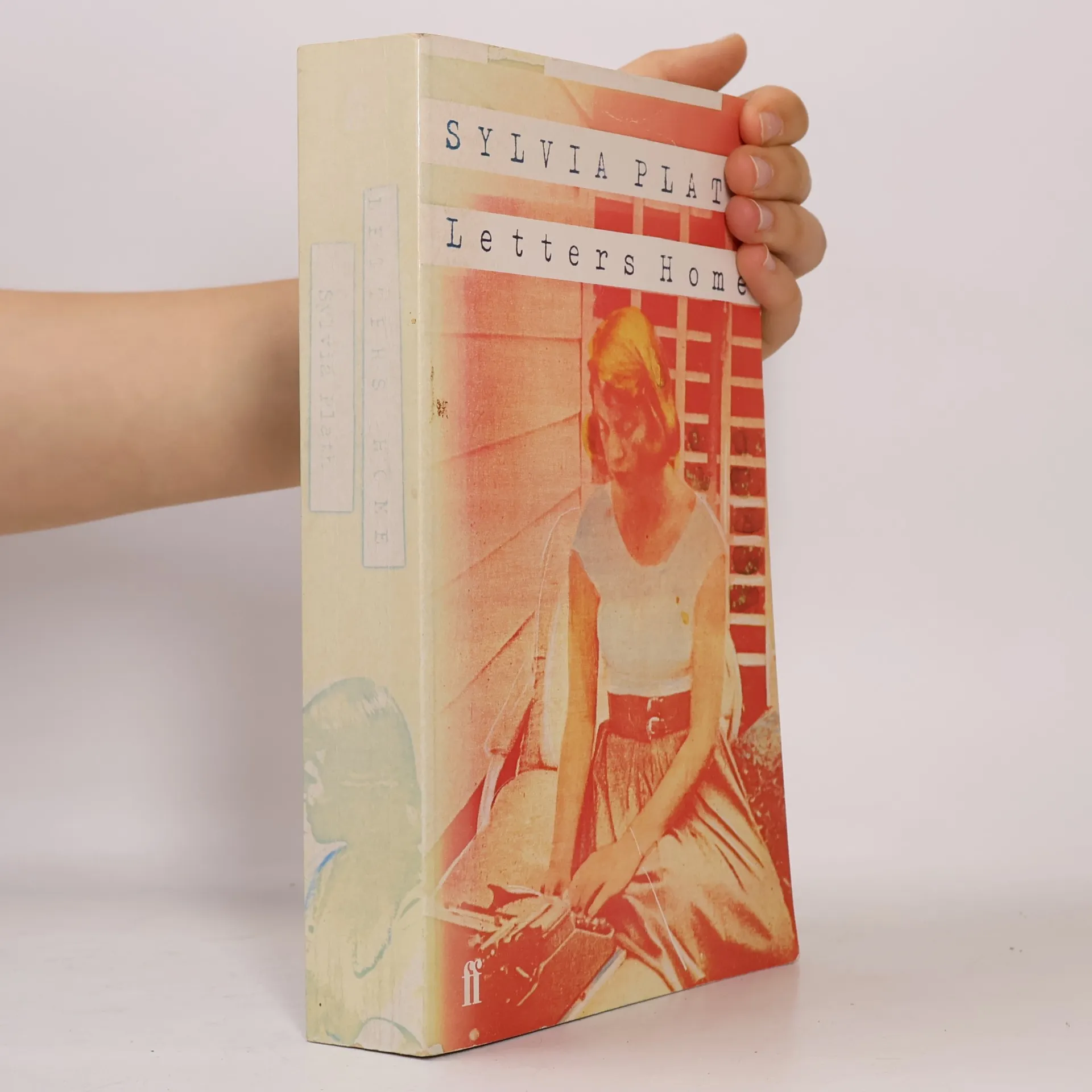
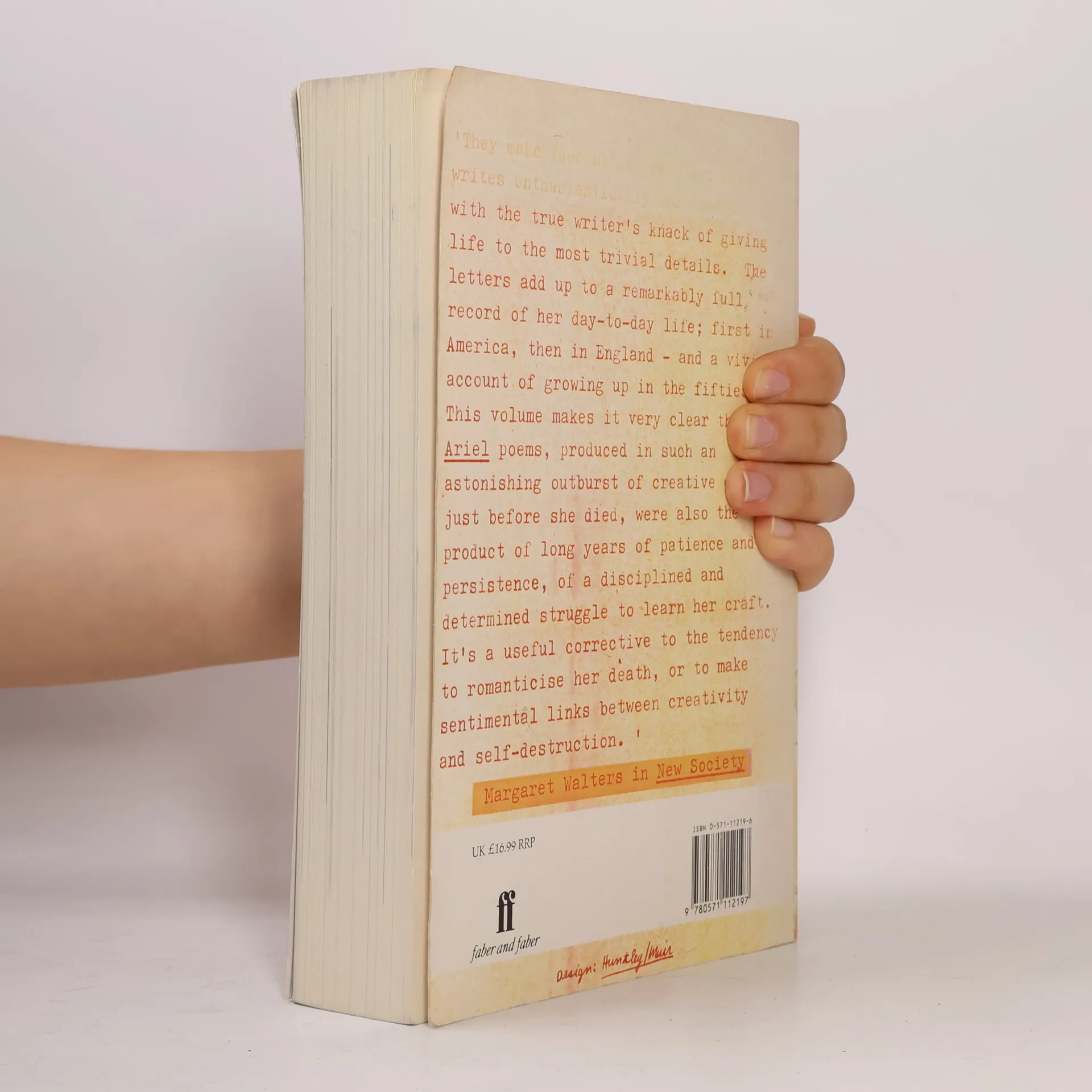
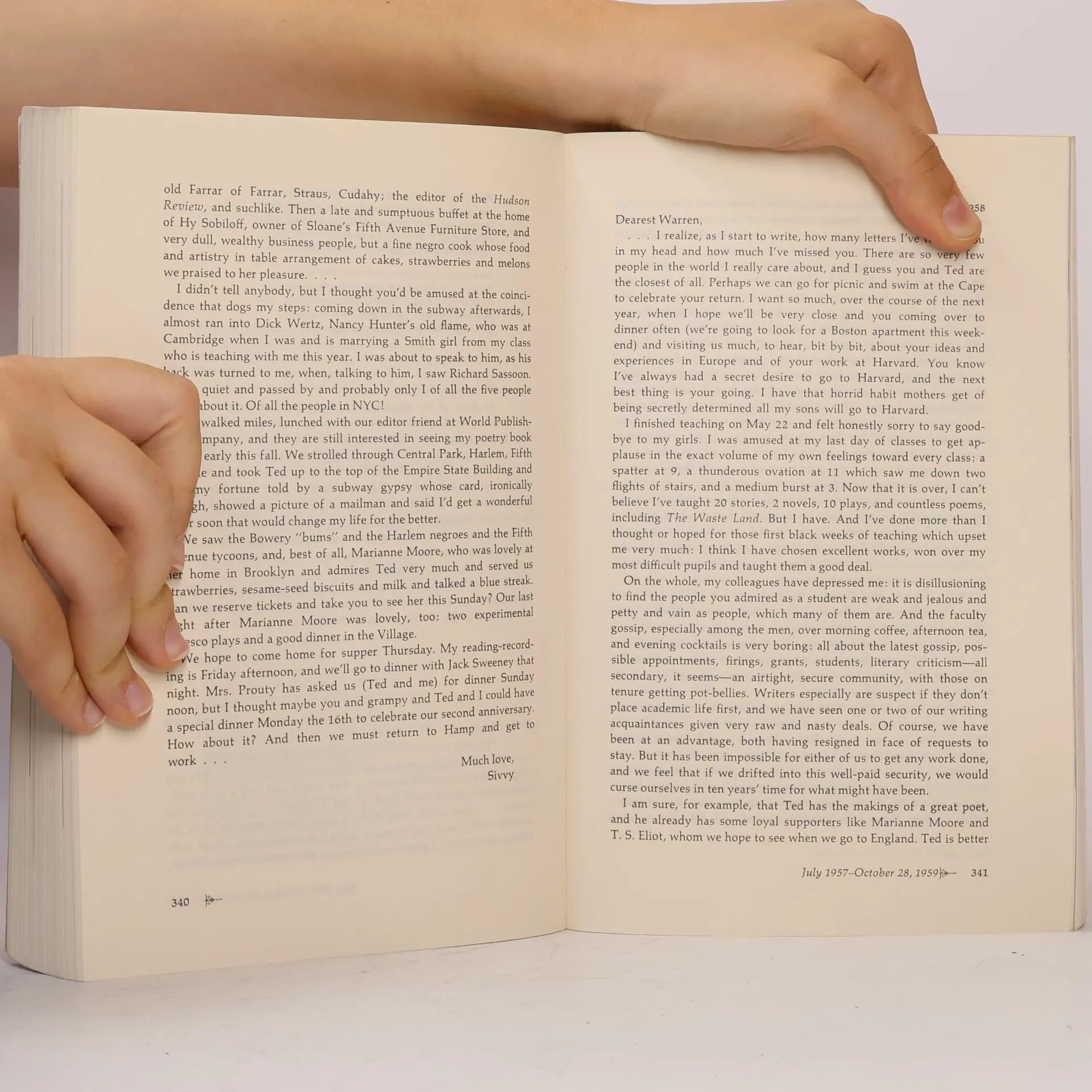
Letters Home represents Sylvia Plath's correspondence from her time at Smith College in the early fifties, through her meeting with, and subsequent marriage to, the poet Ted Hughes, up to her death in February 1963. The letters are addressed mainly to her mother, with whom she had an extremely close and confiding relationship, but there are also some to her brother Warren and her benefactress Mrs Prouty. Plath's energy, enthusiasm and her passionate tackling of life burst onto these pages, providing us with a vivid and intimate portrait of a woman who has come to be regarded as one of the greatest of twentieth-century poets. In addition to her capacity for domestic and writerly happiness, however, these letters also hint at Plath's potential for deep despair, which reached its crisis when she holed up in a London flat for the terrible winter of 1963.

Publikation

Buchkauf
Letters Home, Sylvia Plath, Aurelia Schober Plath
- Sprache

- Erscheinungsdatum
- 1977
- Einband
- (Paperback)
Hier könnte deine Bewertung stehen.
- Titel
- Letters Home
- Untertitel
- Correspondence
- Sprache
- Englisch
- Autor*innen
- Sylvia Plath, Aurelia Schober Plath
- Verlag
- Faber & Faber
- Erscheinungsdatum
- 1977
- Einband
- Paperback
- Seitenzahl
- 502
- ISBN10
- 0571112196
- ISBN13
- 9780571112197
- Reihe
- Schlagwörter
- Historisches Thema, Familie, Frauen, USA, 20. Jahrhundert, Amerikanische Literatur, Ehe, Universität, Briefe, Depression, Selbstmord, Autobiografische Romane, Schriftstellerinnen
- Originaltitel
- Letters home
- Bewertung
- 4,25 von 5 Sternen
- Beschreibung
- Letters Home represents Sylvia Plath's correspondence from her time at Smith College in the early fifties, through her meeting with, and subsequent marriage to, the poet Ted Hughes, up to her death in February 1963. The letters are addressed mainly to her mother, with whom she had an extremely close and confiding relationship, but there are also some to her brother Warren and her benefactress Mrs Prouty. Plath's energy, enthusiasm and her passionate tackling of life burst onto these pages, providing us with a vivid and intimate portrait of a woman who has come to be regarded as one of the greatest of twentieth-century poets. In addition to her capacity for domestic and writerly happiness, however, these letters also hint at Plath's potential for deep despair, which reached its crisis when she holed up in a London flat for the terrible winter of 1963.