

Ausverkauft, aber heiß begehrt!
Liegt es in deinem Regal?Verdiene zwischen 2,78 € und 3,84 € beim Verkauf dieses Buches.
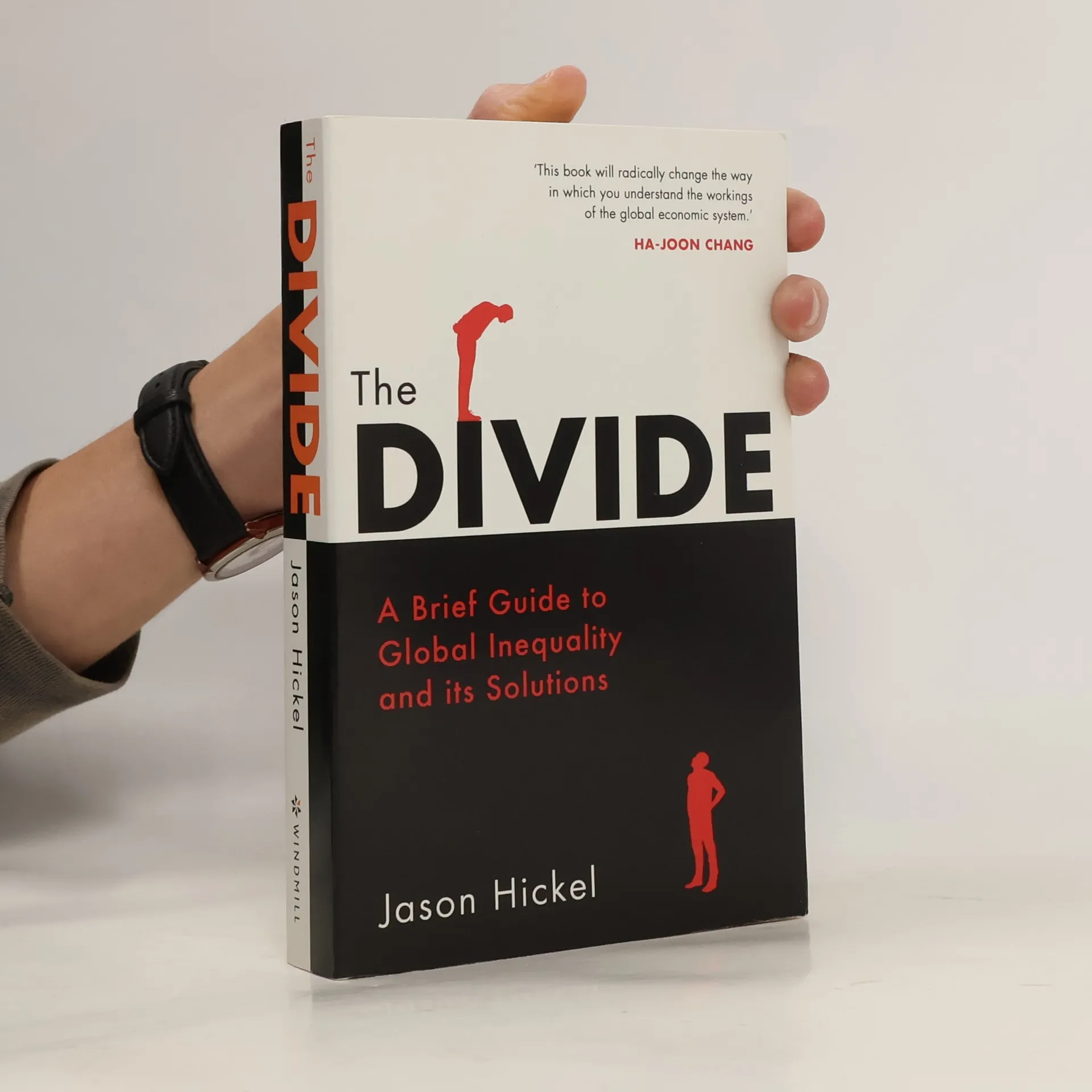
Bücher verkaufenThe Divide. A Brief Guide to Global Inequality and its Solutions
Autor*innen
Buchbewertung
Parameter
- 347 Seiten
- 13 Lesestunden
Mehr zum Buch
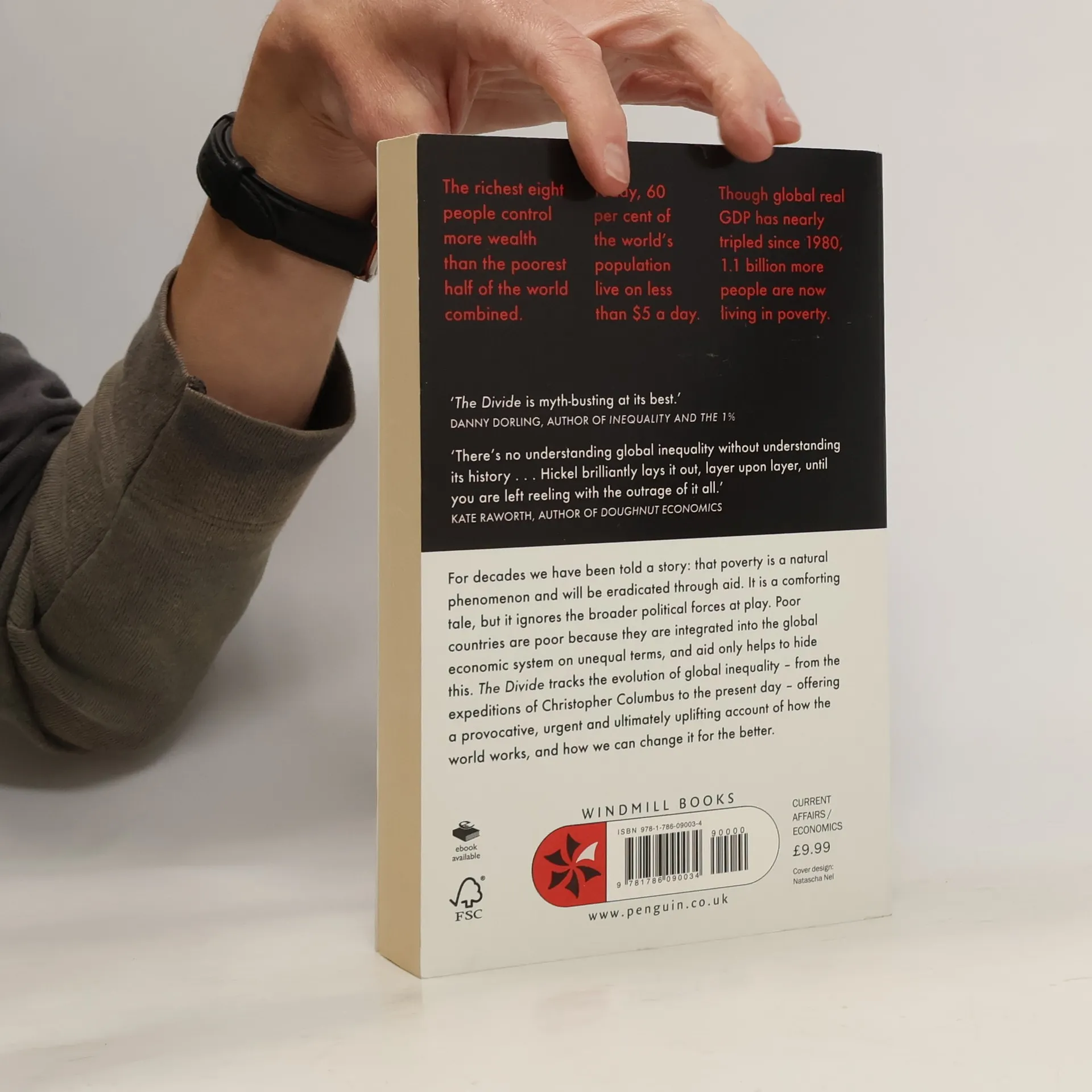
The richest eight people control more wealth than the poorest half of the world combined. Today, 60 per cent of the world's population lives on less than $5 a day. Though global real GDP has nearly tripled since 1980, 1.1 billion more people are now living in poverty. For decades we have been told a story; that development is working, that poverty is a natural phenomenon and will be eradicated through aid by 2030. But just because it is a comforting tale doesn't make it true. Poor countries are poor because they are integrated into the global economic system on unequal terms, and aid only helps to hide this.



Buchkauf
The Divide. A Brief Guide to Global Inequality and its Solutions, Jason Hickel
- Sprache

- Erscheinungsdatum
- 2018
- Einband
- (Paperback)
Wir benachrichtigen dich per E-Mail.
4,7
Ausgezeichnet
99+ Bewertung
Hier könnte deine Bewertung stehen.
- Titel
- The Divide. A Brief Guide to Global Inequality and its Solutions
- Sprache
- Englisch
- Autor*innen
- Jason Hickel
- Verlag
- Windmill Books
- Erscheinungsdatum
- 2018
- Einband
- Paperback
- Seitenzahl
- 347
- ISBN10
- 1786090031
- ISBN13
- 9781786090034
- Reihe
- Kategorien
- Schlagwörter
- Historisches Thema, Handel, Politik, Geschenke für Opa, Gesellschaft, Soziale Gerechtigkeit
- Originaltitel
- The Divide: A Brief Guide to Global Inequality and its Solutions
- Bewertung
- 4,65 von 5 Sternen
- Beschreibung
- The richest eight people control more wealth than the poorest half of the world combined. Today, 60 per cent of the world's population lives on less than $5 a day. Though global real GDP has nearly tripled since 1980, 1.1 billion more people are now living in poverty. For decades we have been told a story; that development is working, that poverty is a natural phenomenon and will be eradicated through aid by 2030. But just because it is a comforting tale doesn't make it true. Poor countries are poor because they are integrated into the global economic system on unequal terms, and aid only helps to hide this.