


Mehr zum Buch
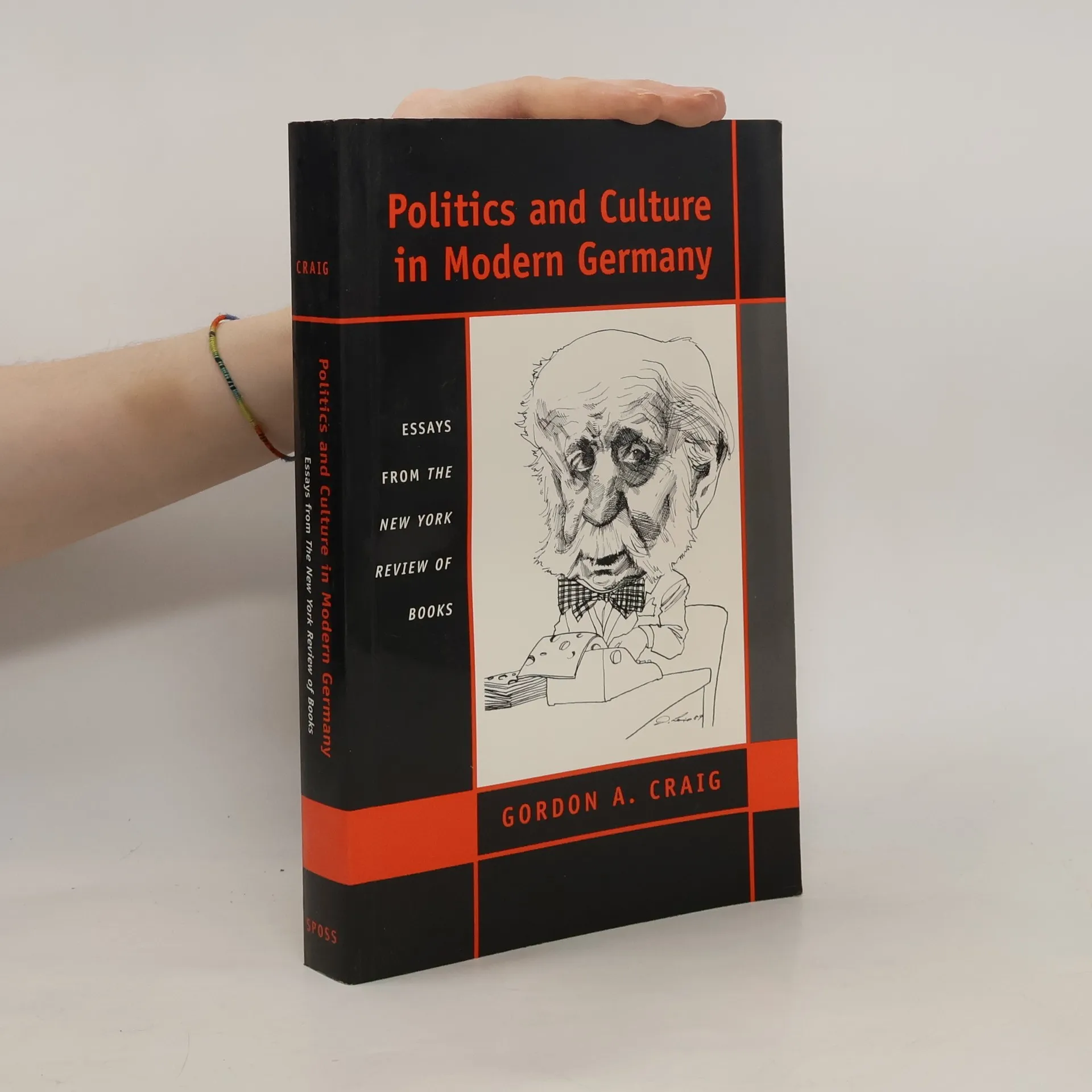
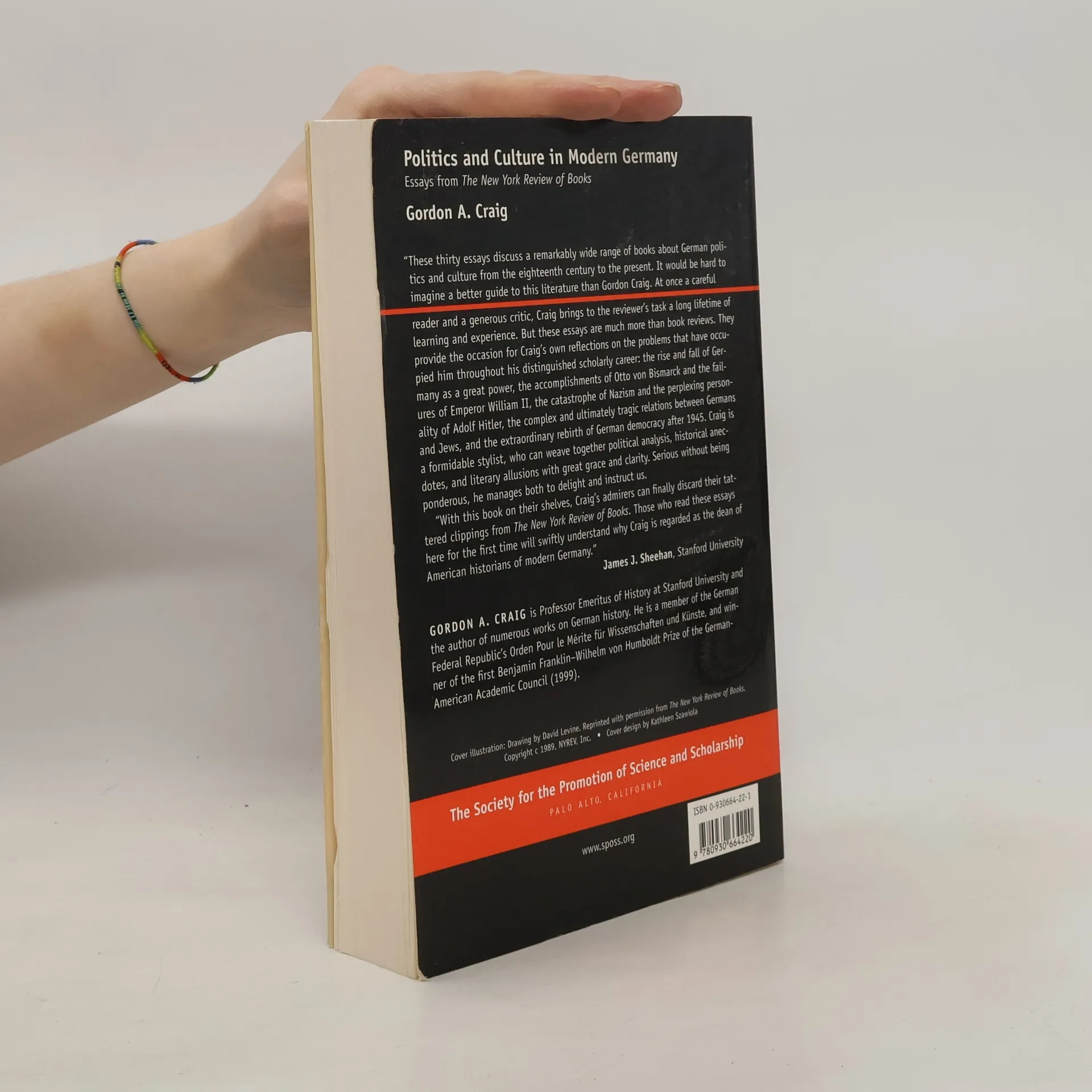
In this collection of 30 superb essays, Gordon A. Craig, distinguished historian of Germany, examines German politics and culture from the 18th century to the present. Topics range from the political history of Germany from 1770 to 1866, Bismarck, Emperor William II, Germany and the First World War, Thomas Mann, and the architects Karl Friedrich Schinkel and Gottfried Semper. He considers the Third Reich -- its political history, major figures, foreign policy and the coming of the war, and varieties of resistance to Nazism before and during the war. He also considers Jews in Germany in the 19th century, the Rothschilds, and the years of persecution as described by Victor Klemperer. He documents the remarkable rebirth of German democracy after 1945, including the cultural history and political significance of Berlin, and Germans' continuing struggle with the past.

Buchkauf
Politics and culture in modern Germany, Gordon A. Craig
- Sprache

- Erscheinungsdatum
- 1999
- Einband
- (Paperback)
Keiner hat bisher bewertet.
- Titel
- Politics and culture in modern Germany
- Sprache
- Englisch
- Autor*innen
- Gordon A. Craig
- Erscheinungsdatum
- 1999
- Einband
- Paperback
- Seitenzahl
- 385
- ISBN10
- 0930664221
- ISBN13
- 9780930664220
- Reihe
- Schlagwörter
- Historisches Thema
- Beschreibung
- In this collection of 30 superb essays, Gordon A. Craig, distinguished historian of Germany, examines German politics and culture from the 18th century to the present. Topics range from the political history of Germany from 1770 to 1866, Bismarck, Emperor William II, Germany and the First World War, Thomas Mann, and the architects Karl Friedrich Schinkel and Gottfried Semper. He considers the Third Reich -- its political history, major figures, foreign policy and the coming of the war, and varieties of resistance to Nazism before and during the war. He also considers Jews in Germany in the 19th century, the Rothschilds, and the years of persecution as described by Victor Klemperer. He documents the remarkable rebirth of German democracy after 1945, including the cultural history and political significance of Berlin, and Germans' continuing struggle with the past.