

Parameter
- 256 Seiten
- 9 Lesestunden
Mehr zum Buch
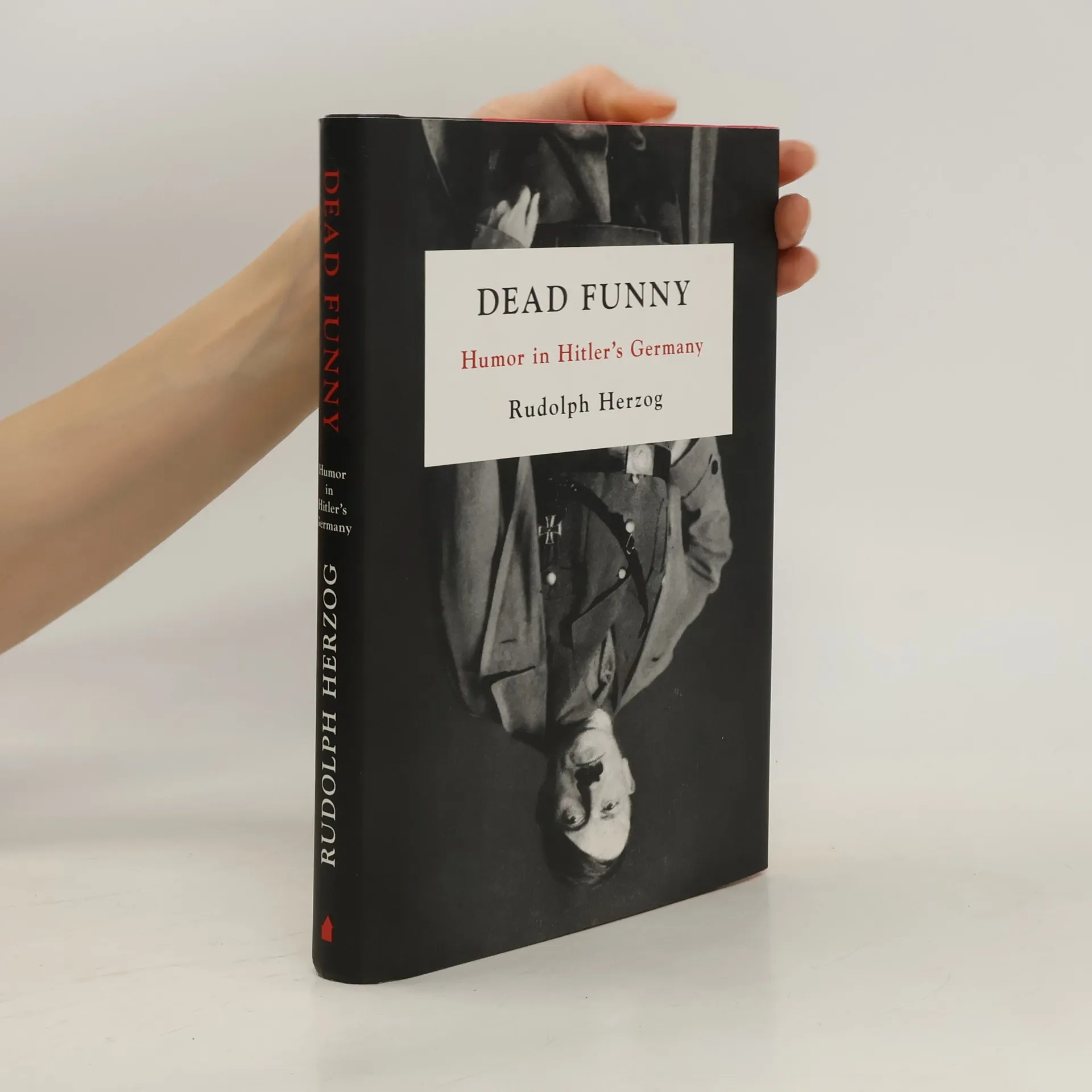
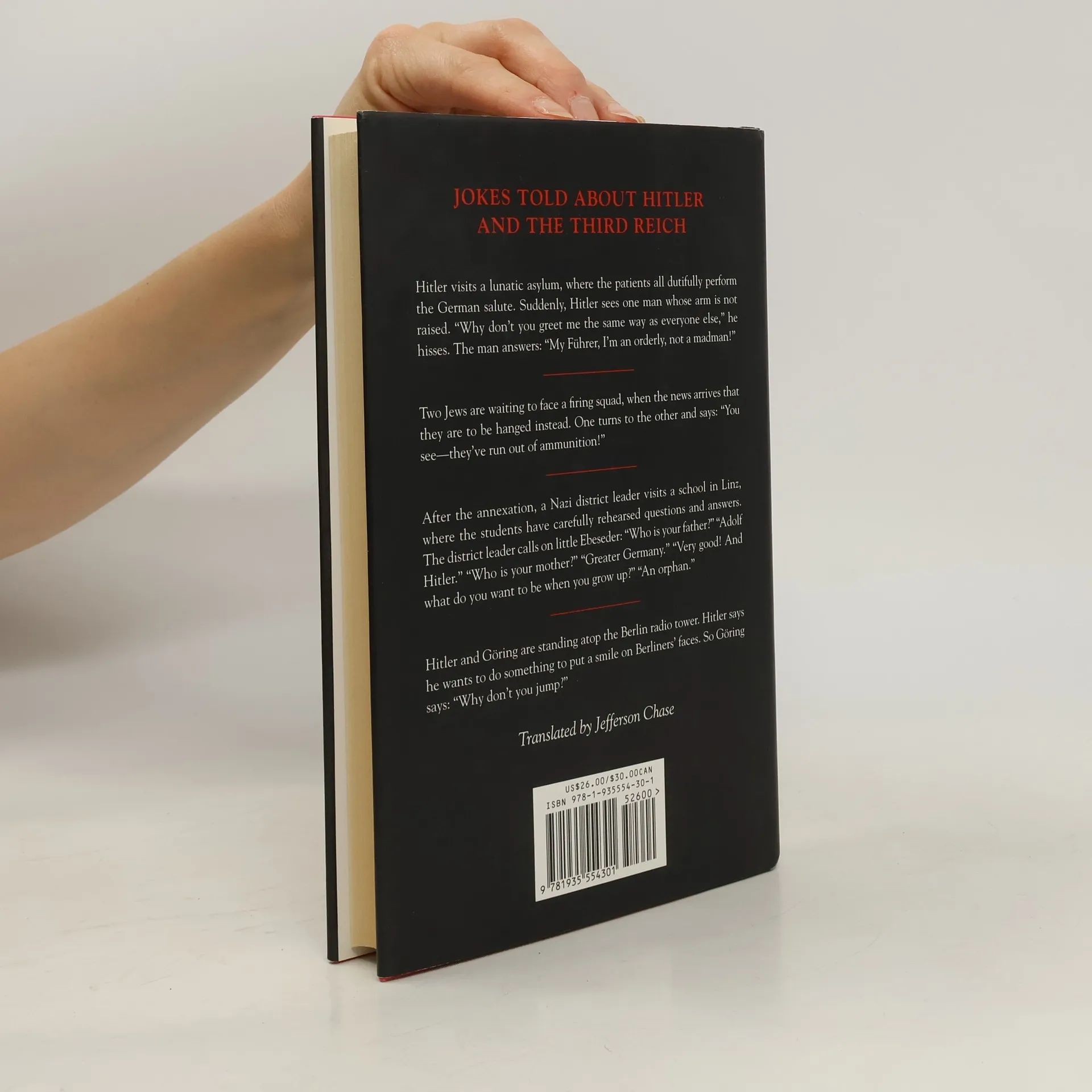
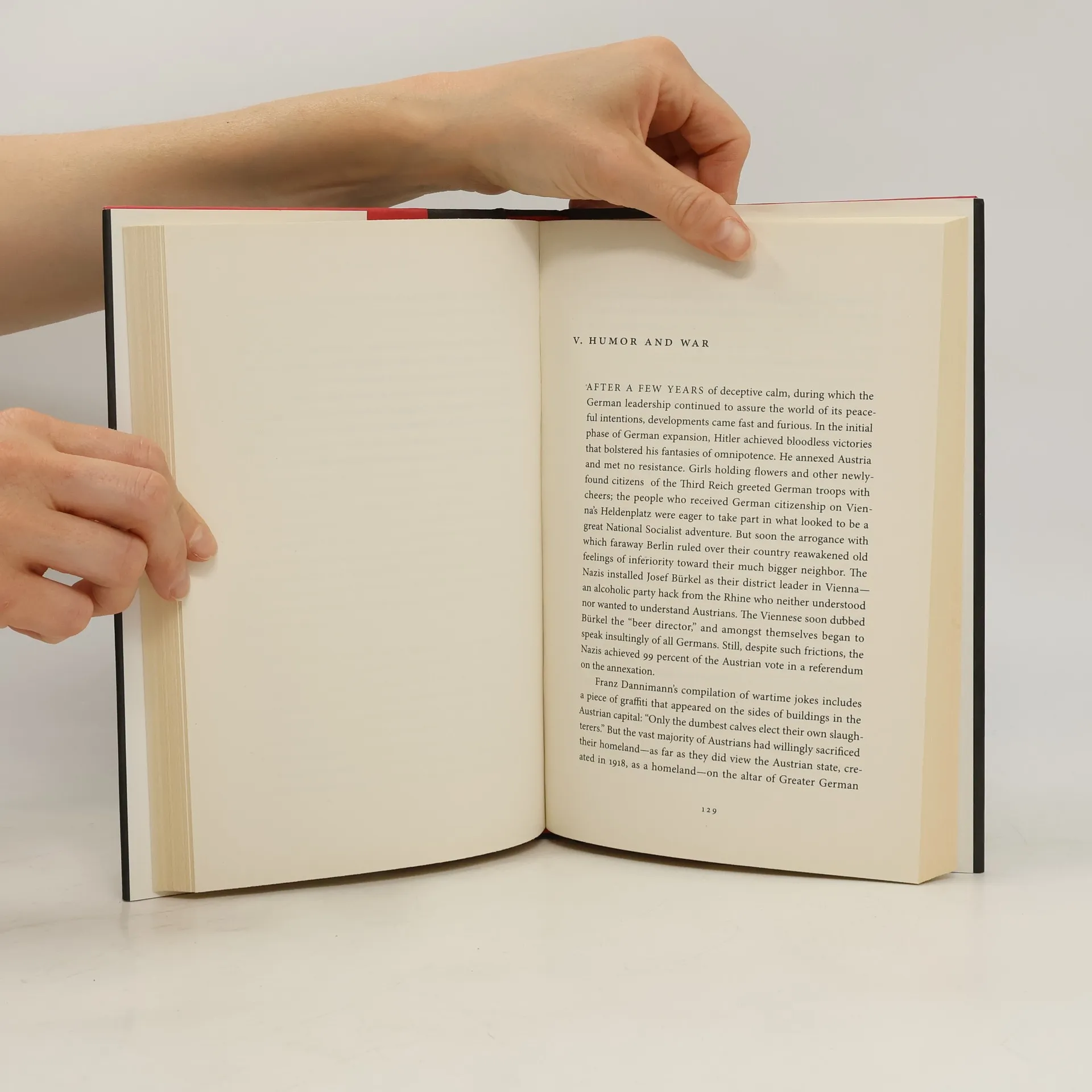
In Nazi Germany, telling jokes about Hitler could be deadly, raising the question of whether it is acceptable to laugh at him. This debate persists in Germany today, as many struggle to approach the Third Reich with satire without seeming to trivialize the Holocaust. Yet, a rich history of jokes about the Nazis exists. Rudolph Herzog reveals that the portrayal of Hitler as “ridiculous” was not a post-war phenomenon; early in Nazi rule, many Germans mocked Hitler and other officials. This history is both fascinating and chilling, covering the suppression of the anti-Nazi cabaret scene in the 1930s, jokes shared during WWII, and the whispered quips published after the war. The collection highlights the grim reality that many Germans were not entirely under Nazi propaganda's spell; they were aware of the concentration camps, which were also subjects of humor during the war. Herzog's work challenges the post-war narrative that people were oblivious to Hitler's actions, asserting instead that Germans were informed, occasionally joked about the regime, and ultimately failed to take action.

Buchkauf
Dead Funny, Rudolf Herzog
- Sprache

- Erscheinungsdatum
- 2011
- Einband
- (Hardcover)
Hier könnte deine Bewertung stehen.
- Titel
- Dead Funny
- Untertitel
- Humor in Hitler's Germany
- Sprache
- Englisch
- Autor*innen
- Rudolf Herzog
- Erscheinungsdatum
- 2011
- Einband
- Hardcover
- Seitenzahl
- 256
- ISBN10
- 1935554301
- ISBN13
- 9781935554301
- Reihe
- Kategorien
- Schlagwörter
- Historisches Thema, Humor, Deutsche Literatur, Politik, Deutschland, Zweiter Weltkrieg, Spaß, Geschenke für Opa
- Originaltitel
- Heil Hitler, das Schwein ist tot!
- Bewertung
- 3,55 von 5 Sternen
- Beschreibung
- In Nazi Germany, telling jokes about Hitler could be deadly, raising the question of whether it is acceptable to laugh at him. This debate persists in Germany today, as many struggle to approach the Third Reich with satire without seeming to trivialize the Holocaust. Yet, a rich history of jokes about the Nazis exists. Rudolph Herzog reveals that the portrayal of Hitler as “ridiculous” was not a post-war phenomenon; early in Nazi rule, many Germans mocked Hitler and other officials. This history is both fascinating and chilling, covering the suppression of the anti-Nazi cabaret scene in the 1930s, jokes shared during WWII, and the whispered quips published after the war. The collection highlights the grim reality that many Germans were not entirely under Nazi propaganda's spell; they were aware of the concentration camps, which were also subjects of humor during the war. Herzog's work challenges the post-war narrative that people were oblivious to Hitler's actions, asserting instead that Germans were informed, occasionally joked about the regime, and ultimately failed to take action.