

Parameter
- 288 Seiten
- 11 Lesestunden
Mehr zum Buch
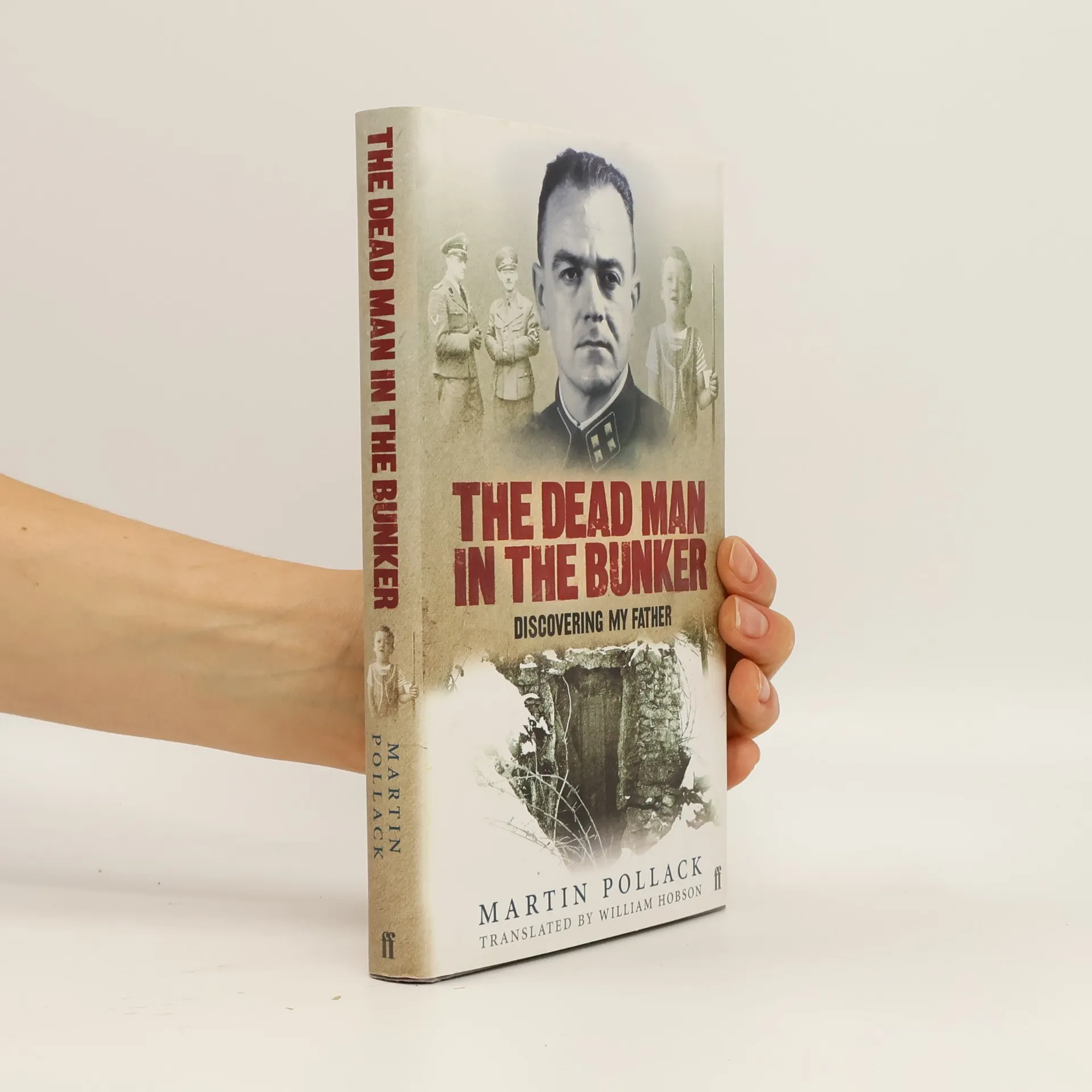
Gerhard Bast was found shot in an abandoned bunker in northern Italy close to the Austrian frontier in April 1947. Martin Pollack, his son, was then three and has no memories of his father.A middle-ranking SS officer, Bast had been on the run since the end of the war. He was an early member of both SS and Nazi Party and during the war commanded small Einsatzkommandos in the Caucasus and in Poland. He ends the war involved in murderous rearguard actions and atrocities in Slovakia.In attempting to piece together his father's life, Pollack assembles the memories of family and friends - who all remain extreme German nationalists until they die - and confronts the past by carefully reconstructing their lives with an extraordinary historical investigation. Pollack digs deeply into the archives and travels to the places important in the history of the Bast family and in his father's Nazi career.It is a painful personal journey which Pollack describes, one he had put off for a long time, until he was well into his 50s. The result is remarkable both as history and as a family memoir.


Buchkauf
The dead man in the bunker, Martin Pollack
- Sprache

- Erscheinungsdatum
- 2006
- Einband
- (Hardcover)
Hier könnte deine Bewertung stehen.
- Titel
- The dead man in the bunker
- Untertitel
- discovering my father
- Sprache
- Englisch
- Autor*innen
- Martin Pollack
- Verlag
- Faber and Faber
- Erscheinungsdatum
- 2006
- Einband
- Hardcover
- Seitenzahl
- 288
- ISBN10
- 0571228003
- ISBN13
- 9780571228003
- Reihe
- Kategorien
- Schlagwörter
- Historisches Thema, Narrativer Journalismus, Kriege, Zweiter Weltkrieg, Österreich, Nazismus, Genealogie, Hass, Nazis, Vergangenheitsbewältigung, Tirol
- Erstveröffentlichung
- 2004
- Originaltitel
- Der Tote im Bunker
- Bewertung
- 4 von 5 Sternen
- Beschreibung
- Gerhard Bast was found shot in an abandoned bunker in northern Italy close to the Austrian frontier in April 1947. Martin Pollack, his son, was then three and has no memories of his father.A middle-ranking SS officer, Bast had been on the run since the end of the war. He was an early member of both SS and Nazi Party and during the war commanded small Einsatzkommandos in the Caucasus and in Poland. He ends the war involved in murderous rearguard actions and atrocities in Slovakia.In attempting to piece together his father's life, Pollack assembles the memories of family and friends - who all remain extreme German nationalists until they die - and confronts the past by carefully reconstructing their lives with an extraordinary historical investigation. Pollack digs deeply into the archives and travels to the places important in the history of the Bast family and in his father's Nazi career.It is a painful personal journey which Pollack describes, one he had put off for a long time, until he was well into his 50s. The result is remarkable both as history and as a family memoir.