


This is a lucid and up-to-date overview of language change. It discusses where our evidence about language change comes from, how and why changes happen, and how languages begin and end. It considers both changes which occurred long ago, and those currently in progress. It does this within the framework of one central question - is language change a symptom of progress or decay? It concludes that language is neither progressing nor decaying, but that an understanding of the factors surrounding change is essential for anyone concerned about language alteration. For this substantially revised third edition, Jean Aitchison has included two new chapters on change of meaning and grammaticalization. Sections on new methods of reconstruction and ongoing chain shifts in Britain and America have also been added as well as over 150 new references. The work remains non-technical in style and accessible to readers with no previous knowledge of linguistics.
Cambridge Approaches to Linguistics Reihe
Diese Reihe befasst sich mit der facettenreichen Natur der Sprache und ihrer zentralen Rolle im menschlichen Leben. Sie bietet den Lesern ein grundlegendes Verständnis wichtiger linguistischer Konzepte und dient als Sprungbrett für diejenigen, die sich mit technischerer Fachliteratur beschäftigen möchten. Die Sammlung vermittelt das wesentliche Wissen, um sich mit fortgeschrittenen Texten auf diesem Gebiet auseinanderzusetzen.


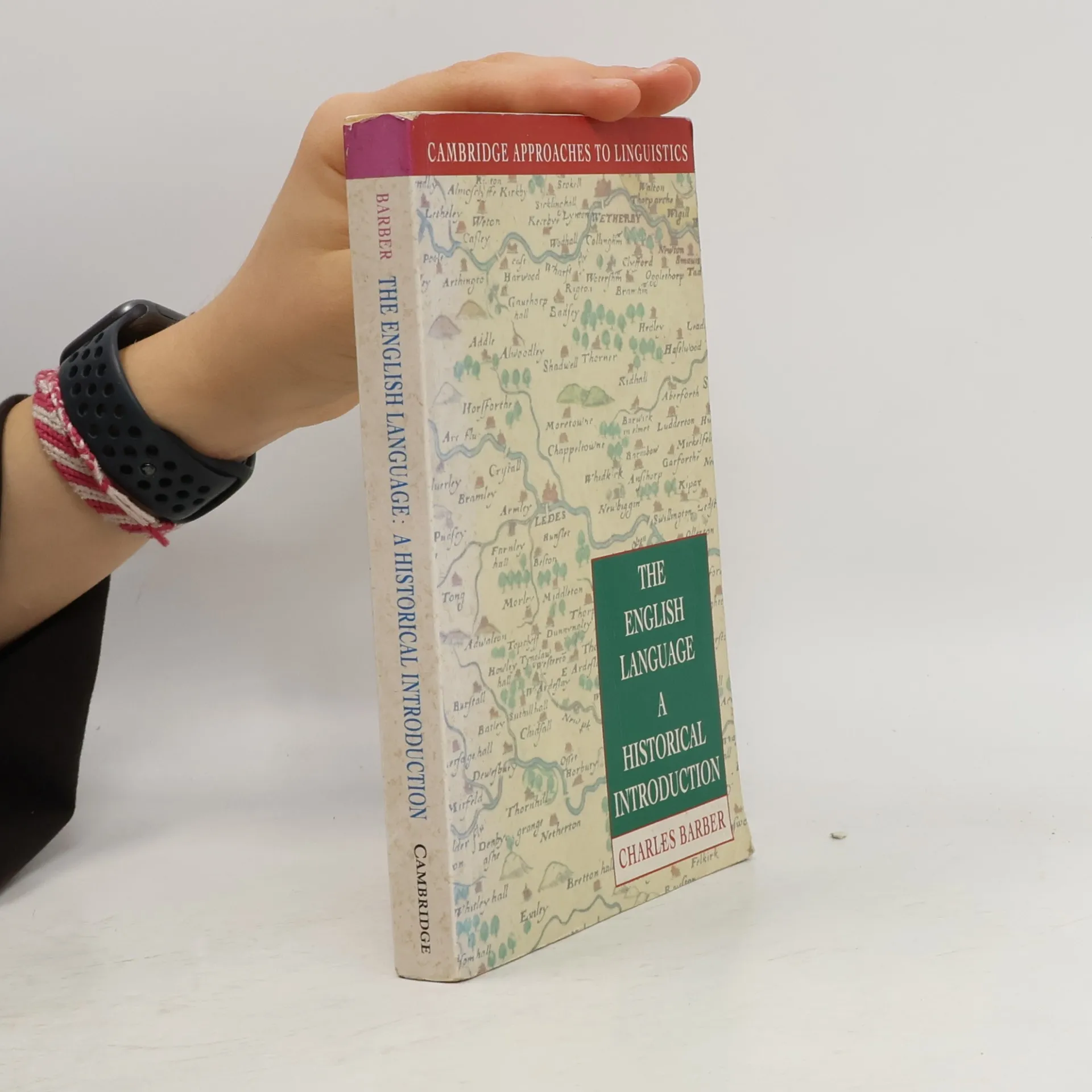
This bestselling text by Charles Barber recounts the history of the English language from its ancestry to the present day.
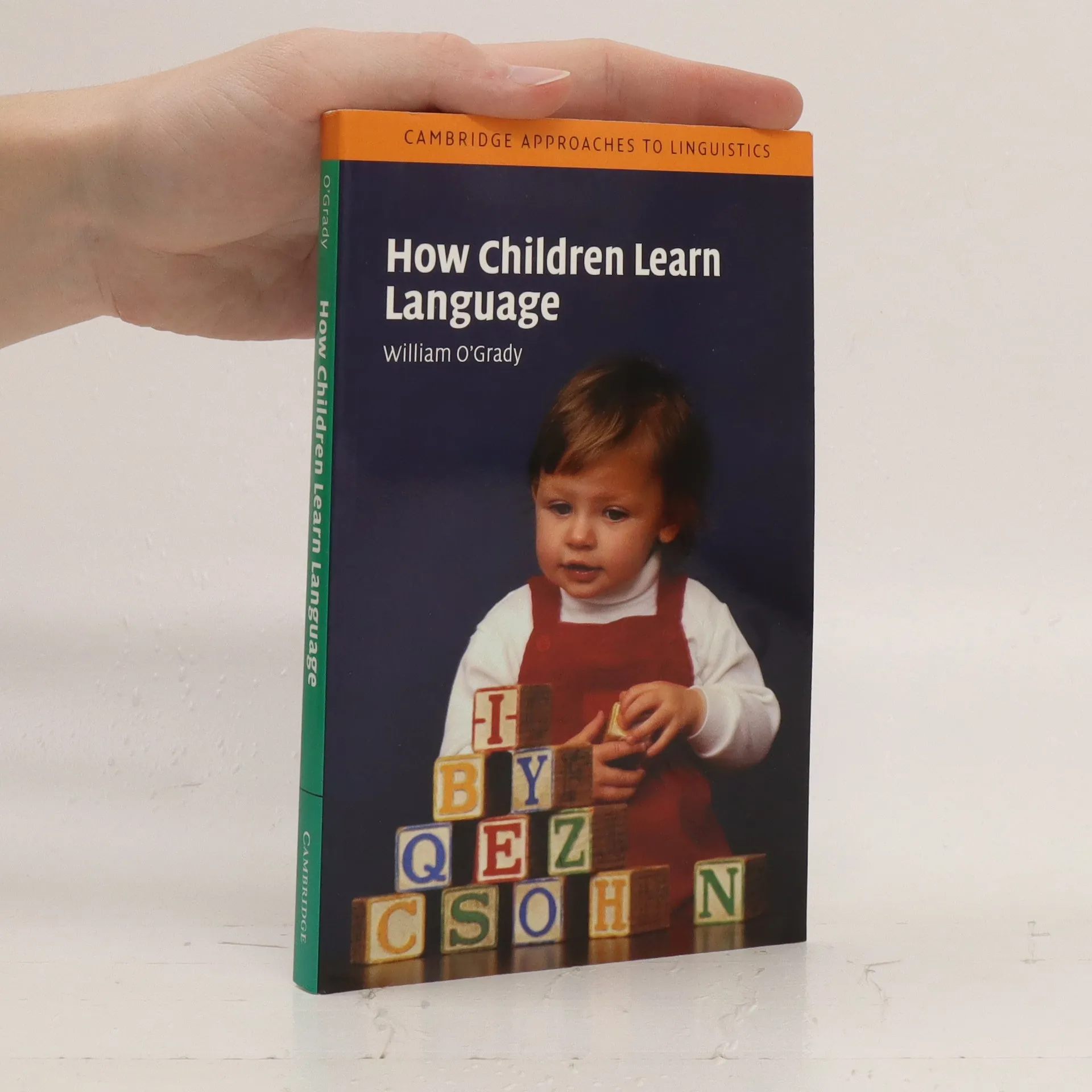
Demonstrating how children learn to produce and distinguish between sounds, and their acquisition of words and meanings, this book explains their incredible mastery of language. William O'Grady provides readers with an overview not only of the language acquisition process itself, but also of the ingenious experiments and techniques that researchers use to investigate this mysterious phenomenon.
Exploring the origins and evolution of human language, this comprehensive introduction delves into its development over time. It offers insights into linguistic diversity and the factors that have shaped communication among humans. With its accessible approach, the book serves as a valuable resource for readers interested in understanding how language has evolved and its significance in human society.
The English Language : A Historical Introduction
- 312 Seiten
- 11 Lesestunden
The English Language: A Historical Introduction covers the history of the English language from its prehistoric Indo-European origins to the present day. Assuming no previous knowledge of the subject, Charles Barber describes the nature of language and language change, and presents a history of the English language at different periods, dealing with key topics such as grammar, pronunciation and semantics. Where necessary, he introduces and explains the main theoretical and technical concepts of historical linguistics. There are also chapters on English in the scientific age, English as a world language and the future of the language. Charles Barber uses dozens of familiar texts, including the English of King Alfred, Chaucer, Shakespeare, and Addison, to illustrate the state of the English language through time in a range of contexts. This is a fascinating book for anyone with an interest in language.
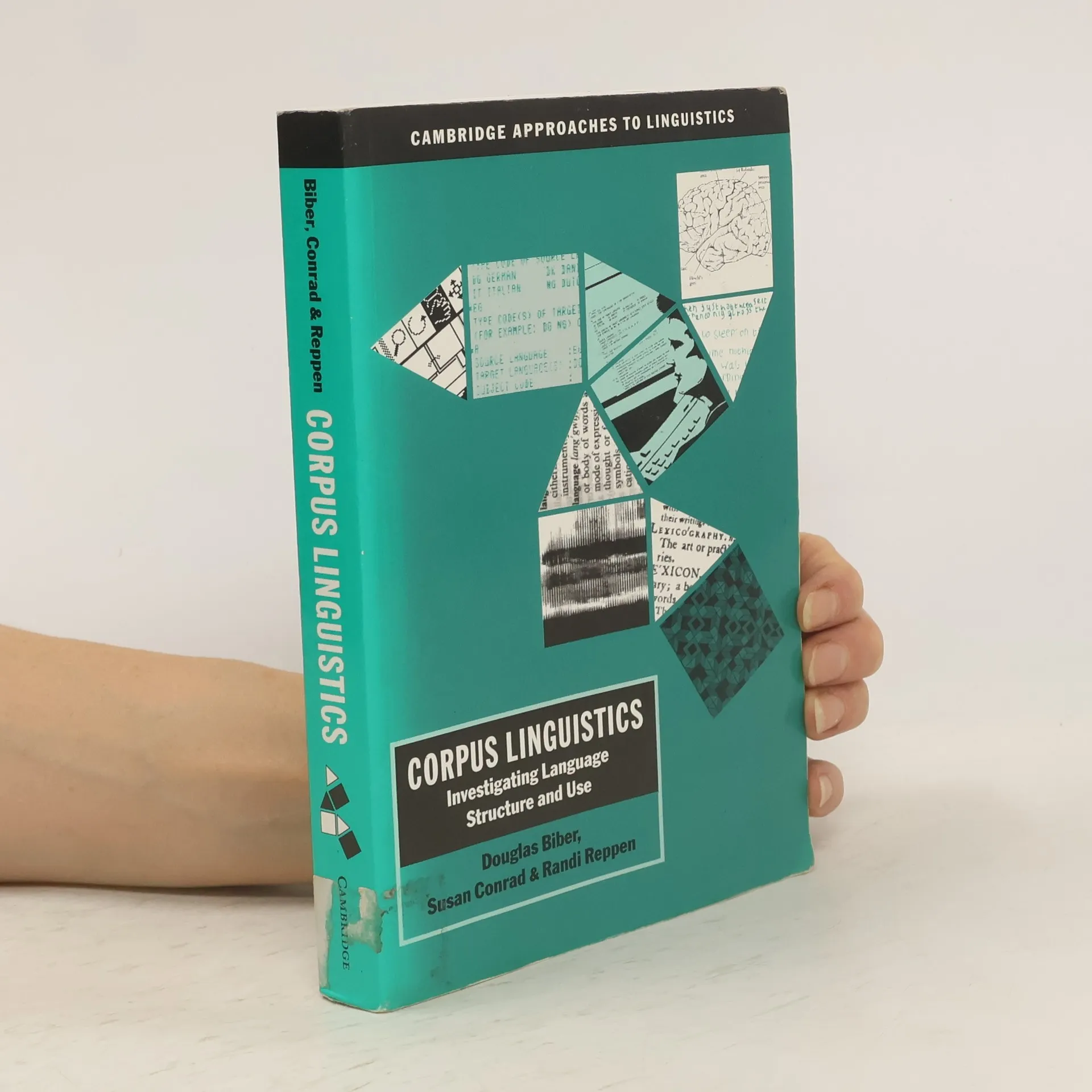
An investigation into the way people use language in speech and writing, this volume introduces the corpus-based approach, which is based on analysis of large databases of real language examples stored on computer.