


Jean Aitchison ist Professorin für Sprache und Kommunikation, deren Arbeit sich mit soziohistorischer Linguistik beschäftigt. Sie erforscht die komplexe Beziehung zwischen Sprache und Geist und untersucht, wie unsere Gedanken durch sprachliche Strukturen geformt werden. Darüber hinaus untersucht ihre Forschung den tiefgreifenden Einfluss von Sprache, wie sie in den Medien verwendet wird. Ihre wissenschaftliche Arbeit beleuchtet die dynamische Entwicklung der Sprache im Laufe der Zeit und ihren Einfluss auf menschliche Kognition und gesellschaftlichen Diskurs.
Based on the 100-million word British National Corpus and the Longman Corpus Network, this dictionary explores a vivid and exciting area of English - spoken English. It also pinpoints the language patterns and grammar unique to spoken English. The 2000-word Longman Defining Vocabulary is made up of words students already know, and the dictionary's definitions have been written using this familiar set of core words.

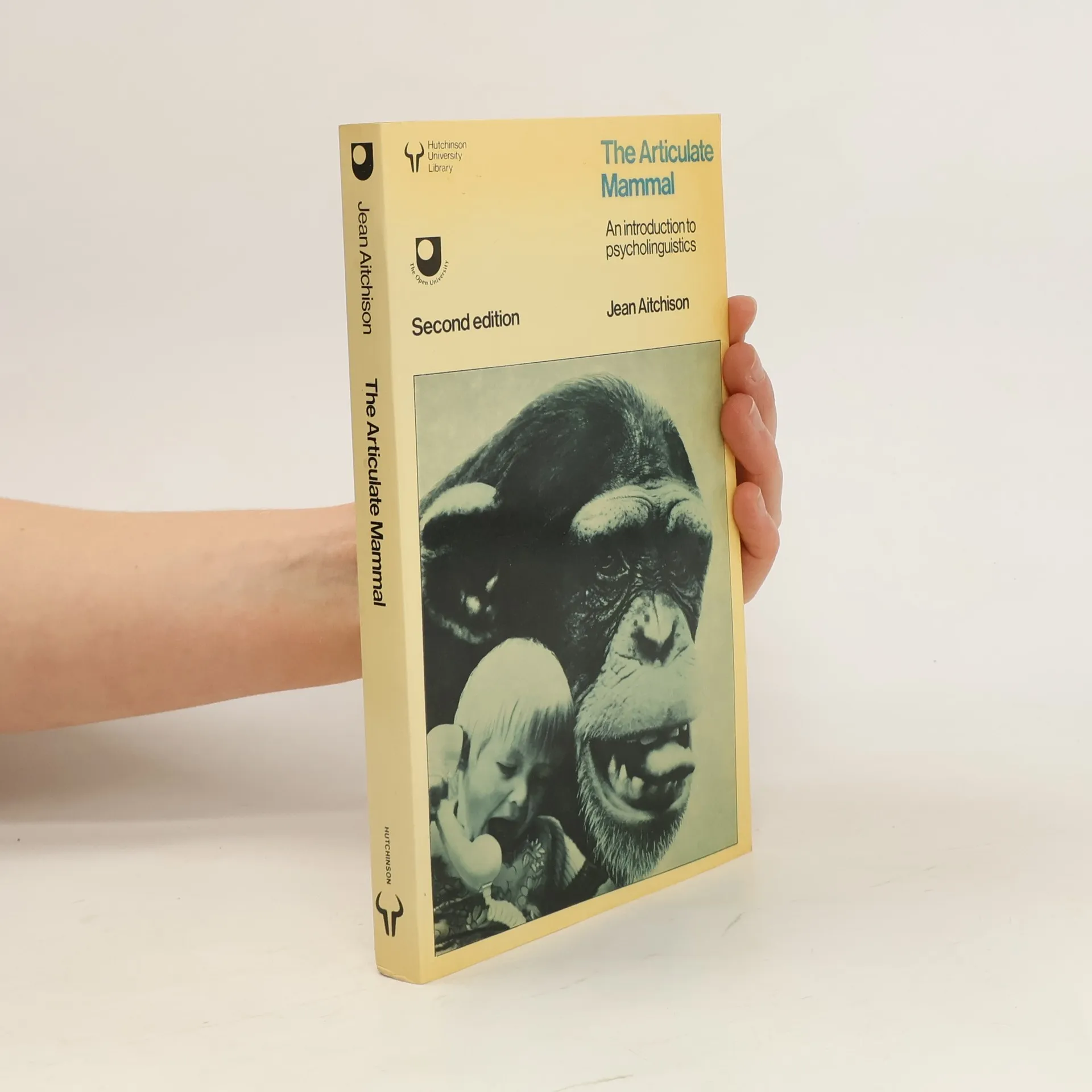
This Routledge Classics edition includes a new foreword by the author. 'An excellent and very welcome guide to psycholinguistics...highly recommended.' The Washington Post A classic in its field for almost forty years, The Articulate Mammal is a brilliant introduction to psycholinguistics. In lucid prose Jean Aitchison introduces and demystifies a complex and controversial subject: What is language and is it restricted to humans? How do children acquire language so quickly? Is language innate or learned? She explains the pioneering work of Noam Chomsky; how children become acclimatized to speech rhythms before birth; the acquisition of verbs; construction and cognitive grammar; and aphasia and dementia. She also considers new topics such as language and evolution and the possibility of a 'language gene', bringing the field right up to date. Jean Aitchison was Professor of Language and Communication at the University of Oxford from 1993 to 2003, and is now an Emeritus Professorial Fellow at Worcester College, Oxford. She is the author of numerous books on language and gave the 1996 BBC Reith lectures on the topic of 'The Language Web'.
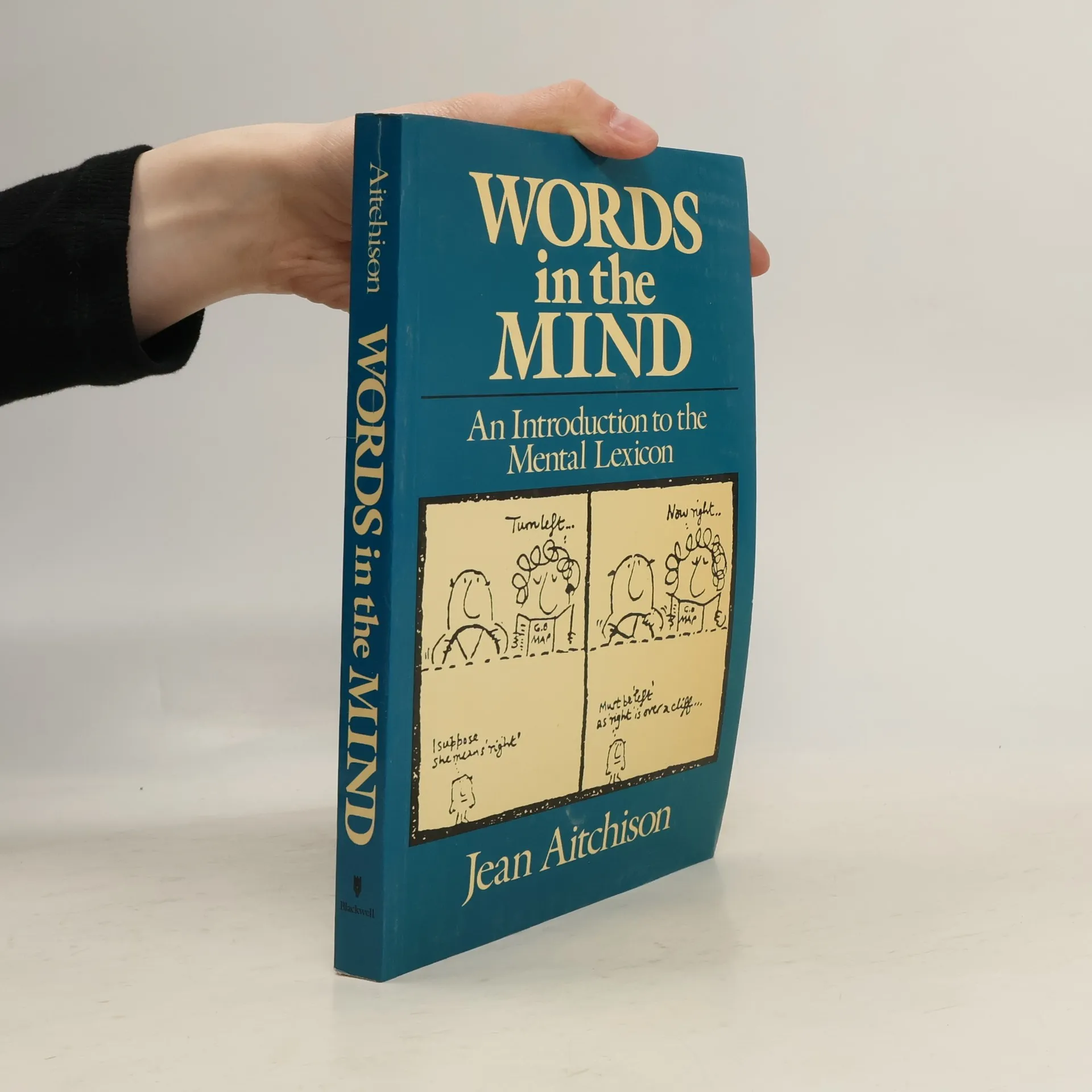
The 4th edition of "Words in the Mind" explores the latest insights into how we learn, remember, and understand words, focusing on the mental lexicon of native English speakers. It includes new chapters on brain and language, enhanced coverage of lexical corpora, and is designed to be accessible for students and non-specialists.
How and why do languages change? Where does the evidence of language change come from? How do languages begin and end? This introduction to language change explores these and other questions, considering changes through time. The central theme of this book is whether language change is a symptom of progress or decay. This book will show you why it is neither, and that understanding the factors surrounding how language change occurs is essential to understanding why it happens. This updated edition remains non-technical and accessible to readers with no previous knowledge of linguistics.
An introduction to linguistics. This fifth edition contains a new chapter on language and style, discussing literature, advertising and newspapers. There are also new sections on language origin, the role of verbs, language and power, and sign language.
Exploring the origins and evolution of human language, this comprehensive introduction delves into its development over time. It offers insights into linguistic diversity and the factors that have shaped communication among humans. With its accessible approach, the book serves as a valuable resource for readers interested in understanding how language has evolved and its significance in human society.
This book is a straightforward introduction to linguistics for those approaching this fascinating and fast-expanding field of study for the first time.