

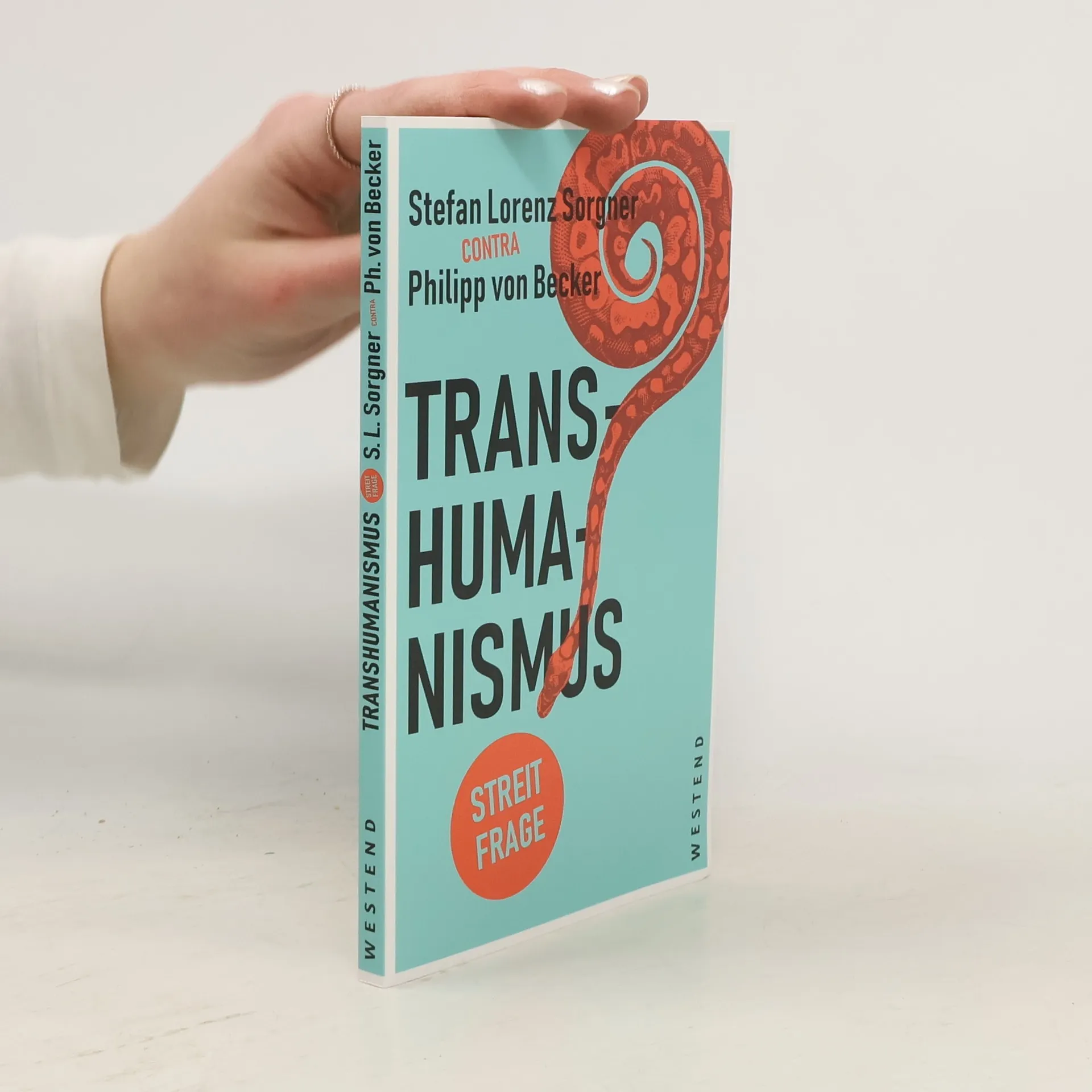
Der Transhumanismus verfolgt das Ziel, die Grenzen der menschlichen Natur zu überschreiten - körperlich wie geistig. Durch den Einsatz verschiedener Technologien sollen die Leistungsfähigkeit erhöht, verlorene Fähigkeiten ersetzt oder gar neue erfunden werden. Aber ist diese Erweiterung des Menschen tatsächlich eine Verbesserung oder nicht viel eher eine Abkehr vom gerade Menschlichen und als solche eine Hinwendung zur Maschine? Während Stefan Lorenz Sorgner davon überzeugt ist, dass in dieser Überschreitung die Chance einer besseren Welt und einer gesteigerten Lebensqualität liegt, warnt Philipp von Becker vor den Gefahren eines technologiegetriebenen Transhumanismus als letzte Erfüllung eines sinnentleerten, autoritären Kapitalismus, der Überwachung und Entmenschlichung auf die Spitze treibt.
Stefan Lorenz Sorgner Bücher

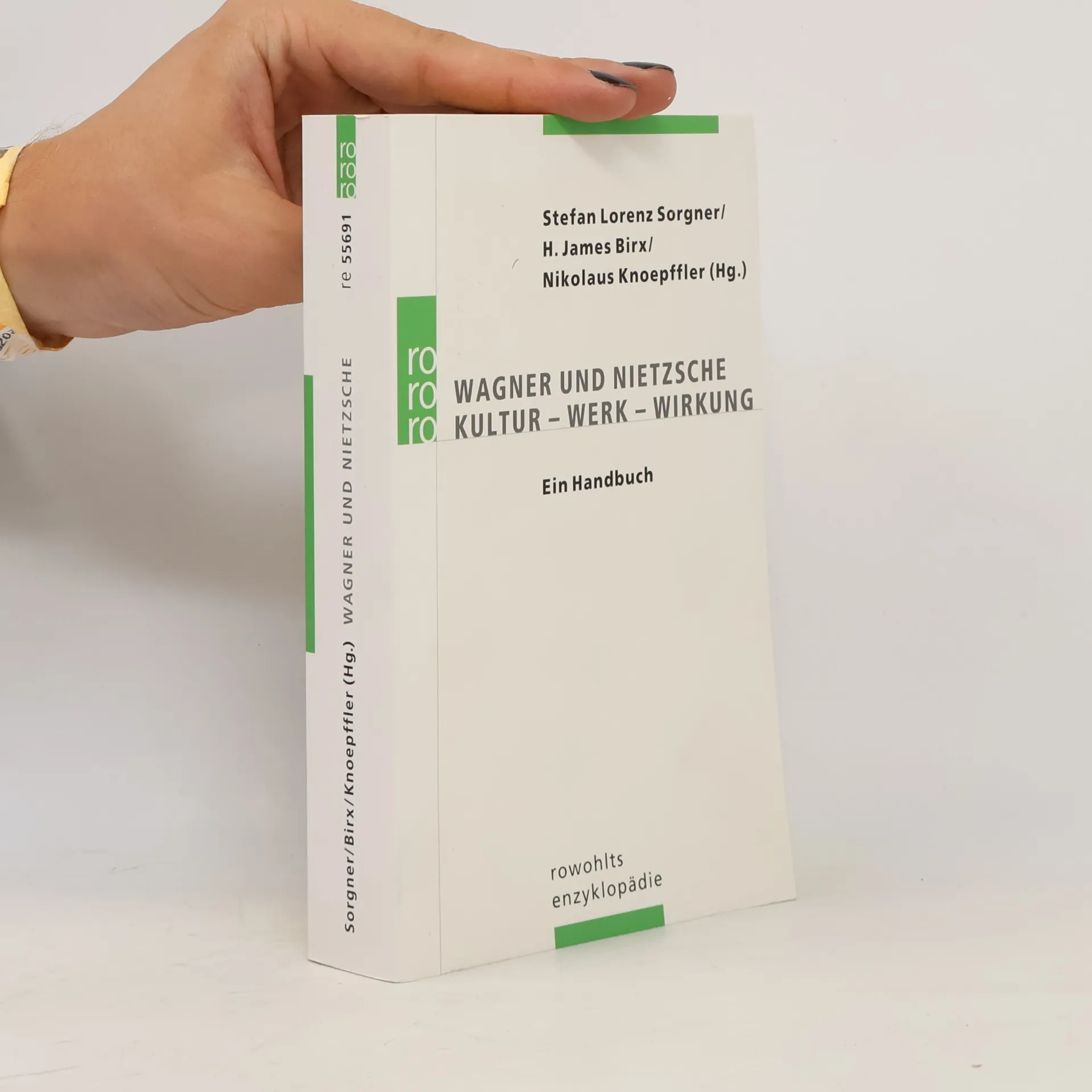
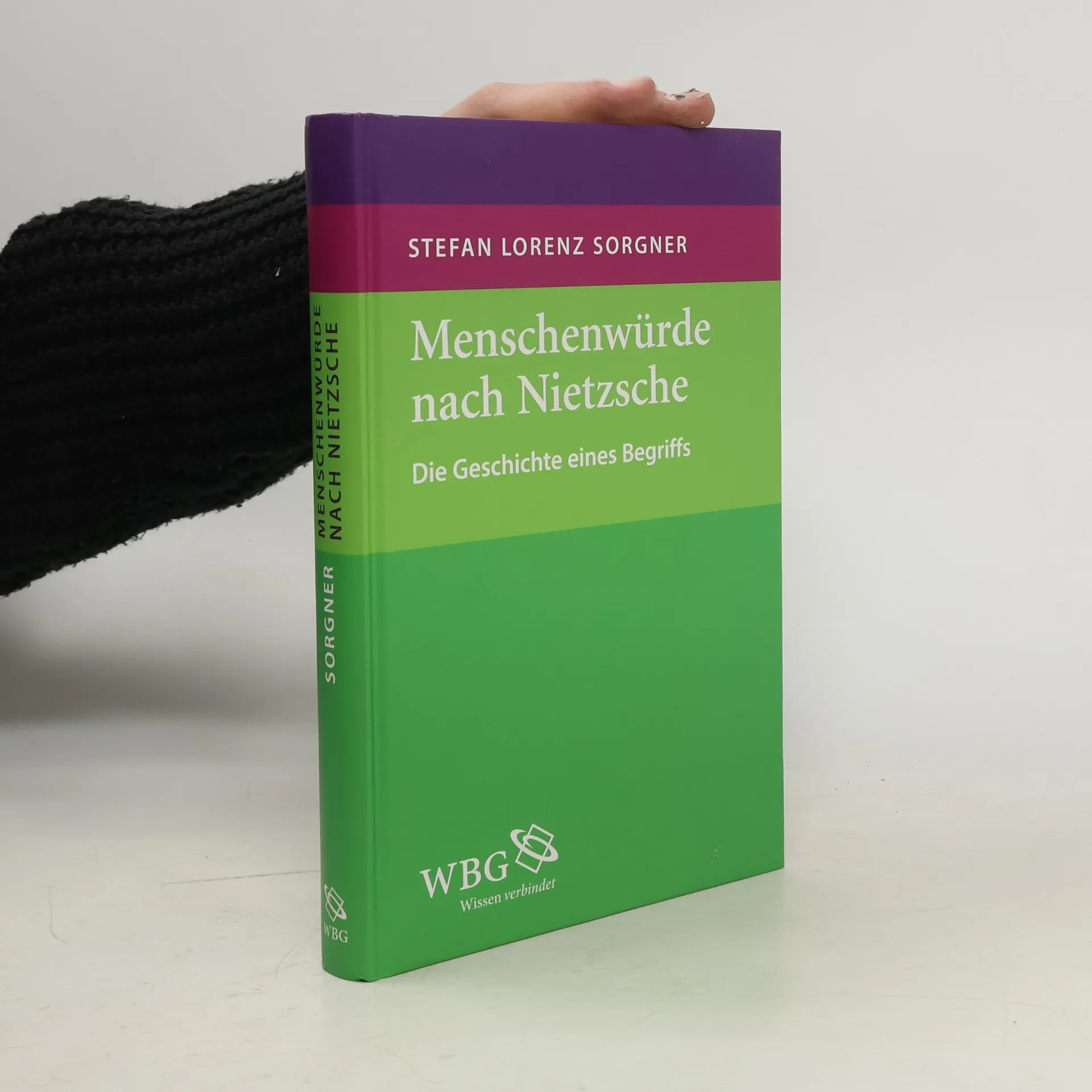
Menschenwürde nach Nietzsche
- 288 Seiten
- 11 Lesestunden
In der Auseinandersetzung mit Nietzsches Kritik der Menschenwürde nimmt dieses Buch zugleich Stellung zur aktuellen Diskussion. Wie ist die gegenwärtige Norm der Menschenwürde, wie sie auch im Grundgesetz enthalten ist, vor dem Hintergrund der Theorien des vehementen Moralkritikers Nietzsche einzuschätzen? Welchen Stellenwert hat die Würde des Menschen im Zeitalter des Posthumanismus überhaupt? Im ersten Teil skizziert der Autor zunächst die wichtigsten philosophischen Konzeptionen der Menschenwürde von Cicero bis Kant. Dabei macht er deutlich, welche Probleme die gegenwärtige Rezeption historischer Konzeptionen aufwirft. Der zweite Teil ist der ausführlichen Darstellung von Nietzsches Kritik der Menschenwürde gewidmet. Daraus ergeben sich wichtige Impulse für die gegenwärtige Diskussion und konkrete Hinweise, wie ein tragbarer Begriff der Menschenwürde für die Zukunft aussehen könnte.
Schöner neuer Mensch
- 100 Seiten
- 4 Lesestunden
Der beißt nicht, der will nur … Vor dem schönen neuen Menschen müssen wir uns nicht fürchten - davon ist Stefan Lorenz Sorgner überzeugt. Ein Ausstieg aus dem anbrechenden posthumanen Zeitalter ist keine realistische Option. Sorgner plädiert für ein neues Menschenbild. Eines, das ein technisch gestaltetes Wesen als Bereicherung der Fülle unseres Lebens begreift. Wir befinden uns selbst in einem Prozess des kontinuierlichen Wandels und sind erstmals in der Lage, aktiv in die Evolution einzugreifen: Genome Editing, Cyborgisierung, Mind Uploading und künstliche Superintelligenz. Sorgner stellt die Potenziale neuester Techniken vor, prüft ihre Realitätstauglichkeit und die damit verbundenen ethischen Herausforderungen.
We Have Always Been Cyborgs
- 224 Seiten
- 8 Lesestunden
This visionary new book explores the critical issues that link transhumanism with digitalisation, gene technologies and ethics. It examines the history and meaning of transhumanism, offering insightful reflections on values, norms and utopia.
Philosophy of Posthuman Art
- 144 Seiten
- 6 Lesestunden
Aesthetic reflections from members of the Frankfurt School have long influenced the art world. Sorgner critiques their paternalistic logic in aesthetics while proposing a philosophical alternative that allows for non-totalitarian total works of art. The diversity of posthuman artworks illustrates this concept. Sorgner’s philosophy of posthumanism charts a course away from the dominant 20th-century aesthetics that shape our current understanding of art. Through the innovative idea of the ‘twist,’ his comprehensive text presents posthumanism as a foundation for an anti-totalitarian future in art. Eduardo Kac praises the work as a thoughtful exploration of the posthuman future of art. Sorgner examines the aesthetics of the monstrous, hybridity, smoothness, and amorphousness, offering a well-informed analysis of various artworks alongside the philosophical frameworks of Critical Posthumanism, Transhumanism, and Metahumanism. The text encompasses bioart, body art, performance art, cryptoart, and even techno, digital, and cyborg music. As we shift from the ontology of Being to that of Becoming, we enter a liminal age characterized by hybrid forms and chimeras. Sorgner reminds us that, with a twist, we have always been cyborgs.