
One of a series which studies the creation of a national security policy by focusing on what the policy has been and why. Looks at a number of different perspectives derived from events between 1945 and 1960.
Samuel P. Huntington Reihenfolge der Bücher
Samuel Phillips Huntington (* 18. April 1927 in New York City; † 24. Dezember 2008 auf Martha’s Vineyard, Massachusetts) war ein US-amerikanischer Politikwissenschaftler und Autor. Huntington lehrte am John M. Olin Institute for Strategic Studies der Harvard-Universität in Cambridge. Er war Berater des US-Außenministeriums.


- 2020
- 2006
Political Order in Changing Societies
- 512 Seiten
- 18 Lesestunden
This now-classic examination of the development of viable political institutions in emerging nations is a major and enduring contribution to modern political analysis. In a new Foreword, Francis Fukuyama assesses Huntington’s achievement, examining the context of the book’s original publication as well as its lasting importance.“This pioneering volume, examining as it does the relation between development and stability, is an interesting and exciting addition to the literature.”—American Political Science Review“’Must’ reading for all those interested in comparative politics or in the study of development.”—Dankwart A. Rustow, Journal of International Affairs
- 2005
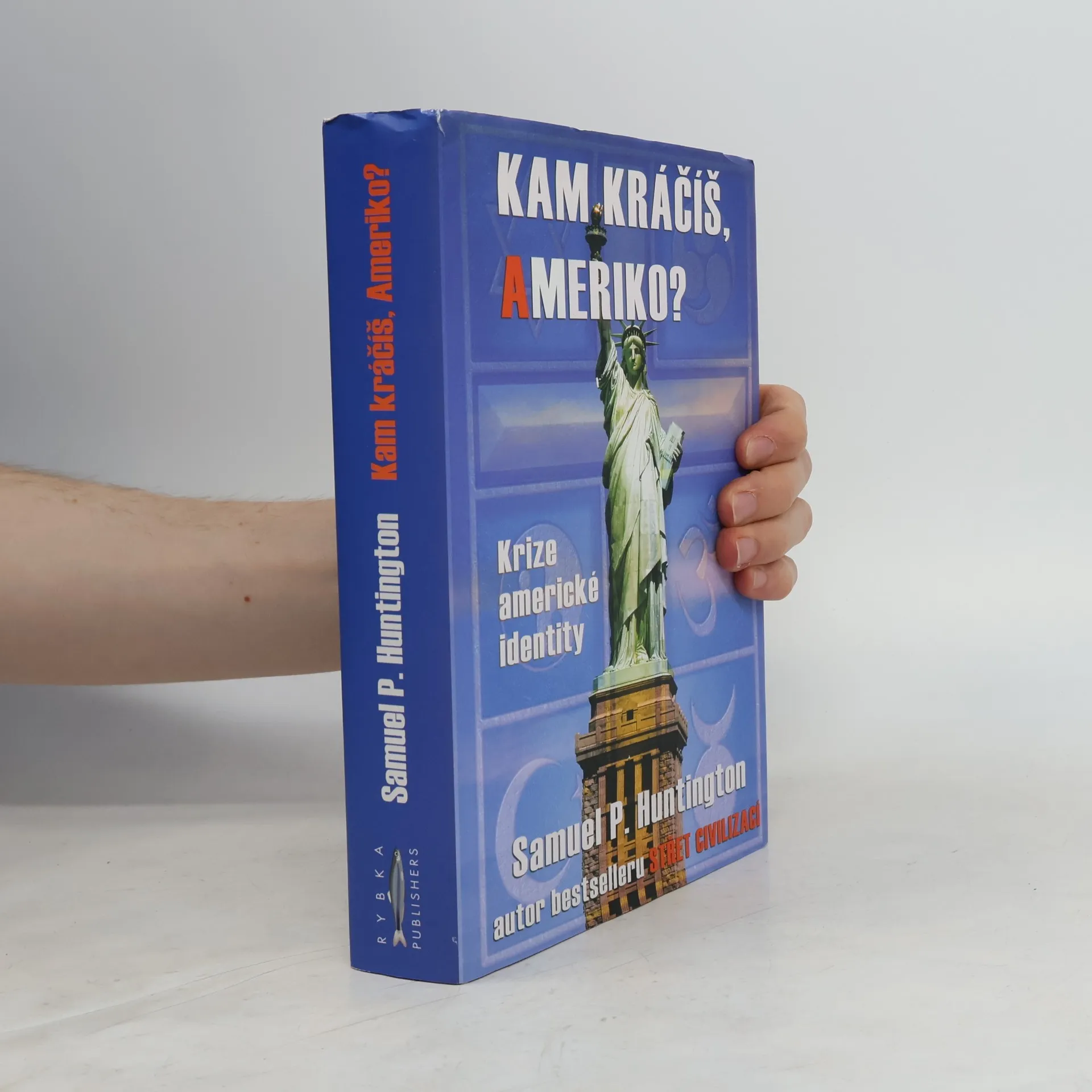
Historické kořeny a současná krize hodnot, které tvoří základ národní identity Američanů. "Tradiční americké hodnoty" a multikulturalismus. Charakteristika americké národní identity. Její základní složky vycházející z angloprotestantské kultury (individualismus, sebeprosazení, rovnost příležitostí). Proces formování amerického národa v průběhu historického vývoje. Idea jednotného národa a její historické proměny. Přistěhovalectví a multikulturalismus. Rozpad tradičních hodnot, "nová tvář" Ameriky a perspektivy pro 21. stol.
- 2004
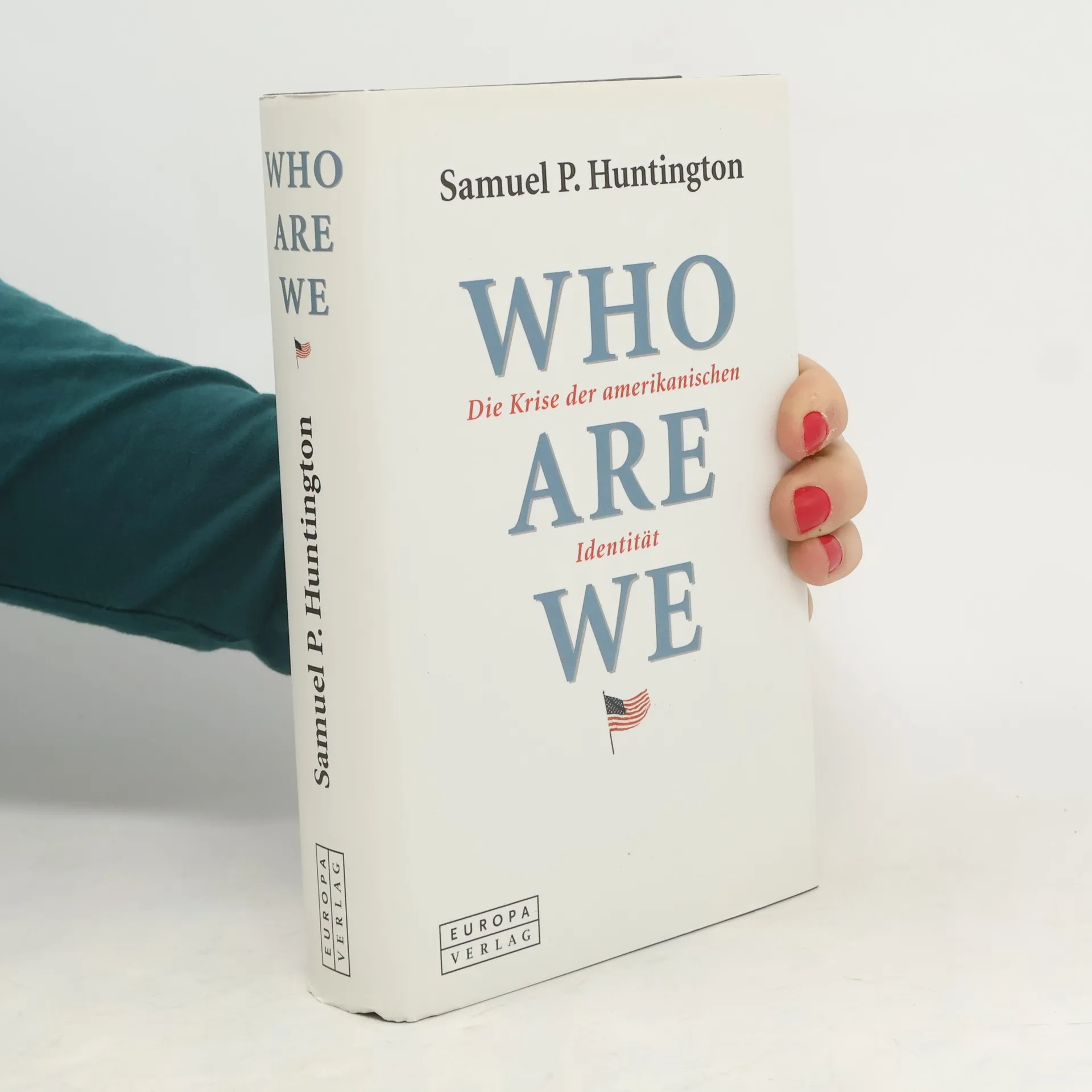
Amerika steckt tief in der Sinnkrise, und dies nicht erst seit dem 11. September. Doch seit den Terroranschlägen ist die Frage nach der Stellung und der Rolle der USA in der Welt in der Tat zur Frage Nummer eins der politischen Diskussion geworden. Samuel P. Huntington setzt seine ebenso provokant-patriotische wie klug-argumentierende Untersuchung an der historischen Wurzel des Problems an und fragt: 'Wer sind wir?' Die Beantwortung dieser Fragen ist von dramatischer Bedeutung nicht nur für Amerikas Innen- und Außenpolitik, sondern sie entscheidet auf lange Sicht, so Samuel P. Huntington, über den Untergang oder das Fortbestehen des amerikanischen Volkes.
- 2002
Der 'Kampf der Kulturen' geht weiter. Der Titel des Weltbestsellers wurde zum umstrittenen Slogan einer weltweit geführten Debatte: Gibt es bessere Kulturen - im Sinne von sozialer Gerechtigkeit, politischer Demokratie und liberaler Wirtschaft? Warum können trotz jahrzehntelanger Entwicklungshilfe die Staaten Afrikas nicht ohne Hilfe bestehen? Wie ist es zu erklären, dass viele asiatische Länder so erfolgreich sind? Experten diskutieren: Provokant, spannend, kontrovers - ein Muss für jeden politisch interessierten Leser!
- 2001
- 1996
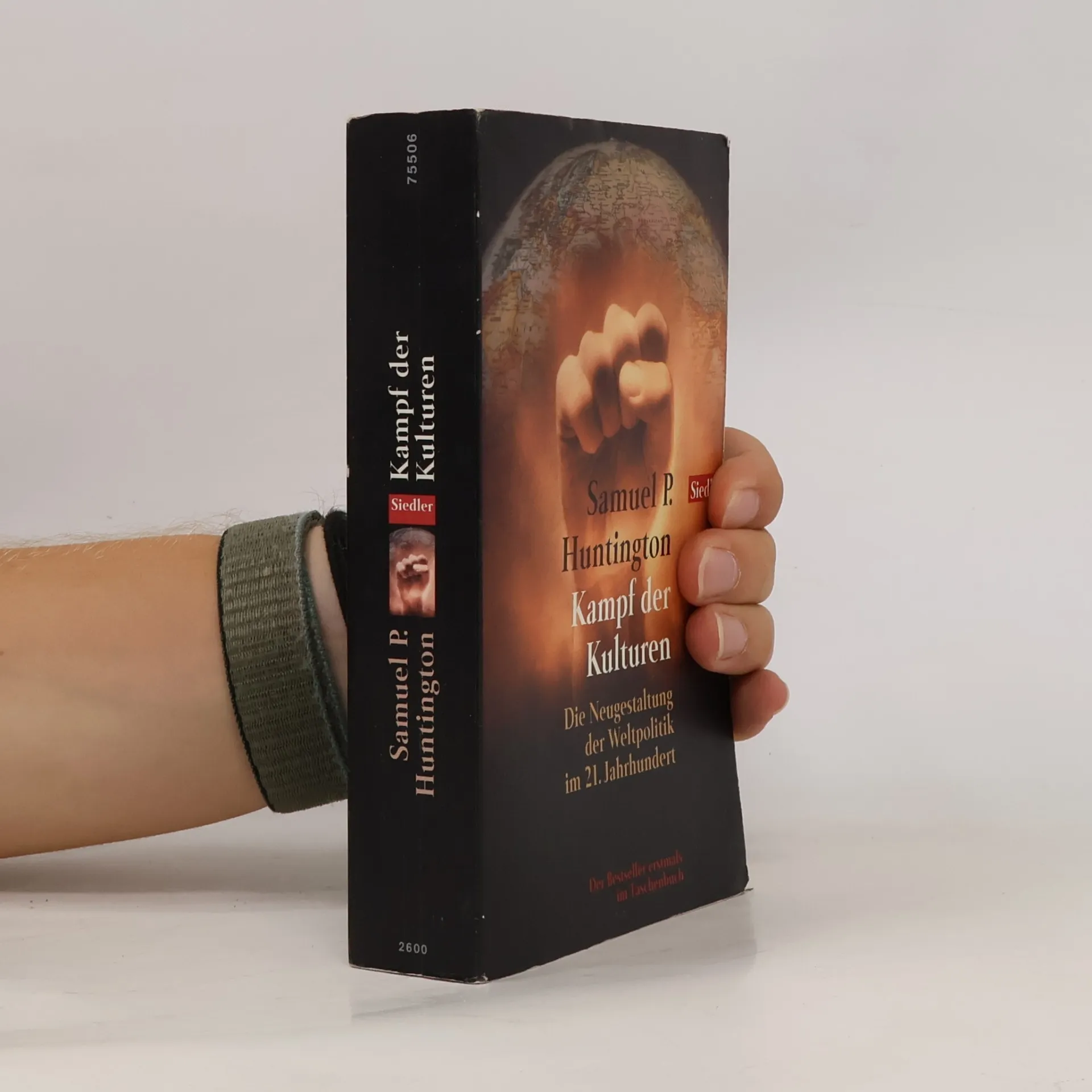
Kampf der Kulturen
Die Neugestaltung der Weltpolitik im 21. Jahrhundert
Der amerikanische Politikwissenschaftler Huntington stellt in seinem Buch die Frage nach den weltpolitischen Entwicklungen im 21. Jahrhundert. Statt eines harmonischen Zusammenwachsens in einer zunehmend vernetzten Welt sieht er neue Konflikte globalen Ausmasses entstehen: Konflikte zwischen den Kulturen. Er unterscheidet die zeitgenössische Welt in sieben grosse Zivilisationen: die chinesische, japanische, hinduistische, islamische, westliche, lateinamerikanische und afrikanische. Die Weltpolitik des 21. Jahrhunderts wird nicht von Auseinandersetzungen ideologischer oder wirtschaftlicher Natur bestimmt sein, sondern vom Konflikt zwischen Völkern und Volksgruppen unterschiedlicher kultureller Zugehörigkeit. Mit seiner aufsehenerregenden These vom „Clash of Civilisations“ hat Huntington eine neue Formel für die künftige Weltordnung gefunden.
- 1993
The Third Wave
- 384 Seiten
- 14 Lesestunden
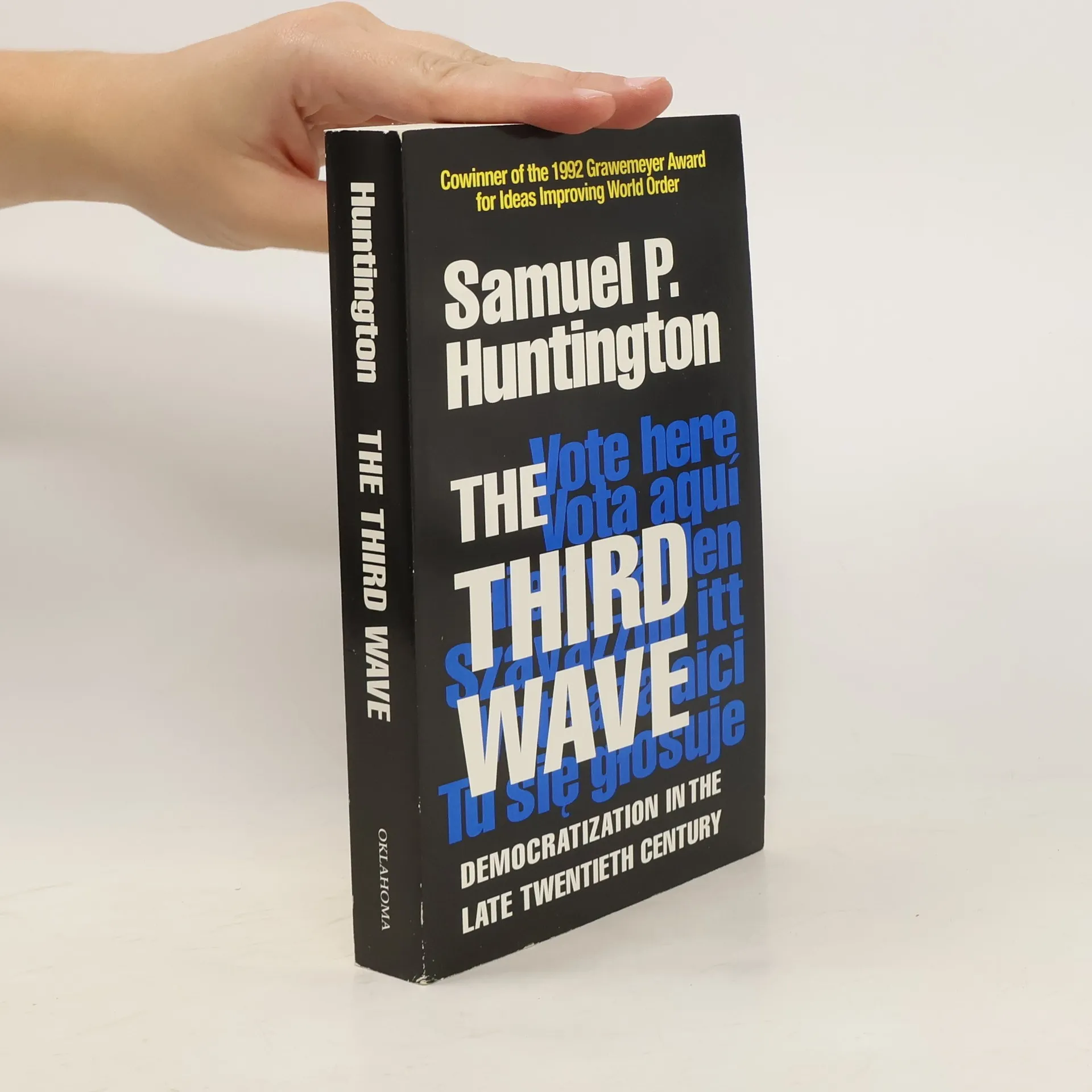
Between 1974 and 1990, over thirty countries in southern Europe, Latin America, East Asia, and Eastern Europe transitioned from authoritarianism to democracy, marking a significant political trend in the late twentieth century. This analysis examines the causes and nature of these transitions, assesses the stability of new democracies, and considers the potential for further democratization. These recent changes represent the third major wave of democratization, each followed by a reverse wave where some nations reverted to authoritarianism. Through concrete examples and empirical evidence, the author explains the factors driving this trend, including the legitimacy crises of authoritarian regimes, economic and social development, the evolving role of the Catholic Church, and the influences of the U.S., the European Community, and the Soviet Union. The "snowballing" effect, where change in one country inspires others, is also highlighted. Key elite groups influenced the democratization processes, with compromise, elections, and nonviolent tactics being central. New democracies face challenges such as the "torturer problem" and the need to cultivate democratic values. The author argues that disillusionment with democracy can be crucial for its consolidation. The book concludes with an analysis of the factors that will determine the continuation of this wave and offers practical guidelines for those involved in democratization e