

Im zweiten Band ,,Bäumchen-wechsle-dich" geht es vorwiegend um verschiedene Formen zusammengesetzter Spiele.
Richard K. Guy Bücher
30. September 1916 – 9. März 2020

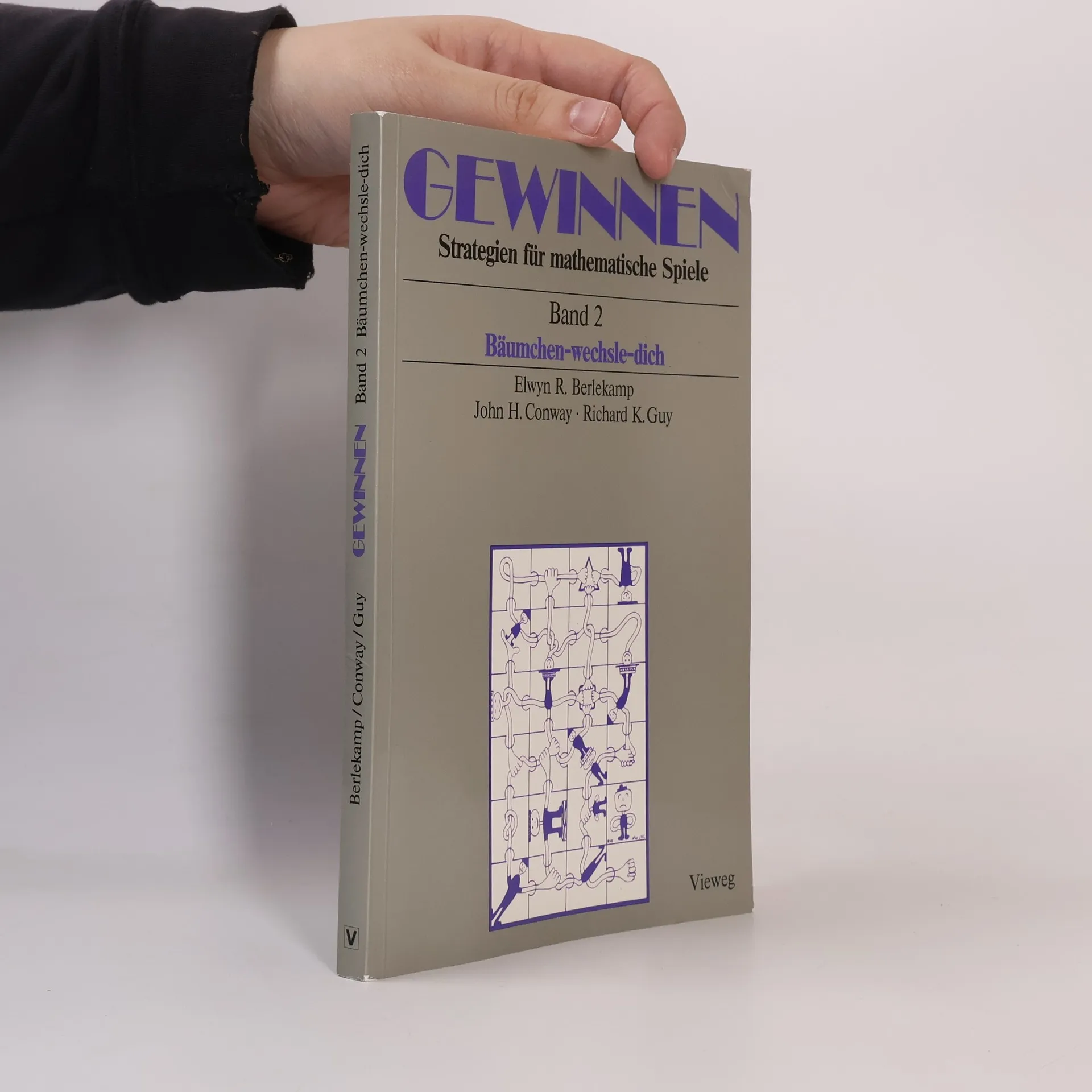
This classic on games and how to play them intelligently is being re-issued in a new, four volume edition. This book has laid the foundation to a mathematical approach to playing games. The wise authors wield witty words, which wangle wonderfully winning ways. In Volume 1, the authors do the Spade Work, presenting theories and techniques to "dissect" games of varied structures and formats in order to develop winning strategies.
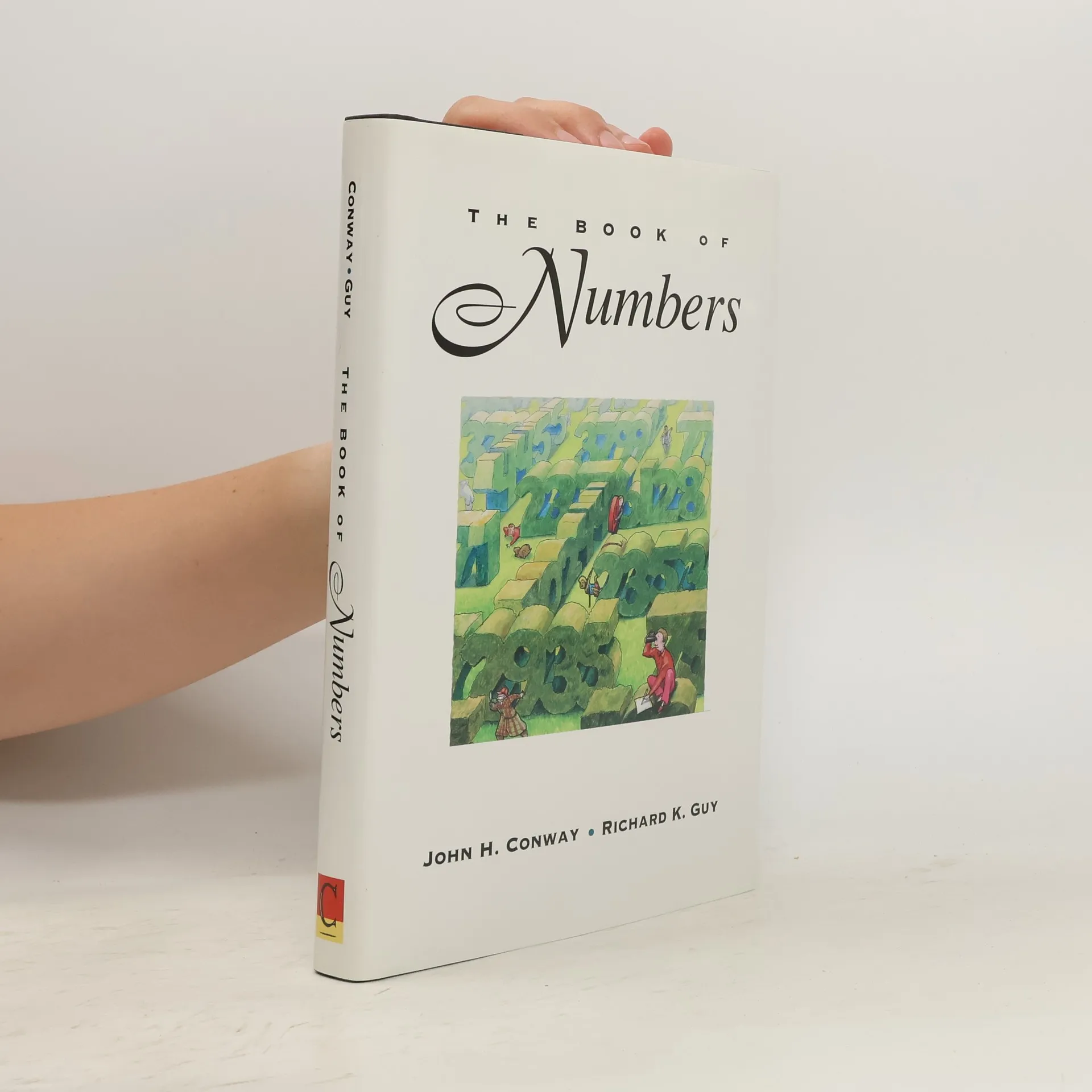
The Book of Numbers lets readers of all levels of mathematical sophistication (or lack thereof) understand the origins, patterns, and interrelationships of different numbers. Whether it is a visualization of the Catalan numbers or an explanation of how the Fibonacci numbers occur in nature, there is something in here to delight everyone. The diagrams and pictures, many of which are in color, make this book particularly appealing and fun. A few of the discussions may be confusing to those who are not adept mathematicians; those who are may be irked that certain facts are mentioned without an accompanying proof. Nonetheless, The Book of Numbers will succeed in infecting any reader with an enthusiasm for numbers.