
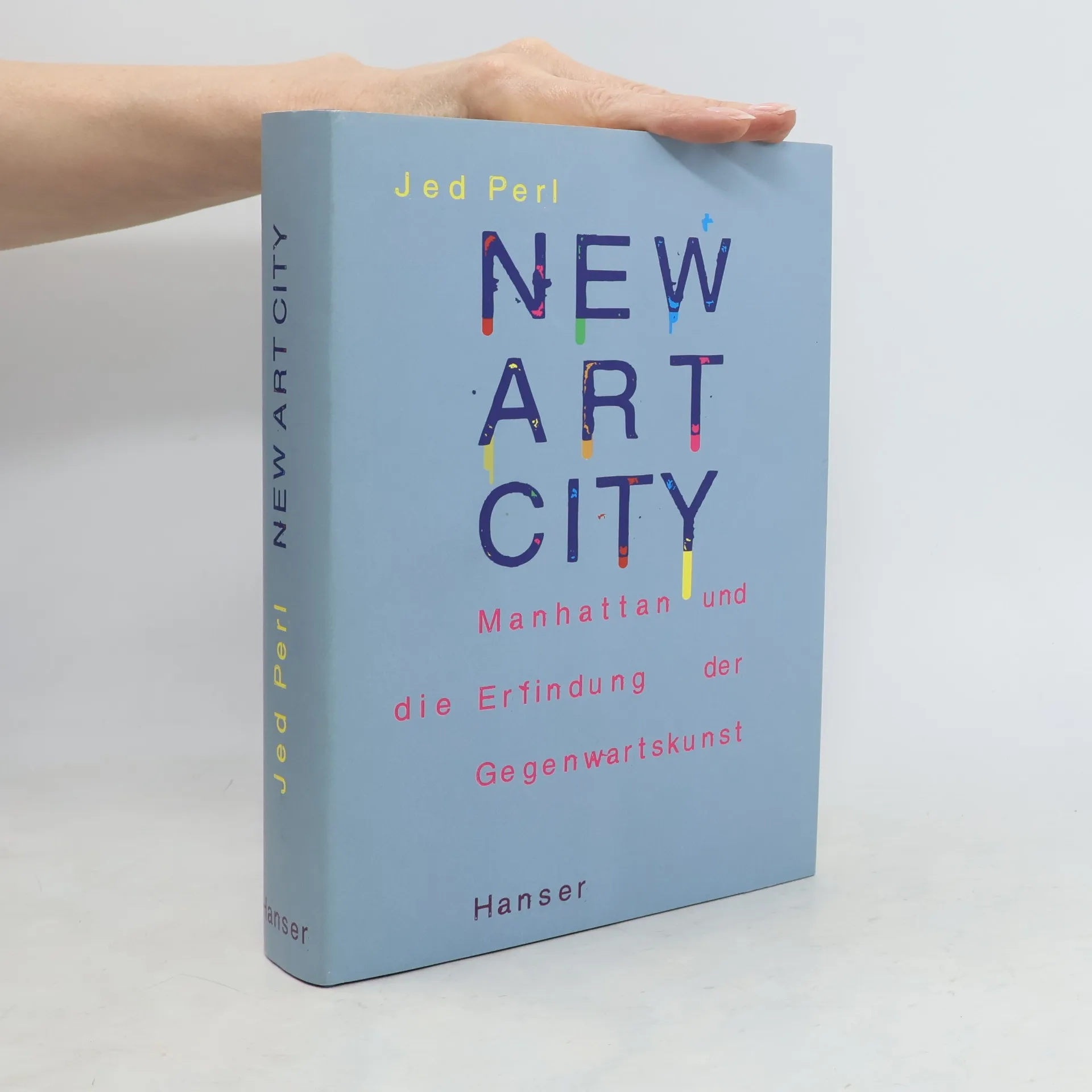
Künstler, Galerien, Kritiker: In Manhattan schlägt das Herz der Gegenwartskunst. Kaum ein großer Name, kaum eine neue Bewegung der letzten Jahrzehnte, die nicht von Manhattan ausgegangen wäre. Jed Perl, einer der wichtigsten Kunstkritiker New Yorks, hat die Geschichte Manhattans als Kunstmetropole aufgeschrieben. Ein Who's who der Künstler von Jackson Pollock über Andy Warhol bis Donald Judd. Und eine Liebeserklärung an Manhattan als Lebensform, die ein atemberaubendes Kapitel in der Entwicklung der Künste ermöglicht hat.
Jed Perl Bücher


Calder: The Conquest of Space
- 688 Seiten
- 25 Lesestunden
The concluding volume of this authorized biography details the later years of one of the most significant sculptors of the 20th century. It begins during World War II, when Calder, affectionately known as Sandy, and his wife, Louisa, welcomed exiled artists and writers into their home. In the postwar years, they split their time between the U.S. and France, as Sandy created monumental public sculptures and received major commissions, including those for Expo '67 in Montreal and the 1968 Olympics in Mexico City. The author, Jed Perl, highlights how Sandy's innovative sculptural vision influenced the minimalist and kinetic art movements of the 1960s. Throughout their lives, Sandy and Louisa maintained their vibrant, bohemian lifestyle, fostering friendships with a diverse array of artists and writers, advocating for peace during the Vietnam War, and hosting lively gatherings at their Connecticut home. The biography culminates with Sandy's passing in 1976, shortly after a major retrospective of his work opened at the Whitney Museum in New York, offering readers a deeper understanding of both the artist and the man.
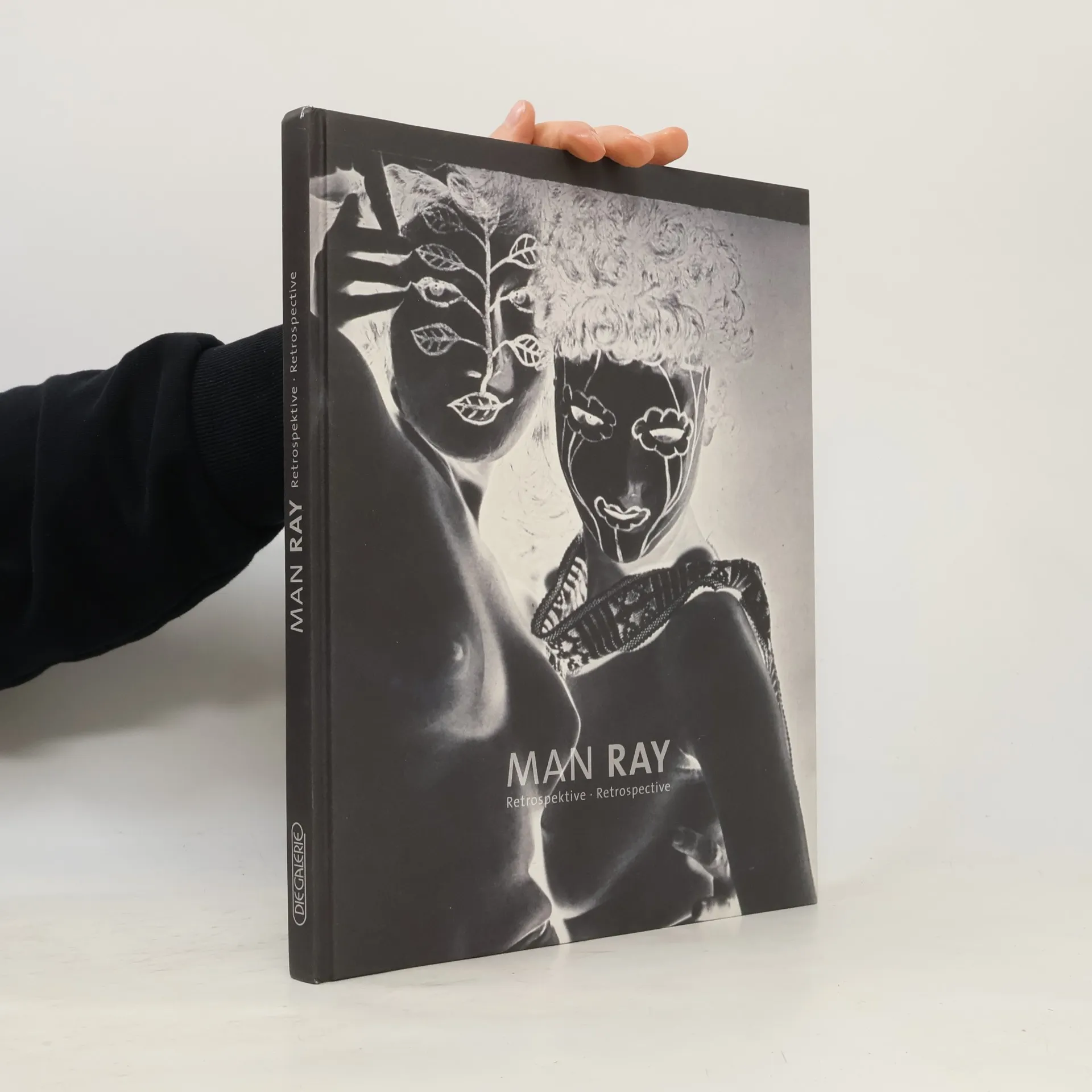
“I do not photograph nature, I photograph my fantasy,” Man Ray proclaimed, and he found in the camera's eye and in light's magical chemistry the mechanisms for dreaming. Schooled as a painter and designer in New York, Man Ray turned to photography after discovering the 291 Gallery and its charismatic founder, Alfred Stieglitz. As a young expatriate in Paris during the twenties and thirties, Man Ray embraced Surrealism and Dadaism, creeds that emphasized chance effects, disjunction and surprise. Tireless experimentation with technique led him to employ solarization, grain enlargement, mixed media and cameraless prints (photograms)--which he called “Rayographs”. These successful manipulations for which he was dubbed “the poet of the darkroom” by Jean Cocteau, were a major contribution to twentieth-century photography. Man Ray presents 43 of the greatest images from the artist's career. The essay by Jed Perl describes the influences on Man Ray's career and his enduring contribution to photography.