

Gratis Versand in ganz Deutschland
Bookbot

Rudy VanderLans

    Oleander Sunset
    Supermarket
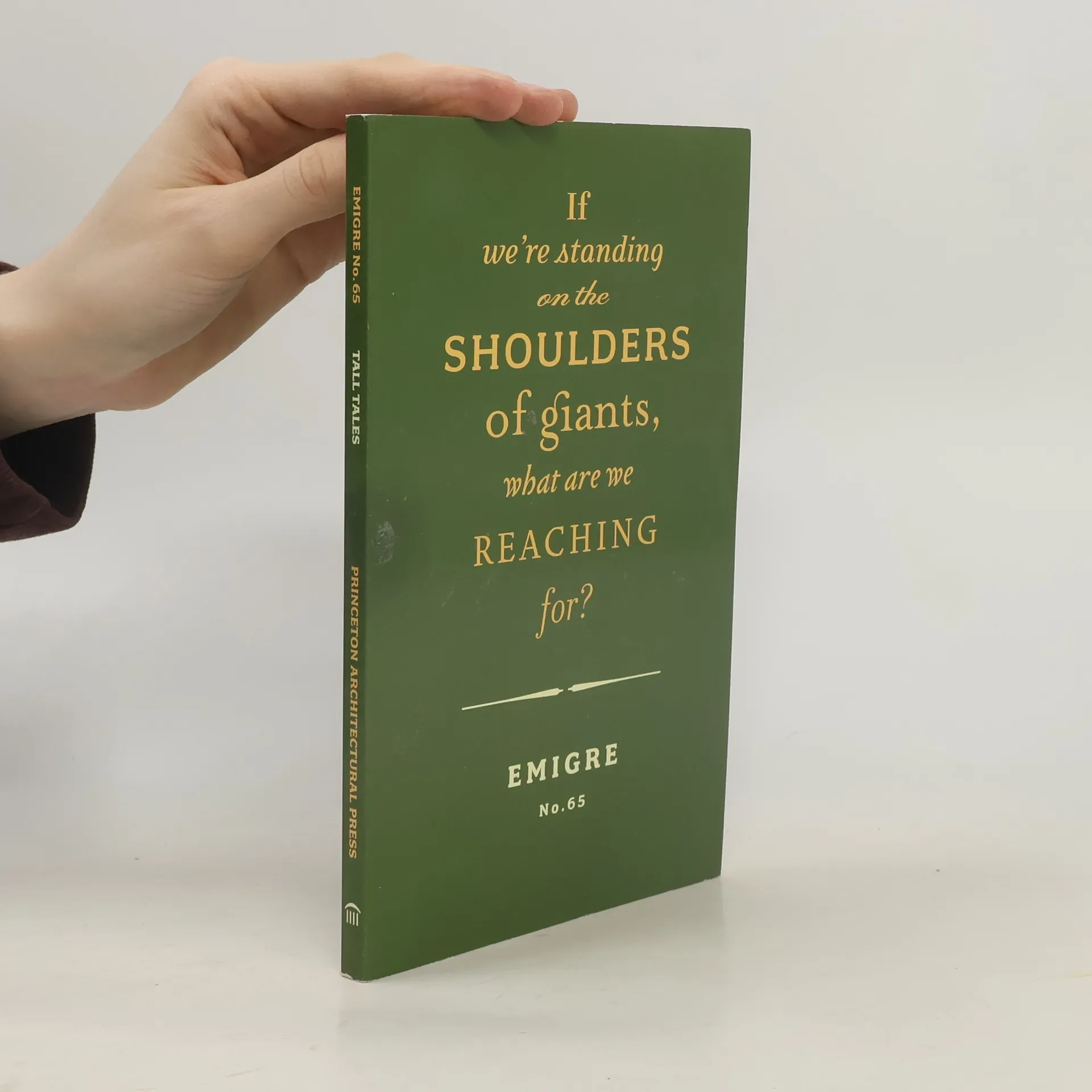
    If We're Standing on the Shoulders of Giants, what are We Reaching For?
    Emigre No. 70
    • Emigre No. 70

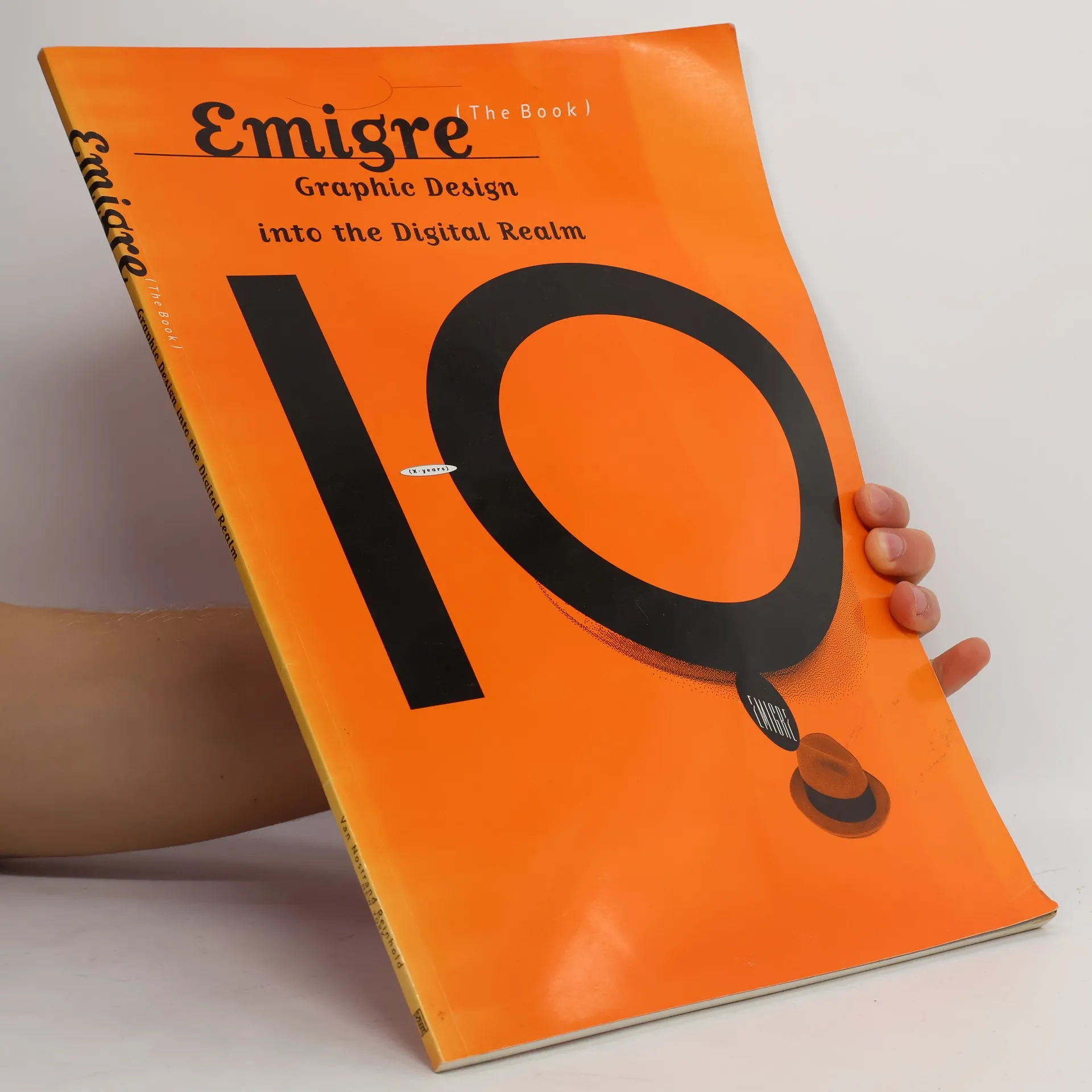
      The Look Back Issue. Selections from Emigre Magazine 1-69, 1984-2009

      • 512 Seiten
      • 18 Lesestunden
      4,4(26)Abgeben

      During the late 1980s and 1990s, graphic design underwent a transformative period marked by the introduction of the Apple Macintosh and a shift in design education. Design schools began exploring French linguistic theory, while the vernacular emerged as a significant source of inspiration. The democratization of typeface design allowed anyone with a computer to participate, and New York City was no longer the sole hub for graphic design innovation. In Berkeley, California, Emigre magazine recognized these pivotal changes, becoming both a participant and observer in this dynamic international design scene. With its successful digital type foundry, Emigre gained notoriety as one of the most popular and controversial graphic design magazines of its time, publishing 69 issues that featured interviews with design pioneers and critical essays from emerging writers. This book, designed and edited by co-founder Rudy VanderLans, compiles reprints from Emigre's journey—from its early bitmap designs to the experimental layouts of the "Legibility Wars" and critical writings of the early 2000s. Emigre No.70 is essential for those who missed the excitement and for long-time fans, making it a vital addition to any graphic design library. It includes interviews with notable figures like The Designers Republic and essays by prominent writers.

      Emigre No. 70
    • For almost twenty years, and over sixty issues, Emigre has been a sourcebook of ideas, fonts, images, work, products, and even music for an entire generation of designers. Now, Emigre has transitioned into a new format, a return-to-roots series of "pocketbooks, " focusing on critical writing about the state of graphic design. Anyone interested in contemporary design will want to put a copy of Emigre in their pocket.

      If We're Standing on the Shoulders of Giants, what are We Reaching For?
    • Supermarket

      • 176 Seiten
      • 7 Lesestunden
      4,0(5)Abgeben

      On the outskirts of civilization, where suburban man stumbles over nature, an untold drama is taking place. A relentless effort by present day frontiersmen to tame and overcome the inhospitable California desert. Rudy VanderLans takes us to the heart of this spectacle, where suburban elements meet vacuous space, where dubious claims of commerce stand fragile against a harsh light, where contemporary dwellers impose incongruous notions of luxury on a magnificent wilderness landscape. Supermarket captures the folly and the beauty of this colorful drama in all its ambiguity, with astounding photographic spreads that come at us like film, taken at slightly different angles, juxtaposed or duplicated in singularly bold symmetry. The iteration of the images so leveraged simulates a spatiality that transcends the ordinary two-dimensional page. Supermarket is a disturbingly beautiful book that takes us on a poetic journey through VanderLans' California, documenting our sometimes successful, sometimes futile attempt to transform an unfriendly environment into a bearable, happy land. Rudy VanderLans, co-founder and editor of 'Emigre' magazine, brings us inside this desert environment in small steps, taking us along the California coast heading south and then east through the built environment, setting the scene for our final destination.

      Supermarket
    • Oleander Sunset

      • 256 Seiten
      • 9 Lesestunden

      Inspired by artists like Edward Curtis and Charles Schulz, who devoted their lives to a single objective, Rudy VanderLans continues his pursuit to create a consistent body of work of postcard-size images, rendering a comprehensive portrait of California in the early part of the 21st century. VanderLans, who is often drawn to places with fantastical names -- like Oleander Sunset --wanders about California's back roads with eyes wide open. Without theorizing, or searching for subjects, he allows himself to be receptive to the world around him and discovers beauty in the most ordinary locales. Like the men who named the cities and towns he visits, VanderLans makes the mundane seem less so, and in the process shows us what's been overlooked. Oleander Sunset juxtaposes single images on opposing pages, setting up dynamic formal and contextual interactions through contrasting, complementing and reiteration. The book is interspersed with a number of fold-out panoramas, placing the viewer smack in the middle of the author's habitual stamping ground.

      Oleander Sunset