Sarah MangusoReihenfolge der Bücher (Chronologisch)
Sarah Manguso widmet sich dem introspektiven Schreiben, das die komplexen Zusammenhänge zwischen Körper, Geist und Erinnerung erforscht. Ihre Werke verweben oft lyrische Prosa mit tiefer Empfindsamkeit und schaffen so tiefgreifende Reflexionen über die menschliche Erfahrung. Manguso befasst sich mit Themen der Zerbrechlichkeit, des Verlusts und der Ausdauer und formt intime Momente in universelle Wahrheiten um. Ihr einzigartiger Stil erhebt alltägliche Beobachtungen zu poetischer Reflexion.
Featuring the whimsical inquiries of children, this collection showcases the imaginative and often humorous perspectives they hold. Through the artistry of Liana Finck, a celebrated New Yorker cartoonist, the book brings to life the poignant and curious thoughts that reflect the wonder of childhood.
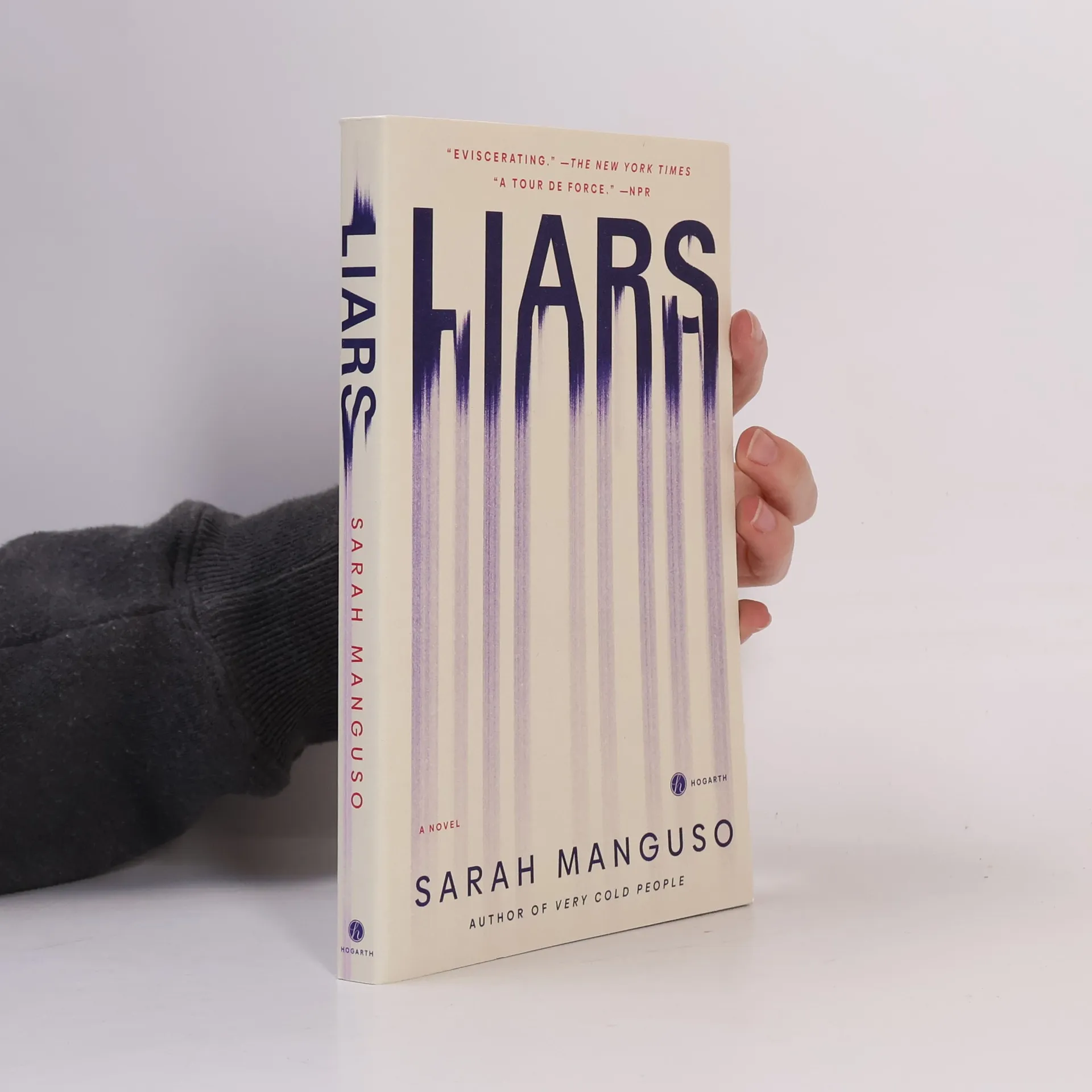
An “eviscerating” novel about the complexities of being a wife, mother, and artist, exploring how marriage can transform us into liars. This compelling narrative has been recognized as a finalist for the Joyce Carol Oates Prize and shortlisted for the Carol Shields Prize for Fiction, earning accolades as a best book of the year from various outlets. The story questions whether divorce has become the new marriage plot, capturing a rare kind of anger that makes it a gripping read.
The protagonist, Jane, an aspiring writer, enters a relationship with filmmaker John Bridges, both seeking love, success, and happiness. Initially, Jane believes she has found everything she desires, including the joys of motherhood. However, she soon realizes that she is overshadowed by John's ambitions and ego, ultimately becoming defined by her role as a wife. As Jane's career begins to thrive, their marriage deteriorates, leading to a pivotal moment when John leaves her.
This novel is a powerful exploration of a woman's struggle against the confines of family life and her journey toward self-discovery, told with wit and intensity as she rises from the ashes of her crumbling marriage.
Acclaimed writer Sarah Manguso makes her fiction debut with an icy, furious novel about the way in which a society can ignore and enable the abuse of young women, narrated by the daughter of just such an abusive mother.
“[Manguso] has written the memoir we didn’t realize we needed.” —The New Yorker In Ongoingness, Sarah Manguso continues to define the contours of the contemporary essay. In it, she confronts a meticulous diary that she has kept for twenty-five years. “I wanted to end each day with a record of everything that had ever happened,” she explains. But this simple statement belies a terror that she might forget something, that she might miss something important. Maintaining that diary, now eight hundred thousand words, had become, until recently, a kind of spiritual practice. Then Manguso became pregnant and had a child, and these two Copernican events generated an amnesia that put her into a different relationship with the need to document herself amid ongoing time. Ongoingness is a spare, meditative work that stands in stark contrast to the volubility of the diary—it is a haunting account of mortality and impermanence, of how we struggle to find clarity in the chaos of time that rushes around and over and through us. “Bold, elegant, and honest . . . Ongoingness reads variously as an addict’s testimony, a confession, a celebration, an elegy.” —The Paris Review “Manguso captures the central challenge of memory, of attentiveness to life . . . A spectacularly and unsummarizably rewarding read.” —Maria Popova, Brain Pickings
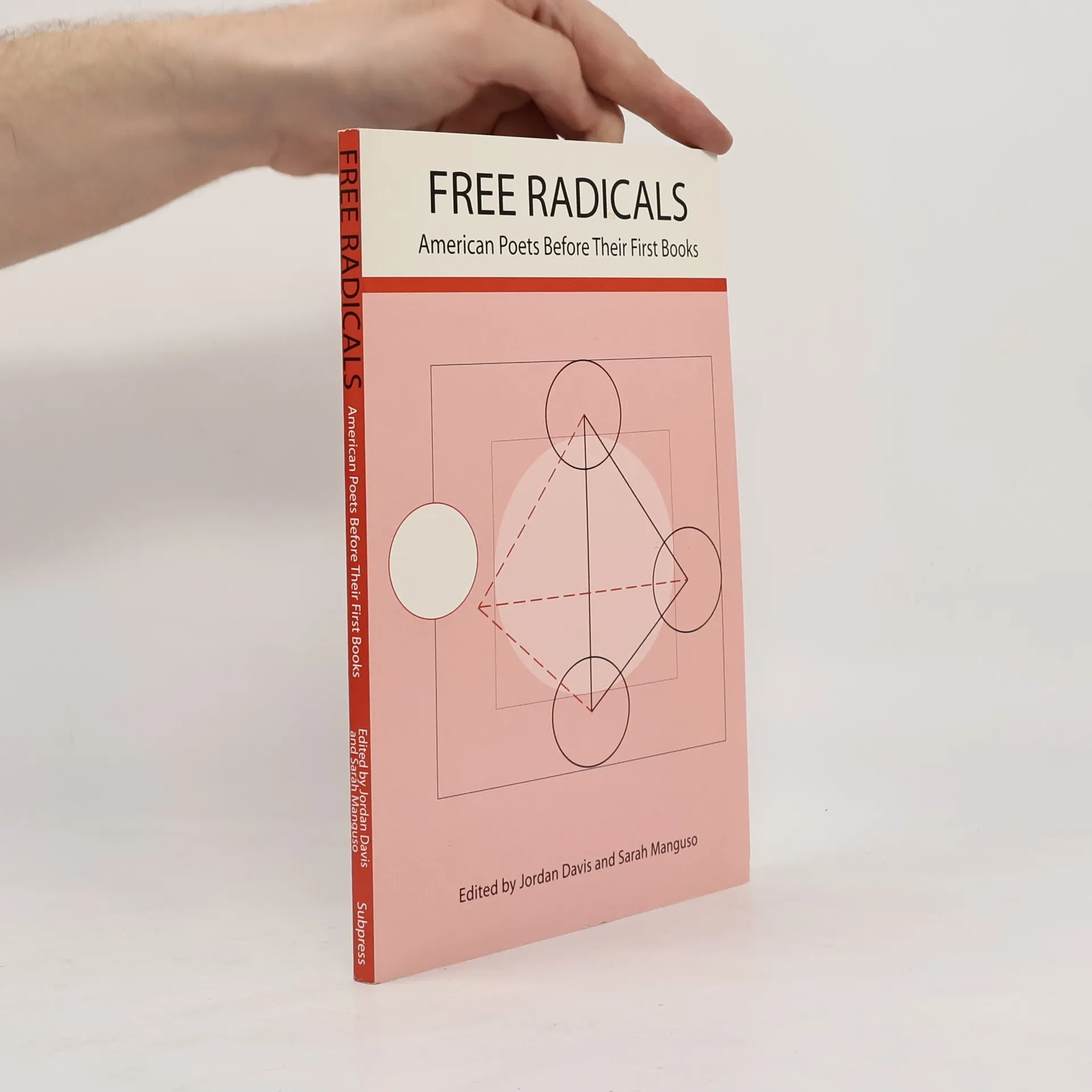
Poetry. This anthology of not-yet household names, edited by Jordan Davis and Sarah Manguso, features work by Max Winter, Michael Savitz, Jeni Olin, Amy Lingafelter, Tanya Larkin, Jennifer Knox, Cole Heinowitz, Tim Griffin, Johannes Goransson, Greta Goetz, Alan Gilbert, Tonya Foster, Katie Degentesh, Del Ray Cross, Chris O. Cook, Carson Cistulli, Jim Behrle, and B.J. Atwood-Fukuda. "What excites me about these poets is that, beside their talent, they are all blessed with the terrible freedom of not yet having published books. I take special joy in reading work by these poets who, while already setting their new stars into the poetical firmament, are not mired in the stability-enforcing, niche-assigning public consciousness"--Sarah Manguso.
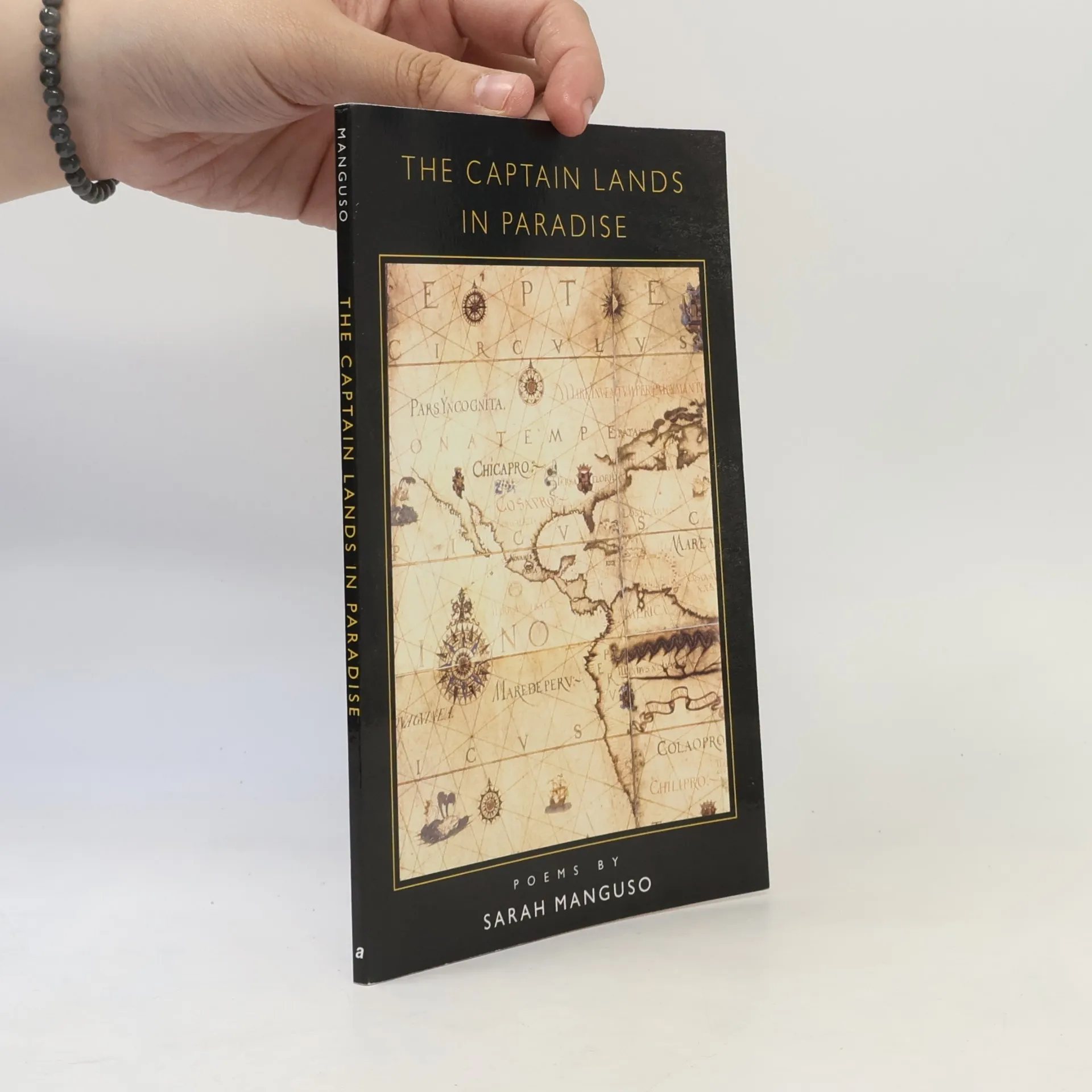
Sarah Manguso’s first collection, a combination of verse and prose poems, explores love, nostalgia, remorse, and the joyful and mysterious preparation for the discoveries of new lands, selves, and ideas. The voice is consistently spare, honest, understated, and eccentric.