Arthur Schopenhauer Reihenfolge der Bücher (Chronologisch)
22. Februar 1788 – 21. September 1860
Arthur Schopenhauer war ein deutscher Philosoph, der vor allem für seine tiefgründige Auseinandersetzung mit der Welt als Wille und Vorstellung bekannt ist. Er strebte eine akademische Laufbahn an, indem er Immanuel Kants Philosophie über die menschliche Erfahrung verfeinerte und erweiterte. Sein Werk befasst sich mit den grundlegenden Fragen der Existenz und des menschlichen Daseins und etabliert ihn als eine zentrale Figur des philosophischen Denkens. Schopenhauers unverwechselbare Perspektive auf Pessimismus und Ethik beeinflusst weiterhin die zeitgenössische Auseinandersetzung.




Samodzielnie myśleć potrafi bardzo niewielu, ale poglądy pragną mieć wszyscy. Erystyka, czyli sztuka prowadzenia sporów, to słynne dzieło niemieckiego filozofa Arthura Schopenhauera. Pokazuje w nim, jak zręcznie dyskutować, by przekonać innych o słuszności własnych sądów, a także co ważniejsze by nie dać się zmanipulować sztuczkom tych, do których zawsze musi należeć ostatnie słowo, nawet jeśli nie mają racji. Schopenhauer zajmował się również zagadnieniem wolnej woli, któremu poświęcił osobny traktat (O wolności ludzkiej woli). Wykazał w nim, że wolność jest pojęciem negatywnym, a ludzkie czyny wywodzą się z indywidualnych, najsilniejszych w danym momencie pobudek.
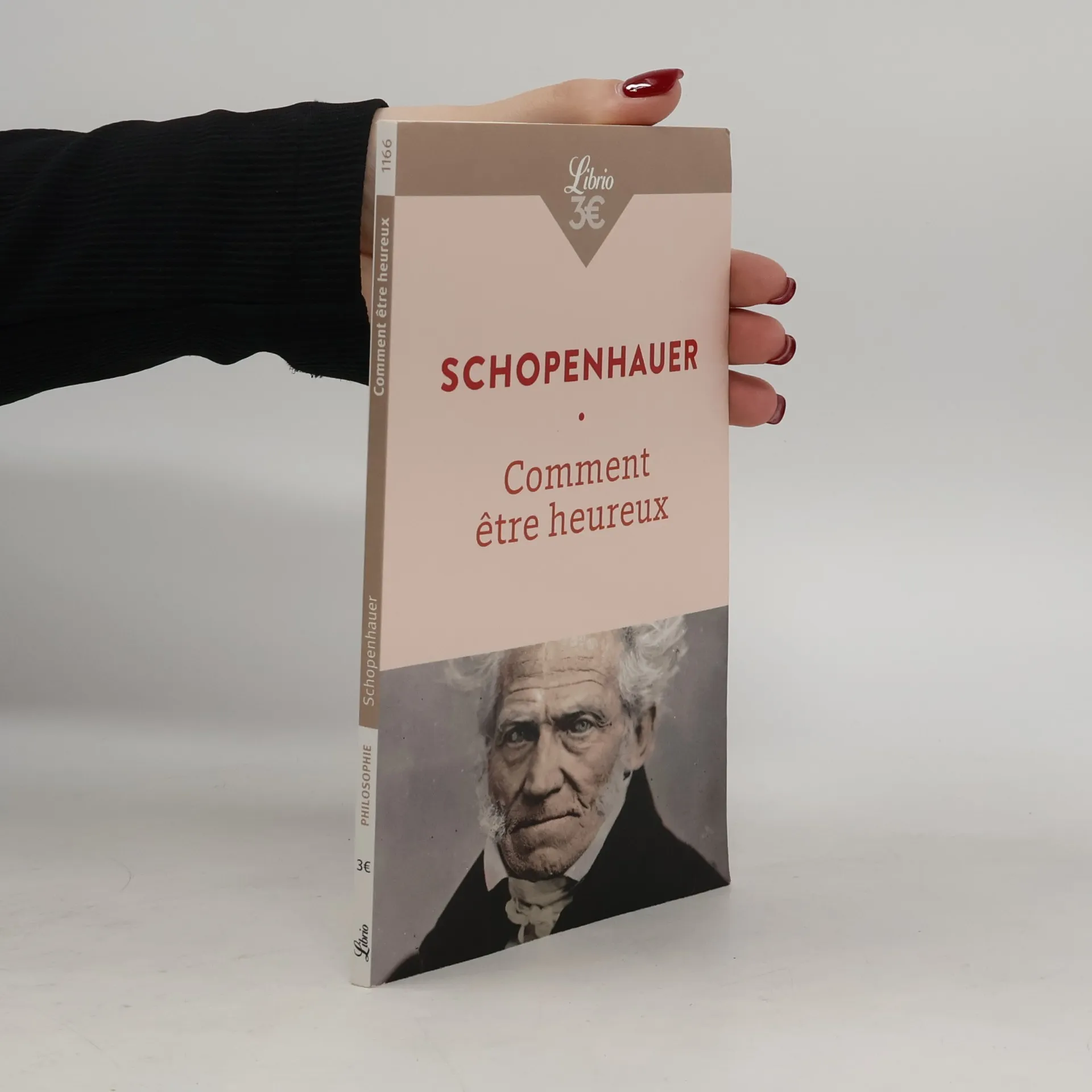
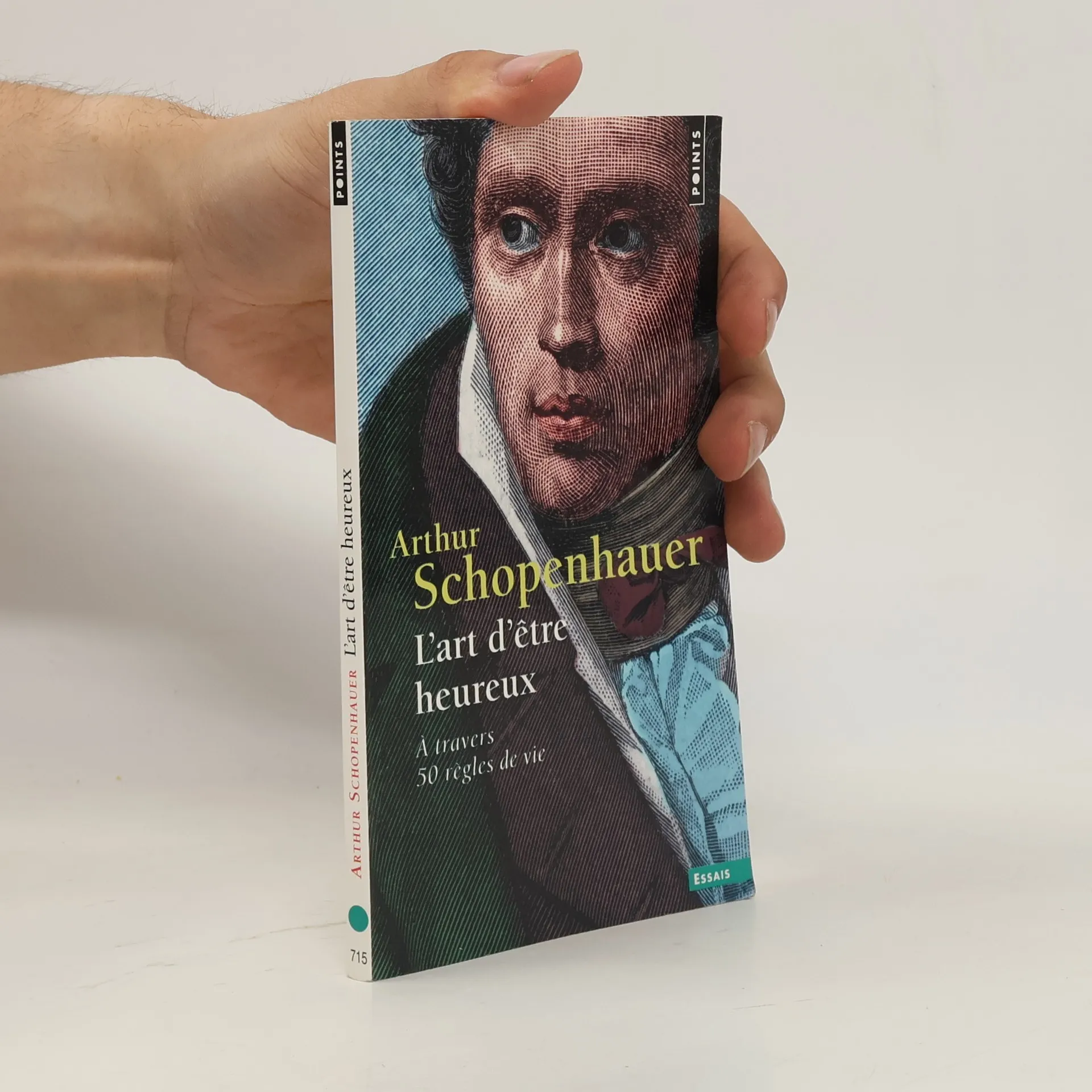
Comment être heureux
- 80 Seiten
- 3 Lesestunden
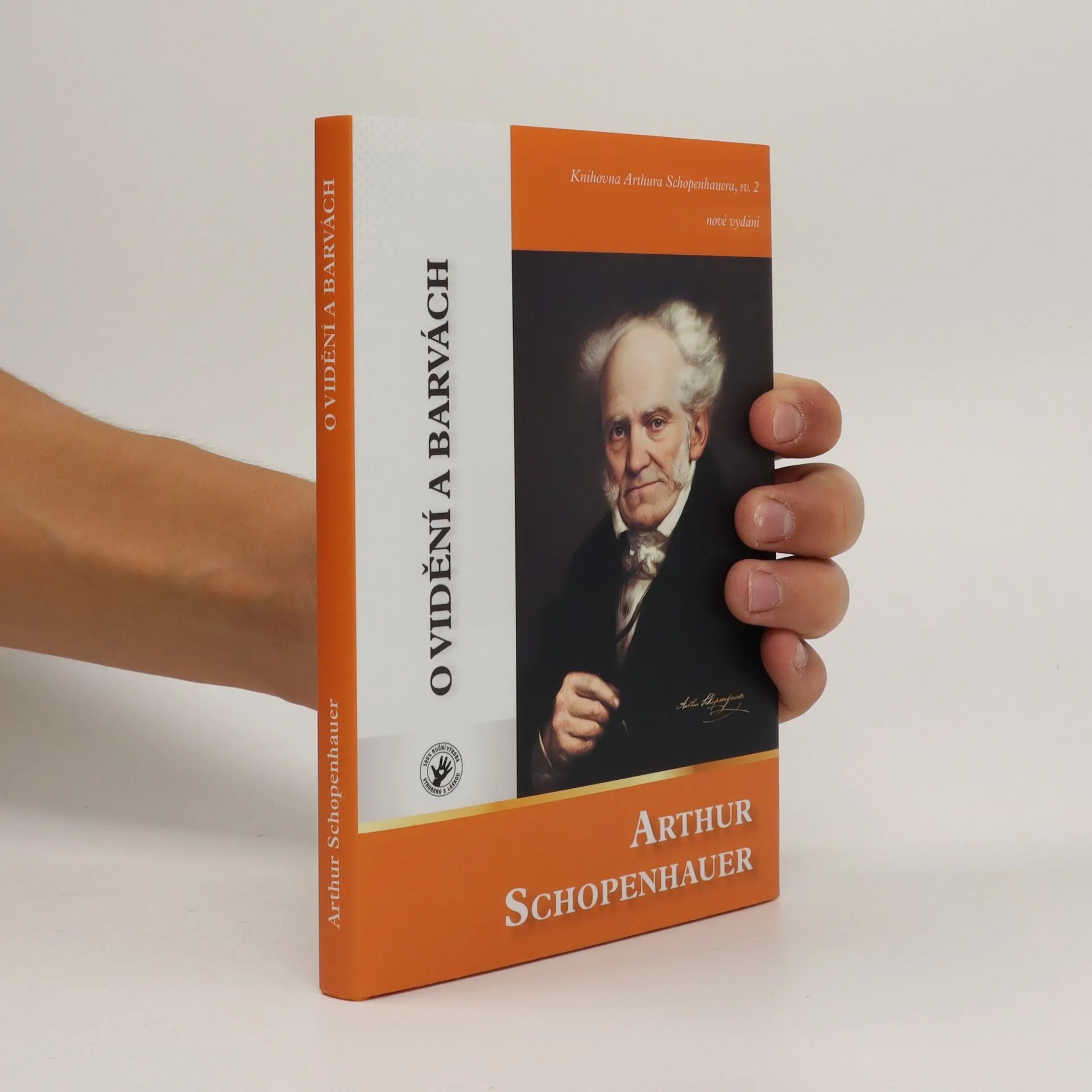
O vidění a barvách
- 96 Seiten
- 4 Lesestunden
L'Art d'avoir toujours raison : édition intégrale et annotée: Format de poche
- 83 Seiten
- 3 Lesestunden
Vorlesung über Die gesamte Philosophie oder die Lehre vom Wesen der Welt und dem menschlichen Geiste, Teil 1
Theorie des Vorstellens, Denkens und Erkennens
Diese neu erarbeitete Studienausgabe von Schopenhauers Berliner Vorlesung bietet eine erweiterte Variante seines Hauptwerks. Sie behandelt die Theorie des Vorstellens und verbindet idealistische sowie materialistische Ansätze. Besonders hervorzuheben ist das Kapitel über Logik, das in keinem anderen Werk so ausführlich behandelt wird.
Diese neu bearbeitete Studienausgabe von Schopenhauers Berliner Vorlesungen bietet eine erweiterte Variante seines Hauptwerks „Die Welt als Wille und Vorstellung“. Sie erleichtert den Zugang zu seiner Philosophie, die Erkenntnisformen in Wissenschaft, Metaphysik, Kunst und Moral thematisiert. Die Manuskripte aus 1820 enthalten wertvolle Zusätze und sind erstmals vollständig transkribiert.
Die Reihe präsentiert bedeutende Werke der Weltliteratur in zeitgemäßer Rechtschreibung gemäß den Duden-Vorgaben. Klara Neuhaus-Richter sorgt dafür, dass klassische Texte für moderne Leser zugänglicher werden, ohne den ursprünglichen Inhalt zu verändern. Diese Edition bietet eine wertvolle Möglichkeit, literarische Meisterwerke zu entdecken oder neu zu erleben, während sie gleichzeitig die sprachlichen Standards von heute berücksichtigt.
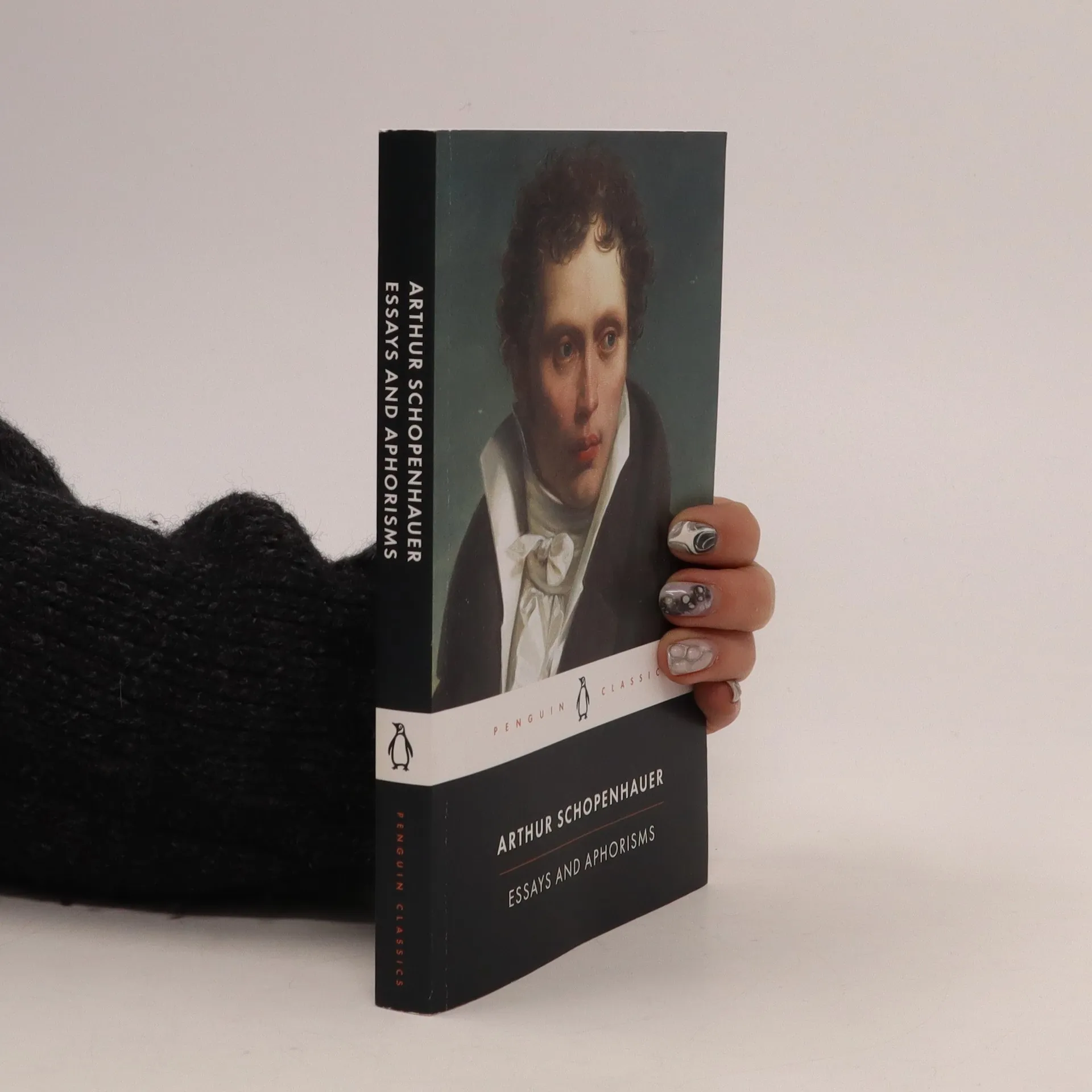
The Essays of Arthur Schopenhauer
Counsels and Maxims : Translated by T. BaiIey Saunders
- 114 Seiten
- 4 Lesestunden
Focusing on the nature of existence, Schopenhauer's philosophy presents a world driven by a blind, insatiable will, contrasting sharply with the ideals of his contemporaries. He builds upon Kant's transcendental idealism while introducing an atheistic metaphysical system that embraces concepts from Indian philosophy, including asceticism and self-denial. His influential work embodies philosophical pessimism, challenging prevailing notions of idealism and offering a profound critique of human desire and suffering.
Arthur Schopenhauer: Schriften über Musik
- 220 Seiten
- 8 Lesestunden
Richard Wagner erkennt durch die Schopenhauer'sche Musikästhetik den tieferen Sinn seiner eigenen Werke. Später greifen Denker wie Nietzsche seine Überlegungen produktiv auf. Niemand hat das innere Wesen der Musik so genial erfaßt, niemand die erlösende Macht der Tonkunst so tief erkannt , konstatiert Karl Stabenow. Die vorliegende Sammlung von Schriften gewährt einen umfassenden Einblick in Schopenhauers Theorien zur Musik. Selbst anderthalb Jahrhunderte nach Schopenhauers Tod ist die Auseinandersetzung mit seinen musikalischen Gedanken für jeden Musikliebhaber fruchtbar. Schopenhauers Bild der Musik als das eines überindividuellen, alles bewegenden Willens erklärt unsere bedingungs- und zeitlose Faszination.
Essays
- 316 Seiten
- 12 Lesestunden
Exploring the philosophical pessimism of Schopenhauer, this collection features English translations of essays from "Parerga and Paralipomena," which was published in 1851 to complement his earlier works. T. Bailey Saunders' translations, initiated in the late 19th century, offer valuable insights into Schopenhauer's thoughts and reactions to post-Kantian romanticism. This edition, printed on premium acid-free paper, serves as an excellent resource for those looking to deepen their understanding of Schopenhauer's significant contributions to Western philosophy.
The Wisdom of Life; & Counsels and Maxims
- 160 Seiten
- 6 Lesestunden
Exploring profound themes such as possessions, reputation, and the nature of desire, Arthur Schopenhauer presents a candid analysis of the human condition in his works. He introduces the concept of "will" as a driving force that leads to suffering through relentless desires. Schopenhauer argues that true happiness can only be achieved by renouncing these impulses, offering a pragmatic solution to life's challenges. His engaging writing style and sharp wit make these philosophical insights accessible and thought-provoking.
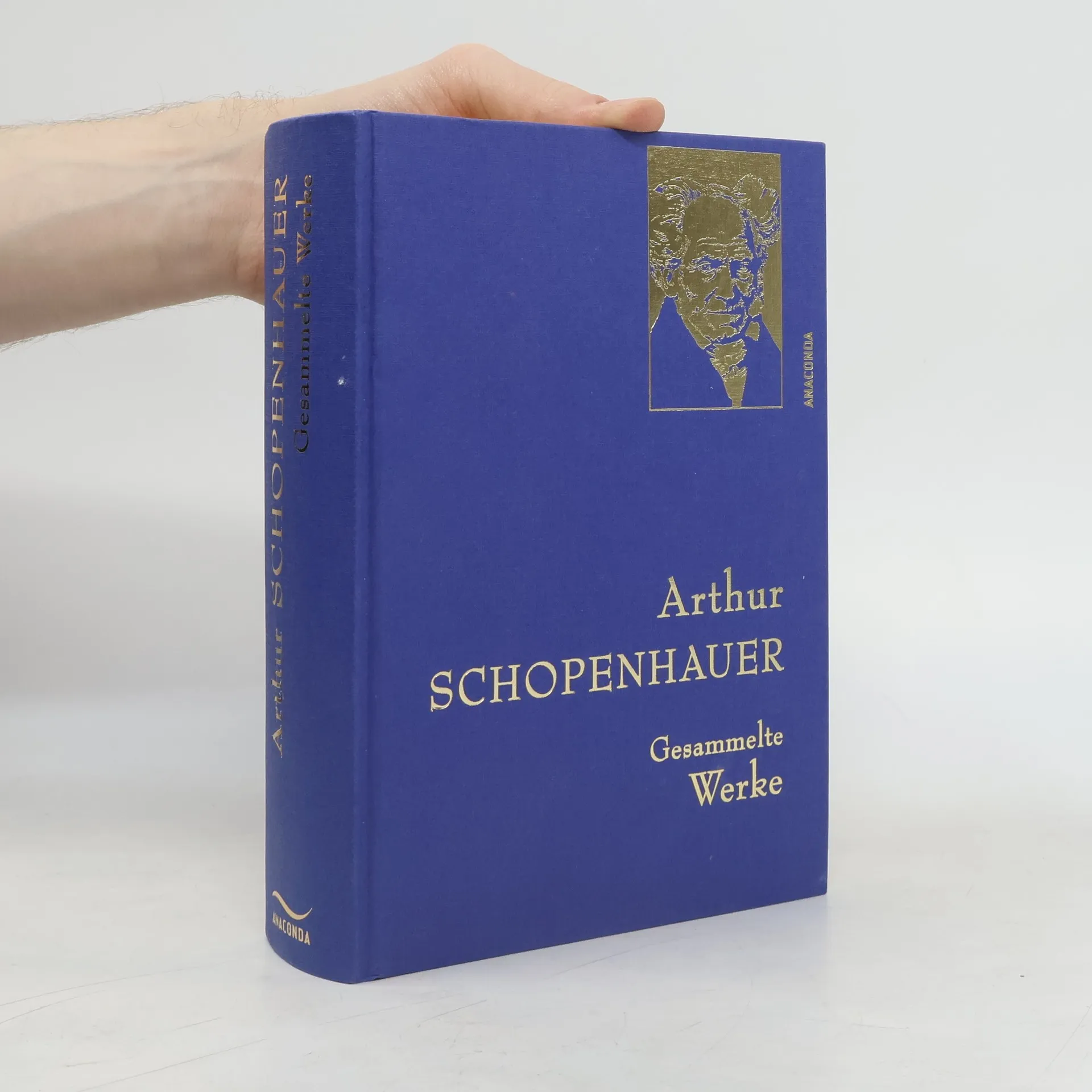
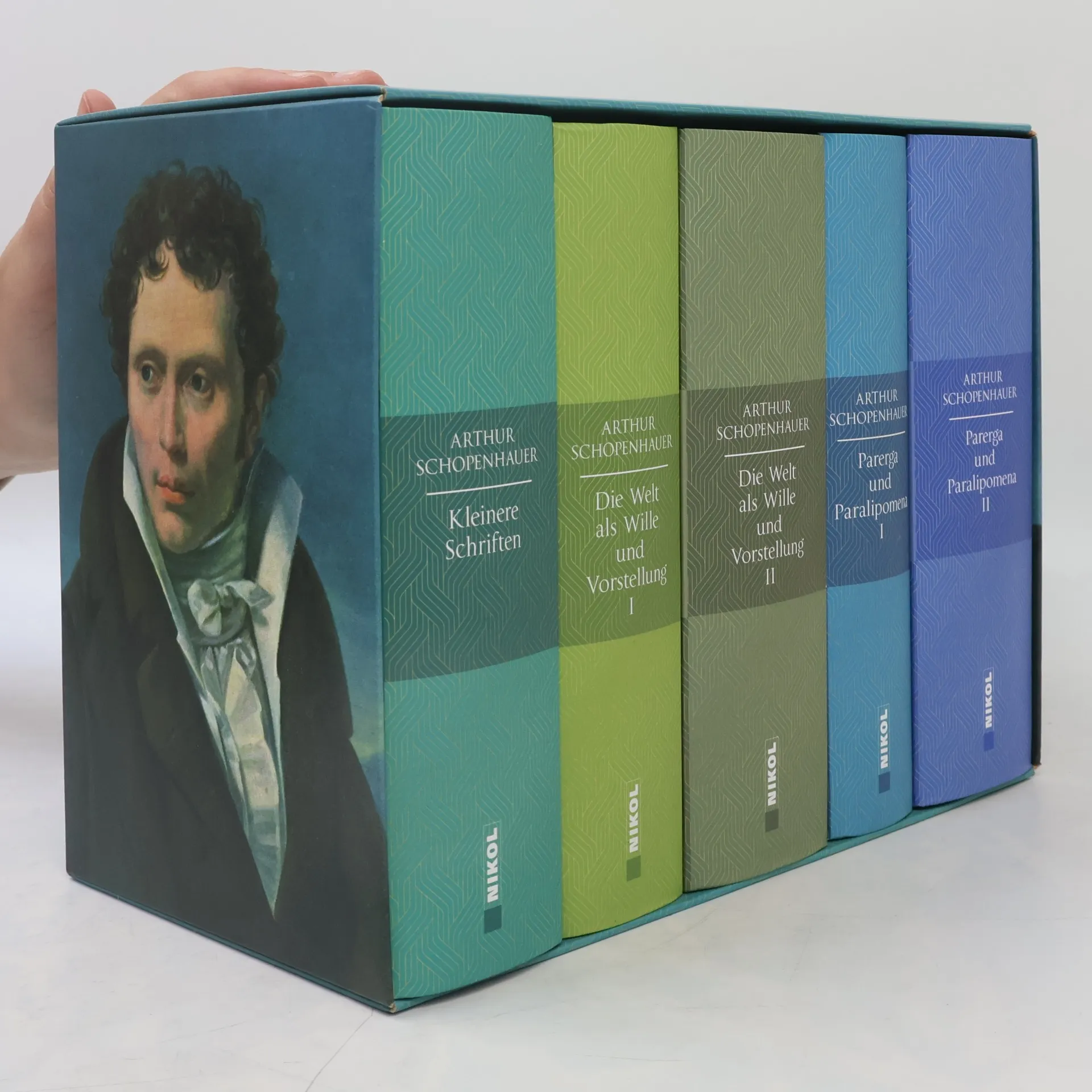
Arthur Schopenhauer, Gesammelte Werke
Gebunden in feingeprägter Leinenstruktur auf Naturpapier aus Bayern. Mit goldener Schmuckprägung
- 928 Seiten
- 33 Lesestunden
Die »Aphorismen zur Lebensweisheit« sind Schopenhauers geheimes Hauptwerk und bieten die Essenz seiner Philosophie. Ergänzt wird es durch das Opus Magnum »Die Welt als Wille und Vorstellung« sowie das Plädoyer »Die Kunst, recht zu behalten«, das die Kunst des Argumentierens beleuchtet.
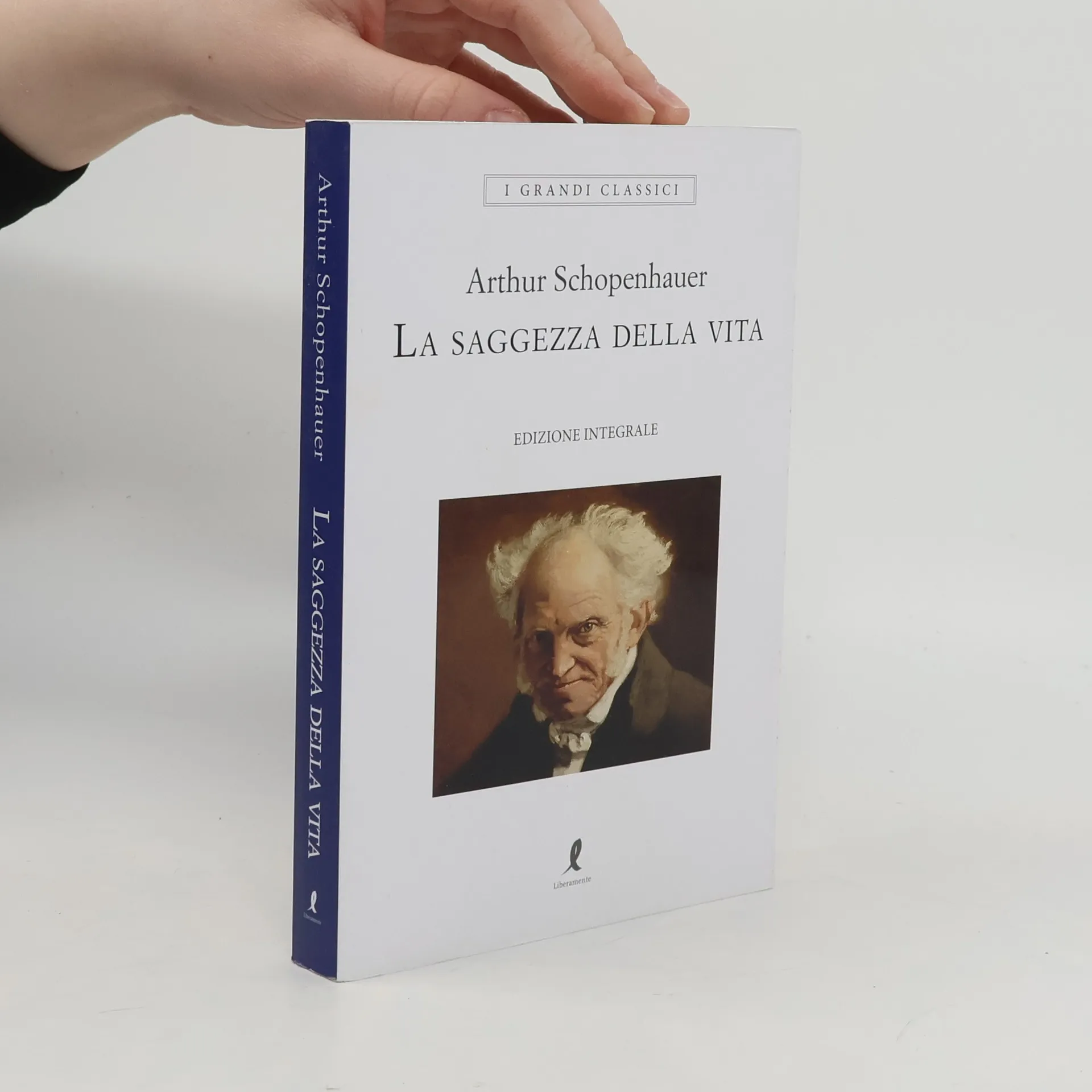
I grandi classici: La saggezza della vita. Ediz. integrale
- 236 Seiten
- 9 Lesestunden
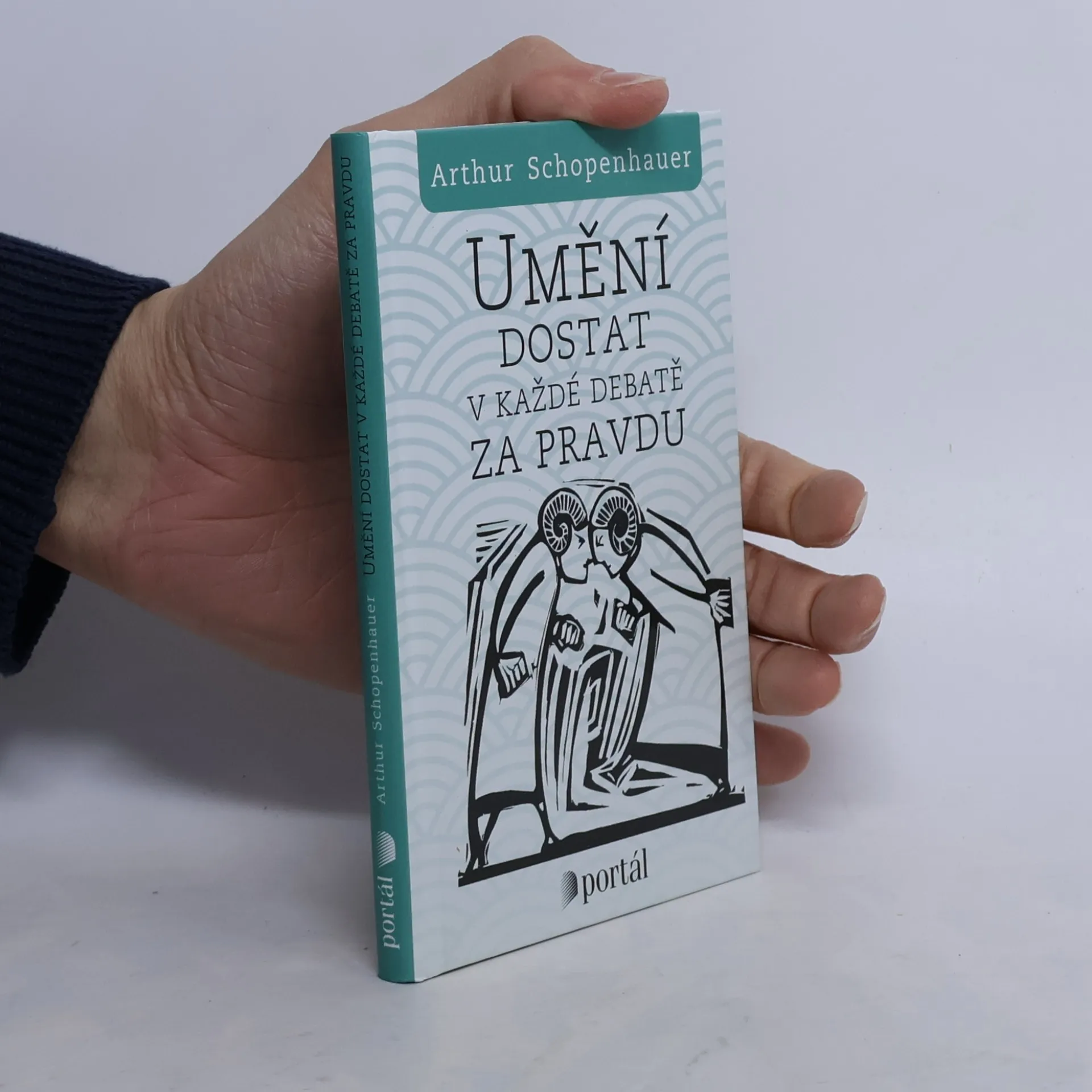
O tom, jak správně vést diskusi, pokud chcete stát na jejím konci jako vítěz, napsal snad nejlepší knihu filozof Arthur Schopenhauer. Kniha, jež je známá také pod názvem Eristická dialektika, obsahuje bohatý a strukturovaný přehled příkladů, jakým způsobem lze diskusi vést – a to jak logicky správně, tak pomocí zavádějících argumentů.
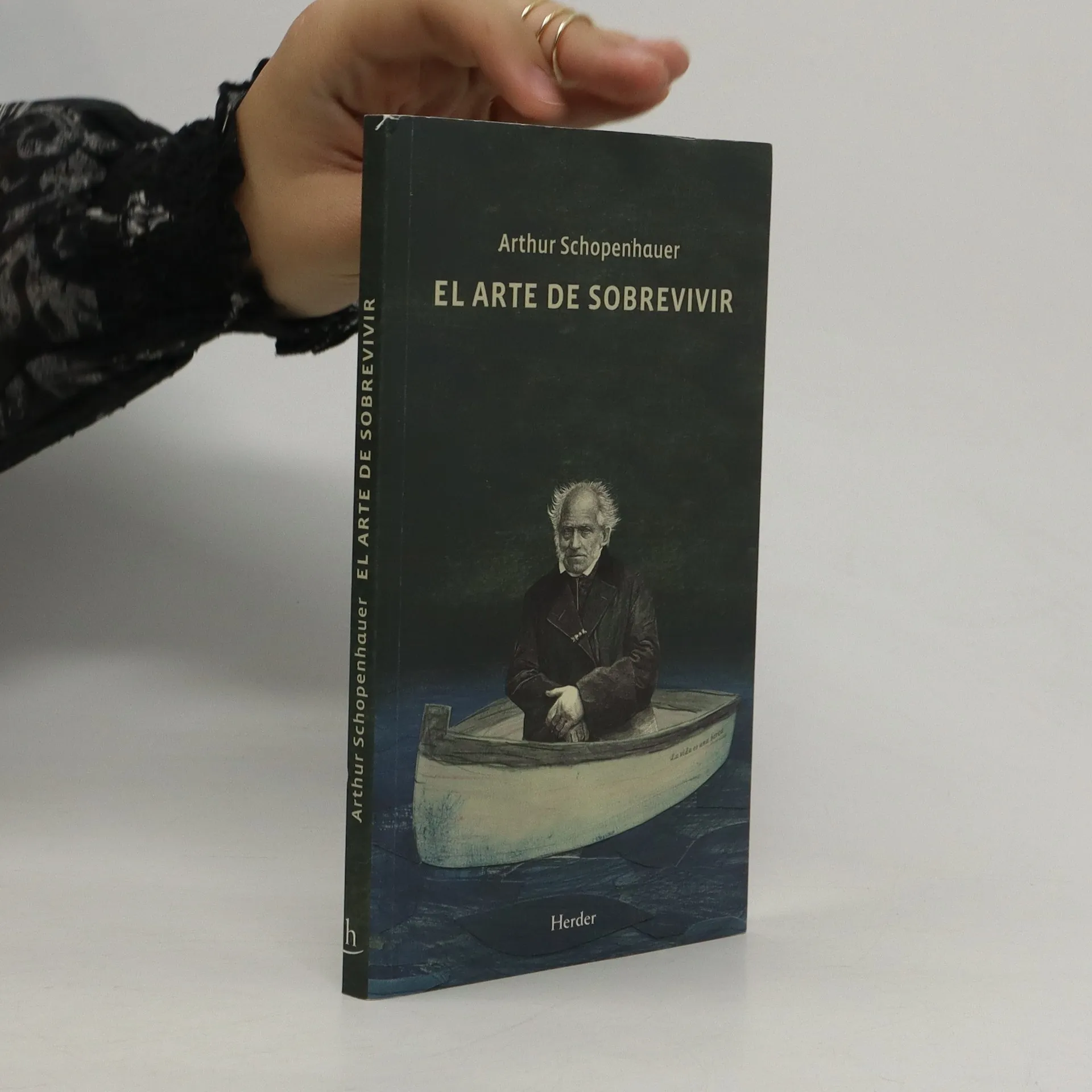
El arte de sobrevivir
- 144 Seiten
- 6 Lesestunden
En la obra de Arthur Schopenhauer, pensador misántropo y pesimista denostado por sus amargas invectivas, el lector no encontrará cándidos pensamientos con los que acompañar plácidamente el paso de los días. Sin embargo, se equivocará si busca en el autor tan solo una amarga visión de la vida, severos diagnósticos sobre la época que le tocó vivir o incluso, en último término, una exhortación al suicidio. Como muestra la presente selección de textos, lo que brota de su pensamiento es la convicción de que debemos comenzar a vivir de nuevo cada día, pues resulta todo un arte permanecer con vida.
Arthur Schopenhauer, born on February 22, 1788, in Danzig, hailed from a prominent merchant family. After his father's death in 1805, he remained in Hamburg while his mother and sister moved to Weimar. This allowed him to live without financial concerns due to his inheritance. Schopenhauer began studying medicine at the University of Göttingen in 1809 but soon shifted his focus to philosophy. Through his mother, he became acquainted with Goethe. In 1816, he published his own color theory, "Ueber das Sehn und die Farben," which caused a rift with Goethe. His seminal work, "Die Welt als Wille und Vorstellung," was published in 1819 and later expanded significantly. In 1820, he began teaching at the newly established University of Berlin. A notable student of Kant, Schopenhauer was among the first philosophers in the German-speaking world to argue that an irrational principle underlies existence. He passed away on September 21, 1860, in Frankfurt am Main. Schopenhauer's philosophical contributions continue to resonate, exploring themes of will, representation, and the nature of reality. His works remain influential in various fields, including psychology, literature, and existential thought.
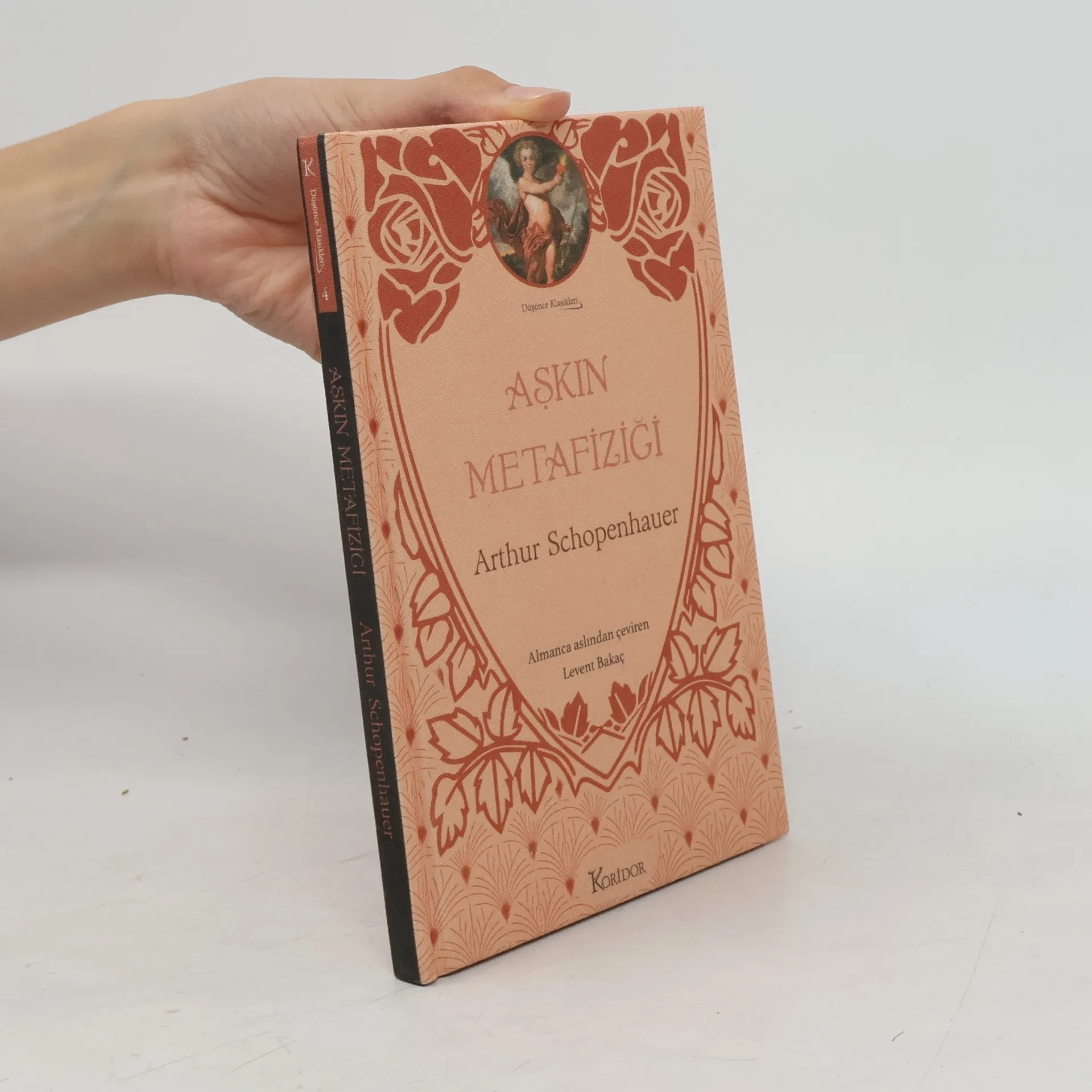
Düşünce Klasikleri - 4: Aşkın Metafiziği
- 88 Seiten
- 4 Lesestunden
A aşkın metafiziği – Schopenhauer'in bu dünyaca ünlü çalışması – 1844'te ilk kez yayımlandı, ana eserinin, "Dünya İrade ve Temsil Olarak" adlı eserinin tamamlayıcı cildinin 44. bölümüdür. Çalışmanın, ciltten ayrılmış olsa da bağımsız bir bütün olarak değerlendirilebilecek olan Almanca adı: Geschlechtsliebe'nin metafiziği. Schopenhauer, başlıkta "Geschlechtsliebe" kelimesini seçerek, incelemesinin konusunun aşk değil, cinsellik olduğunu belirtmek istemiştir. Metin içinde de Geschlechtsliebe ve Liebe kelimelerini değişimli olarak kullanarak, başlıkla olası bir yanlış anlamanın önüne geçmiştir.
Mit Schopenhauer gelassen durchs Jahr
- 219 Seiten
- 8 Lesestunden
Wie können wir glücklich sein auf dieser Welt? Wie können wir unser Leben meistern, wie werden wir gelassen? Noch immer gilt Arthur Schopenhauer als der Philosoph der Pessimisten: Sagt er nicht, dass Glück nur in der Abwesenheit von Leid bestehe? – Dieses Buch entdeckt einen ganz anderen Schopenhauer, den Freund der Tiere und der Menschen, einen Denker, der nach neuen Wegen sucht, mit offenen Augen und frohem Herzen das Leben zu bestehen.
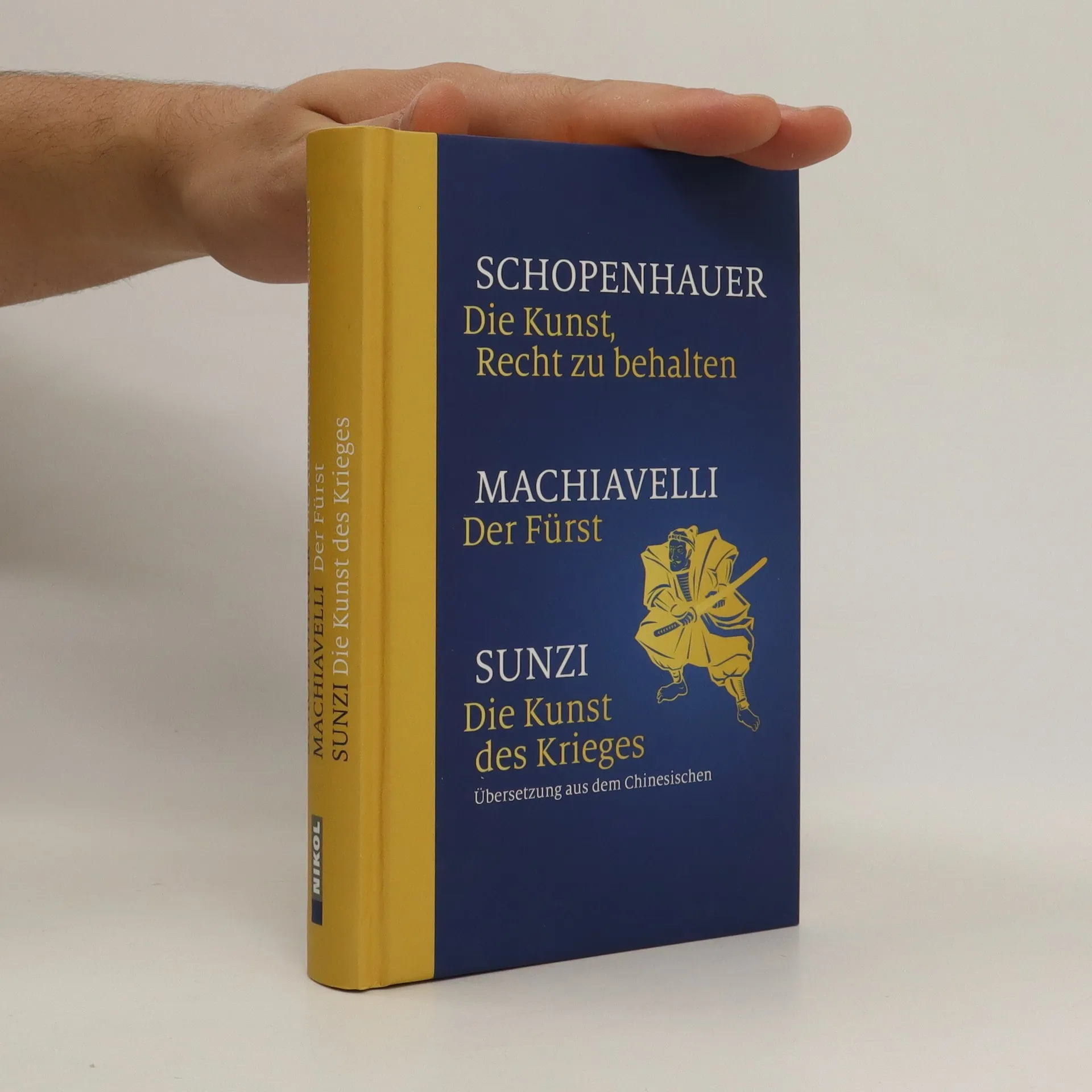
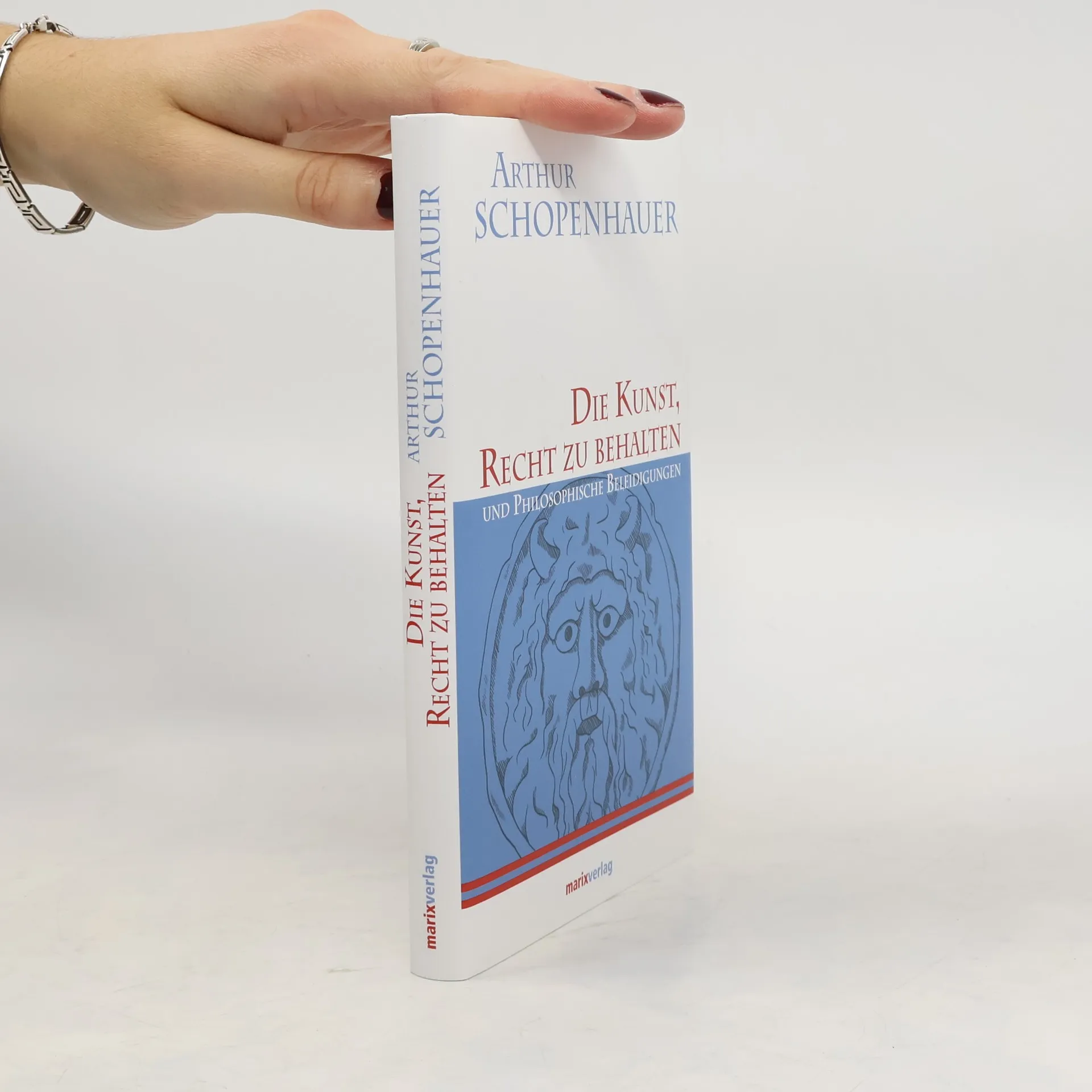
Die Kunst, Recht zu behalten - Der Fürst - Die Kunst des Krieges
- 336 Seiten
- 12 Lesestunden
Die hier versammelten Werke von Sunzi, Arthur Schopenhauer und Niccolò Machiavelli gelten auch heute noch als Leitfäden für Personalführung, Strategie und Menschenkenntnis.
Nicht jeder, der die besten Argumente vorbringt, gewinnt auch die Diskussion. Manchmal muss man Tricks und Kniffe anwenden, einfach das Publikum auf seine Seite ziehen oder den Gegner in Wut versetzen, damit er vergisst, was eigentlich wichtig war. Hierbei ist Schopenhauers kleines, aber lehrreiches Buch über die Kunst zu Streiten eine unverzichtbare Hilfe und eines der wichtigsten Werke der philosophischen Rhetorik und Argumentationstheorie; unterhaltsam und pointiert verrät uns der streitlustigste Philosoph, wie man auch ohne gute Argumente als Sieger aus einer Diskussion hervorgeht. Denn eines darf man auch nicht vergessen: Streiten kann und soll auch Spaß machen.
Spicilegia enthält die größtenteils unveröffentlichten handschriftlichen Aufzeichnungen Schopenhauers aus den Jahren 1837 bis 1852. Der Titel stammt von Schopenhauer selbst und bedeutet „Ährenlese“. Es handelt sich in der Tat um die Ernte, die für die entscheidenden Frankfurter Jahre eingefahren werden konnte. So nah, unzensiert und ungeschützt wurden die Texte vorher noch nie präsentiert. Endlich wird das Netz der Bezüge sichtbar, das aus sämtlichen vorhandenen Manuskripten, Randbemerkungen zu eigenen Werken, Glossen zu Büchern anderer Autoren usw. besteht - ein veritabler Textkontinent, aus dem die gedruckten Werke wie Eisberge herausragen. Die vollständige Wiedergabe der überlieferten Manuskripte bietet damit die einzigartige Chance, Schopenhauer bei der „Arbeit des Denkens“ über die Schulter zu schauen. Denn „hier ist Schopenhauers Denken in einem anderen Aggregatzustand greifbar: als suchende und existentiell engagierte Denkbewegung, die noch nicht im konstruktiven System geschlichtet und besänftigt ist“ (Rüdiger Safranski).
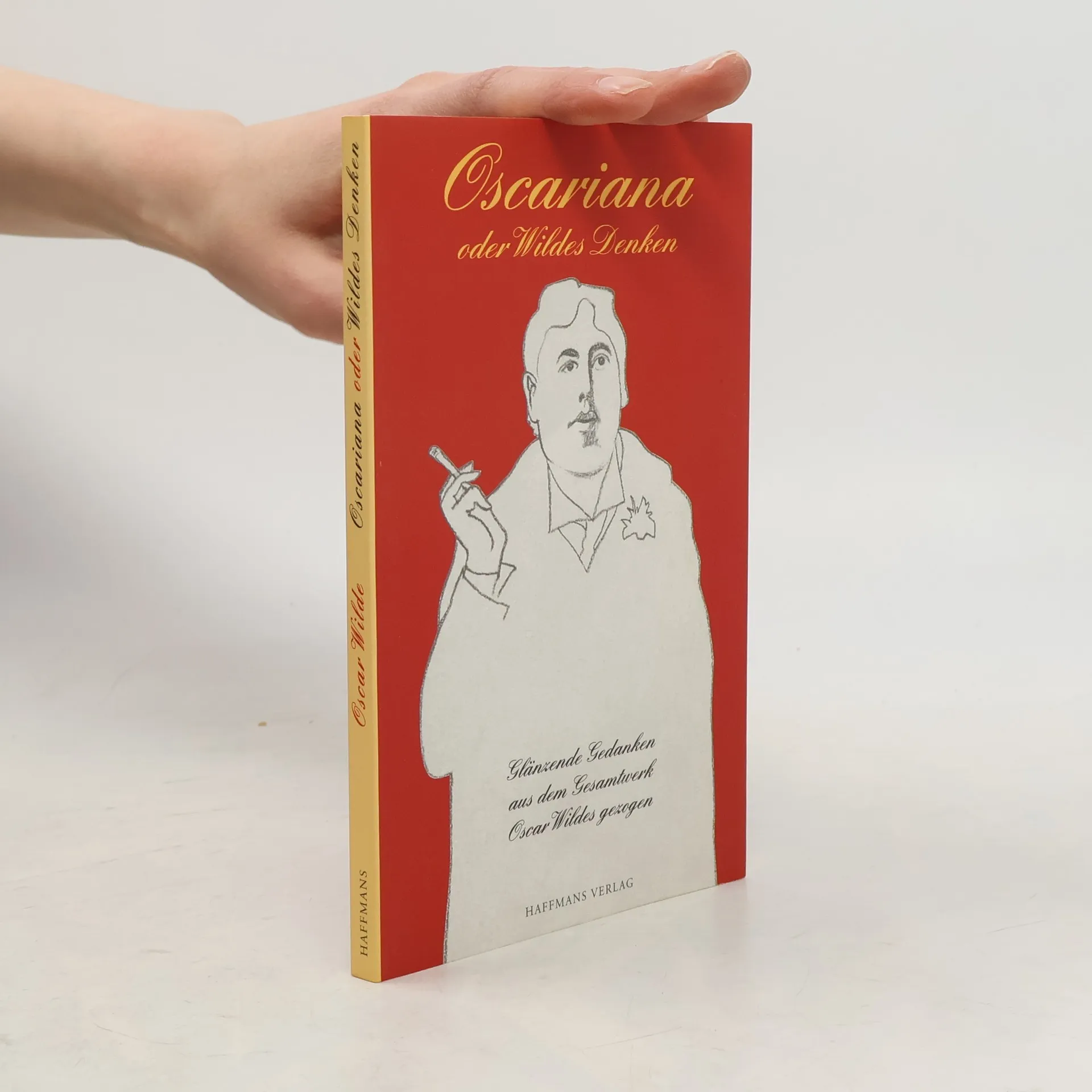
Oscariana oder Wildes Denken
- 107 Seiten
- 4 Lesestunden
Oscar Wilde versteht das menschliche Herz und die verschiedenen Facetten der Liebe und Freude. Er belehrt nicht, sondern unterhält mit Witz und Charme. Als Apostel des Vergnügens fördert er einen neuen Hedonismus und sieht Lebenslust als Lebensziel. Wilde ist heute relevanter denn je.
Parerga and Paralipomena: Short philosophical essays. Volume 2
- 701 Seiten
- 25 Lesestunden
With the publication of Parerga and Paralipomena in 1851, there finally came some measure of the fame that Schopenhauer thought was his due. Described by Schopenhauer himself as 'incomparably more popular than everything up till now', Parerga is a miscellany of essays addressing themes that complement his work The World as Will and Representation, along with more divergent, speculative pieces. It includes essays on method, logic, the intellect, Kant, pantheism, natural science, religion, education, and language. The present volume offers a new translation, a substantial introduction explaining the context of the essays, and extensive editorial notes on the different published versions of the work. This readable and scholarly edition will be an essential reference for those studying Schopenhauer, the history of philosophy, and nineteenth-century German philosophy.
A leading German metaphysician of the 19th century, Arthur Schopenhauer (1788–1860) exerted an influence far beyond the hermetic world of philosophy, with adherents ranging from Richard Wagner and Friedrich Nietzsche to Leo Tolstoy and Thomas Mann. Among Schopenhauer's chief contributions to the field of philosophy are his rejection of the idealism of his contemporaries and his embrace of a practical variety of materialism. He jettisons the traditional philosophic jargon for a brisk, compelling style that employs direct terms to express the metaphysics of the will. In The Wisdom of Life , an essay from Schopenhauer's final work, Parerga und Paralipomena (1851), the philosopher favors individual strength of will and independent, reasoned deliberation over the tendency to act on irrational impulses. He examines the ways in which life can be arranged to derive the highest degree of pleasure and success, presents guidelines to achieving this full and rich manner of living, and advises that even a life well lived must always aspire to grander heights. Abounding in subjects of enduring relevance, Schopenhauer's highly readable work appears here in an excellent translation.
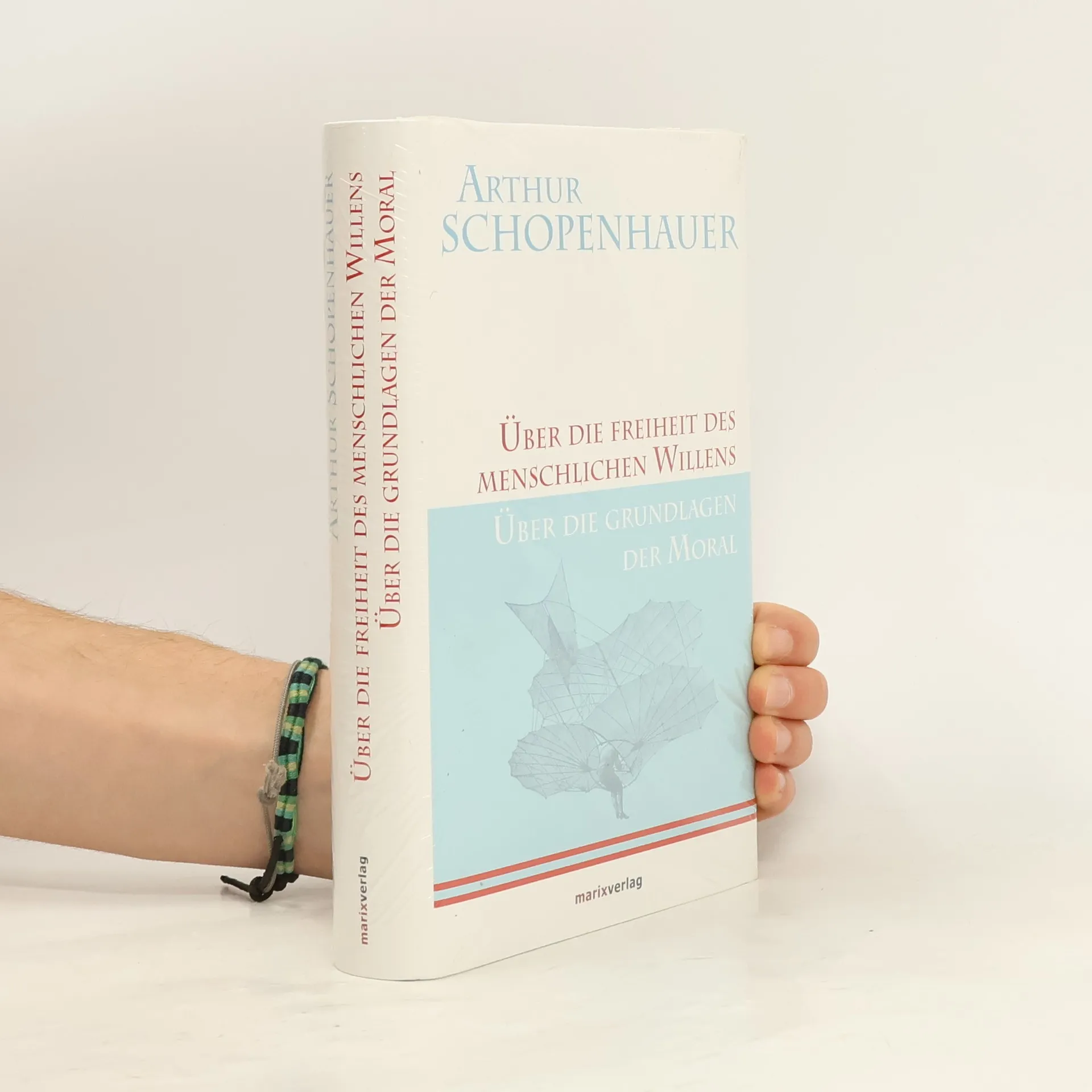
Über die Freiheit des menschlichen Willens und Über das Fundament der Moral
- 320 Seiten
- 12 Lesestunden
Arthur Schopenhauer spürt in seinen Preisschriften Über die Freiheit des menschlichen Willens und Über die Grundlagen der Moral zwei philosophischen Grundfragen nach, die bis in unsere Zeit - man denke nur an die durch die Ergebnisse der Neurowissenschaften wieder virulent gewordene Debatte über die Willensfreiheit oder die allgemeinen Bemu? hungen und Streitereien um eine universalistische Ethik - den gesamtgesellschaftlichen Diskurs prägen. Seine Antworten und Ansätze kommen ganz ohne Empirie aus, fußen nur auf akribischer und unterhaltsam-verstiegener Begriffsarbeit und führen dennoch zu Ergebnissen, die sich nur schwer von denjenigen in unseren Tagen akzeptierten unterscheiden lassen.
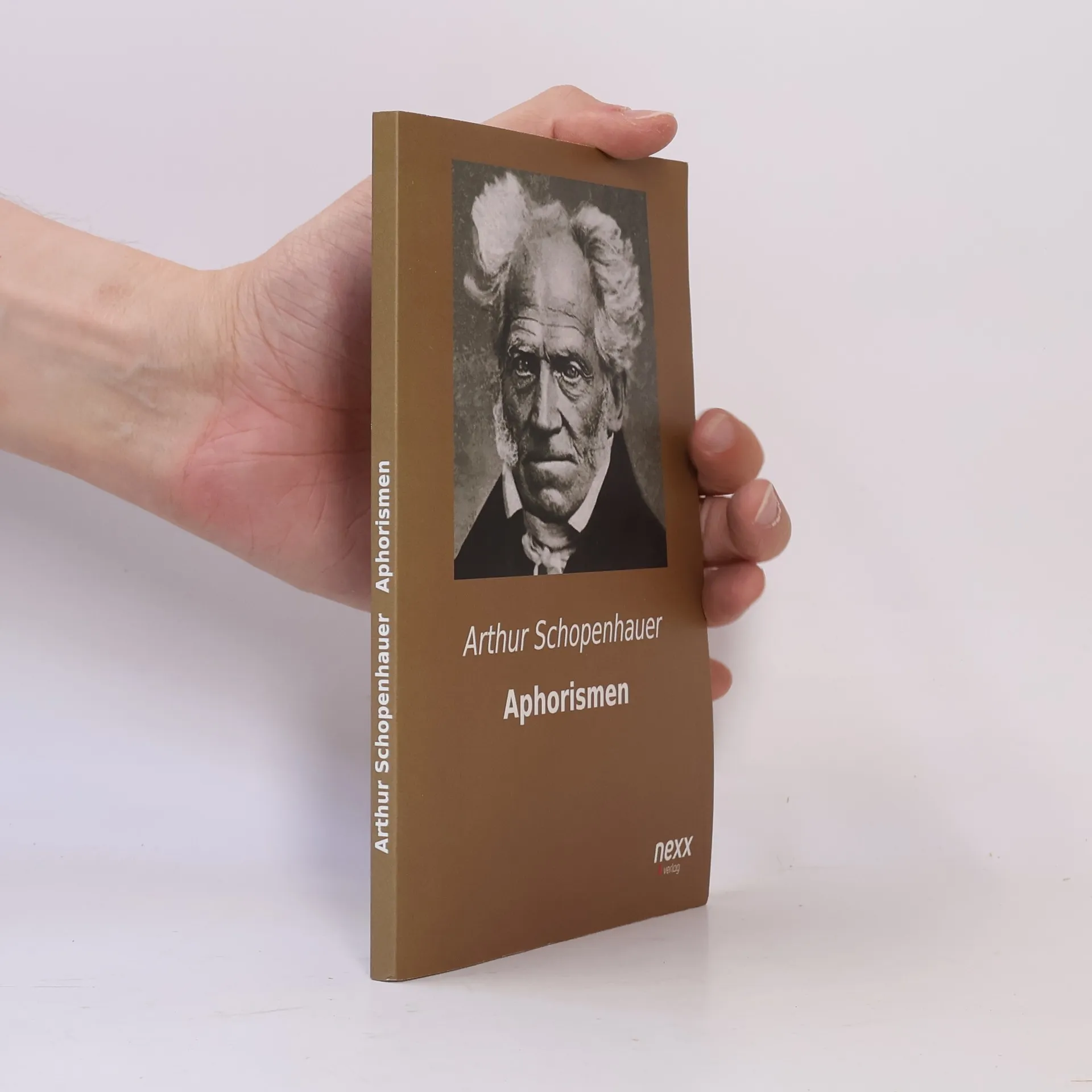
Aphorismen
- 128 Seiten
- 5 Lesestunden
Arthur Schopenhauer (1788-1860) war ein berühmter deutscher Philosoph, Hochschullehrer und Autor von unzähligen Werken und Schriften. Eine Lehre zum Kaufmann brach er ebenso ab wie ein Medizinstudium, bevor er sich der Philosophie zuwandte. Sein Hauptwerk /"Die Welt als Wille und Vorstellung/" erschien erstmals 1819. Schopenhauer galt als Einzelgänger und hielt sich zeitlebens einen Pudel.
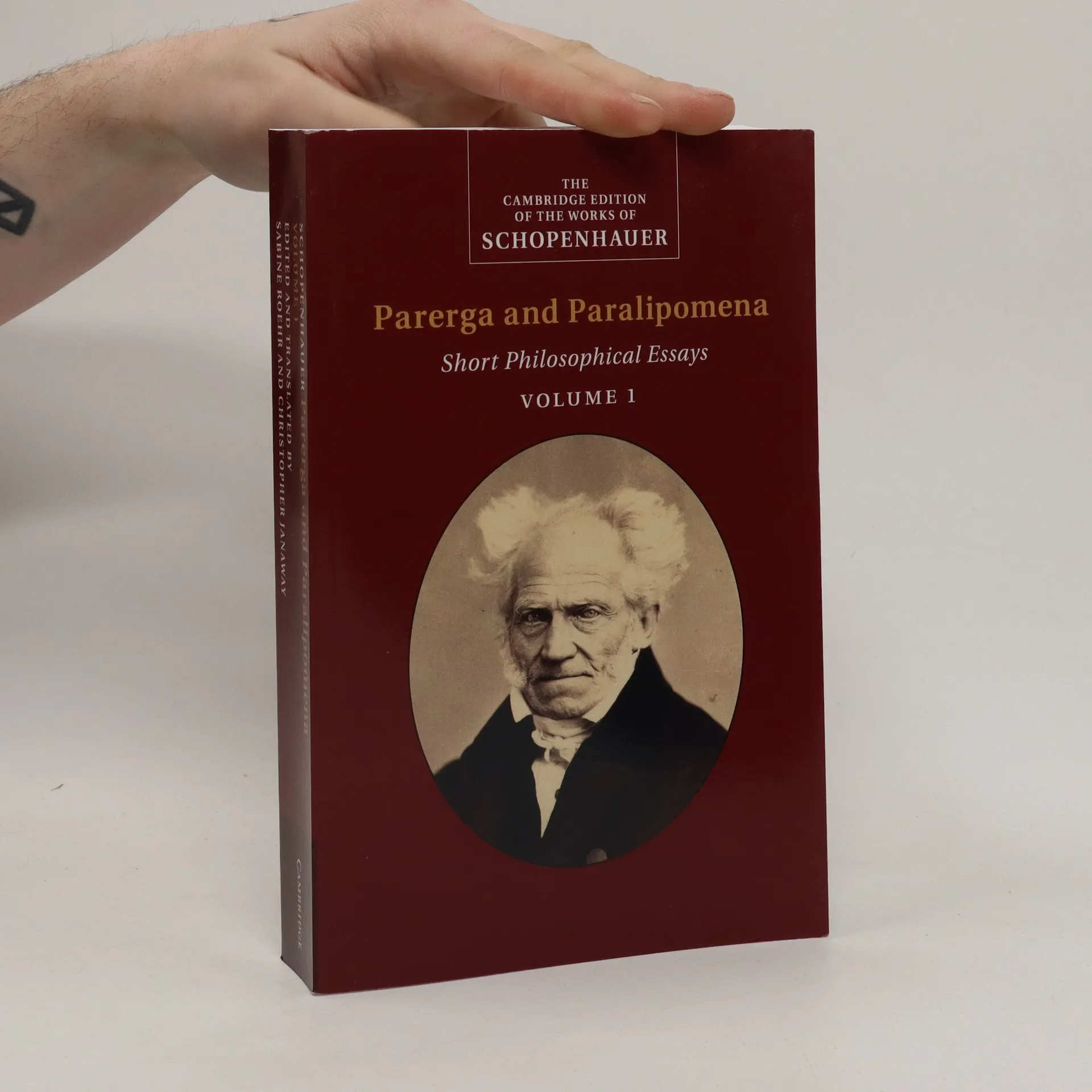
Parerga und Paralipomena: Short philosophical essays. Volume 1
- 522 Seiten
- 19 Lesestunden
With the publication of the Parerga and Paralipomena in 1851, there finally came some measure of the fame that Schopenhauer thought was his due. Described by Schopenhauer himself as 'incomparably more popular than everything up till now', the Parerga is a miscellany of essays addressing themes that complement his work The World as Will and Representation, along with more divergent, speculative pieces. It includes his 'Aphorisms on the Wisdom of Life', reflections on fate and clairvoyance, trenchant views on the philosophers and universities of his day, and an enlightening survey of the history of philosophy. The present volume offers a new translation, a substantial introduction explaining the context of the essays, and extensive editorial notes on the different published versions of the work. This readable and scholarly edition will be an essential reference for those studying Schopenhauer, the history of philosophy, and nineteenth-century German philosophy.
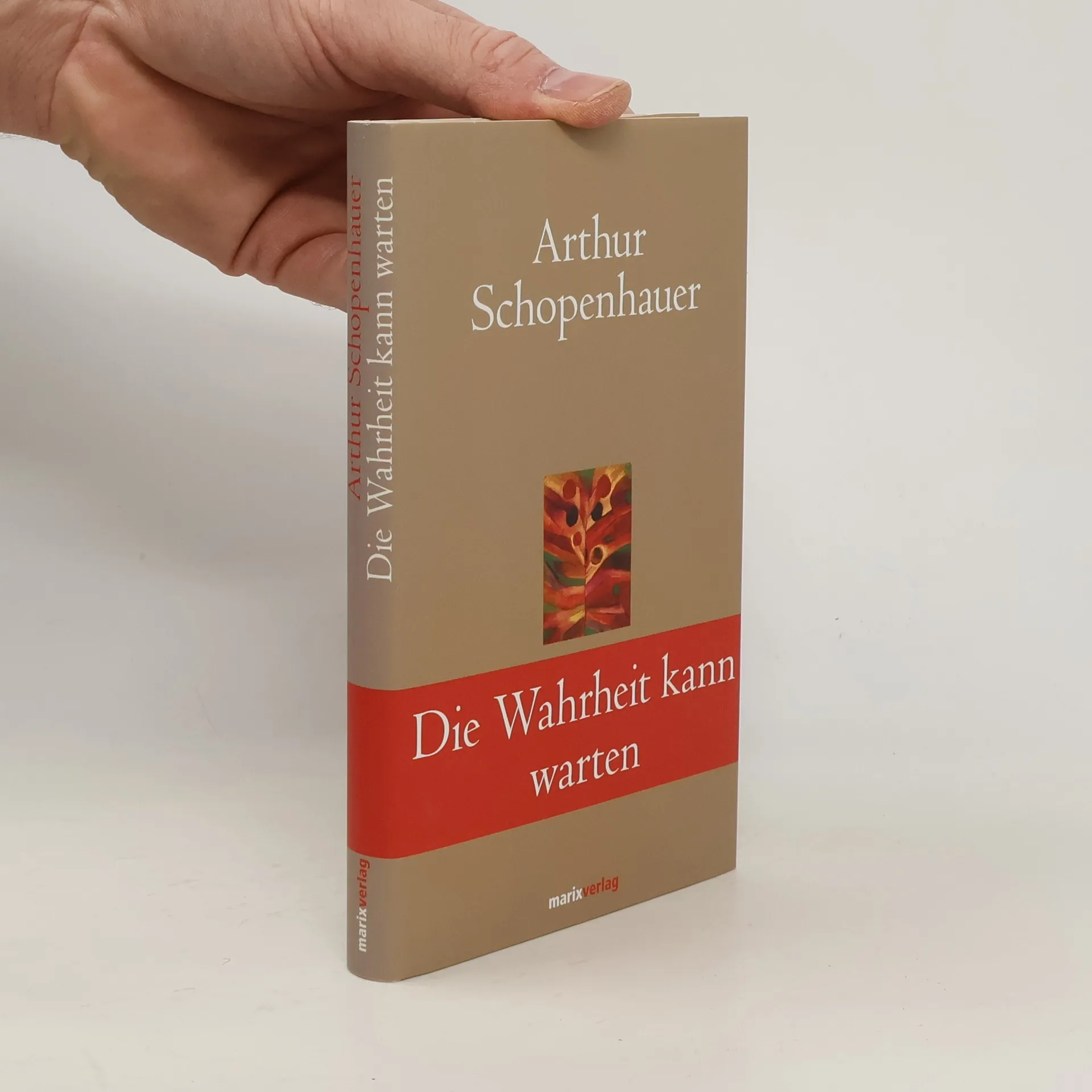
Die Wahrheit kann warten, denn sie hat ein langes Leben vor sich
- 158 Seiten
- 6 Lesestunden
Die vorliegende Auswahl zeigt Schopenhauer als Meister der Lebensweisheit. Dabei ist der deutsche Philosoph deutlich inspiriert von fernöstlichen, buddhistischen Lehren. Seine Ethik des Mitleids mit aller lebendigen Kreatur ist heute aktueller denn je.
The World as Will and Representation (The World as Will and Idea), Volume III of III
- 244 Seiten
- 9 Lesestunden
Exploring the nature of reality, Arthur Schopenhauer presents a philosophy that transcends sensory perception, arguing that our understanding is limited to personal interpretation. He diverges from Kant's ethical views, emphasizing the significance of inner experiences driven by the Will. Schopenhauer's insights into the human condition reveal a cycle of insatiable desires leading to suffering, with true happiness remaining elusive. This third volume of his seminal work, "The World as Will and Representation," is recognized as a pivotal text in post-Kantian philosophy.
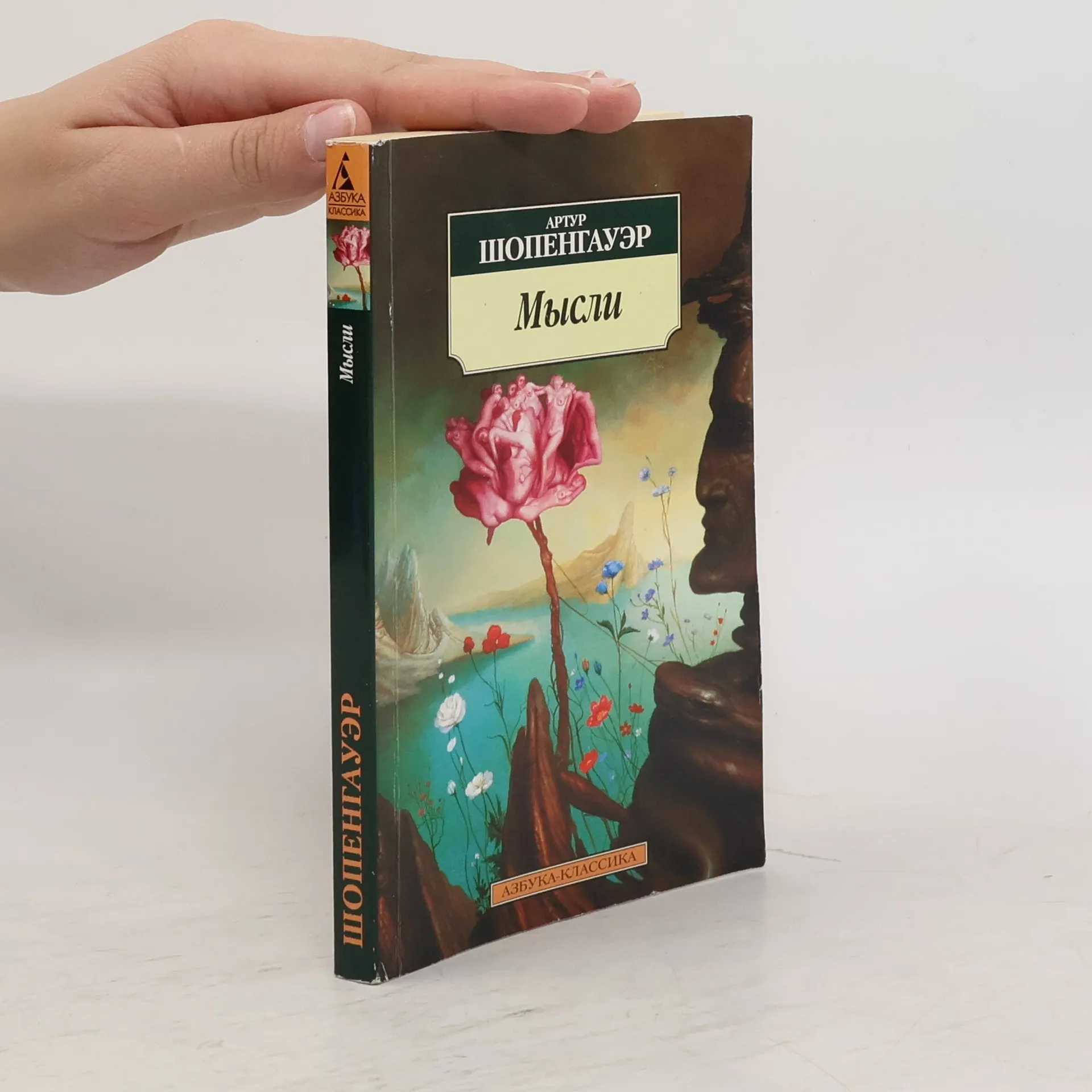
Мысли (Mysli)
- 185 Seiten
- 7 Lesestunden
В книгу включена работа, которая раскрывает этические взгляды и может служить своеобразным комментарием автора к его основной философской работе - "Мир как воля и представление"
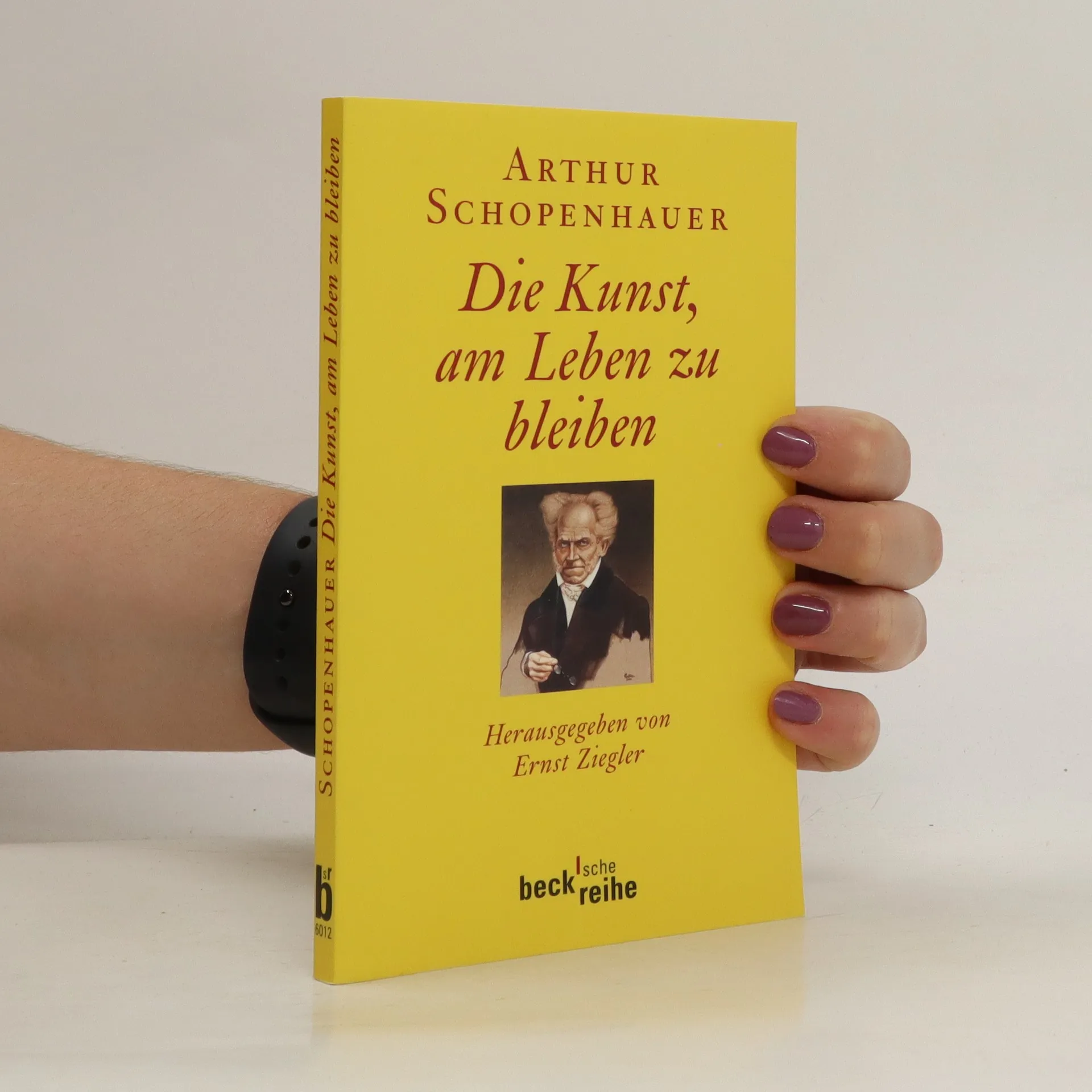
Arthur Schopenhauer: Frauenhasser, Menschenfeind, Pessimist. Harmlose Alltagsweisheiten wird man bei dem für seine beißenden Kommentare berüchtigten Philosophen vergeblich suchen. Wer aber nur düstere Weltsicht, kritische Zeitdiagnose und in letzter Konsequenz gar eine Empfehlung zum Selbstmord erwartet, liegt vollkommen falsch: Was sich aus Schopenhauers Nachdenken ergibt, ist die Einsicht, wie wenig selbstverständlich es ist, jeden Tag aufs Neue zu beginnen: Es ist eine Kunst, am Leben zu bleiben!
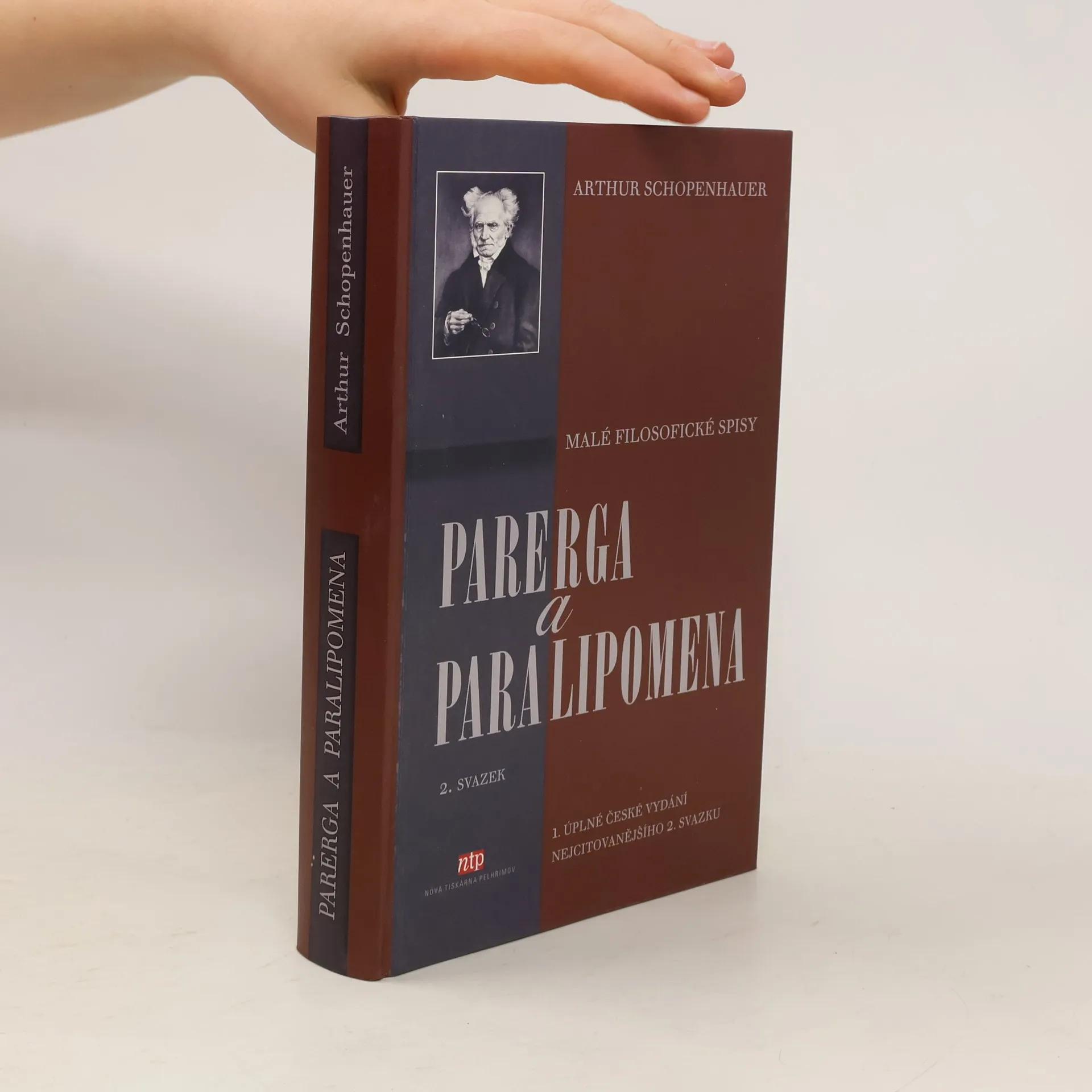
Parerga a paralipomena 2
- 372 Seiten
- 14 Lesestunden
Kniha je prvním úplným českým překladem druhého svazku Schopenhauerových Parerg a paralipomen, čili krátkých filozofických esejů.
Zum 150. Todestag von Arthur Schopenhauer am 21. September 2010 Er gilt als griesgrämiger Pessimist, notorischer Weiberfeind und Weltverächter, dessen stilistisch brillante Lebensweisheiten man gerne zur Bestätigung seiner eigenen Lebensmisere liest. Diese Sammlung aus Werken und Briefen, die der ausgewiesene Schopenhauer-Kenner Ludger Lütkehaus zusammengestellt hat, bietet eine neue Sichtweise auf die unbekanntere Seite des Philosophen, der fordert, der Heiterkeit »Tür und Tor zu öffnen«.
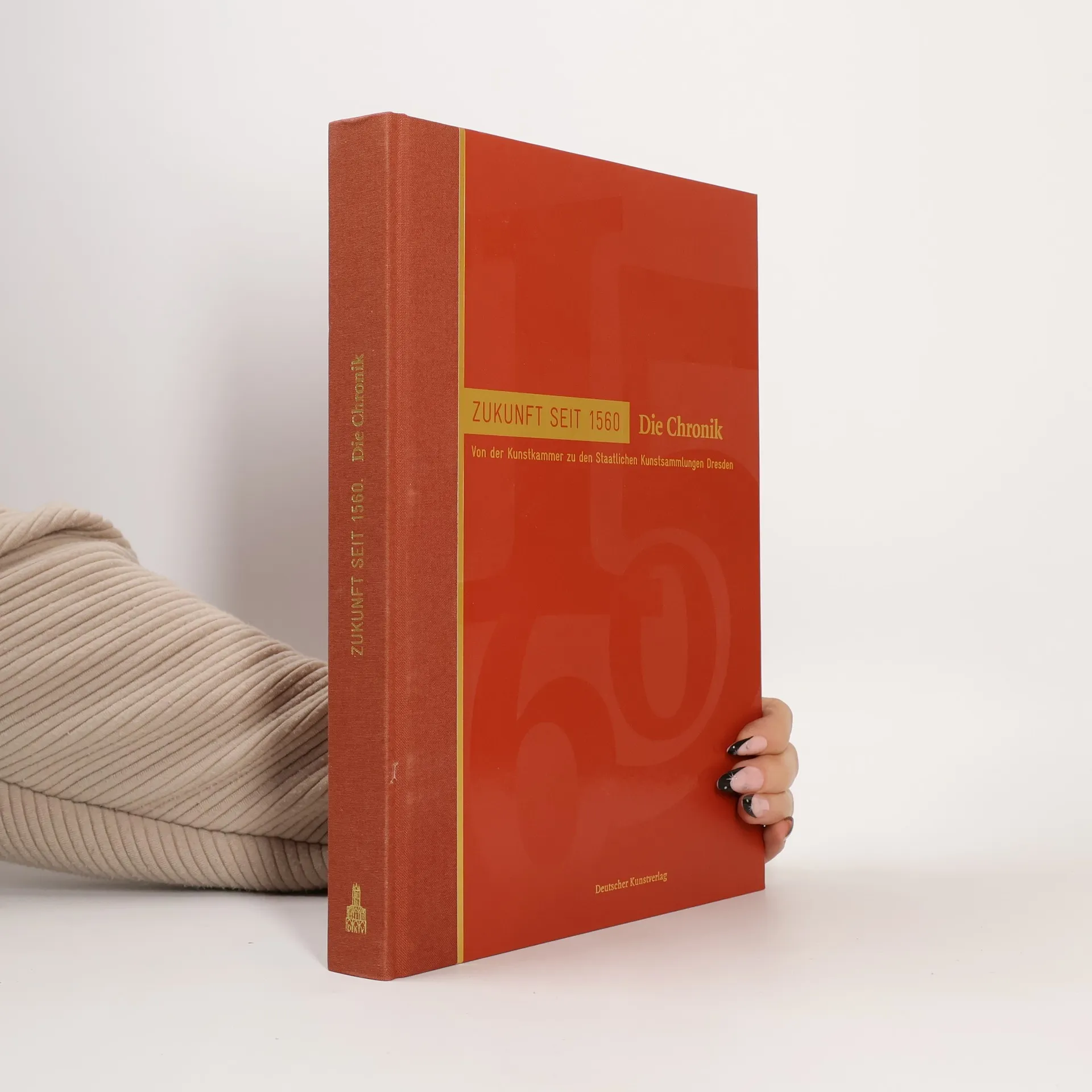
Zukunft seit 1560
Von der Kunstkammer zu den Staatlichen Kunstsammlungen Dresden
- 231 Seiten
- 9 Lesestunden
Deutscher Kunstverlag, Berlin, (2010). 286 S., Pbd. mit Lesebndchen, quart - neuwertig -
Sämtliche Werke in fünf Bänden. Bde.661-665
- 872 Seiten
- 31 Lesestunden
stw 661–665. Die Bände sind auch einzeln erhältlich
Hlavné dielo Arthura Schopenhauera, ktoré vychádza na Slovensku prvý raz, je výsledkom autorovho celoživotnéh myšlienkového úsilia a predstavuje ucelený súhrn jeho filozofických názorov a životných postojov. Pozostáva z dvoch zväzkov. Prvý zväzok načrtáva tridsaťročný Schopenhauer s geniálnym rozmachom za jediný rok a podáva v ňom systematický výklad celej svojej voluntaristickej filozofickej koncepcie. Druhý zväzok vzniká pomaly a postupne v priebehu ďalších dvadsiatich piatich rokov filozofovho života. Prvý raz vychádza v roku 1844 ako súčasť druhého vydania práce. Tvoria ho štyri knihy doplnkov k prvému zväzku, v ktorých podrobnejšie rozpracúva, ilustruje a a komentuje nosné idey svojho filozofického systému.
»Soll ich das etwa sein?« mag sich mancher Leser verwundert fragen, der Schopenhauers Ausführungen über den Menschen liest. Noch vor Darwin konstatiert er die Herkunft des Menschen vom Affen – und schlußfolgert, daß es sich bei den Tierkreisen in Wahrheit um Familienwappen handele. Auch zu Themen wie Frauen, Nationalstolz und Demokratie hat der Philosoph einiges Überraschendes anzumerken. Er nimmt dabei kein Blatt vor den Mund und treibt damalige wie heutige Zeitgenossen mit philosophischer Florettkunst in die Enge, nicht ohne den einen oder anderen Sauhieb zu verteilen.
Über den Tod
- 105 Seiten
- 4 Lesestunden
Im Gegensatz zum Tier, das den Tod erst im Sterben kennenlernt, trägt der Mensch die Gewissheit seines Todes stets mit sich herum. Der Tod steht unausweichlich im Hintergrund und kann jeden Augenblick herantreten. Arthur Schopenhauer, der Meisterdenker des Pessimismus, ist gleichwohl der Überzeugung, dass der „Kern unseres Wesens“ im Tod unversehrt bleibt. Vom Tod betroffen ist das individuelle Bewusstsein. Doch dieses ist ohnehin nur Schein. „Wir werden im Augenblicke des Sterbens inne, dass eine bloße Täuschung unser Dasein auf unsere Person beschränkt hatte.“
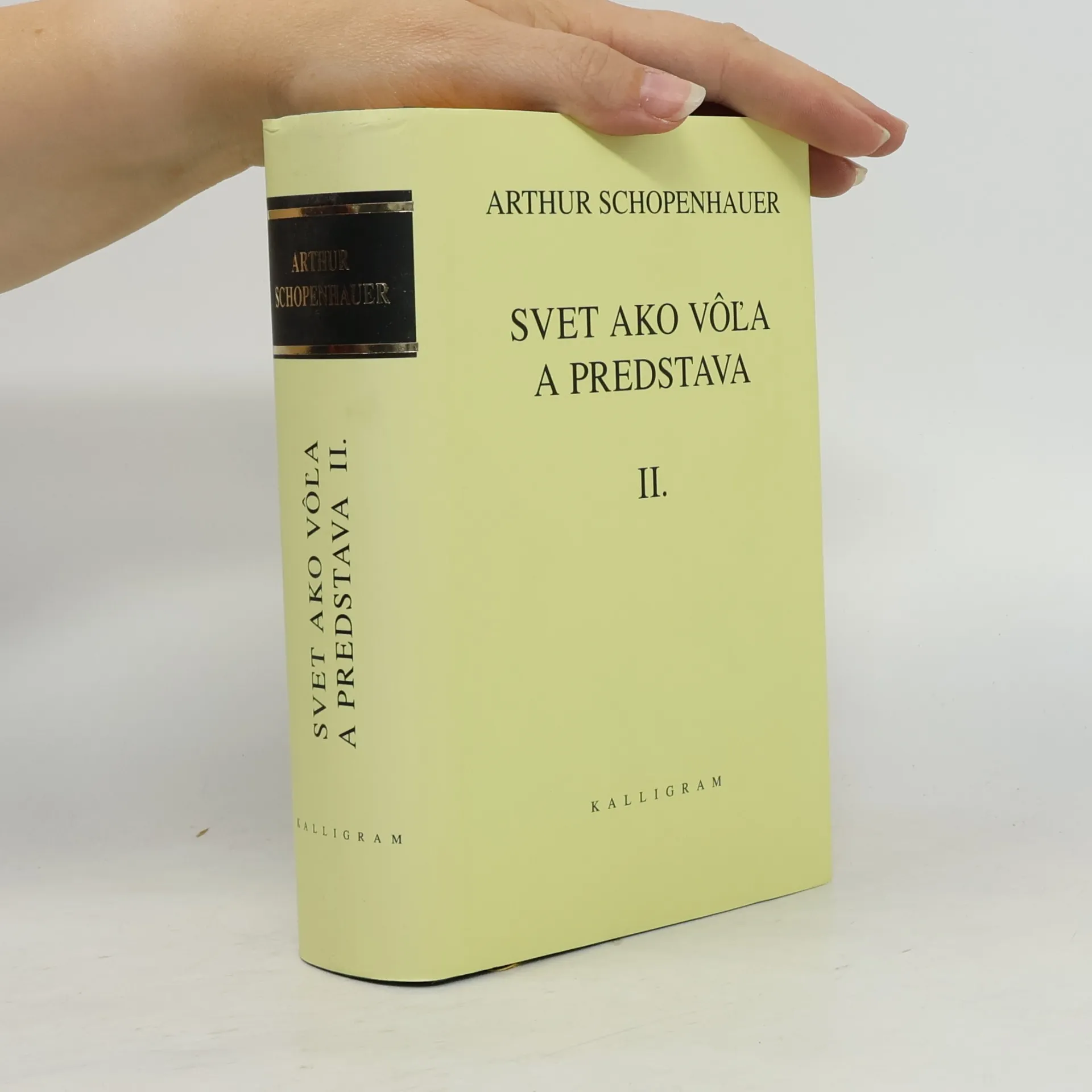
Svet ako vôľa a predstava II
- 848 Seiten
- 30 Lesestunden
Druhý zväzok vzniká pomaly a postupne v priebehu ďalších dvadsiatich piatich rokov Schopenhauerovho života. Prvý raz vychádza v roku 1844 ako súčasť druhého vydania práce. Tvoria ho štyri knihy doplnkov k prvému zväzku, v ktorých podrobnejšie rozpracúva, ilustruje a komentuje nosné idey svojhofilozofického systému. Tieto doplnky podobne ako jednotlivé paragrafy prvého zväzku majú charakter samostatných, ucelených filozofických esejí a vyznačujú sa brilantným jazykom a vybrúseným literárnym štýlom.
A new, comprehensive English anthology What is the meaning of life? How should I live? Is there any purpose to the universe? Generations have turned to the great German philosopher Arthur Schopenhauer for answers to such essential questions of existence. His influence has extended not only to later philosophers—Nietzsche, Freud, and Wittgenstein among them—but also to musicians, artists, and important novelists such as Tolstoy, Thomas Mann, and Proust. The Essential Schopenhauer, the most comprehensive English anthology now available of this seminal thinker’s writings, will open English readers to Schopenhauer’s profound ideas. Selected by Wolfgang Schirmacher, president of the International Schopenhauer Association, The Essential Schopenhauer is an invaluable and accessible introduction to Schopenhauer’s powerful body of work.
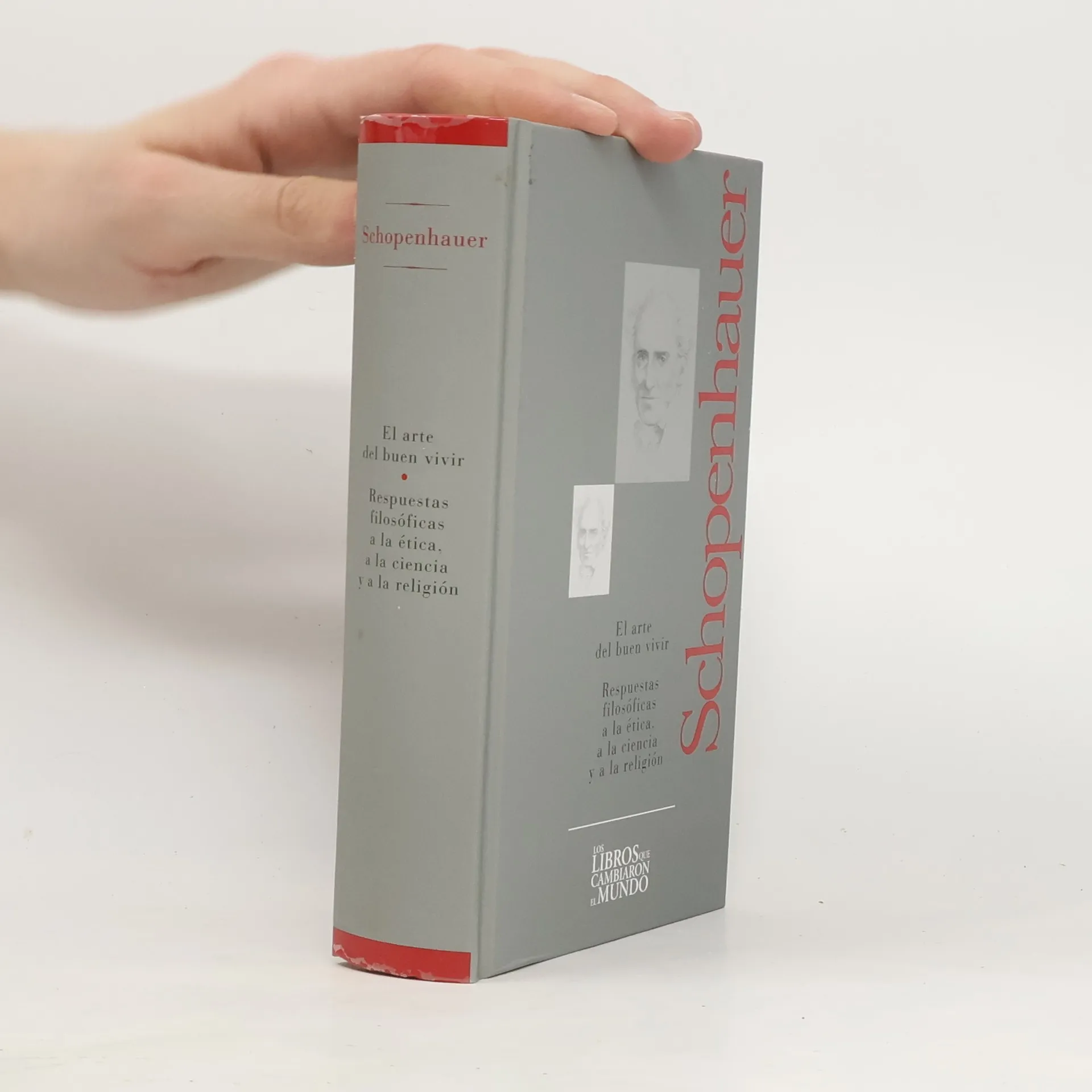
Arte del buen vivir
Respuestas filosóficas a la ética, a la ciencia y a la religión
- 584 Seiten
- 21 Lesestunden
Eristische Dialektik oder die Kunst, Recht zu behalten
In 38 Kunstgriffen dargestellt
- 95 Seiten
- 4 Lesestunden
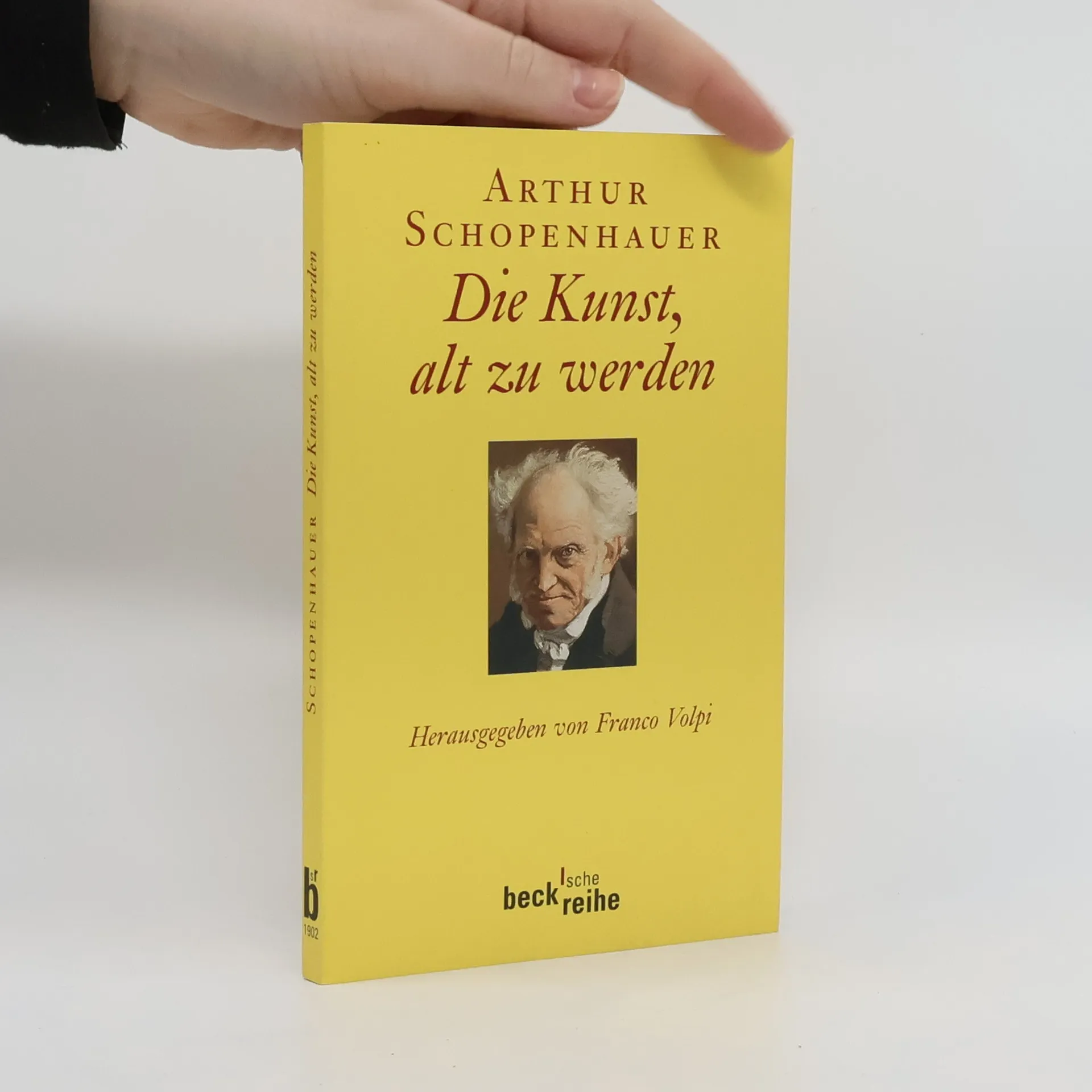
Schopenhauers Die Kunst, alt zu werden reiht sich ein in eine lange Tradition philosophischen Nachdenkens über das Alter. In den hier versammelten Aphorismen und Miniaturen begegnet uns Schopenhauer nicht als der notorische Misanthrop und Pessimist. Ihm gelingt vielmehr eine Hommage an das Altern und die Vergänglichkeit, die zugleich sein Testament und eine Anleitung zum Glücklichsein ist. Am Ende entläßt uns Schopenhauer mit der tröstlichen Gewißheit, daß das Alter zumindest jene Gelassenheit und Geistesruhe gewährt, die Glück überhaupt erst ermöglicht.
Eristische Dialektik von Arthur Schopenhauer
- 96 Seiten
- 4 Lesestunden
Ein klassischer Leitfaden zu Tricks und Taktiken, um Argumente zu gewinnen, bietet umfassende Kommentare zur Anwendung und Verteidigung jeder Taktik. Die zentrale Botschaft lautet: „Recht zu haben bedeutet nicht, dass man gewinnt, und das ist der Grund dafür“. Es ist ein unverzichtbares Werkzeug, um die verschiedenen Arten von Unsinn zu erkennen, die Menschen nutzen, um das Publikum zu gewinnen, anstatt das eigentliche Thema zu diskutieren. In der realen Welt gewinnen Menschen nicht aufgrund von Korrektheit, sondern weil sie das Publikum für sich einnehmen, das Thema wechseln oder ihre Rivalen einschüchtern. Der Leitfaden führt durch die Strategien, die Menschen verwenden, und bietet Anmerkungen zur Anwendung und Verteidigung. Arthur beabsichtigte dieses Werk nicht als Anleitung zum Gewinnen von Kämpfen, sondern als Satire – ein Hinweis darauf, worauf man bei anderen und sich selbst achten sollte. Wenn Sie Ihr Argument nicht auf fairen Grundlagen gewinnen können, sollten Sie Ihre Position überdenken. Dennoch sollten Sie sich nicht von unlauteren Mitteln überrumpeln lassen. Dieses Buch lehrt Sie, solche Taktiken zu erkennen und ihnen zuvorzukommen, bevor sie an Einfluss gewinnen.
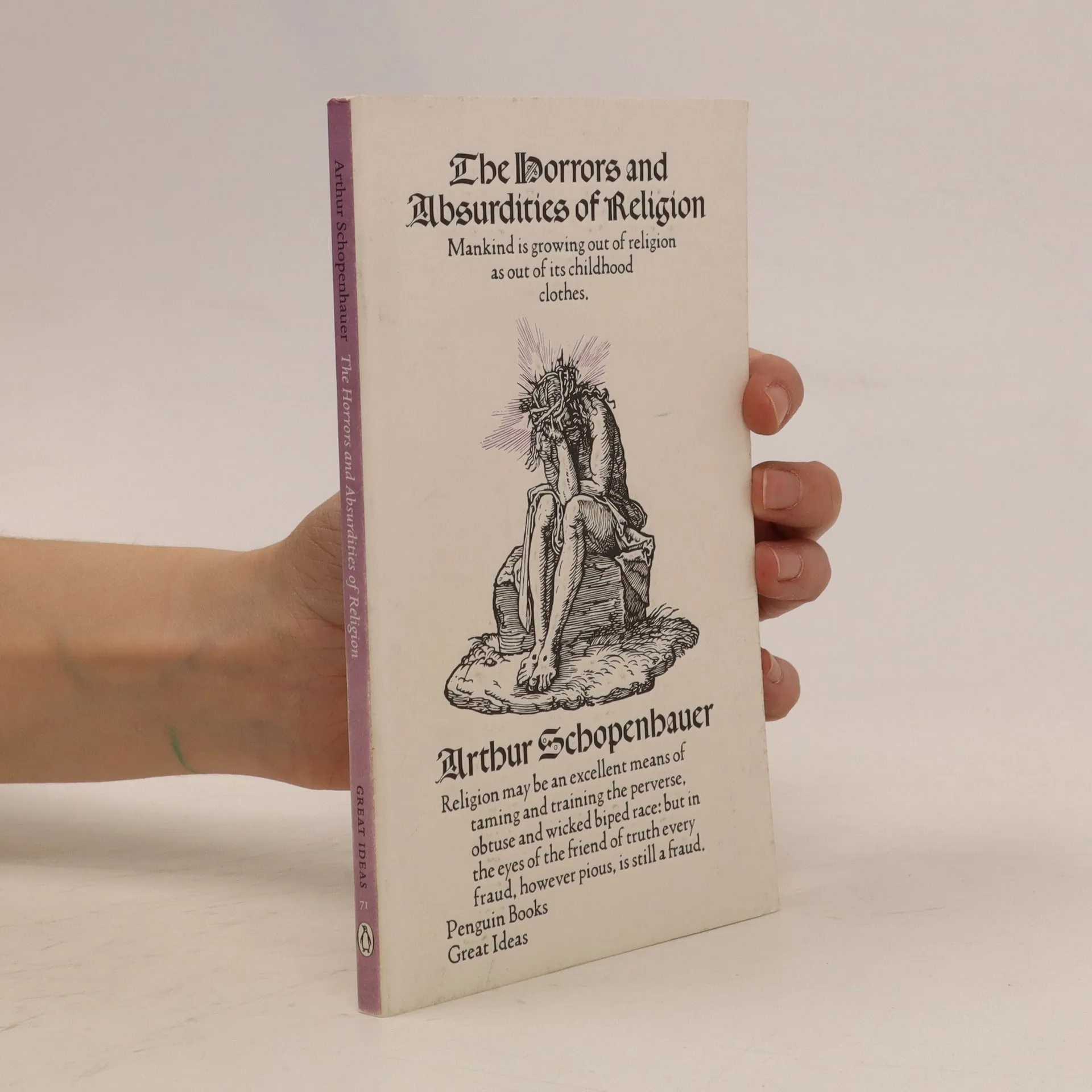
A fascinating examination of ethics, religion and psychology, this selection of Schopenhauer's works contains scathing attack on the nature and logic of religion, and an essay on ethics that ranges from the American slavery debate to the vices of Buddhism. Throughout history, some books have changed the world. They have transformed the way we see ourselves - and each other. They have inspired debate, dissent, war and revolution. They have enlightened, outraged, provoked and comforted. They have enriched lives - and destroyed them. Now Penguin brings you the works of the great thinkers, pioneers, radicals and visionaries whose ideas shook civilization and helped make us who we are.
Philosophie für den Alltag
- 468 Seiten
- 17 Lesestunden
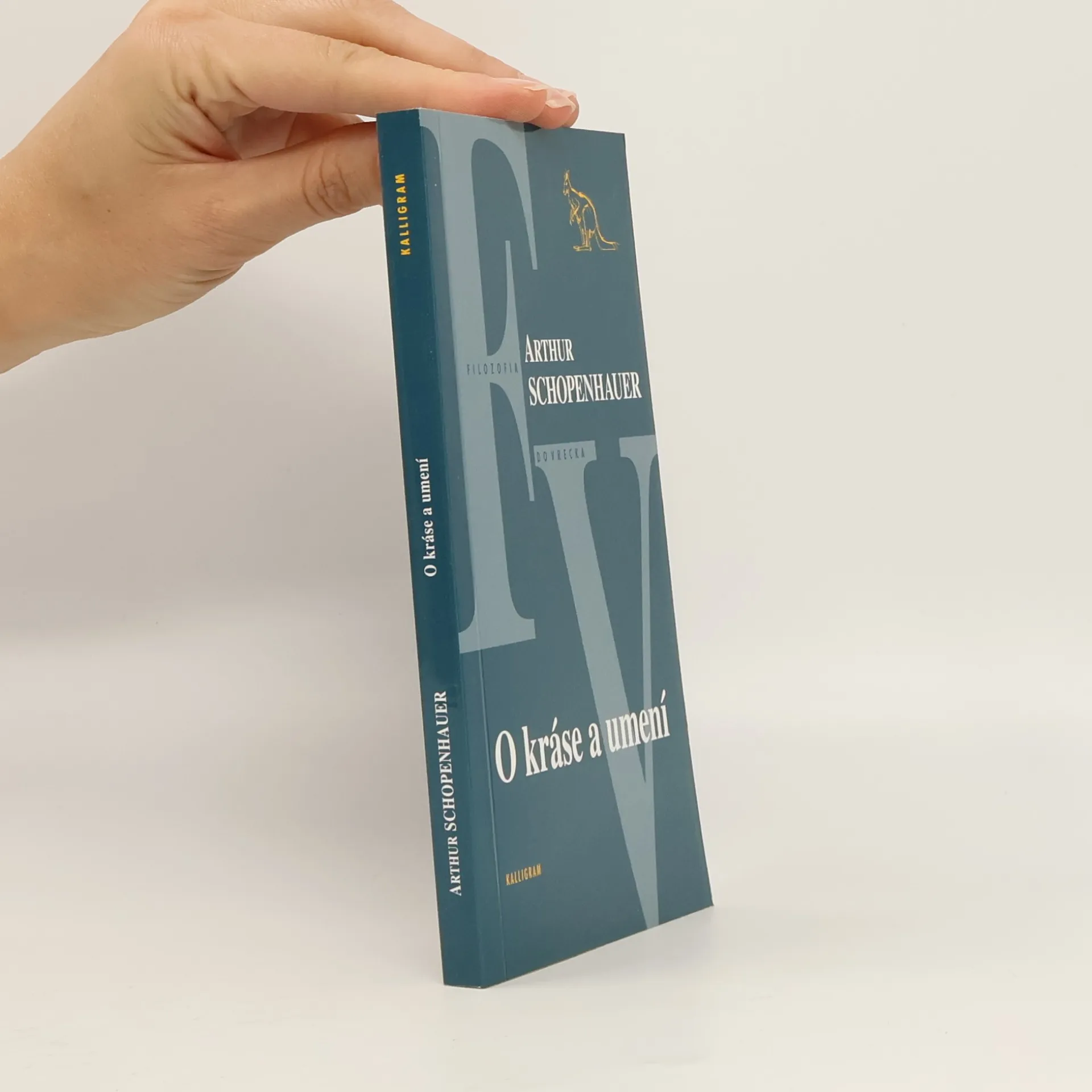
O kráse a umení
- 214 Seiten
- 8 Lesestunden
Arthur Schopenhauer je jednou z najosobitejších postáv nemeckého filozofického myslenia 19. storočia. Jeho pesimistická filozofická koncepcia, ktorá sa označuje ako voluntaristický idealizmus, nadobudla veľký vplyv najmä v druhej polovici 19. storočia, a to nielen vo filozofických kruhoch, ale aj v širšom umeleckom a intelektuálnom prostredí. V publikácii O kráse a umení vyslovuje tento filozof svoje názory na krásu estetiku a umenie. Schopenhauer chápe umenie ako poznanie, ktoré človeku umožňuje oprostiť sa na čas od otrockej služby vôli a zakúsiť tak bolestí zbavený, nadpozemský stav mysle. Umenie je preto jednou z dvoch možných ciest, ktoré umožňujú dospieť k (v prípade umenia len prechodnému) vykúpeniu človeka z neznesiteľného utrpenia, ktorým je život.
Diese elementarphilosophische Abhandlung, von Schopenhauer im Alter von 26 Jahren verfaßt, bildet eigenen Aussagen zufolge den Unterbau seines ganzen philosophischen Systems. Dieses Jugend- und Schlüsselwerk hat der sechzigjährige Schopenhauer noch einmal überarbeitet, um es mit weiterführenden, erhellenden und berichtigenden Anmerkungen zu versehen.
Arthur Schopenhauer war unter den großen Philosophen vielleicht der sprachgewaltigste, ein Sprachkünstler, der die Philosophie aus den Universitäten zurück zu den Menschen mit »Herz und Kopf« brachte.
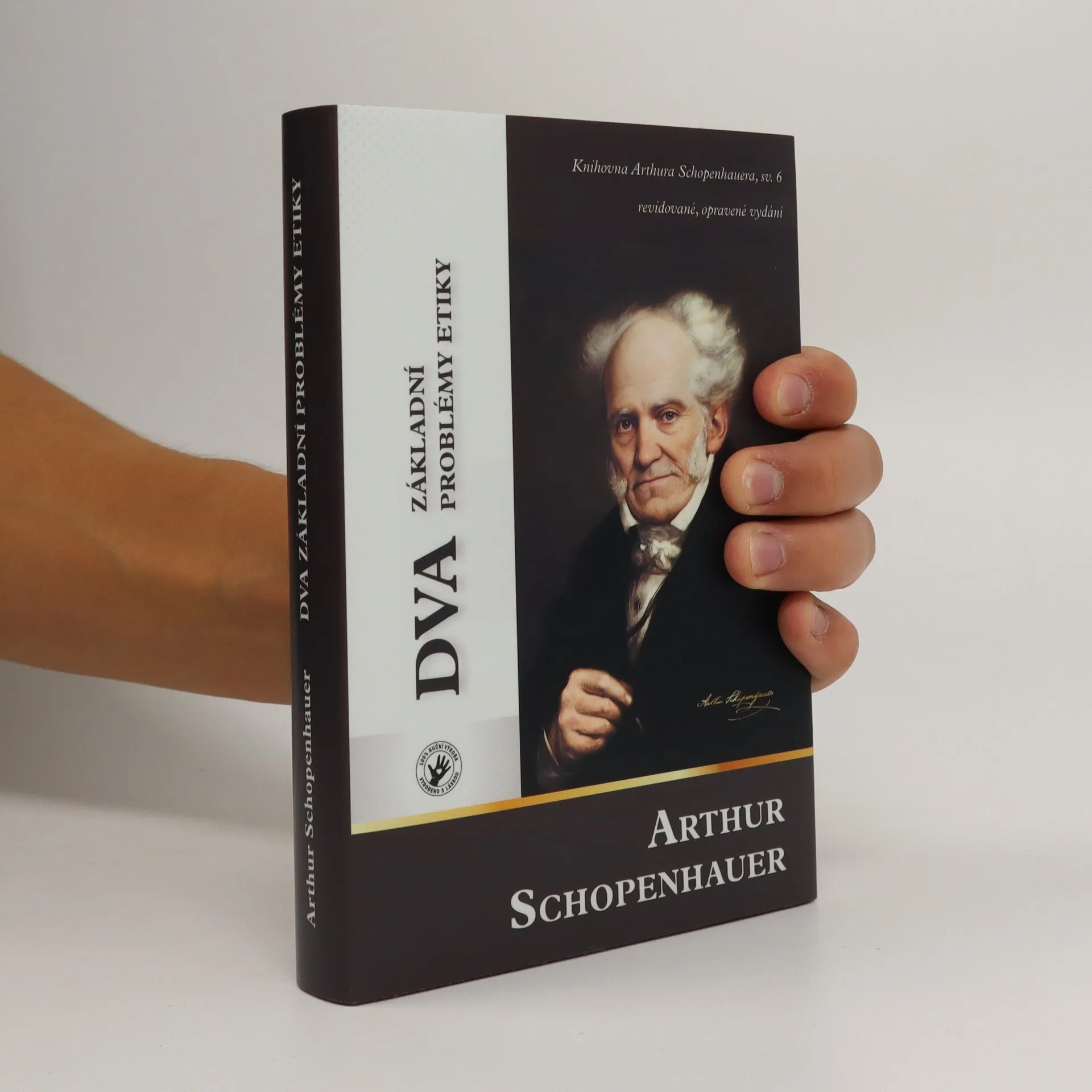
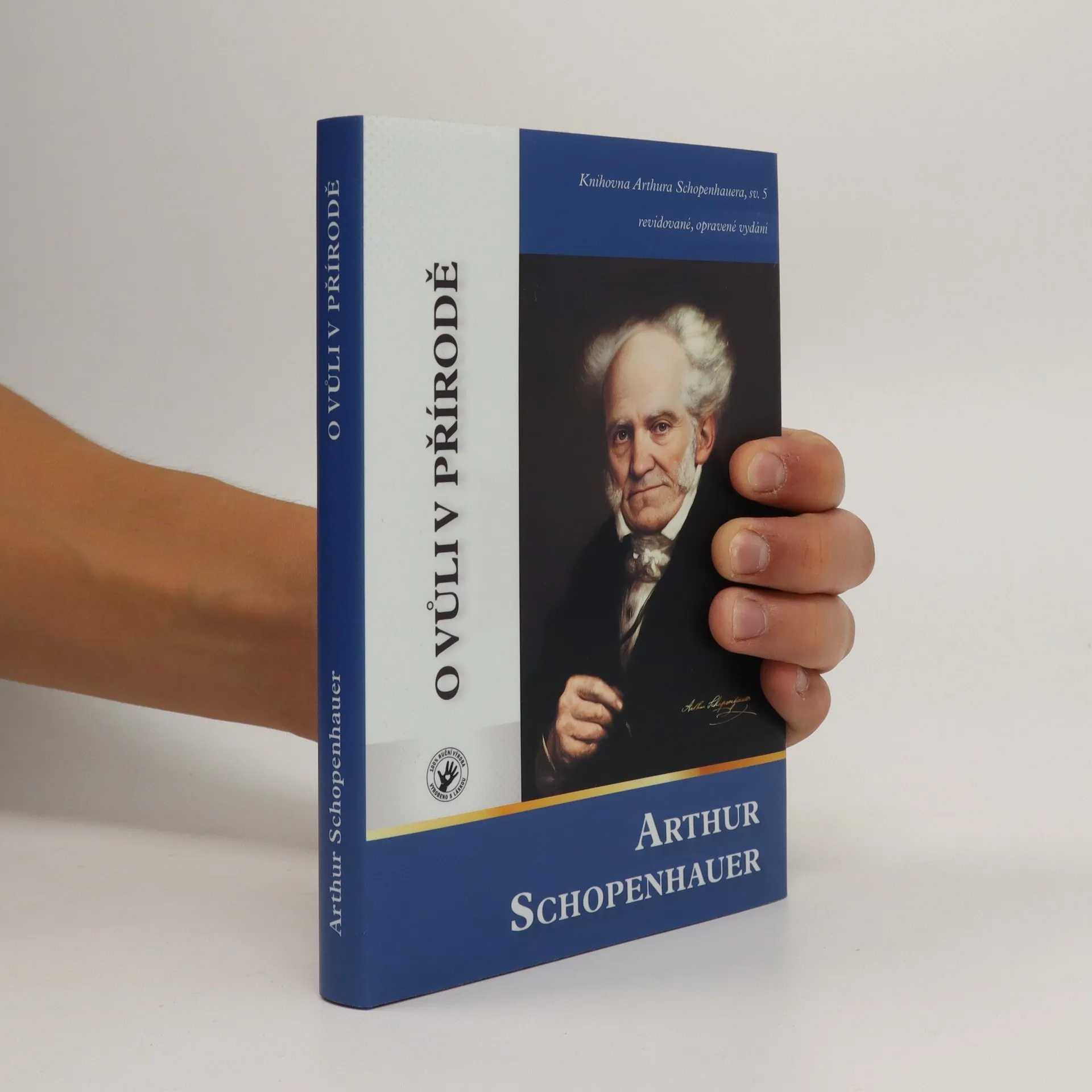
Svazek obsahuje tři spisy významného německého filozofa (17881860): O čtverém kořeni věty o dostatečném důvodu; O vůli v přírodě; Dva základní problémy etiky. Přeložil Milan Váňa a předmluvu napsal Ladislav Major.
Für Liebhaber des boshaften Humors: Arthur Schopenhauer. »In unserem monogamischen Weltteile heißt heiraten, seine Rechte zu halbieren und seine Pflichten zu verdoppeln.«
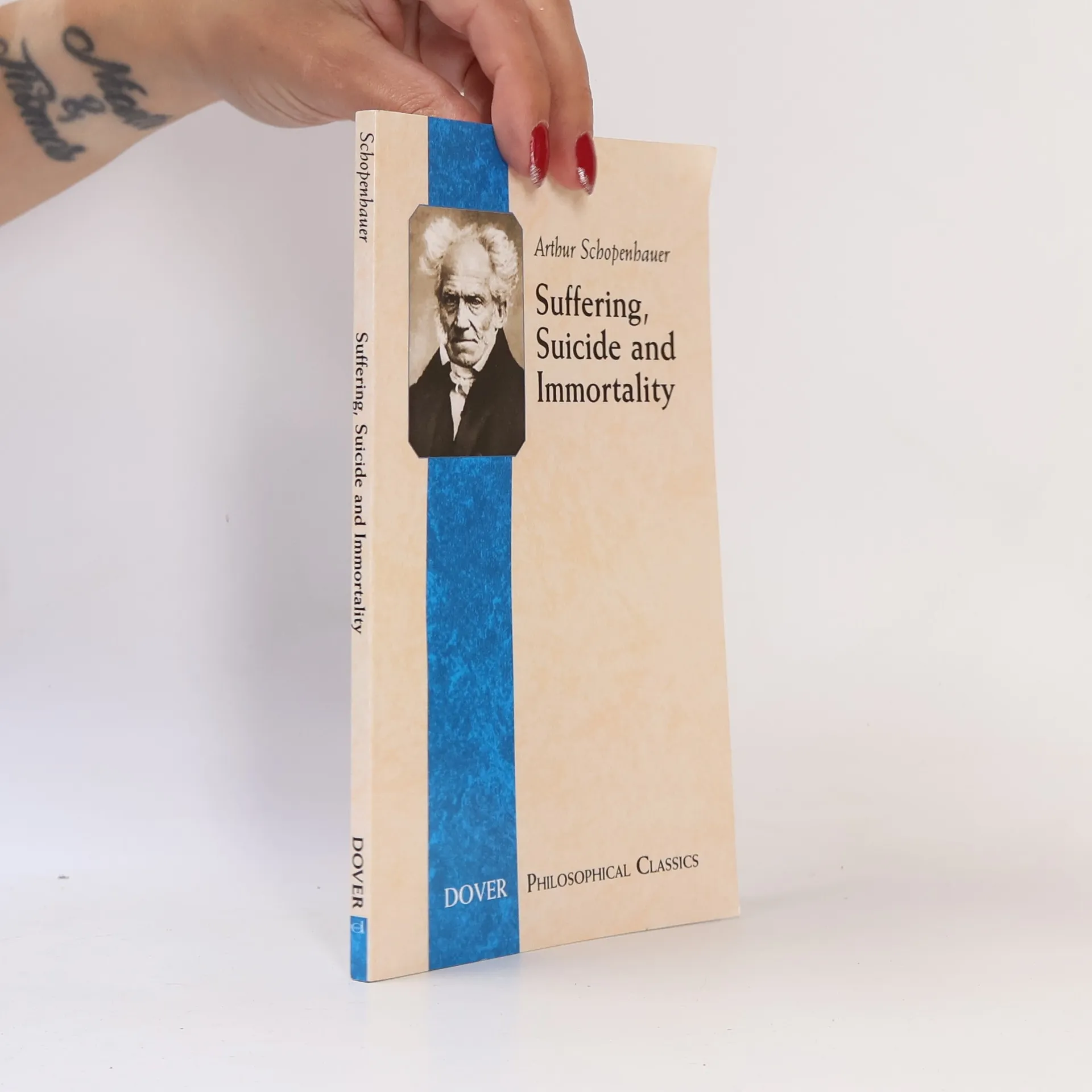
Dover Philosophical Classics: Suffering, Suicide and Immortality
Eight Essays from The Parerga (The Incidentals)
- 112 Seiten
- 4 Lesestunden
One of the greatest philosophers of the nineteenth century, Arthur Schopenhauer is best known for his writings on pessimism. In this 1851 essay collection, he offers concise statements of the unifying principles of his thinking. Schopenhauer, unlike most philosophers, expressed himself in simple, direct terms. These essays offer an accessible approach to his main thesis, as stated in The World as Will and Representation.Schopenhauer's reasoning encompasses the influence of the Upanishads and Buddhist teachings, as well as the works of Plato and Kant. His philosophy had an enormous impact on contemporary philosophy and literature, and on subsequent thinkers such as Nietzsche, Freud, and Wittgenstein. Published toward the end of his life in a collection called Parerga und Paralipomena, these essays include "On the Sufferings of the World," "On the Vanity of Existence," "On Suicide," " A Dialogue," "Further Psychological Observations," "On Education," "On Women," and "On Noise," plus "A Few Parables." They remain among Schopenhauer's most popular works, offering insights into his philosophy as a whole as well as the human condition.
Die Welt als Wille und Vorstellung (1819) ist das Hauptwerk des deutschen Philosophen Arthur Schopenhauer (1788-1860). Diese hier vorliegende, zweite Auflage (1844) besteht aus zwei Bänden, wobei bereits der erste Band die Philosophie vollständig darstellt und der zweite Band als Vertiefung eben derselben verstanden werden kann.
Две основные проблемы этики. Dve osnovnye problemy ėtiki
- 511 Seiten
- 18 Lesestunden
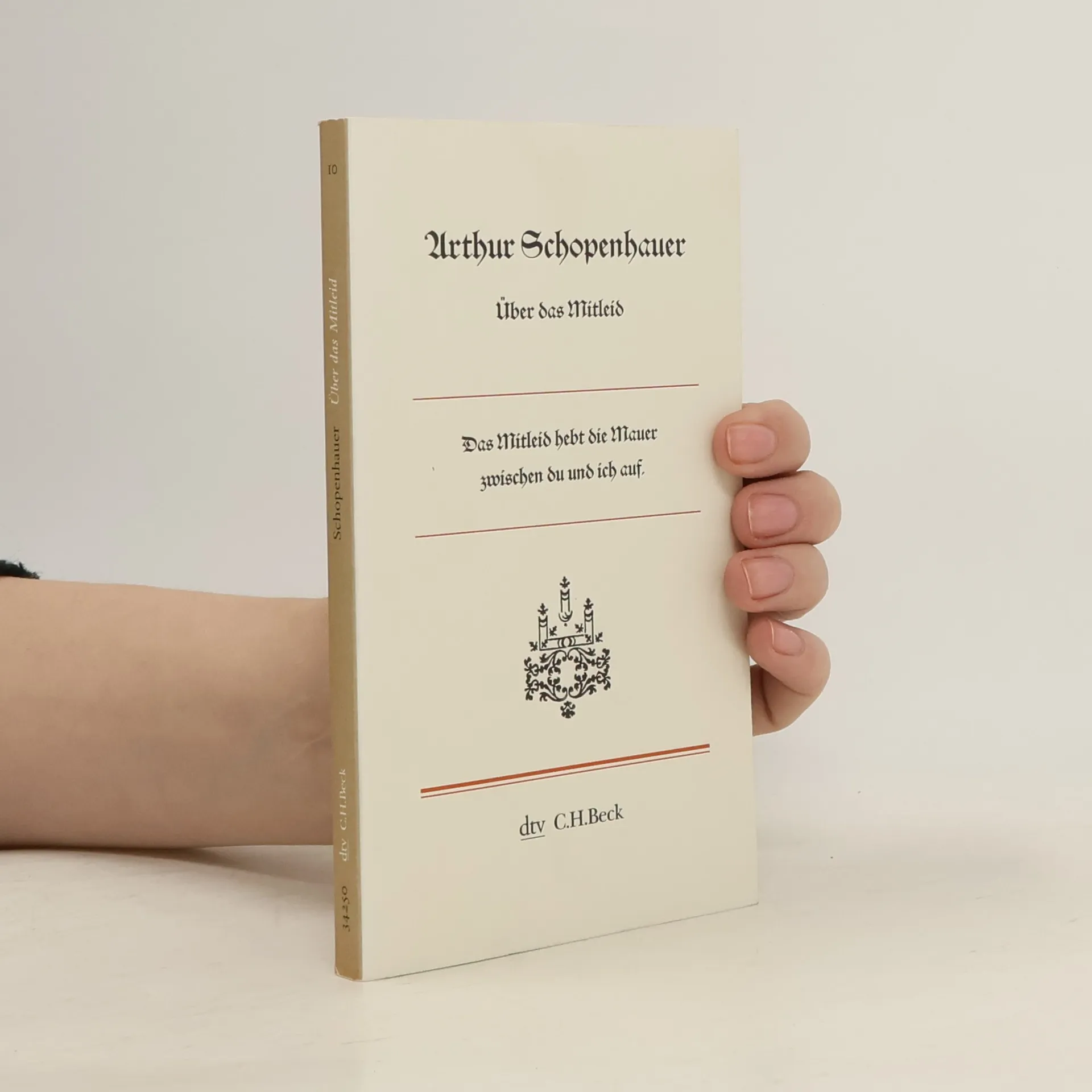
Über das Mitleid
- 160 Seiten
- 6 Lesestunden
»Das Mitleid hebt die Mauer zwischen Du und Ich auf.« Mitleid ist nach Schopenhauer das Fundament der Menschenliebe, der Gerechtigkeit und der Ethik. Es schließt die Liebe zu den Tieren ein und ist die natürliche, uneigennützige und allein wirklich moralische Triebfeder ethischen Handelns. Es ist damit die Basis einer jeden Tugend. In der von Schopenhauer empfohlenen Haltung des Mitleid-Empfinden-Wollens scheint eine Quelle moralischer Energie verborgen zu sein, die den Menschen bewahren und das noch offene Potential von Toleranz und Solidarität ausschöpfen möchte. Dadurch soll in einer durch zunehmende kulturelle Konflikte gekennzeichneten Gesellschaft Humanität wieder möglich sein. Mit einem Nachwort von Franco Volpi.
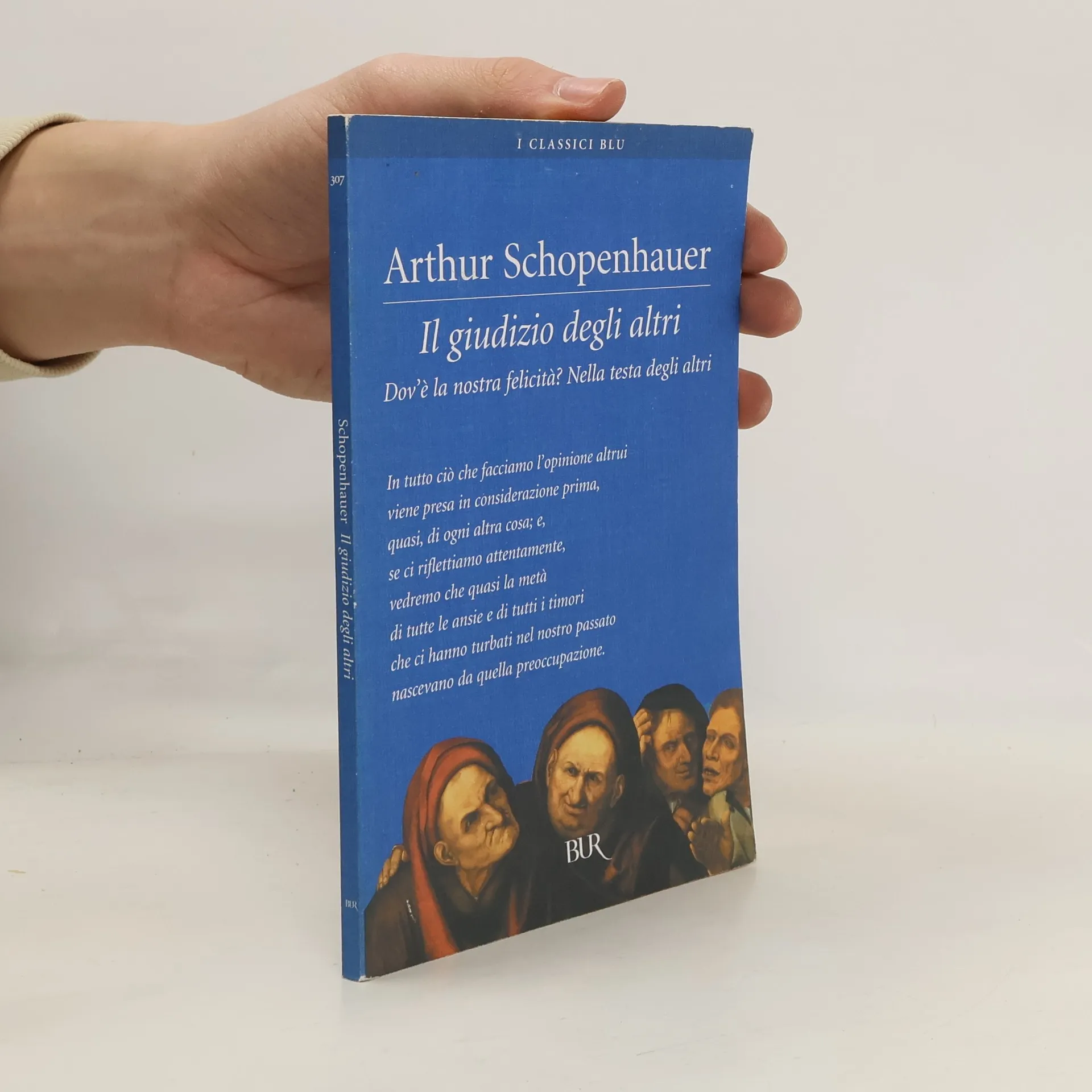
Il giudizio degli altri. Dov'è la nostra felicità? Nella testa degli altri
- 89 Seiten
- 4 Lesestunden
"A causa della debolezza della natura umana si attribuisce, in genere, soverchia importanza a ciò che siamo nell'opinione altrui": profondo osservatore delle contraddizioni dell'animo umano, Arthur Schopenhauer analizza in queste pagine i tanti modi in cui i giudizi della società condizionano i nostri comportamenti. Con l'acutezza che lo contraddistingue, Schopenhauer sottolinea l'assurdità di molti dei pareri che spesso ci portano a modificare la nostra condotta e mostra come imparare a vivere guardando prima di tutto al nostro benessere, per condurre un'esistenza appagante e ritrovare così la serenità interiore.
ショーペンハウアー全集
- 15 Bände
One of the greatest philosophers of the nineteenth century, Schopenhauer (1788-1860) believed that human action is determined not by reason but by 'will' - the blind and irrational desire for physical existence. This selection of his writings on religion, ethics, politics, women, suicide, books and many other themes is taken from Schopenhauer's last work, Parerga and Paralipomena, which he published in 1851. These pieces depict humanity as locked in a struggle beyond good and evil, and each individual absolutely free within a Godless world, in which art, morality and self-awareness are our only salvation. This innovative - and pessimistic - view has proved powerfully influential upon philosophy and art, directly affecting the work of Nietzsche, Wittgenstein and Wagner among others.
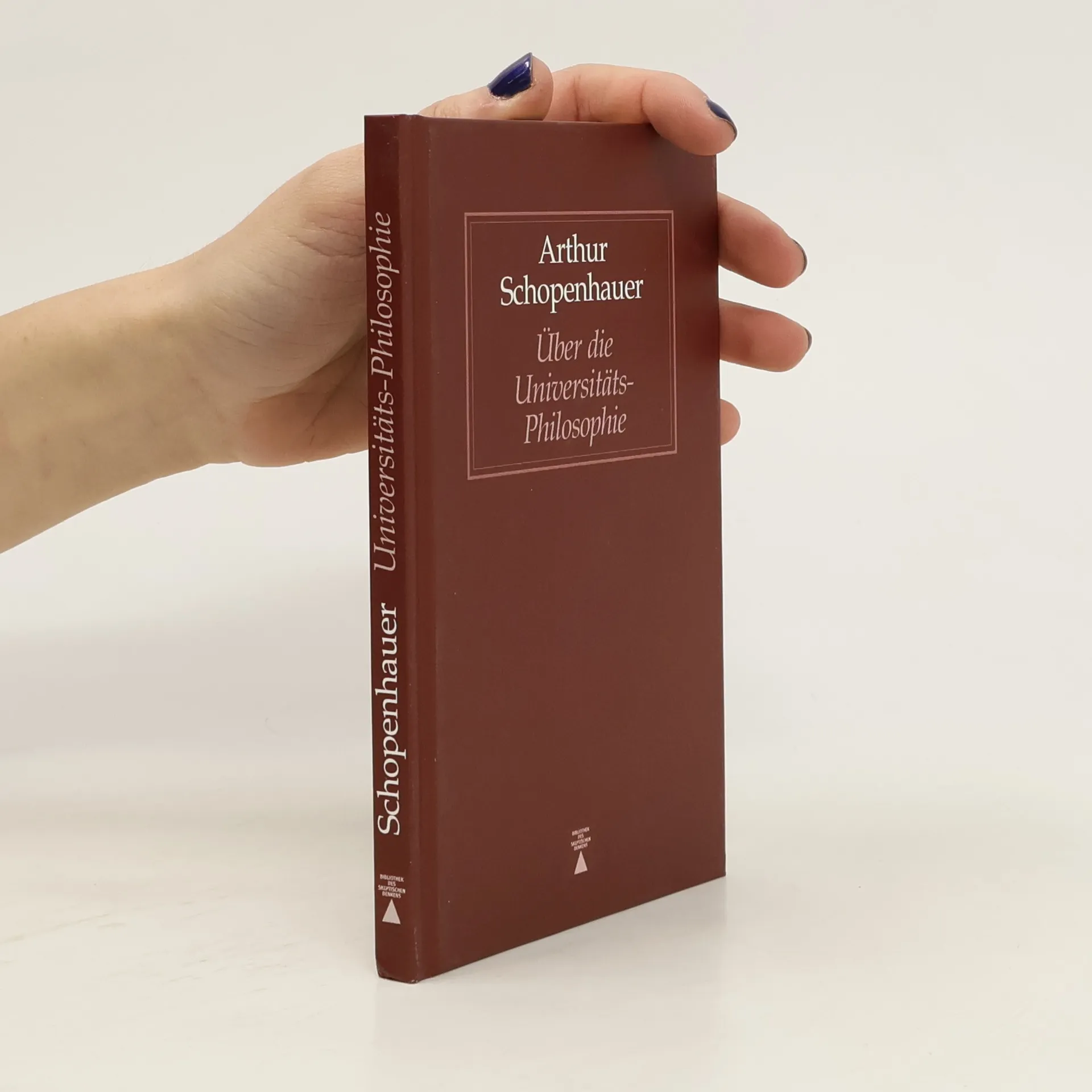
Über die Universitäts-Philosophie
- 111 Seiten
- 4 Lesestunden
In diesem kleinen Text thematisiert der Autor die universitäre Krise, insbesondere im Bereich der Philosophie. Die Philosophie muss darauf achten, nicht in Gemeinplätze oder die Verteidigung besonderer Interessen zu verfallen. Daher tritt er Hegel und seinen Anhängern entgegen und postuliert die kritische Haltung des Akademikers, die Suche nach Wahrheit und das Infragestellen jeglichen Konformismus. So bleibt er nicht an der Oberfläche und betont, dass man einen Autor in der Tiefe lesen muss, indem man seine Texte mindestens fünfmal durchgeht. Ein Anspruch für den Akademiker und eine Wette auf die beste Stimme.
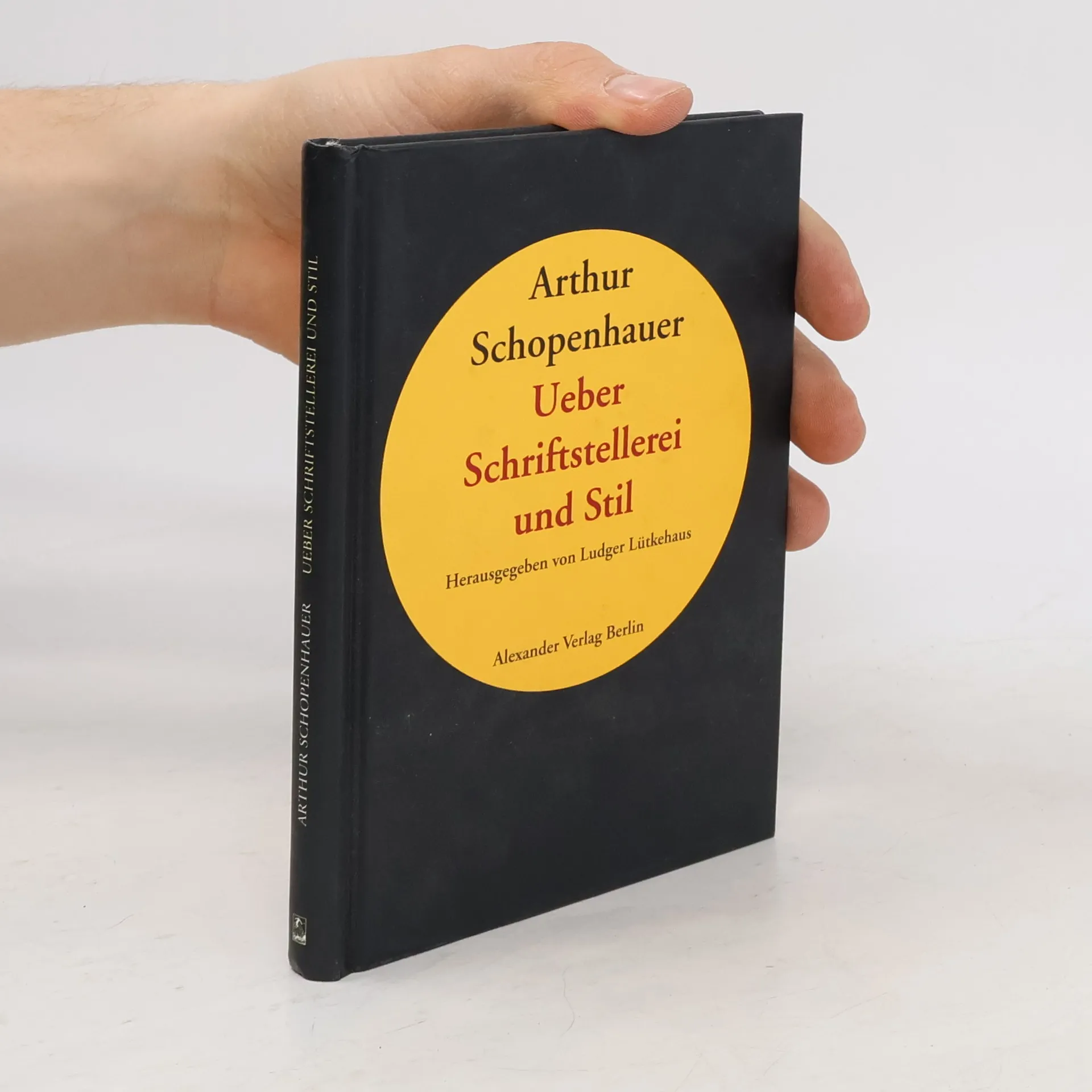
Über Schriftstellerei und Stil
- 108 Seiten
- 4 Lesestunden
Arthur Schopenhauers Gedanken 'Über Schriftstellerei und Stil' wie 'Über Lesen und Bücher' sind als eigene Kapitel in sein Werk 'Parerga und Paralipomena' eingegangen. Ludger Lütkehaus, Herausgeber der ersten Schopenhauer-Gesamtausgabe nach den Fassungen letzter Hand, legt die beiden Kapitel nun in einer kommentierten Einzelausgabe vor, stellt die werk- und zeitgeschichtlichen Bezüge her und fragt nach ihrer Bedeutung als Antidot gegen den grassierenden Tiefsinn.
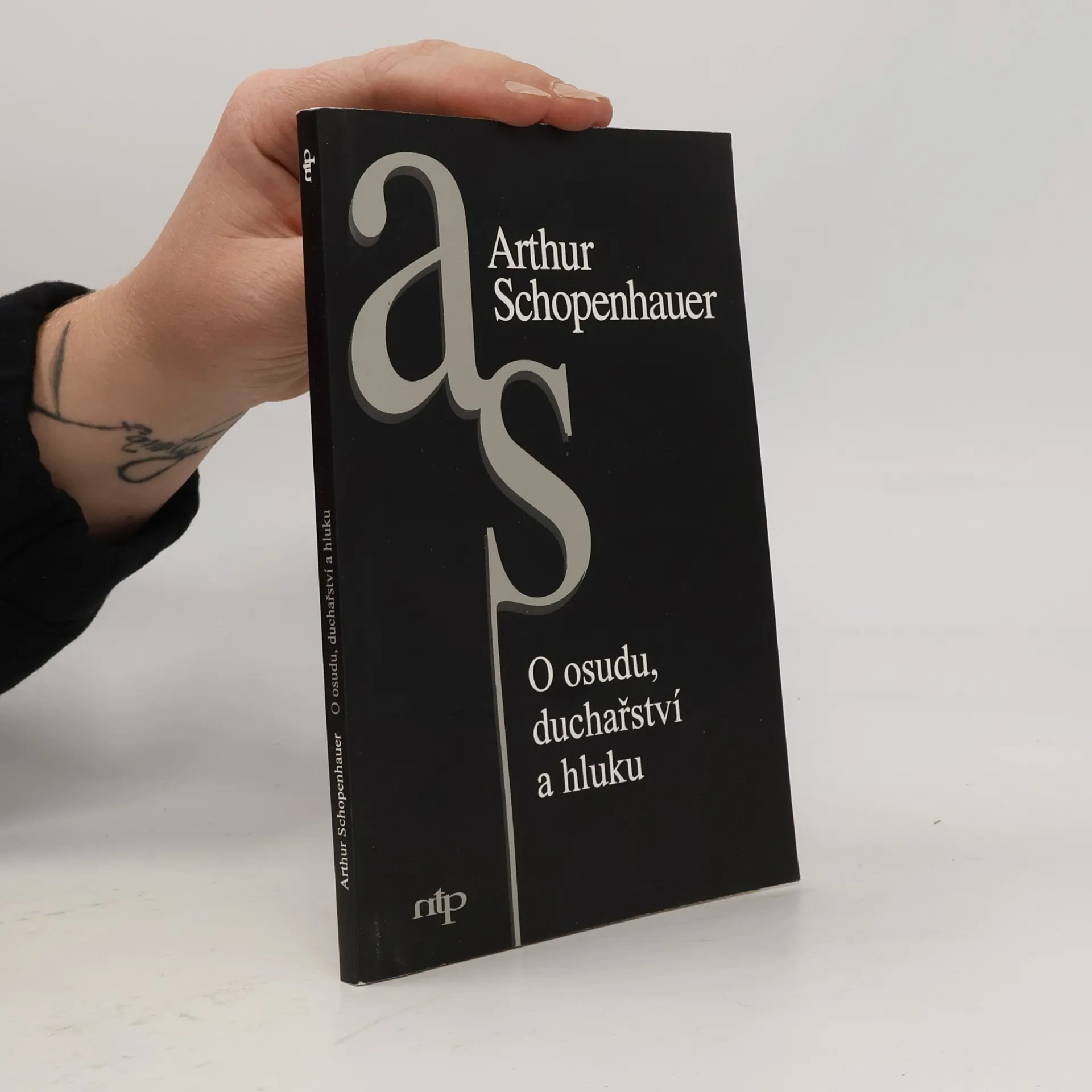
První práce klade důraz na roli osudu v životě člověka, neboť každá lidská bytost má již při narození určenu příslušnou životní dráhu, k níž bude díky osudu vždy směřovat. Tuto nepopiratelnou danost však většina lidí pochopí až v závěru vlastního života, jenž se právě tehdy projeví jako umělecké dílo vedené určitým pevným záměrem. V následujícím textu Schopenhauer vymezuje podstatu vlastní teorie snů - zaměřuje se především na tzv. pravdivý sen, kdy sníme pouze skutečnost, která nás obklopuje. Pravdivé snění stojí u zrodu náměsíčnictví a hypnotického spánku... Sny německý filozof pojímá zcela v souladu s vlastní koncepcí vůle, jež coby věc o sobě vůbec nepodléhá omezení času a prostoru. Závěrečný příspěvek odhaluje negativní vliv různých forem hluku na člověka a velice originálně tak předjímá nebezpečí, ohrožující současnou společnost. Lidská bytost, nedostatečně citlivá vůči hluku, nedokáže ocenit veškeré myšlenky, vědecké i umělecké snažení. Úvahy významného německého voluntaristického filozofa o lidském životě, snech a nebezpečí hluku.
Gebet eines Skeptikers Gott, – wenn du bist, – errette aus dem Grabe Meine Seele, – wenn ich eine habe. SCHOPENHAUER In der Reihe »Zum Vergnügen« zeigen Gedichte, Aphorismen, Briefe und Werkausschnitte berühmte Dichter und Denker von einer neuen Seite: das charakteristisch Andere, das nicht Erwartete, aber doch Erahnte, gedankliche Ab-, Um- und Seitenwege, verlockende Heimlichkeiten, kleine Gemeinheiten, hübsche Bonmots.
Pensamiento, palabras y música
- 204 Seiten
- 8 Lesestunden
La pluma de Shopenhauer, en prosa incisiva y elegante, se clava en la justa diana de lo que es el centro y la médula de la vida intelectual: lo auténtico y lo original. "Verdadero valor sólo tiene lo que uno ha pensado, ante todo, para sí mismo. Básicamente, sólo los pensamientos propios tienen verdad y vida." Libro actual y oportuno: una protesta -casi un trallazo- ante el diluvio de tantos libros mediocres y pretenciosos -puro relumbrón y oropel, copias de copias- que hoy nos inunda y ahoga. "Hay dos clases de escritores: los que escriben para expresar algo y los que escriben 'para escribir'". "La vida de un pensamiento dura tan sólo hasta que llega hasta el punto límite de la palabra". Y donde terminan las palabras empieza la música... "La música es el verdadero lenguaje universal que entodas partes se entiende y expresa, con la mayor precisión y verdad, la esencia íntima del mundo. Sin jamás causarnos un sufrimiento real, siempre nos produce gozo, aún en sus acordes más dolorosos". Estas páginas son de las más agudas y más brillantes que sobre música se han escrito.
Il peut sembler qu'en publiant sous forme de livres séparés les deux textes de Schopenhauer intitulés 'Métaphysique de l'amour et Métaphysique de la mort', qui constituent deux chapitres des Compléments au Monde comme Volonté et Représentation, on aille contre les intentions de l'auteur, lequel nous avertit d'avoir, si on veut le comprendre, à lire intégralement tout ce qu'il a écrit. Cependant, cette exigence, qui est au fond celle de tous les philosophes, est en réalité moins impérieuse lorsqu'il s'agit de Schopenhauer.
Životná múdrosť 1
- 324 Seiten
- 12 Lesestunden
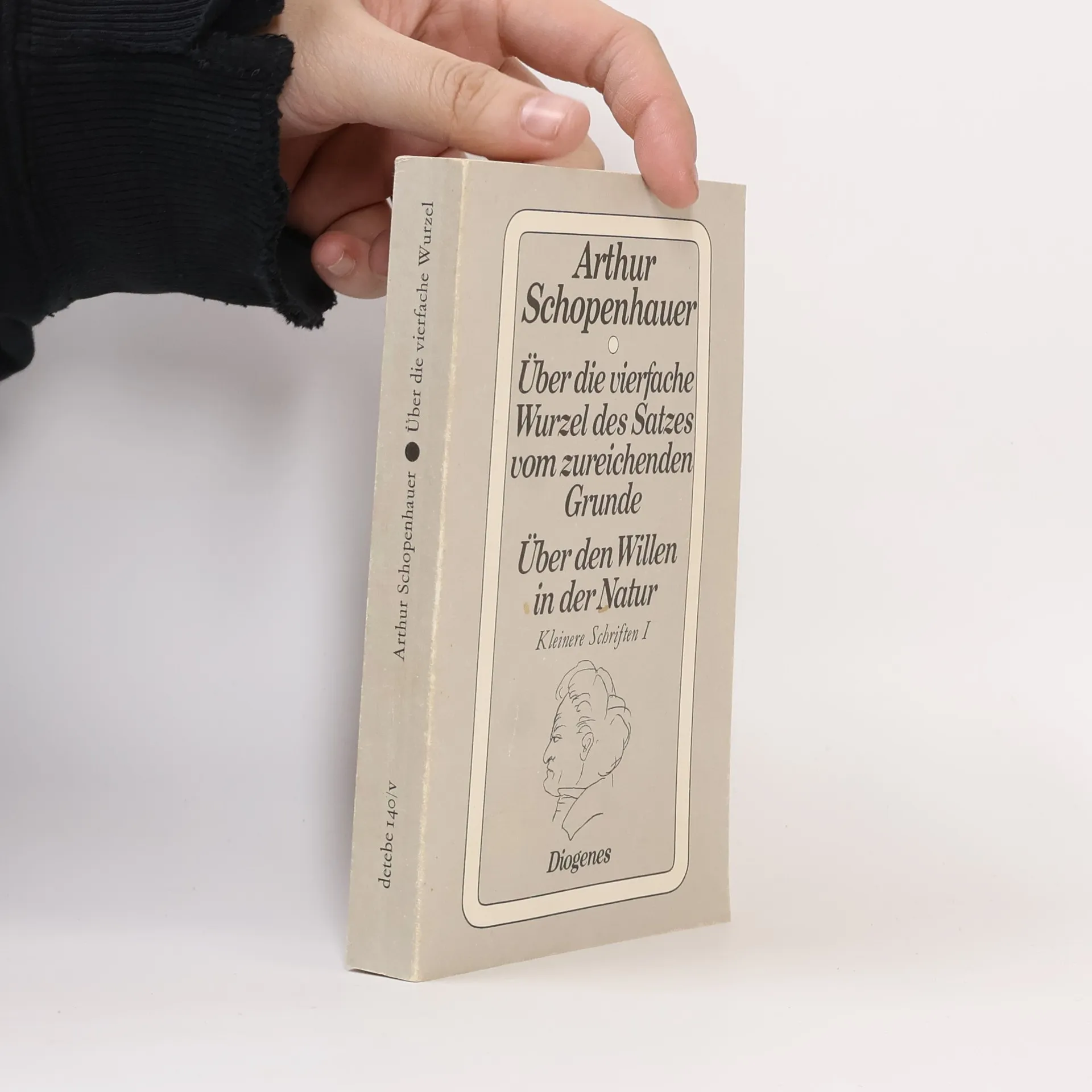
Über die vierfache Wurzel des Satzes vom zureichenden Grunde -- Über den Willen in der Natur -- Die beiden Grundprobleme der Ethik -- Über die Universitäts-Philosophie -- Aphorismen zur Lebensweisheit -- Über Religion
Über die vierfache Wurzel des Satzes vom zureichenden Grunde -- Über den Willen in der Natur -- Die beiden Grundprobleme der Ethik -- Über die Universitäts-Philosophie -- Aphorismen zur Lebensweisheit -- Über Religion
Životná Múdrosť (I.-II.)
- 318 Seiten
- 12 Lesestunden
Životná múdrosť 2.
- 314 Seiten
- 11 Lesestunden