

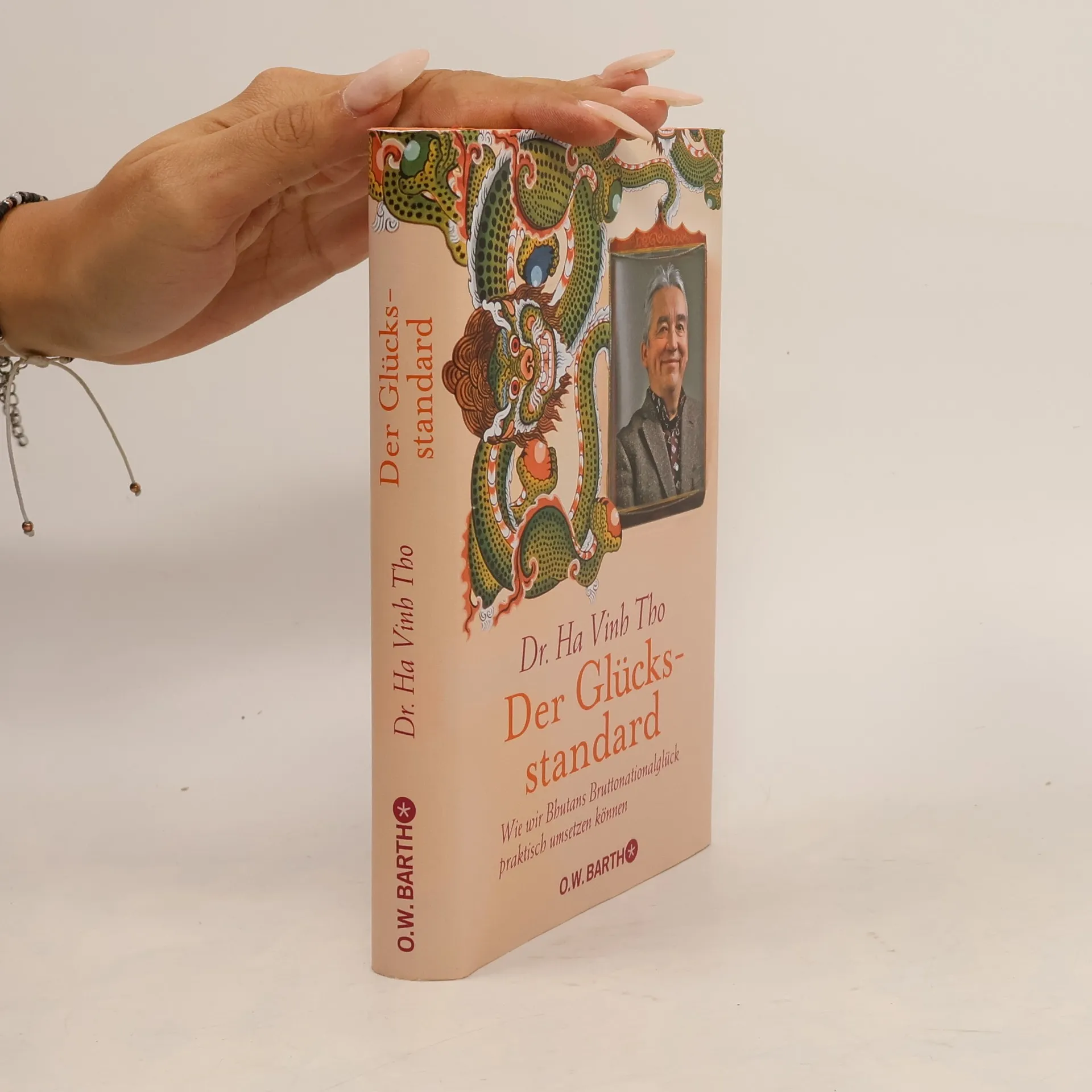
Persönlich und gesellschaftlich Glücks-Kompetenz entwickeln durch den „Glücks-Standard“ der glücklichsten Nation der Welt. Doch gibt es denn so etwas wie einen Glücks-Standard? Was zeichnet glückliche Menschen aus? Ha Vinh Tho war in Bhutan viele Jahre zuständig für die Umsetzung des sog. „Bruttonational-Glücks“. Bhutan ist nämlich der einzige Staat auf der Welt, der das „Glück“ seiner Bürger nicht am Bruttoinnlandsprodukt misst. Im dortigen „Glücks-Ministerium“ zählen andere Qualitäten. Jetzt können wir mit Ha Vinh Tho Selbstreflexion und Achtsamkeit, Sozialkompetenzen für ein liebevolles Miteinander und den verantwortungsvollen Umgang mit der Natur entwickeln, um ein sinnvolles und freudvolles Leben zu führen. Der Glücks-Standard bietet hier tiefe Einsichten und jede Menge Übungen zur Umsetzung sowohl auf der persönlichen Ebene als auch in Unternehmen und Schulen. Das Thema „Achtsamkeit“ wird in diesem mit vielen interessanten und nützlichen Sachinformationen angereicherten Ratgeber auf eine neue und authentische Weise umgesetzt. Er hilft zu einer wirklich nachhaltigen Klärung des eigenen Lebens und zu einer Haltung, bei der man auch im modernen Alltag glücklich sein kann.
Vinh Tho Ha Reihenfolge der Bücher (Chronologisch)
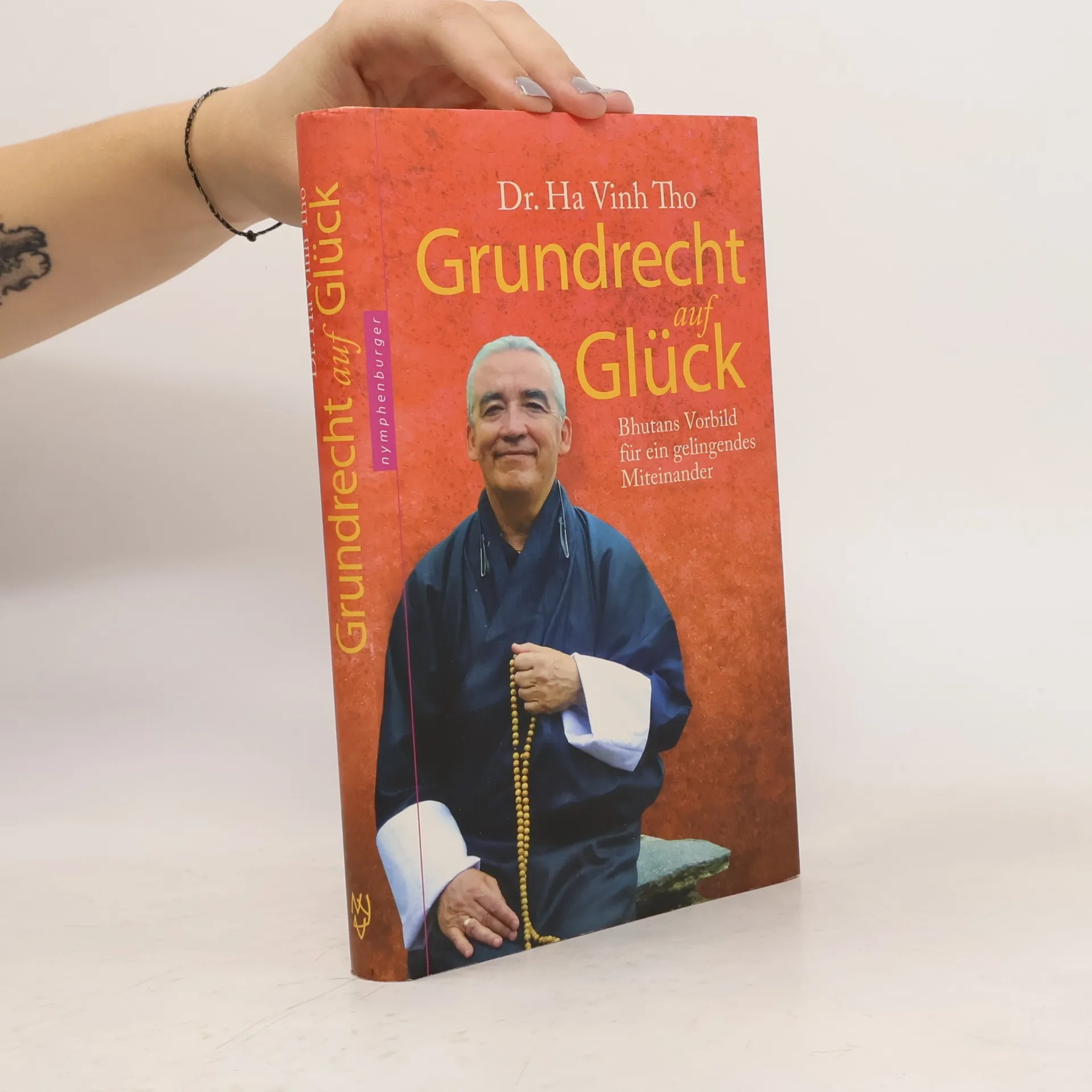
Grundrecht auf Glück
Bhutans Vorbild für ein gelingendes Miteinander
Denken wir um! & apos; Das Bruttosozialglück ist keine Utopie, sondern eine Chance für die ganze Welt& apos;, sagt Dr. Ha Vinh Tho, Leiter des Gross National Happiness (GNH) Center in Bhutan. Er arbeitete viele Jahre in den Krisenregionen der Erde und hält weltweit Vorträge. In Bhutan werden Entscheidungen nach einem ganzheitlichen Wertesystem getroffen: Bhutan hat z. B. abgelehnt, Mitglied in der WTO zu werden, was sich negativ auf das Gesamtwohl ausgewirkt hätte. Auf UN-Ebene ist der kleine Himalayastaat beauftragt, weltweite Lösungen für ein gesundes Wirtschaften zu erarbeiten. Im Buch wird erklärt, wie GNH funktioniert, was glückliche Menschen auszeichnet, wie sie ihr Miteinander gestalten und welche Relevanz sich daraus für unsere Gesellschaft ergibt.