

Hildegard Diemberger Bücher


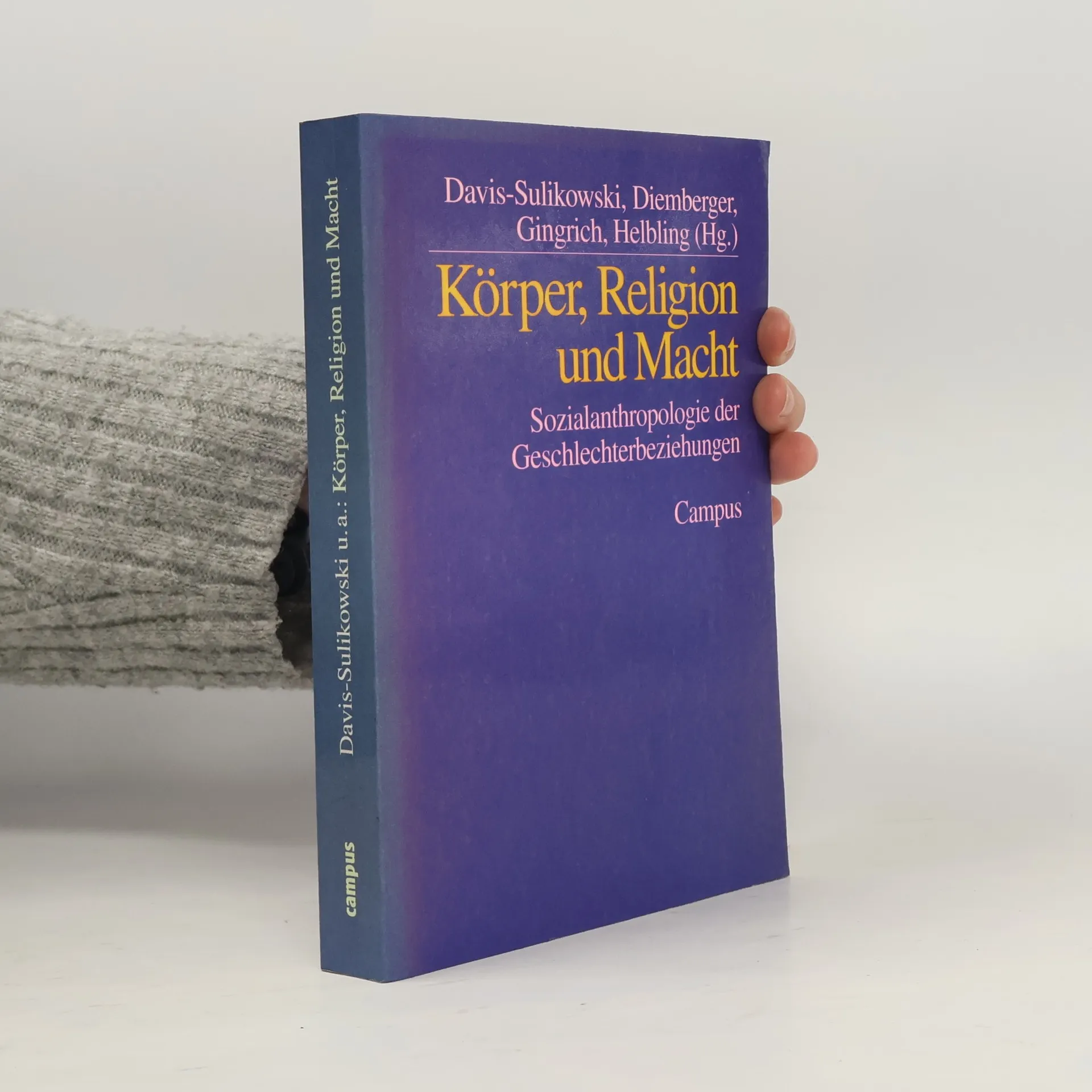
Reihe Frauenforschung - 34: Intersexions
Feministische Anthropologie zu Geschlecht, Kultur und Sexualität
- 233 Seiten
- 9 Lesestunden
In the fifteenth century, Princess Chokyi Dronma was recognized by spiritual masters as the embodiment of the tantric deity Vajravarahi, known in Tibetan as Dorje Phagmo. Following a personal tragedy, she renounced her royal status to become a nun and the tantric consort of three prominent religious figures. After her death, her disciples identified a young girl as her reincarnation, marking the beginning of a powerful female lineage. Today, the twelfth Samding Dorje Phagmo leads the Samding monastery and holds a significant governmental position in the Tibet Autonomous Region. Hildegard Diemberger's work centers on the translation of Chokyi Dronma's first biography, recorded by her disciples after her passing. This account challenges the belief that women in Tibet could not achieve full ordination, as Chokyi Dronma not only received it from a leading spiritual teacher but also established orders for female practitioners. She became so revered that she was recognized as one of the principal spiritual heirs to her master. Diemberger discusses the significance of reincarnation in Tibetan society, the role of biographies in lineage establishment, the complexities of political and financial patronage, the cultural revival of ancient Buddhist civilizations, and women's roles in Buddhism. The book includes four introductory chapters and four concluding chapters that address the reincarnation lineage and the current incarnation's rol