


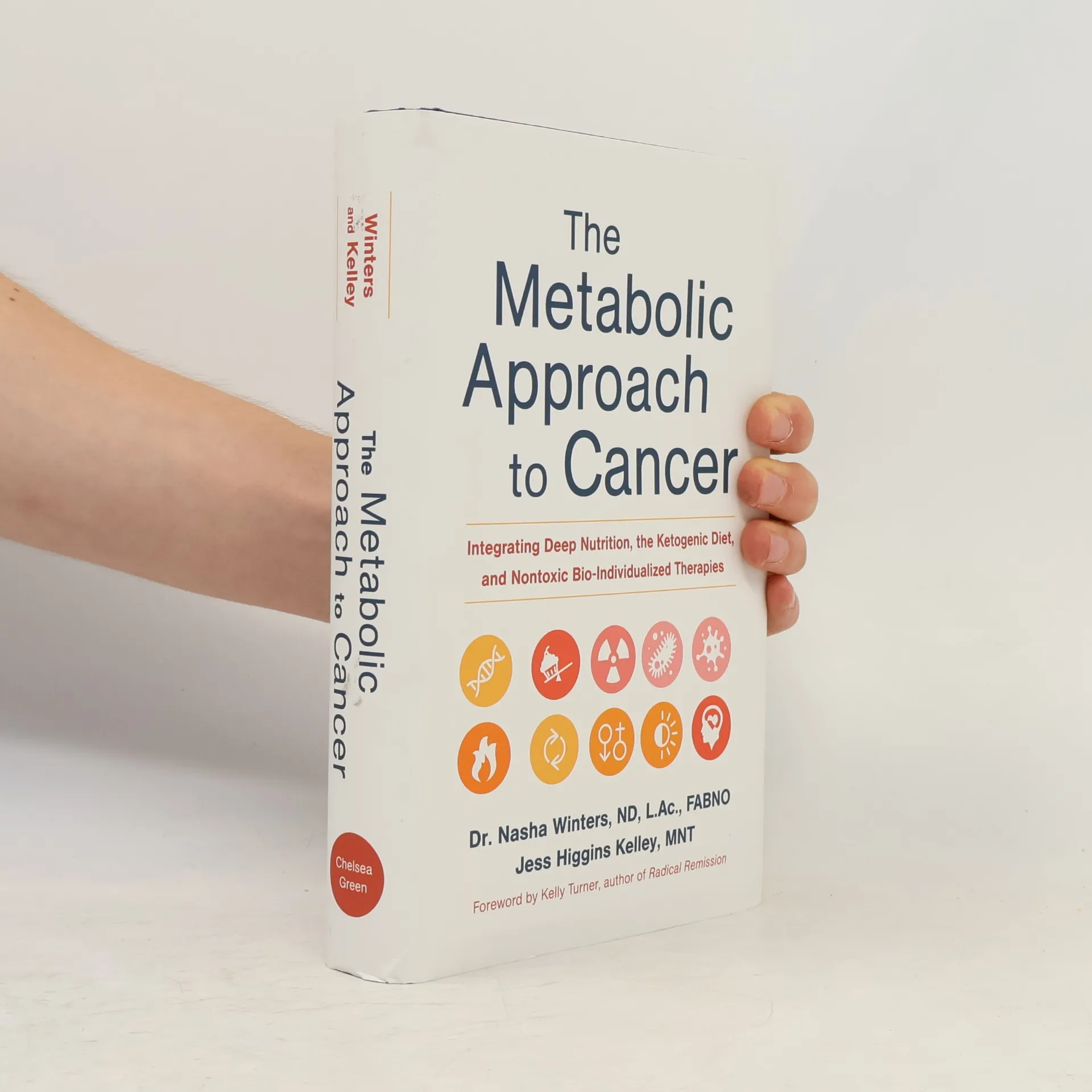
The Metabolic Approach to Cancer
- 377 Seiten
- 14 Lesestunden
Since the early twentieth century, cancer rates have surged, now affecting nearly 50 percent of the American population. Conventional treatments like chemotherapy, surgery, and radiation continue to dominate, despite research indicating that 95 percent of cancer cases are linked to diet and lifestyle. This innovative, metabolic-focused nutrition protocol provides a solution. Naturopathic oncologist and cancer survivor Dr. Nasha Winters, alongside nutrition therapist Jess Higgins Kelley, identifies ten key elements of a person's "terrain," essential for preventing and managing cancer. These elements—epigenetics, the microbiome, the immune system, toxin exposures, and blood sugar balance—are explored in relation to cancer, accompanied by a researched, non-toxic nutrition prescription. The metabolic theory, introduced by Nobel laureate Otto Warburg in 1931, posits that cancer thrives on high carbohydrate diets rather than "bad" genetics. This theory is gaining traction due to evidence showing improved outcomes when cancer cells are deprived of glucose. Central to this approach is the ketogenic diet, which utilizes ketones as fuel. Winters and Kelley also highlight the anticancer potential of phytonutrients from low-glycemic foods. Their optimized diet excludes grains, legumes, sugar, and synthetic ingredients, focusing instead on whole, organic, and fermented foods. Additionally, they incorporate harm-reductive herbal therapies a