Gordon L Rottmans Schriften sind tiefgründig geprägt von seiner 26-jährigen Karriere in der US-Armee, einschließlich Einsätzen bei den Special Forces und in Geheimdienstfunktionen. Diese umfassende Erfahrung ermöglicht es ihm, die Feinheiten der Militärgeschichte und der operativen Taktiken akribisch zu erforschen und darzustellen. Rottmans Werk bietet authentische und aufschlussreiche Perspektiven auf die Welt bewaffneter Konflikte und strategischer Operationen. Leser schätzen seine Prosa für ihre Tiefe und sein maßgebliches Verständnis des militärischen Umfelds.
Stalingrad Inferno is written by Gordon Rottman & Ronald Volstad and published by Concord Publications Company. The book is an illustrated history of the intense fighting in and around Stalingrad during World War II. The book includes narratives and black and white photos. The book features several color plates of soldiers in uniform. The book is new and unread.
Focusing on the Pacific islands involved in World War II, this comprehensive resource offers in-depth information on various geo-military aspects of the Pacific Theater. It organizes entries regionally and chronologically, detailing island names, nicknames, and wartime time zones, while also exploring physical characteristics, weather, health hazards, historical context, and military significance. The book covers strategies and operations of both Japanese and Allied forces, challenges posed by terrain, key military figures, and the islands' postwar conditions.
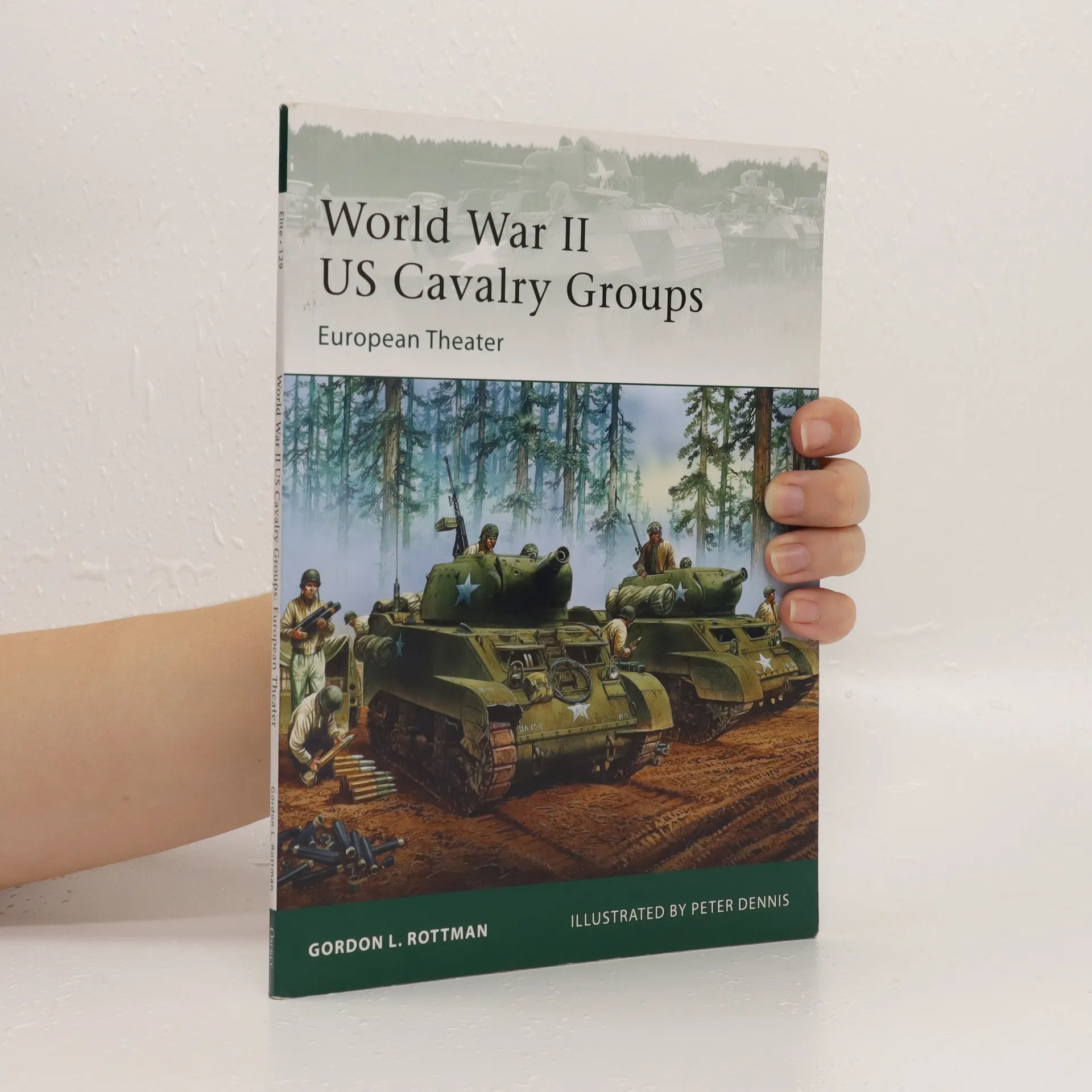
The cavalry regiments of the US Army were in the process of being transformed into a mechanized force when the USA entered World War II. While those cavalry regiments deployed to the Pacific to fight the Japanese were turned into infantry units, those sent to Europe were employed as light armor in the cavalry's traditional spearhead roles - reconnaissance, the screening of advances and flanks, and the pursuit of beaten enemy forces. Equipped with M8 Greyhound armored cars, M5 Stuart and M24 Chaffee light tanks, and halftracks, these units were designated cavalry groups (mechanized), each c. 1,700 strong and divided into two heavily armed squadrons. They were seldom attached to divisions, but to higher-level corps commands, meaning they could be shifted around quickly and independently and be formed at need into flexible battle groups with armored, infantry, and other units, depending on the mission. Thirteen CG(M)s fought in Europe, seeing a great deal of action - they were usually the first units in contact with the enemy, and, because of their mobility and freelance role, the ones sent as "fire brigades" to block dangerous gaps. Featuring specially drawn full-color illustrations depicting uniforms, insignia, armored vehicles, and tactical scenarios, this is the story of the US cavalry units that led the advance to victory in Europe during World War II.
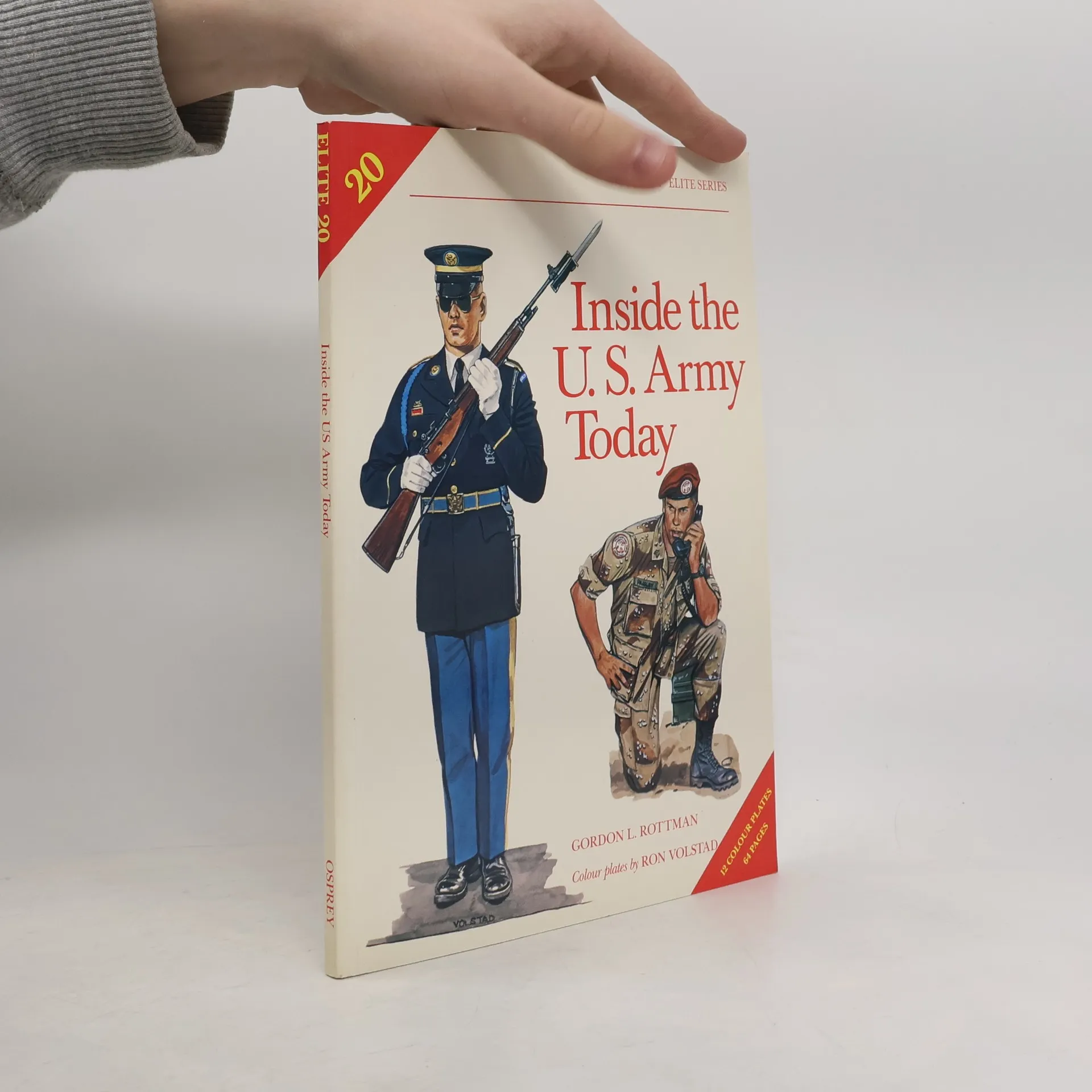
When conscription was eliminated in the early 1970s, the US Army found itself with a very different kind of soldier. While the personality of the Army remained the same, the organization of its higher levels of command and combat formations, and the internal structure of its units underwent major changes under the 'Army of Excellence' program of the 1980s. This book explores the US Army of the late 80s, including the training methods, weapon systems, Reserve Components, organization and uniforms of one of the world's most potent fighting forces. The text is illustrated with numerous photographs and eight colour plates.
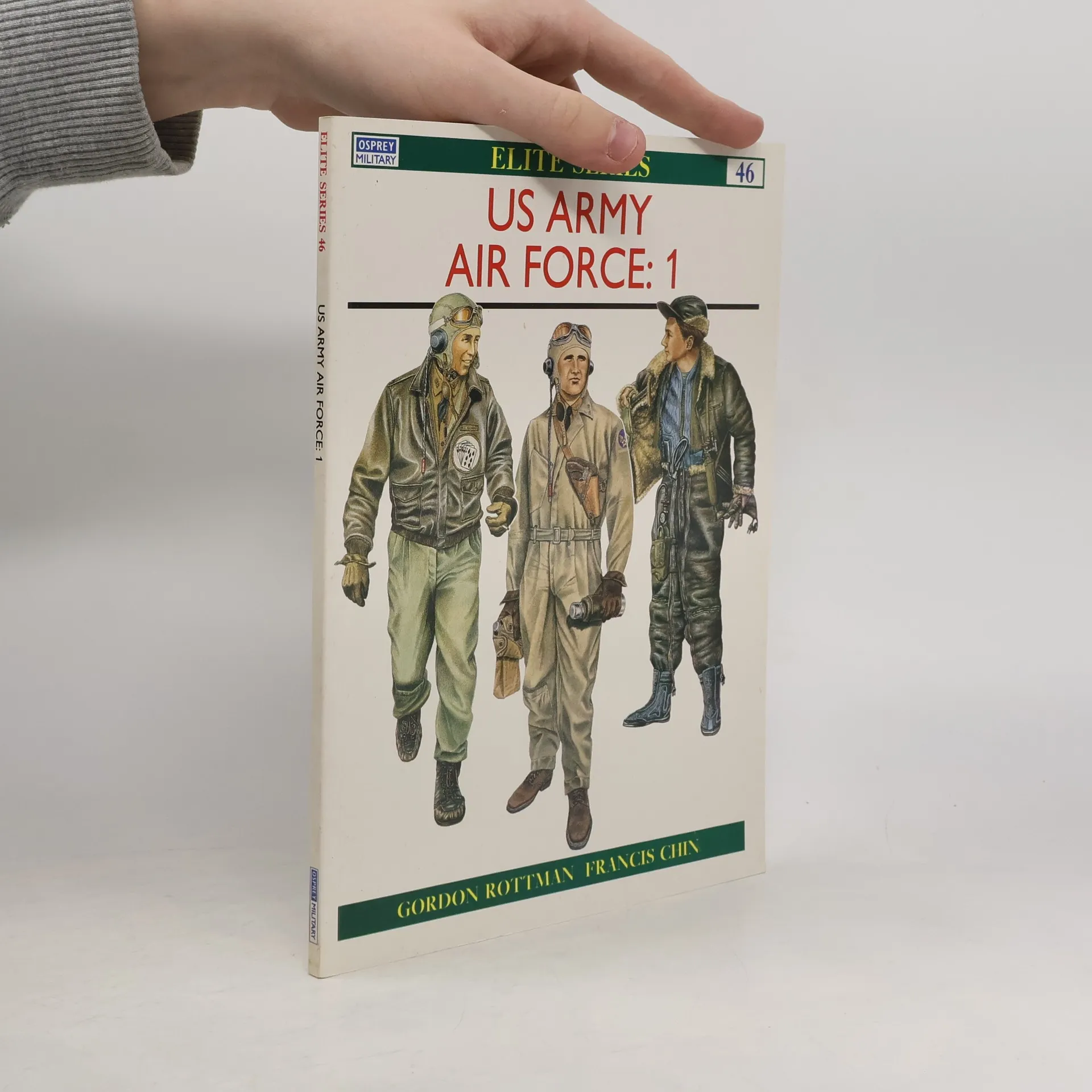
In June 1941 the US Army's air organisations were consolidated under a single command, the Army Air Forces or AAF. Its expansion was rapid and massive, and its contribution to the war effort was substantial. Books abound describing the AAF's impressive combat record, but little has been published to record what the men inside the machines wore to stay alive and effective in the air and on the ground, or, as often as not, in the water. Gordon L. Rottman's detailed treatment discusses the flying clothes, accessories and equipment worn and used by individual airmen fighting their often desperate battles in the sky.
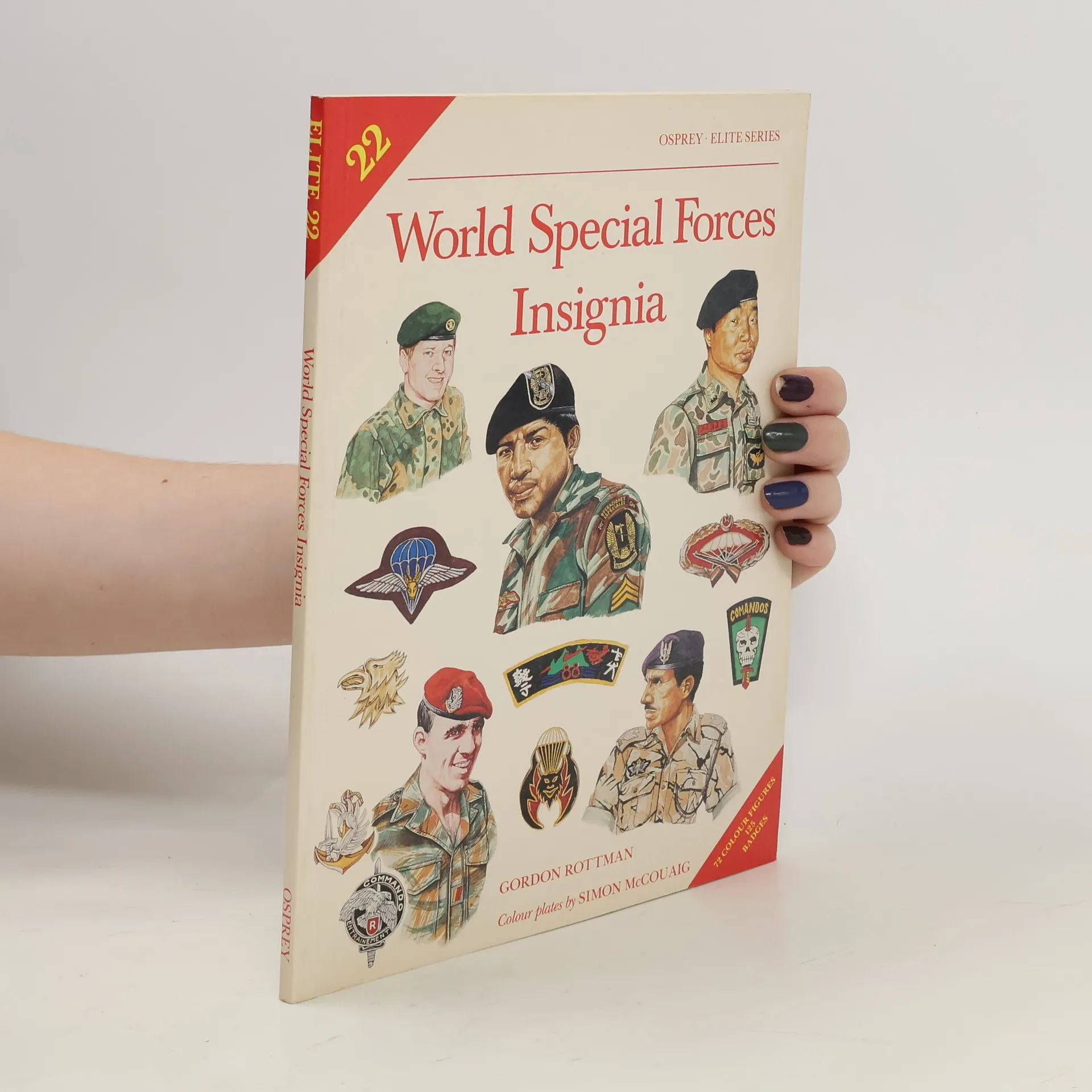
There exists among the world's armies a proliferation of special forces groups. Today's smaller armies, especially those of developing nations, demand maximum efficiency in force structure and employment. Mountain, jungle, arctic and desert areas require special purpose units trained, conditioned, and equipped to master these environments. This volume by ex-weapons specialist in the US 7th Special Forces Group, Gordon L. Rottman, details the insignia of a myriad of special forces groups from all parts of the globe, from Portugal's Commando Regiment to the North Yemen 'Al Mithalaat' Brigade, with a wealth of illustrations and photographs, including 12 full page colour plates by Simon McCouaig.
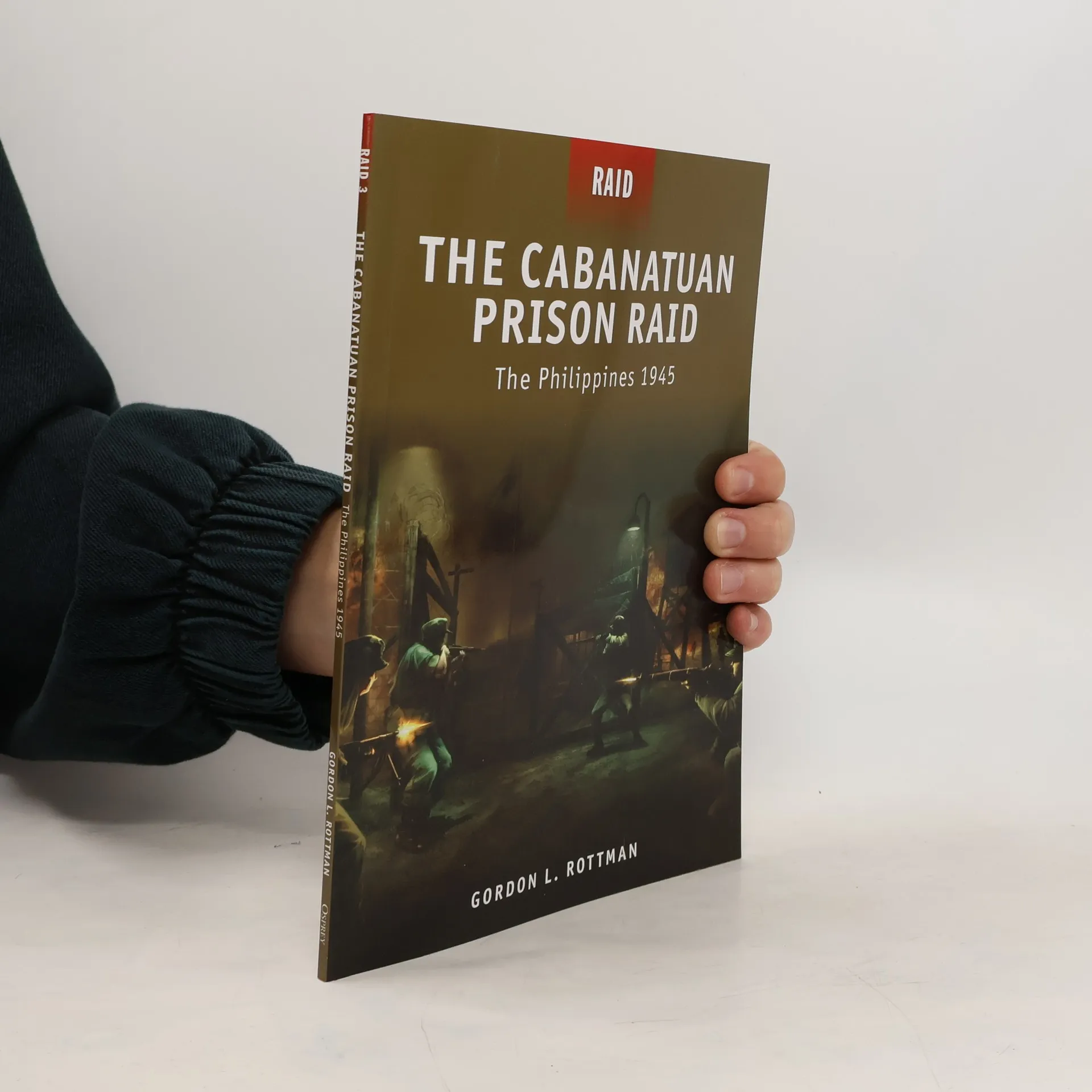
On January 27, 1945, the 6th Ranger Battalion and the 6th Army Special Reconnaissance Unit (the Alamo Scouts) began the most dangerous and important mission of their careers to rescue 500 American, British and Dutch prisoners-of-war held at a camp near Cabanatuan. This daring plan was fraught with difficulties - the rangers had to struggle with harsh jungle terrain, 30 miles behind enemy lines against a far larger force, knowing that if their secret mission was leaked, the POWs would be massacred by their captors. Yet, with the help of a Filipino guerilla force, they managed to liberate 513 prisoners and kill 225 Japanese in 15 minutes, while only suffering two losses themselves.Relive the dramatic rescue in this action-packed account, complete with bird's eye view and battlescene artwork. Gordon Rottman details the build-up to and execution of the operation, analyzing the difficulties faced and the contribution made by the guerrillas. This is not only a story of extraordinary military success but a compelling tale of courage in the face of overwhelming odds.
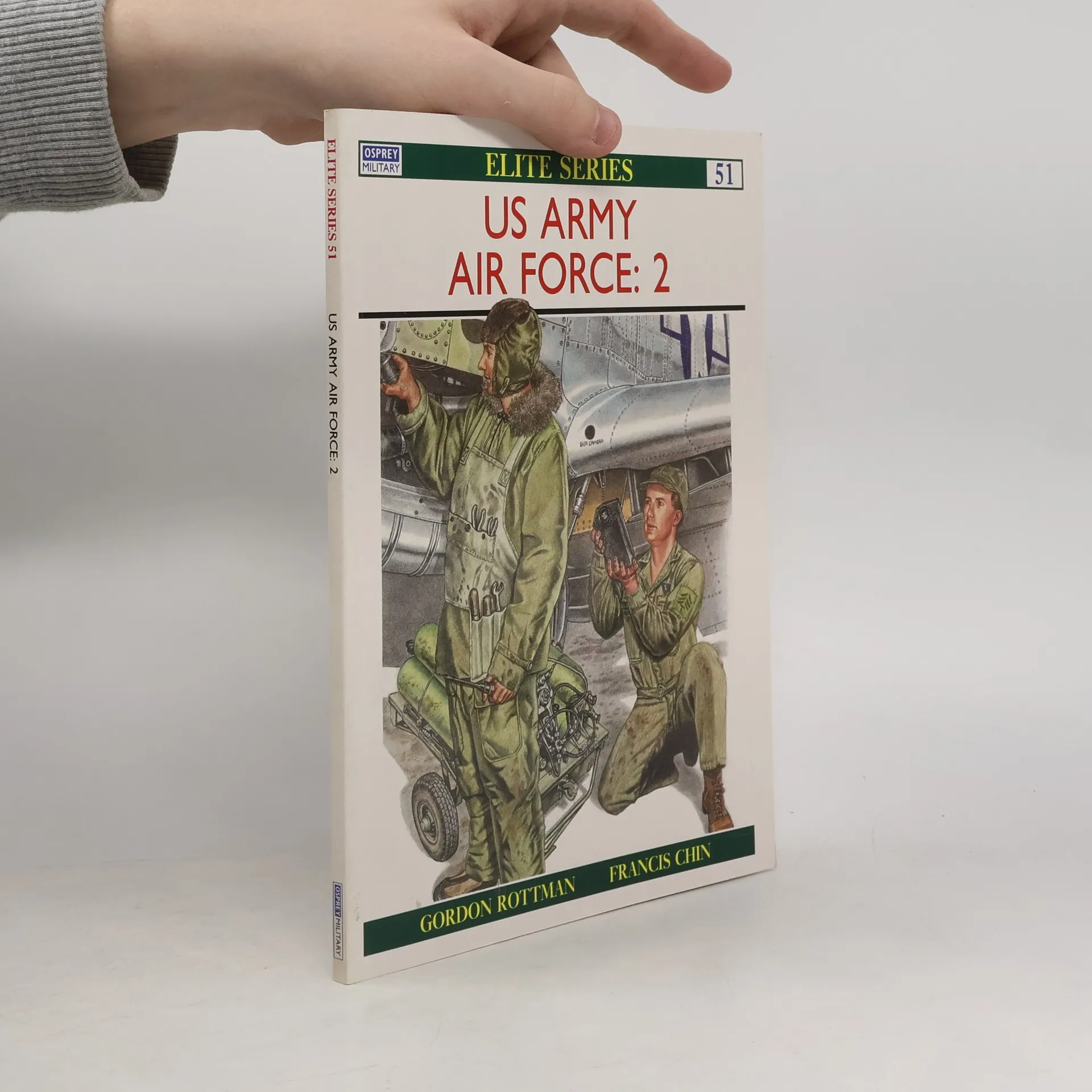
While the most conspicuous components of the US Army Air Forces in World War II (1939-1945) were the air units, there were also hundreds of ground units and organisations. Besides assigned military personnel the AAF also employed thousands of civilians. Many unique outfits were designed to meet the AAF's special needs. Uniformed civilians also possessed a variety of unique uniforms and insignia. These general issue and specific uniforms are the subject of this volume by one of Osprey's most experienced authors, Gordon L. Rottman, whose detailed text is backed by plenty of contemporary photographs and 12 full page colour plates by Francis Chin.
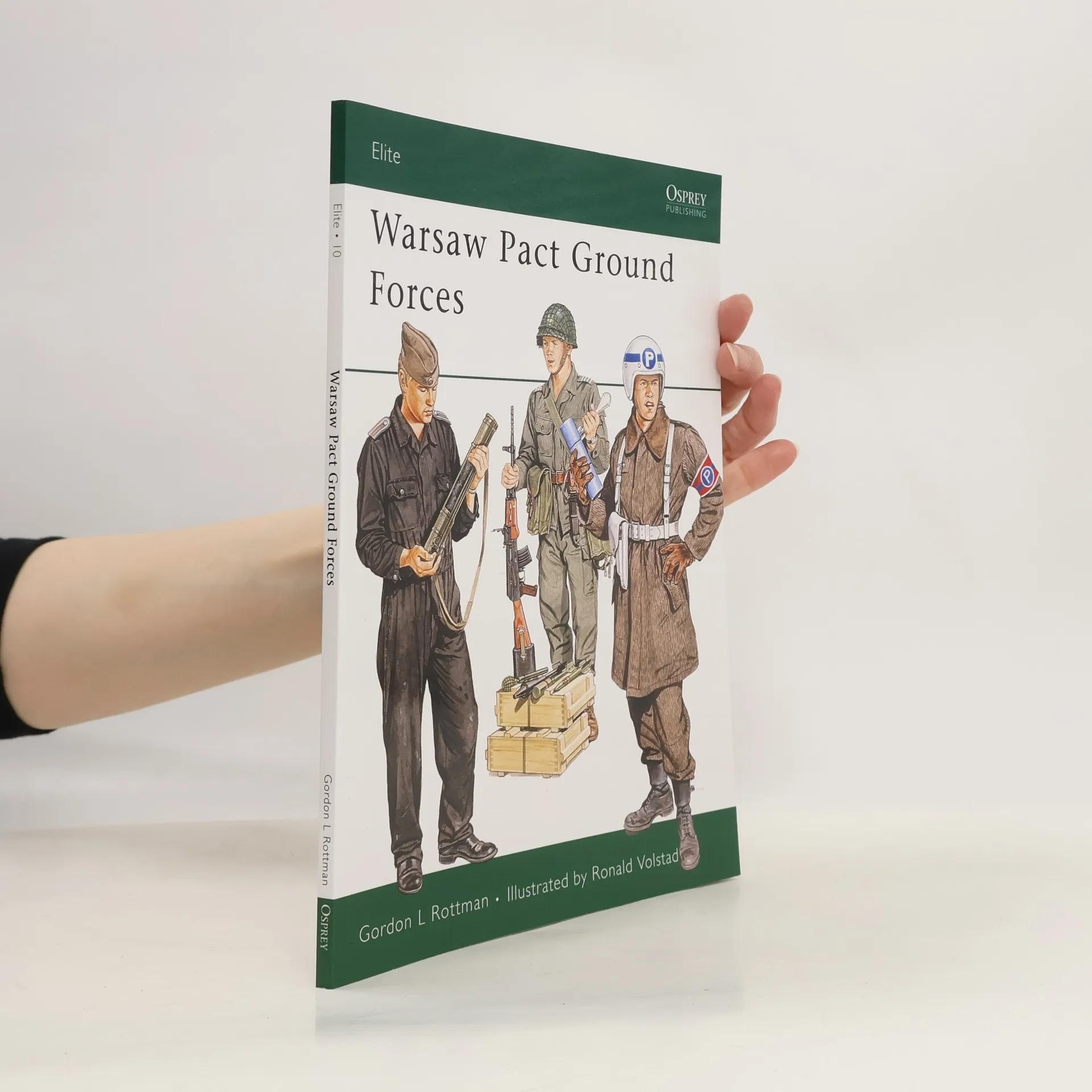
Osprey's study of the ground forces of the Cold War (1946-1991). While much has been published on the armed forces of the USSR during the 1980s, surprisingly little is available on the forces supplied by the other member nations of the Warsaw Pact. Rivalling the size of the United States Army, the combined ground forces of the six non-Soviet Warsaw Pact countries totalled over 775,000 active troops, with almost two million ground forces reserves. This book examines the history, organization and uniforms of the often overlooked DDR, Czechoslovak, Polish, Bulgarian, Hungarian and Romanian forces at the end of the Cold War.
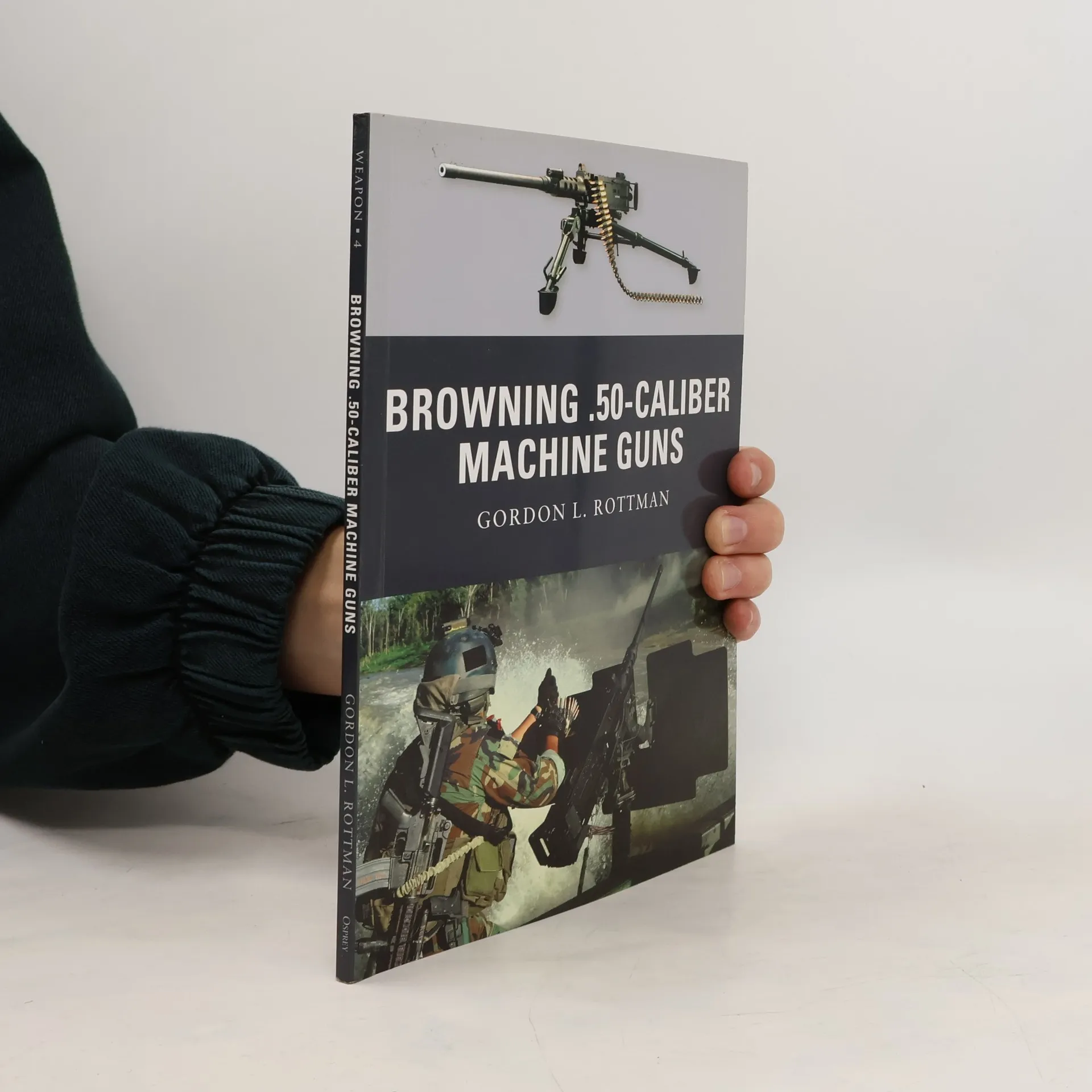
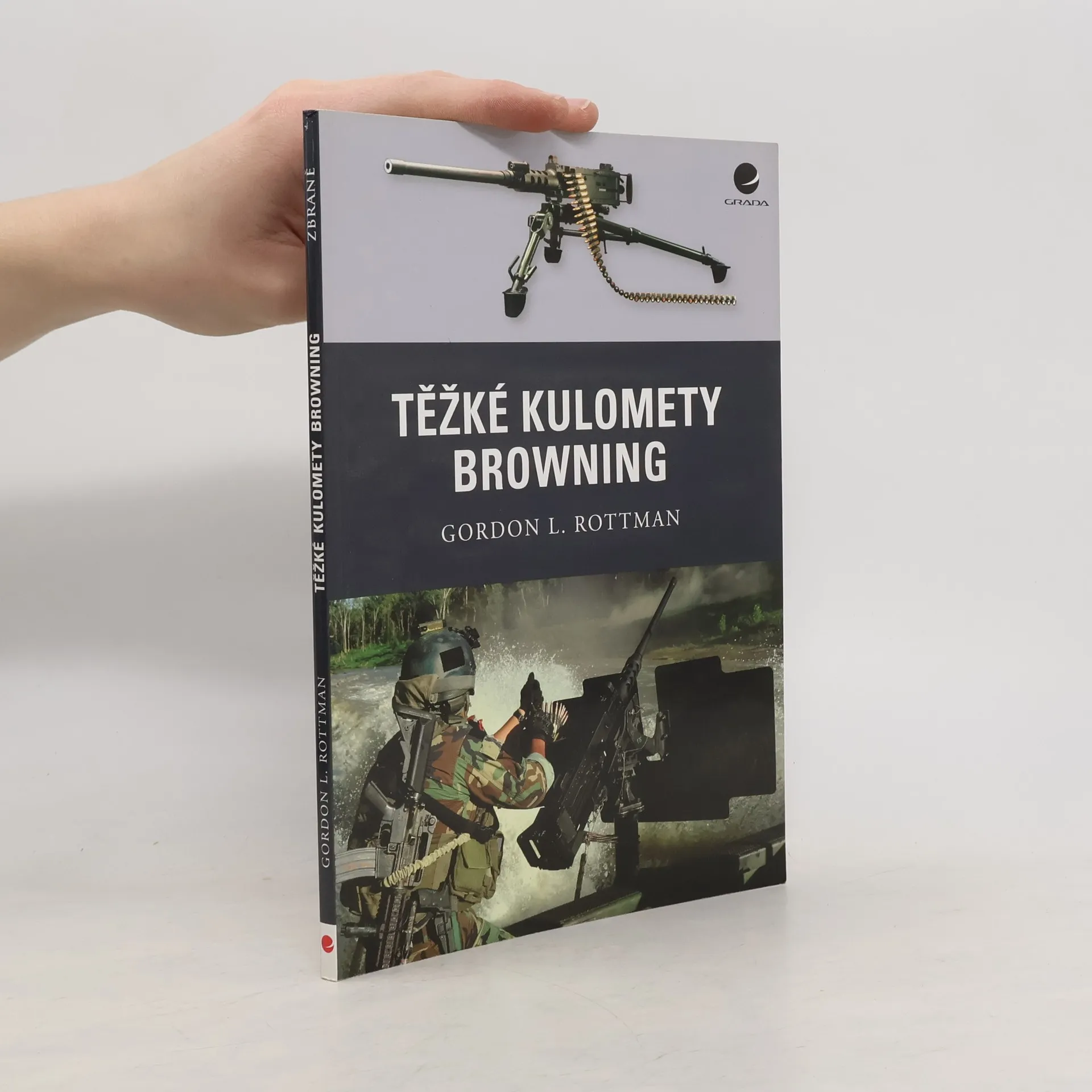
Osprey's new Weapon series provides a highly-detailed yet affordable overview of the development, use, and impact of small arms throughout history-from the sword to the machine gun.In this volume, Gordon Rottman examines this history of the longest serving weapon in the U.S. military's small arms inventory. Thoroughly researched and illustrated with rare photographs and original artwork by Johnny Shumate, the book takes readers from the origins of the “fifty” on the battlefields of World War I (1914-1918) to its use in the war on terror today. Rottman provides lists of the companies that manufactured the Browning and analyzes the variants that have arisen over the years since it first entered service in 1933. He also provides descriptions and photos of how it was used on aircraft, ships, riverboats, tanks, Humvees, and by ground forces. A cutaway illustration from Alan Gilliland details the parts of the weapon and a final chapter dispels myths told about it.
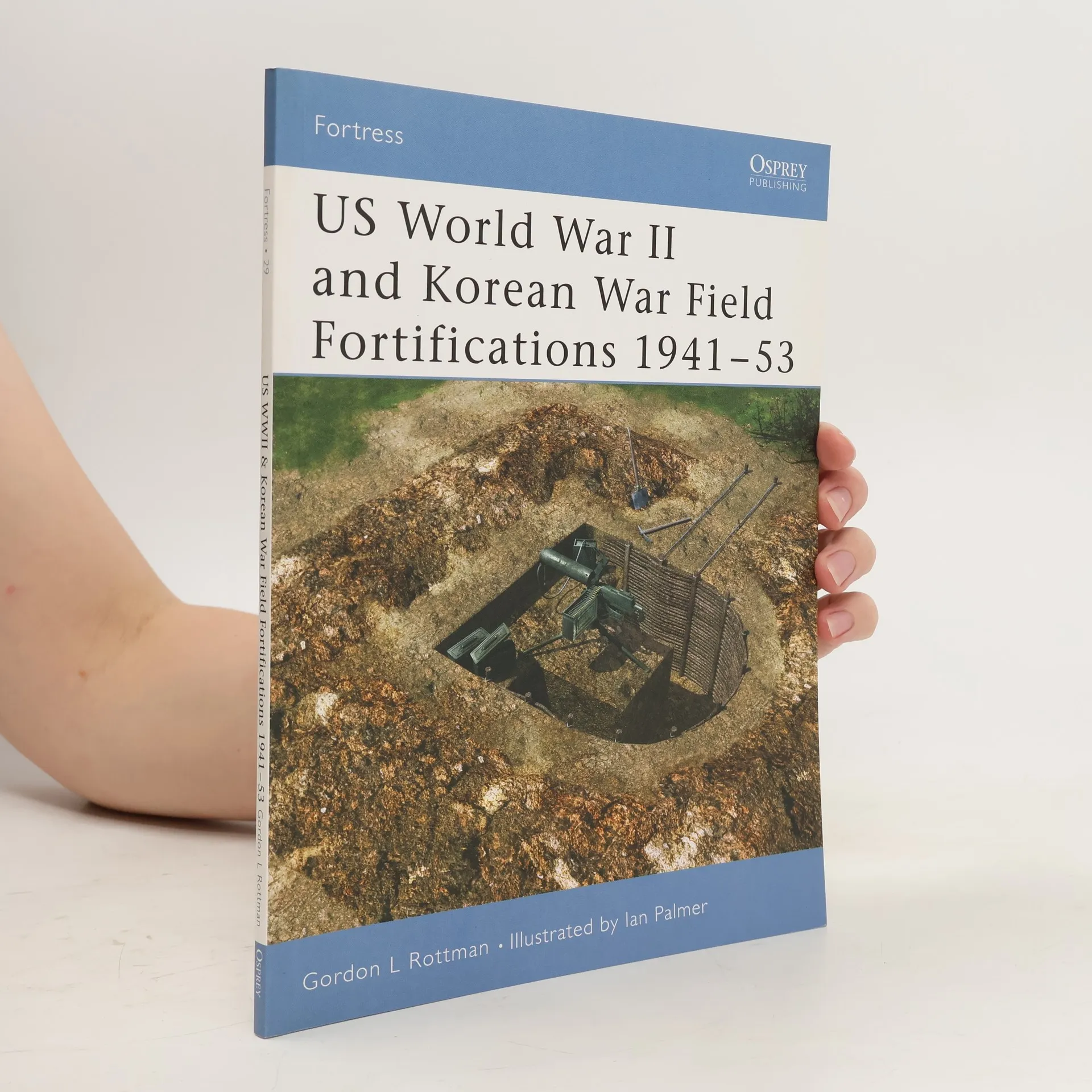
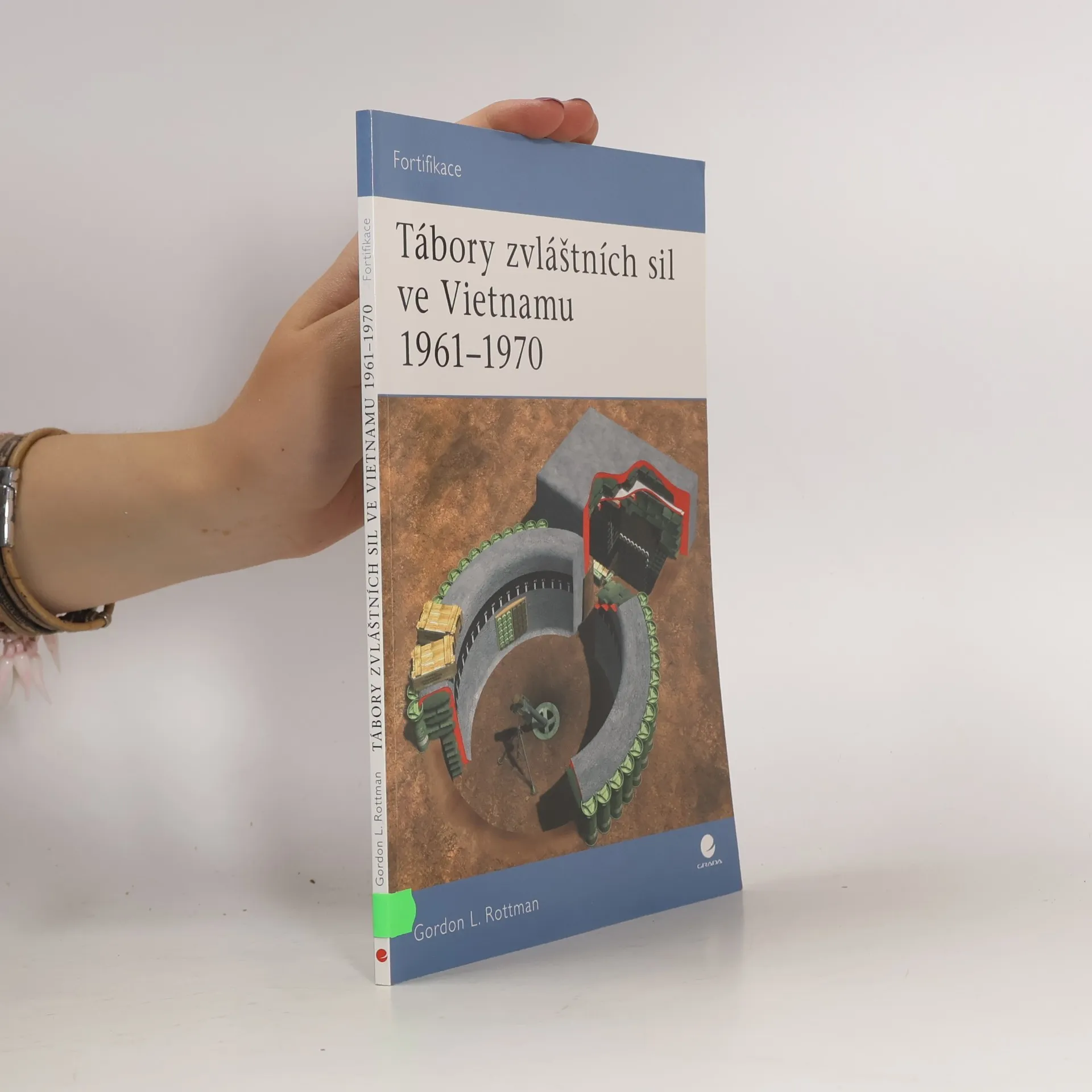
The US Army and Marine Corps in World War II considered themselves highly mobile, offensive forces. Their mobile-warfare doctrine envisioned field fortifications and obstacles as temporary in nature. As a result, their design was simple and made use of local materials, and they could be constructed comparatively quickly, whilst still providing adequate protection. By the time of the Korean War, only minor changes had been made to field fortification construction and layout, and to small-unit organization, weapons, and tactics. This title addresses field fortifications built by US infantrymen during World War II and in Korea, and covers rifle-platoon positions, trenches, crew-served weapon positions, bunkers, dugouts, shelters, observation posts and anti-tank obstacles.
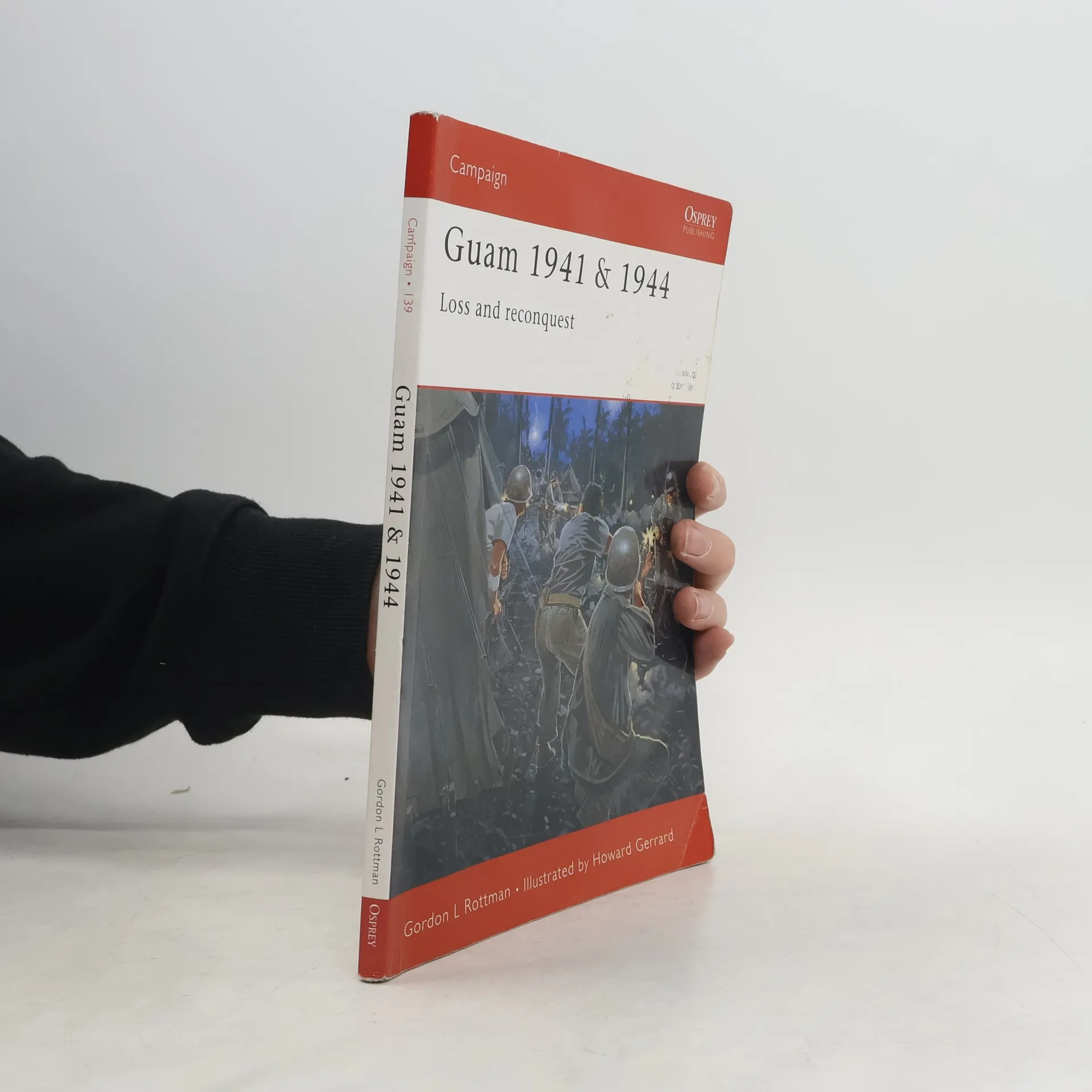
The island of Guam was the first Allied territory lost to the Japanese onslaught in 1941. On 10 December 5,000 Japanese troops landed on Guam, defended by less than 500 US and Guamanian troops, the outcome was beyond doubt. On 21 July 1944 America returned. In a risky operation, the two US landing forces came ashore seven miles apart and it was a week before the beachheads linked up. Only the battles for Iwo Jima and Okinawa would cost the Americans more men than the landings on Guam and Saipan, which immediately preceded the Guam operation. In this book Gordon Rottman details the bitter 26-day struggle for this key Pacific island duringWorld War II (1939-1945).
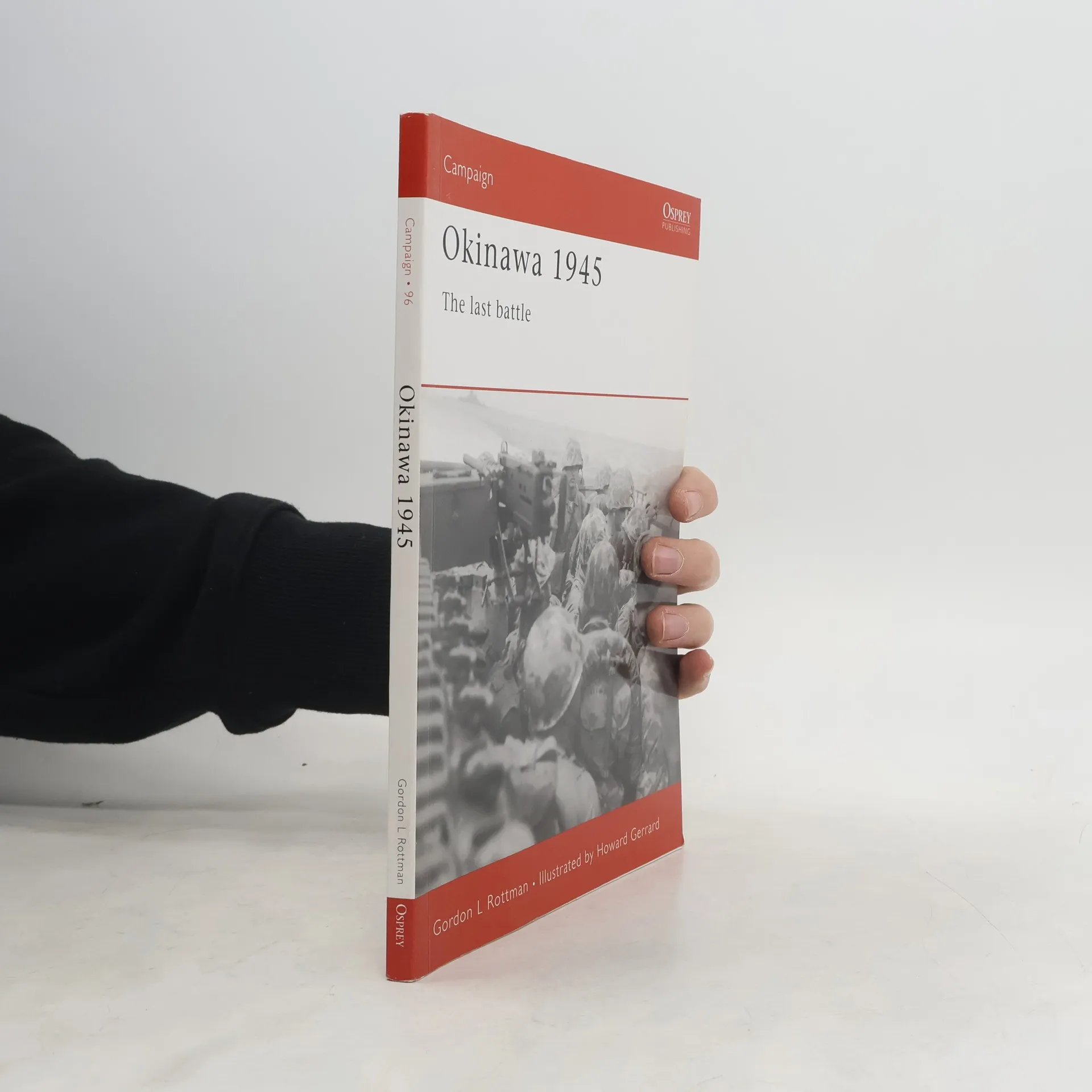
By the spring of 1945 the Allies were sweeping all before them in the Pacific War against Japan, and a series of victories had reclaimed many of the islands and territories seized by the Imperial Japanese forces in the early months of the war. The dark days of humiliating defeat were far behind the unstoppable Allied juggernaut - victory was now assured. The question was where the last battle would be fought. That place was the island of Okinawa. This book details the struggle for the island as US Marines and Army units battled determined Japanese defenders in the last battle of World War II (1939-1945).
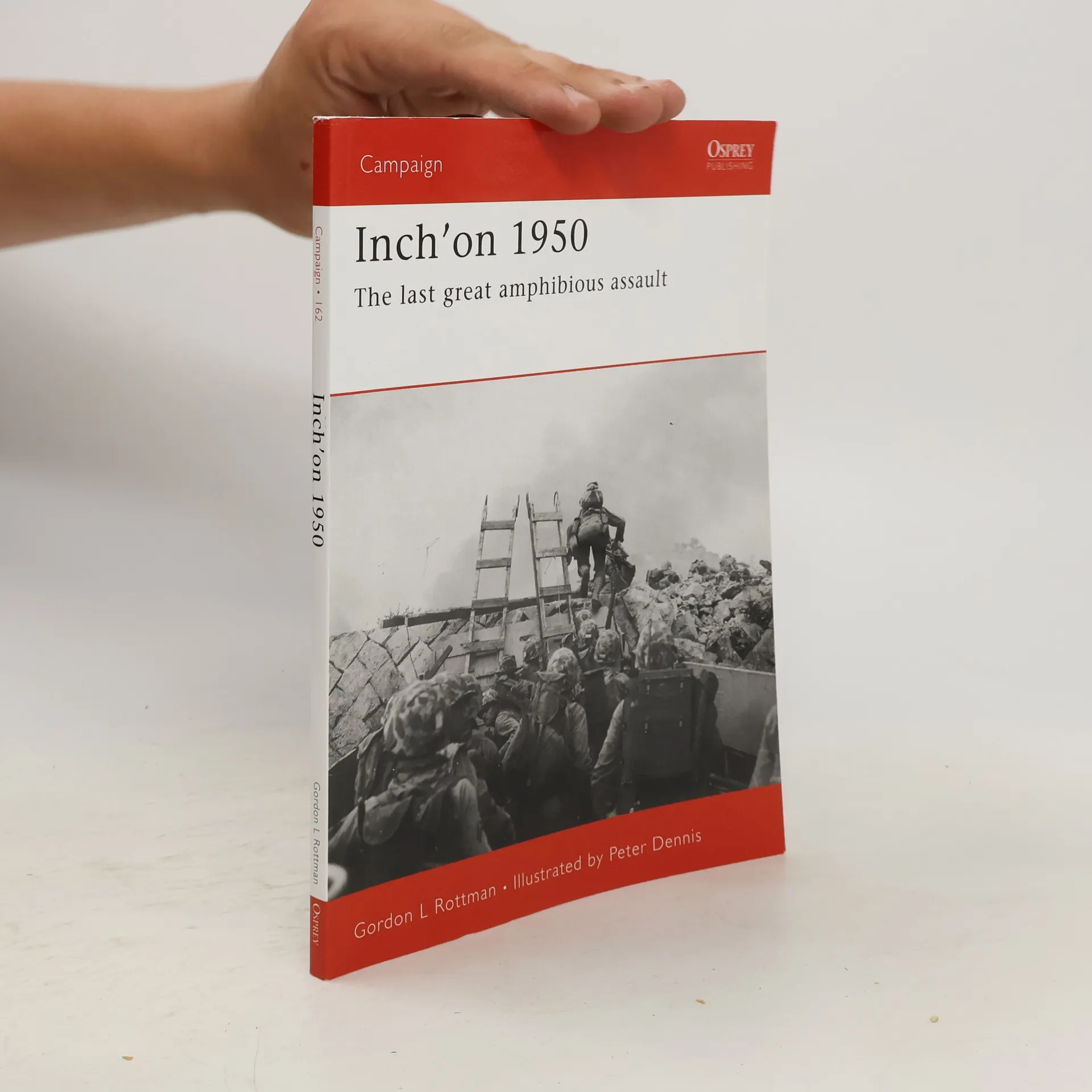
Osprey's study of Inch'on, which was probably the most significant campaign in the Korean War (1950-1953), as well as the last major amphibious assault of division-size conducted in the history of warfare. The odds were stacked against the US troops, with virtually no time for training and many of the divisions unprepared for the conflict. The success of the Inch'on campaign is a testament to the sheer initiative of the officers and NCOs conducted it. This book details the strategy and tactics that led to the operation's success, as well as narrating the experience of the battle in fascinating detail.
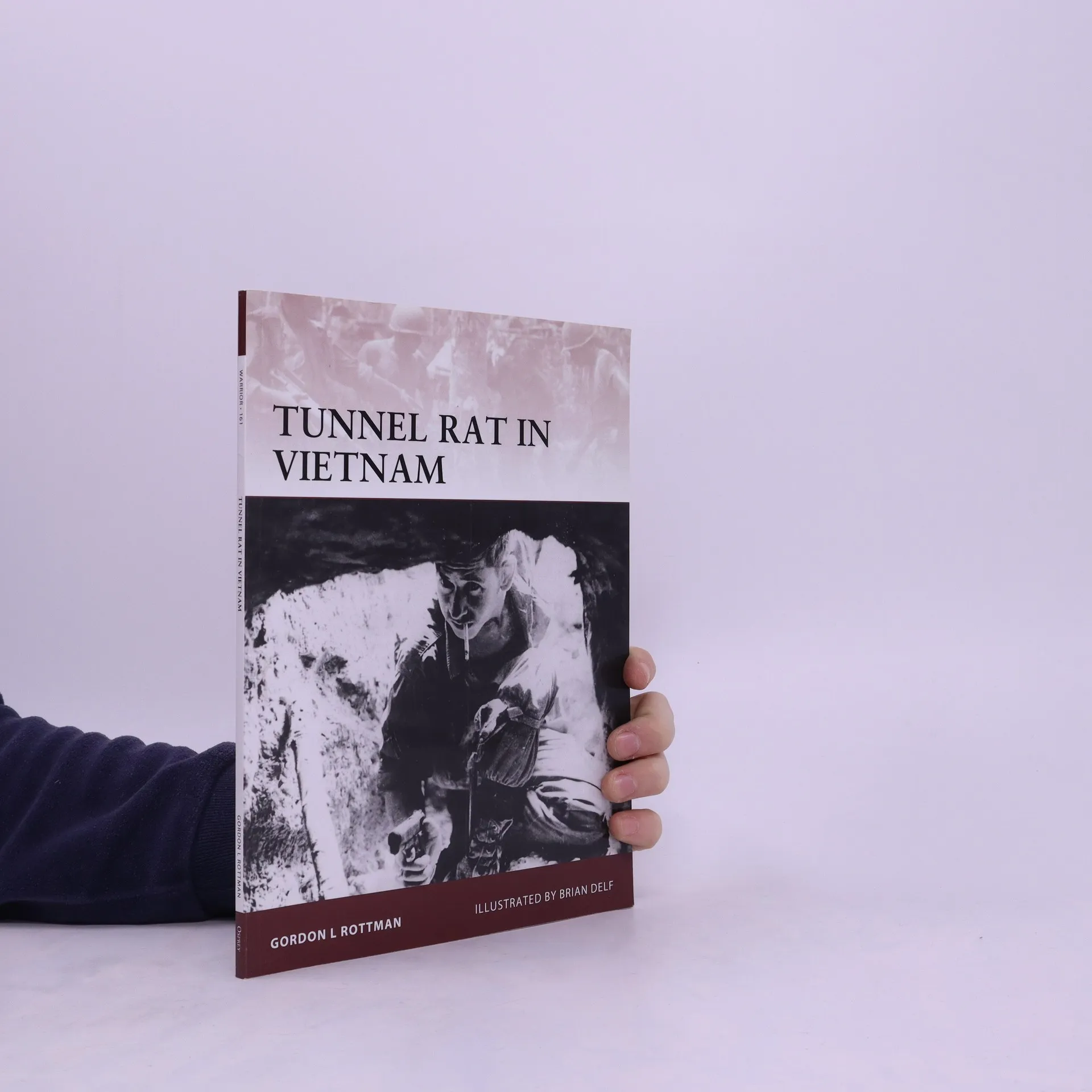
This title gives a detailed account of the development and deployment of the Tunnel Rats in the Vietnam War. The book highlights the special techniques and equipment developed for those who had to fight a claustrophobic and suffocating war underground
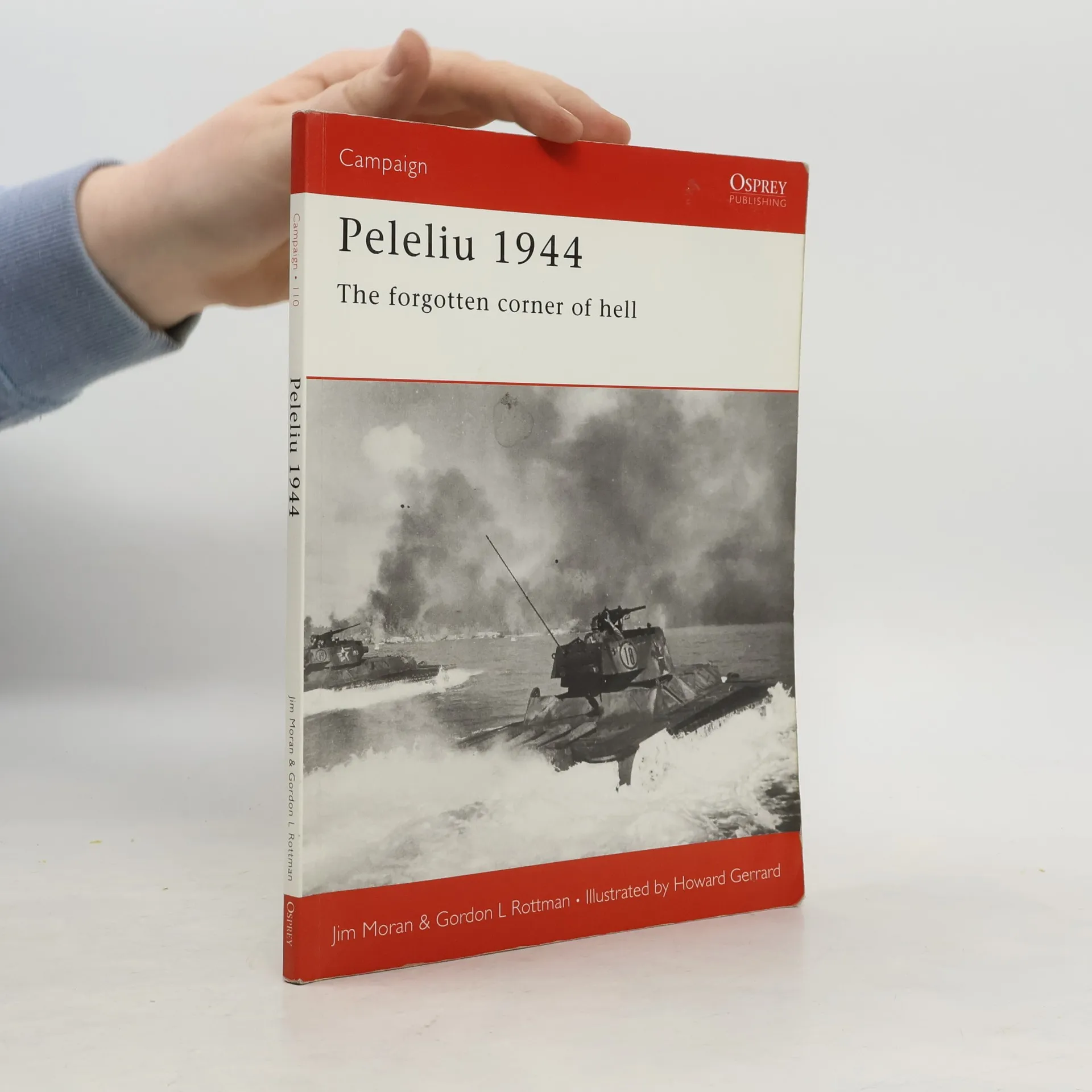
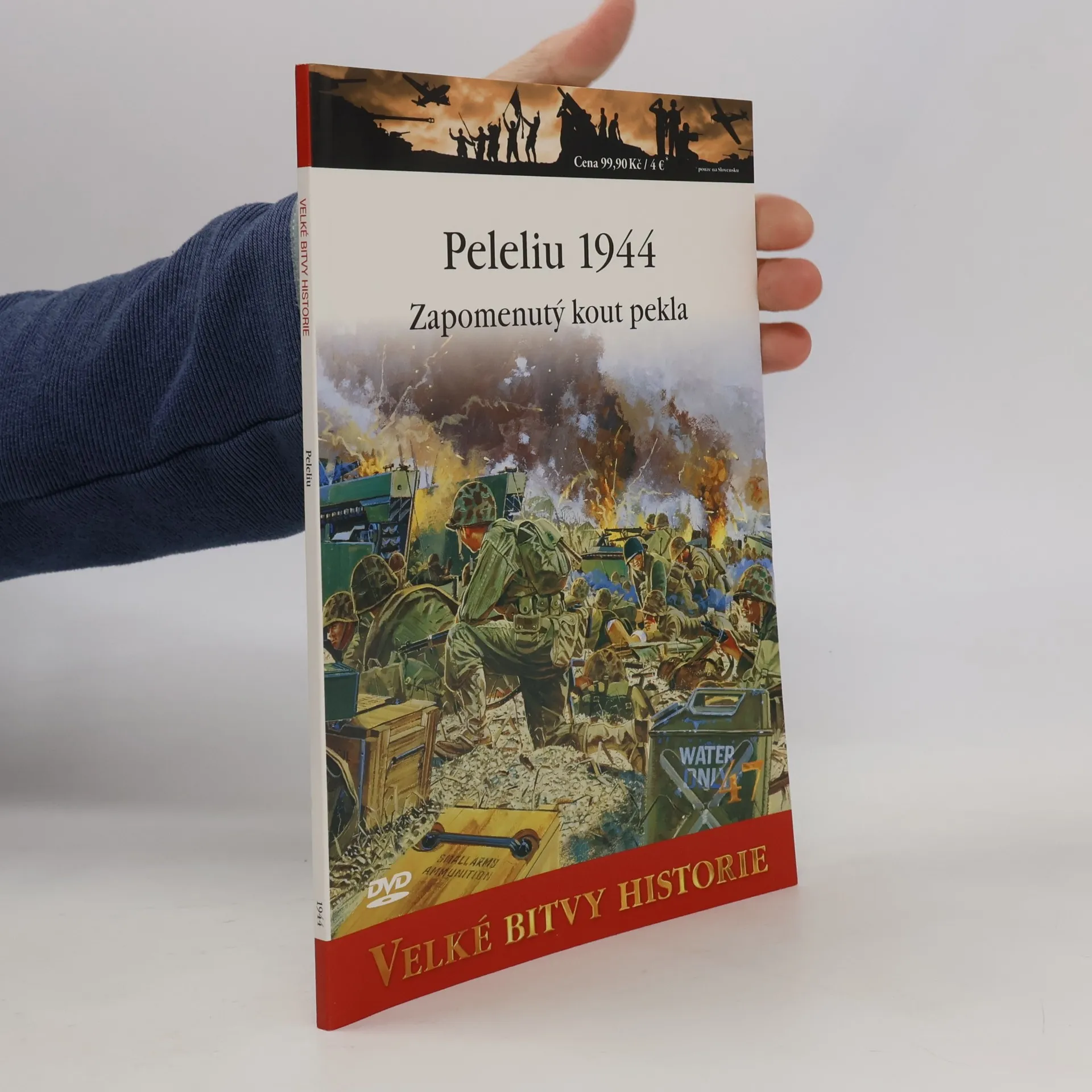
Osprey's examination of one of the bloodiest conflicts between the United States and Japan during World War II (1939-1945). Equalling Tarawa, Iwo Jima and Okinawa in scale and ferocity, the battle for Peleliu has long been regarded as the Pacific War's “forgotten battle”, and perhaps one that should never have been fought. A massive carrier-based attack some weeks before the invasion destroyed all aircraft and shipping in the area and virtually isolated the Japanese garrison. 1st Marine Division commander, General Rupertus, made extravagant claims that the capture of Peleliu would “only take three days – maybe two.” But the Japanese fought a bloody battle of attrition from prepared positions and in a struggle of unprecedented savagery a whole Marine Division was bled white.
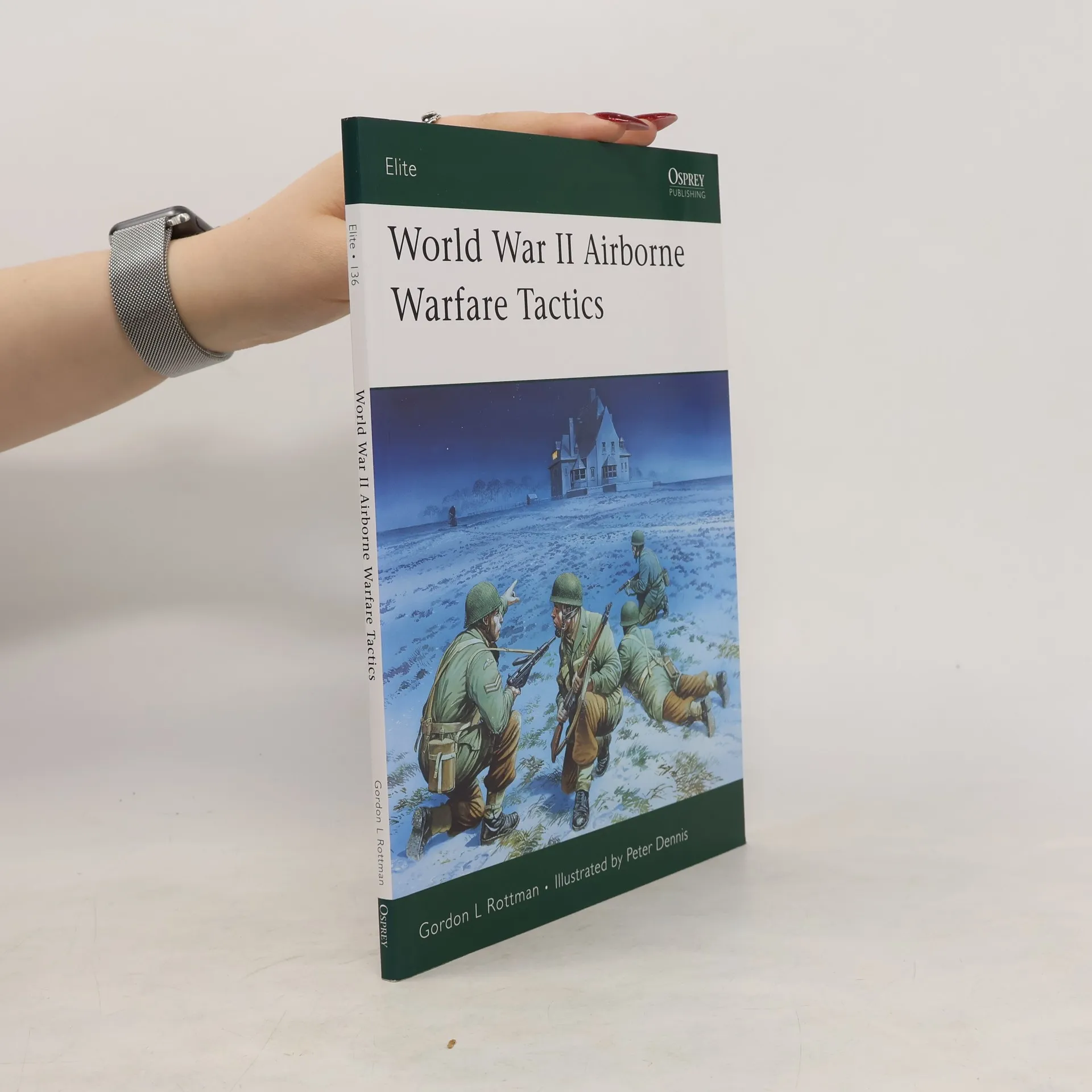
Osprey's study of air battle tactics of World War II (1939-1945). The delivery of entire divisions to battlefields behind enemy lines by parachute and glider played a significant part in the European campaigns of World War II. Despite notable successes, the costs and difficulties of this wholly new form of warfare have prevented airborne operations on a comparable scale since 1945. This book - by an airborne veteran of a later generation - explains in detail their advantages and drawbacks, developing techniques and equipment, with reference to specific German, US, British, Soviet and Japanese operations. The text is illustrated with period photographs, colour artwork and operation maps.
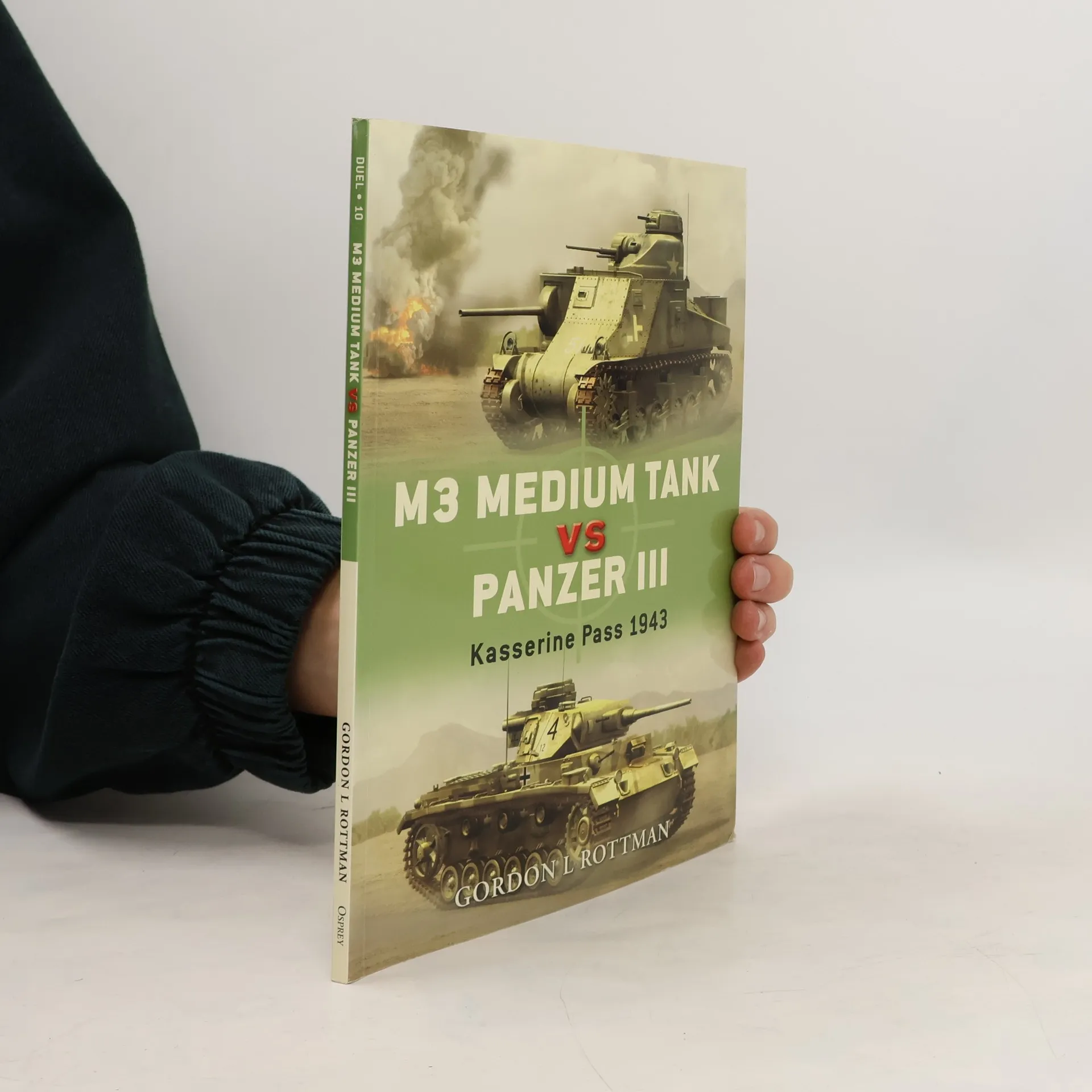
This is the account of the machines of war pitted against each other and the combatants who operated them. Step onto the battlefield and immerse yourself in the experience of real historic combat
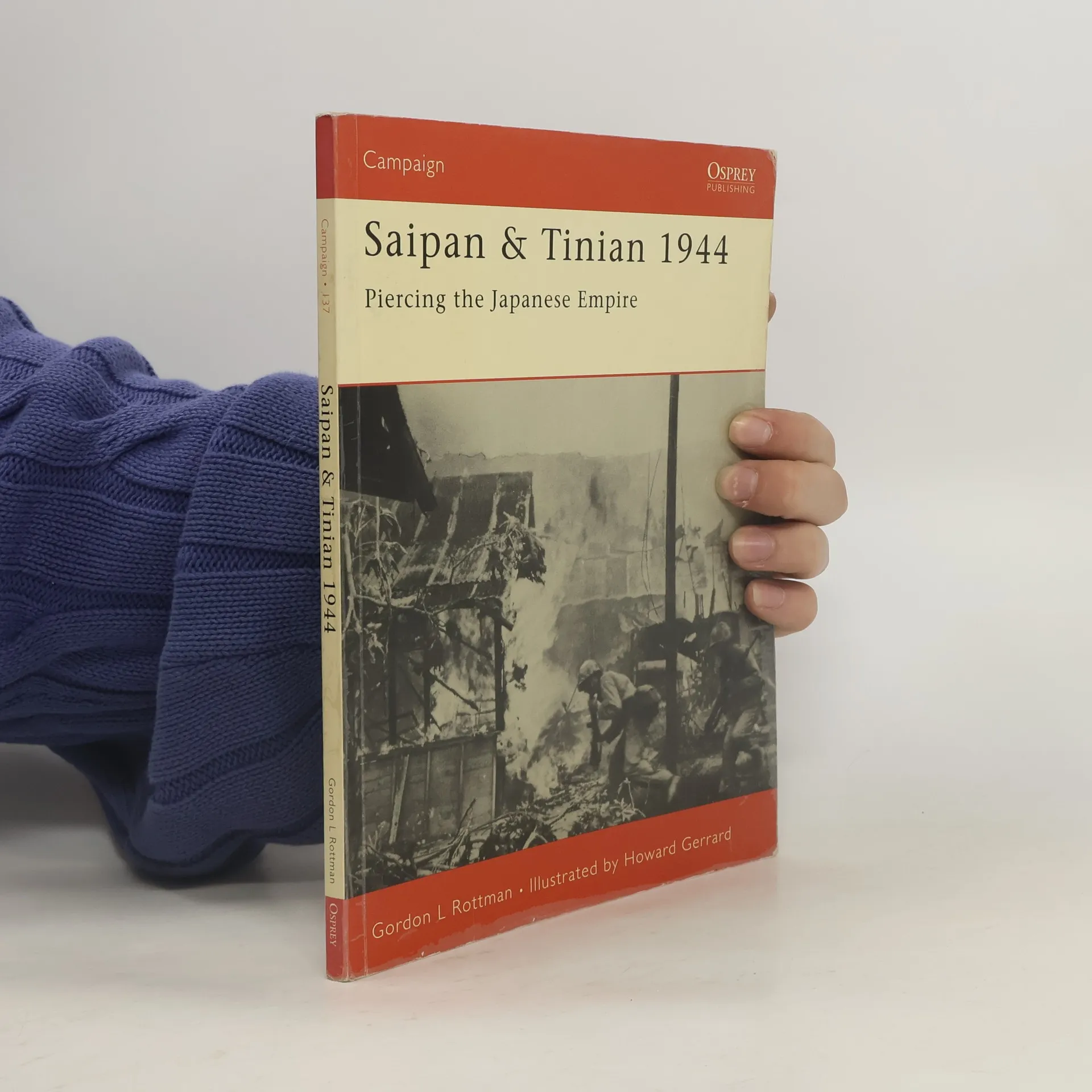
The 1944 invasion of Saipan was the first two-division amphibious assault conducted by US forces in World War II (1939-1945). Saipan and Tinian had been under Japanese control since 1914 and, heavily colonized, they were considered virtually part of the Empire. The struggle for Saipan and Tinian was characterized by the same bitter fighting that typified the entire Central Pacific campaign. Fighting side-by-side, Army and Marine units witnessed the largest tank battle of the Pacific War, massed Japanese banzai charges, and the horror of hundreds of Japanese civilians committing suicide to avoid capture. In this book Gordon Rottman details the capture of these vital islands that led to the collapse of Prime Minister Tojo's government.
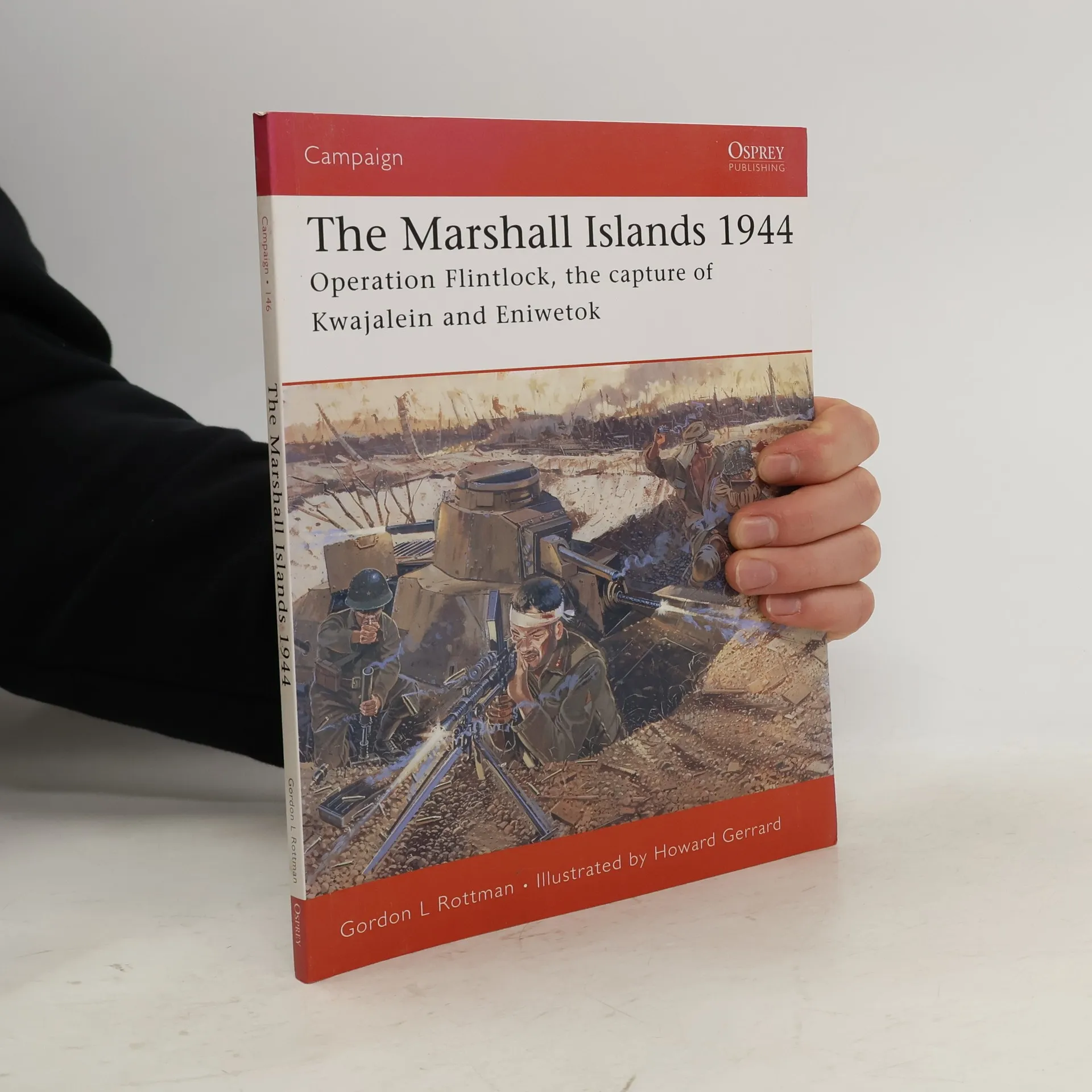
Operation Flintlock, The Capture Of Kwajalein And Eniwetok
96 Seiten
4 Lesestunden
Following the capture of Tarawa in November 1943 during World War II (1939-1945), American eyes turned to the Marshall Islands. These were the next vital stepping-stone across the Pacific towards Japan, and would bring the islands of Guam and Saipan within the reach of US forces. In their first amphibious attack, the new 4th Marine Division landed on Roi and Namur islands on 1 February 1944, while US 7th Division landed on Kwajalein. At the time this was the longest shore-to-shore amphibious assault in history. The lessons of the bloody fighting on Tarawa had been well learned and the successful attack on the Marshalls set the pattern for future amphibious operations in the Pacific War.
Bohatě ilustrovaná kniha z nové edice Zbraně nakladatelství Osprey detailně popisuje historii vývoje legendárního kulometu, který přes veškeré snahy konstruktérů o lepší zbraň zůstává více než 80 let jednou z nejdokonalejších zbraní na světě. Autor podrobně líčí fáze jeho vývoje, hodnocení, postupné vylepšování základní konstrukce, varianty i způsoby nasazení v boji během různých konfliktů. Po svém zavedení do služby v roce 1933 sloužil napříč světem v nepřeberném množství rolí. Byl používán jako zbraň pěchotní, protiletadlová i letecká, byl lafetován na mnoha vozidlech, tanky počínaje a vznášedly konče. Žádná jiná zbraň se dosud nevyrovnala kombinaci jeho palebné síly a spolehlivosti, a je proto velmi pravděpodobné, že bude sloužit ještě hluboko do 21. století. Výborné čtení pro všechny milovníky palných zbraní.
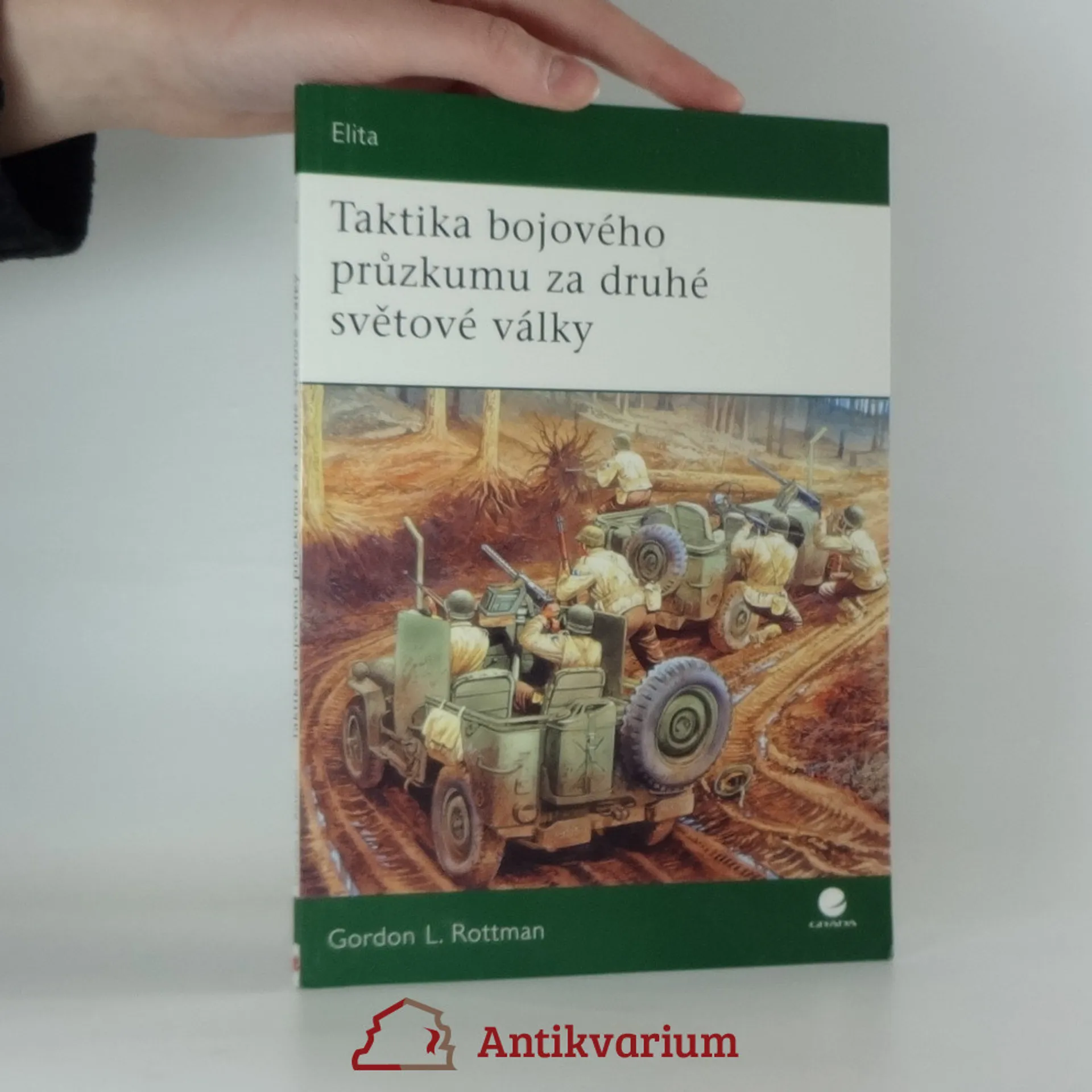
Čtenáři se v této knížce podrobně seznámí s taktikou a způsobem provádění bojového průzkumu v armádách největších válčících států, USA, Velké Británie, Sovětského svazu, Německa a Japonska. Autor popisuje vybavení, výzbroj a organizaci jejich průzkumných jednotek, a to nejen naúrovni divize, ale pozornost věnuje také malým hlídkám běžných pěších jednotek, které byly vysílány vpřed, aby propátraly terén, nalezly nepřítele a pronikly do jeho linií. Objasněny jsou úkoly hlídek, cíle a prostředky průzkumu, používání map a fotografií, speciální výbavy, jako byly buzoly a dalekohledy, způsoby pohybu hlídek, typy a hodnocení výhod a nevýhod používaných dopravních prostředků, typy maskování, spojovací technika atd. Fakty nabitá kniha obsahuje řadu dobových fotografií a barevné přílohy zachycující taktické situace.
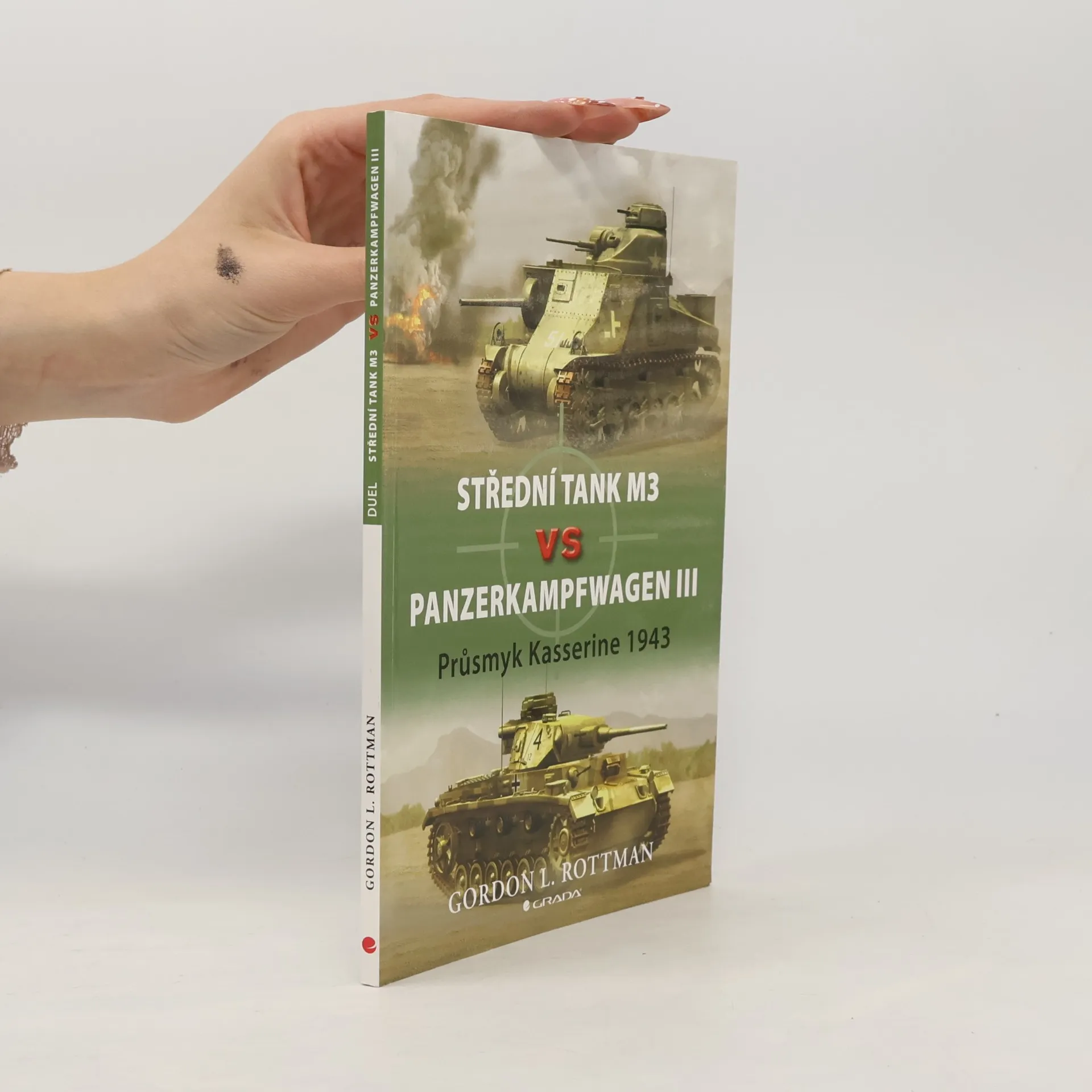
Ve výborně napsané knížce se autor pokouší zodpovědět otázku, kdo byl lepší v duelu mezi "tažným koněm" německých tankových divizí, známým pod označením PzKpfw. III, a nekonvenčním americkým středním tankem M3, který se odehrál v nesmírně obtížném terénu na severu Afriky. V duelu, v němž na jedné straně stáli nezkušení "američtí zelenáči", neznající dosud zásady vedení války v poušti, na straně druhé němečtí veteráni s bohatými zkušenostmi, avšak doslova ohromení kvalitou zbraní a množstvím americké bojové techniky i logistického zabezpečení. Po důkladném rozboru konstrukčního řešení a vývoje dvou vzájemně tak odlišných rivalů dochází k názoru, že odpověď není vůbec jednoduchá, a vysvětluje, proč...
Z anglického vydání „Duel 10: M3 Medium Tank vs Panzer III. Kasserine Pass 1943“ v Osprey Publishing Ltd. Midland House, West Way, Botley, Oxford 2008 přeložil PhDr. Vladimír Pilát.
První vydání.
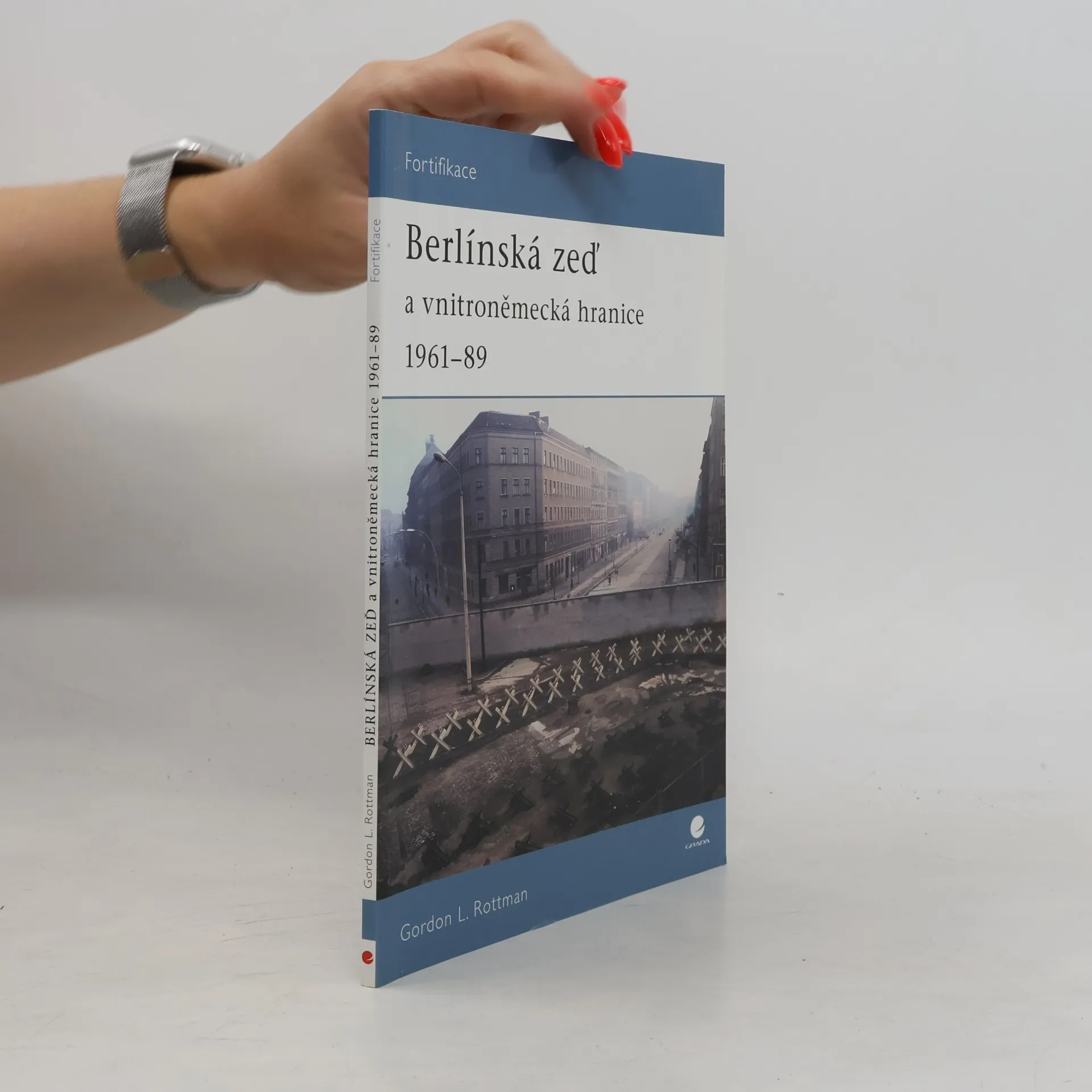
Čtenáři, kteří na vlastní oči neviděli Berlínskou zeď, budou při četbě této knížky jistě nevěřícně kroutit hlavou, a ti, kdo ji zažili, se dozví určitě množství zajímavých detailů, o nichž neměli tušení. Tento snad nejznámější symbol studené války či železné opony společně s vnitroněmeckou hranicí, která oddělovala NDR a SRN, byl nejpřísněji střeženou hranicí na světě. Po celých 40 let zůstal ohniskem napětí mezi Západem a Východem, stál obrovské finanční prostředky a bohužel velký počet zmařených životů při pokusech obyvatel východního Německa o útěk na Západ. Autor podrobně analyzuje důvody a průběh rozdělení Německa, důsledky pro obyvatele obou stran, typy hraničních překážek a zátarasů, promyšlený systém střežení a udržování hranice i vynalézavé metody těch východních Němců, co hranici překonali. Text doplňují dokumentární snímky, nákresy a tabulky.
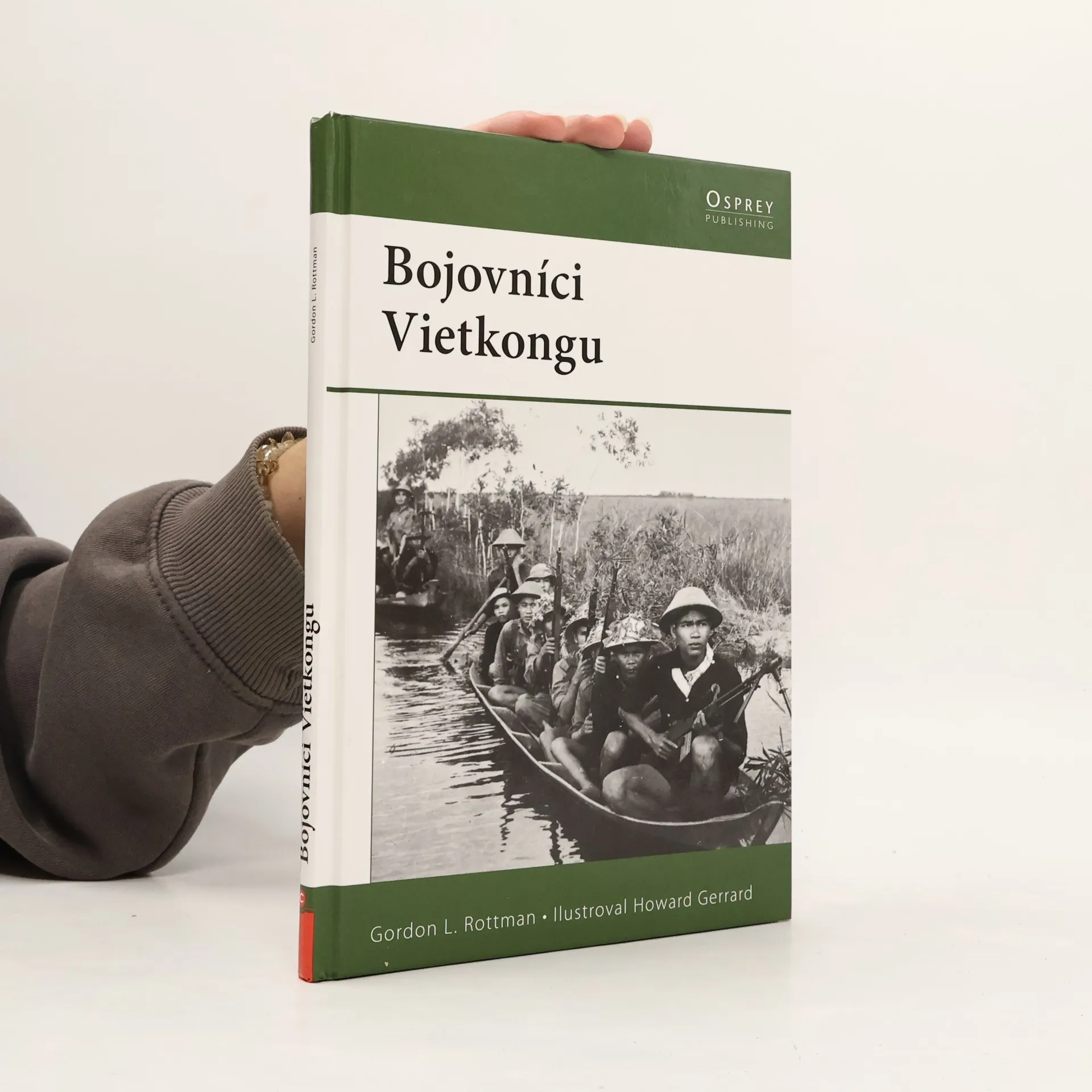
Ve stínu ukrytý nepřítel, takový byl Vietkong – zbrojené křídlo Národní fronty osvobození, komunistické strany Vietnamské republiky. Často spolupracoval s jednotkami Severovietnamské armády a po celou válku představoval na bojištích obklopených rýžovými poli významný faktor. Přestože tito vojáci bojovali proti nepříteli, který je převyšoval palebnou silou svých zbraní a dostupnými prostředky, dokázali pro vedení války úspěšně využívat své znalosti místního prostředí a dostupných zdrojů. Gordon Rottman využil vzácných fotografií a ilustrací k tomu, aby vykreslil podmanivý portrét těchto odhodlaných gerilových bojovníků. Podrobně popisuje jejich výcvik, ojedinělou motivaci, rozsáhlou politickou a psychologickou indoktrinaci, i surovou realitu vlastního boje.
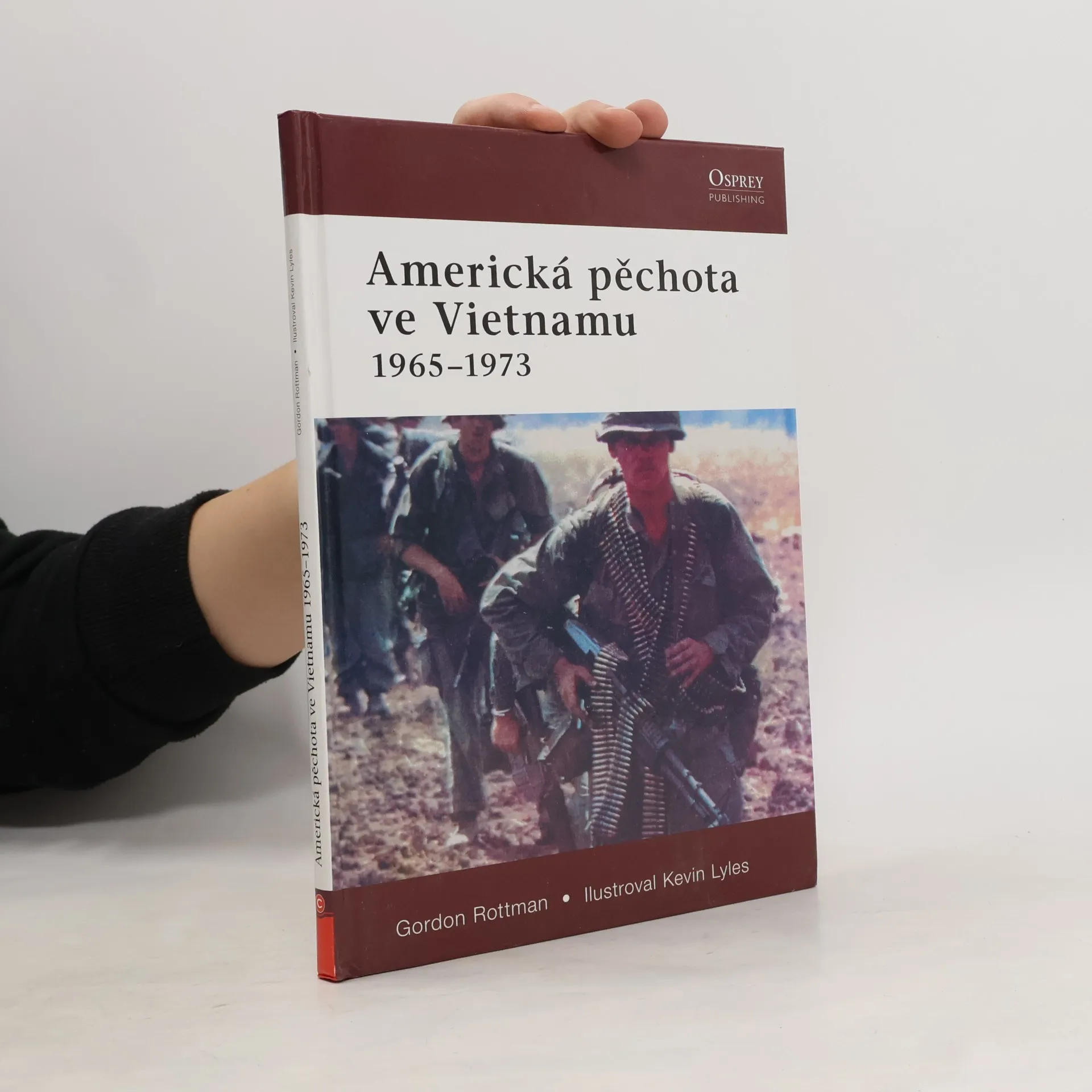
Publikace z dílny předního světového nakladatelství zaměřeného na vojensko-historickou literaturu Osprey přibližuje těžké a zdlouhavé boje amerických jednotek ve vietnamské džungli v 60. a 70. letech, a to především z pohledu řadového vojáka. Seznamuje čtenáře jak s výcvikem a výzbrojí těchto jednotek, tak i se zkušenostmi z vlastních bojů. Kniha obsahuje velké množství dobových fotografií, detailní ilustrace.
Lítý boj na odlehlých ostrovech vyžadoval nové formy válčení a získávání podrobných zpravodajských informací. V důsledku toho byly zformovány nové výzvědné, úderné a průzkumné oddíly – předchůdci dnešních special forces. Ačkoli se tyto jednotky odlišovaly svým složením a velikostí, všechny významně přispěly k válečnému úsilí. Tato kniha zkoumá širokou škálu speciálních jednotek v Tichomoří, včetně Aljašských a Alamských zvědů, Průzkumného praporu 5217/1, Obojživelných a úderných jednotek námořní pěchoty, Obojživelných zvědů a 6. praporu rangerů. Seznámí vás podrobně s velením, výcvikem a vybavením amerických speciálních jednotek, stejně jako s jejich organizací.
W kwietniu 1862 roku rozegrał się bodaj największy pościg kolejowy w historii.
Unioniści postanowili ukraść na Południu pociąg i doprowadzić go jak
najszybciej do Chattanoogi w Tennessee, niszcząc za sobą tory kolejowe, by
odciąć dostawy zaopatrzenia dla konfederatów w Atlancie (około 150 km dalej na
południowy zachód). Nie przewidzieli determinacji i zawziętości jednego
człowieka – konduktora Williama Fullera. Odkrywszy, że jego pociąg „Generał”
skradziono, Fuller rozpoczął szaleńczy pościg, najpierw drezyną, potem
lokomotywą. W miejscach, gdzie linia została uszkodzona, biegł do następnej
stacji i sam usuwał przeszkody leżące na torach. Ta nieustępliwość sprawiła,
że uciekający nie mieli czasu, by wyrządzić poważniejsze zniszczenia i
uzupełnić zapas opału. Nieco na północ od Ringgold, kilka kilometrów na
południe od Chattanoogi, zabrakło im drewna, porzucili więc „Generała” i
rozpierzchli się po lasach w Appalachach. Wszystkich w ciągu kilku dni ujęto i
skazano na śmierć. Oto opowieść o jednym z najbarwniejszych i
najdramatyczniejszych wydarzeń w czasie wojny secesyjnej.
Přepad tábora v Cabanatuanu vešel do análů americké vojenské historie jako jedna z nejdokonaleji a nejlépe provedených operací, uskutečněných speciálními jednotkami. Dne 27. ledna 1945 zahájil 6. prapor rangerů a zvláštní průzkumný oddíl 6. americké armády, alamští skauti, jednu z nejnebezpečnějších přepadových akcí II. světové války, jejímž cílem bylo zachránit na 500 amerických, britských a nizozemských válečných zajatců vězněných za úděsných podmínek v táboře nedaleko filipínského města Cabanatuan. Na stránkách knihy znovu prožijeme dramatický příběh osvobozovacího boje v drsném terénu džungle padesát kilometrů za nepřátelskými liniemi proti mnohem větším japonským silám a poznáme všechny důležité aktéry, kteří jsou tu zachyceni díky válečným filmařům, kteří pohotově zachytili klíčové momenty.
Kniha přináší čtenářům detailní pohled na nový způsob boje, který byl za 2. světové války zaveden do taktiky všech armád. Na příkladech z německé, britské, americké, sovětské i japonské armády ukazuje autor postupnou reorganizaci vzdušných sil, a podrobně popisuje plány operací, přípravu, výzbroj i vlastní boj. Bohatě ilustrovaná kniha je doplněna o schémata známých výsadkových operací.
Boje o atol Peleliu jsou co do rozsahu, nasazení a krutosti bojů srovnatelné s Tarawou, Iwodžimou i Okinawou, přesto byla tato bitva dlouhá léta považována za "zapomenutou kapitolu" války v Tichomoří. Mnozí odborníci se domnívají, že tato bitva vůbec nemusela být svedena. Několik týdnů před vlastním vyloděním totiž Američané provedli hromadný útok letouny z letadlových lodí, jenž zničil veškeré japonské letecké síly i loďstvo v této oblasti a japonskou posádku ostrova tak naprosto izoloval. Generálmajor William H. Rupertus, tehdejší velitel 1. divize USMC, ovšem nabubřele prohlašoval, že ůdobytí atolu zabere pouhé tři dny, možná jen dva". Japonci však měli předem připravená velmi silná stanoviště odporu a svedli krvavé opotřebovácí boje, v nichž během neuvěřitelně divokých a drsných střetů vykrvácela prakticky celá 1. divize námořní pěchoty USA.