Jacqueline Rose ist eine britische Akademikerin, die für ihre wegweisende Arbeit an den Schnittstellen von Psychoanalyse, Feminismus und Literatur bekannt ist. Ihre kritische Perspektive untersucht oft kanonische Werke neu und bietet postmoderne feministische Interpretationen, die etablierte Lesarten in Frage stellen. Rose widmet sich der komplexen Beziehung zwischen Autorinnen, ihren Schöpfungen und dem kritischen Empfang, den sie erfahren. Ihre Arbeiten sind für präzise Analysen bekannt, die verborgene Machtdynamiken aufdecken und literarischen Texten neue Dimensionen verleihen.
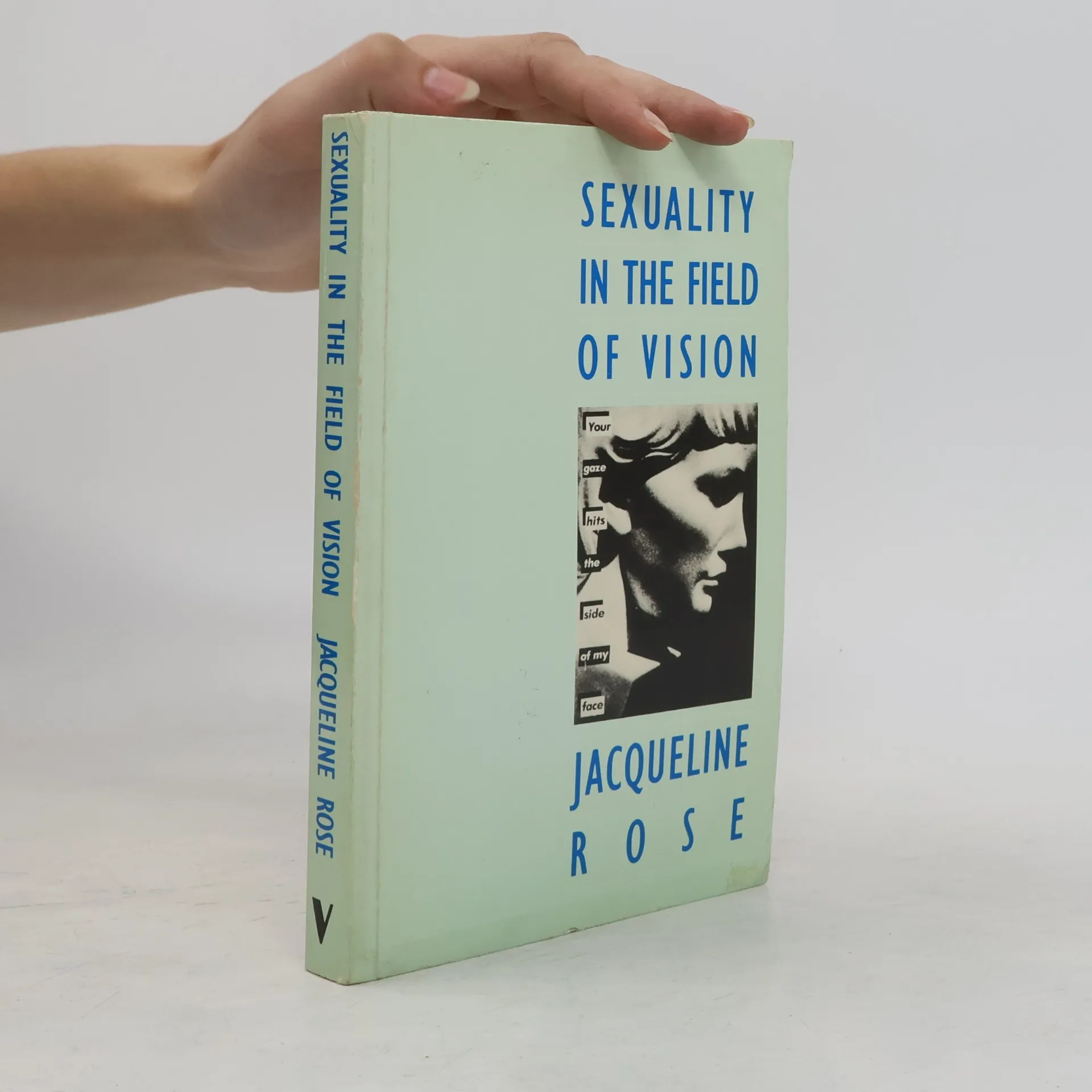
Einleitung, Die Psyche des Feminismus, Teil I: 1. Dora, Bruchstück einer Analyse, 2. Weibliche Sexualität, Jacques Lacan und die école freudienne, 3:. Das Unbehagen in der Weiblichkeit, 4. George Eliot und das Spektakel der Frau, 5. Hamlet, die 'Mona Lisa' der Literatur, 6. Julia Kristeva, die Zweite, Teil II: 7. Das Imaginäre, 8. Der cinematische Apparat, 9. Die Frau als Symptom, 10. Sexualität im Feld der Anschauung, Anmerkungen, Namensregister.
Offers an interpretation of Sylvia Plath's writing, claiming that previous
interpretations - both feminist and psychoanalytic - have been too polarized.
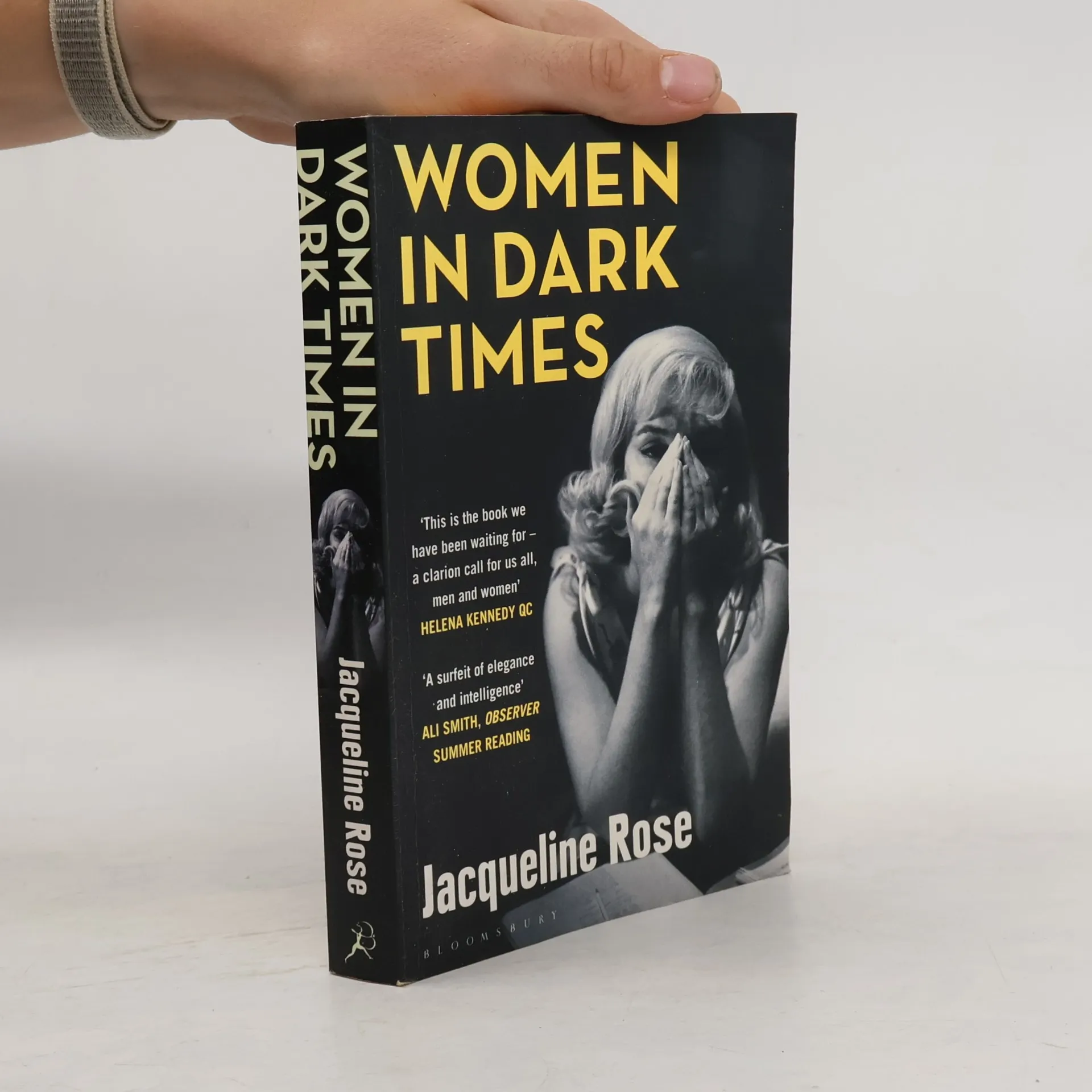
Jacqueline Rose's new book begins with three remarkable women: revolutionary socialist Rosa Luxemburg; German-Jewish painter Charlotte Salomon, persecuted by family tragedy and Nazism; film icon and consummate performer Marilyn Monroe. Together these women have a shared story to tell, as they blaze a trail across some of the most dramatic events of the last century - revolution, totalitarianism, the American dream. Enraged by injustice, they are each in touch with what is most painful about being human, bound together by their willingness to bring the unspeakable to light. Taking the argument into the present are today's women, courageous individuals involved in some of the cruellest realities of our times. Grappling with the reality of honour killing - notably through the stories of Shafilea Ahmed, Fadime Sahindal and Heshu Yones - Rose argues that the work of feminism is far from done. In the final three chapters, she celebrates the work of three brilliant contemporary artists - Esther Shalev-Gerz, Yael Bartana and Therese Oulton - whose work grows out of an unflinching engagement with all that is darkest in the modern world. Women in Dark Times shows us how these visionary women offer a new template for feminism. Taking their stand against the iniquities of our times, they tread a path between public and private pain, confronting us with what we need most urgently, but also often, cannot bear to see.
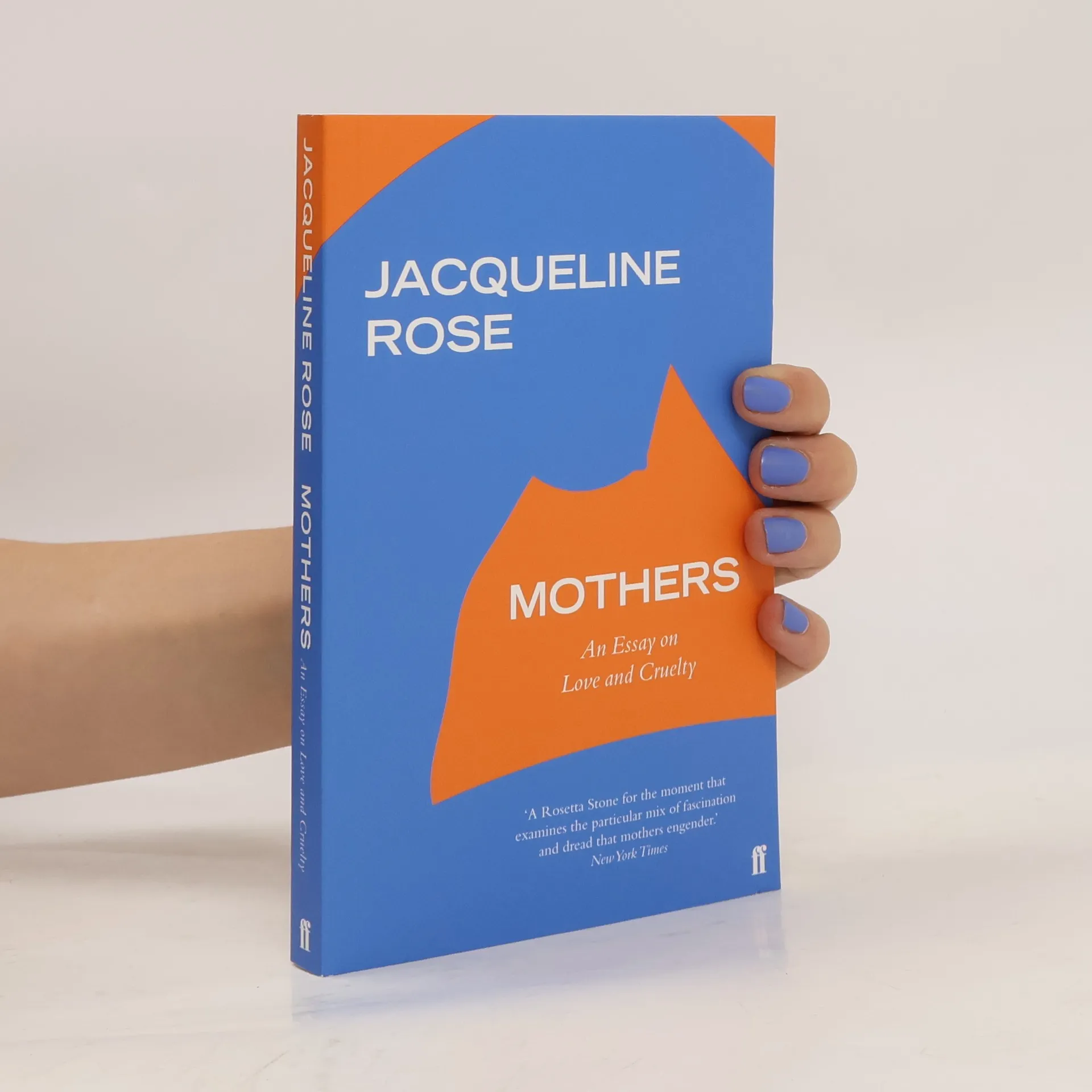
Moving commandingly between pop cultural references such as Roald Dahl's
'Matilda' to observations about motherhood in the ancient world, from and
thoughts about the stigmatization of single mothers in the UK, Mothers
delivers a groundbreaking report into something so prevalent we hardly notice.
The book delves into the impact of Reformation-era tensions on the dynamics between the monarchy, Parliament, and legal systems during the Restoration period. It examines how these historical conflicts shaped governance and authority, offering a unique perspective on the interplay of religion and politics in shaping modern British institutions.
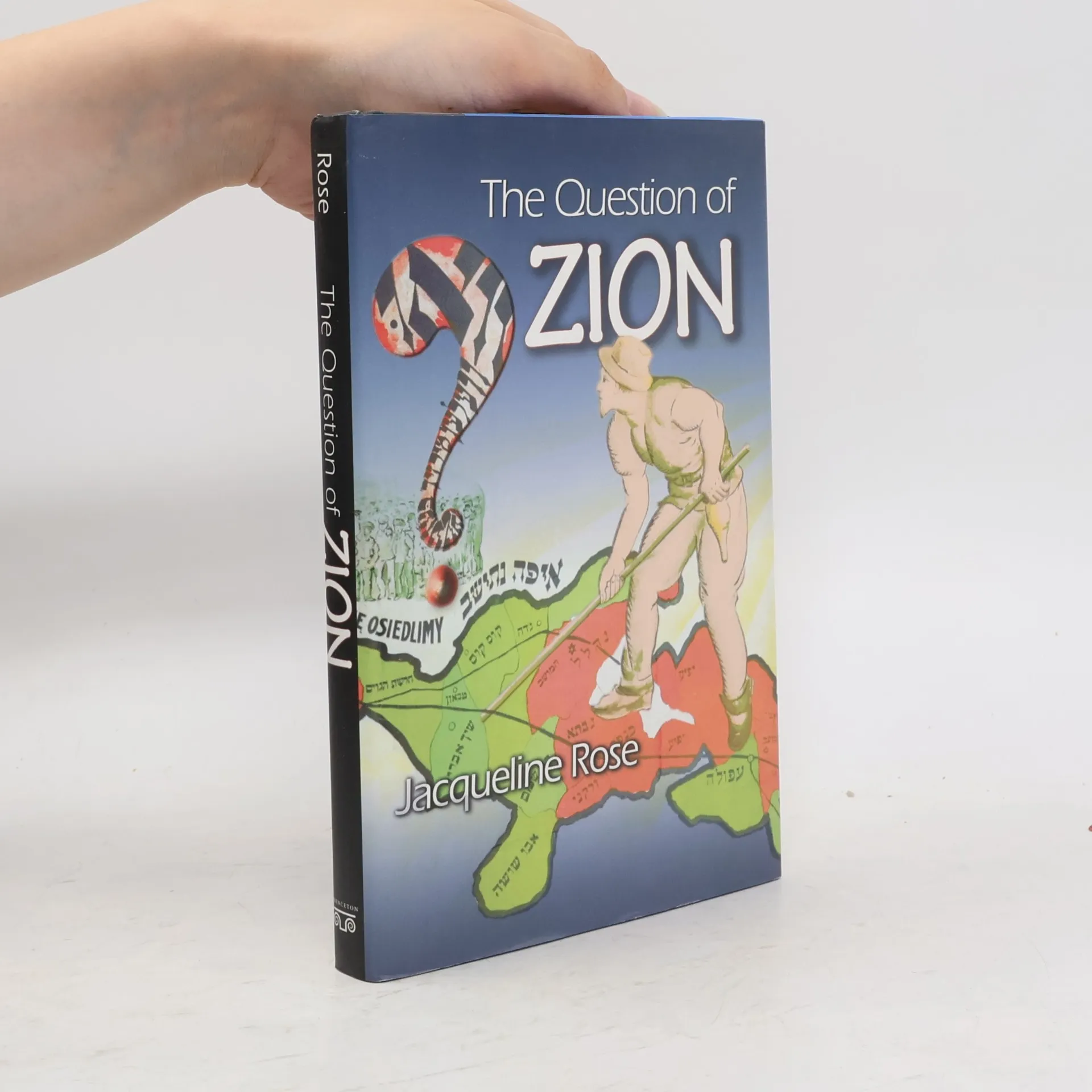
Zionism emerged as a movement seeking a homeland for the stateless and persecuted Jewish people, yet it simultaneously infringed upon the rights of Arabs in Palestine. This complex and controversial ideology, according to prominent British writer Jacqueline Rose, challenges rational public discourse. Utilizing her political and psychoanalytic expertise, Rose provides an unprecedented examination of Zionism, probing its formation as an identity and its seemingly immutable nature. She analyzes the messianic fervor that continues to shape Israel's self-image.
Rose also highlights the voices of dissidents who, believing themselves true Zionists, cautioned against the perils of statehood for the Jewish people. Their foresight regarding the legitimate claims of Palestinian Arabs is emphasized, suggesting that their insights are crucial for the Jewish state’s transformation today. In a provocative segment of her analysis, Rose reconsiders the connection between the Holocaust and the establishment of Israel, arguing that the early leaders' shame over their European history complicates the justification of current policies.
For those invested in the Israel-Palestine conflict, this timely work offers a distinctive perspective on Zionism as a significant psychic and historical force.