

Bookbot

Sally Cline

    Lifting the Taboo
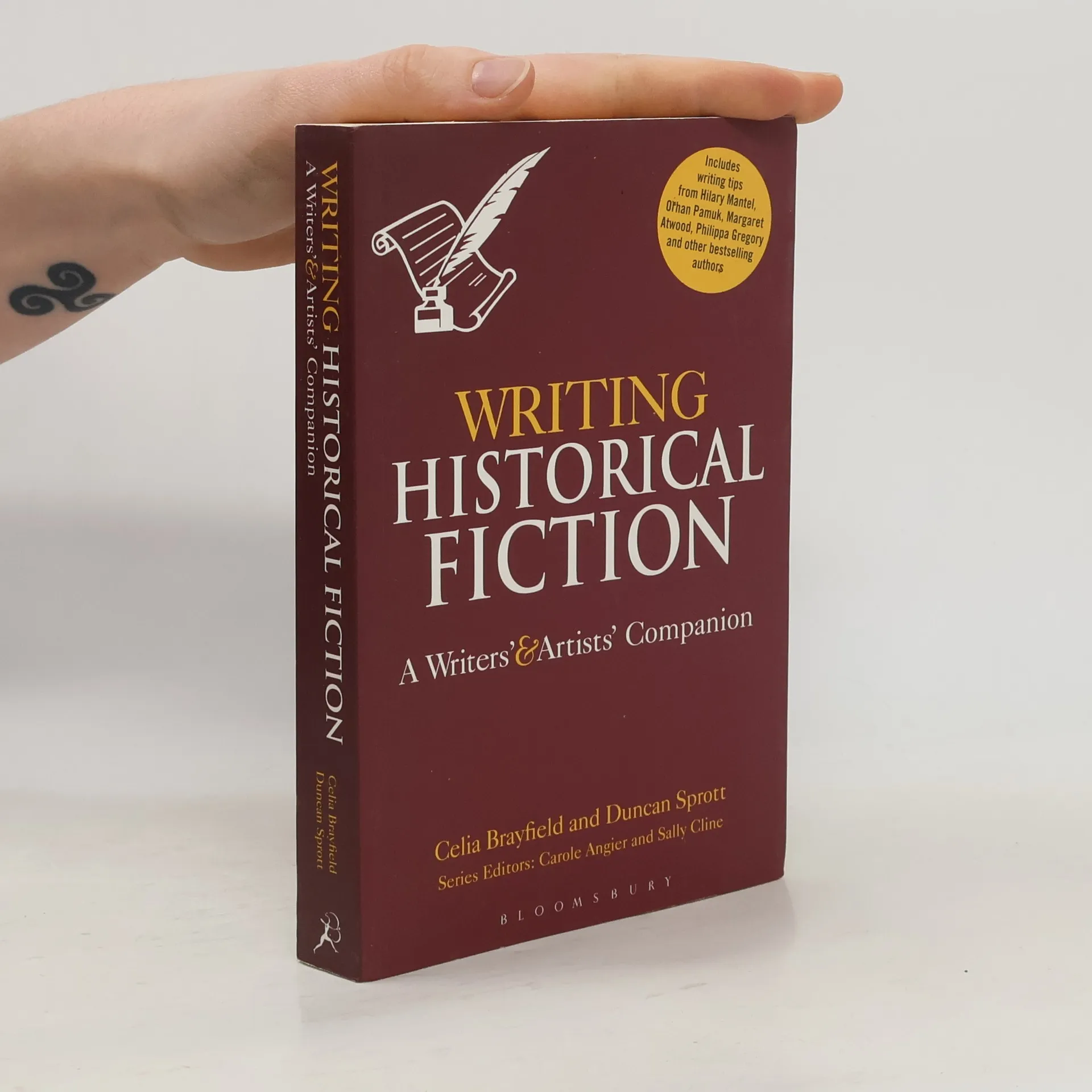
    Writers’ and Artists’ Companions: Writing Historical Fiction
    After Agatha
    Frauen sterben anders
    • From Agatha Christie and Patricia Highsmith to Val McDermid and JK Rowling, After Agatha is an indispensable guide to women's crime writing over the last century and an exploration of why women read crime...

      After Agatha2022
      3,6
    • Writers’ and Artists’ Companions: Writing Historical Fiction

      A Writers' and Artists' Companion

      • 344 Seiten
      • 13 Lesestunden

      Writing Historical A Writers' & Artists' Companion is an invaluable companion for a writer working in this challenging and popular literary genre, whether your period is Ancient Rome or World War II.PART 1 includes reflections on the genre and provides a short history of historical fiction.PART 2 contains guest contributions from Margaret Atwood, Ian Beck, Madison Smartt Bell, Ronan Bennett, Vanora Bennett, Tracy Chevalier, Lindsay Clarke, Elizabeth Cook, Anne Doughty, Sarah Dunant, Michel Faber, Margaret George, Philippa Gregory, Katharine McMahon, Valerio Massimo Manfredi, Hilary Mantel, Alan Massie, Ian Mortimer, Kate Mosse, Charles Palliser, Orhan Pamuk, Edward Rutherfurd, Manda Scott, Adam Thorpe, Stella Tillyard, Rose Tremain, Alison Weir and Louisa Young.PART 3 offers practical exercises and advice on such topics as research, plots and characters, mastering authentic but accessible dialogue and navigating the world of agents and publishers.

      Writers’ and Artists’ Companions: Writing Historical Fiction2013
    • Lifting the Taboo

      Women, Death and Dying

      lluminated by a profound yet humorous vision, Lifting the Taboo explores the specific relationship women of many colors, cultures, ages, and sexual orientations have to their own deaths, their attitudes towards loss, and their disposition to their role as primary care-givers to the dying. Specifically, the book weighs the implications of breast cancer and examines in detail Alzheimer's Disease which, contrary to popular myth, can in several significant ways be perceived as a women's disease. Investigating mothers' responses to children's deaths, Sally Cline establishes that women's relationships to death are intricately connected to the experience of giving birth. They are, she argues, therefore psychologically and emotionally different from those of men. Cline goes on to examine women's roles and responses to AIDS and suicide, women's sexual relationships while dying, how society views widows as leftover lives, and women's radical work in hospices and death therapy, as well as their roles as female funeral directors.

      Lifting the Taboo1996