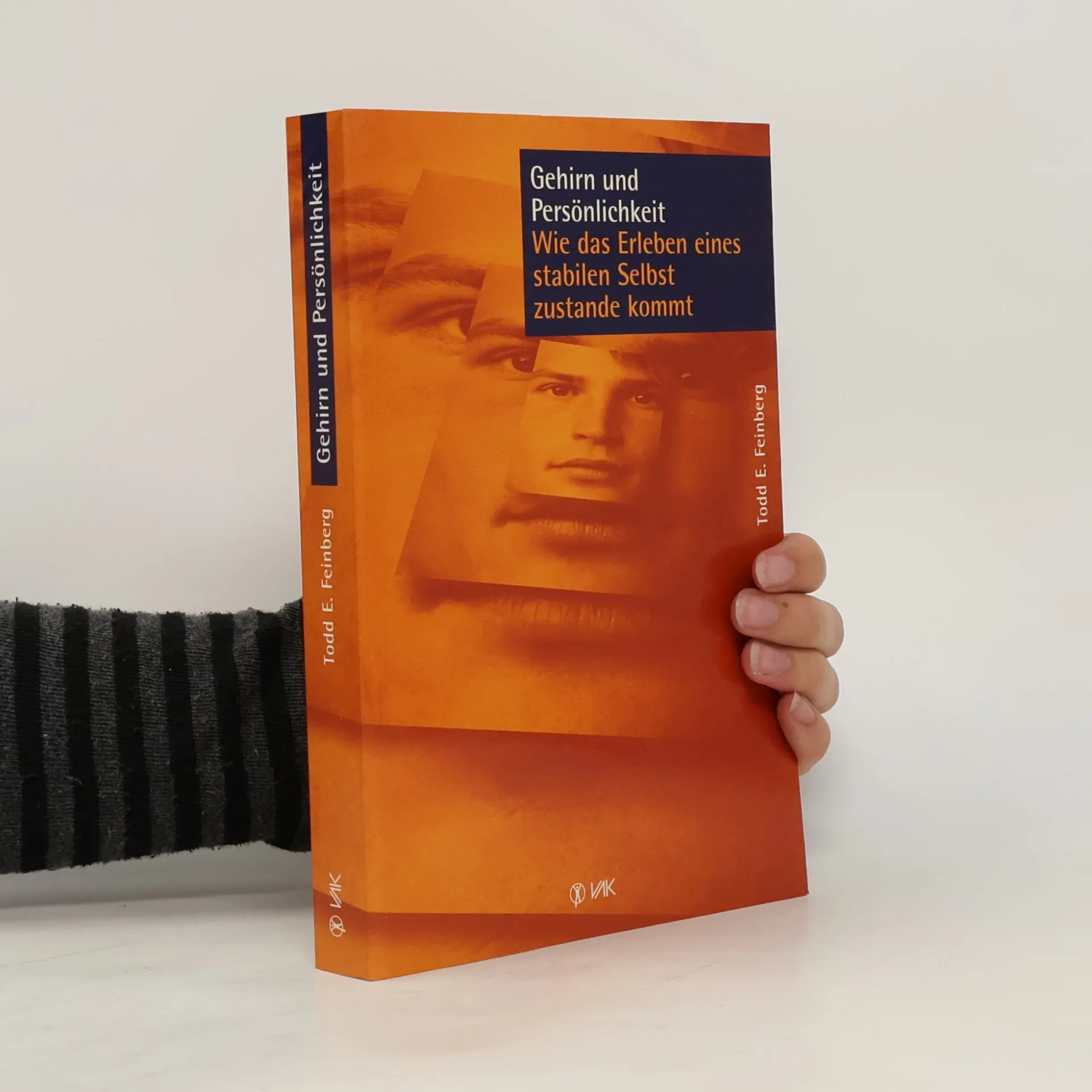
Wie das Erleben eines stabilen Selbst zustande kommt
283 Seiten
10 Lesestunden
Inhaltsübersicht: 1. Die Suche nach der Seele, 2. Das "Zerlegen" des Selbst, 3. Fehende Teile, vertraute Orte, 4. Persönliche Mythenbildung, 5. Von Spiegelbildern und Doppelgängern, 6. Alles zusammenhalten, 7. Reise ins Zentrum des Geistes, 8. Die verschachtelte Hierarchie des Selbst und des Geistes, 9. Sein und Gehirn, 10. Der lebendige Geist, Anhang.
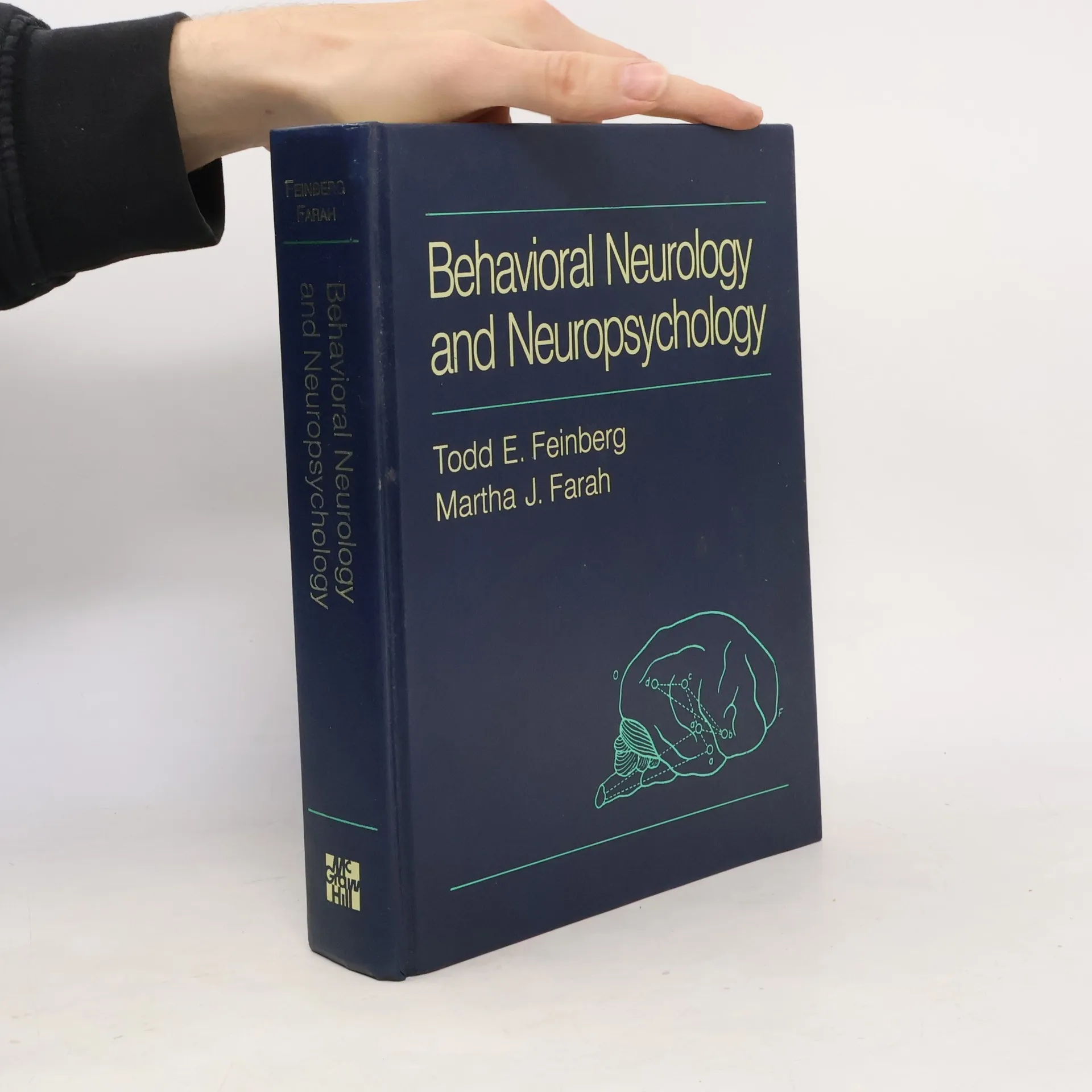
This comprehensive work reflects the state-of-the-art in both the clinical and theoretical aspects of brain-behaviour studies, with an emphasis on the clinical. It features coverage of disorders of: perception; attention and awareness; frontal, collosal and subcortical syndromes; delirium and dementia; emotional disorders; and neurobehavioural disorders in children.
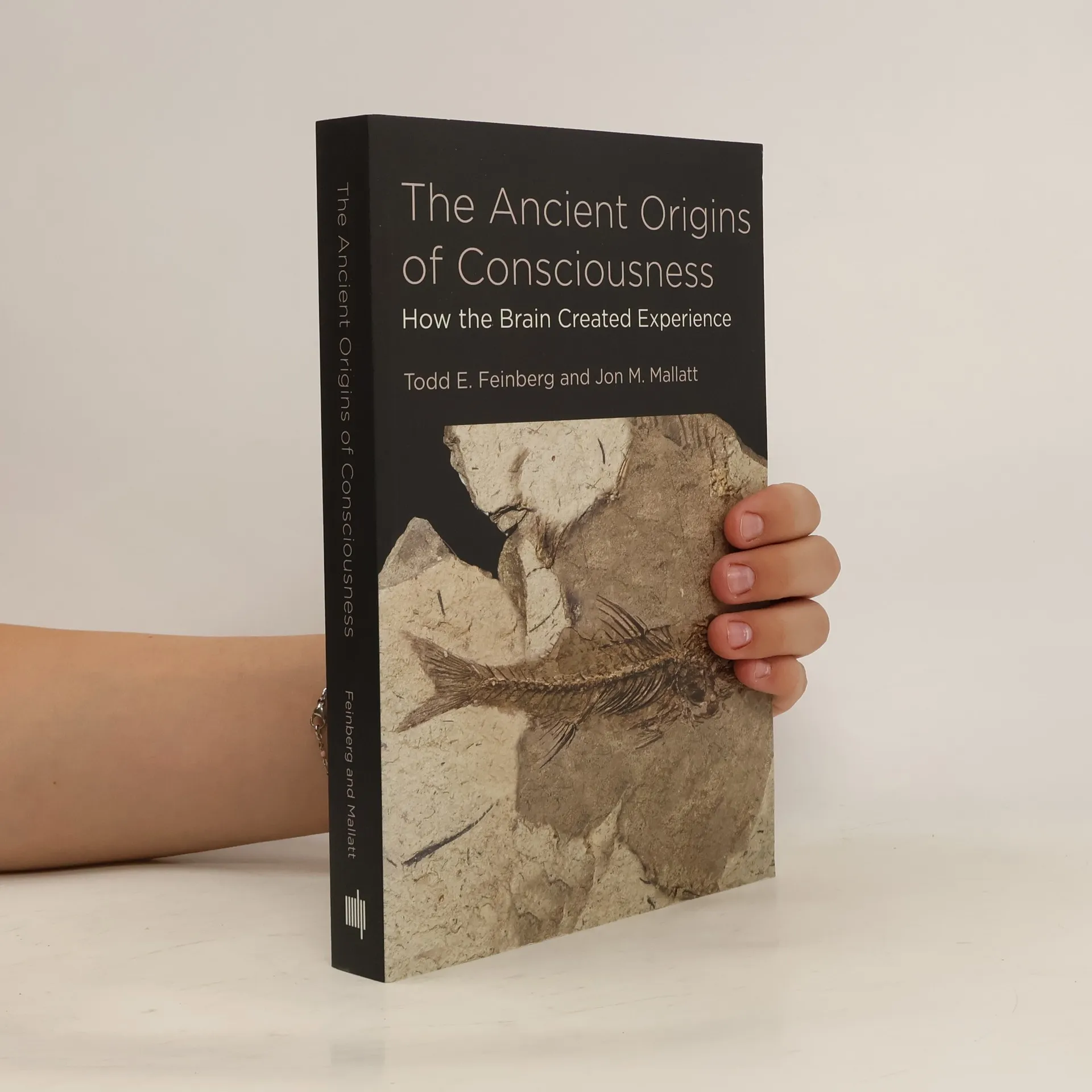
How is consciousness created? When did it first appear on Earth, and how did
it evolve? What constitutes consciousness, and which animals can be said to be
sentient? In this book, Todd Feinberg and Jon Mallatt draw on recent
scientific findings to answer these questions - and to tackle the most
fundamental question about the nature of consciousness: how does the material
brain create subjective experience?
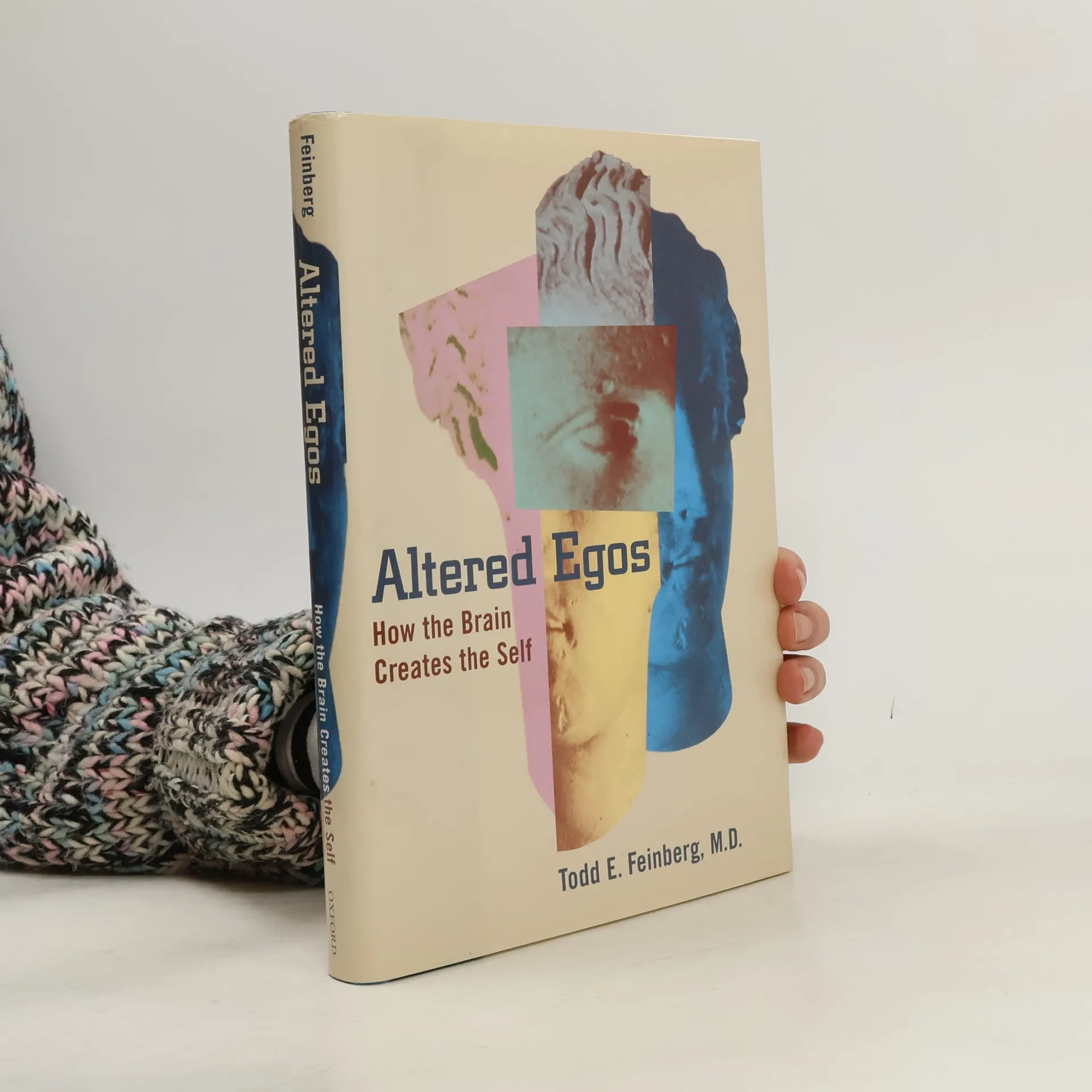
It may be the deepest mystery of philosophy, psychology, and neuroscience: how does the brain unite to create the self, the subjective "I"? Dr. Todd Feinberg presents a new theory of the self, drawing on his experiences as both a psychiatrist and neurologist. He introduces readers to intriguing cases of patients with disorders leading to what he calls "altered egos," where brain changes transform the boundaries of the self. These include patients with "alien hand syndrome," those with frontal lobe damage who fabricate elaborate life stories, and paralyzed individuals who disown a limb. Feinberg argues that their brain damage has fragmented their sense of self beyond mere functional impairment. Through these cases, he provides insight into the self and mind, presenting a model that connects brain function with personal aspects of the mind, such as meaning and purpose. He explains how the unified self emerges not from a specific brain region but from the complexity of the brain's components. Lucid and filled with fascinating case studies, this work promises to transform our understanding of human consciousness and identity.