Gratisversand in ganz Deutschland!
Bookbot

Richard Deming

    Richard Deming war ein produktiver Kriminalschriftsteller, dessen Werk von Pulp-Magazinen der späten 1940er Jahre bis zu den frühen 1980er Jahren reichte. Er ist vor allem als bedeutender Beitragender für Manhunt und Alfred Hitchcock’s Mystery Magazine bekannt. Sein Schreiben zeichnete sich durch solide und zuverlässige Handwerkskunst aus und bot den Lesern spannende Kriminalfiktion. Später in seiner Karriere verfasste er auch populäre Sachbuchbände.


    Das schwarze Monokel. Der Schuß kam zu schnell. Auf schiefer Bahn
    Der letzte Myrtenkranz
    Auf ihn fiel kein Verdacht
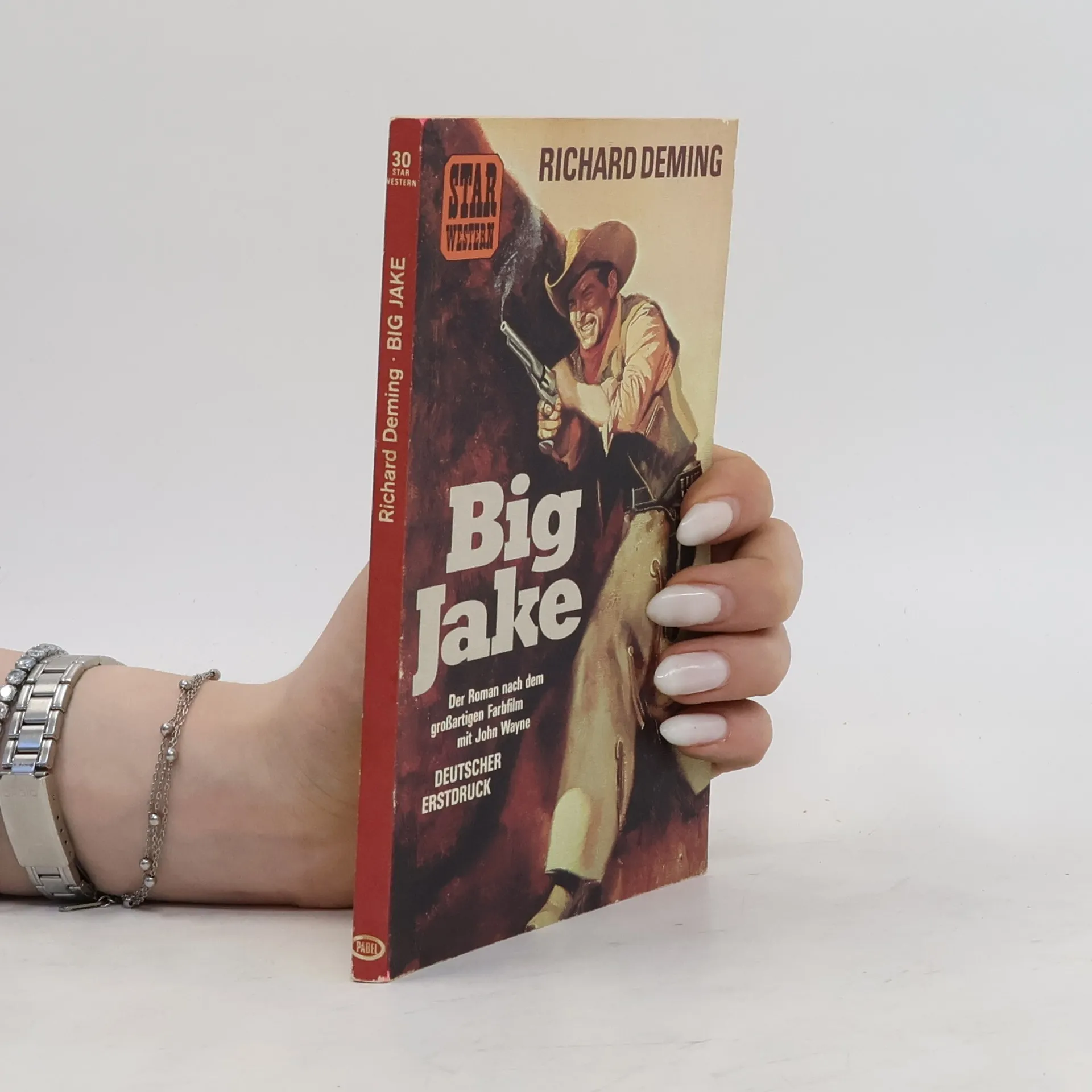
    Big Jake
    Der Fall des Verbrecher königs
    Schlag auf Schlag
    • Touch of Evil

      • 104 Seiten
      • 4 Lesestunden
      4,2(31)Abgeben

      Orson Welles' classic 1958 noir movie Touch of Evil, the story of a corrupt police chief in a small town on the Mexican-American border, starring Charlton Heston, Janet Leigh and Marlene Dietrich, is widely recognised as one of the greatest noir films of Classical Hollywood cinema. Richard Deming's study of the film considers it as an outstanding example of the noir genre and explores its complex relationship to its source novel, Badge of Evil by Whit Masterson. He traces the film's production history, and provides an insightful close analysis of its key scenes, including its famous opening sequence, a single take in which the camera follows a booby-trapped car on its journey through city streets and across the border.

      Touch of Evil
    • Manhunt, June 1953

      • 150 Seiten
      • 6 Lesestunden

      This replica of the June 1953 MANHUNT digest magazine showcases a collection of thrilling stories from notable authors in the crime and mystery genre. Featuring works like "Far Cry" by Henry Kane and "Hot-Rock Rumble" by Richard S. Prather, it presents a diverse array of gripping narratives, including tales of loyalty, deception, and murder. Each story offers a unique glimpse into the darker aspects of human nature, making it a fascinating read for fans of classic pulp fiction.

      Manhunt, June 1953
    • "Imbued with a deep sensitivity for its subjects, and a light touch of memoir that contends with Deming's own struggles with loneliness, THIS EXQUISITE LONELINESS is a singular meditation on the ways that loneliness pervades the human condition, as well as an assertion of the ways in which we might allow our own loneliness to fuel our creative fires. Loneliness is not a feeling to which we readily admit. It is stigmatized, freighted with shame and fear, easy to dismiss as mere emotional neediness. Poet, art critic, and literary theorist Richard Deming contends that to see loneliness this way is to misunderstand it. In THIS EXQUISITE LONELINESS, Deming turns an eye towards that unwelcome feeling, both in his own life and art, and in the lives and the work of six groundbreaking figures. From Melanie Klein's contributions to psychoanalysis and the seminal literature of Zora Neale Hurston to the inventive philosophical writings of Walter Benjamin, and from Walker Evans' photography of urban alienation and Egon Scheile's avant-garde paintings to the ethical underpinnings of Rod Serling's The Twilight Zone, Deming finds a common thread: loneliness served as fuel for an intense creative desire that forged some of the most original and innovative art and writing of the twentieth century. From the "cosmic loneliness" that permeated the life of Zora Neale Hurston to the profound detachment that dogged Rod Serling at the height of his fame, loneliness has long been a complex and slippery subject, as lush and fruitful as it is searingly painful"-- Provided by publisher

      This Exquisite Loneliness