

Jean-Luc Benoziglio Bücher
Jean-Luc Benoziglio war ein Schweizer Autor, der für seinen unverwechselbaren Humor und seinen experimentellen Schreibansatz gefeiert wurde. Sein Werk zeichnet sich durch schwarzen Humor und starke Einflüsse der französischen Literaturgruppen Nouveau roman und Oulipo aus. Benoziglio scheute sich nicht, traditionelle Erzählstrukturen in Frage zu stellen, und spielte mit Sprache und Form, um einzigartige und zum Nachdenken anregende Leseerlebnisse zu schaffen. Sein innovativer Stil und seine provokanten Themen machen ihn zu einer bedeutenden Figur der zeitgenössischen Literatur.


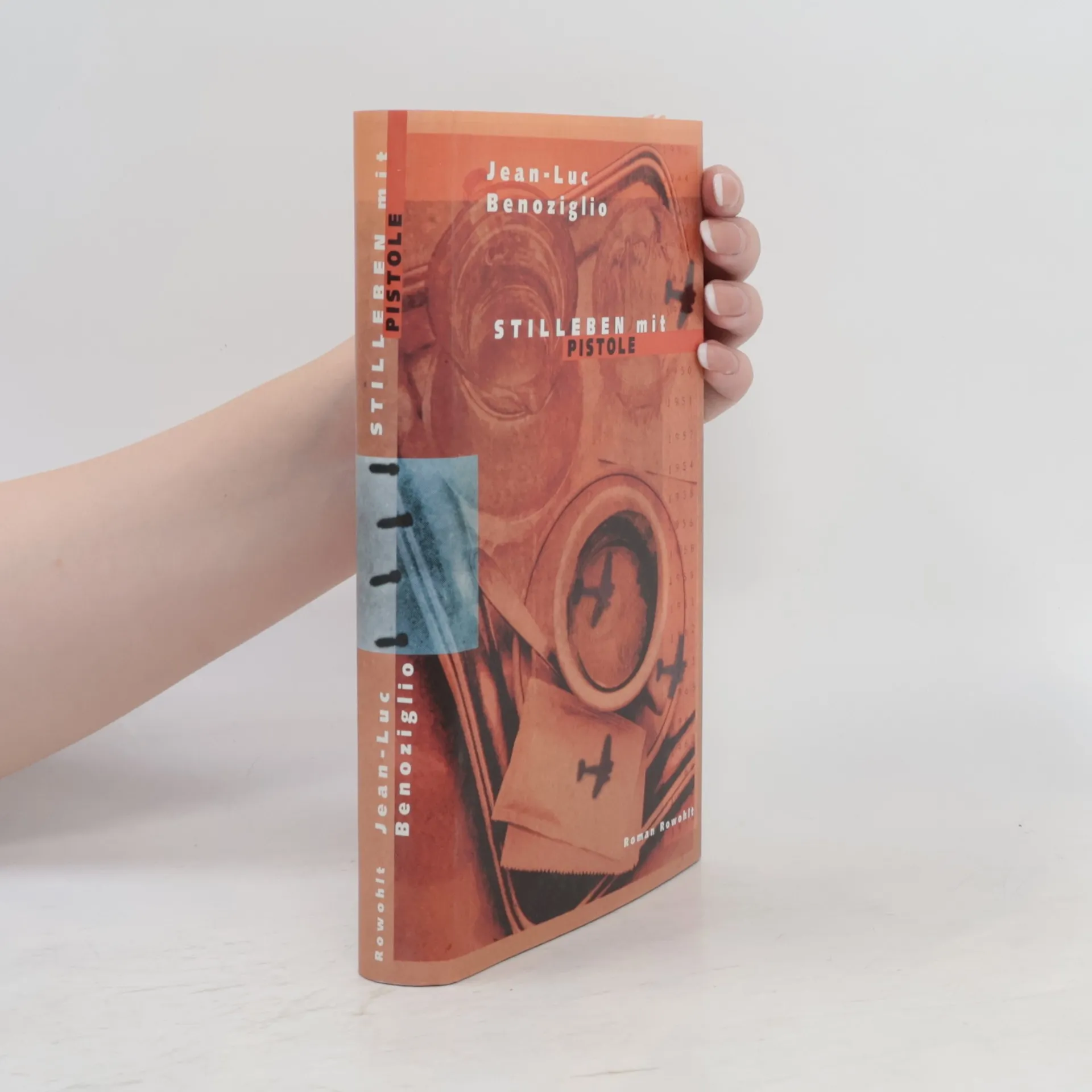

Stilleben mit Pistole. Roman
- 287 Seiten
- 11 Lesestunden
Die Geschichte beginnt 1944, als ein Schweizer Grenzdorf irrtümlich von der deutschen Luftwaffe bombardiert wird. Der Held überlebt und bleibt zeitlebens am Rand der Geschichte, während seine Altersgenossen aktiv in Konflikte eingreifen. Er erlebt verschiedene historische Ereignisse, kann jedoch nie selbst handeln.
Porträt-Sitzung. Roman
- 286 Seiten
- 11 Lesestunden
'Wenn wohl bekannt ist, dass Louis XVI. nur um Haaresbreite der Guillotine entging und vom Nationalkonvent stattdessen zur Verbannung auf Lebzeiten verurteilt wurde, so weiss man hingegen herzlich weniger über die zahllosen Schwierigkeiten, auf die man seinerzeit stiess, um für den entthronten Souverän ein Land zu finden, das gewillt war, ihm Exil zu gewähren, und fast gar nichts weiss man über die Gründe, die die Schweiz schliesslich dazu bewegten, Louis Capet aufzunehmen und ihn nach Saint-Saphorien abzuschieben, einem kleinen Marktflecken am Genfersee im damaligen Hoheitsgebiet der Berner Vögte. Dieser auf umfangreiches unveröffentlichtes Archivmaterial gestützte Roman, der sich wie ein richtiges Geschichtsbuch liest, geschrieben in einem Ton, dessen Leichtigkeit die Ernsthaftigkeit nicht ausschliesst, enthüllt uns den … gemischten Empfang, der dem einstigen Monarchen bei seiner Ankunft im Waadtland zuteil wurde, die … unerwarteten Gäste, die kamen, ihm einen Besuch abzustatten, die diversen … tragikomischen Ereignisse, die seinen Zwangsaufenthalt von Oktober 1795 bis Januar 1798 in der Region prägten, und schliesslich das … logische Ende, das er dort fand.' J.-L. B. Für 'Louis Capet' erhielt Jean-Luc Benoziglio den Prix Michel Dentan 2005 und den Prix des Auditeurs de la Radio Suisse Romande 2006. Aus dem Französischen übersetzt hat Gabriela Zehnder. Das Buch erscheint in der ch-reihe.