


Bookbot

Stephen Kelly

    Dies ist ein Disambiguierungsprofil für Autoren, die unter dem Namen Stephen Kelly veröffentlichen. Siehe auch:

    Margaret Thatcher, the Conservative Party and the Northern Ireland Conflict, 1975-1990
    A Day of Hope
    Bill Shankly: It's Much More Important Than That
    Die soziale Gemeinschaft an Schulen
    Die Lügen der Toten
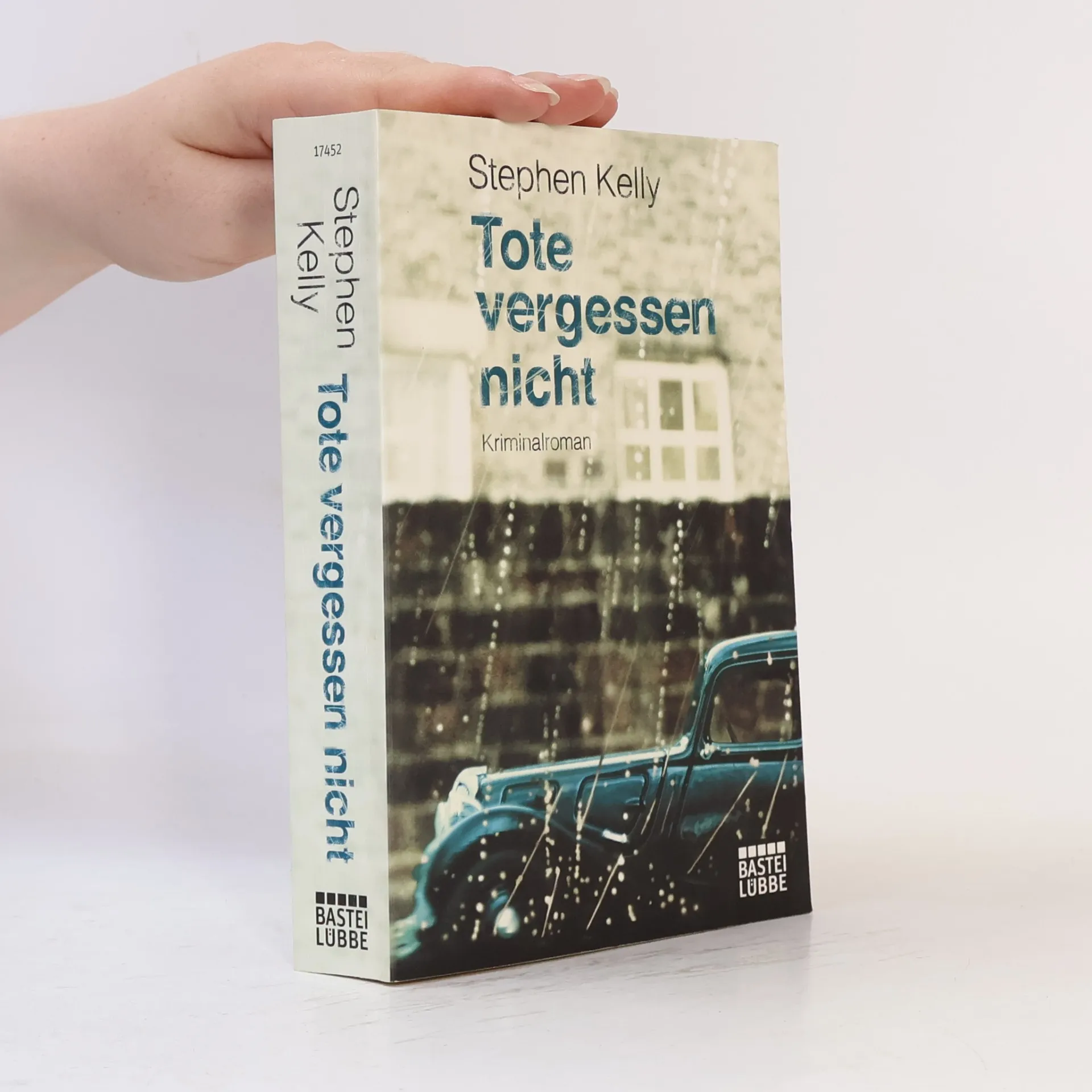
    Tote vergessen nicht
    • England, 1940: Die Bevölkerung stemmt sich mit letzter Kraft gegen die Angriffe der deutschen Luftwaffe und die Entbehrungen des Krieges. Detective Thomas Lamb will ebenfalls Durchhaltewillen beweisen. Seit dem Ersten Weltkrieg leidet er unter einem Belastungstrauma, weshalb er nicht an der Front dienen und seinen Landsleuten helfen kann. Was ihn aufrechthält ist der Wille, zumindest in der Heimat für Ordnung zu sorgen. Als in der beschaulichen Gemeinde Quimby ein Farmarbeiter brutal ermordet wird, muss Lamb seinen ganzen Scharfsinn einsetzen, um den Mörder in den eigenen Reihen zu stellen.

      Tote vergessen nicht
      3,7
    • England, 1941: Detective Thomas Lamb ist heilfroh, als die deutschen Bombenangriffe endlich nachlassen und in dem Ort Winstead wieder so etwas wie Alltag einkehrt. Da werden kurz nacheinander drei Tote aufgefunden: Die junge Ruth Aisquith, die überall als beliebt galt, wurde hinterrücks erschossen. Auf der Baustelle eines Kriegsgefangenenlagers wird ein Kinderskelett freigelegt. Und im Wald wird die Leiche eines Landstreichers entdeckt, der sich als ehemaliger Bewohner des Ortes entpuppt. Es sind drei Morde, die unterschiedlicher nicht sein könnten — doch bald weisen sie alle auf ein dunkles Geheimnis in der Geschichte Winsteads hin ...

      Die Lügen der Toten
      2,4
    • 'Football is not just a matter of life and death: it's much more important than that' - Bill ShanklyBill Shankly was without doubt among the greatest football managers of the post-war era and his life story is an inspiring read for anyone interested in the sport.

      Bill Shankly: It's Much More Important Than That
      4,2
    • A Day of Hope

      • 106 Seiten
      • 4 Lesestunden

      Chronicling a man's nearly fifty-year struggle with abuse, failed marriages, bullying, and addiction, the narrative emphasizes resilience and spiritual reconnection. Rather than dwelling on despair, he embarks on a transformative journey towards healing and peace through faith. As his story unfolds, readers are drawn into his emotional turmoil and ultimate triumph, creating a deeply moving experience that resonates with hope and redemption.

      A Day of Hope
    • The first woman elected to lead a major Western power and the longest serving British prime minister for 150 years, Margaret Thatcher is arguably one the most dominant and divisive forces in 20th-century British politics. Yet there has been no overarching exploration of the development of Thatcher's views towards Northern Ireland from her appointment as Conservative Party leader in 1975 until her forced retirement in 1990. In this original and much-needed study, Stephen Kelly rectifies this.From Thatcher's 'no surrender' attitude to the Republican hunger strikes to her nurturing role in the early stages of the Northern Ireland peace process, Kelly traces the evolutionary and sometimes contradictory nature of Thatcher's approach to Northern Ireland. In doing so, this book reflects afresh on the political relationship between Britain and Ireland in the late-20th century.An engaging and nuanced analysis of previously neglected archival and reported sources, Margaret Thatcher, the Conservative Party and the Northern Ireland Conflict, 1975-1990 is a vital resource for those interested in Thatcherism, Anglo-Irish relations, and 20th-century British political history more broadly.

      Margaret Thatcher, the Conservative Party and the Northern Ireland Conflict, 1975-1990
    • Gerald Boland (Gearóid Ó Beoláin) Irish militant revolutionary, politician and statesman, has until now ranked amongst the forgotten figures of modern Irish history. This book addresses this historical imbalance. Boland's life story offers readers an insight into the birth and subsequent development of the modern Ireland. From a humble working-class family, steeped in the Irish Republican tradition, Boland played an active role in the Irish Revolution and subsequently was at the forefront of political life in the nascent years of the Irish Free State, first as a Sinn Féin elected representative and thereafter within Fianna Fáil. Boland's story thus offers readers a personal insight into many of the major military and political events which helped shape modern Ireland over the duration of his lifetime (1885-1973). Importantly, this biographical study provides readers with a critical examination regarding Gerald Boland's military adventures, political manoeuvres and significantly his forgotten role as one of Ireland's eminent state builders. The picture that is painted is of a patriotic adolescent emerging to become a strong-willed militant young man turned politician and later respected (and sometimes feared) government minister. He was never afraid to speak his mind, exhibiting an independent spirit, which invariably gained him a reputation for often displaying examples of brutal honesty. He did not suffer fools gladly.

      Gerald Boland
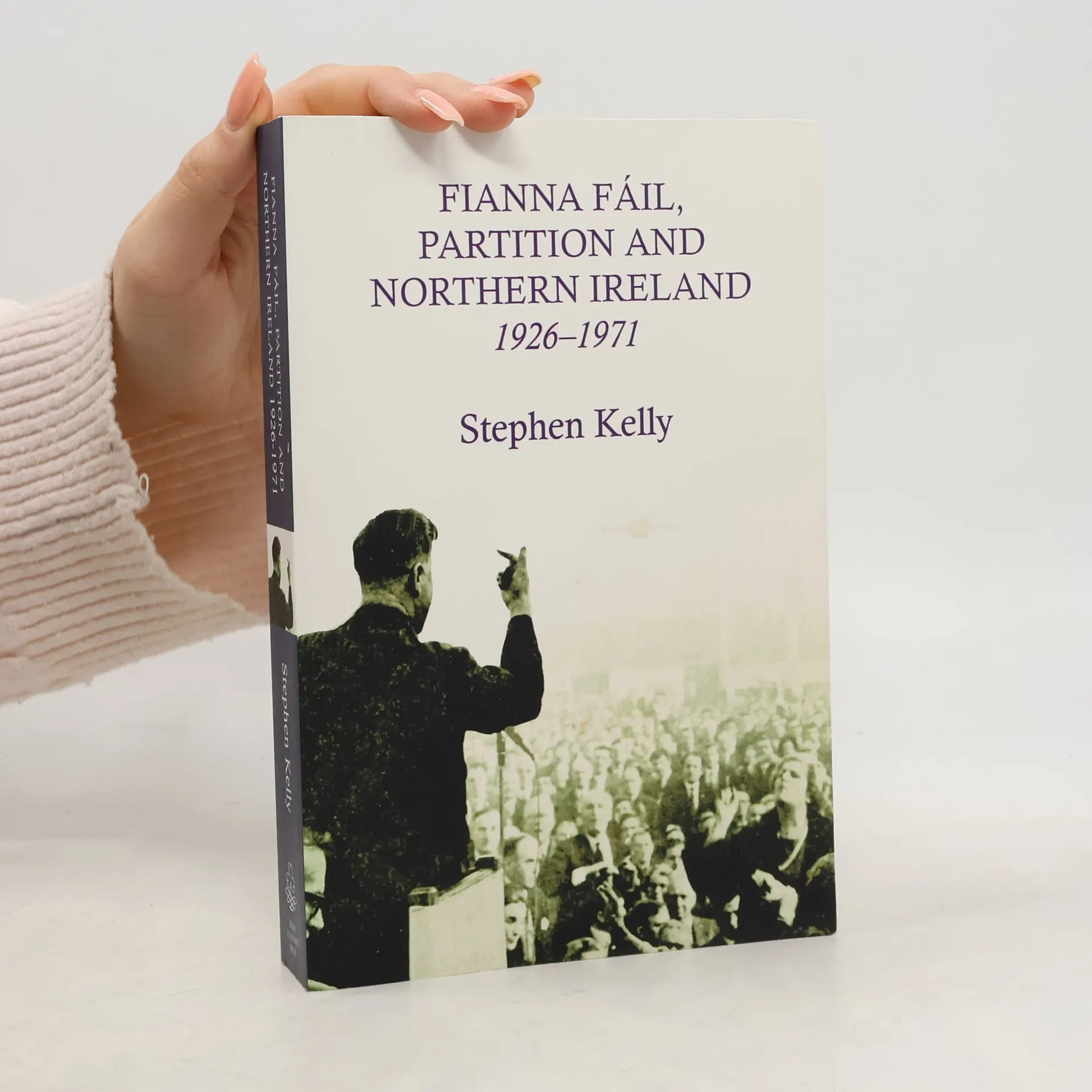
    • When the Troubles broke out in Northern Ireland in the late 1960s, the Irish political party Fianna Fail was hopelessly ill-prepared for the ensuing crisis. Between the emotive years of 1969 to 1971, Fianna Fail was brought face to face with one of its most blatant contradictions: the gap between the party's habitual pronouncements of its desire for a united Ireland and the reality that the party could offer no practical solutions to deliver this objective. Why had this gap developed? This question and many more are answered in this book, tracing the historical reasons for why Fianna Fail failed to devise a realistic and long-term Northern Ireland policy from 1926 to 1971. As violence engulfed Northern Ireland by the late 1960s, the book explains why so many within Fianna Fail believed that the use of physical force represented official Irish government policy. It also analyzes Fianna Fail's relationship with Ulster Unionism and northern Nationalism, exposing the party's long held apathy for both political movements. Significantly, the book is an examination of Fianna Fail's attitude to partition and Northern Ireland, from cabinet level to the party's rank and file.

      Fianna Fail, Partition and Northern Ireland,1926-1971