Gratis Versand in ganz Deutschland
Bookbot

David Lindsay

    Sir David Lyndsay von Mount, ein schottischer Wappenkönig, Dichter und Dramatiker, dessen Werke den Geist der Renaissance widerspiegeln. Sein Schaffen, einschließlich des einzigen erhaltenen schottischen Moralitätenspiels, wird für seine satirischen Gesellschaftskommentare und seine lebendige Sprache geschätzt. Lyndsay verband meisterhaft Humor und soziale Kritik und erwarb sich damit Anerkennung als bedeutende Stimme in der schottischen Literatur seiner Zeit.
    The Haunted Woman
    A Voyage to Arcturus
    A Voyage to Arcturus - David Lindsay
    Essays Radical and Orthodox
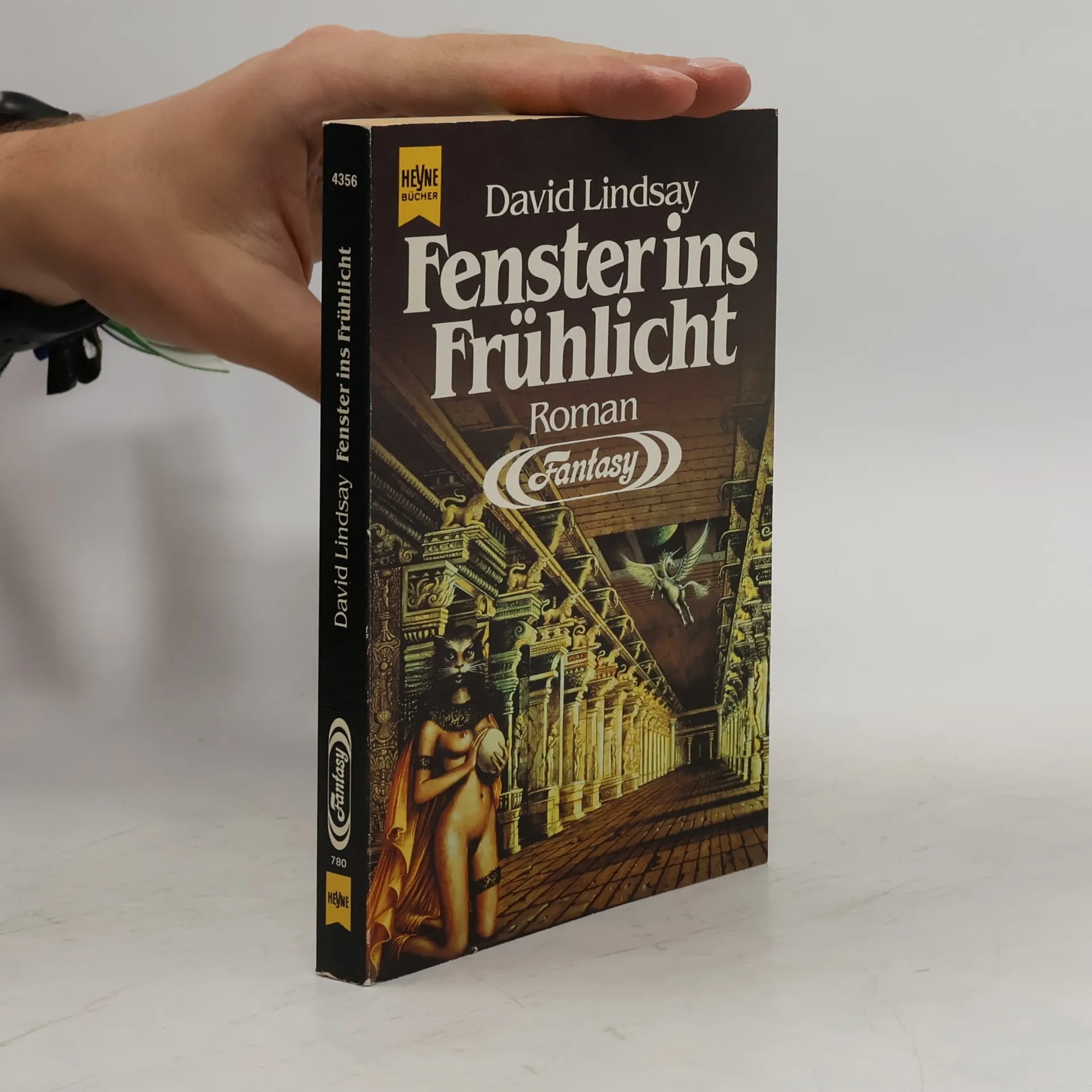
    Fenster ins Frühlicht. Fantasy Roman.
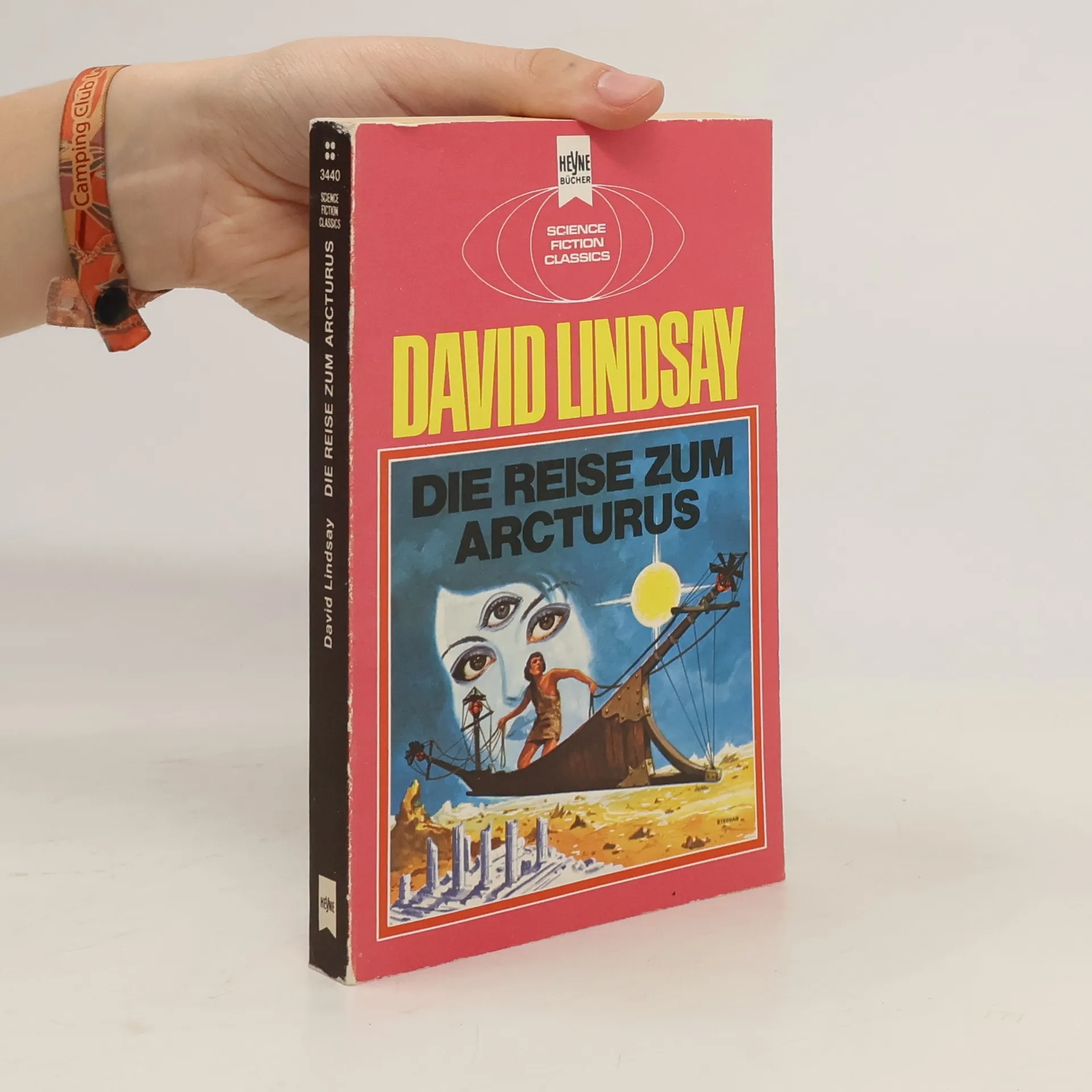
    Die Reise zum Arcturus
    • Maskull hob einen der Felsbrocken über den Kopf und trat vier Schritte zurück. Spadevil stand ihm gegenüber, aufrecht; und wartete ruhig. Der schwere Brocken flog durch die Luft. Sein Flug war wie ein dunkler Schatten. Er traf Spadevil voll ins Gesicht, zermalmte es und brach ihm den Hals. Er starb sofort. Tydomin wandte entsetzt den Blick ab. "Tun Sie es schnell, Maskull, und lassen Sie ihn nicht auf mich warten!" schrie sie. Keuchend hob er den zweiten Felsbrocken hoch. Sie stellte sich vor Spadevils Leichnam, kalt und mit verschlossenem Gesicht. Der Stein traf sie zwischen Brust und Kinn,und sie stürzte. Maskull ging zu ihr, kniete nieder und hielt ihren Kopf in den Armen. So hauchte sie ihr Leben aus. Er legte sie nieder und kauerte eine Weile reglos, während er aufmerksam in das Gesicht der Toten spähte. Die Verwandlung von dem vergeistigten, heroischen Ausdruck zu der vulgären, grinsenden Maske des Kristallmanns kam wie der Blitz; doch er sah sie. Er stand auf, packte Catice am Arm und zog ihn zu den Toten. "Ist dies das wahre Gesicht des Formers?" "Es ist der Former, wie er sich dem darbietet, der alle Illusionen abgelegt hat." "Wie ist es zur Existenz dieser scheußlichen Welt gekommen?" Catice antwortete nicht: "Ich wate durch zuviel Blut", sagte Maskull. "Nichts Gutes kann daraus erwachsen."

      Die Reise zum Arcturus
    • Essays Radical and Orthodox

      • 144 Seiten
      • 6 Lesestunden

      Exploring diverse themes, this work delves into Radical Orthodoxy and the interplay between Hebraic and Hellenic traditions. It examines the Second Vatican Council and positions Catholicism as a culmination of Protestantism's various strands. The book also highlights Early Modern English Catholic literature and its evolution through the nineteenth and twentieth centuries. Additionally, it addresses the Established Church of England, Jacobite influences in British politics, Opus Dei's relationship with the Left, and the Church's historical stances on modern science, HIV in Africa, the Holocaust, and the Inquisitions.

      Essays Radical and Orthodox
    • A Voyage to Arcturus - David Lindsay

      A novel by the Scottish writer David Lindsay, first published in 1920 (unabridged edition)

      • 208 Seiten
      • 8 Lesestunden

      Exploring the nature of good and evil, this novel intricately weaves fantasy, philosophy, and science fiction. First published in 1920, it has garnered acclaim from notable figures, including Colin Wilson, who hailed it as the "greatest novel of the twentieth century." Its influence extends to C. S. Lewis' Space Trilogy and J. R. R. Tolkien, who praised its captivating narrative. Clive Barker also recognized it as a "masterpiece," highlighting its extraordinary and magnificent qualities.

      A Voyage to Arcturus - David Lindsay
    • A Voyage to Arcturus

      by David Lindsay

      • 358 Seiten
      • 13 Lesestunden

      The narrative departs from typical space adventure tropes, offering a philosophical exploration instead. It delves into profound themes of existence, reality, and the nature of the universe through its characters' journey to the mysterious planet Arcturus. The story invites readers to reflect on deeper existential questions rather than focus on action-packed escapades, making it a unique blend of science fiction and philosophical inquiry.

      A Voyage to Arcturus
    • The Haunted Woman

      Annotated Edition: Annotated Edition

      • 306 Seiten
      • 11 Lesestunden

      Isbel Loment is on the verge of marrying insurance underwriter Marshall Stokes, but her plans are complicated by her responsibility to find a stable home for her aunt, with whom she has spent the last nine years moving from one hotel to another. This situation highlights Isbel's dedication to family and the challenges of balancing personal desires with familial obligations.

      The Haunted Woman
    • "A Voyage to Arcturus" follows Maskull's journey on the imaginary planet Tormance, exploring philosophical systems in his quest for life's meaning. Lauded as a significant influence on notable authors, it is hailed as a masterpiece of the 20th century. "The Haunted Woman" features Isabel Loment discovering mysterious doors in an ancient home, leading to unknown realms.

      A Voyage to Arcturus + The Haunted Woman
    • A Voyage to Arcturus

      • 288 Seiten
      • 11 Lesestunden

      A Voyage to Arcturus is a novel by Scottish writer David Lindsay, first published in 1920. It combines fantasy, philosophy, and science fiction in an exploration of the nature of good and evil and their relationship with existence. Described by critic and philosopher Colin Wilson as the "greatest novel of the twentieth century," it was a central influence on C. S. Lewis' Space Trilogy. J. R. R. Tolkien said he read the book "with avidity." Clive Barker has stated " A Voyage to Arcturus is a masterpiece" and called it "an extraordinary work . . . quite magnificent." An interstellar voyage is the framework for a narrative of a journey through fantastic landscapes. The story is set at Tormance, an imaginary planet orbiting Arcturus, which, in the novel (but not in reality) is a double star system, consisting of stars Branchspell and Alppain. The lands through which the characters travel represent philosophical systems or states of mind, through which the main character, Maskull, passes on his search for the meaning of life.Maskull, a man longing for adventures, accepts an invitation from Krag, an acquaintance of his friend Nightspore, to travel to Tormance after a seance. The three set off in a crystal ship from an abandoned observatory in Scotland but Maskull awakens to find himself alone on Tormance. In every land he passes through he usually meets only one or two persons; these meetings often (though not always) end in the death of those he meets, either at his own hand or by that of another. He learns of his own impending death, meets Krag again, and dies shortly after learning that he is in fact Nightspore himself. The book concludes with a final revelation from Krag (who claims to be known on Earth as "Pain") to Nightspore about the origin of the Universe. The author turns out to support a variation of the doctrine of the Demiurge

      A Voyage to Arcturus