In diesem Buch erläutern ein Physiker, ein Psychologe und ein Philosoph, basierend auf einem erfolgreichen Kurs der Universität Berkeley, wie Wissenschaftler Werkzeuge und Methoden nutzen, um Fakten von Falschinformationen zu unterscheiden und fundierte Entscheidungen zu treffen. Es bietet Techniken zur Lösung alltäglicher Probleme.
John Campbell Bücher
1. Januar 1947
John Campbell ist ein britischer politischer Schriftsteller und Biograf, der für seine scharfsinnigen Darstellungen wichtiger britischer politischer Persönlichkeiten bekannt ist. Seine Werke zeichnen sich durch tiefgehende historische Recherchen und einen analytischen Ansatz zum Verständnis der Motivationen und des Einflusses bedeutender Figuren auf die politische Landschaft aus. Campbells Stil wird für seine Klarheit und seine Fähigkeit geschätzt, komplexe politische Leben zugänglich darzustellen und den Lesern tiefe Einblicke in die moderne britische Geschichte zu ermöglichen. Durch seine sorgfältig ausgearbeiteten Biografien trägt er zu einem tieferen Verständnis politischer Entwicklungen und der Charaktere bei, die sie geprägt haben.

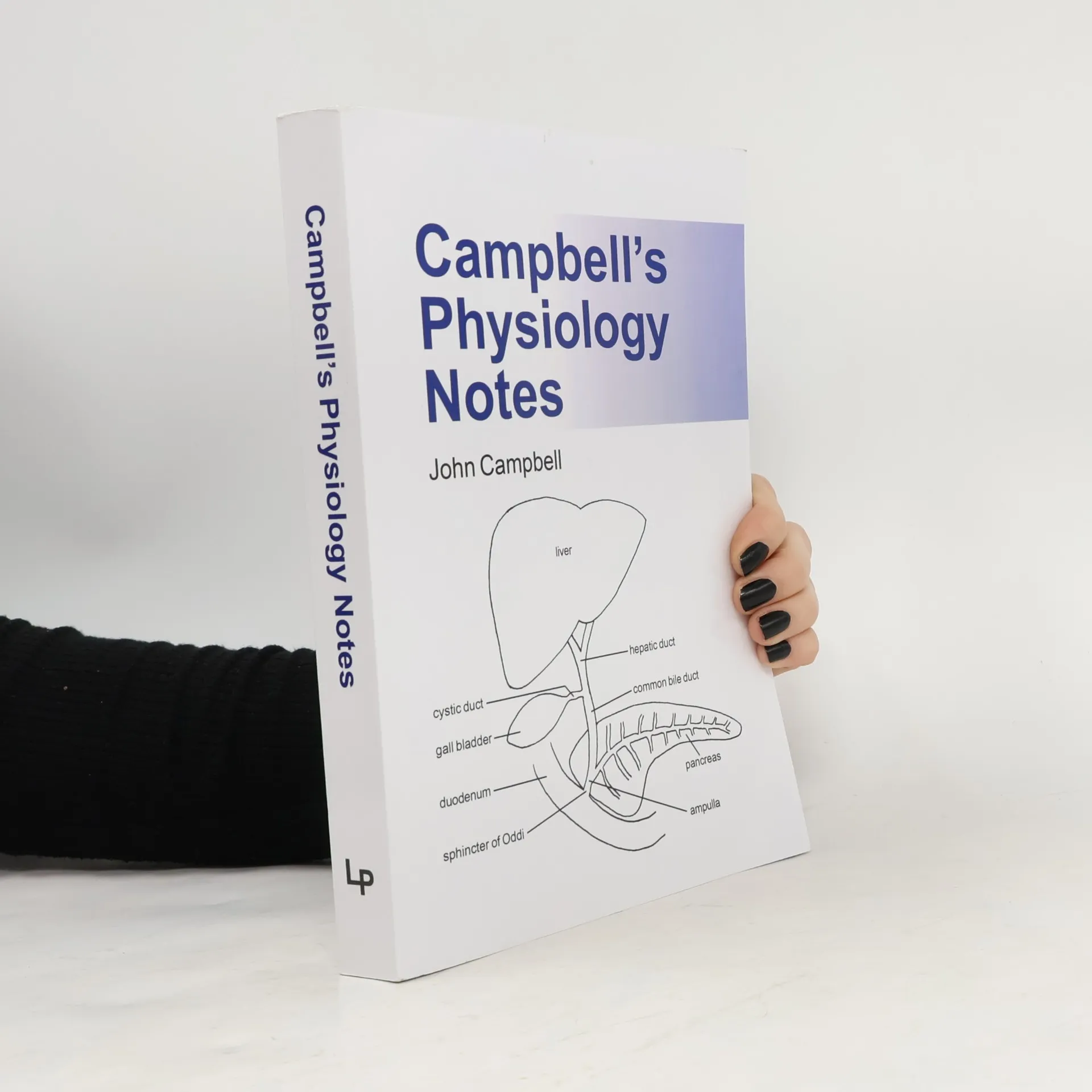

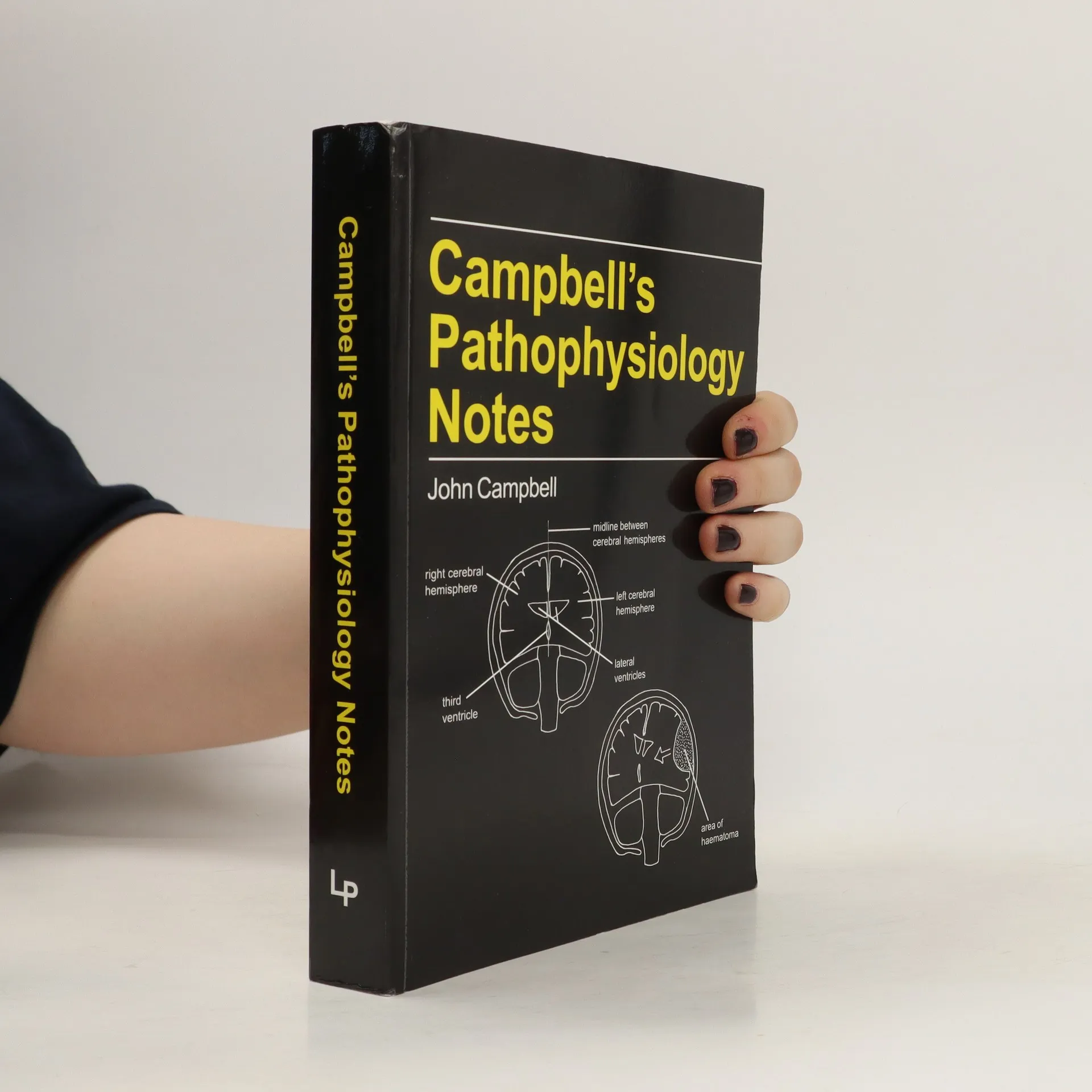
This accessible and friendly text is based on the premise that all nurses need a working knowledge of the normal functioning of the human body. It is only when we understand the normal that the abnormal pathological situation makes sense. If we can understand how the body goes wrong then it often becomes obvious what needs to be done to treat the disorder. So physiology and pathophysiology can both be used to inform our clinical interventions and provide us with rationales for care. In this concise text, John Campbell explains the physiology and necessary basic science in a way that is easy to understand and learn. Diagrams are an important part of this philosophy.
Great reference book about the Desert war
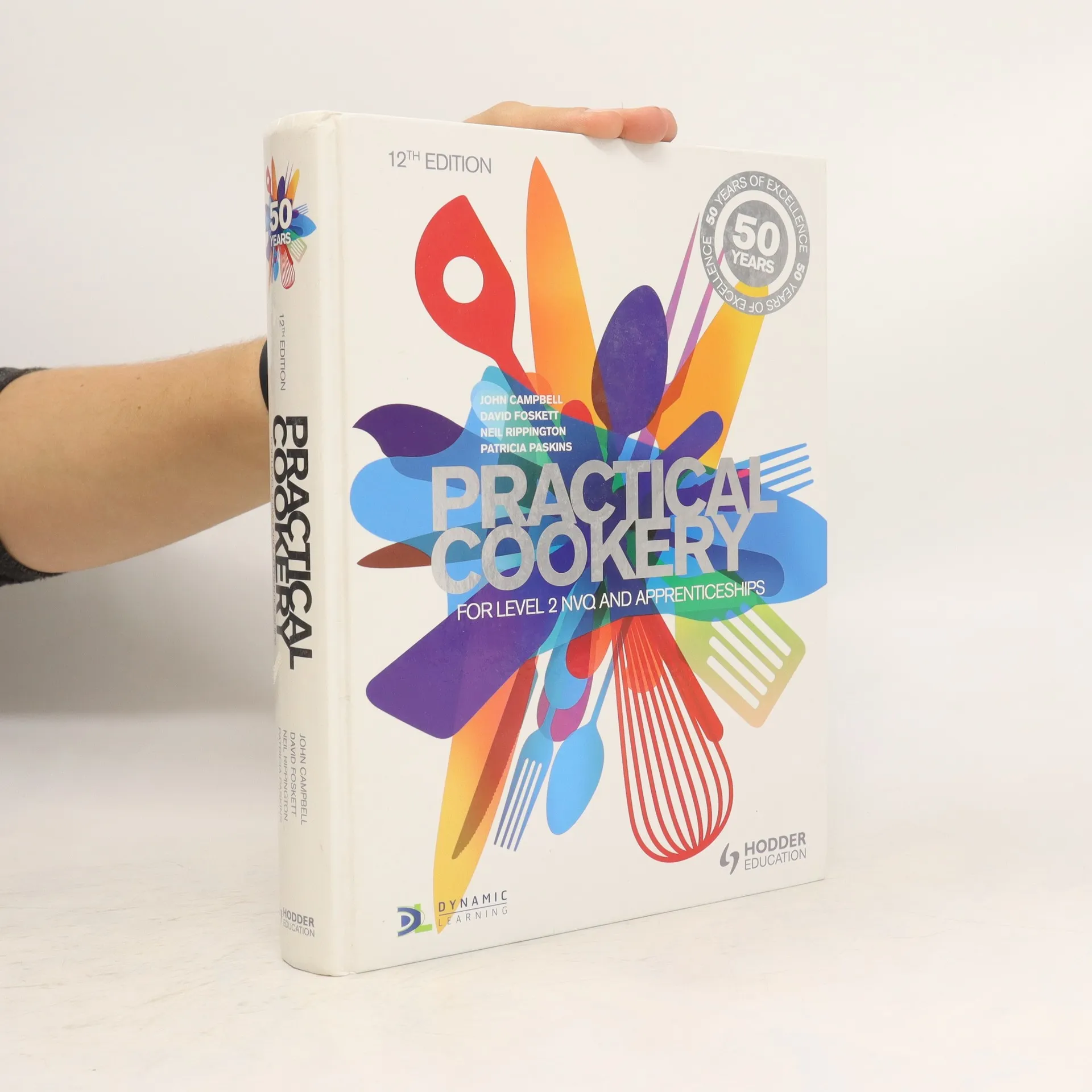
Practical Cookery
- 674 Seiten
- 24 Lesestunden
Methods of cooking - Stocks, soups and sauces - Cold preparation - Eggs - Pasta, gnocchi and rice - Fish and shellfish - Meat and offal - Poultry and game - Vegetables, pulses and grains - Potatoes - Pastry - Healthy eating - Maintain, handle and clean knives - Maintain a safe, hygenic and secure working environment - Maintain food safety - Work as part of a team.
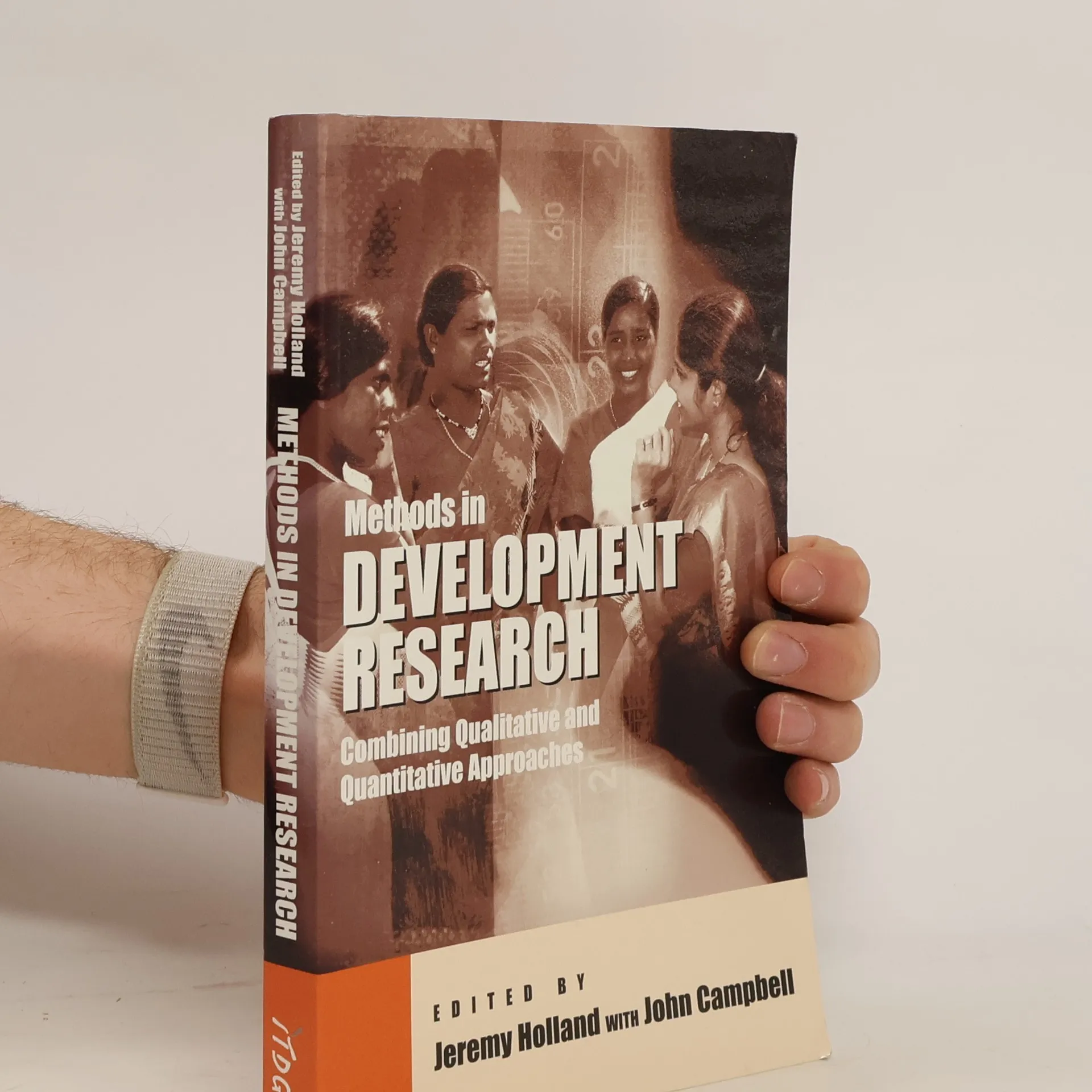
Methods in Development Research
Combining Qualitative and Quantitative Approaches
- 290 Seiten
- 11 Lesestunden
Over the past decade, there has been a growing interest among policymakers, development practitioners, and academics in participatory and qualitative research methods in applied research. This trend is accompanied by a recognition that the value of research can be enhanced through a systematic integration of quantitative and qualitative approaches. While this interest has provided useful insights for improving development research, it has also introduced certain challenges. This book consolidates lessons on best practices for combining qualitative and quantitative methods, generating quantitative data from qualitative/participatory methods, and monitoring and evaluating development processes. It expands on innovations and reflections from practice in both developing and developed contexts, drawing from experiences within development agencies, academia, government, and civil society. By referencing current research across various sectors and countries, the book situates contemporary development research issues within broader debates on development policy and social research. It aims to define best practices in utilizing participatory/qualitative and quantitative methods, addressing methodological triangulation, which is of significant interest to academics, practitioners, and policymakers. This resource serves as a practical manual that combines best practices and innovative approaches, offering valuable insights for its divers
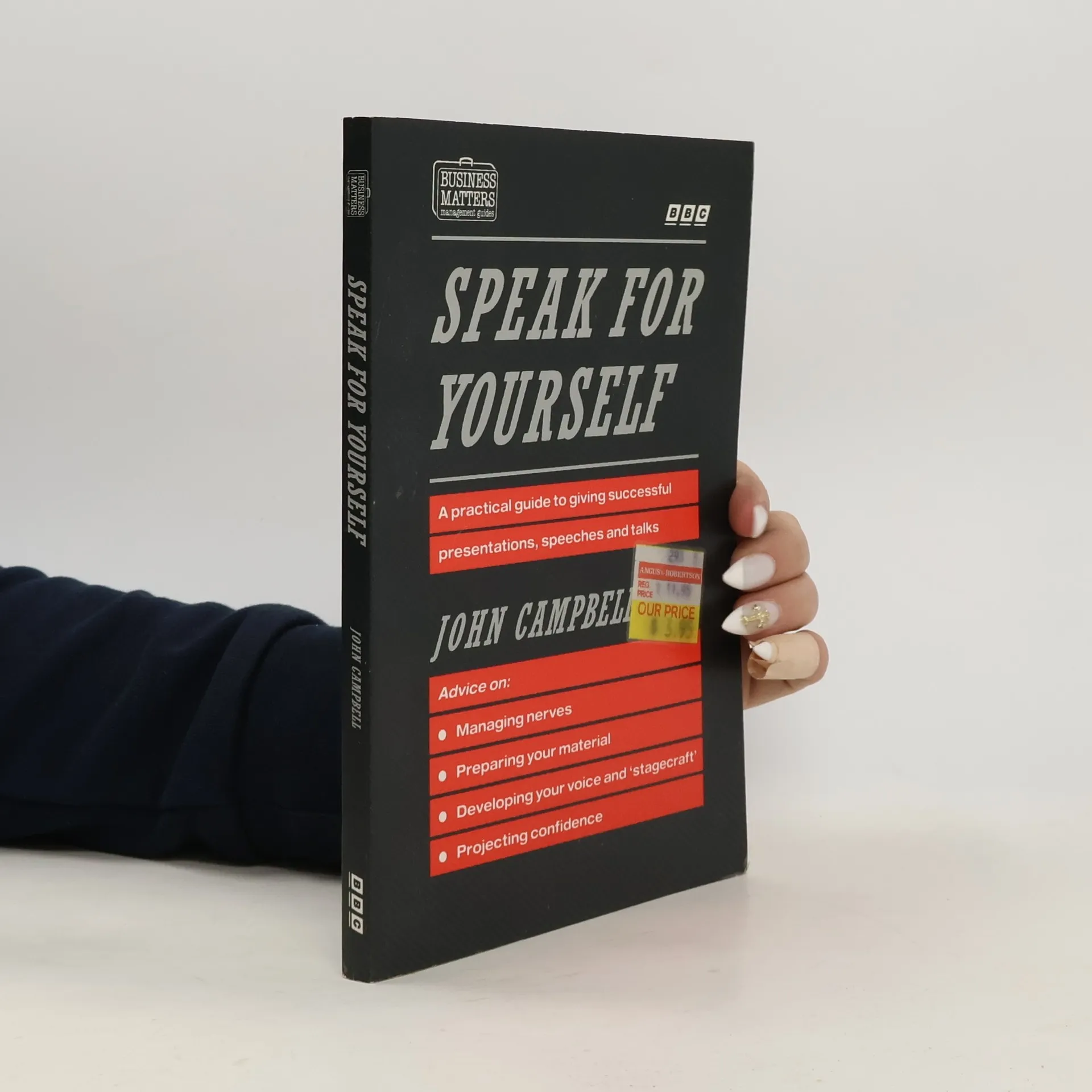
Program is a guide to making professional presentations. It provides the techniques needed to make impressive and informative presentations.
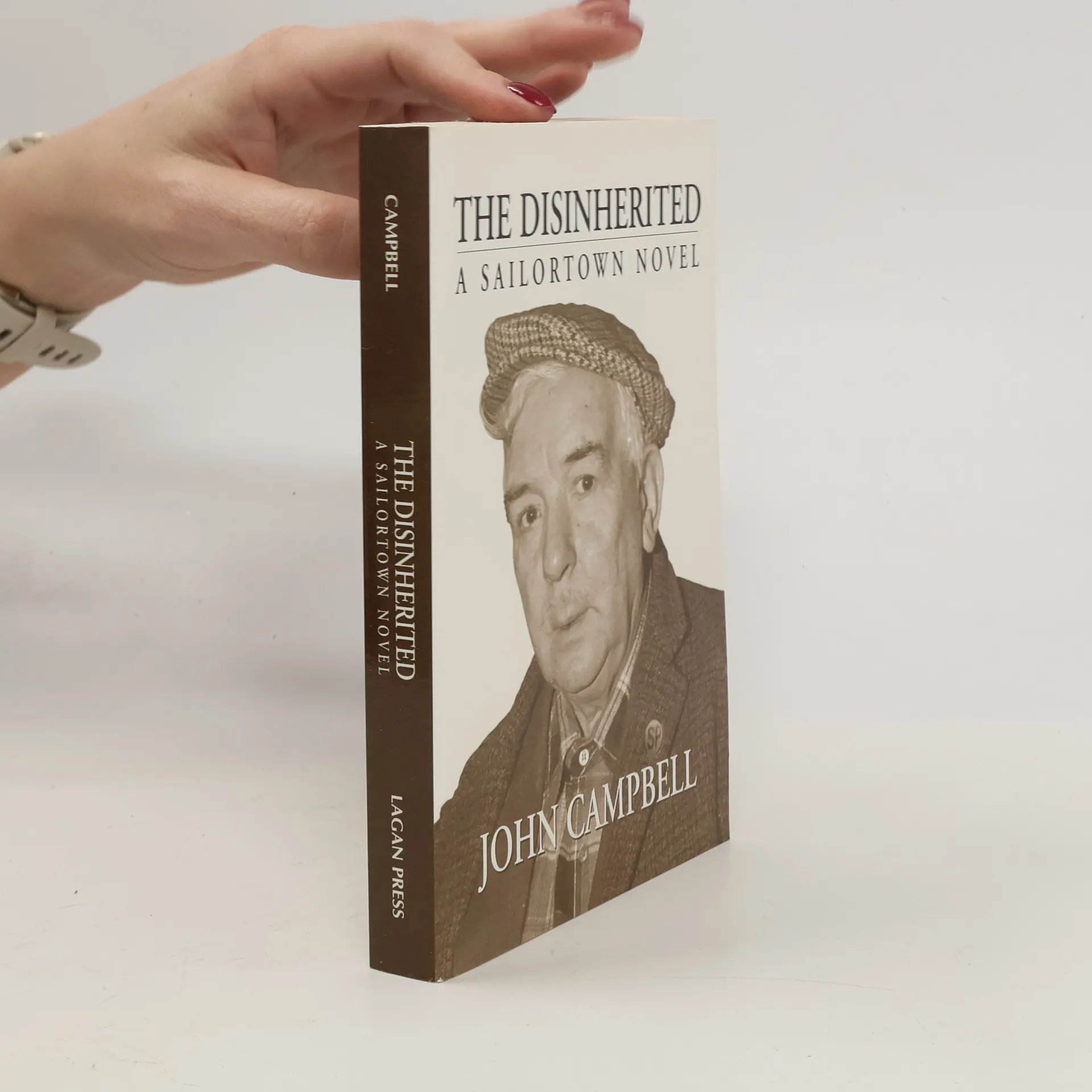
The Disinherited
- 314 Seiten
- 11 Lesestunden
Haldane
- 616 Seiten
- 22 Lesestunden
Can you name the creator of the Territorial Army and the British Expeditionary Force? The man who laid the foundation stones of MI5, MI6, the RAF, the LSE, Imperial College, the 'redbrick' universities and the Medical Research Council?This book reveals that great figure: Richard Burdon Haldane. As a philosopher-statesman, his groundbreaking proposals on defence, education and government structure were astonishingly ahead of his time--the very building blocks of modern Britain. His networks ranged from Wilde to Einstein, Churchill to Carnegie, King to Kaiser; he pioneered cross-party, cross-sector cooperation. Yet in 1915 Haldane was ejected from the Liberal government, unjustly vilified as a German sympathiser.John Campbell charts these ups and downs, reveals Haldane's intensely personal side through previously unpublished private correspondence, and shows his enormous relevance in our search for just societies today. Amidst political and national instability, it is time to reinstate Haldane as Britain's outstanding example of true statesmanship.A Sunday Times Politics and Current Affairs Book of the Year, 2020.A Telegraph Best Book of the Year, 2020.
The first volume of John Campbell's biography of Margaret Thatcher was described by Frank Johnson in the Daily Telegraph as 'much the best book yet written about Lady Thatcher'.
Roy Jenkins
- 818 Seiten
- 29 Lesestunden
Second, he was an early and consistent advocate of European unity who played a decisive role in achieving British membership first of the Common Market and then of the European Union. From 1977 to 1980 he served as the first (and so far only) British president of the European Commission. Public opinion today is swinging against Europe; but for the past forty years participation in Europe was seen by all parties as an unquestioned benefit, and no-one had more influence than Jenkins in that historic redirection of British policy. Third, in 1981, when both the Conservative and Labour parties had moved sharply to the right and left respectively he founded the centrist Social Democratic Party (SDP) which failed in its immediate ambition of breaking the mould of British politics - largely because the Falklands war transformed Mrs Thatcher's popularity - but merged with the Liberals to form the Liberal Democrats and paved the way for Tony Blair's creation of New Labour.
Islands of Space
- 160 Seiten
- 6 Lesestunden
The trio of scientist-explorers, Arcot, Wade and Morey, voyage to the outer reaches of the universe. Their trip culminates in a space battle of epic proportions!
Margaret Thatcher
- 528 Seiten
- 19 Lesestunden
Re-examines the mythology and suggests a complex reality behind the idealized picture accepted by Lady Thatcher's early biographers.
Business Intelligence in Microsoft SharePoint 2010
- 416 Seiten
- 15 Lesestunden
Looks at the business intelligence features of Microsoft SharePoint 2010, covering such topics as trusted data, Excel services, PowerPivot, Visio, PerformancePoint Services, dashboards, and virtual machine setup.
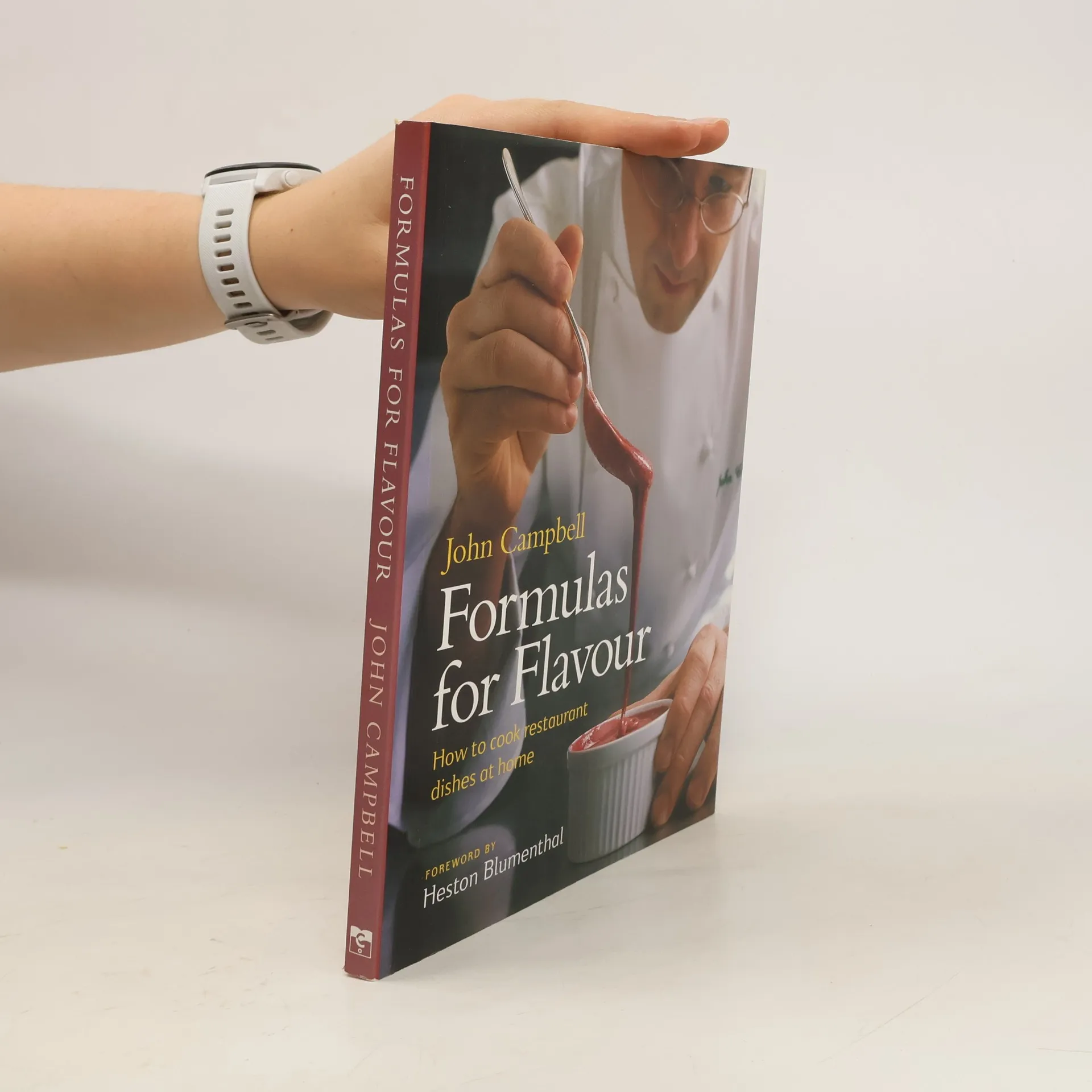
Formulas for Flavour is a carefully conceived introduction to innovative restaurant-style cooking. John Campbell has done the thinking so you don't have to. The delicious starters, main courses and desserts are all photographed step-by-step, making them very easy to follow whatever your level of cooking experience. John gives specific instructions on which components of the dish can be prepared in advance, minimising the work required on the day of your dinner party. He also supplies all you need to know about purchasing quality ingredients. Whether you work in a restaurant kitchen or merely have fantasized about owning a restaurant one day, this book will be a major contribution to expanding your culinary prowess.
Campbell's pathophysiology notes
- 546 Seiten
- 20 Lesestunden
An understanding of normal and abnormal body function is necessary if we are to understand the basis of clinical care. This book is a teaching aid for people who want to grasp the causes, pathophysiological changes and clinical features seen in disease processes. Treatment principles are also considered. The topicsthe author has chosen for inclusion are those which are most common, or illustrate general principles of pathophysiology. Subjects are systematically taught in the text complemented by clear, explanatory diagrams.
The Iron Lady : Margaret Thatcher : from grocer's daughter to Iron Lady
- 576 Seiten
- 21 Lesestunden
This title traces the life of Britain's first female Prime Minister, from her upbringing in Grantham to her unexpected challenge to Edward Heath for leadership of the Conservative party and her eventual removal from power.
Who Goes There
- 256 Seiten
- 9 Lesestunden
A group of scientists. An object buried under the ice. A terrifying fight for survival.
Lives of the Lord Chancellors and Keepers of the Great Seal of England
Vol. I
- 452 Seiten
- 16 Lesestunden
The book offers a reprint of a classic work originally published in 1856, preserving its historical significance and literary value. This edition allows readers to explore the themes, characters, and context of the time, providing an authentic experience of the author's original vision. Ideal for those interested in classic literature and the evolution of storytelling, this reprint serves as a valuable addition to any literary collection.
Building on the prior book ""DB2 11: The Database for Big Data and Analytics, "" published in 2013, this book is written particularly for new and existing DB2 for z/OS customers and users who want to learn as much as they can about the new software version before migrating their organizations to DB2 11 for z/OS. The book begins with a technical overview of DB2 11 features and explains how the new functions in DB2 11 can help enterprise customers address the challenges they face with the explosion of data and information. There has been rapid growth in the variety, volume, and velocity of dat
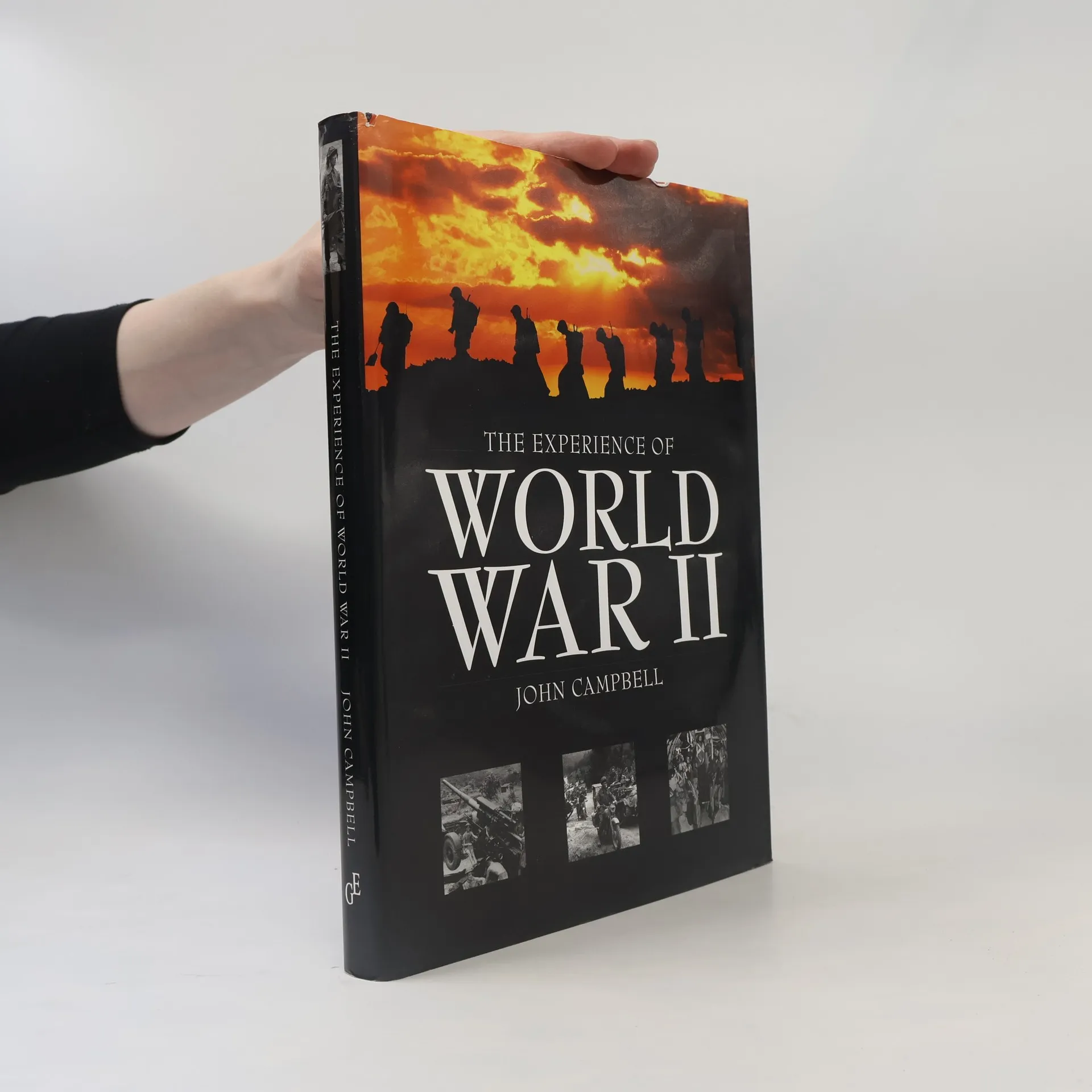
The Experience of World War II
- 256 Seiten
- 9 Lesestunden
War Paint - Fighter Nose Art from WWII & Korea
- 208 Seiten
- 8 Lesestunden
Bemaling - Nose Art - på amerikanske jagerfly under 2.verdenskrig og Koreakrigen.
První světová válka
- 256 Seiten
- 9 Lesestunden
Publikace rozebírá příčiny, způsoby boje a důsledky 1. světové války, jedna kapitola je věnována umění inspirovanému válkou.
Druhá světová válka
- 256 Seiten
- 9 Lesestunden
Obsáhlý přehled světových dějin let 1937 až 1945. John Campbell vychází z vojenských,politických, ekonomických a sociálních realií bojujících národů v odpovídajícím historickém kontextu.
První a druhá světová válka
- 2 Bände
Tato kniha se zaměřuje na klíčové události a aspekty První a druhé světové války, analyzující jejich příčiny, průběh a důsledky. V první části se čtenáři seznámí s historickým kontextem a faktory, které vedly k vypuknutí První světové války, včetně nacionalismu, militarismu a aliancí. Dále se zabývá významnými bitvami, strategiemi a politickými rozhodnutími, které formovaly vývoj konfliktu. Druhá část se věnuje Druhé světové válce, jejímž hlavním tématem je vzestup totalitních režimů a globální dopady války. Kniha se zaměřuje na klíčové postavy, jako jsou vůdci států a vojenské velitelé, a analyzuje jejich role v rozhodujících momentech konfliktu. Důraz je kladen na humanitární krize, holocaust a poválečné uspořádání světa. Celkově kniha poskytuje komplexní pohled na tyto dvě zásadní epochy, zkoumá jejich vzájemné souvislosti a trvalé následky na mezinárodní vztahy a společnost. Je určena pro čtenáře se zájmem o moderní historii a vojenskou strategii.