Sklavenmärchen aus Nordamerika
- 140 Seiten
- 5 Lesestunden
Eine Sammlung von sieben Kunstmärchen, die auf schwarzamerikanische Folklore, afrikanischen Pananimismus und klassisch mythologische Überlieferung zurückgreifen.


Charles Waddell Chesnutt war ein Autor, Essayist und politischer Aktivist, der vor allem für seine Romane und Kurzgeschichten bekannt ist, die sich mit komplexen Fragen der rassischen und sozialen Identität auseinandersetzen. Seine Werke befassten sich mit den psychologischen und sozialen Auswirkungen von Rassismus und gesellschaftlicher Schichtung in Amerika. Durch sorgfältig gezeichnete Charaktere und aufschlussreiche Erzähltechniken deckte Chesnutt die inneren Konflikte und äußeren Zwänge auf, mit denen Afroamerikaner an der Wende zum 20. Jahrhundert konfrontiert waren. Sein Schreiben zeugt von seinem tiefen Gerechtigkeitsempfinden und seiner Fähigkeit, komplexe Gesellschaftskritik mit fesselndem Erzählen zu verbinden.


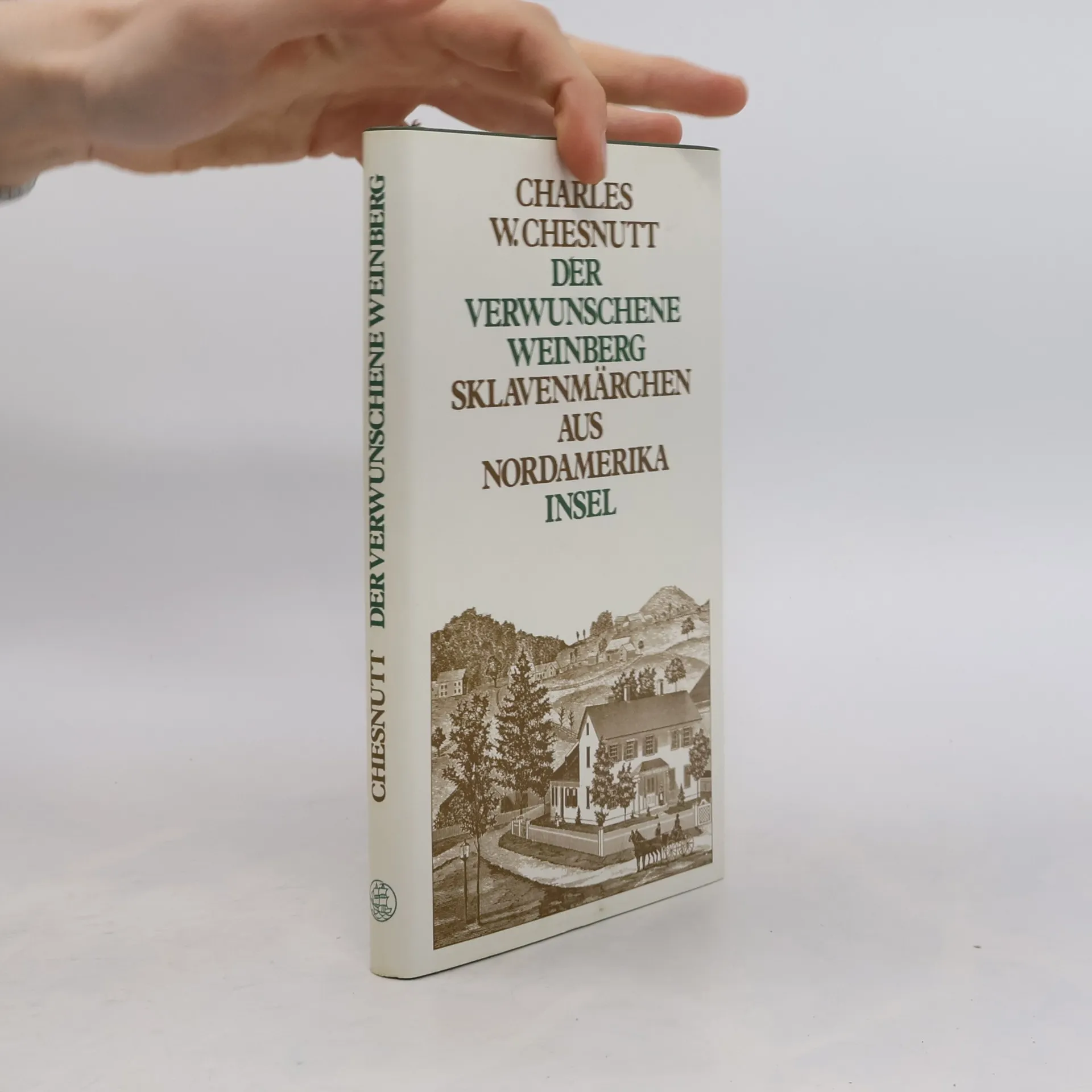

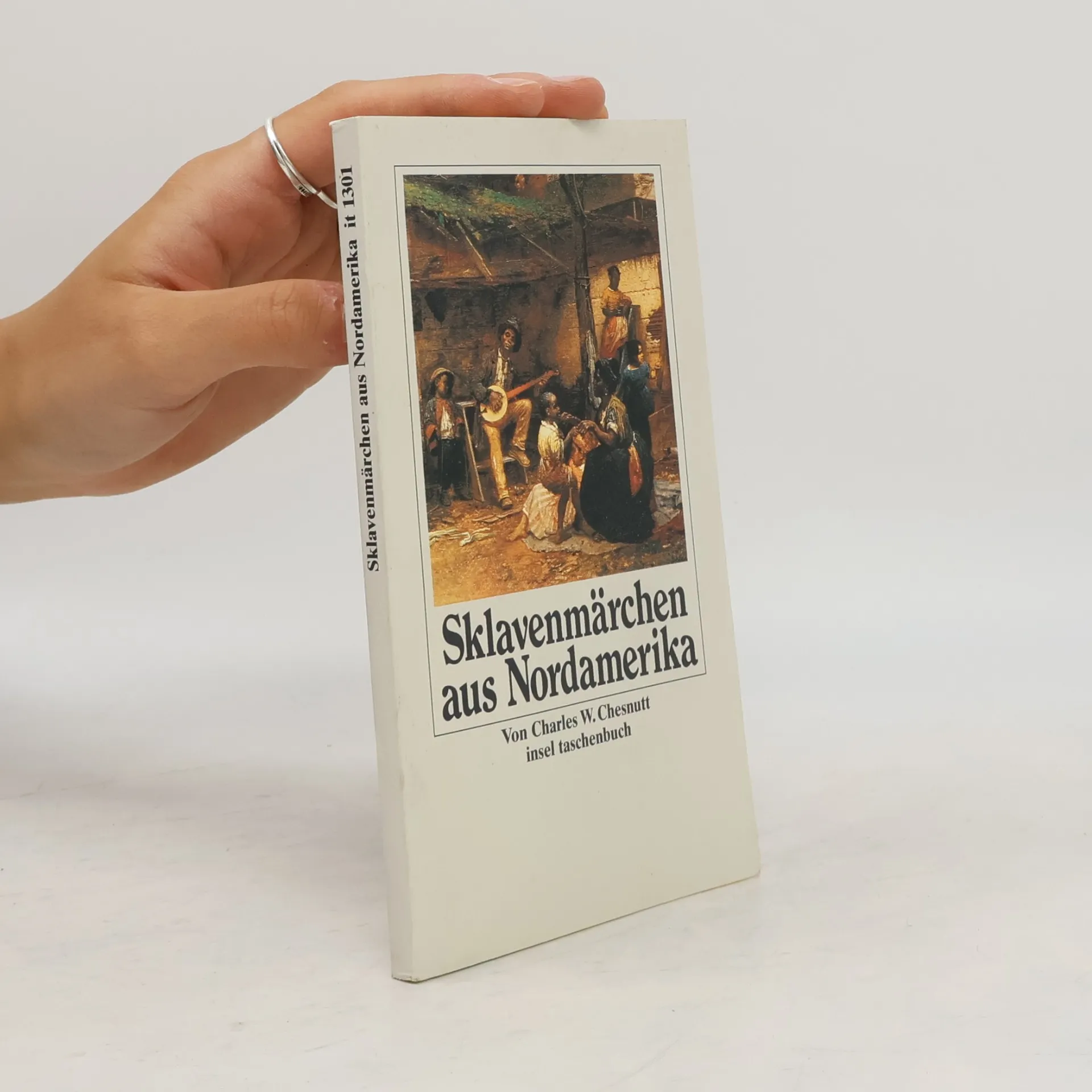
Eine Sammlung von sieben Kunstmärchen, die auf schwarzamerikanische Folklore, afrikanischen Pananimismus und klassisch mythologische Überlieferung zurückgreifen.
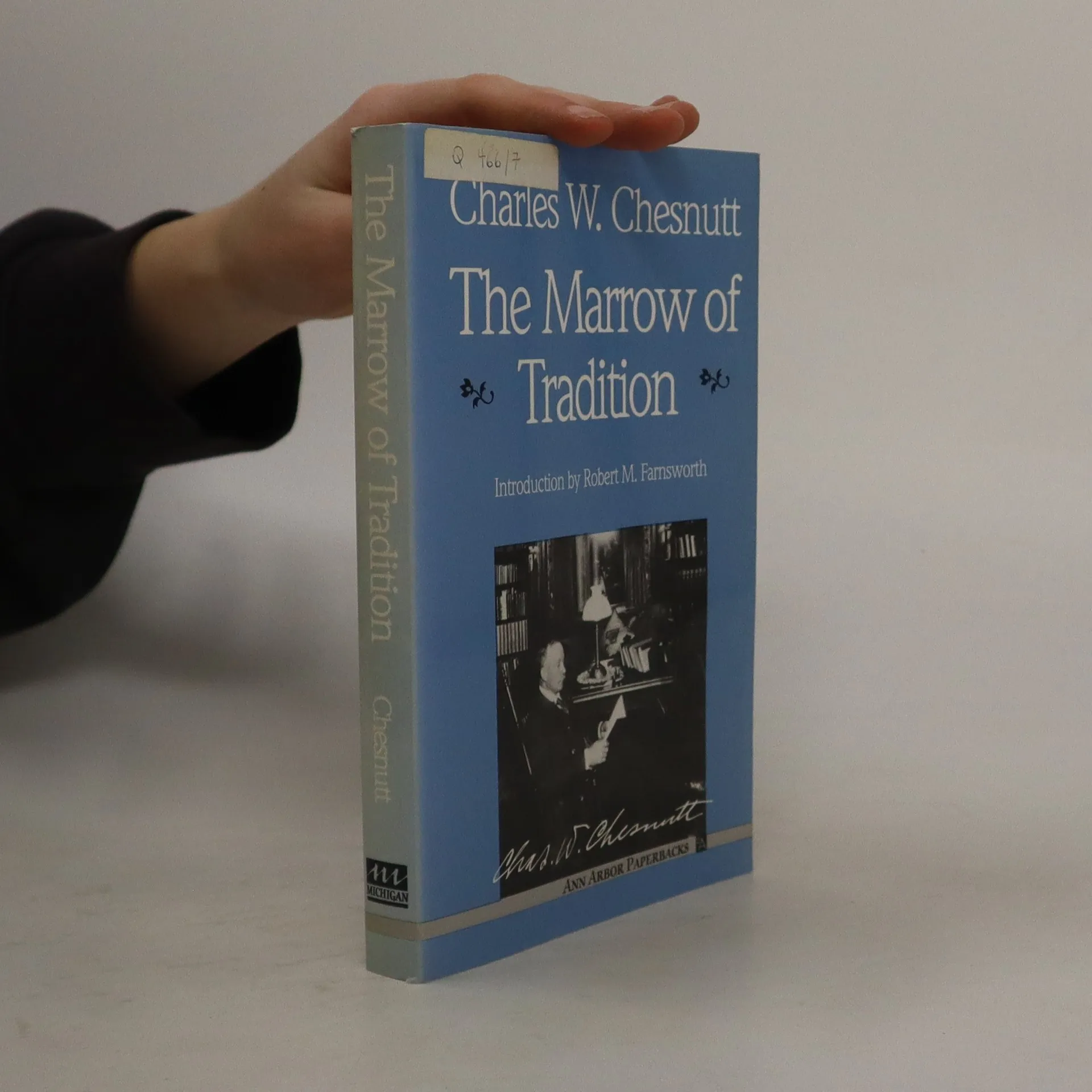
Set in early-nineteenth-century New Orleans, this historical novel explores the life of Paul Marchand, a free man of color navigating a society rife with racial tensions. Haunted by a prophetic dream of an elderly black praline seller, Marchand becomes embroiled in the intrigue surrounding the dying wealthy Creole, Pierre Beaurepas, and the ensuing greed of his family. Through a thrilling narrative, the story delves into themes of racial identity, self-worth, and family loyalty, vividly portraying the complex social dynamics of the time.
William Wells Brown, Frances E.W. Harper, and Charles W. Chesnutt, three black writers who bore witness to the experience of their people under slavery, create a portrait of black life in the 19th century in these three novels.
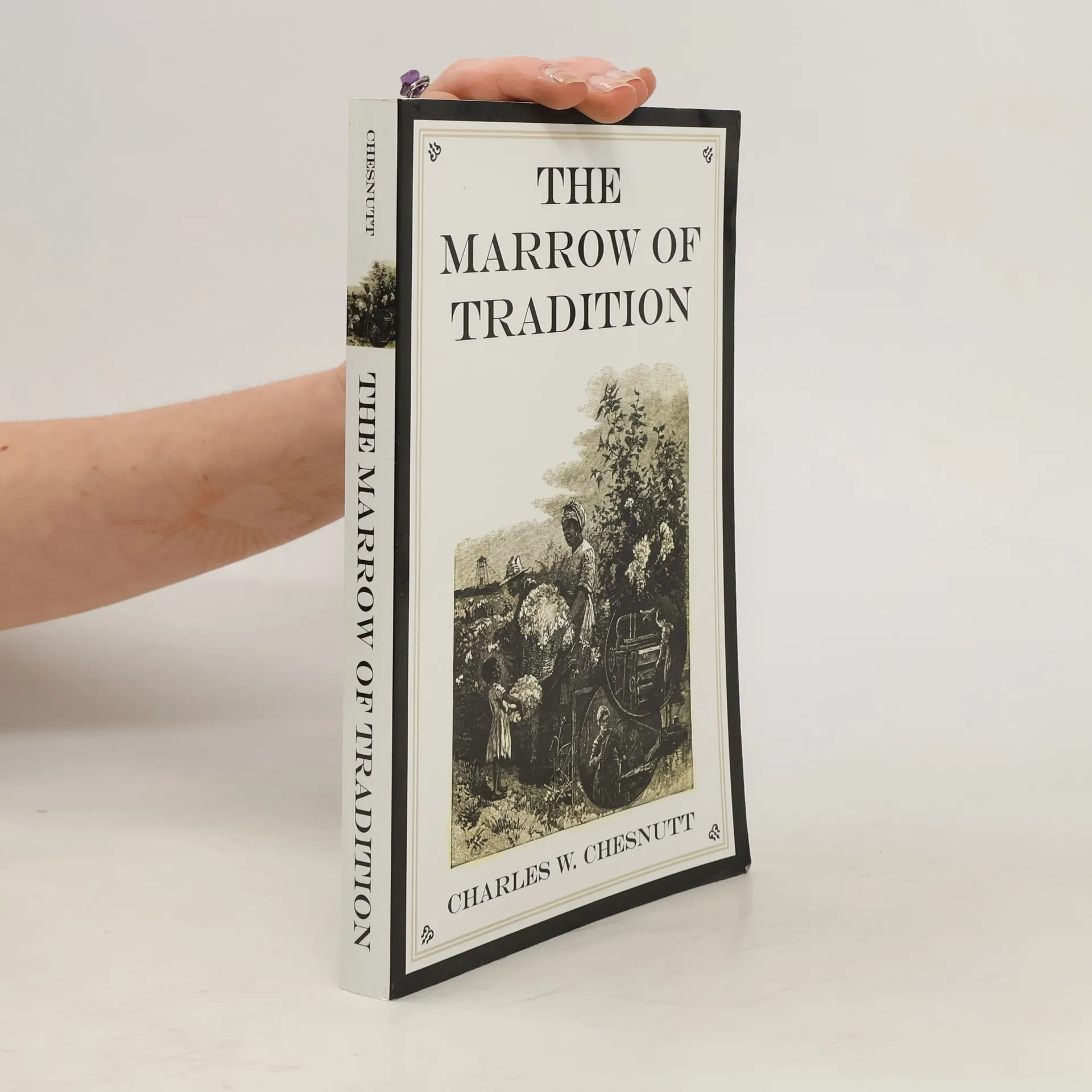
A landmark in the history of African-American fiction, this gripping 1901 novel was among the first literary challenges to racial stereotypes. Its tragic history of two families unfolds against the backdrop of the post-Reconstruction South and climaxes with a race riot based on an actual 1898 incident. The author relied upon eyewitness accounts of the riot to create an authentic setting and mood, and his sensitive artistry transcends a simple re-telling of the facts with a dramatic rendering of the conflict between racism and social justice. Unabridged republication of the classic 1901 edition.
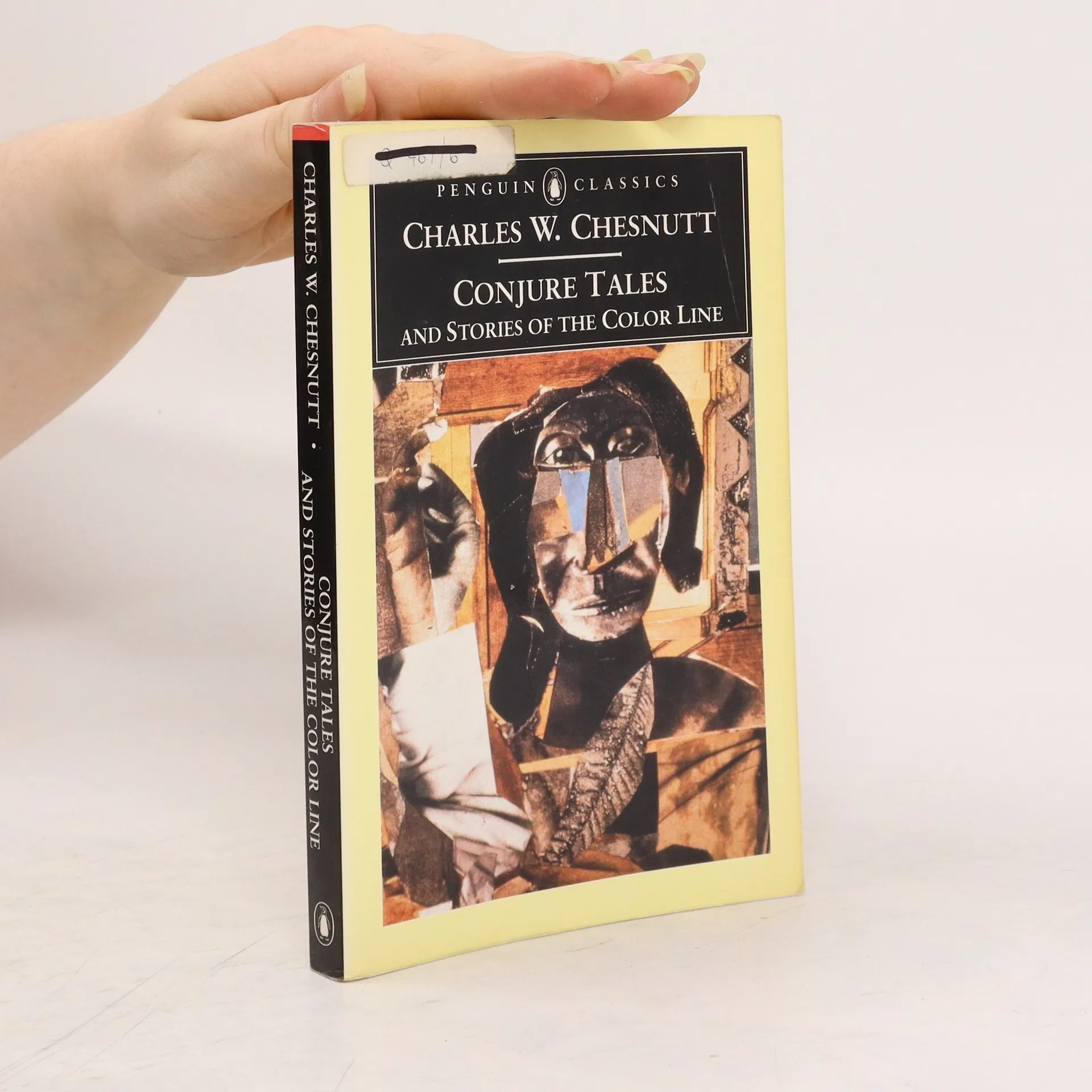
Unlike the popular "Uncle Remus" stories of Joel Chandler Harris, Charles W. Chesnutt's tales probe psychological depths in black people unheard of before in Southern regional writing. They also expose the anguish of mixed-race men and women and the consequences of racial hatred, mob violence, and moral compromise. This important collection contains all the stories in his two published volumes, The Conjure Woman and The Wife of His Youth , along with two uncollected works: the tragic "Dave's Neckliss" and "Baxter's Procustes", Chesnutt's parting shot at prejudice.For more than seventy years, Penguin has been the leading publisher of classic literature in the English-speaking world. With more than 1,700 titles, Penguin Classics represents a global bookshelf of the best works throughout history and across genres and disciplines. Readers trust the series to provide authoritative texts enhanced by introductions and notes by distinguished scholars and contemporary authors, as well as up-to-date translations by award-winning translators.
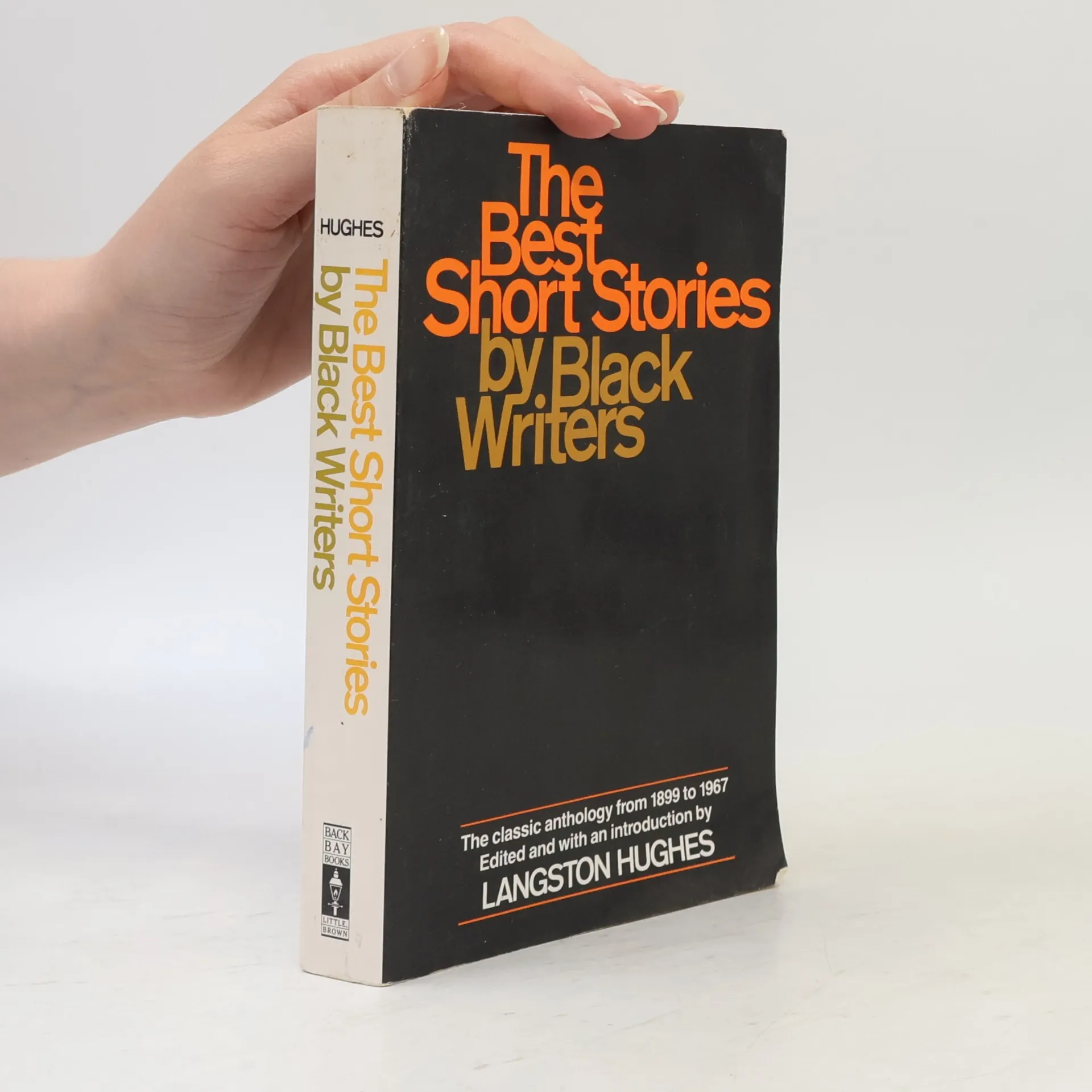
A classic anthology of short stories by Black writers including James Baldwin, Zora Neale Hurston, and Richard Wright -- edited and with an introduction by Langston Hughes. Originally published in 1967, The Best Short Stories by Black Writers offers a timeless and unforgettable portrait of the tragedy, comedy, triumph, and suffering that were part of African American life from 1899 to 1967.