John Benton Bücher


Expressive Individualism in the Church
- 148 Seiten
- 6 Lesestunden
The predominant religion in many parts of the world today is expressive individualism. It shapes the religious intuitions of our non-Christian neighbors, our children, and even ourselves in the church. Understanding expressive individualism and how it has impacted the church is crucial for pastoral ministry. TABLE OF CONTENTSEditor's NoteINTRODUCING EXPRESSIVE INDIVIDUALISMWhy Pastors Need to Understand an Abstract Topic Like "Expressive Individualism" by Justin HarrisDo 9Marks Churches Foster Expressive Individualism? by Ben WrightSummary of Carl Trueman's, The Rise and Triumph of the Modern Self: Cultural Amnesia, Expressive Individualism, and the Road to Sexual Revolution by John BentonBook Review: Carl Trueman's Strange New World reviewed by Allen DutyHow Do We Find Our Identity in Christ? - An excerpt from Brian Brosner's How to Find YourselfEXPRESSIVE INDIVIDUALISM AND THE CHURCHExpressive Individualism and the Church by Carl TruemanPreaching in the Age of Expressive Individualism: Telling the Story of Our New Identity by Michael LawrencePastoring Singles in the Age of Self by Sam AllberryYouth Ministry and the Rise and Triumph of the Modern Self by Walt MuellerYou're a Pastor, Not a Therapist by Jeremy PierreChurch Discipline and Expressive Individualism by Jonathan ParnellThe Ordinances: A True and Better Identity Politics by Bobby JamiesonRaising Children in an Age of Expressive Individualism by Abigail DoddsThe Pastor and an Unmessianic Sense of Non Destiny by Carl TruemanEXPRESSIVE INDIVIDUALISM AND THE INTERNET"You've Got Self:" How the Internet Cultivates Expressive Individualism in All of Us by Samuel D. JamesSocial Media Is Designed to Divide Churches—So What Do We Do? by Clare MorellGENDER, SEXUALITY, AND EXPRESSIVE INDIVIDUALISMQuestions about Gender Should Send Us to Scripture by Tom SchreinerIf You Want to Address LGBTQ, Address Expressive Individualism by Ryan FullertonExpressive Individualism, Embodied Telos, and How to Be an Anti-Winfrey by Andrew WalkerELDER MEDITATION: AN ELDER MUST NOT BE QUARRELSOMEAre You Principles or Just a Contentious Jerk? by Paul MartinAre You Contending for the Truth or Quarrelsome? by Paul AlexanderWhat Does Proverbes Teach about Being Quarrelsome? by Mark RedfernWhat Does Paul Mean by Quarrelsome? by Will McKinneyHow Do We Recognize Quarrelsome People? by Nathan LoudinWhat Is the Root of Quarrelsomeness and How Does It Get Fixed? by David DunhamABOUT 9MARKSAt 9Marks, we help pastors, future pastors, and church members see what a biblical church looks like, and help them take practical steps toward becoming one. We believe every local church should be characterized by expository preaching, biblical theology, a biblical understanding of the gospel and of conversion, biblical evangelism, church membership, church discipline, discipleship, and a biblical model of leadership. In order to inform and influence churches, 9Marks creates a wide variety of practical resources including books, articles, podcasts, book reviews, and a quarterly Journal. We also host regular events around the world—almost all of them geared toward equipping and encouraging pastors.
The Big Picture for Small Churches
- 200 Seiten
- 7 Lesestunden
First published in 2005, this book continues to be relevant, godly advice from an experienced pastor and author. It has been out of print for some time, and is now reissued with a new preface and a completely revised layout and cover. John Benton has written a sensitive and practical book out of a heartfelt concern for the many small groups of God's people who meet regularly and faithfully, but who may sometimes feel weak or isolated. Little churches can be the seeds from which God may yet give a might harvest, for his glory.
In a self-centred, immature world the Church is called to be different. Christians of all ages should be growing in spiritual maturity. John Benton guides us through what the book of Philippians has to say about a maturing church and gives helpful suggestions for how this can be put into practice and shows the joy that can be ours when we live God's way.
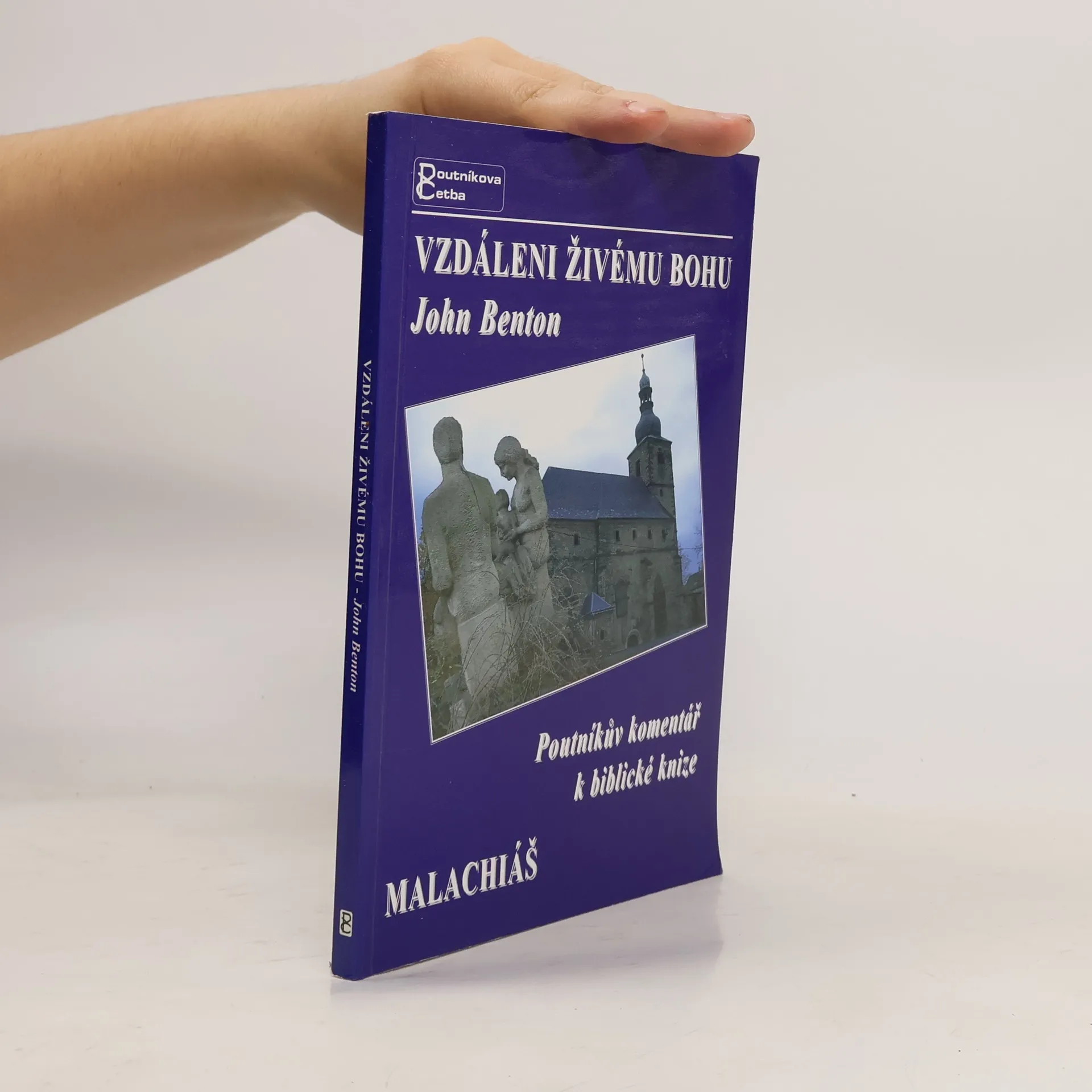
Víra mnohých časem ochladla. Otupěla a to obrovské nadšení, které následovalo po obrácení, postupně vychladlo. Křesťanský život se stal pohodlným a jednoduchým. Téměř to vypadá, jakoby se vzdalovali živému Bohu. I když se může zdát, že jde o popis nás samotných nebo dokonce o stav současné církve, je to obraz Izraele v Malachiášově době. Prorok probírá problém našeho duchovního úpadku, zkamenělosti víry. Bůh skrze Malachiáše konfrontuje Izrael s jeho duchovním stavem a obviňuje jej. John Benton ukazuje, že kniha Malachiáše je výzvou k opuštění nedbalého a prázdného náboženství a naznačuje cestu zpět k upřímné a vytrvalé víře v Boha, který se nemění.