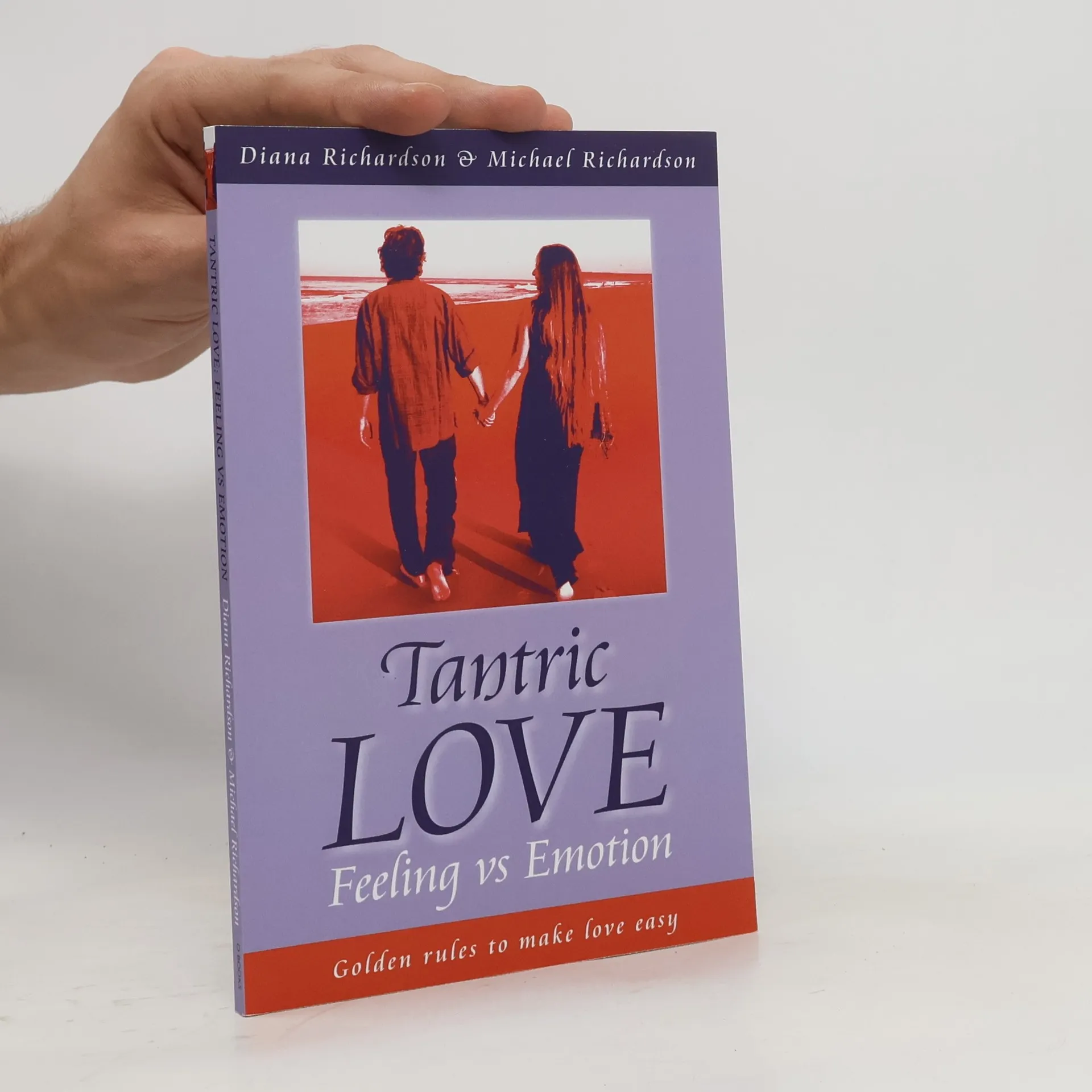
What happens when suddenly the wind changes and the loving connection between two partners is disrupted for hours or even days? Why is love associated with ups and downs? The answer is simple although not obvious - usually a wave of emotion which has roots in the past floods the atmosphere. The authors show in easy-to-follow steps how to recognise emotions, to leave them behind, and to create space for the expression of real feelings where love has a chance.
Michael Richardson Bücher

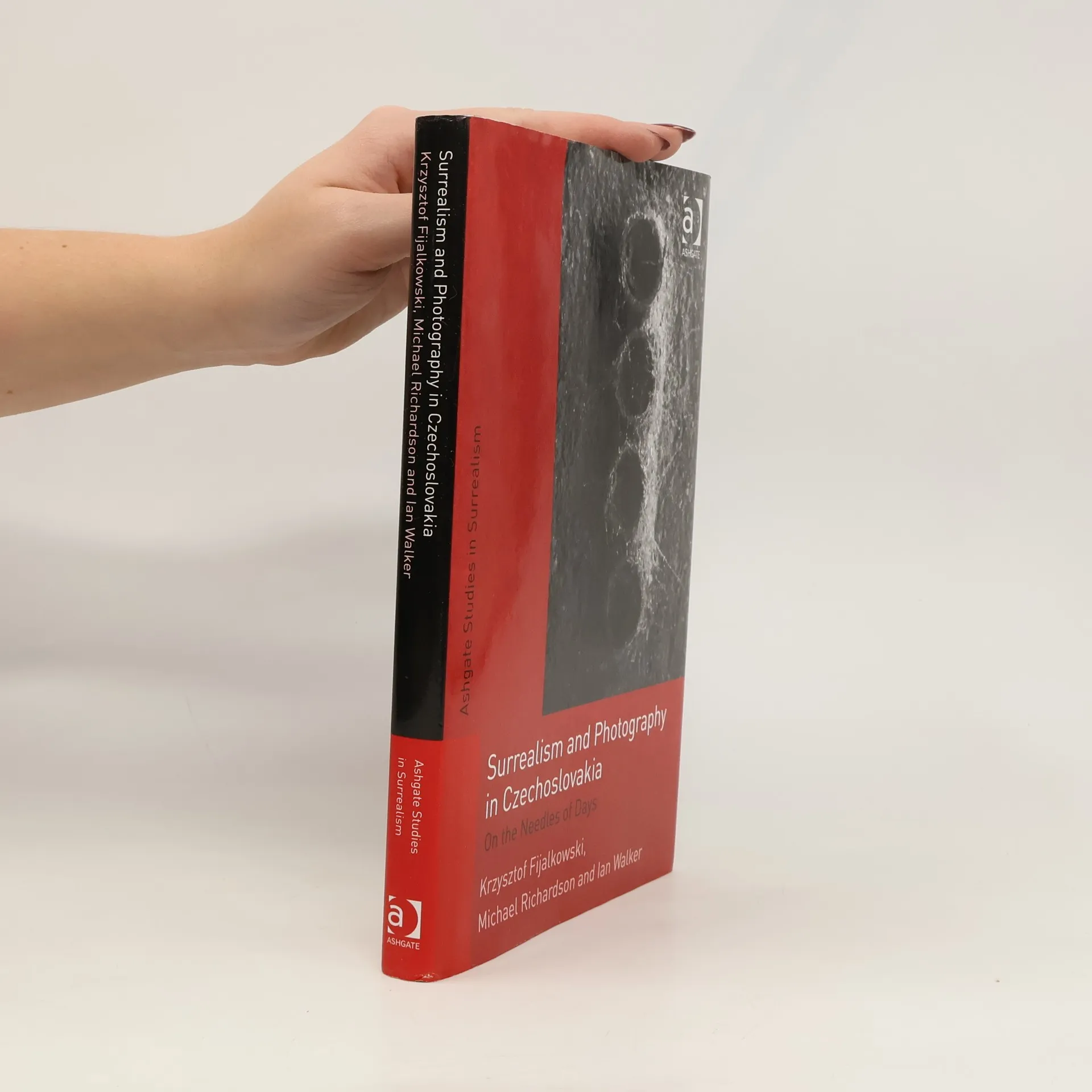
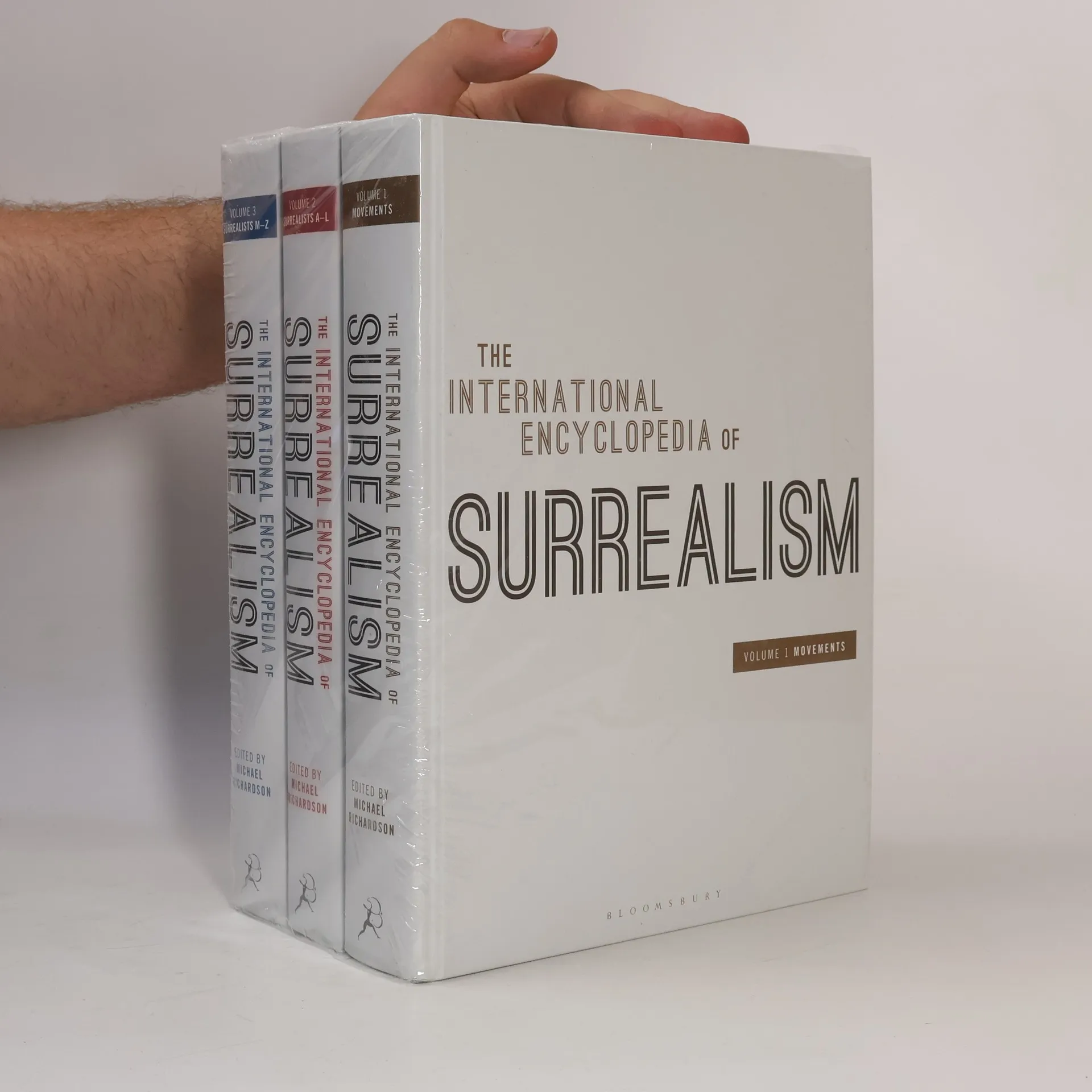
Surrealism and Photography in Czechoslovakia
- 214 Seiten
- 8 Lesestunden
Surrealism and Photography in Czechoslovakia: On the Needles of Days sheds much-needed light on the location of the greatest concentration of Surrealist photography and examines the culture and tradition within which it has taken root and flourished. The volume explores a rich and important artistic output, very little of which has been seen outside of its land of origin. Based on extensive research at museums in Prague and Brno and many conversations with participants in and historians of the movement, Krzysztof Fijalkowski, Michael Richardson and Ian Walker analyse how this photographic work has developed cohesively and rigorously, from the beginnings of Czech Surrealism in 1934, to the intriguing researches of the present-day Czech and Slovak Surrealist group by way of mysterious veiled responses to the repressive contexts with which they were faced from the 1950s to the 1980s. The main chapters, ordered chronologically, are intersected with shorter texts examining specific works. The reader will find in this volume images that present challenges to our understanding of how photographic work has been used within surrealism, pinpointing individual pictures whose dynamic charge may induce instants of compelling interrogation and disruption.
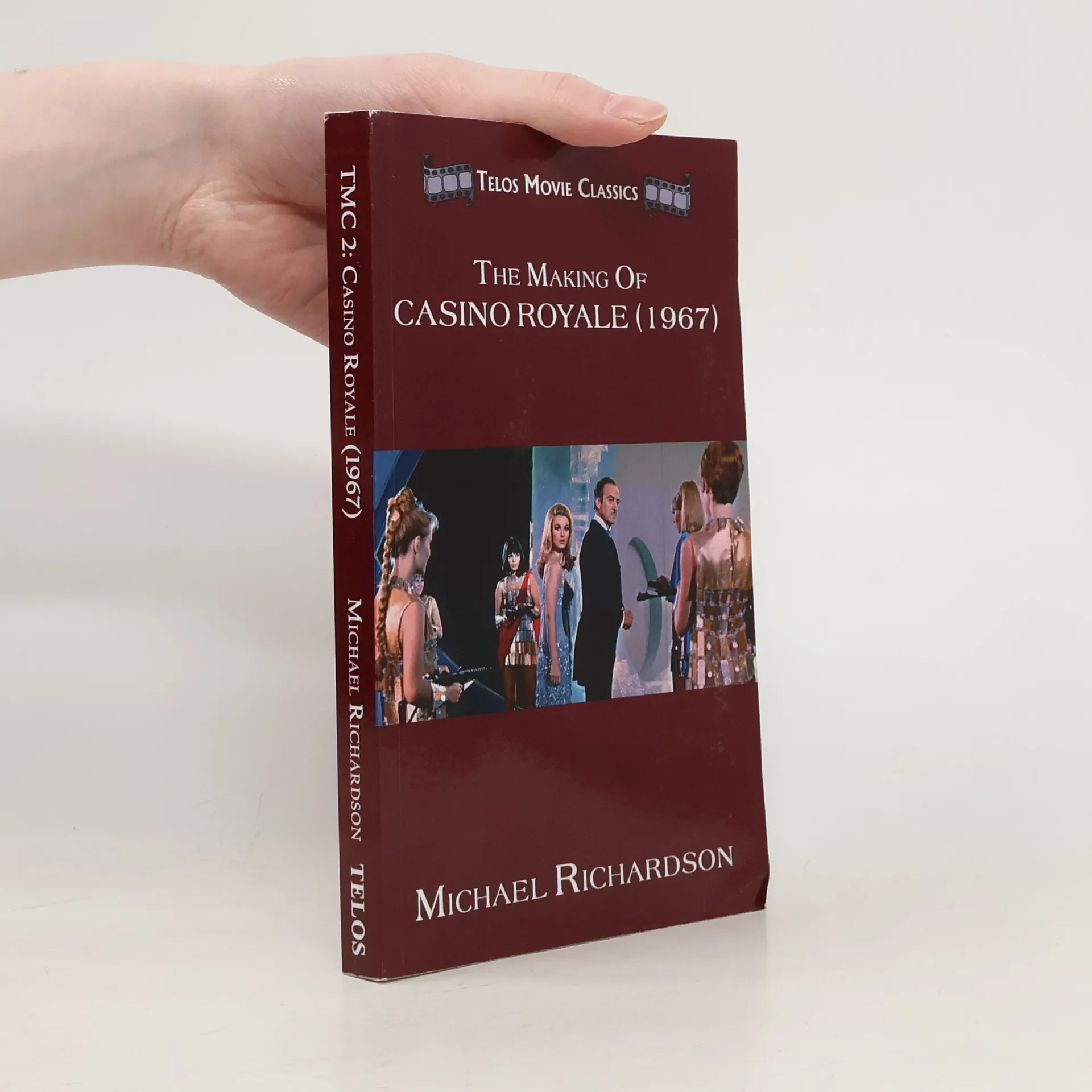
The Making of Casino Royale (1967)
- 240 Seiten
- 9 Lesestunden
'My doctor says that I shouldn't have bullets entering my body at any time!' The '60s James Bond spoof Casino Royale is a psychedelic, multi-storylined extravaganza packed with star names, including Peter Sellers, Woody Allen, David Niven, Ursula Andress and Orson Welles. Poorly received at the time of its original release, it has since come to be regarded as a cult classic. In this book, noted television and film researcher Michael Richardson gives the most detailed and comprehensive account ever published of the making of this extraordinary blockbuster, which got so out of control that it became arguably one of the most chaotic productions in cinema history - and certainly the most bizarre James Bond film ever! A series of guides to some of the most talked-about films ever produced. From classics and acclaimed features to lesser-known or overlooked works, but all deserving of critical appraisal. Telos Movie Classics are the perfect way to gain a greater insight into the films you love.
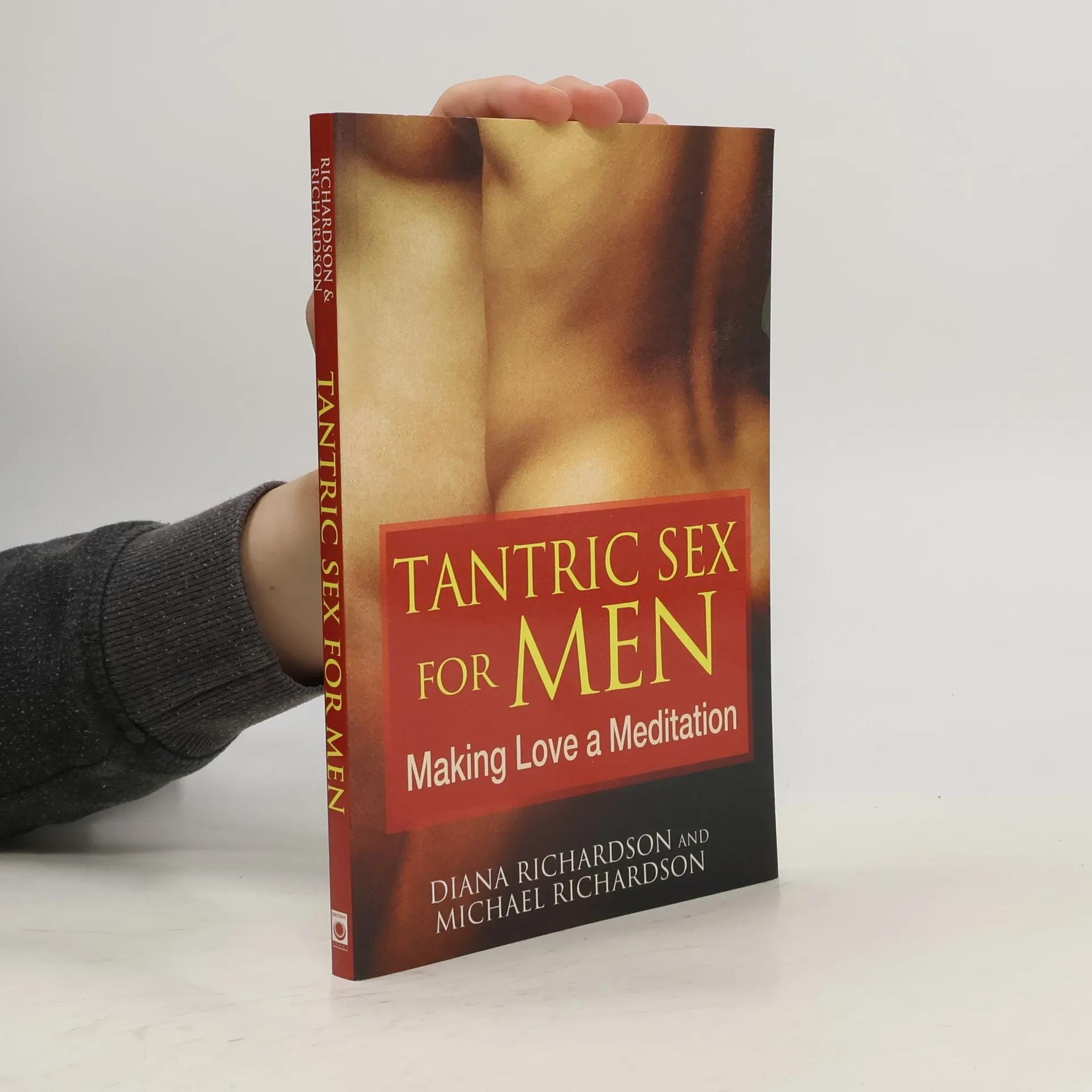
Using the tantric guidelines they have practiced for more than 25 years, the authors show men how to move beyond preconceptions of sex as a goal-oriented--and often stressful--event so they can relax into sex as a meditative union of complementary energies.
Tantric Sex for Lovers
- 576 Seiten
- 21 Lesestunden
This comprehensive boxed set offers an in-depth exploration of tantric sex across three volumes. It delves into the spiritual and physical aspects of intimacy, providing techniques, exercises, and insights to enhance sexual experiences. Readers will discover methods to deepen their connection with partners, improve communication, and cultivate mindfulness in their sexual practices. With detailed guidance and practical tips, this set serves as an essential resource for those seeking to enrich their understanding of tantra and its benefits in relationships.
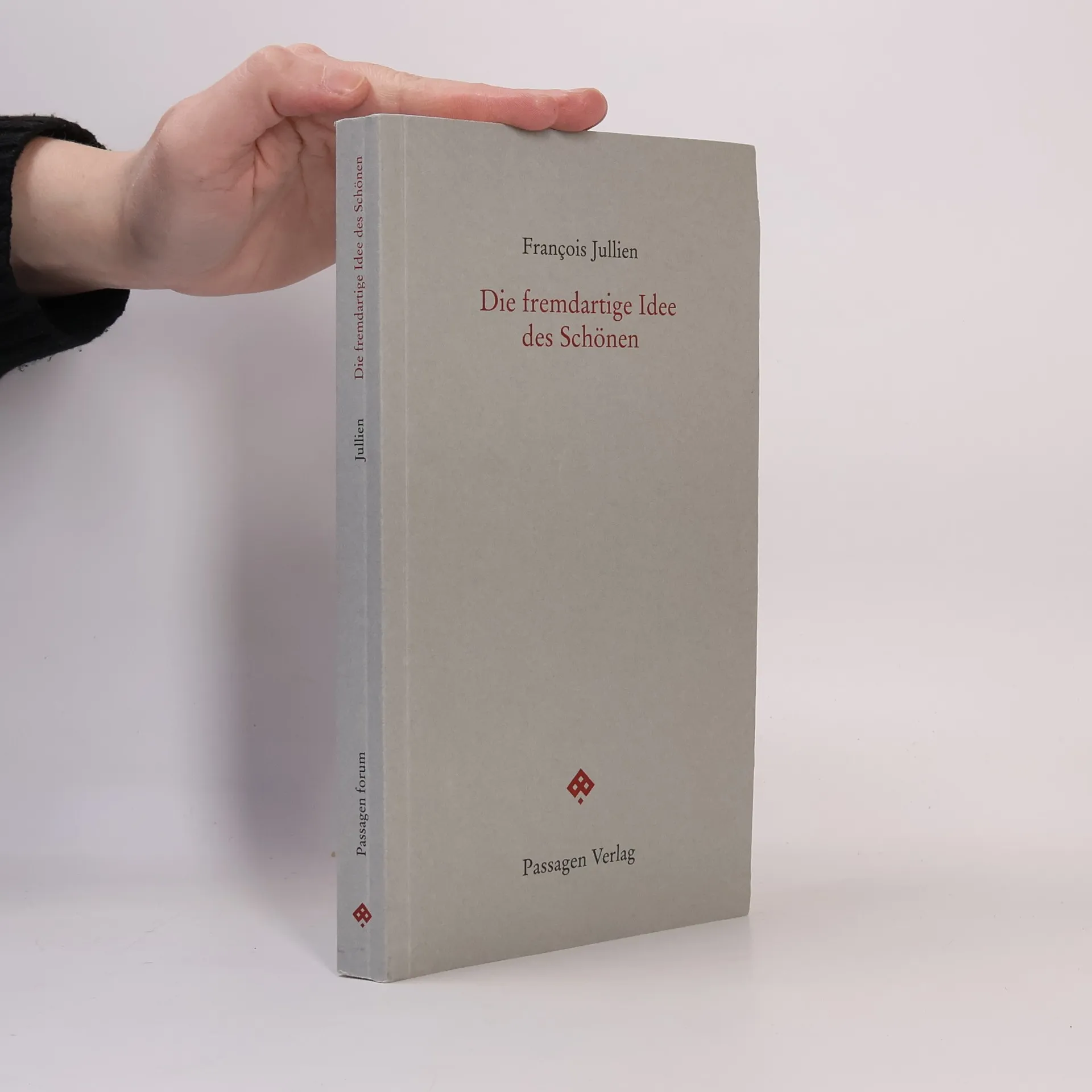
Im Lauf der Jahrhunderte hat man immer wieder die Kriterien und Konzeptionen des Schönen in Frage gestellt, seine Definition unterlag einem fortwährenden Wandel. Doch hat man dabei auch jene in der Sprache verankerte Vorbedingung bedacht, nämlich überhaupt „das Schöne“ sagen zu können? Als Angelpunkt unserer Metaphysik lehrt uns das Schöne, die Vielfalt des Sinnlichen zugunsten der Einheitlichkeit einer „Idee“ aufzugeben. Das Schöne bestürzt und bewegt uns, indem es als Absolutes ins Sichtbare einbricht; zugleich ist es der letzte Erlösungsweg, der uns nach dem Tod der Götter noch bleibt. Das chinesische Denken freilich hat nie „das Schöne“ abstrahiert und isoliert. In der Herausarbeitung dieses Unterschiedes sucht François Jullien Möglichkeiten freizulegen, die sich nicht dem Monopol des Schönen unterordnen; der zeitgenössischen Kunst, im Krieg mit dem Schönen befindlich, neue und fruchtbare Wege zu eröffnen. Das Schöne wird von erschöpfenden Gemeinplätzen befreit: um es in seiner Fremdartigkeit wiederherzustellen.
Tantrický sex pro muže
- 192 Seiten
- 7 Lesestunden
MILOVÁNÍ JAKO MEDITACE ZPOMAL. VNÍMEJ. DOPŘEJ SI VÍC POTĚŠENÍ, KLIDU A BLÍZKOSTI. Co se při milování změní, když si dovolíš zpomalit a plně vnímat vlastní tělo i ženu po svém boku? Mnoho mužů provází při sexu tichy tlak: mít erekci, vydržet dost dlouho, uspokojit partnerku. Diana a Michael Richardsonovi ukazují, jak z tohoto koloběhu očekávání vystoupit a otevřít se hlubšímu, uvolněnějšímu prožitku. Vycházejí z vlastní zkušenosti a dlouholeté práce s páry. Zkoumají rozdíl mezi orgasmem a ejakulací, význam citlivosti i to, jak naše představy o sexu ovlivňují skutečné prožívání. Nabízejí konkrétní podněty, jak při milování pracovat s pozorností, pohybem a dechem a vytvářet prostor pro vzájemnou blízkost. Tantricky sex pro muže tě zve k objevování sexuality, v níž mají své místo síla i jemnost, potěšení i vnitřní klid. Ukazuje, jak se milování může stát meditací — živým setkáním dvou lidí v přítomném okamžiku.