Walter Brueggemann ist ein herausragender weltweiter Interpret des Alten Testaments, dessen Schriften tiefe Einblicke in biblische Texte bieten. Seine Arbeit untersucht, wie alttestamentliche Themen die Theologie und die literarische Vorstellungskraft prägen. Brueggemanns Herangehensweise an die Schrift ist wesentlich für das Verständnis ihrer Bedeutung innerhalb der christlichen Tradition. Seine Veröffentlichungen sind entscheidend für Leser, die tiefgreifendes Wissen über das Alte Testament und sein bleibendes Erbe suchen.
Interpretation: A Bible Commentary for Teaching and Preaching
374 Seiten
14 Lesestunden
The narrative explores the transformation of God's people from marginalized tribes to a powerful monarchy, highlighting the complexities of their journey. Walter Brueggemann employs critical scholarship and theological insight to examine the historical context and implications of the books of Samuel. His analysis reveals not only the political and social dynamics at play but also the deeper spiritual themes that resonate throughout this pivotal period in biblical history.
Preeminent biblical scholar Walter Brueggemann explores the book of Jeremiah as a unique homiletic experiment, challenging us to consider its canonical shape as a guide for sermon structure. He proposes that Jeremiah can be seen as a long sermonic reflection on the traumatic events leading to the exile of Judah, prompting critical questions about God's faithfulness, punishment, and the future. This exploration extends to the crucifixion of Jesus and the displacement of his followers, paralleling modern American cultural dislocation that challenges notions of exceptionalism. Brueggemann connects these themes to the experiences of ancient Israel following Jerusalem's destruction, as articulated in Jeremiah. He analyzes the book's organization—Introduction, Body, and Conclusion—drawing parallels to Good Friday, Holy Saturday, and Resurrection Sunday. The preacher's role mirrors that of the prophet, tasked with both destruction and renewal. Brueggemann emphasizes that preaching must be honest and transparent, addressing God's requirements and proclaiming His past and future actions without resorting to cover-ups. This approach invites deeper engagement with the text and its implications for contemporary faith and practice.
In this challenging and enlightening treatment, Brueggemann traces the lines from the radical vision of Moses to the solidification of royal power in Solomon to the prophetic critique of that power with a new vision of freedom in the prophets. Here he traces the broad sweep from Exodus to Kings to Jeremiah to Jesus. He highlights that the prophetic vision and not only embraces the pain of the people but creates an energy and amazement based on the new thing that God is doing.
In his clear and readable, style Walter Brueggemann presents Genesis as a single book set within the context of the whole of biblical revelation. He sees his task as bringing the text close to the faith and ministry of the church. He interprets Genesis as a proclamation of God's decisive dealing with creation rather than as history of myth. Brueggemann's impressive perspective illuminates the study of the first book of the Bible. Interpretation: A Bible Commentary for Teaching and Preaching is a distinctive resource for those who interpret the Bible in the church. Planned and written specifically for teaching and preaching needs, this critically acclaimed biblical commentary is a major contribution to scholarship and ministry.
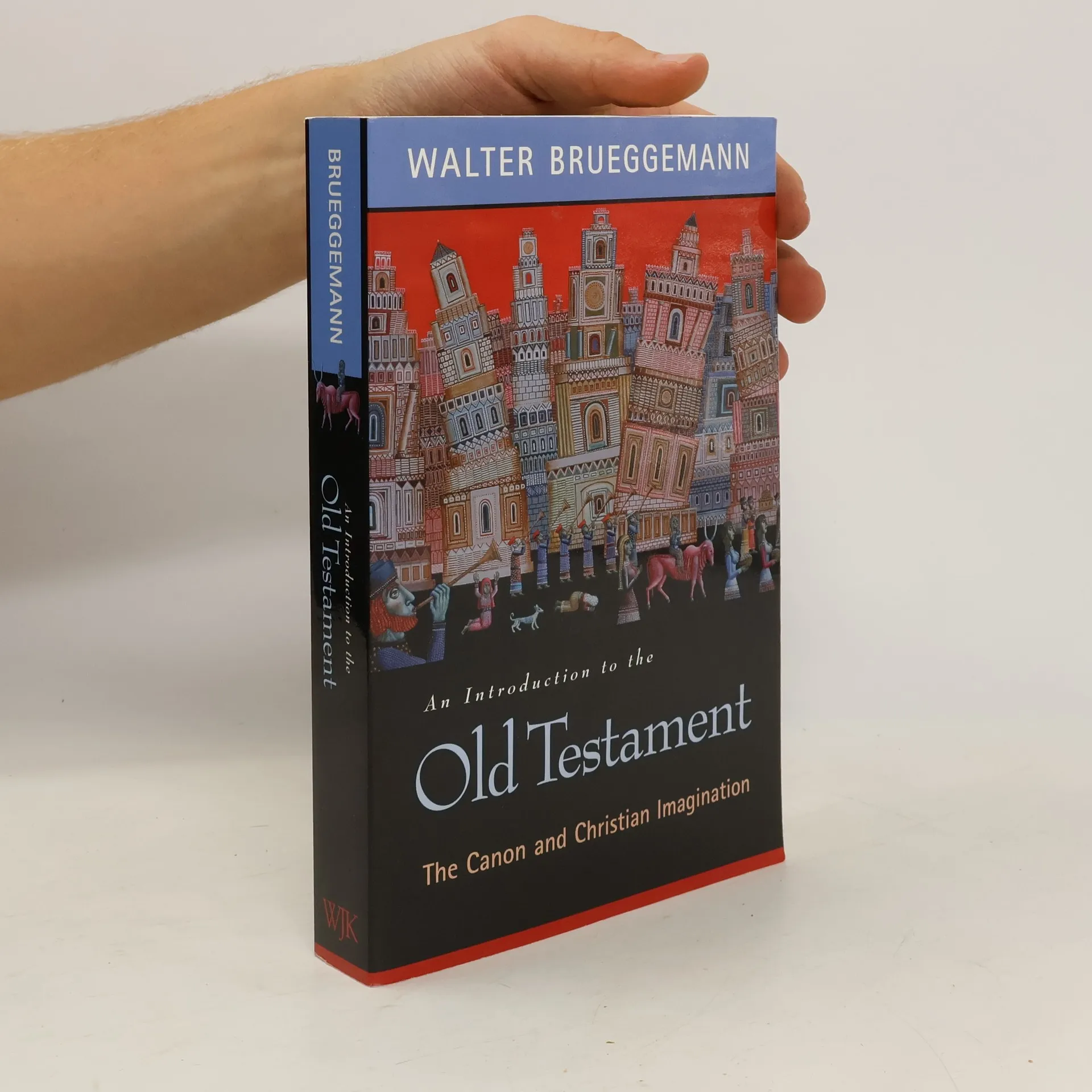
This work introduces the reader to the broad theological and chronological sweep of the Old Testament. It covers every book of the Old Testament in the order in which it appears in the Hebrew Bible and treats the issues and methods in contemporary interpretations without jargon.
Exploring the interplay between immediate concerns and deeper existential questions, the book delves into the limitations of Enlightenment thinking that prioritizes cause-and-effect reasoning. It emphasizes the importance of imagination in transcending everyday anxieties and stresses, suggesting that life in a spiritual context encompasses more profound mysteries and wonders. The text invites readers to reflect on their faith and the broader implications of their existence beyond mere survival and immediate relief.
Based on the New Revised Standard Version of the Bible, this third in a series of three volumes provides resources for an entire year of sermons and offers practical help for preachers and others who use the Revised Common Lectionary. Beginning with Advent, this unique and comprehensive resource deals with lectionary texts for Year A. Each of the four texts--the Old Testament, Psalter, Gospel, and Epistle--for each Sunday and important festival day, including Christmas, Ash Wednesday, and Good Friday, is treated. A brief introdution for the day indicates the general thrust of the texts and the relationships among them, emphasizing the interpretation of the texts themselves. Also included are suggestions concerning the implications of the texts for life today.
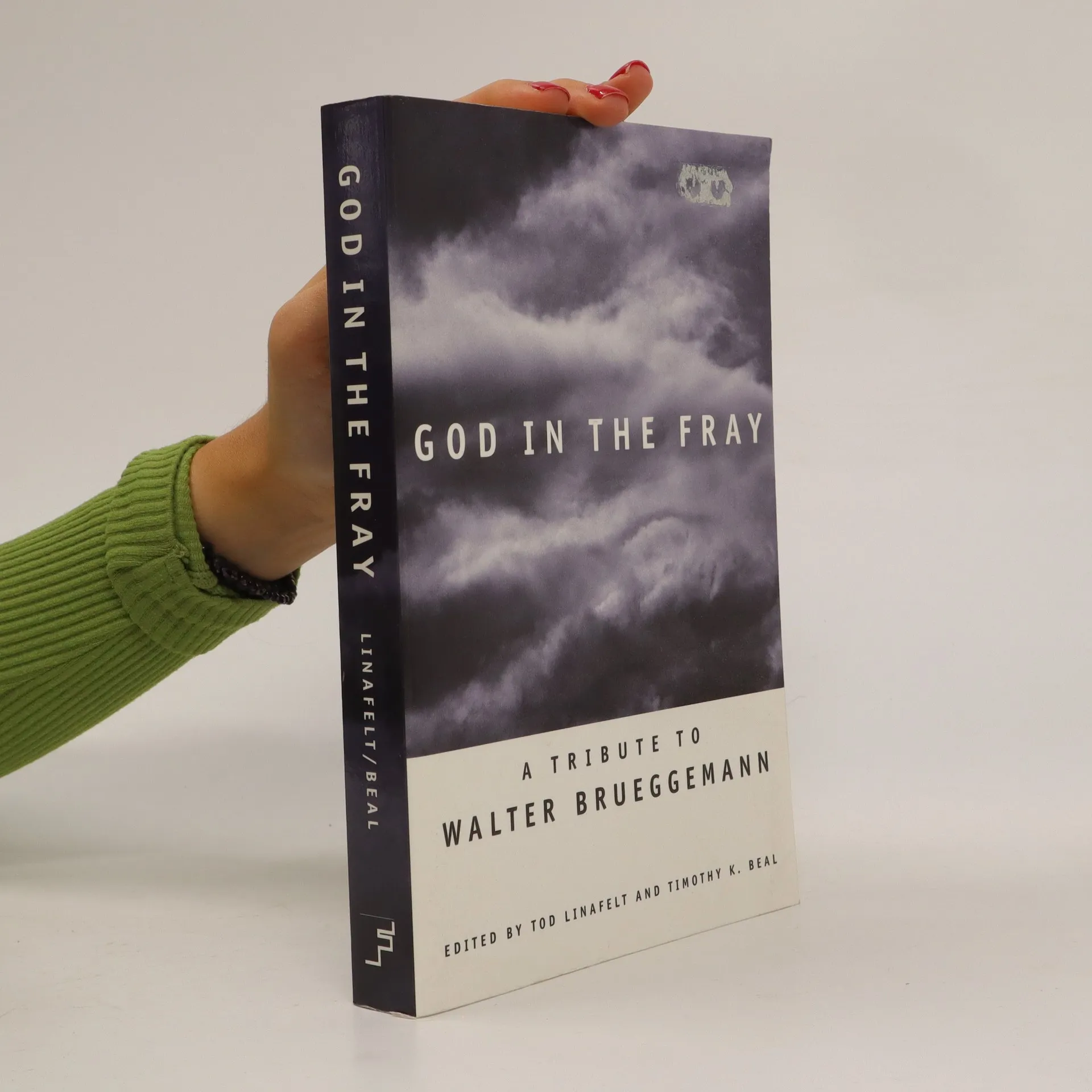
This volume engages the work of Walter Brueggemann, most of which has been published by Fortress Press. The volume centers on the character of God in the text of the Old Testament as a site of theological tension and even ambivalence. Biblical faith never experiences God as entirely above the fray but rather as entangled in history, astonishingly transformative, and impinged upon by the voices of the suffering. Brueggemann's monumental Theology of the Old Testament addresses this fact with great theological insight and rigor, and the internationally renowned biblical scholars writing here engage and extend his insights into the "unsettled Character . . . at the center of the text."
Focusing on Israel's encounter with God, this book explores significant theological themes such as creation, election, Torah, and divine intervention in history. It examines these concepts within their historical contexts while highlighting their enduring relevance for modern Jewish and Christian interpretations, offering insights into the foundational elements of faith and spirituality as recorded in the Hebrew Bible.
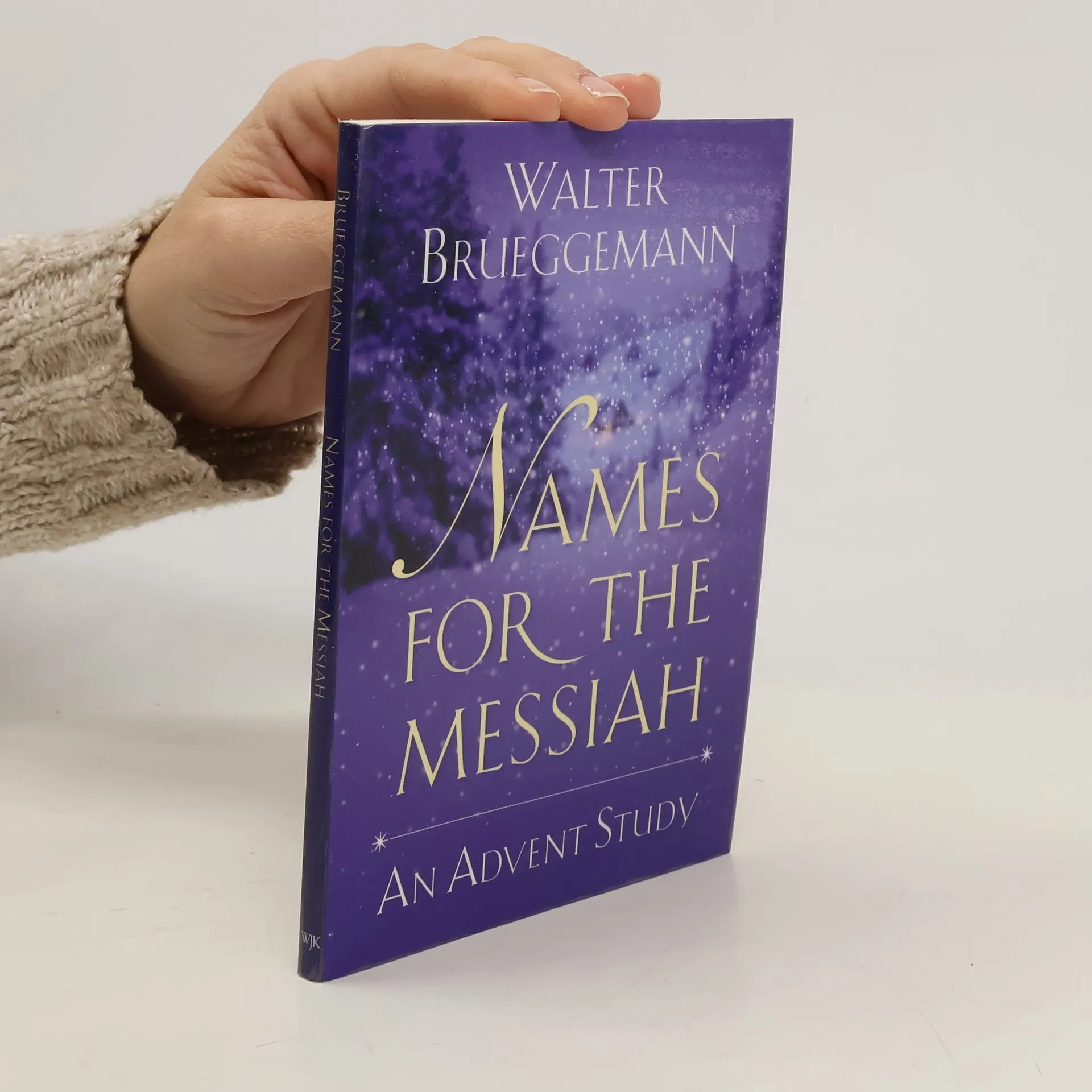
In Isaiah 9:6, a divine utterance is given to us using four royal titles Wonderful Counselor, Mighty God, Everlasting Father, and Prince of Peace. "Names for the Messiah" ponders each title and how the people understood it then, how Jesus did or did not fulfill the title, and how Christians interpret Jesus as representative of that title. Christians have claimed from the beginning that Jesus was the Messiah foretold in the Old Testament. In this study, best-selling author Walter Brueggemann tackles the questions: What were these expectations? and Did Jesus fulfill them? "
The study focuses on the theology of the Book of Jeremiah. Theology revolves
around themes familiar from Israel's covenantal faith. The God attested in the
Book of Jeremiah invites its readers into and through any dislocations to new
futures that combine divine agency and human inventiveness rooted in
faithfulness.
Exploring the intersection of biblical teachings and contemporary life, this essay collection emphasizes the urgent need for faith in a world plagued by evil and violence. Brueggemann aims to empower readers to resist harmful social forces through messages of forgiveness, generosity, and hospitality. He encourages a transformative way of living that counters societal pressures of exclusion and fear, fostering joy and hope. Ultimately, these essays serve as a source of strength for those committed to creating positive change in their communities.
Exploring the unique dialect of the Bible, this work delves into the complexities of human experience through themes of justice, love, and compassion. It critiques how the church often strays from this relational language, succumbing to external pressures like nationalism or ideological divides. By highlighting the importance of maintaining a distinct biblical rhetoric, the author argues that the church must resist these seductions to uphold its mission and identity, fostering a deeper understanding of God's creation and human hope.
Exploring the intersection of scripture and contemporary social issues, this work offers a fresh perspective that challenges conventional views shaped by democratic capitalism. By situating social topics within the biblical narrative, it encourages readers to reconsider their assumptions and recognize the limitations of their ideological beliefs. The author argues that engaging with biblical testimony can help deconstruct the perceived absoluteness of social realities, fostering a more nuanced understanding that is open to interpretation and faith rather than fixed certitude.
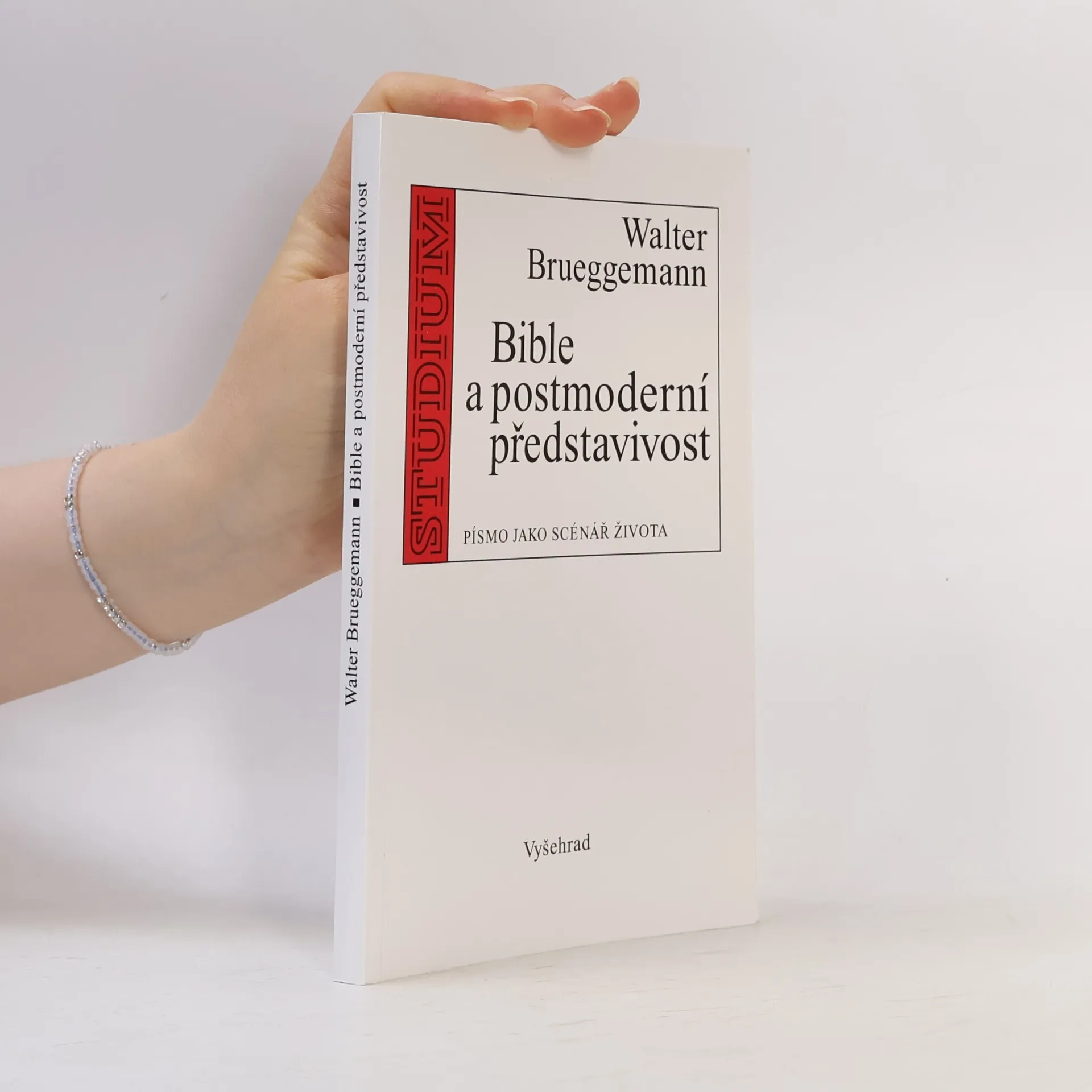
Přední americký biblista, autor řady komentářů ke starozákonním knihám a svého opakovaně vydávaného díla Teologie Starého zákona, shrnuje v této publikaci předpoklady pro dialog dnešního člověka s dějinným biblickým odkazem. Upozorňuje na doznívající vliv osvícenství, které důrazem na autoritu rozumu a na ideál objektivity oslabovalo sdělnost biblické zvěsti. Ta se znovu zaskví, když Bibli pojmeme jako odvážný alternativní výklad světa, který připomene opomíjené prvky lidské existence. Odtud pak autor formuluje nově nejen postavení církve ve světě, ale i zcela konkrétní závěry pro ty, jejichž úkolem je zpřístupňovat porozumění biblickým textům dnešním posluchačům či čtenářům.
Co pro nás dnes znamená přikázání „světit den odpočinku“? Není to jen fráze z jiného věku? Walter Brueggemann ukazuje, že právě v době nepřetržitého provozu, tlaku na výkon a všeobecného vyčerpání má šabat nečekanou sílu. Připomíná biblický kontrast mezi zotročujícím faraonským režimem roboty bez oddechu a Božím světem, kde čas je darem a život se nežije v hrůze z nedostatku a honbě za blahobytem, ale v důvěře v laskavou péči Stvořitele o jeho stvoření. Den odpočinku nás učí čelit strachu, vzdorovat logice trhu a znovu zakoušet svobodu, která nám byla darována.