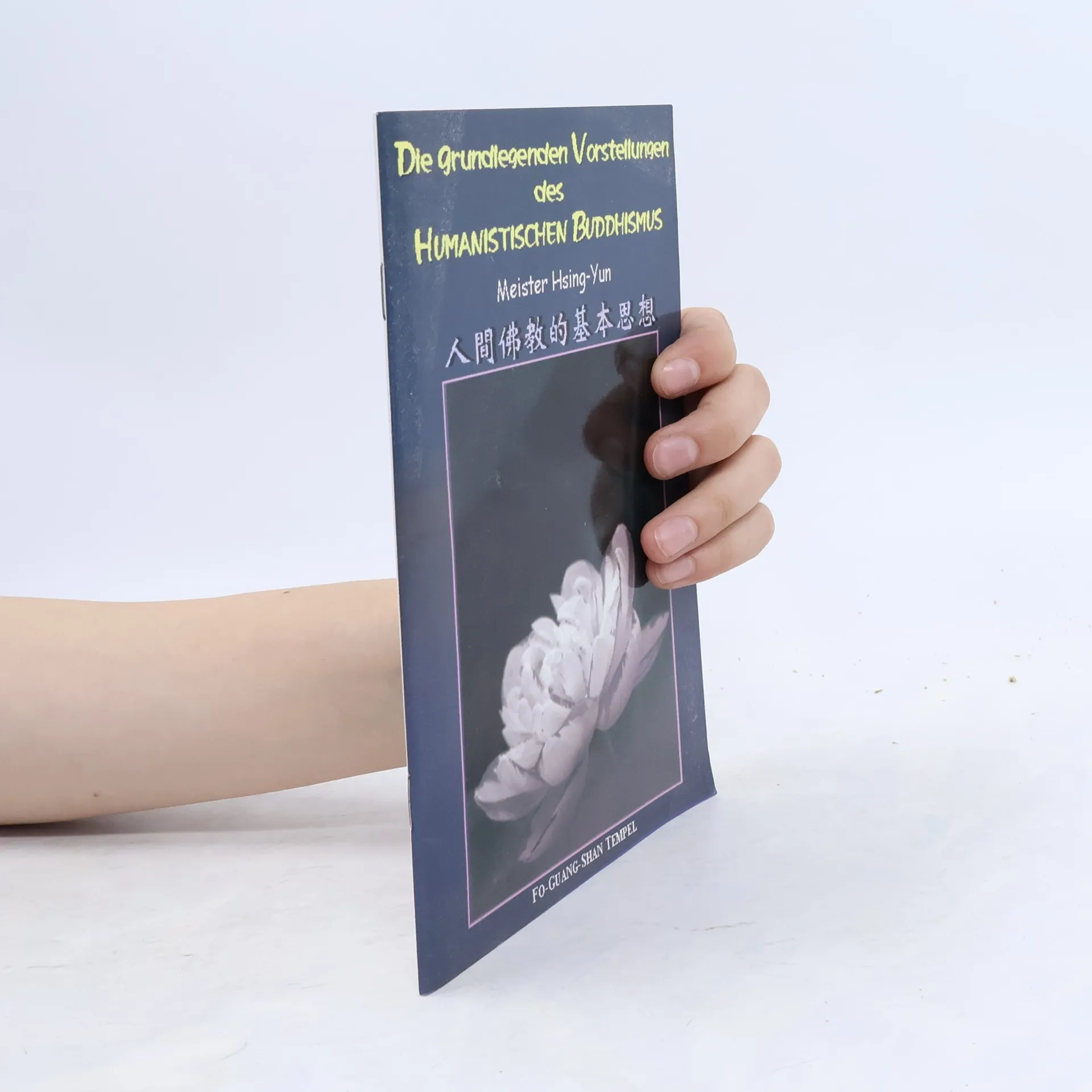
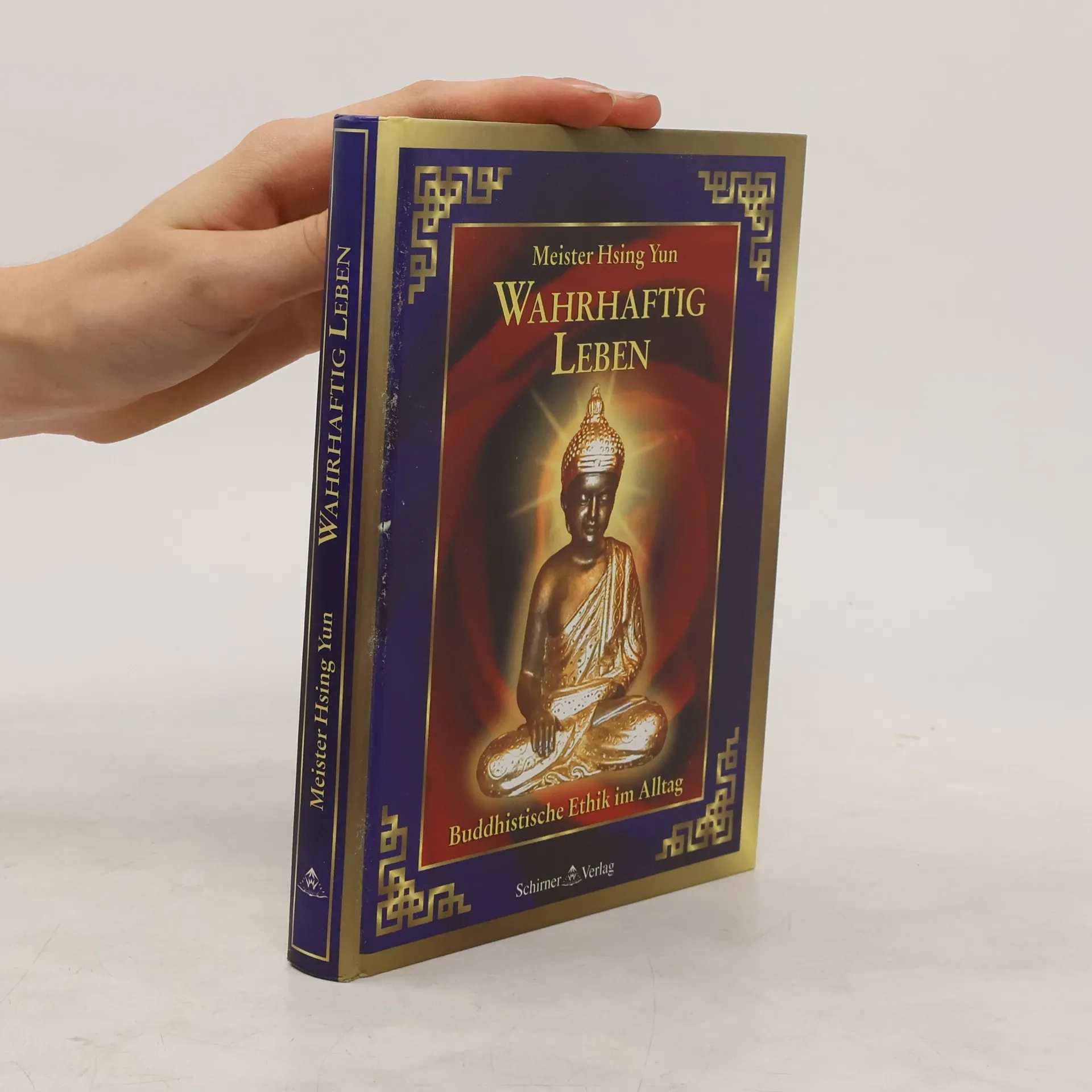
Ziel dieses Buches ist es, Sie einzuladen, darüber nachzudenken, was es bedeutet, ein wahrhaftiges Leben zu führen. Dazu gibt Meister Hsing Yun Ihnen praktische Ratschläge, die auf der buddhistischen Lehre beruhen. In jedem der dreiunddreißig Kapitel behandelt er ein Schwerpunktthema und jedes ist in sich abgeschlossen. Wann immer eines der angesprochenen Themen in ihrem Leben aktuell wird, können Sie also gezielt ein Kapitel herausgreifen und sich beraten lassen
Hsing Yun Bücher
Hsing Yun ist ein bedeutender buddhistischer Mönch, der sich für die Philosophie des „humanistischen Buddhismus“ einsetzt. Seine Arbeit zielt darauf ab, alte buddhistische Prinzipien an die Bedürfnisse der modernen Welt anzupassen, was ihn zu einer Schlüsselfigur in der buddhistischen Reformation macht. Er ist bekannt für seine Bemühungen beim Aufbau von Klöstern, Universitäten und Schulen weltweit sowie für seinen Einsatz im interreligiösen Dialog und gilt als einer der führenden Verfechter des modernen buddhistischen Denkens.


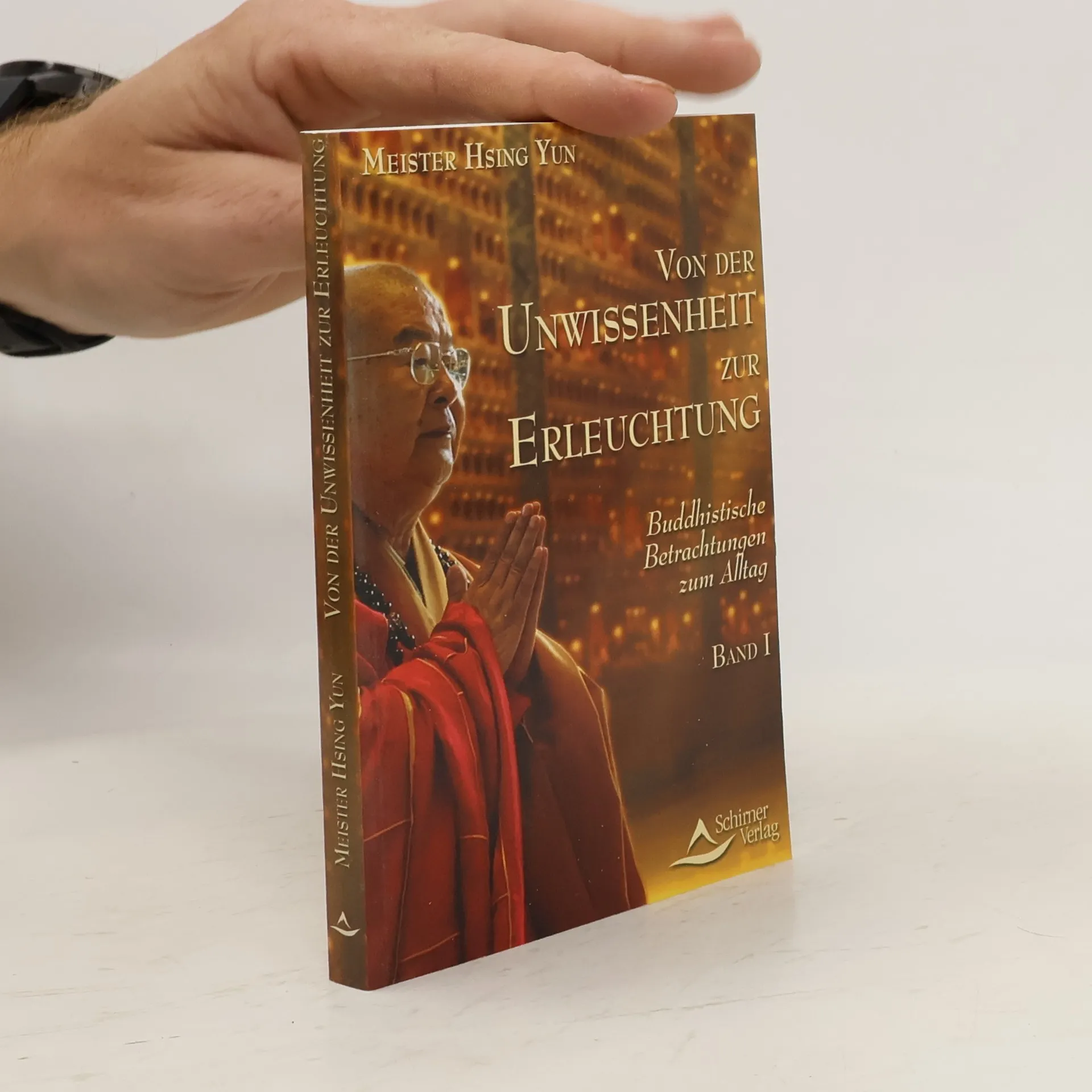
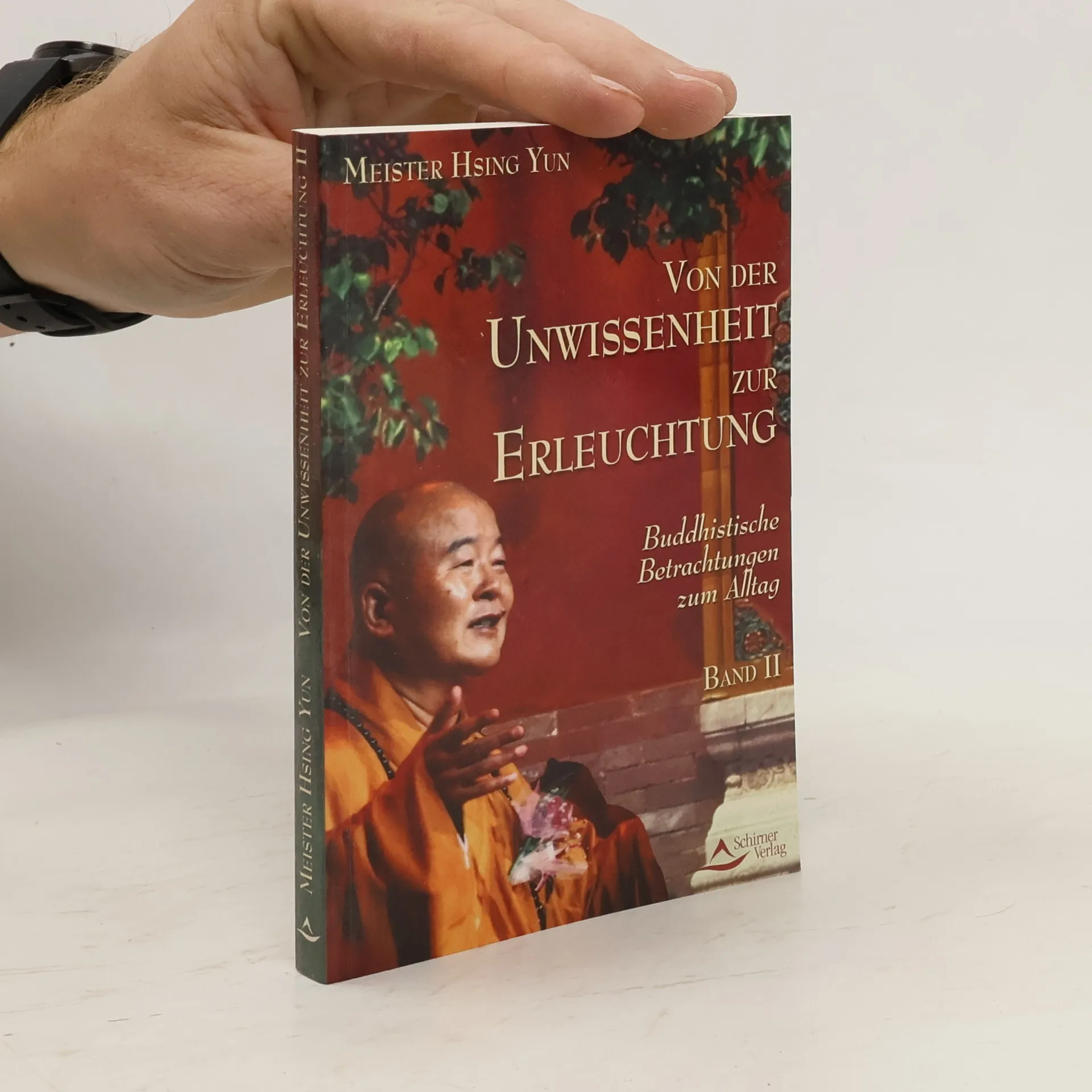
Von der Unwissenheit zur Erleuchtung II
- 189 Seiten
- 7 Lesestunden
Bells, Gongs, and Wooden Fish
- 186 Seiten
- 7 Lesestunden
In Bells, Gongs, and Wooden Fish, Venerable Master Hsing Yun grants voices to the objects of daily monastic life to tell their stories in this collection of first-person narratives. From monastic shoes to robes and alms bowls, these everyday objects tell the story of their lives and the life of Buddhism from their own perspective. Originally published in 1953, the collected sketches are both lyrical and satiric. The collection of inanimate speakers describe and criticize the state of Chinese Buddhism in the early twentieth century in which educating the laity is an afterthought and the day-to-day activities of monastics are dominated by funerary rites. Bells, Gongs, and Wooden Fish showcases the beginnings of Master Hsing Yun's work as a Buddhist reformer, and describes a path to revolutionize, modernize, and humanize Buddhism that resonates to this day.
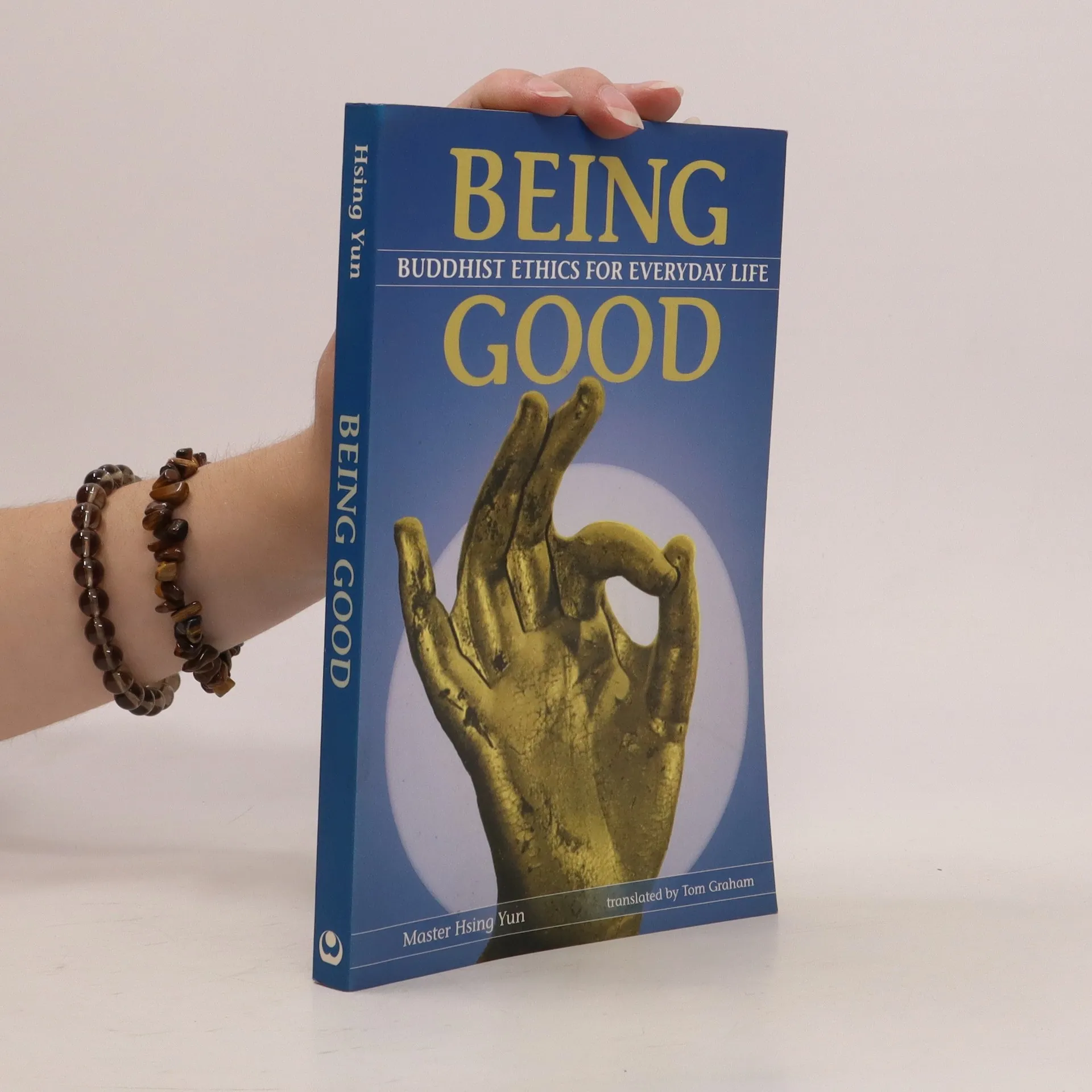
Being good. Buddhist Ethics for Everyday Life
- 176 Seiten
- 7 Lesestunden
The aim of this book is simple: to invite readers to consider what it means to lead a good life, and to offer practical advice, based on the Buddhist teachings, as to how this can be accomplished. In each of more than thirty brief essays, Master Hsing Yun treats a specific moral or ethical issue, using quotations from the rich treasury of the Buddhist scriptures as a point of departure for his discussion. Among the topics he considers are control of the body and of speech, overcoming greed, ending anger, patience under insult, how to manage wealth, how to get along with others, what it means to practice Buddhism, and the blessings and joys of that practice. The Buddhist precepts are introduced as guideposts along this path of liberation, and friendship, gratitude, and service to others are presented as essential elements of a common quest to discover and to embody our innate goodness and humanity.
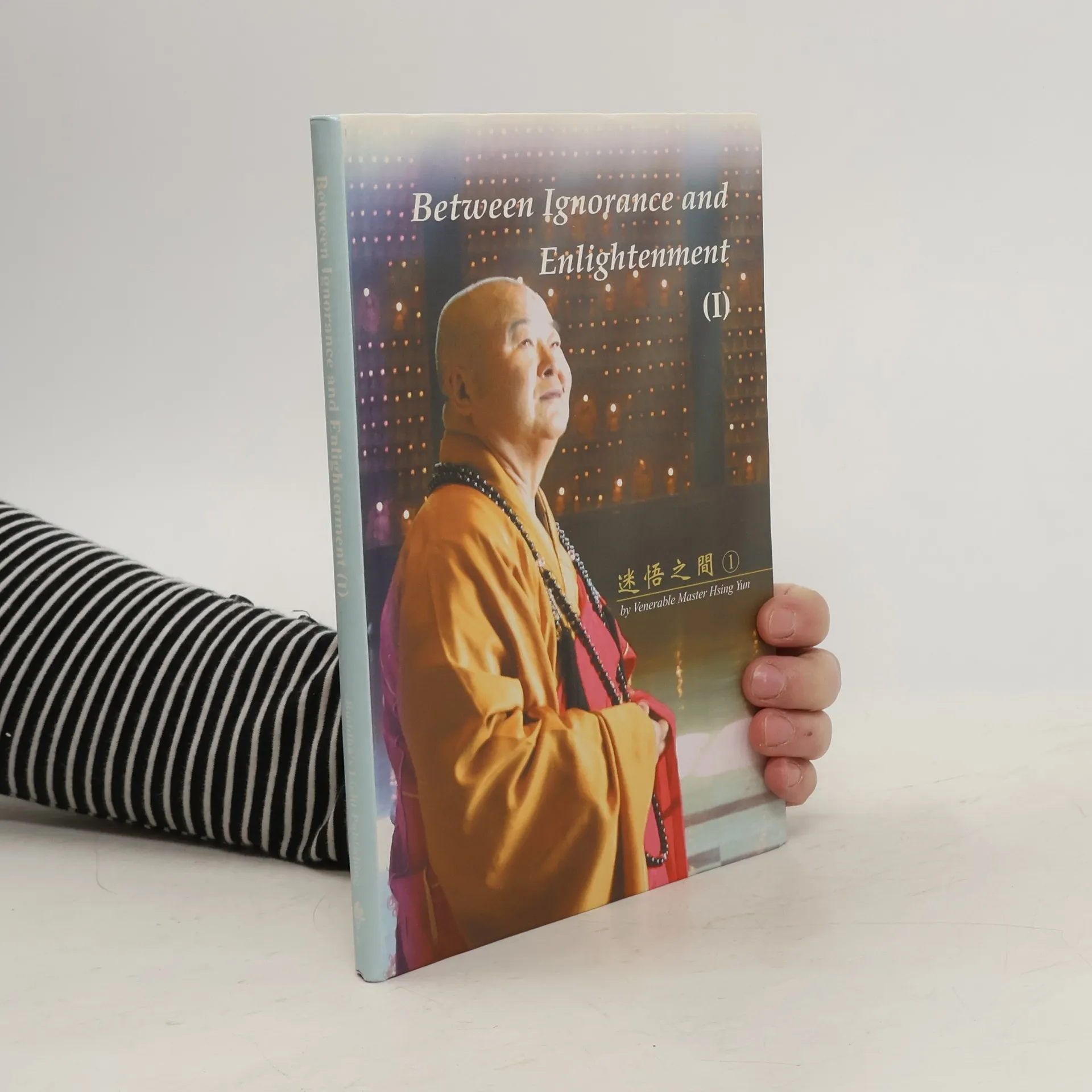
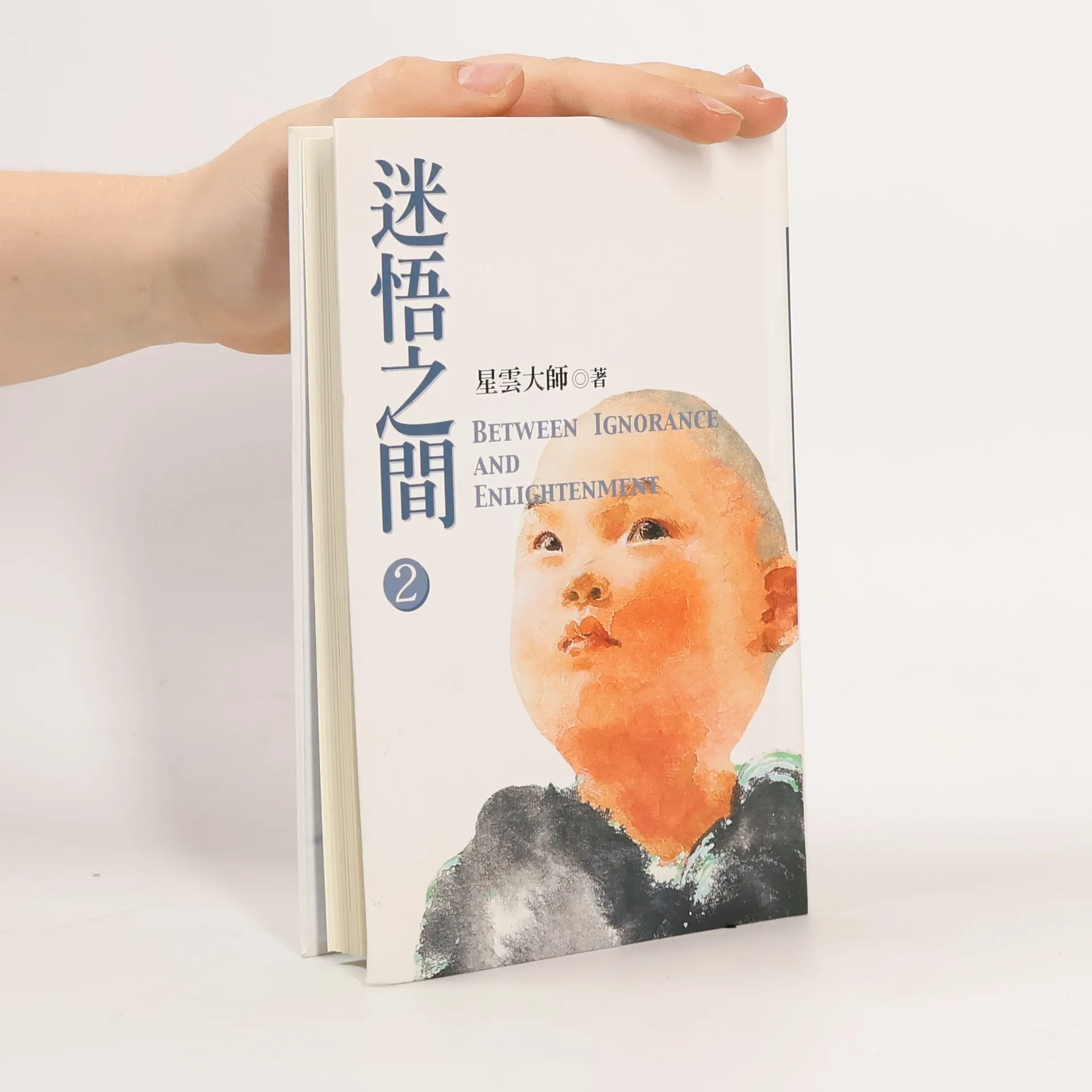
Between Ignorance and Enlightenment
- 160 Seiten
- 6 Lesestunden
In this collection of articles, Venerable Master Hsing Yun shares his reflections, insights, and wisdom, which are intended to inspire, enlighten, and motivate us to live a better life. 'In reality,' he writes, 'ignorance and enlightenment lie in just a thought! A thought of ignorance may cause sorrow and pain, while an inspiration of enlightenment can bring out the sun of wisdom.' 'If we change our views and outlook on life, we can change our destiny.' Such words are characteristic of the Master s writing in this book, often unexpectedly pointing the way to breakthroughs in our spiritual journey and growth.
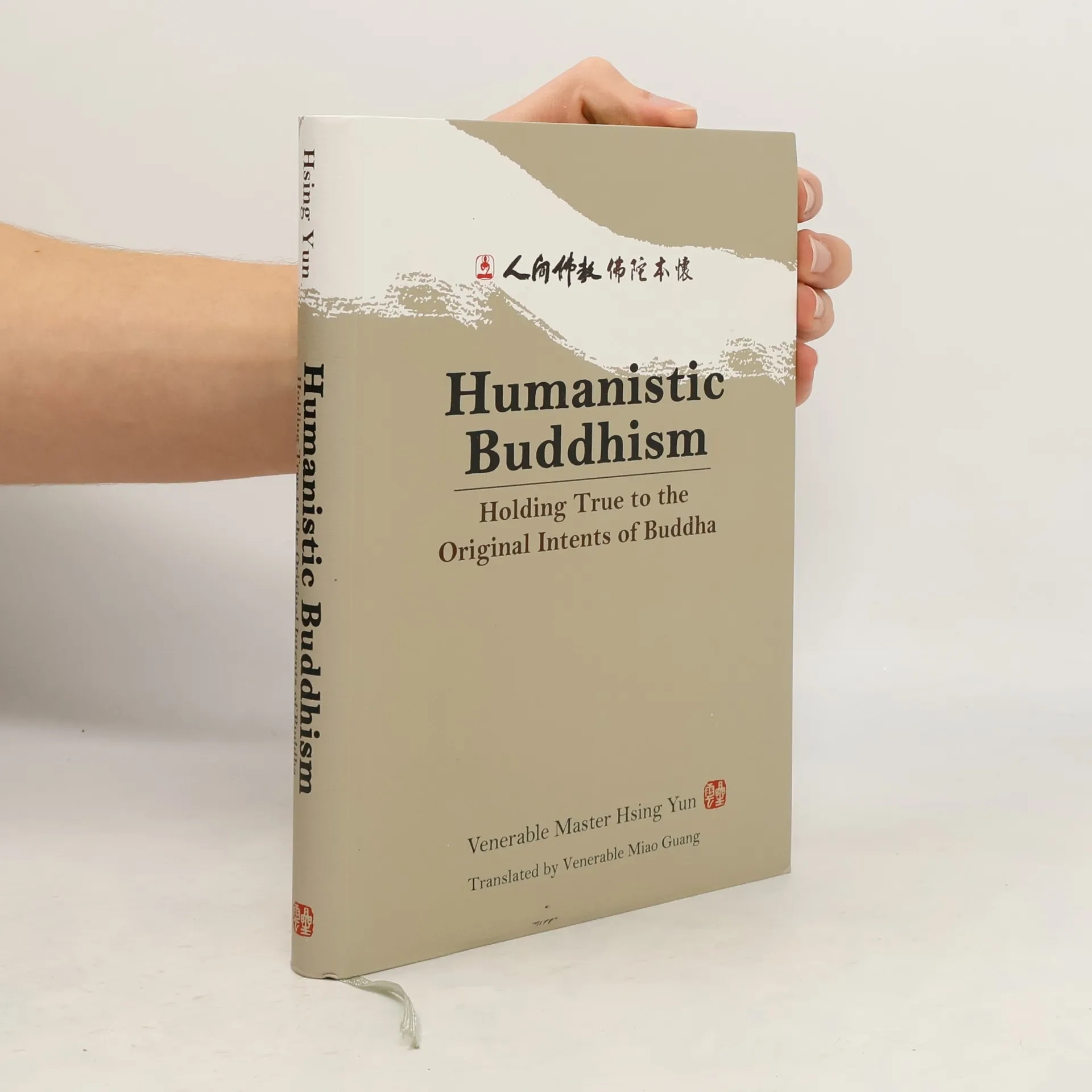
Humanistic Buddhism. Holding true to the original intents of Buddha.
- 400 Seiten
- 14 Lesestunden
All businesses want to do well, but can they also do good? Lloyd Field says yes, and moreover, no business can afford to focus simply on doing well.” Increasingly, public assessment of a business’s worth must take into account its consideration of shared human values. That doesn’t mean a business can’t or should not compete; it means that investing in efforts to build a better society can, on many levels, be an asset. In this book, Field lays out the guidelines for putting social responsibility, both corporate and individual, into practice without sacrificing profits. Drawing from traditional Buddhist teachings, Field shows how, with attention to ethics, skillful means, and corporate responsibility, entrepreneurs and decision-makers can achieve new levels of happiness and security both inside the company and out, while acting as a powerful force for positive global change.
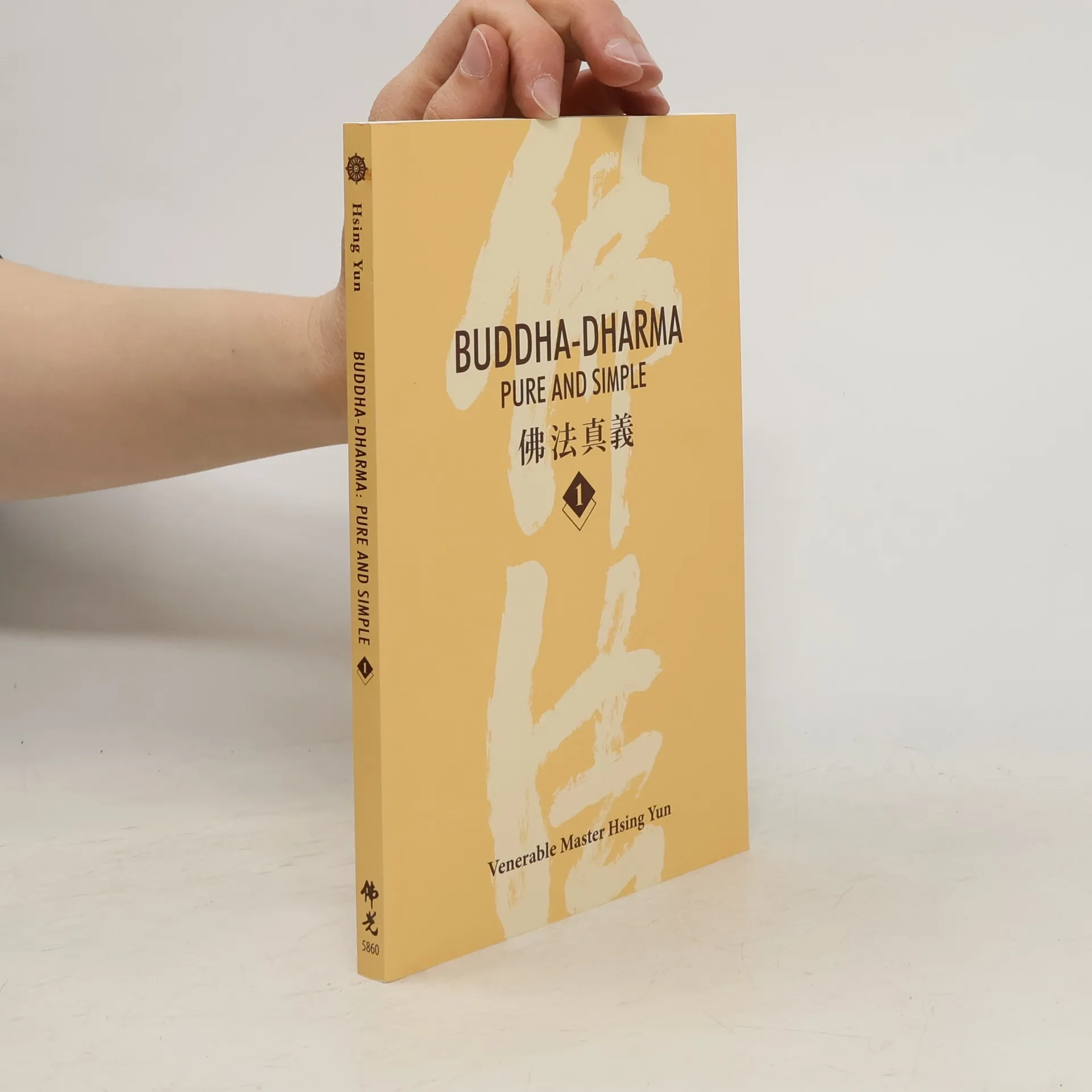
In today’s Buddhist sphere, numerous claims have been made on what the Buddha has taught. However, were they truly spoken by the Buddha? The Buddha-Dharma: Pure and Simple series is an exploration of over 300 topics, where Venerable Master Hsing Yun clarifies the Buddha’s teachings in a way that is accessible and relevant to modern readers. Erroneous Buddhist views should be corrected, the true meaning of the Dharma must be preserved in order to hold true to the original intents of the Buddha. This first installment contains 52 articles on the topics of faith and doctrine, laying the foundation for readers to learn and practice in the Buddha’s footsteps. Moreover, it also serves as an inspiration for practitioners to strive for Buddhahood and believe that “I am a Buddha.”
Buddha-Dharma: Pure and Simple
佛法真義 - A 21st Century Guide to Buddhist Teachings
- 226 Seiten
- 8 Lesestunden
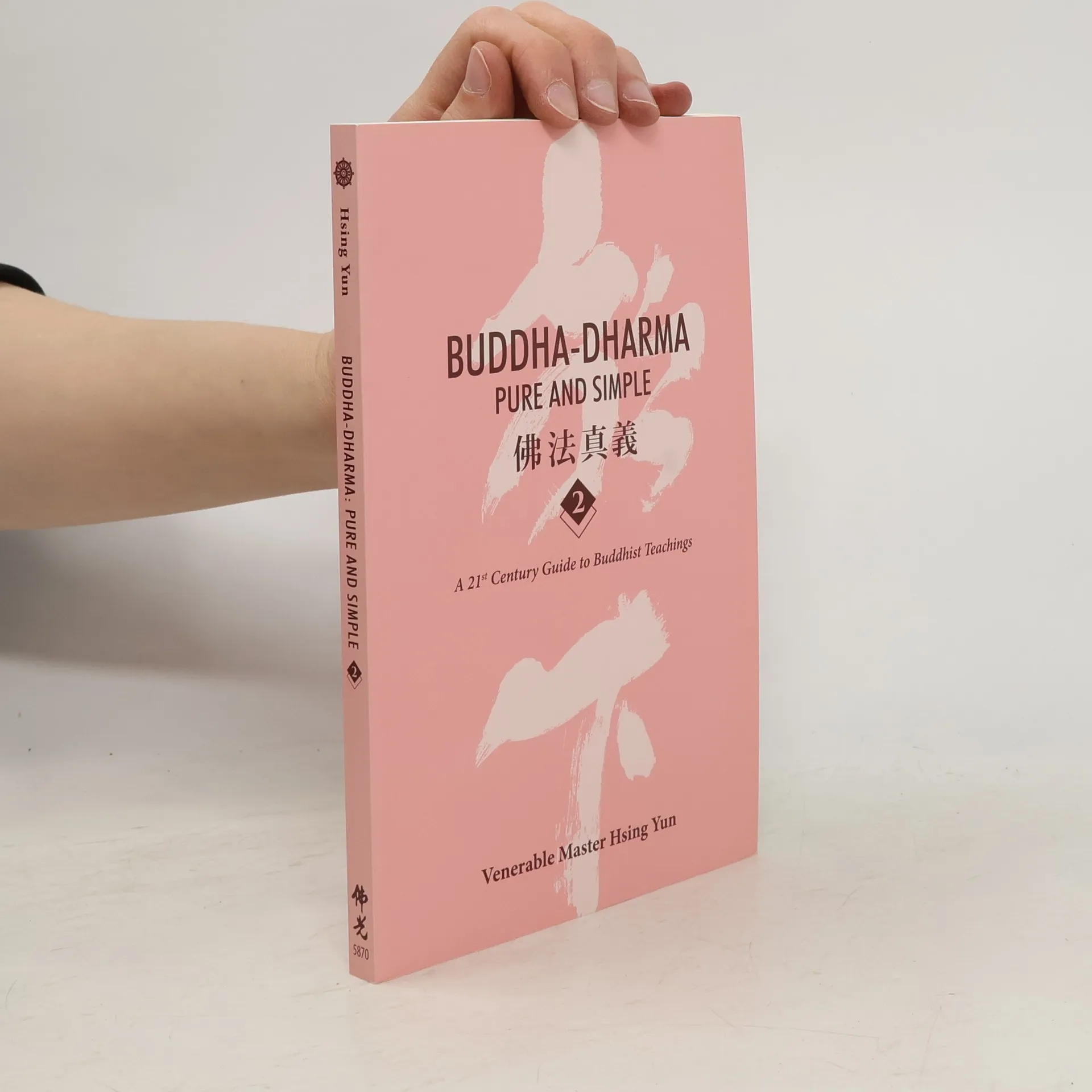
In today’s Buddhist sphere, numerous claims have been made on what the Buddha has taught. However, were they truly spoken by the Buddha? The Buddha-Dharma: Pure and Simple series is an exploration of over 300 topics, where Venerable Master Hsing Yun clarifies the Buddha’s teachings in a way that is accessible and relevant to modern readers. Erroneous Buddhist views should be corrected, the true meaning of the Dharma must be preserved in order to hold true to the original intents of the Buddha. This second installment contains 50 articles on the topics of doctrine and practice, strengthening our right view with a detailed explanation of fundamental Buddhist concepts, as well as practical guidance on how to bring the Dharma into our daily lives.
Buddhismus V
- 168 Seiten
- 6 Lesestunden
1. vydání. Sborník článků, některé z nich již byly publikovány dříve. *Dr.D.Burns: BUDDHISTICKÁ MEDITACE A HLUBINNÁ PSYCHOLOGIE / překlad: MUDr. Libor Žigo a F.H.Richard *R.Abraham: ORFISMUS - STAROVĚKÉ KOŘENY ZELENÉHO BUDDHISMU / překlad: PhDr. A.Konečný *Padmasiri de Silva: BUDDHISTICKÁ ENVIRONMENTÁLNÍ ETIKA / překlad: PhDr. A.Konečný *Thubten Chodron: KARMA - FUNGOVANIE PRÍČINY A NÁSLEDKU / překlad: L'ubor Košút *Mistr Hsing-yun: TŘI BUDDHISTICKÉ SÚTRY a SÚTRA DOKONALÉ MOUDROSTI / překlad: Jiří Černega *J.Černega: ÚVOD DO SRDEČNÍ SÚTRY / SÚTRA SRDCE DOKONALÉ MOUDROSTI / DIAMANTOVÁ SÚTRA Buddhismus je nábožensko-filosofický systém, jehož základ vytvořil Gautama Buddha pravděpodobně v 5. století př. n. l. v severovýchodní Indii. Jedná se o jedno z nejrozšířenějších světových náboženství, které vyznává přibližně 230 - 500 miliónů lidí. Buddhismus je označován jako ateistické náboženství, ačkoli v mnoha textech vystupují božstva - bytosti, žijící ve vyšších dimenzích existence. Na rozdíl od teistických náboženství jsou však tato božstva považována za běžné smrtelné a nevědomé bytosti podobně jako lidé nebo zvířata, pouze je převyšují svou moudrostí, schopnostmi a dlouhověkostí. Jako ateistické náboženství je buddhismus možné označit i proto, že k dosažení osvobození není třeba víra v "Boha", jak je tomu v teistických náboženstvích, neboť Bůh jakožto pojem není v buddhismu definován.
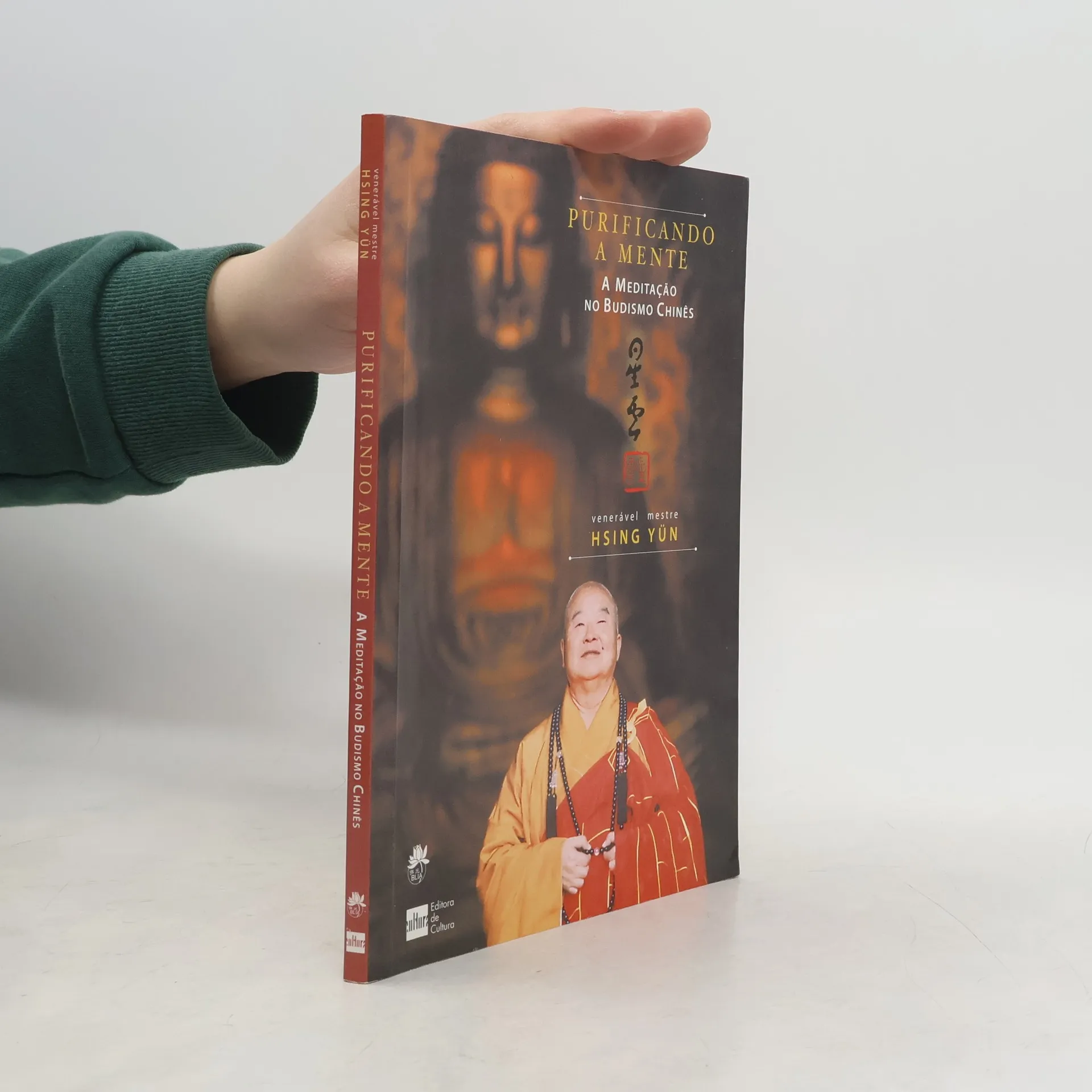
“Nunca faça o mal. / Faça sempre o bem. / Purifique a mente”. Ao adotar essas orientações do Verso dos Sete Budas, o Venerável Mestre pontua que o correto comportamento é um fundamento da vida, sem o qual não é possível obter os benefícios da meditação em toda a sua inteireza. Neste livro, detalhes sobre a meditação em diferentes escolas do budismo chinês.
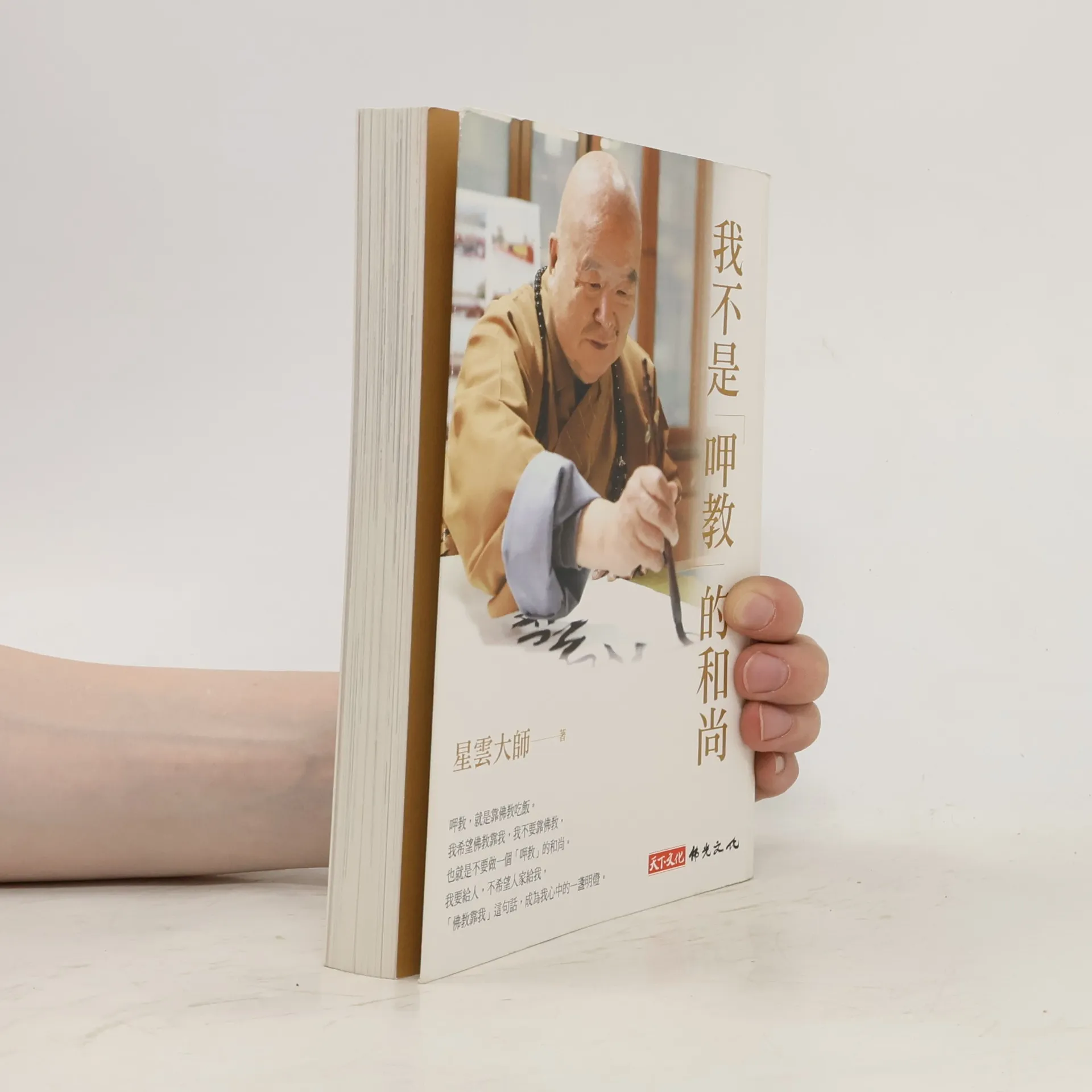
我不是「呷教」的和尚
- 384 Seiten
- 14 Lesestunden
呷教,就是靠佛教吃飯。 七十年前的一封信「佛教靠我,不要我靠佛教」成為星雲大師心中一盞明燈,從此發願,以「給人」為一生實踐,做一個能為世間增添美好、犧牲奉獻的報恩人。