Michelle Perrot Bücher
Michelle Perrot ist emeritierte Professorin an der Universität Paris VII und eine der angesehensten Kulturhistorikerinnen Frankreichs. Ihre veröffentlichten Werke über Arbeit, Gefängnisse, das Privatleben und Frauen haben ihr zahlreiche Auszeichnungen und Ehrungen in Frankreich und im Ausland eingebracht. Perrot konzentriert sich in ihrer Arbeit darauf, die Geschichten derer zu erzählen, die in der traditionellen Geschichtsschreibung oft vergessen werden, und bringt so eine neue und frische Perspektive in die historische Forschung ein. Ihr Stil ist zugänglich und fesselnd, was ihre Bücher für ein breites Publikum attraktiv macht.




Geschichte der Frauen im Bild
- 189 Seiten
- 7 Lesestunden
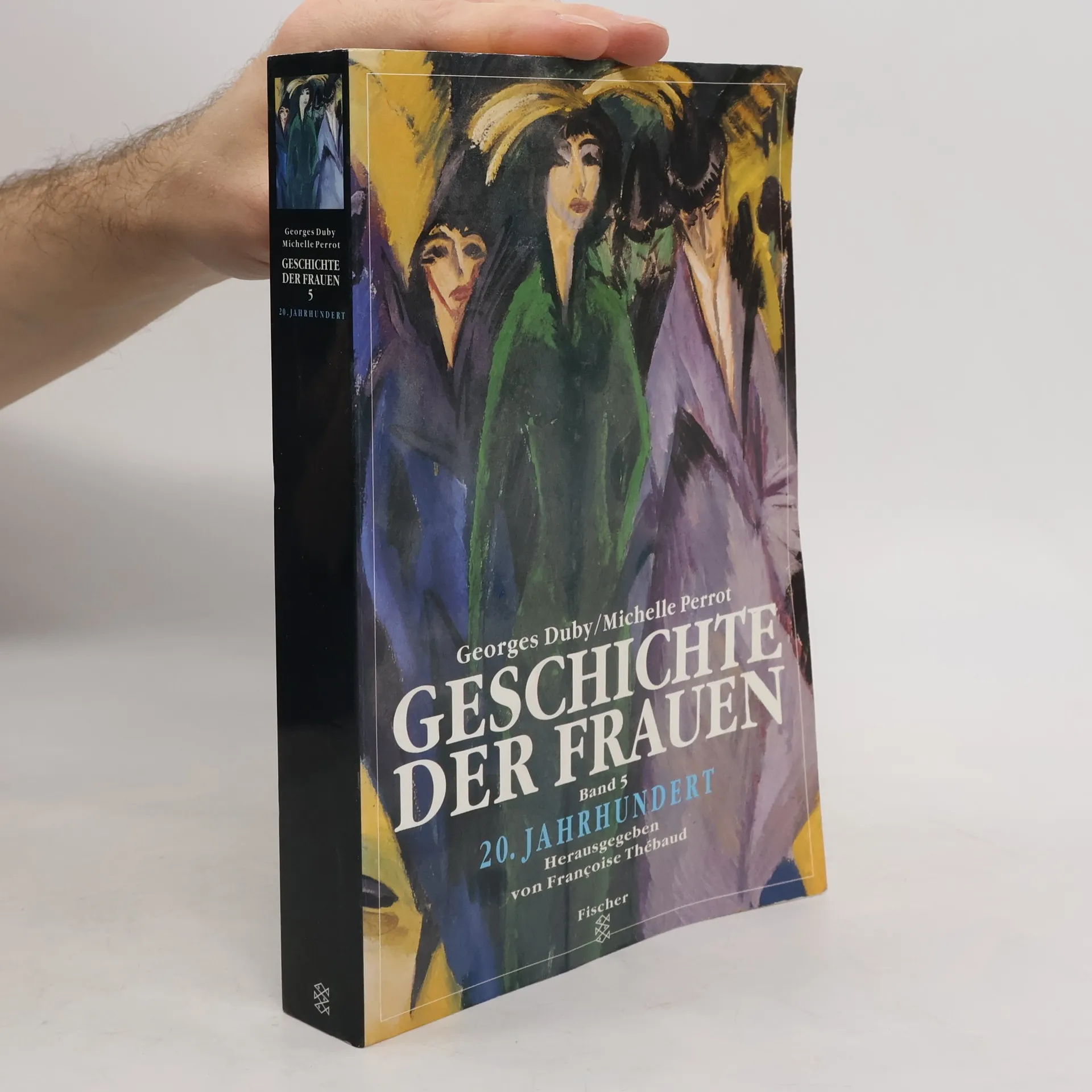
AuszugMit diesem Buch runden die Georges Duby und Michelle Perrot ihre fünfbändige „Geschichte der Frauen“ ab. Die ebenso schönen wie aussagekräftigen Kunstwerke - Gemälde, Stiche, Skulpturen, Foto- grafien - erzählen das Leben der Frauen von der Antike bis heute auf eine völlig neue Weise. „Dieser Band ist vollgestopft mit Schönheit wie eine Schublade, die nicht mehr zugeht. Eine sinnliche und sinnvolle Abrundung des Gesamtwerkes.“ Die Zeit
Geschichte der Frauen - 5: 20. Jahrhundert
Herausgegeben von Françoise Thébaud
- 718 Seiten
- 26 Lesestunden
Geschichte der Frauen
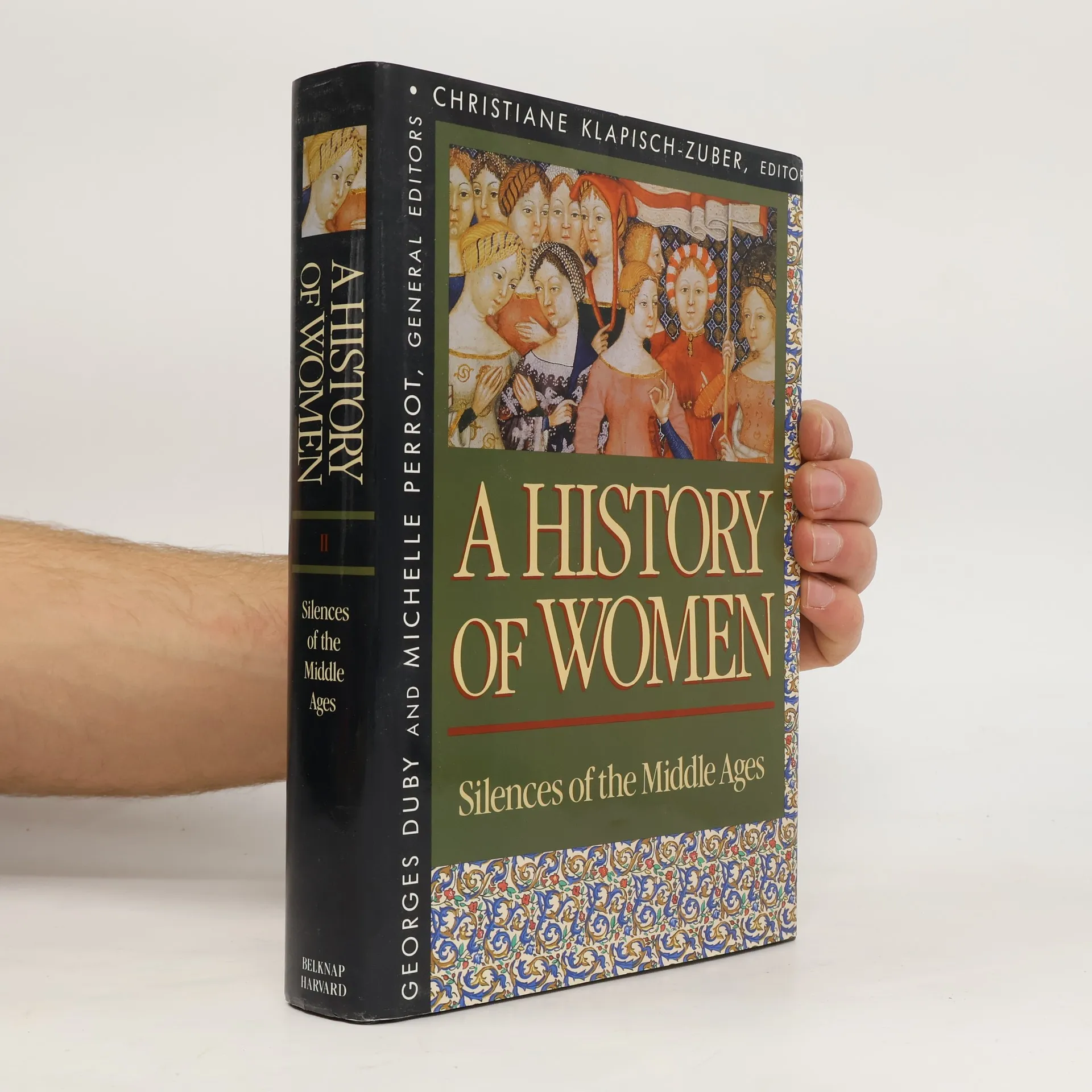
Mittelalter - Herausgegeben von Christiane Klapisch-Zuber
- 584 Seiten
- 21 Lesestunden
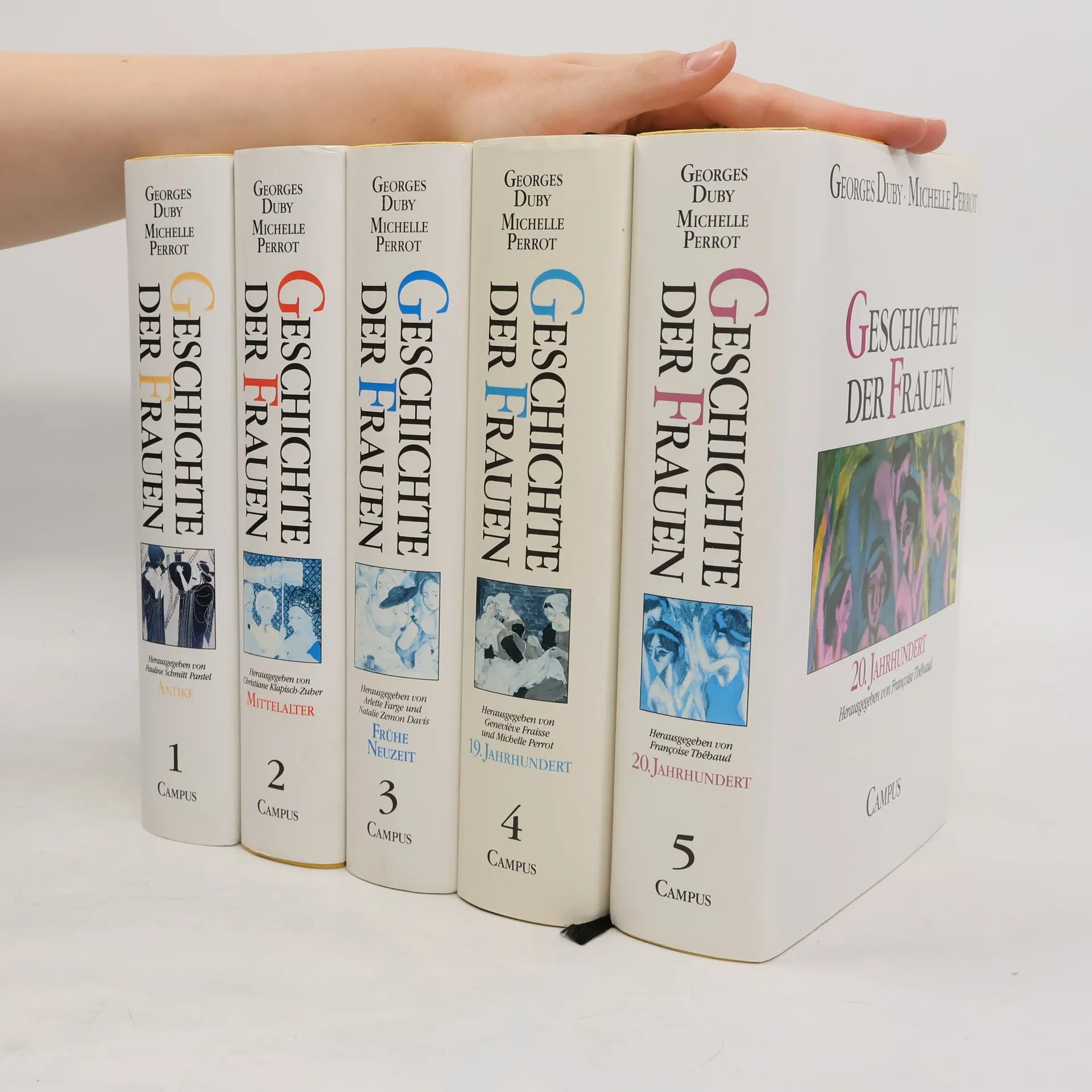
Geschichte der Frauen 1-5
- 5 Bände
Geschichte der Frauen 1 - 5
- 5 Bände
Drawing on myriad sources - from the faint traces left by the rocking of a cradle at the site of an early medieval home to an antique illustration of Eve's fall from grace - this second volume in the series offers new perspectives on women of the past. Twelve historians from many countries examine the image of women in the masculine mind, their social condition, and their daily experience from the demise of the Roman Empire to the genesis of the Italian Renaissance.
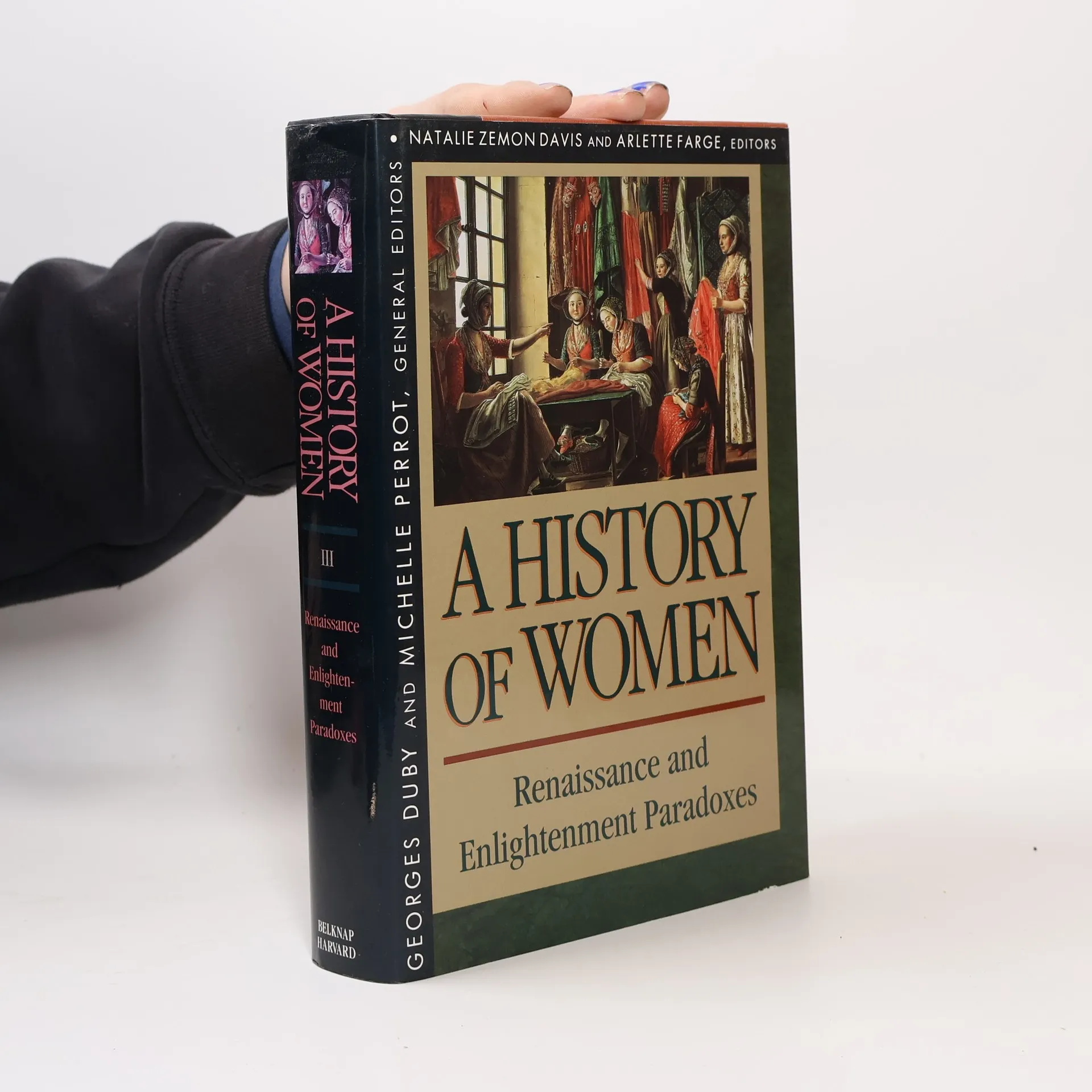
History of Women in the West - 3: Renaissance and the Enlightenment Paradoxes
- 608 Seiten
- 22 Lesestunden
In the words of the general editors, this series seeks to understand women's roles, conditions, and representations throughout history. Drawing on the expertise of seventy-five distinguished historians, it presents a panoramic chronicle from antiquity to the present. The inaugural volume shifts the focus from the margins of ancient history to the forefront, offering fresh insights into over twenty centuries of Greek and Roman history. The authors analyze a vast landscape, from the North Sea to the Mediterranean, revealing that ancient perceptions often relegated women to silent roles in motherhood and homemaking, largely ignored by historical records. In Rome, for instance, only heiresses were counted in the census. This scarcity of information about women contrasts sharply with the abundance of texts and images created by men regarding women and gender. The authors utilize diverse sources—gravestones, floor plans, stele inscriptions, papyrus rolls, vase paintings, and literary works—to illustrate the evolution of women's representations. They delve into the minds of men, from the Greeks envisioning goddesses to Church Fathers crafting the image of martyred female saints, uncovering an imaginative history of women and the dynamics between the sexes. Through this exploration, the authors highlight select aspects of women's experiences and the cultural narratives that shaped their identities.
Geschichte des privaten Lebens 4. Von der Revolution zum Grosse Krieg
- 657 Seiten
- 23 Lesestunden
Das neunzehnte Jahrhundert war das goldene Zeitalter des privaten Lebens, eine Zeit, in der das zaghafte Selbstbewusstsein der Renaissance und früherer Epochen eine erkennbare Form annahm und das individuelle Wesen mit politischem, wissenschaftlichem und vor allem existentiellem Wert entstand. Band IV dieser preisgekrönten Reihe beschreibt diese Entwicklung vom Tumult der Französischen Revolution bis zum Ausbruch des Ersten Weltkriegs – ein Jahrhundert und ein Viertel rascher, unkontrollierbarer Veränderungen, die in einem Konflikt gipfelten, der das Leben in der westlichen Welt auf einen Schlag veränderte.
A History of Women in the West
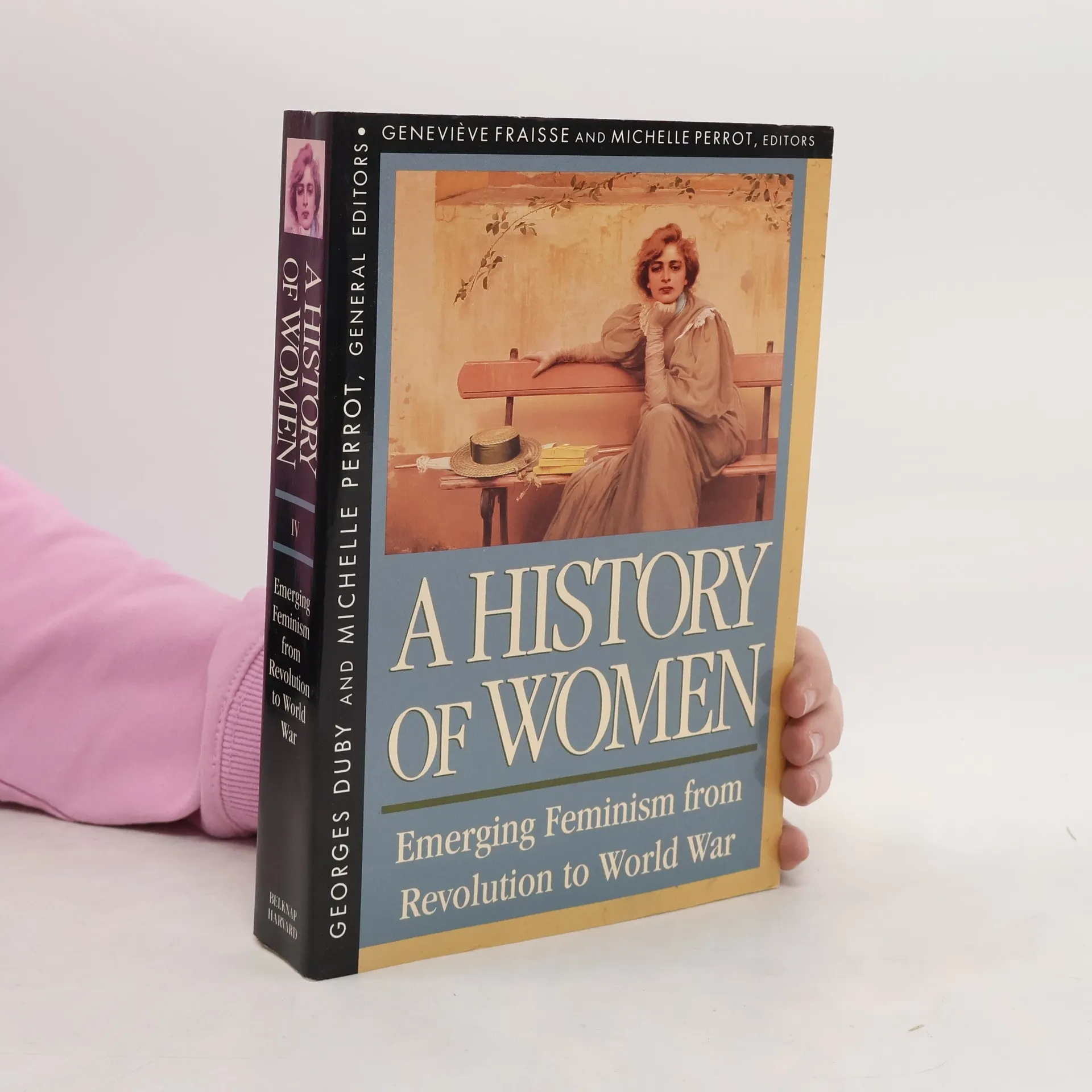
Emerging Feminism from Revolution to World War
- 652 Seiten
- 23 Lesestunden
The French Revolution opened a whole new stage in the history of women, despite their conspicuous absence from the playbill. The coming century would see women’s subordination to men codified in all manner of new laws and rules; and yet the period would also witness the birth of feminism, the unprecedented emergence of women as a collective force in the political arena.The fourth volume in this world-acclaimed series covers the distance between these two poles, between the French Revolution and World War I. It gives us a vibrant picture of a bourgeois century, dynamic and expansive, in which the role of woman in the home was stressed more and more, even as the economic pressures and opportunities of the industrial revolution drew her out of the house; in which woman’s growing role in the family as the center of all morals and virtues pressed her into public service to fight social ills.
Ženske danes ustvarjajo hrup? To je v povezavi s tišino, v kateri jih je družba držala stoletja. Tišina vojaških ali tehničnih dosežkov, tišina knjig in slik, predvsem pa tišina zgodovinskega pripovedovanja, ki ga preučuje zgodovinarka. Za zidovi samostanov ali buržoaznih hiš, v intimnosti njihovih dnevnikov ali v raztresenih zaupljivostih preteklosti, v šepetih delavnic ali trgov, v medprostoru javnega prostora, ki ga postopoma prevzemajo, so ženske delovale, živele, trpele in se trudile spremeniti svoje usode. Kdo bi nam to lahko bolje pokazal kot Michelle Perrot? Zgodovinarka delavskih stavk in sveta dela, ki je raziskovala zapore že od sedemdesetih let prejšnjega stoletja, se je zelo zgodaj posvetila zgodovini žensk. Sledila jih je skozi 19. in 20. stoletje, preiskovala tišine zgodovine in trenutke, ko so se te razblinile. To so nekatere od teh etap, ki jih to knjiga prinaša.
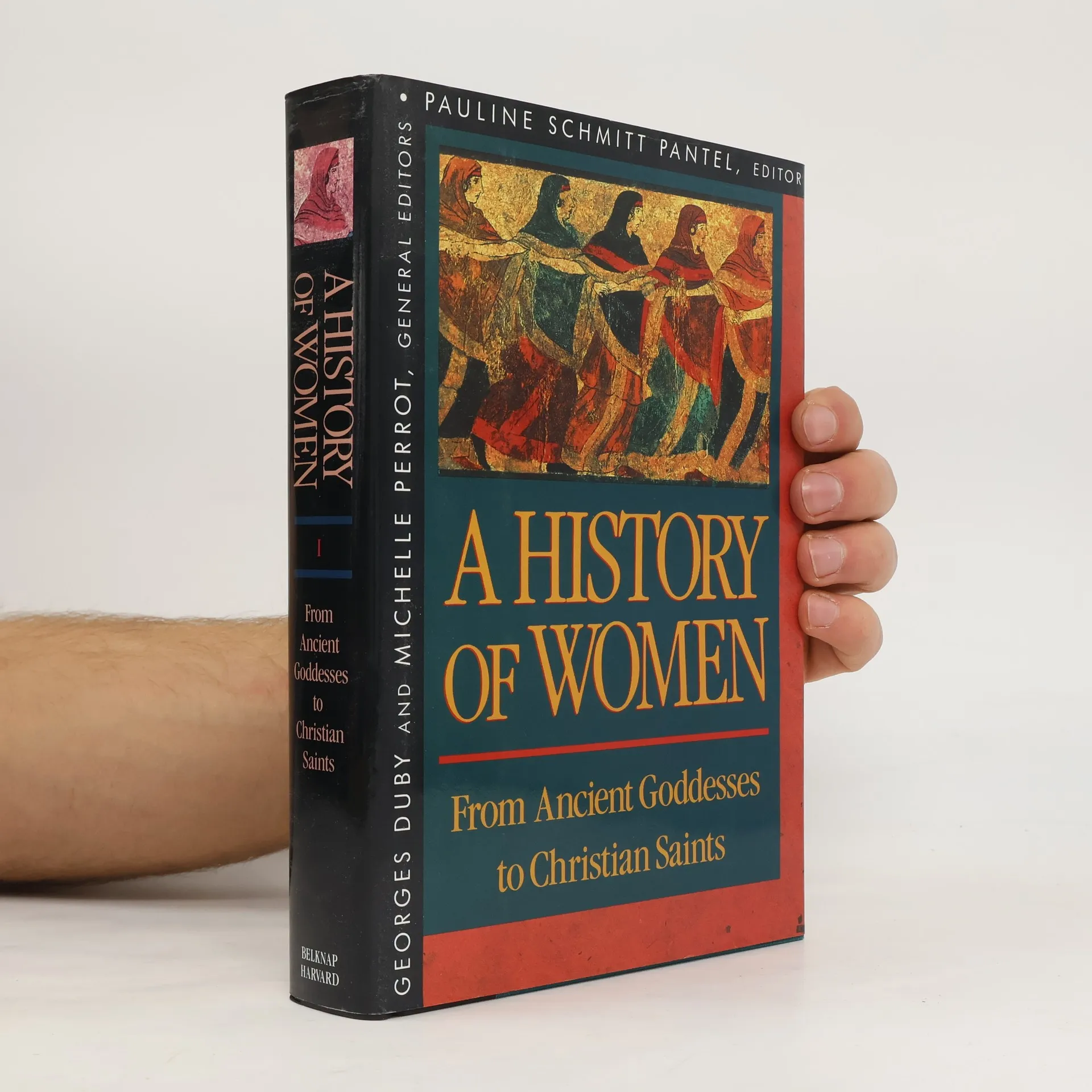
History of Women in the West I
From Ancient Goddesses to Christian Saints
Informed by the work of seventy-five distinguished historians, this five-volume series sets before us an engaging, panoramic chronicle that extends from antiquity to the present day. The inaugural volume brings women from the margins of ancient history into the fore. It offers fresh insight into more than twenty centuries of Greek and Roman history and encompasses a landscape that stretches from the North Sea to the Mediterranean and from the Pillars of Hercules to the banks of the Indus. The authors draw upon a wide range of sources including gravestones, floor plans, papyrus rolls, vase paintings, and literary works to illustrate how representations of women evolved during this age. They journey into the minds of men and bring to light an imaginative history of women and of the relations between the sexes.
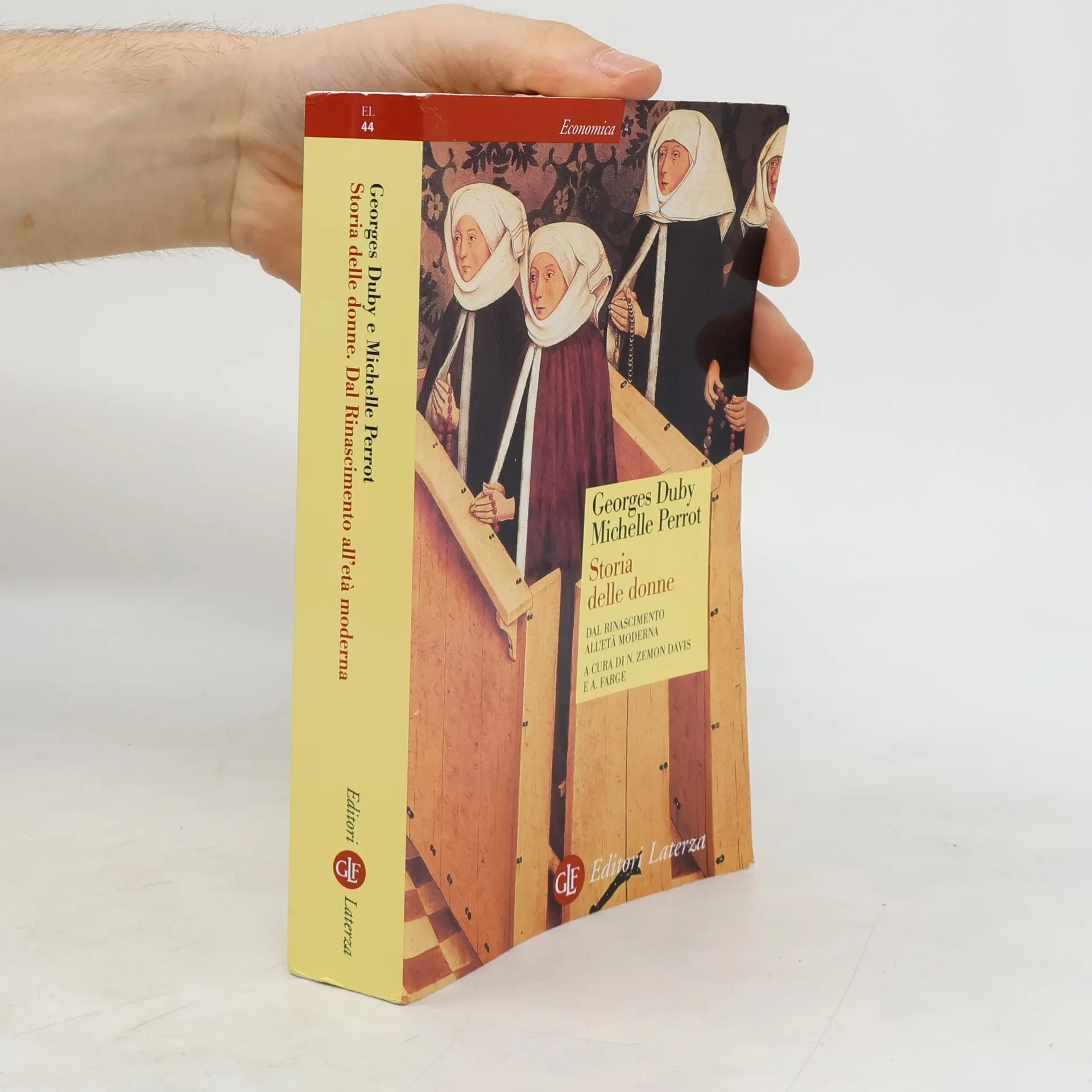
Storia delle donne
Dal Rinascimento all'età moderna
Un grande affresco storico, un'opera pionieristica, che ha suscitato un enorme interesse in Italia e nel mondo.
Storia delle donne Il Medioevo
- 597 Seiten
- 21 Lesestunden
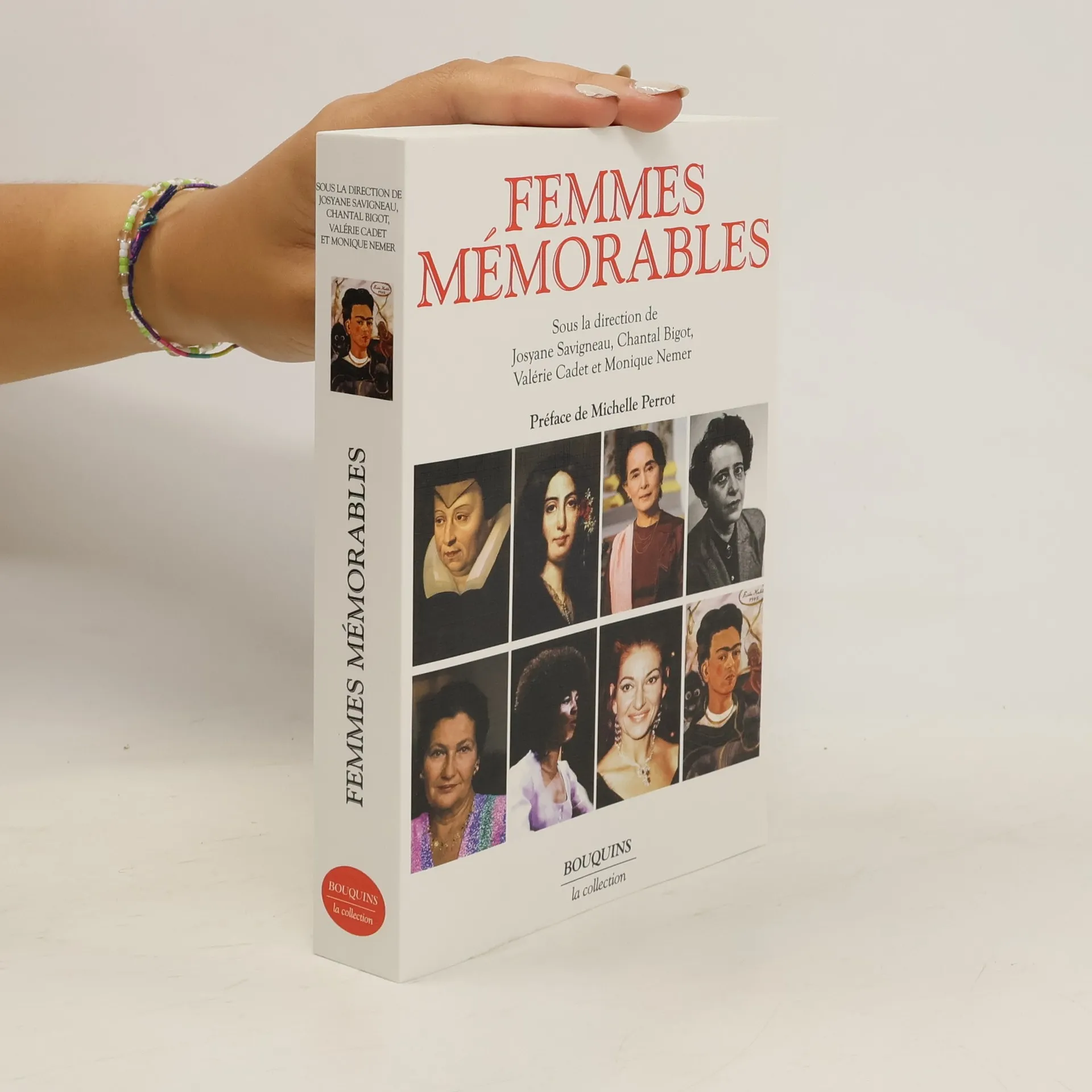
Femmes mémorables
- 1056 Seiten
- 37 Lesestunden
Entreprise monumentale qui a mobilisé plusieurs dizaines de contributeurs, ce volume est une véritable encyclopédie du génie féminin à travers les siècles. Marta Abba, femme de théâtre, ouvre la marche ; Zouc, sa consœur, la ferme, voisinant avec la reine Zénobie et Clara Zetkin : indice de la diversité de la longue colonne des " femmes mémorables " (plus d'un millier), objet de ce livre. Outre celles que le récit conventionnel du passé avait retenues – Clotilde, Jeanne d'Arc, Aliénor d'Aquitaine ou Catherine de Médicis – , on y croise des comédiennes, photographes, peintres, écrivaines, scientifiques, danseuses, musiciennes, sportives, cinéastes, journalistes, politiques, des saintes et des meurtrières. Ni une foule ni un peuple ; plutôt des exceptions, dont l'action a, d'une manière ou d'une autre, brisé la répartition traditionnelle des rôles et des espaces sexuels. Leur point commun : elles prétendaient à l'espace public interdit, surtout dans les domaines de la création. Elles ont reculé, voire franchi les limites habituellement imposées aux femmes. Elles sont des passeuses de frontières, des empêcheuses de tourner en rond dans la sempiternelle chorégraphie répétitive de la sphère privée, zone censée du bonheur. Elles ont parfois renoncé à tout concilier dans l'obscurité du quotidien. Elles ont ouvert des chemins de traverse. Elles ont osé. À ce titre, elles sont mémorables. Michelle Perrot
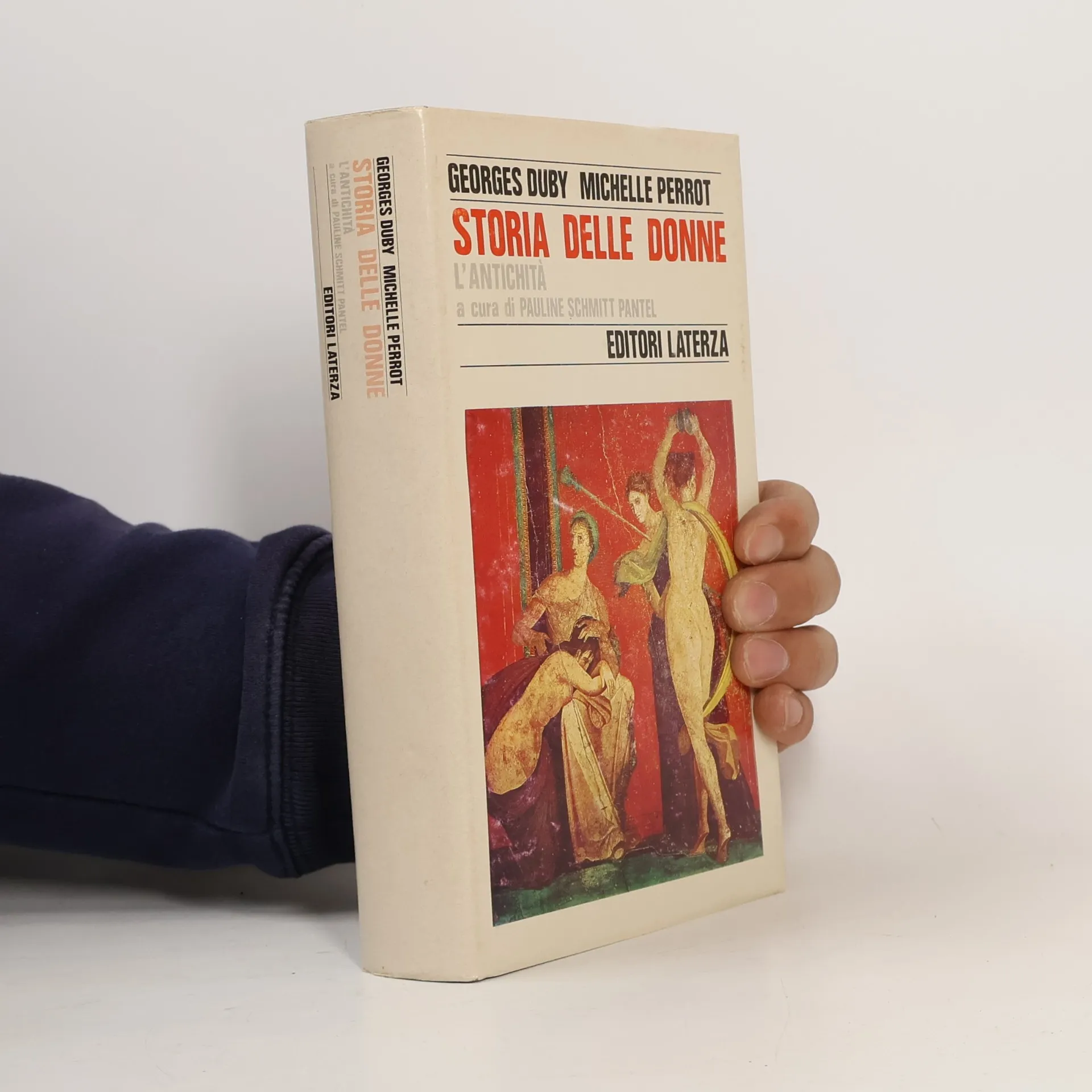
Storia delle donne in Occidente - 1: L'Antichità
- 598 Seiten
- 21 Lesestunden
Per molto tempo le donne sono state lasciate nell'ombra della storia. Poi hanno cominciato a uscirne, grazie anche allo sviluppo dell'antropologia, all'attenzione dedicata al tema della famiglia, all'affermarsi della storia delle "mentalità", che punta sul quotidiano, il privato, l'individuale. Soprattutto, è stato il movimento delle donne a portarle sul proscenio della storia, ponendo alcuni interrogativi sul loro passato e sul loro futuro. E le donne hanno avviato, dentro e fuori l'università, la ricerca sulle loro antenate, per comprendere le radici del dominio subìto e il significato dei rapporti tra i sessi attraverso il tempo e lo spazio.
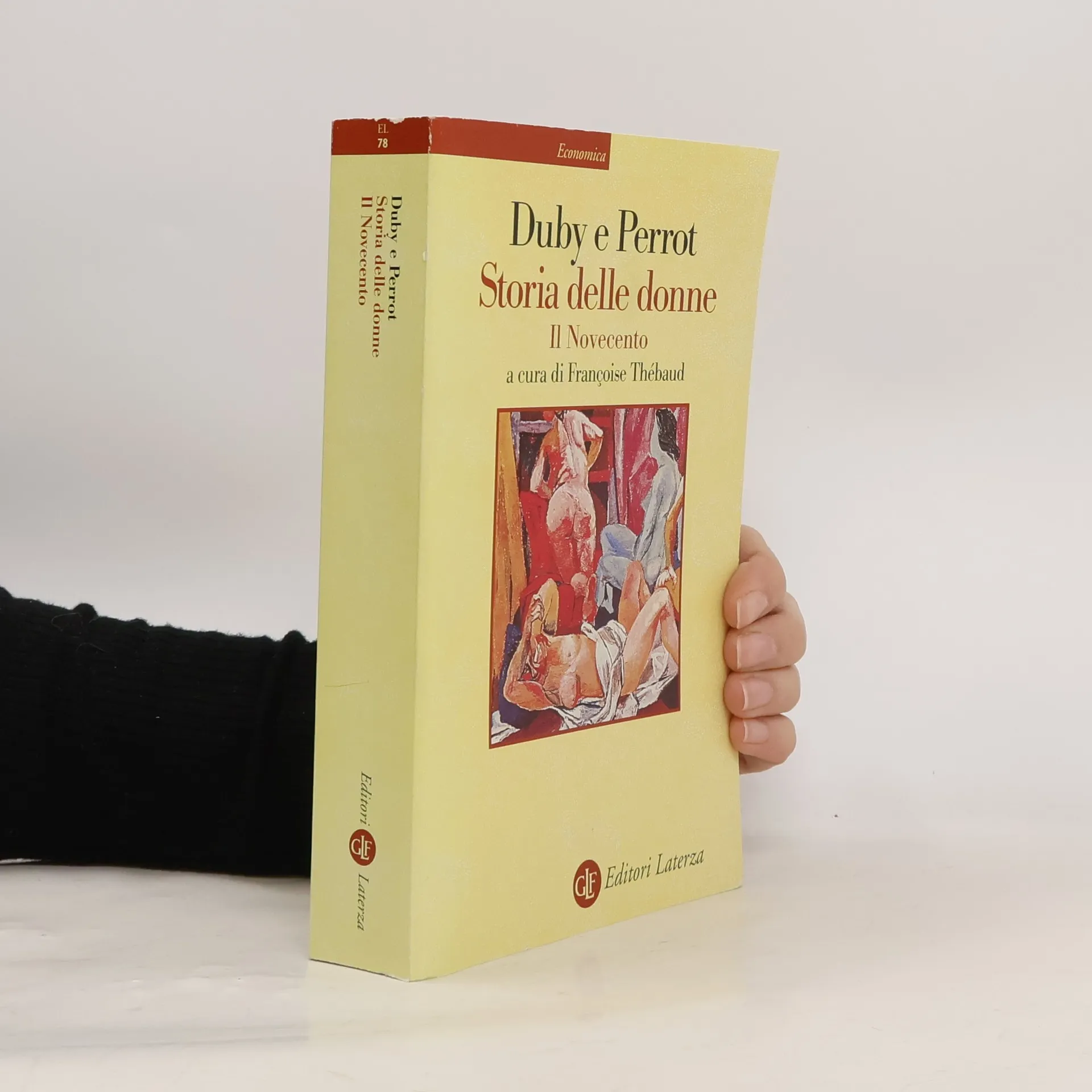
Economica Laterza: Storia delle donne in Occidente
- 716 Seiten
- 26 Lesestunden
Il ventesimo secolo, segnato da guerre e rivoluzioni senza precedenti, è stato il miglior periodo per le donne? Come sono state realizzate le promesse di libertà, uguaglianza con gli uomini e piena partecipazione alla società nel contesto delle trasformazioni e del caos di questo secolo? Questo quinto volume di una celebre serie, scritto con una prospettiva di genere che evidenzia le relazioni tra i sessi e l'evoluzione dei sistemi di genere, porta la storia delle donne fino ai giorni nostri, collocandola nel contesto di eventi significativi e profondi cambiamenti sociali.
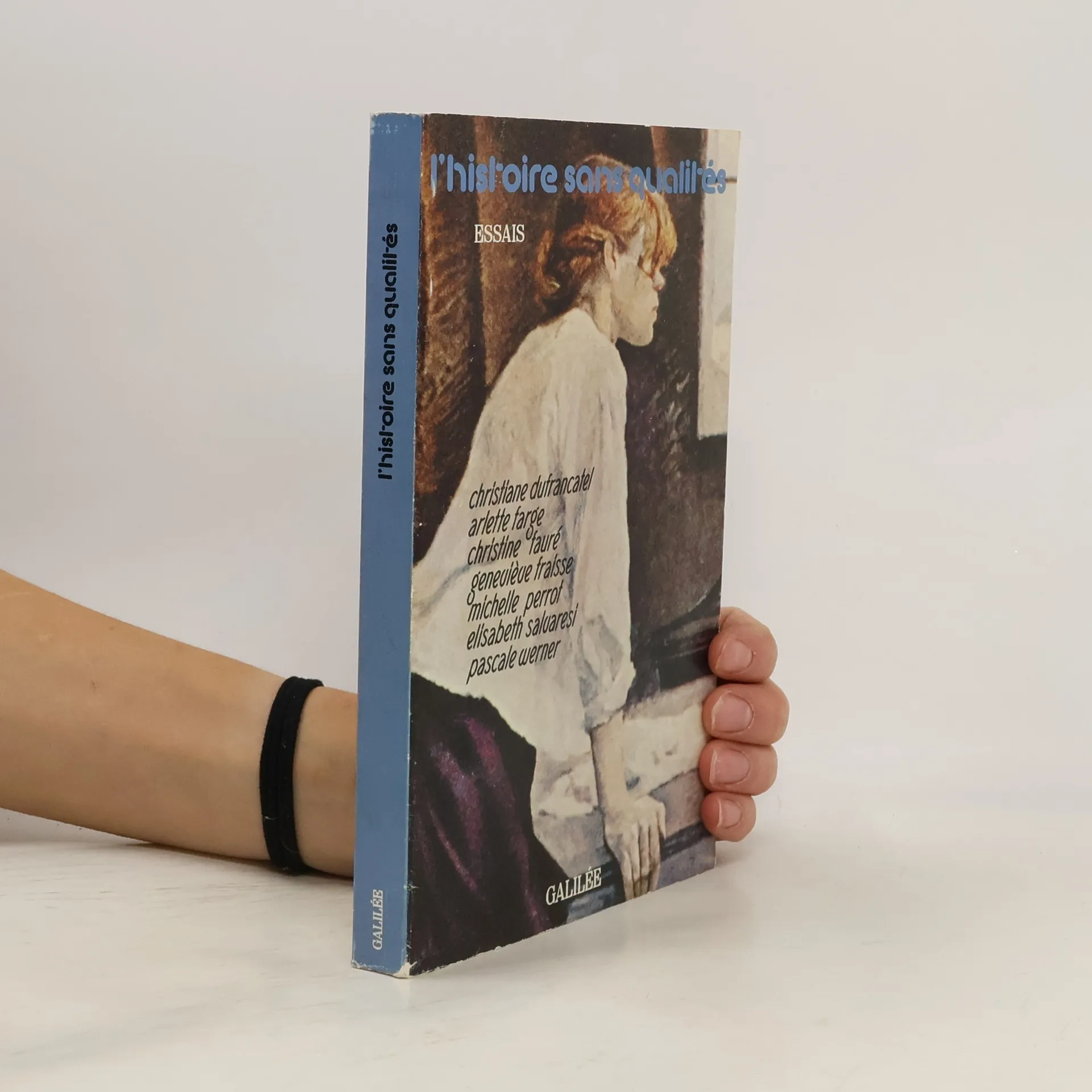
L'Histoire sans qualités
- 223 Seiten
- 8 Lesestunden
L'histoire sans qualités est un recueil d'essais sur l'identité historique des femmes. Elles font figure d'exclues de l'histoire ; mais c'est dans leur présence jusqu'alors oubliée que les auteurs ont cherché leurs repères. Recherche actuelle. Car dans ce tournant du féminisme, il ne s'agit pas de fuir les réalités difficiles dans la quête du passé, mais d'y reconnaître l'épaisseur et le sens du présent. Recherche à plusieurs voix. Car il ne s'agit pas de renvoyer une image unifiée ni édifiante à travers ces fragments d'une autre histoire. [4e de couv.]