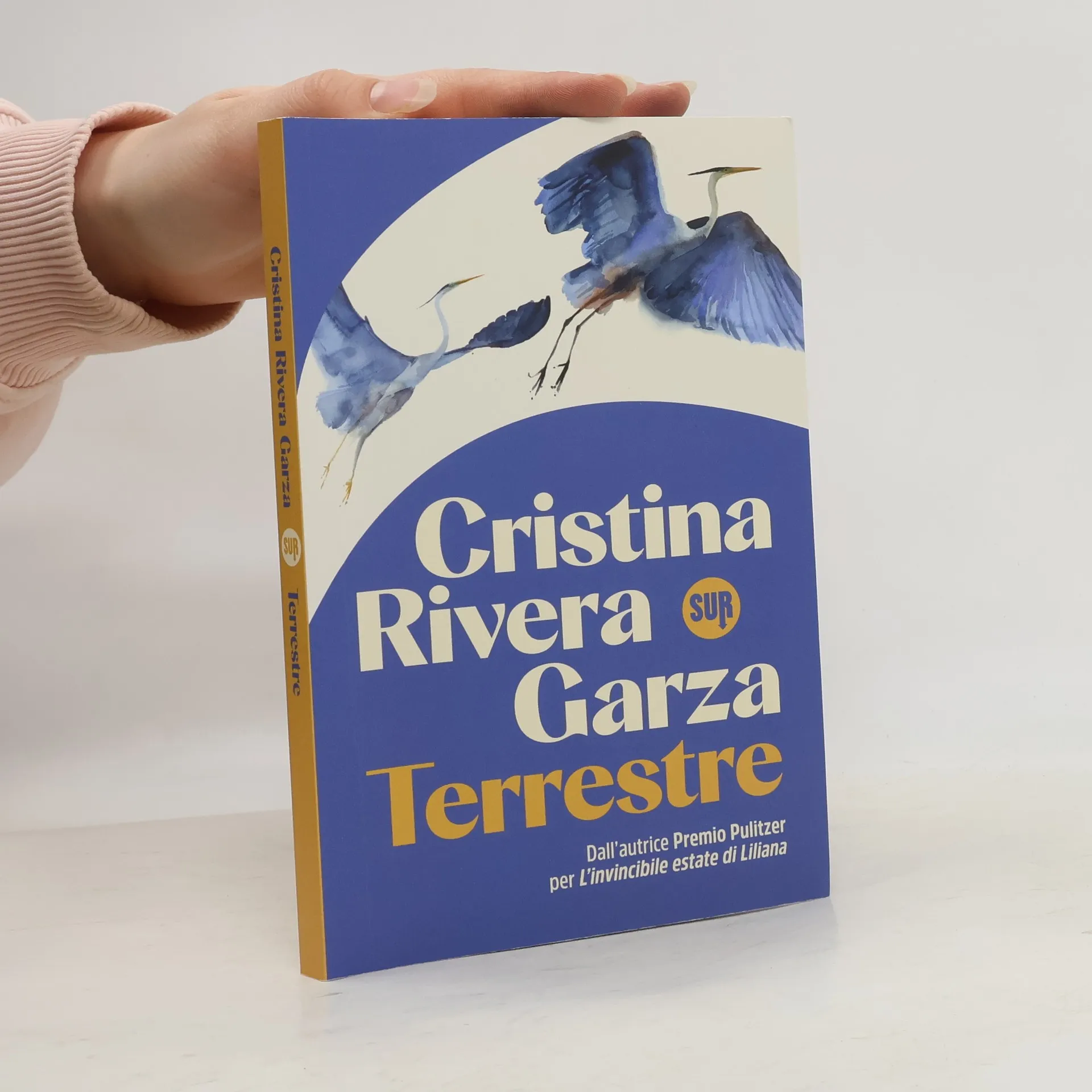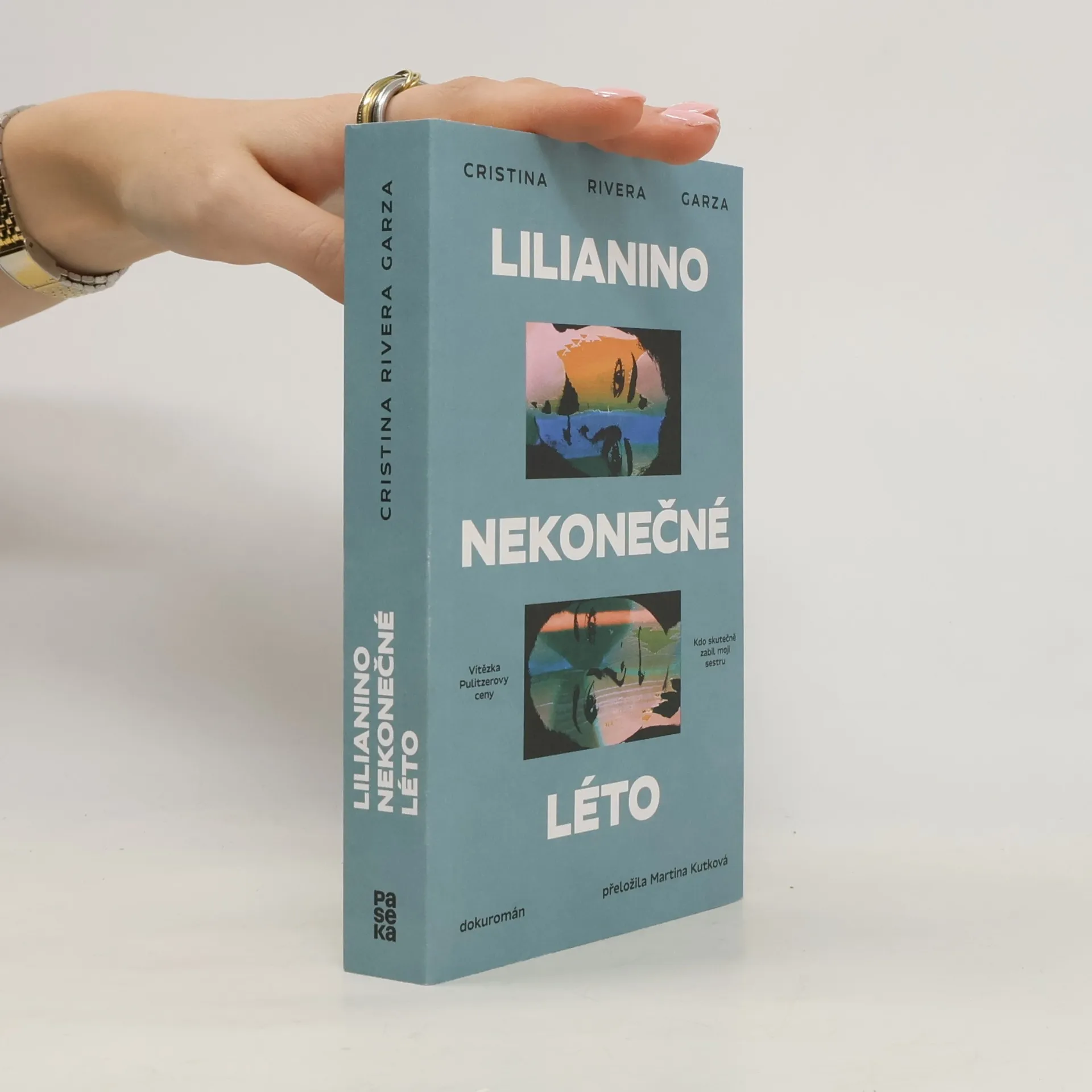

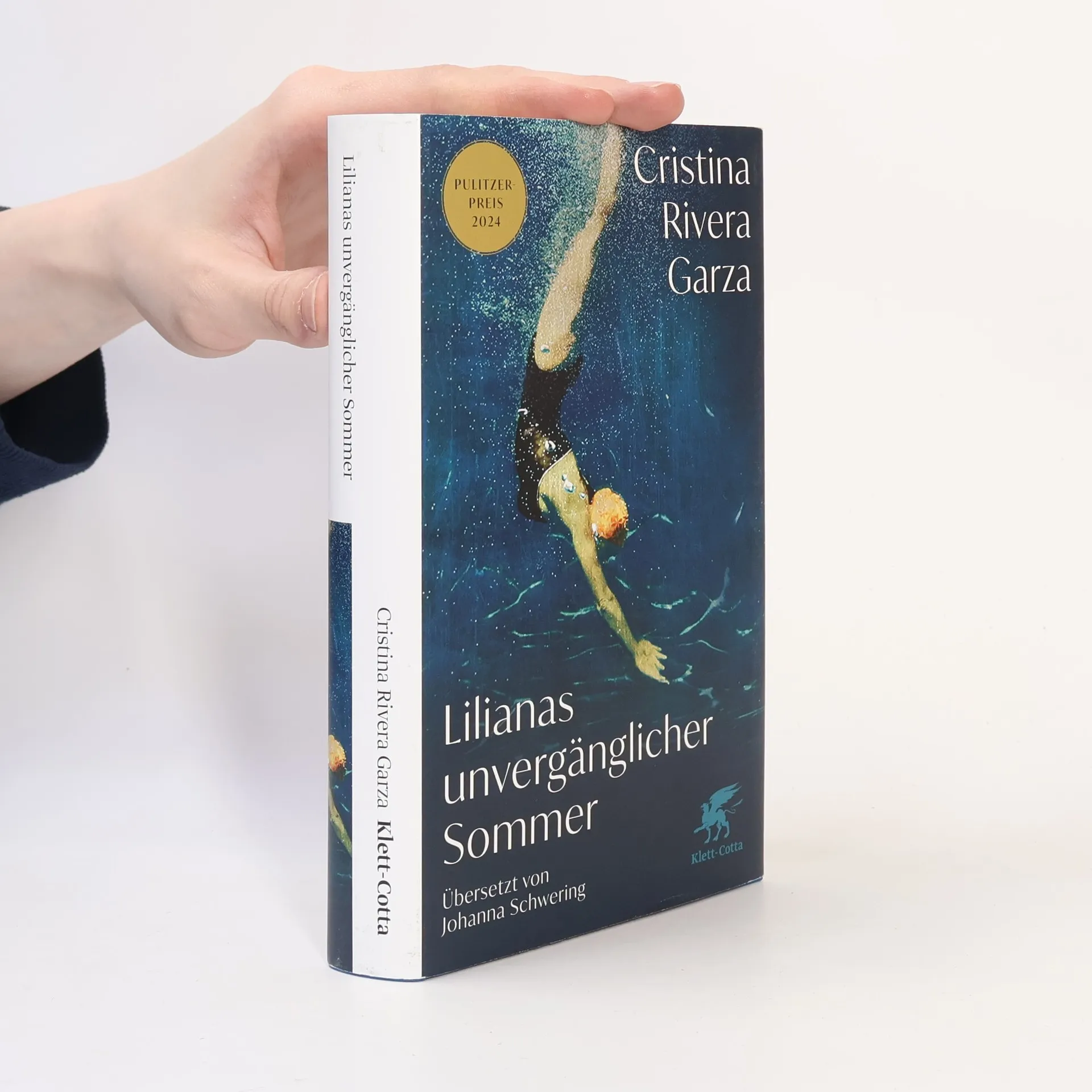
Winner of the Pulitzer Prize for Memoir or Autobiography (2024)I seek justice, I finally said. I seek justice for my sister. . . . Sometimes it takes twenty-nine years to say it out loud, to say it out loud on a phone call with a lawyer at the General Attorney’s office: I seek justice.September 2019. Cristina Rivera Garza travels from her home in Texas to Mexico City, in search of an old, unresolved criminal file. “My name is Cristina Rivera Garza,” she wrote in her request to the attorney general, “and I am writing to you as a relative of Liliana Rivera Garza, who was murdered on July 16, 1990.” It’s been twenty-nine years. Twenty-nine years, three months, and two days since Liliana was murdered by an abusive ex-boyfriend—and Cristina knows there is only a slim chance of recovering the file. And yet, inspired by feminist movements across the world and enraged by the global epidemic of femicide and intimate partner violence, she embarks on a path toward justice. Liliana’s Invincible Summer is the account—and the outcome—of that extraordinary quest. In luminous, poetic prose, Rivera Garza tells a singular yet universally resonant story: that of a spirited, wondrously hopeful young woman who tried to survive in a world of increasingly normalized gendered violence. Following her decision to recover her sister’s file, Rivera Garza traces the history of Liliana’s life, from her early romance with a handsome but possessive and short-tempered man, to that exhilarating final summer of 1990 when Liliana loved, thought, and traveled more widely and freely than she ever had before. Using her remarkable talents as an acclaimed scholar, novelist, and poet, Rivera Garza collected and curated evidence—handwritten letters, police reports, school notebooks, interviews with Liliana’s loved ones—to render and understand a life beyond the crime itself. Through this remarkable and genre-defying memoir, Rivera Garza confronts the trauma of losing her sister and examines from multiple angles how this tragedy continues to shape who she is—and what she fights for—today.
Cristina Rivera Garza Bücher
Cristina Rivera Garza ist bekannt für ihren bahnbrechenden literarischen Ansatz, der oft die Grenzen zwischen Realität und Fiktion, Geschichte und Erinnerung erforscht. Ihr Schreiben zeichnet sich durch ein tiefes Engagement für Themen wie Identität, Entwurzelung und die Komplexität der menschlichen Psyche aus. Mit ihrer historischen Ausbildung bringt sie eine einzigartige Perspektive in ihre Werke ein, die Vergangenheit und Gegenwart miteinander verknüpft. Rivera Garza wird für ihre Fähigkeit geschätzt, fesselnde und intellektuell anregende Werke zu schaffen, die bei Lesern weltweit Anklang finden.


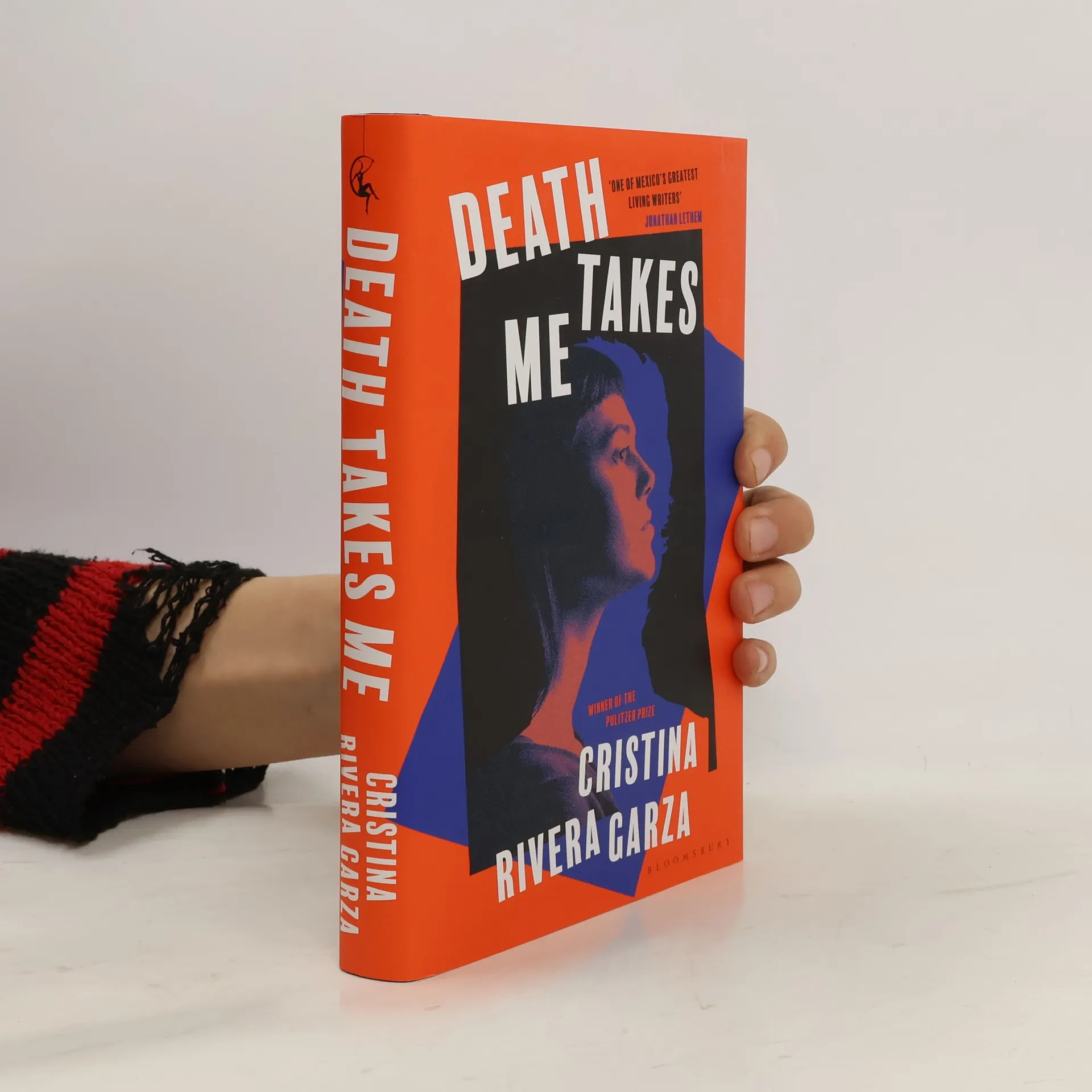
Death Takes Me
- 320 Seiten
- 12 Lesestunden
Set against a backdrop of gendered violence, this dreamlike, genre-defying novel follows a professor and a detective on their quest for justice. The narrative weaves together elements of mystery and social commentary, exploring the complexities of their characters as they navigate a haunting and surreal landscape. Through their journey, the author delves into profound themes of resilience and the fight against oppression, creating an evocative and thought-provoking reading experience.
The Restless Dead
- 194 Seiten
- 7 Lesestunden
Based on comparative readings of contemporary books from Latin America, Spain, and the United States, the essays of this book present a radical critique against strategies of literary appropriation that were once thought of as neutral, and even concomitant, components of the writing process.
Winner of the Pulitzer Prize for Memoir or Autobiography (2024)I seek justice, I finally said. I seek justice for my sister. . . . Sometimes it takes twenty-nine years to say it out loud, to say it out loud on a phone call with a lawyer at the General Attorney’s office: I seek justice.September 2019. Cristina Rivera Garza travels from her home in Texas to Mexico City, in search of an old, unresolved criminal file. “My name is Cristina Rivera Garza,” she wrote in her request to the attorney general, “and I am writing to you as a relative of Liliana Rivera Garza, who was murdered on July 16, 1990.” It’s been twenty-nine years. Twenty-nine years, three months, and two days since Liliana was murdered by an abusive ex-boyfriend—and Cristina knows there is only a slim chance of recovering the file. And yet, inspired by feminist movements across the world and enraged by the global epidemic of femicide and intimate partner violence, she embarks on a path toward justice. Liliana’s Invincible Summer is the account—and the outcome—of that extraordinary quest. In luminous, poetic prose, Rivera Garza tells a singular yet universally resonant story: that of a spirited, wondrously hopeful young woman who tried to survive in a world of increasingly normalized gendered violence. Following her decision to recover her sister’s file, Rivera Garza traces the history of Liliana’s life, from her early romance with a handsome but possessive and short-tempered man, to that exhilarating final summer of 1990 when Liliana loved, thought, and traveled more widely and freely than she ever had before. Using her remarkable talents as an acclaimed scholar, novelist, and poet, Rivera Garza collected and curated evidence—handwritten letters, police reports, school notebooks, interviews with Liliana’s loved ones—to render and understand a life beyond the crime itself. Through this remarkable and genre-defying memoir, Rivera Garza confronts the trauma of losing her sister and examines from multiple angles how this tragedy continues to shape who she is—and what she fights for—today.
New and Selected Stories
- 304 Seiten
- 11 Lesestunden
A story collection drawn from across her career brings into English for the first time the extraordinary stylistic and thematic range of the Mexican writer and MacArthur “genius” Cristina Rivera Garza. “One of Mexico’s greatest living writers,” wrote Jonathan Lethem in 2018 about Cristina Rivera Garza, “we are just barely beginning to catch up to what she has to offer.” In the years since, Rivera Garza’s work has received widespread recognition: She was awarded a MacArthur Genius Grant for fiction that “interrogates culturally constructed notions of language, memory, and gender from a transnational perspective,” and was a finalist for the 2020 National Book Critics Circle Award for Criticism. Yet we have still only started to discover the full range of a writer who is at once an incisive voice on migration, borders, and violence against women, as well as a high stylist in the manner of Lispector or Duras. New and Selected Stories now brings together in English translation stories from across Rivera Garza’s career, drawing from three collections spanning over 30 years and including new writing not yet published in Spanish. It is a unique and remarkable body of work, and a window into the ever-evolving stylistic and thematic development of one of the boldest, most original and affecting writers in the world today.
The Taiga Syndrome
- 121 Seiten
- 5 Lesestunden
Fairy tale meets detective drama in this David Lynch–like novel by a writer Jonathan Lethem calls “one of Mexico's greatest . . . we are just barely beginning to catch up to what she has to offer.” A fairy tale run amok, The Taiga Syndrome follows an unnamed Ex-Detective as she searches for a couple who has fled to the far reaches of the earth. A betrayed husband is convinced by a brief telegram that his second ex-wife wants him to track her down—that she wants to be found. He hires the Ex-Detective, who sets out with a translator into a snowy, hostile forest where strange things happen and translation betrays both sense and one’s senses. Tales of Hansel and Gretel and Little Red Riding Hood haunt the Ex-Detective’s quest into a territory overrun with the primitive excesses of Capitalism—accumulation and expulsion, corruption and cruelty—though the lessons of her journey are more experiential than moral: that just as love can fly away, sometimes unloving flies away as well. That sometimes leaving everything behind is the only thing left to do.
On a dark and stormy night, two mysterious women invade an unnamed narrator's house, where they proceed to ruthlessly question their host's gender and identity. The increasingly frantic protagonist fails to defend his supposed masculinity and eventually finds himself in a sanatorium. A Gothic tale of destabilized male-female binaries and subverted literary tropes, this is the book's first English publication.
The book provides an unprecedented look into La Castañeda General Insane Asylum, a mental health institution established in Mexico City in 1910, just before the Mexican Revolution. It explores how the asylum's environment was influenced by the significant social and political changes during the Revolution and the subsequent modernization efforts in Mexico. Through this lens, it examines the intersection of mental health care and broader historical transformations in the country.
Este libro es para celebrar el paso de Liliana Rivera Garza por la tierra y para decirle que, claro que sí, lo vamos a tirar. Al patriarcado lo vamos a tirar
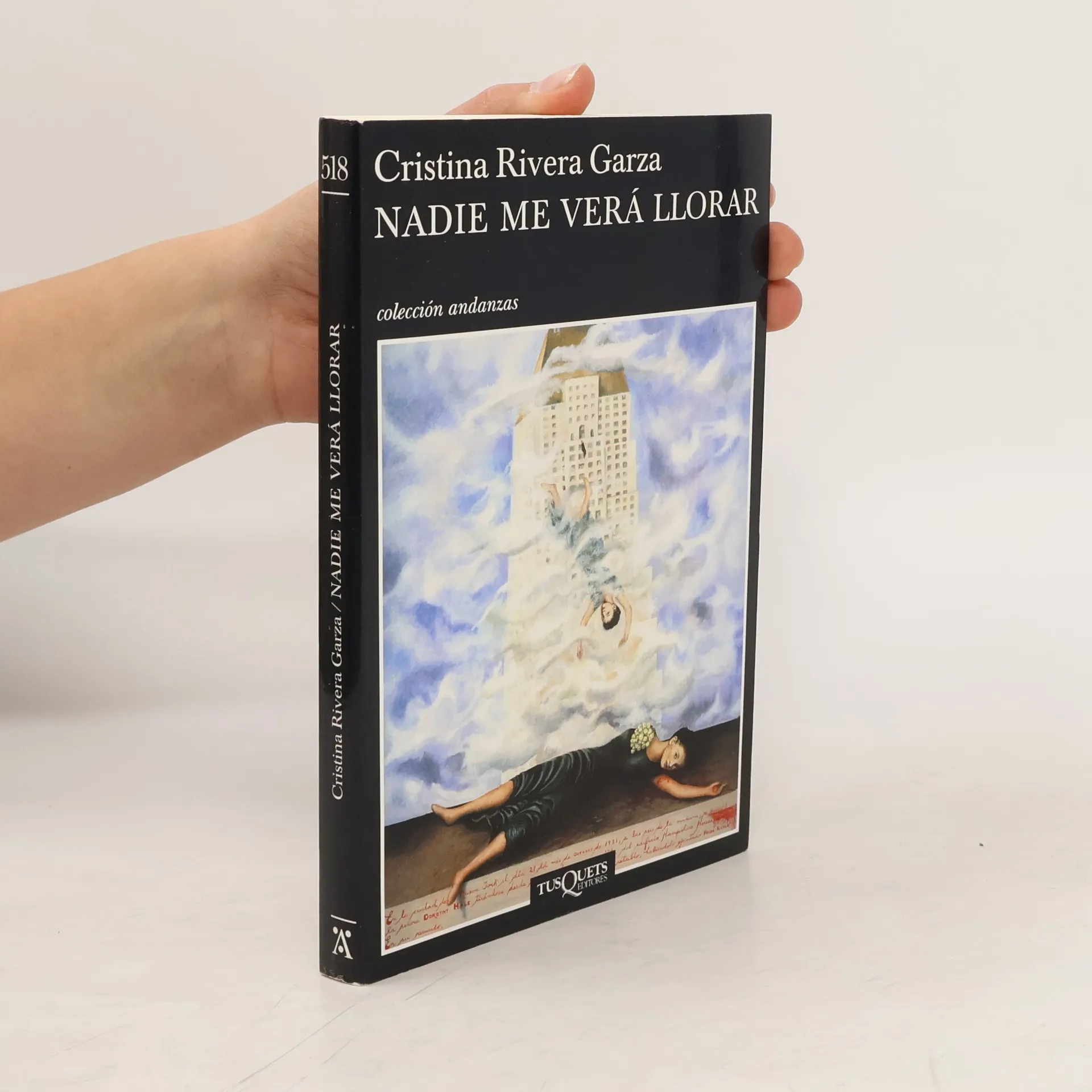
Nadie Me Vera Llorar
- 254 Seiten
- 9 Lesestunden
¿Cómo se convierte uno en fotógrafo de locos? Es 1920 y Joaquín Buitrago está a cargo de tomar retratos de los internos del Manicomio General La Castañeda con fines de identificación. Cuando en su lente aparece el rostro de Matilda Burgos, una mujer a quien cree haber conocido años atrás en el burdel La Modernidad, su obsesión por la historia de la enferma lo obliga a buscar toda clase de información para llegar a ella. Con cuarenta y nueve años, Joaquín aún se enamora como si tuviera todo el tiempo por delante y nada más por hacer. La marea de recuerdos, en la que va tomando forma la turbulenta existencia de Matilda y la vida en los márgenes de la Ciudad de México, los une bajo el cielo más oscuro del nuevo siglo. Saben que han perdido la batalla. Pero tal vez, como aseguraba Borges, la derrota tiene una dignidad que la victoria no conoce.