
Megali focuses on making historical works accessible by reproducing them in large print, catering specifically to individuals with impaired vision. This commitment to inclusivity ensures that a broader audience can enjoy and engage with important texts from the past.
Susan Coolidge Reihenfolge der Bücher (Chronologisch)
Sarah Chauncey Woolsey, die unter dem Pseudonym Susan Coolidge schrieb, war eine amerikanische Autorin, die für ihre klassischen Kindergeschichten bekannt ist. Ihr berühmtestes Werk, das von ihrem eigenen familiären Umfeld inspiriert wurde, bietet einen realistischen Einblick in das Familienleben und die Erziehung im 19. Jahrhundert. Woolsey trug auch zur literarischen Überlieferung bei, indem sie die Korrespondenz und Tagebücher anderer Schriftstellerinnen herausgab und so Einblicke in deren Leben und Schaffen ermöglichte.


This publication focuses on making historical works accessible through large print, catering specifically to individuals with impaired vision. Megali, the publishing house behind this initiative, is dedicated to reproducing important texts in a format that enhances readability and promotes inclusivity for all readers.
Born into a prominent New England family, Sarah Chauncey Woolsey, known by her pen name Susan Coolidge, made her mark as a children's author after serving as a nurse during the Civil War. Her literary career blossomed post-war, leading to her most famous work, What Katy Did, published in 1872. Woolsey remained unmarried and lived in Newport, Rhode Island, where she also edited significant literary works. Her contributions to children's literature and her family's literary legacy highlight her influence in the genre.
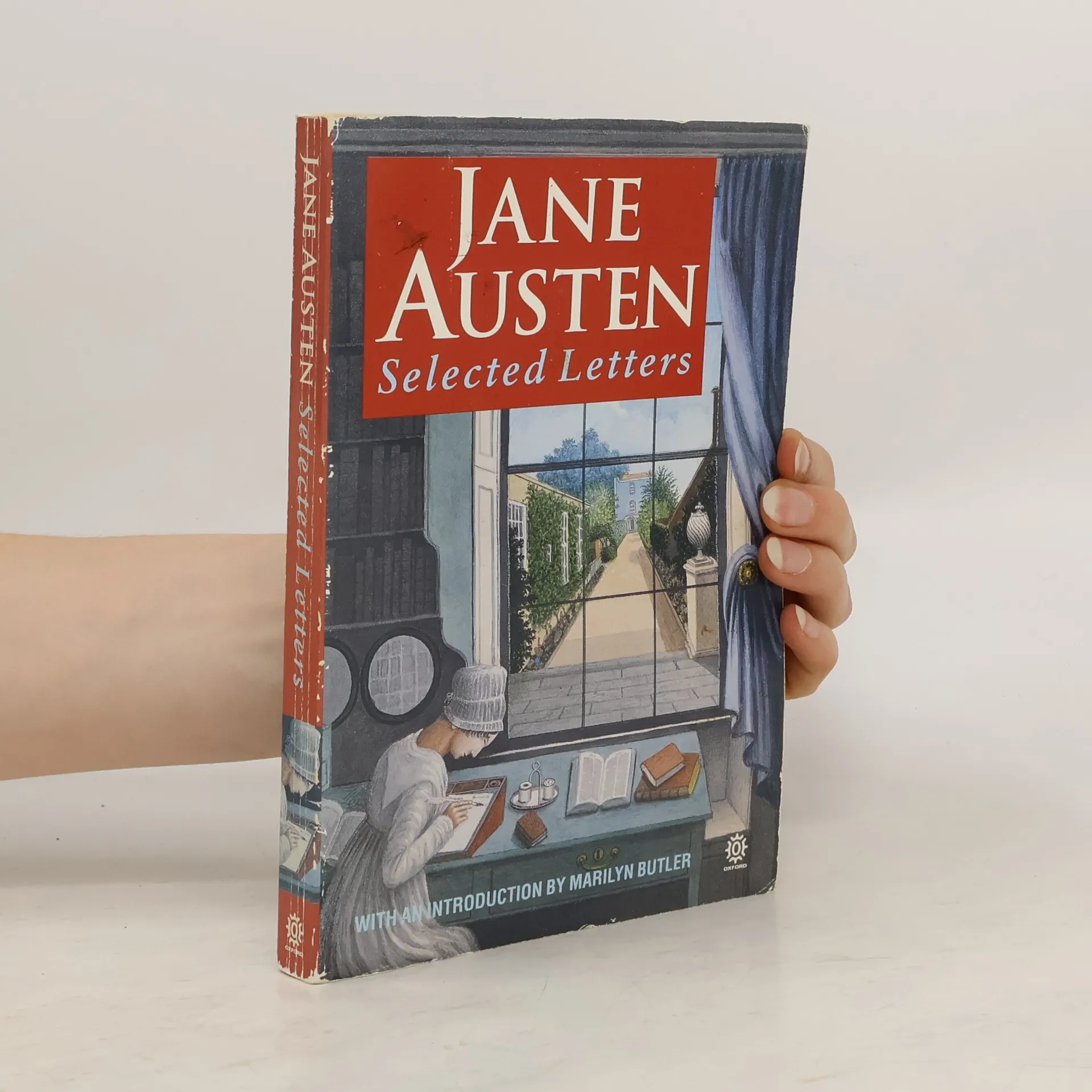
Selected letters
- 352 Seiten
- 13 Lesestunden
Letter-writing was something of an addiction for young women of Jane Austen's time and social position, and Austen's letters have a freedom and familiarity that only intimate writing can convey. Wiser than her critics, who were disappointed that her correspondence dwelt on gossip and the minutiae of everyday living, Austen understood the importance of 'Little Matters', of the emotional and material details of individual lives shared with friends and family through the medium of the letter. Ironic, acerbic, always entertaining, Jane Austen's letters are a fascinating record not only of her own day-to-day existence, but of the pleasures and frustrations experienced by women of her social class which are so central to her novels. Vivien Jones's selection includes very nearly two-thirds of Austen's surviving correspondence, and her lively introduction and notes set the novelist's most private writings in their wider cultural context.
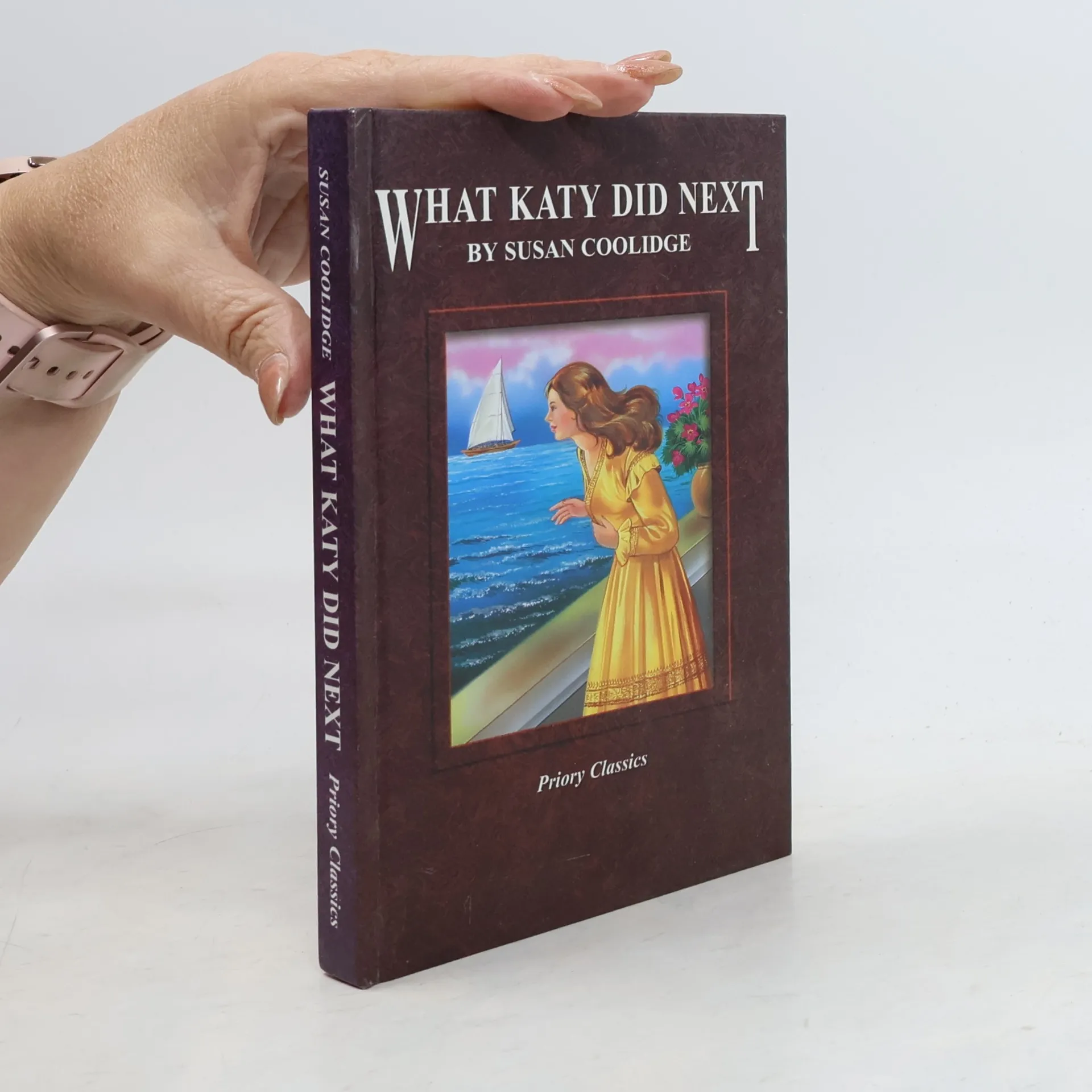
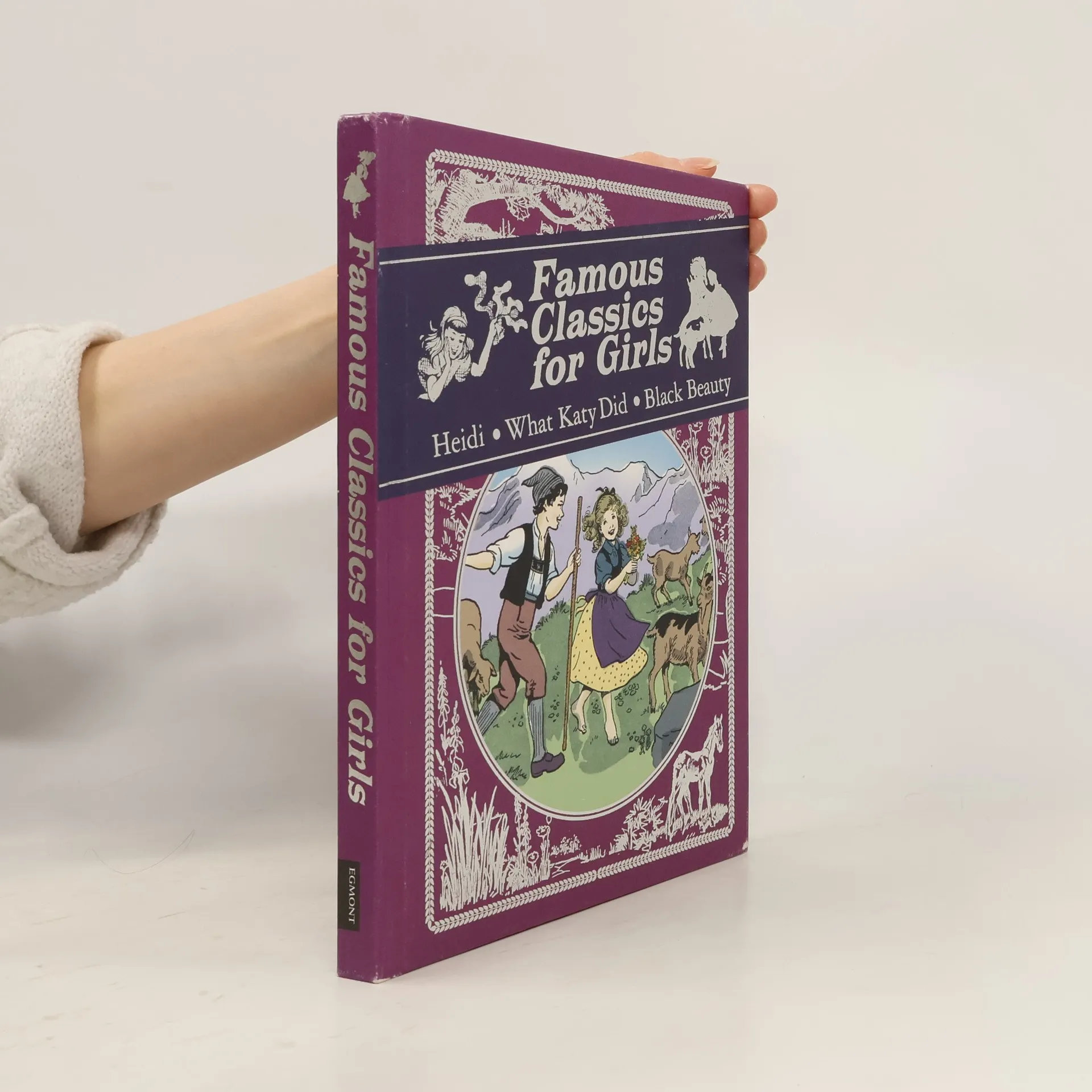
Three essential stories for girlhood reading, retold for young readers and collected in one lovely package In Heidi , a little orphan girl is forced to live with her grumpy grandfather in a lonely hut in the Alps, and eventually comes to love her mountain life. Katie intends to be beautiful and good one day—so when an accident happens, Katie must be brave and hold on to her dreams, in What Katie Did . Black Beauty is the story of a noble horse who is cruelly mistreated as he searches to find a new and loving home.
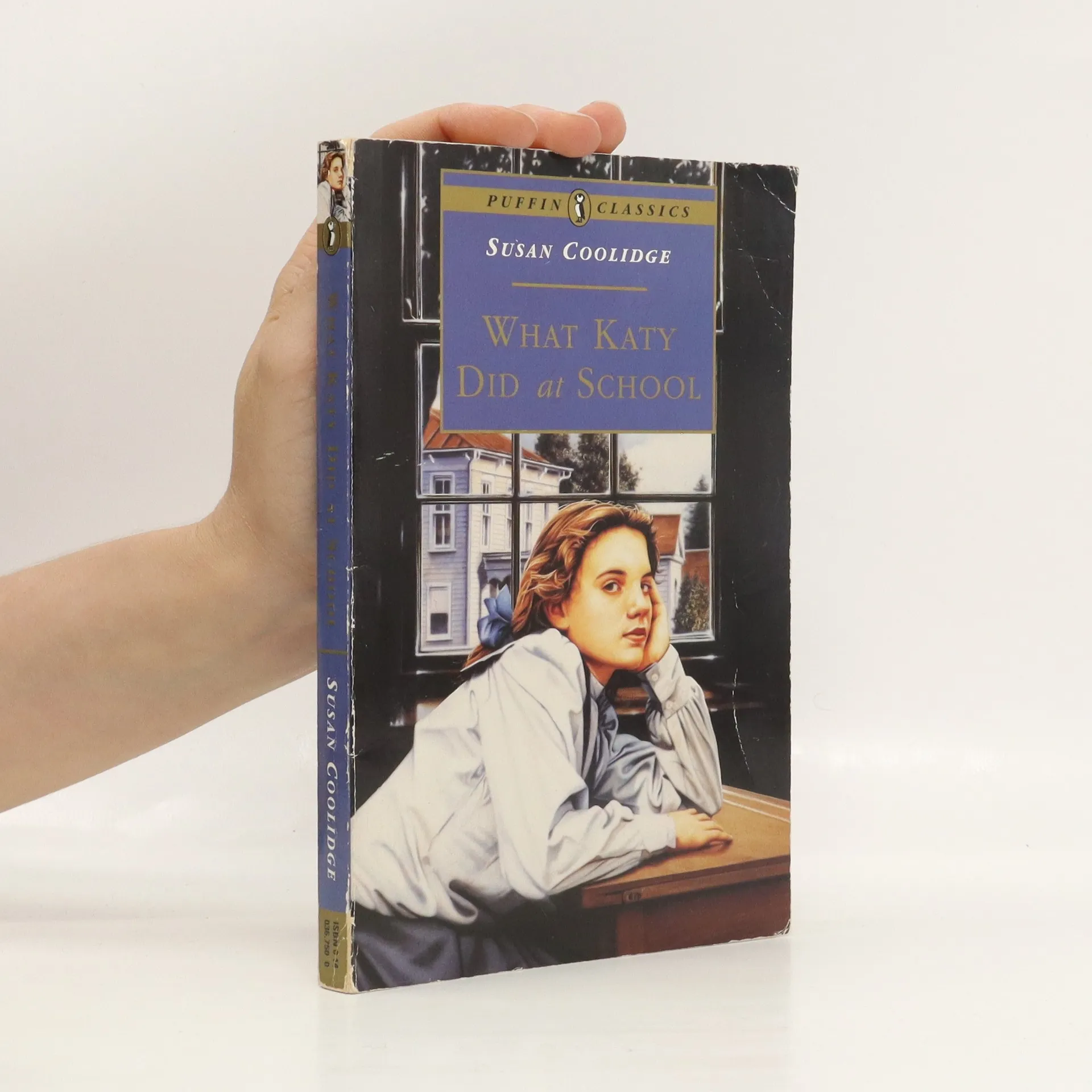
Dr. Carr's mind is firmly made up. Katy and her little sister Clover are to spend a year away at boarding school. A strange place, far from home, but on arrival the girls have an inkling that it might turn out to be rather different from their expectations. One thing is for sure, it certainly isn't going to be dull with Rose Red as an ally.
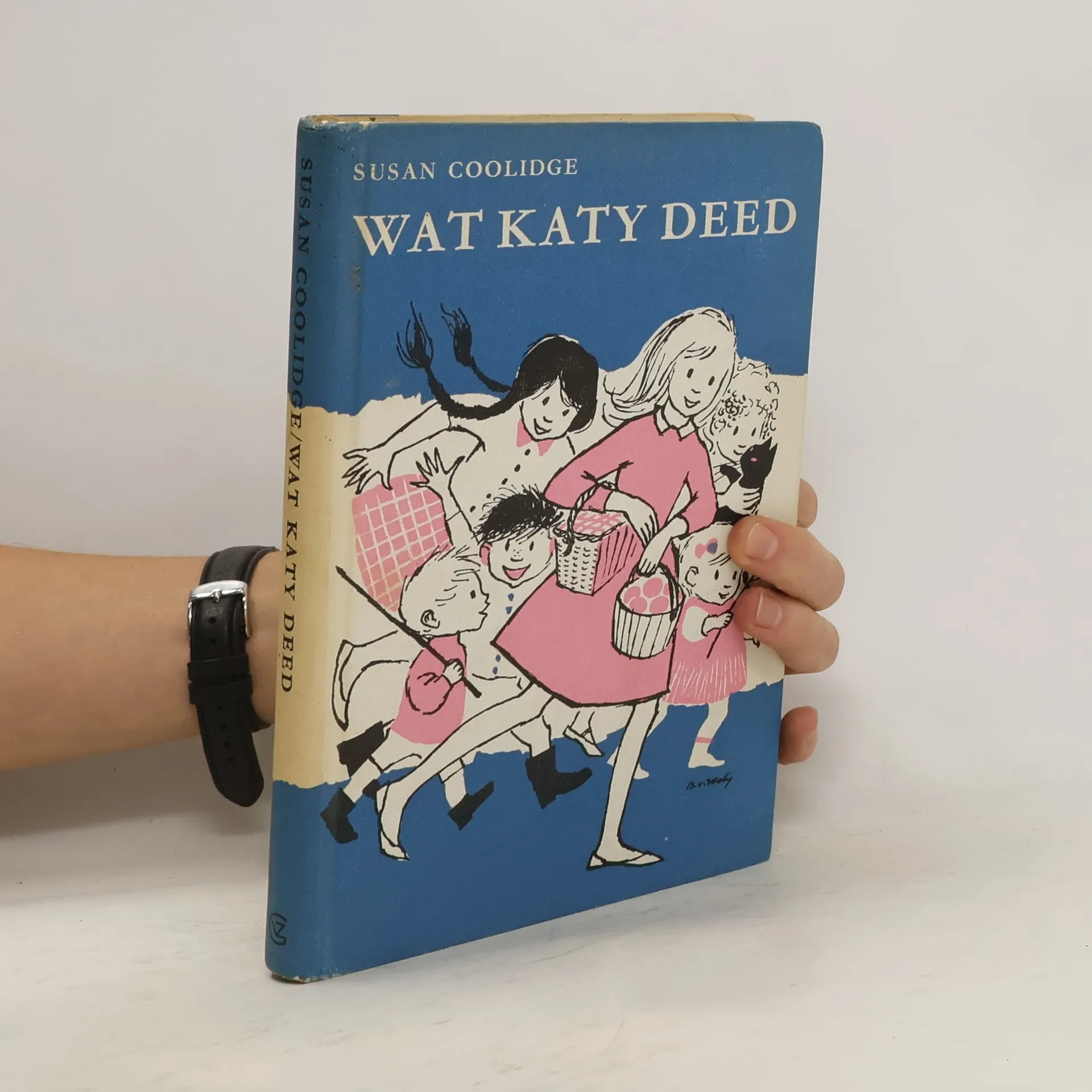
Katy Carr is the longest girl that was ever seen. She is all legs and elbows, and angles and joints. She tears her dress every day, hates sewing and doesn't care about being called 'good'. Her head is full of schemes and one day she plans to do something important. But a great deal is to happen to Katy before that time comes.
