Focusing on urban economic change, this book offers a practical approach to real estate economics and public policy. It presents a unique framework that explores the underlying causes and effects of urban transformation, providing valuable insights for real estate investors and policymakers. By analyzing the interplay between urban dynamics and economic strategies, it aims to enhance understanding of how public policy influences real estate markets.
Colin Jones Reihenfolge der Bücher (Chronologisch)
12. Dezember 1947

The Fall of Robespierre
- 592 Seiten
- 21 Lesestunden
The day of 9 Thermidor (27 July 1794) is universally acknowledged as a major turning-point in the history of the French Revolution. Maximilien Robespierre, the most prominent member of the Committee of Public Safety, was planning to destroy one of the most dangerous plots that the Revolution had faced.
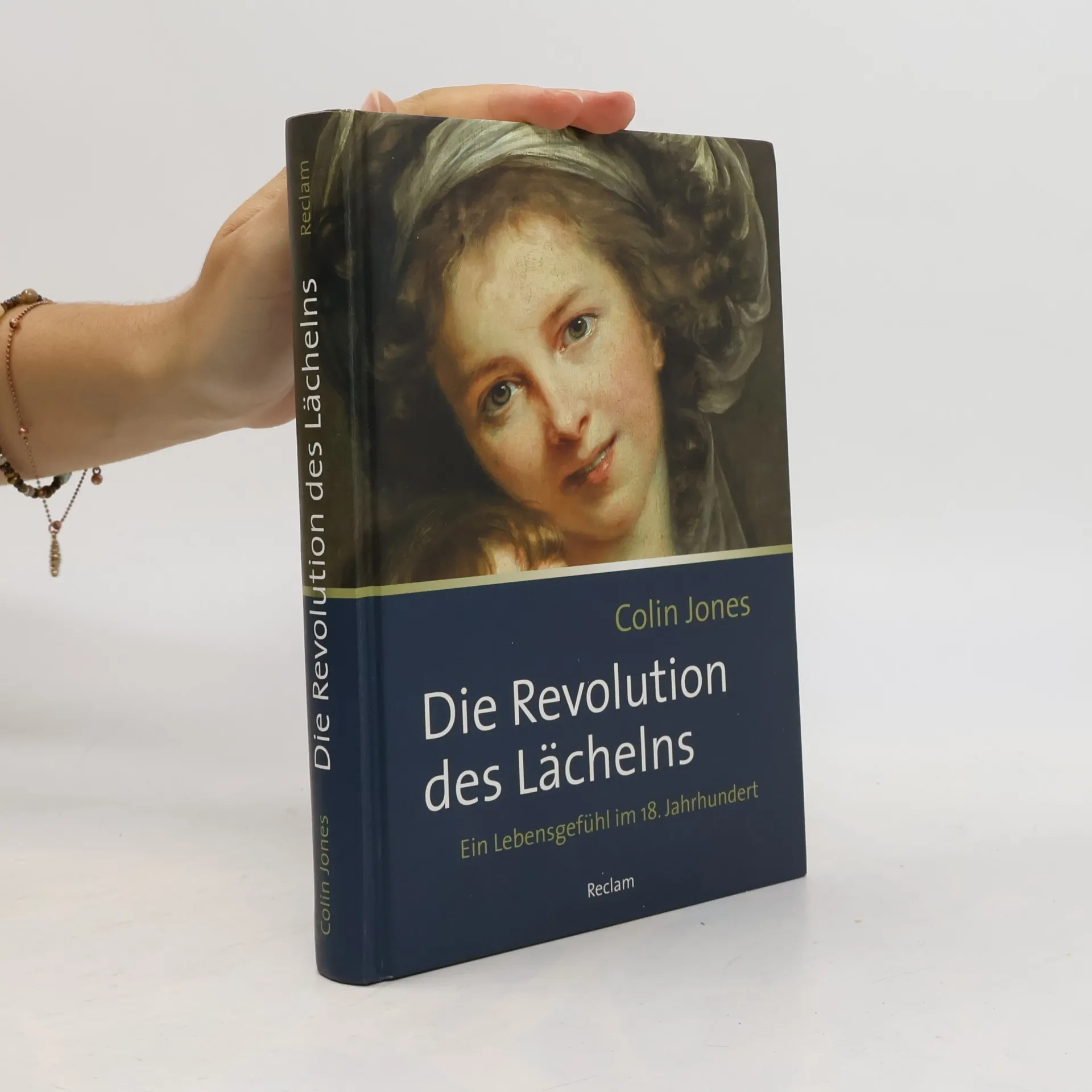
Kurz vor der großen, die Weltgeschichte prägenden Französischen Revolution vollzieht sich im 18. Jahrhundert eine kleine, unauffällige und kurzlebige Revolution, die gleichwohl tiefe Einblicke in Mentalität und Denken der Zeit erlaubt: Allenthalben in der zivilisierten Welt, in den besseren Kreisen und vornehmen Gesellschaften wird plötzlich gelächelt, und zwar freundlich und empfindsam. Uns kommt das heute natürlich vor, es war aber nichts weniger als das. Warum das ehemals nur sardonische, ironische oder überhebliche Lächeln des Absolutismus im Zeitalter von Vernunft und Aufklärung seine Bedeutung änderte, was genau das mit der Verbreitung des Zuckers und den Fortschritten der Zahnheilkunde zu tun hatte, wie es damit traurig endete im grimmen Ernst der politischen Revolution und was uns dieses Detail über den Wandel im Körper- und Lebensgefühl der Zeit offenbart, das erzählt der britische Historiker Colin Jones in diesem überraschenden Buch.
The Smile Revolution
- 304 Seiten
- 11 Lesestunden
'Colin Jones knows as much about eighteenth century France as any man alive, and in this study he brings together his prodigious learning and robust curiosity to produce a book that should bring a smile to even the most sullen scholarly face ... Jones tells [his] tale with tremendous insight and wit, drawing on his knowledge of an astonishing array of disciplines and sub- disciplines, from the history of medicine to the history of art. Darrin M. McMahon, American Historical Review
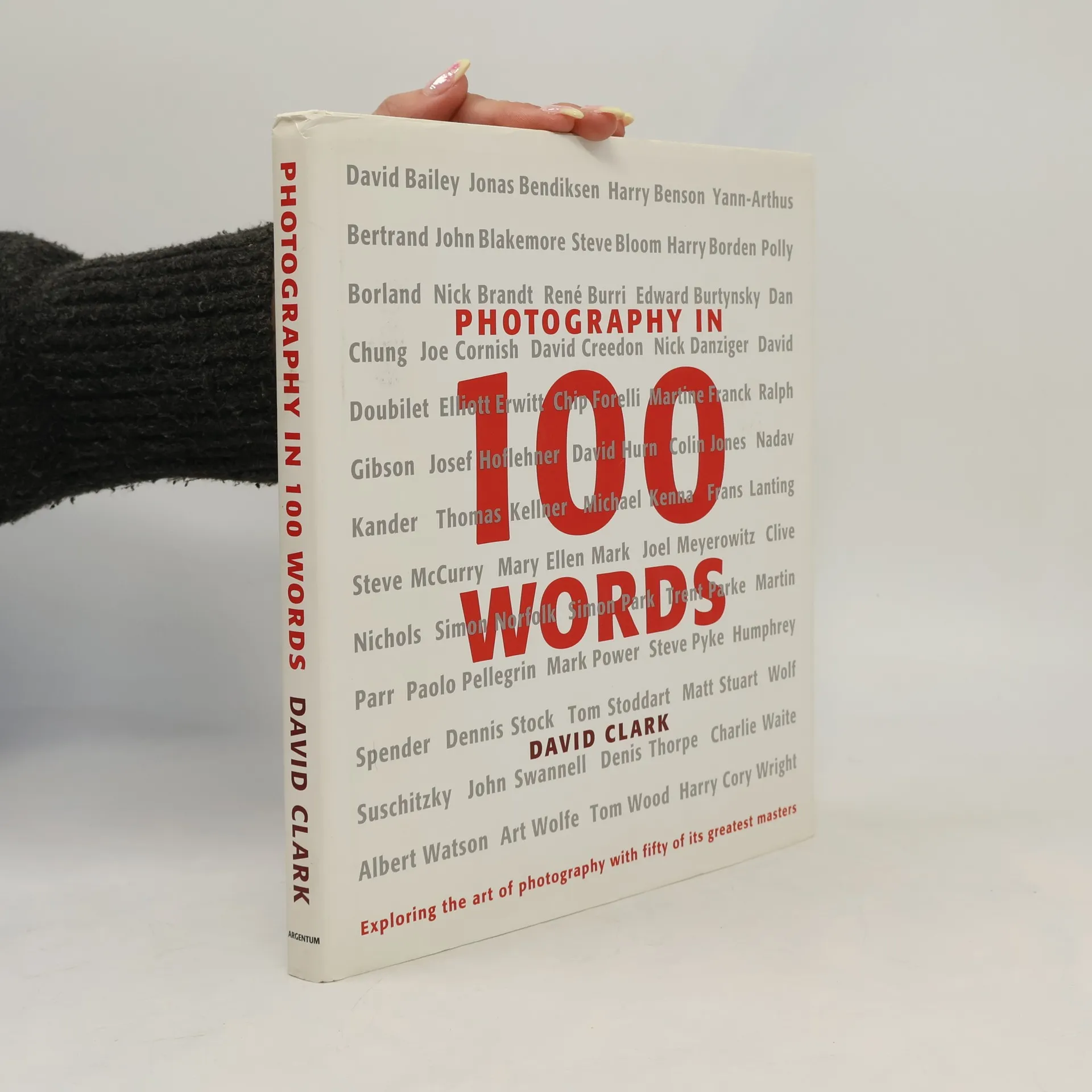
Photography in 100 Words
Exploring the Art of Photography With Fifty of Its Greatest Exponents
- 128 Seiten
- 5 Lesestunden
Acknowledging that photography is impossible to define, this intriguing reference strives to distil the meaning of photography in order to obtain the very essence of the medium without diminishing its importance as an art form. 50 iconic images by some of the world’s greatest photographers are paired with excerpts from interviews that explain each artist’s unique philosophy and detail their creative approach in relation to the photograph. Together they provide insights on function, perspective, and meaning. Thought-provoking, insightful, and ultimately inspirational, this engaging resource will appeal to all artists and photographers, and anyone who seeks a better understanding of the medium.
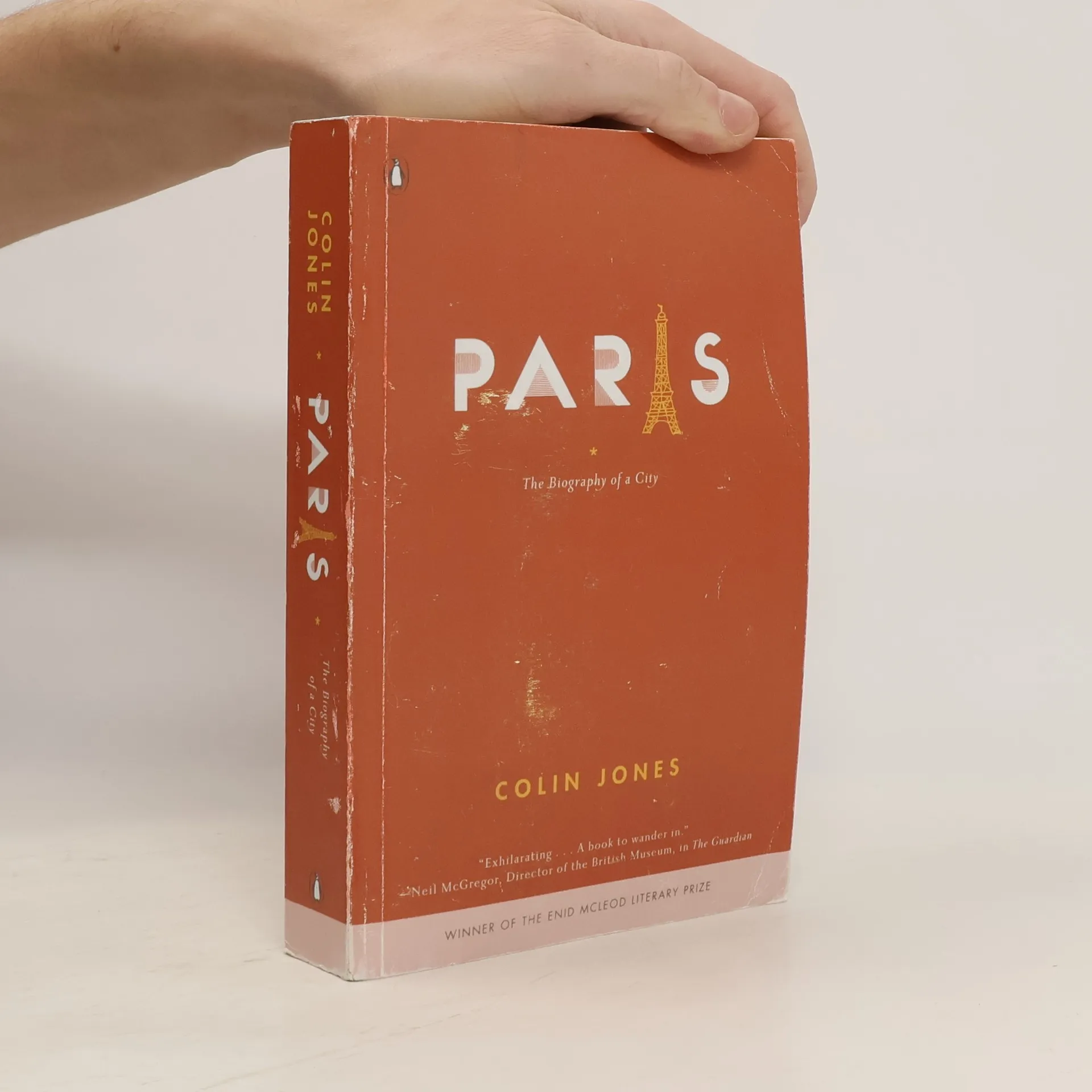
Exploring Paris's rich history, Colin Jones highlights its evolution from a plague-ridden city in the Middle Ages to a vibrant cultural hub during the French Revolution and beyond. The narrative captures the city's allure through the eyes of historical figures like Emperor Julian and Henry Miller, while also delving into its artistic significance for Impressionist painters. Enhanced by photographs and feature boxes on notable events and personalities, this comprehensive account offers a vivid portrait of Paris's resilience and enduring charm, appealing to both history enthusiasts and travelers.
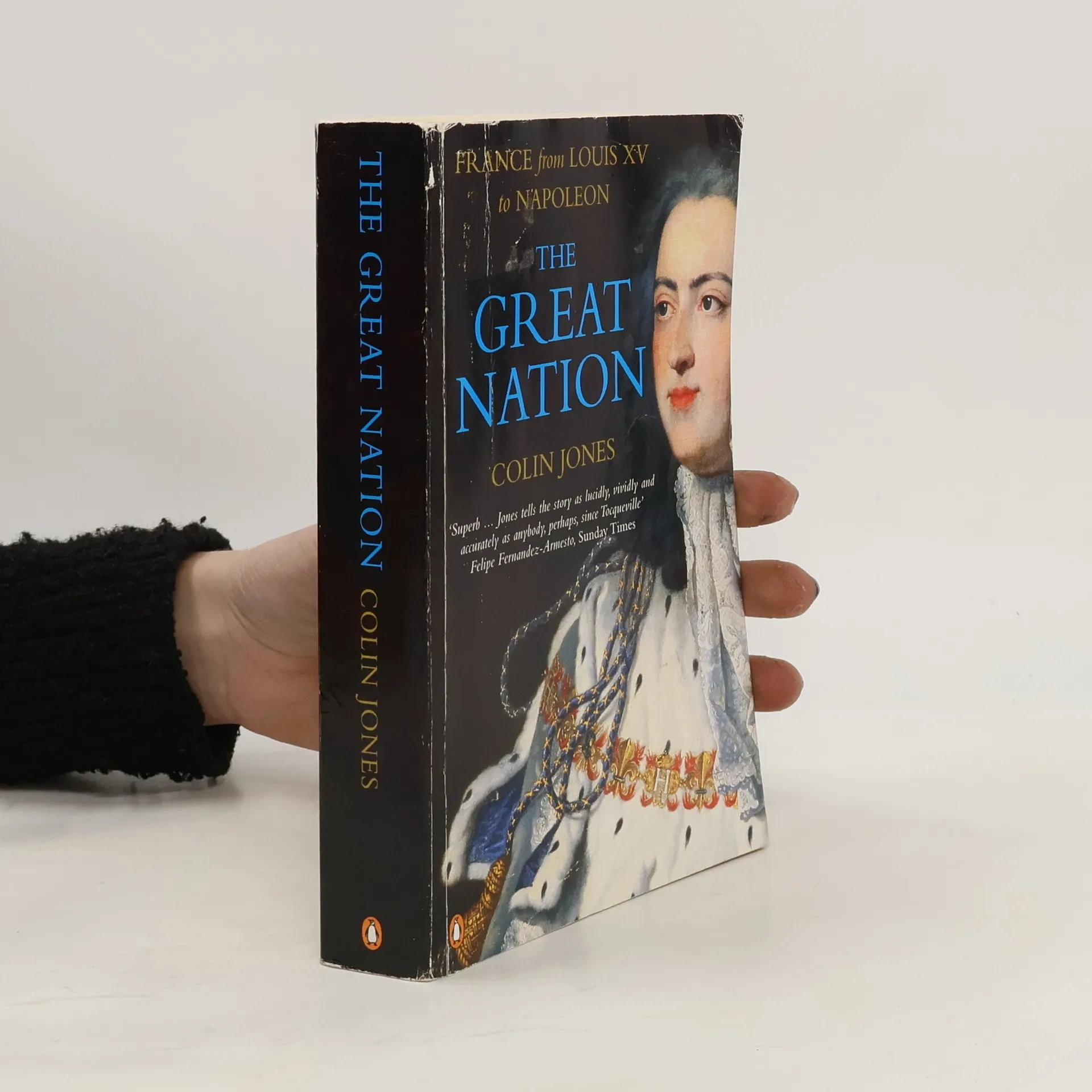
The Great Nation: France from Louis XV to Napoleon
- 688 Seiten
- 25 Lesestunden
Tells the story of how the dazzlingly confident and secure monarchy Louis XIV, 'the Sun King', left to his successors in 1715 became the discredited, debt- ridden failure toppled by Revolution in 1789. This title also tells the further story of the bloody unravelling of the Revolution until its seizure by Napoleon. schovat popis
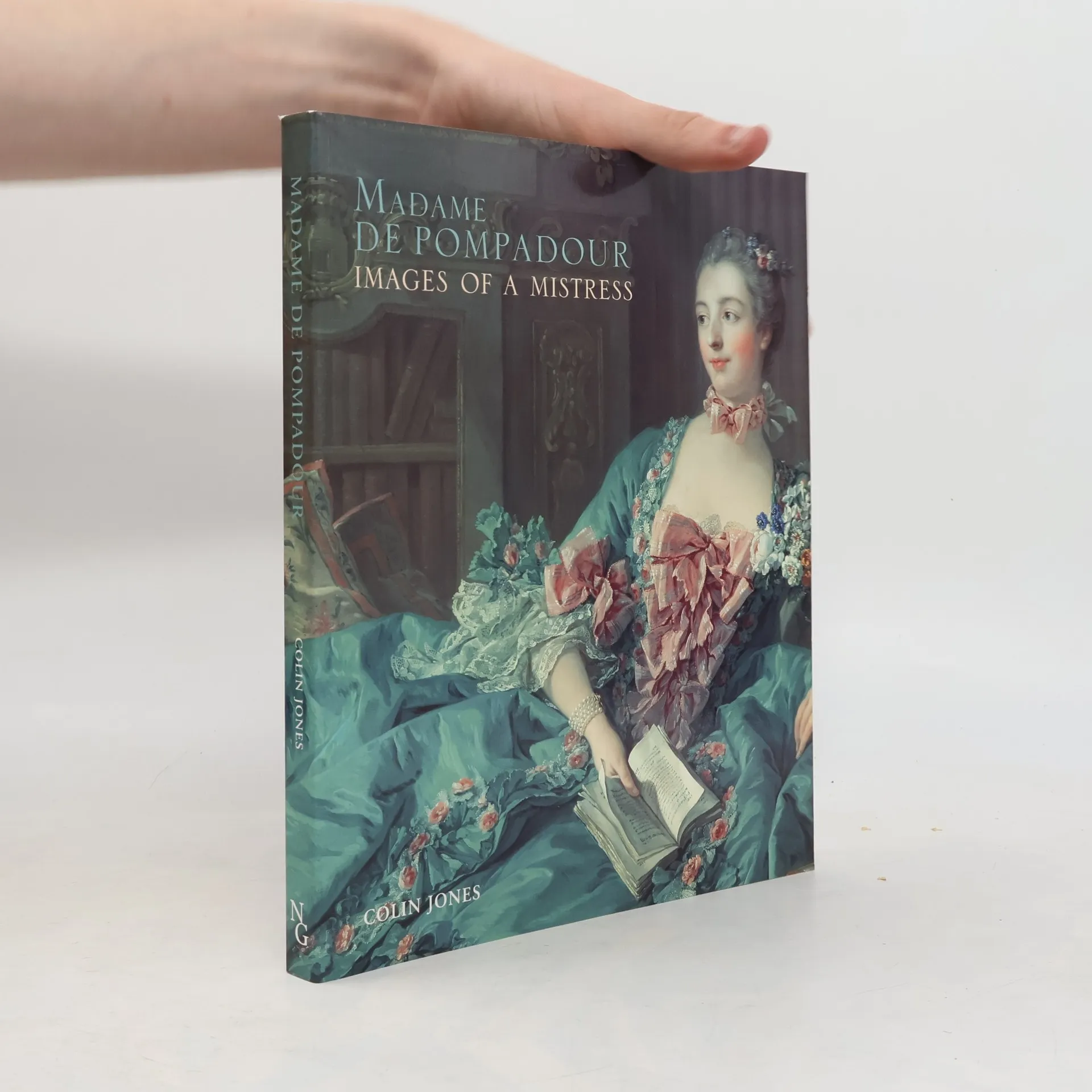
Madame De Pompadour
Images of a Mistress - Catalogue of the National Gallery London Exhibition 16 Oct 2002-12 Jan 2003
- 176 Seiten
- 7 Lesestunden
Jeanne-Antoinette Poisson, Marquise de Pompadour, was one of the most powerful women of her era. Born in 1721 in a relatively humble milieu to a father whose identity has never been confirmed, she married a man who was possibly her cousin. At the age of 24, through her own intelligence and beauty as well as the scheming of her relatives, she became the official mistress of Louis XV of France. Even though their physical relationship ended after five or six years, she remained the King's confidante and companion until her death in 1764. She amassed both great wealth, which she lavished on the decoration of various chateaux, and enormous power with which she promoted those who pleased her and demoted, or had imprisoned, those who did not. In the process she attracted both admiration and vicious criticism, in France and abroad.
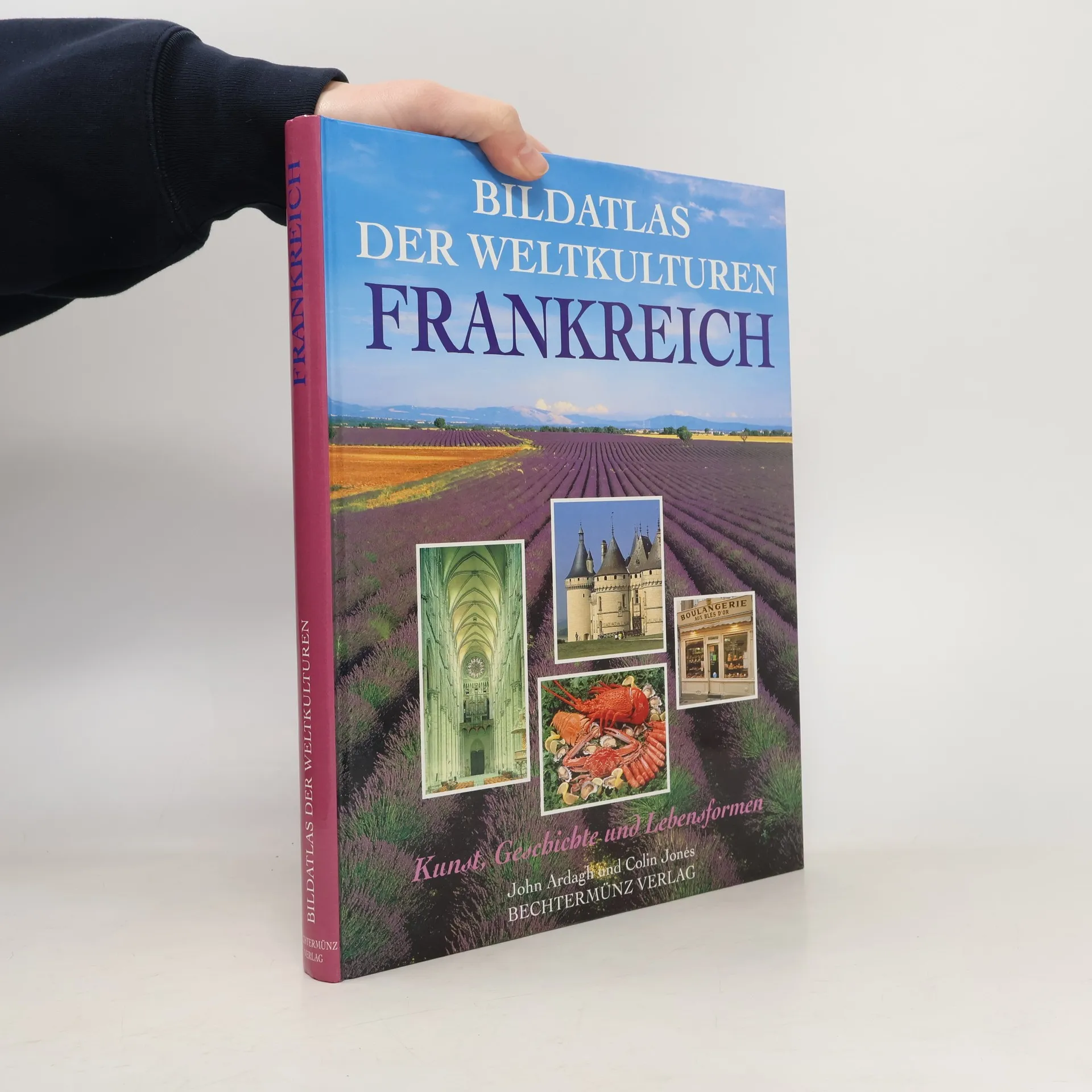
Bildatlas der Weltkulturen Frankreich
- 240 Seiten
- 9 Lesestunden
Von Ardagh, John ; Jones, Colin Zahlr. meist farb. Abb., Ktn. u. Pl. 240 S. fPr
France, Illustrated History
- 352 Seiten
- 13 Lesestunden
In a tour de force, Colin Jones gives a gripping, superbly and intelligently illustrated account of the political, social and cultural history of France, placing an innovatory emphasis on the impact of regionalism, class, gender and race in French heritage. Ranging from prehistoric menhirs to the Pompidou Centre, from Louis XIV's Versailles to twentieth-century highrises, from Marie Antoinette to Marie Claire, The Cambridge Illustrated History of France is host to lively and penetrating new insights that take us through the shaping of France from the earliest times to the brink of a new millennium. Combining superb illustration with outstanding scholarship, the diversity of the French heritage--scientific and artistic, national and regional--is explored with an engrossing and accessible style. Special features on places, people and events, a glossary, and a further reading section enhance this engaging book that will appeal to history buffs and students of French history and culture. Colin Jones is also the author of The Longman Companion to the French Revolution and The Cultural Atlas of France.
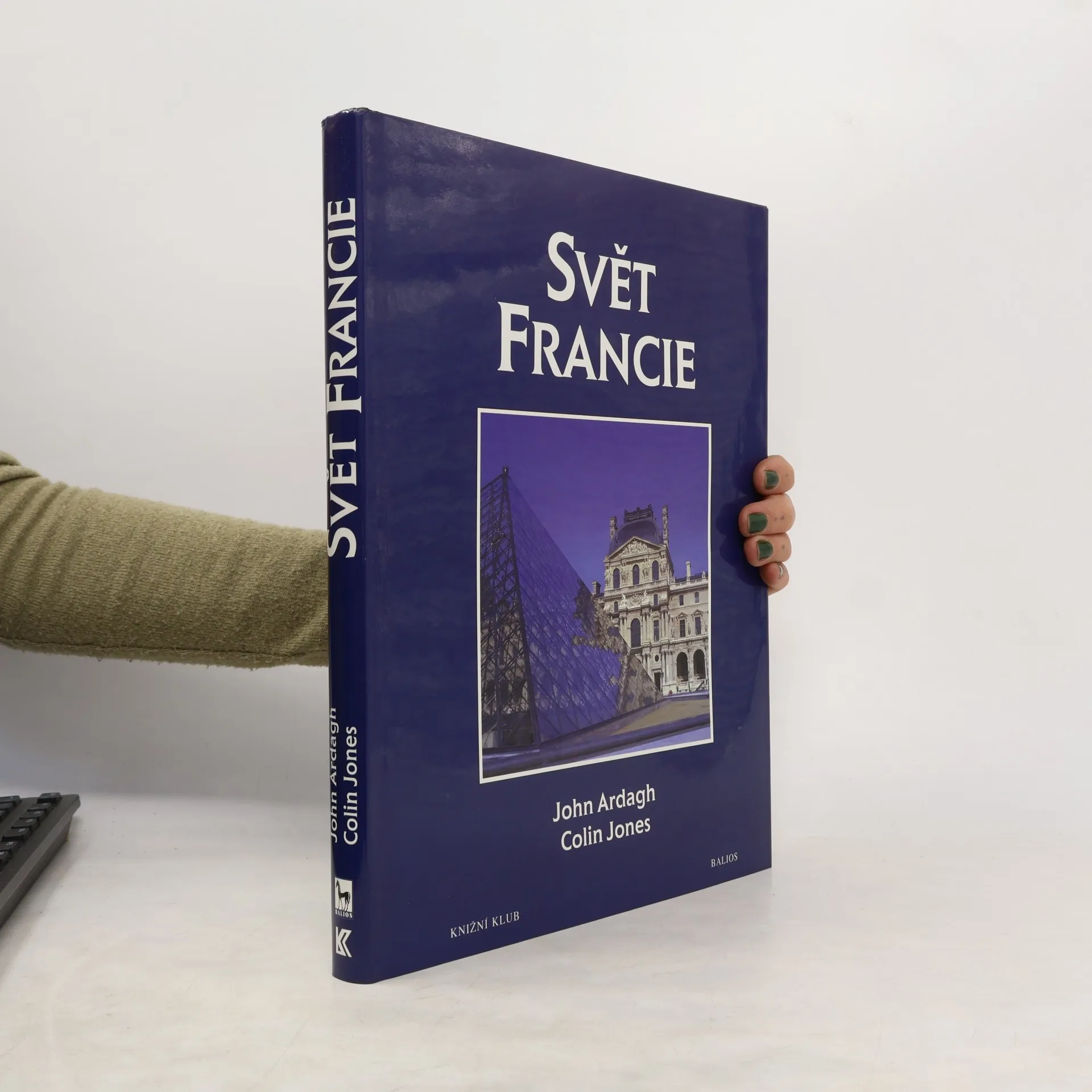
Svět Francie. Kulturní atlas
- 240 Seiten
- 9 Lesestunden
Dějiny a současnost Francie členěná do částí a historických období, Francie před Franky, období od středověku až po revoluci, utváření moderní Francie až po rok 1945. Větší část je věnována změnám a utváření společnosti po druhé světové válce, sociální struktuře společnosti a sleduje kulturní a intelektuální život Francie a francouzských provincií-krajů.
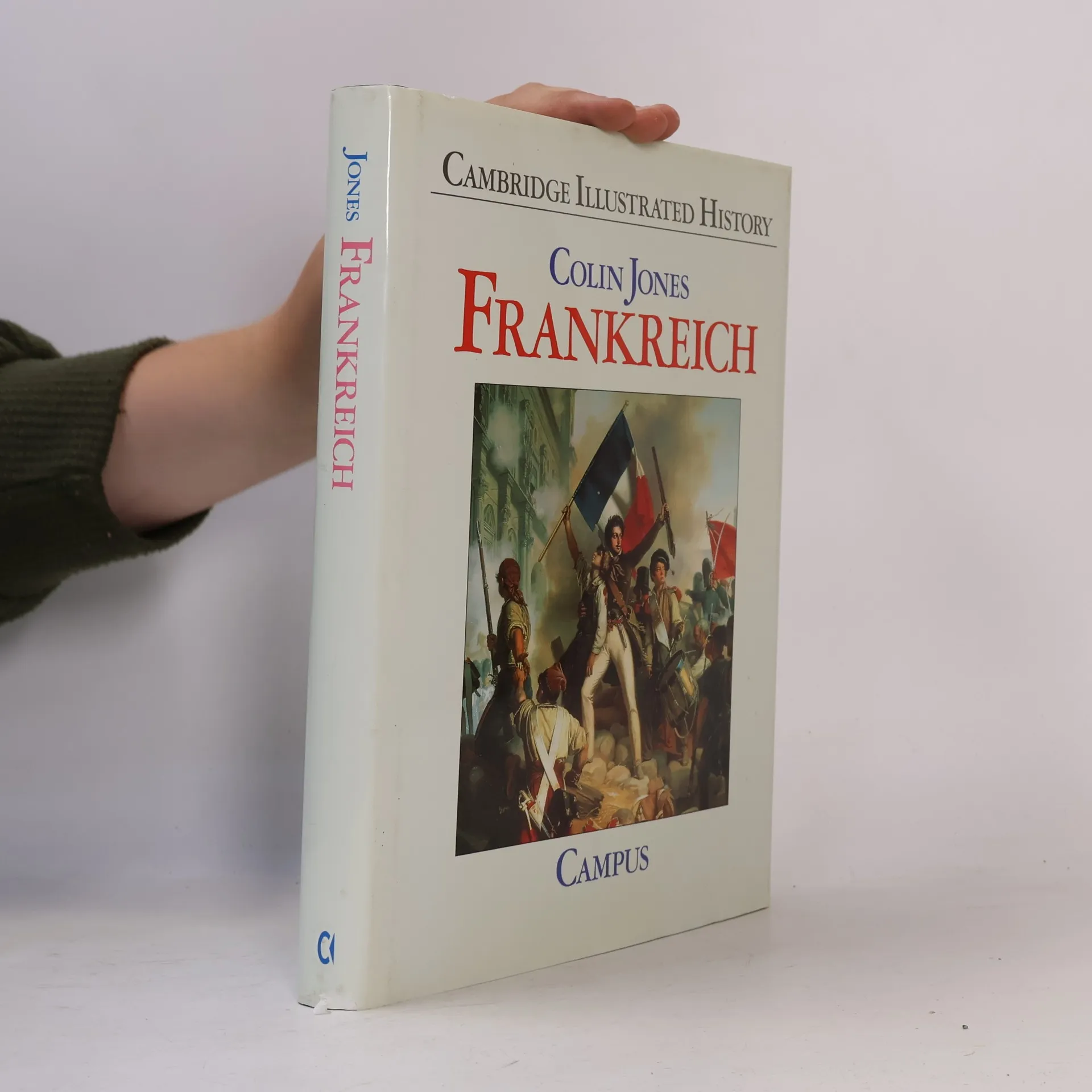
Frankreich
- 352 Seiten
- 13 Lesestunden
AuszugVon der Höhlenmalerei bis zum Kanaltunnel, vom Versailles Ludwig XIV. bis zum Hochhaus des 20. Jahrhunderts, von Marie- Antoinette bis Marie Claire: Die politische und soziale Geschichte Frankreichs, von den frühesten Zeiten bis heute, in einem prachtvoll illustrierten Band. »Dem Autor gelingt das seltene Kunststück, eine problemorien- tierte Strukturgeschichte für ein großes Publikum zu schreiben.« Rheinischer Merkur
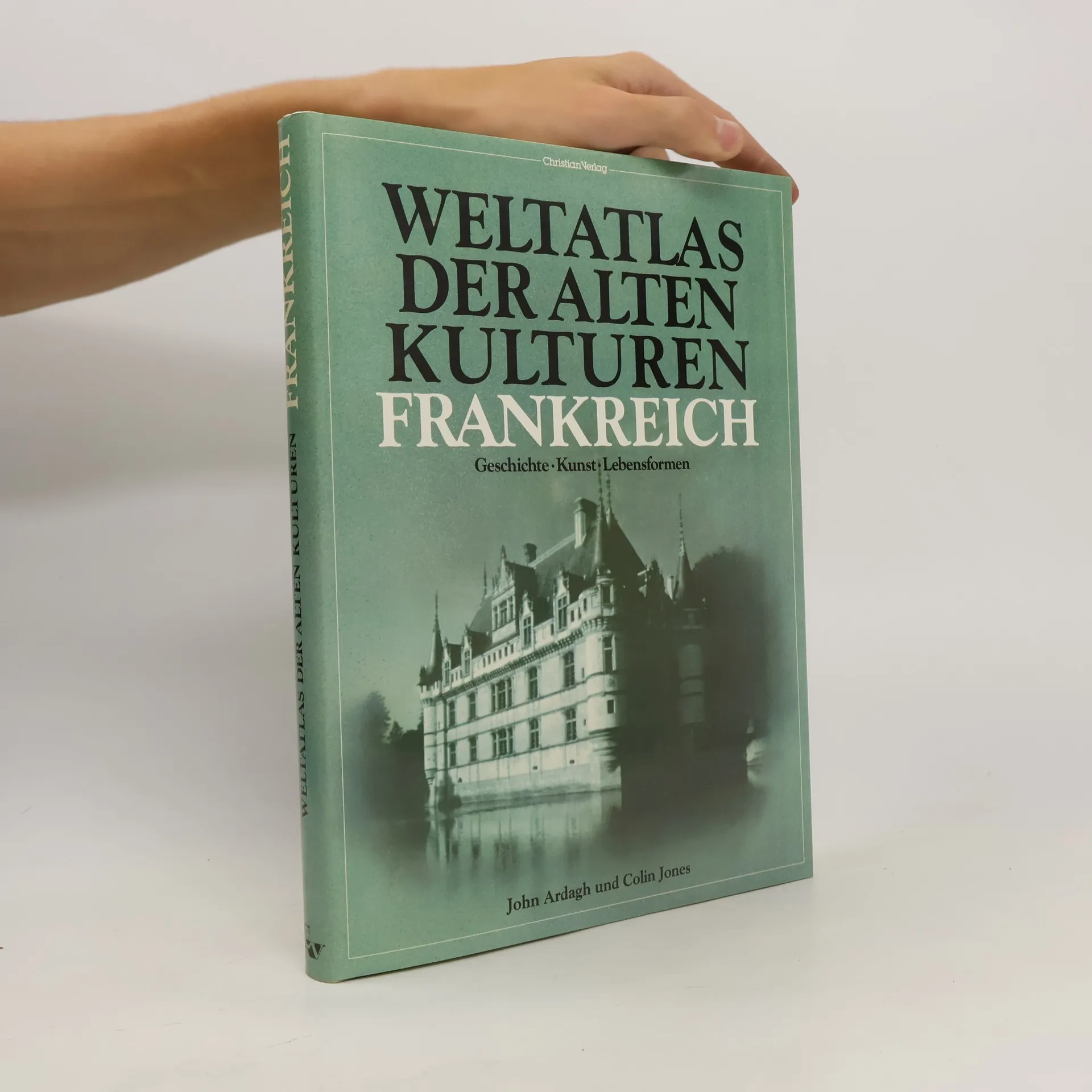
Weltatlas der alten Kulturen - Frankreich
- 240 Seiten
- 9 Lesestunden
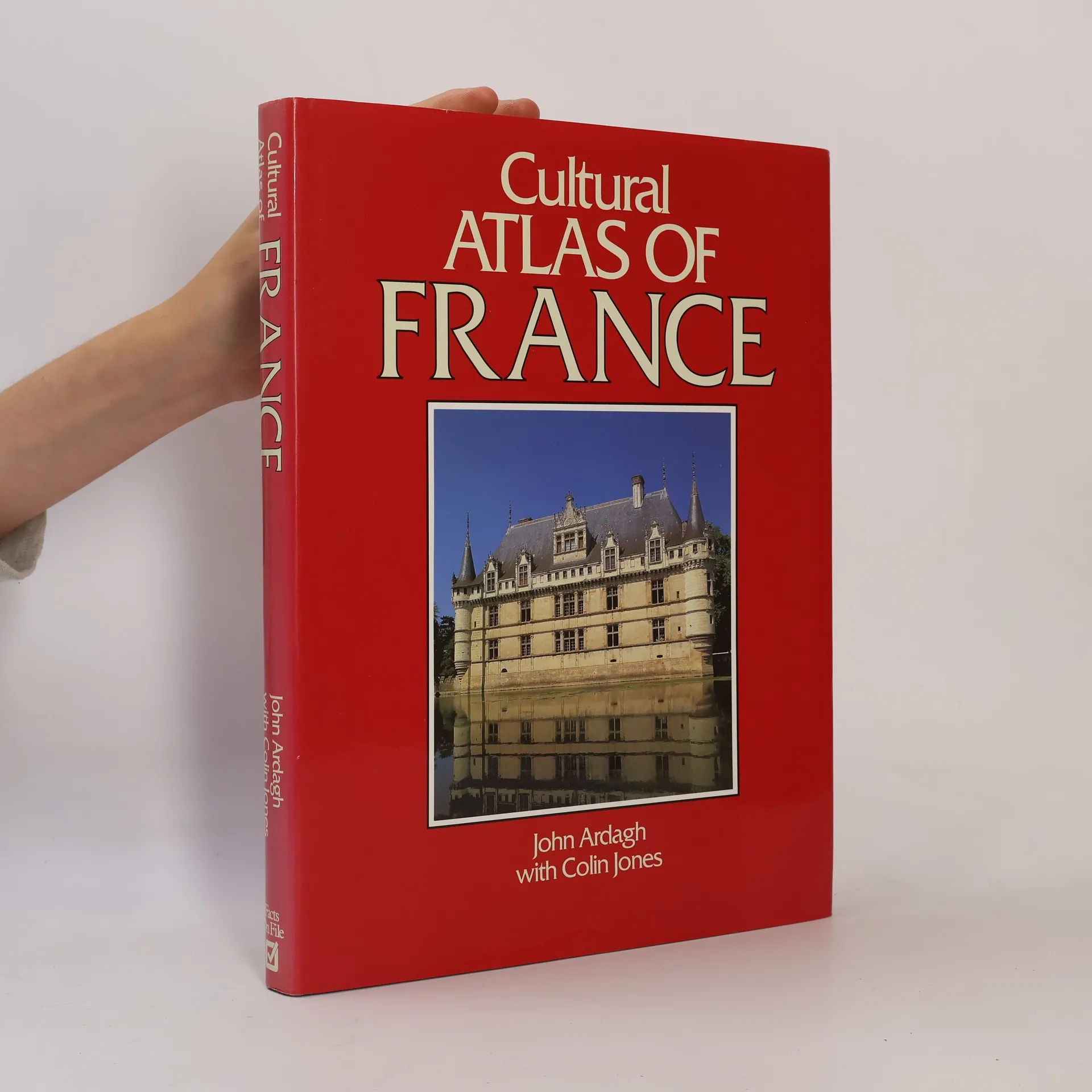
Cultural Atlas of France
- 240 Seiten
- 9 Lesestunden
Entries cover French history, geography, modern life, and culture, and describe each region
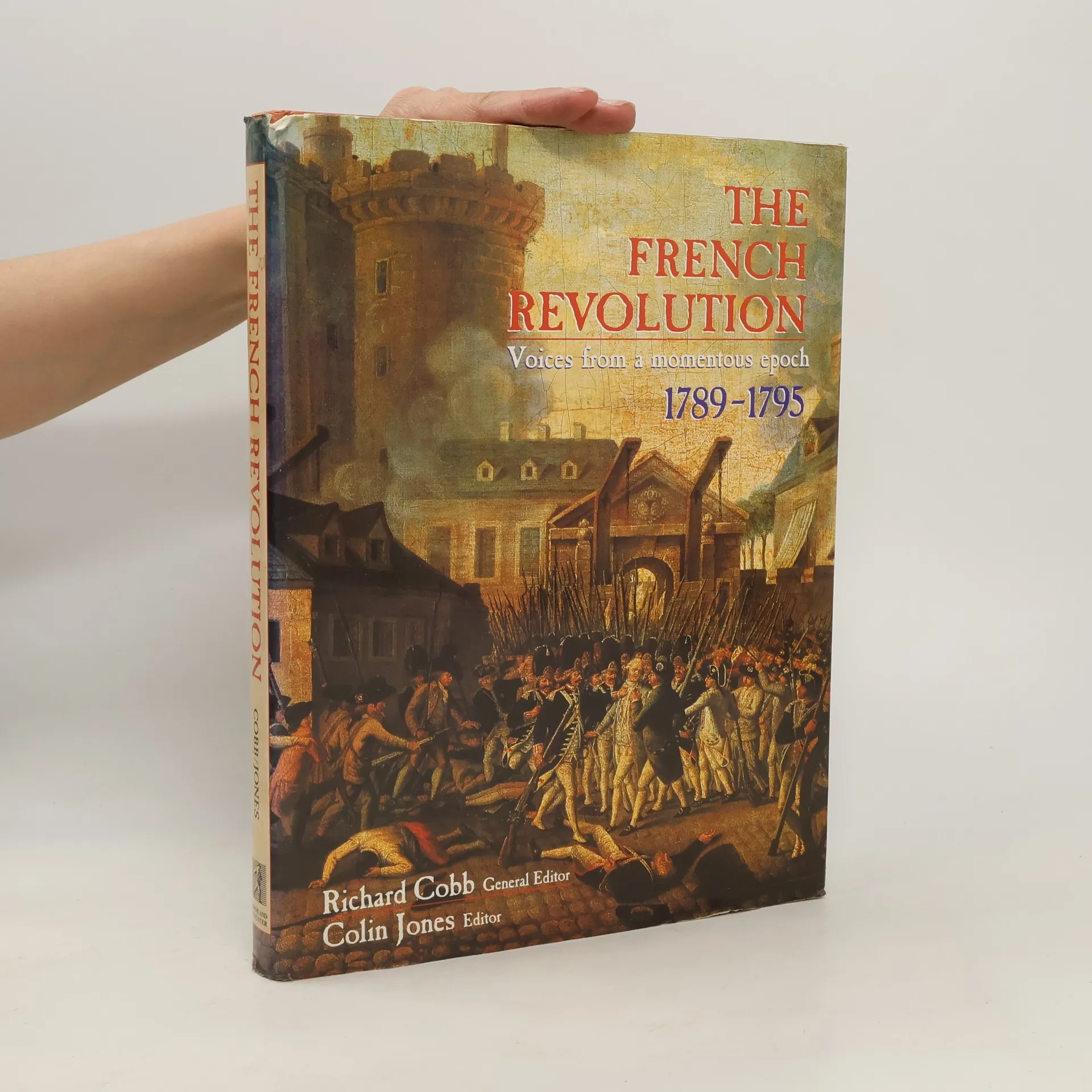
The French Revolution Voices from a momentous epoch 1789-1795
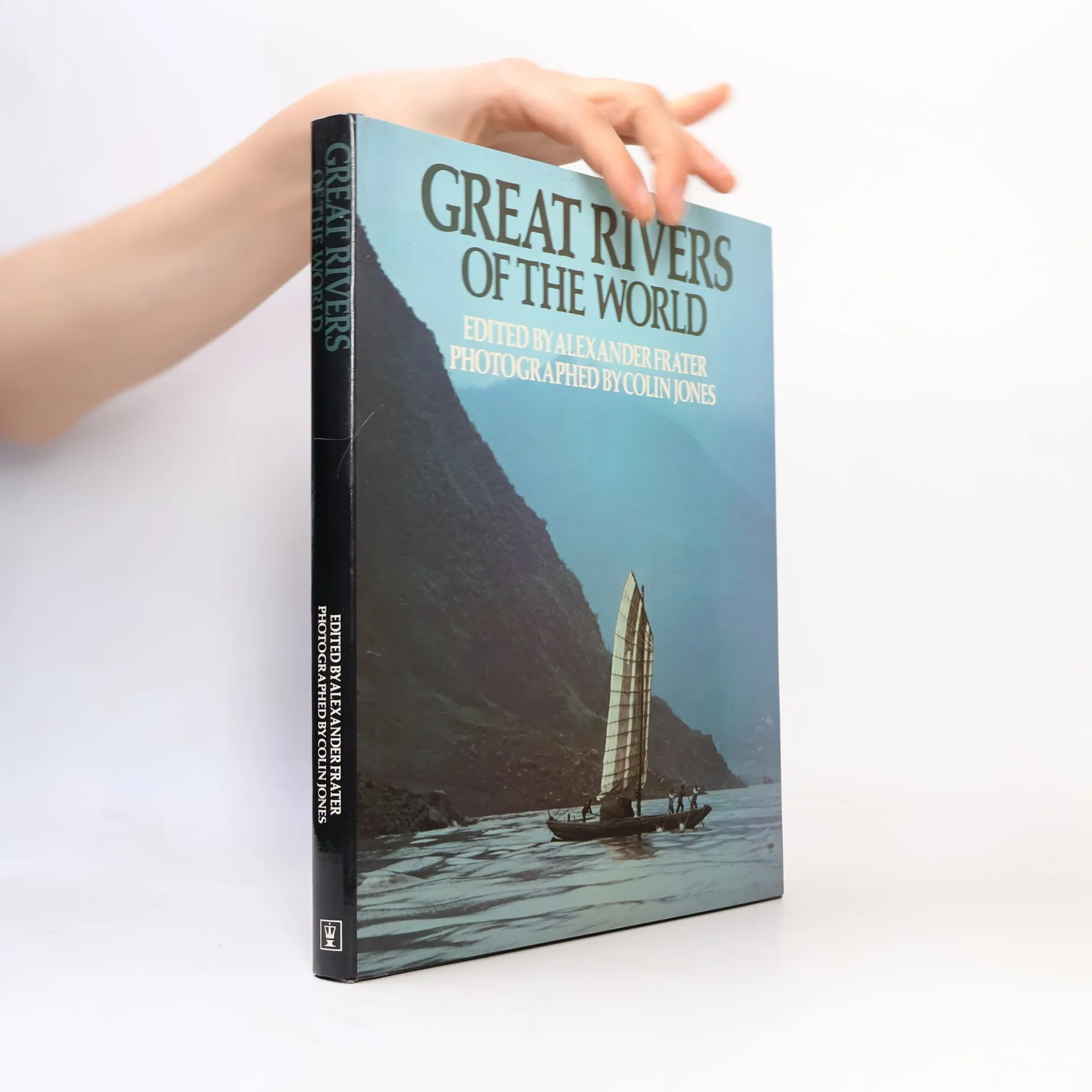
Great Rivers of the World
- 160 Seiten
- 6 Lesestunden
Sixty-four pages of color photos highlight descriptions of eleven of the world's greatest rivers, written by outstanding writers including Paul Theroux, Bruce Chatwin, and Piers Paul Read.