

A Times Literary Supplement Book of the Year, chosen by Tom StoppardA revelation.--Marc Weingarten, Washington Post Acclaimed film director Billy Wilder's early writings--brilliantly translated into English for the first timeBefore Billy Wilder became the screenwriter and director of iconic films like Sunset Boulevard and Some Like It Hot, he worked as a freelance reporter, first in Vienna and then in Weimar Berlin. Billy Wilder on Assignment brings together more than fifty articles, translated into English for the first time, that Wilder (then known as Billie) published in magazines and newspapers between September 1925 and November 1930. From a humorous account of Wilder's stint as a hired dancing companion in a posh Berlin hotel and his dispatches from the international film scene, to his astute profiles of writers, performers, and political figures, the collection offers fresh insights into the creative mind of one of Hollywood's most revered writer-directors.Wilder's early writings--a heady mix of cultural essays, interviews, and reviews--contain the same sparkling wit and intelligence as his later Hollywood screenplays, while also casting light into the dark corners of Vienna and Berlin between the wars. Wilder covered everything: big-city sensations, jazz performances, film and theater openings, dance, photography, and all manner of mass entertainment. And he wrote about the most colorful figures of the day, including Charlie Chaplin, Cornelius Vanderbilt, the Prince of Wales, actor Adolphe Menjou, director Erich von Stroheim, and the Tiller Girls dance troupe. Film historian Noah Isenberg's introduction and commentary place Wilder's pieces--brilliantly translated by Shelley Frisch--in historical and biographical context, and rare photos capture Wilder and his circle during these formative years.Filled with rich reportage and personal musings, Billy Wilder on Assignment showcases the burgeoning voice of a young journalist who would go on to become a great auteur.
Noah Isenberg Bücher
Noah Isenberg ist eine führende Stimme in der Filmwissenschaft und erforscht die kulturelle und historische Bedeutung des Kinos. Seine Schriften befassen sich mit fesselnden Erzählungen aus der Filmgeschichte, enthüllen die Geschichten von Randfiguren des Films und sezieren entscheidende Epochen der Filmproduktion. Isenbergs Werk bietet den Lesern ein tiefes Verständnis dafür, wie der Film die Gesellschaft geprägt und widergespiegelt hat. Seine Prosa ist sowohl zugänglich als auch fesselnd und macht ihn zu einem idealen Führer durch die Welt des Films.


We'll Always Have Casablanca
The Legend and Afterlife of Hollywood's Most Beloved Film
- 334 Seiten
- 12 Lesestunden
Casablanca was first released in 1942, just two weeks after the city of Casablanca itself surrendered to American troops led by General Patton. Featuring a pitch-perfect screenplay, a classic soundtrack, and unforgettable performances by Humphrey Bogart, Ingrid Bergman, and a deep supporting cast, Casablanca was hailed in the New York Times as “a picture that makes the spine tingle and the heart take a leap.” The film won Oscars for best picture, best director, and best screenplay, and would go on to enjoy more revival screenings than any other movie in history. It became so firmly ensconced in the cultural imagination that, as Umberto Eco once said, Casablanca is “not one movie; it is ‘movies.’ ” We’ll Always Have Casablanca is celebrated film historian Noah Isenberg’s rich account of this most beloved movie’s origins. Through extensive research and interviews with filmmakers, film critics, family members of the cast and crew, and diehard fans, Isenberg reveals the myths and realities behind Casablanca ’s production, exploring the transformation of the unproduced stage play into the classic screenplay, the controversial casting decisions, the battles with Production Code censors, and the effect of the war’s progress on the movie’s reception. Isenberg particularly focuses on the central role refugees from Hitler’s Europe played in the production (nearly all of the actors and actresses cast in Casablanca were immigrants). Filled with fresh insights into Casablanca ’s creation, production, and legacy, We’ll Always Have Casablanca is a magnificent account of what made the movie so popular and why it continues to dazzle audiences seventy-five years after its release.
The biography delves into the extraordinary life and career of Edgar G. Ulmer, a director known for creating remarkable films on minimal budgets and tight schedules. It explores Ulmer's journey from collaborating with Hollywood legends to working in the fringes of the industry, capturing the essence of noir through his unique vision. The author, Noah Isenberg, combines thorough research with a keen critical perspective, revealing the complexities and artistry behind Ulmer's work, ultimately highlighting his relentless pursuit of creativity despite challenging circumstances.
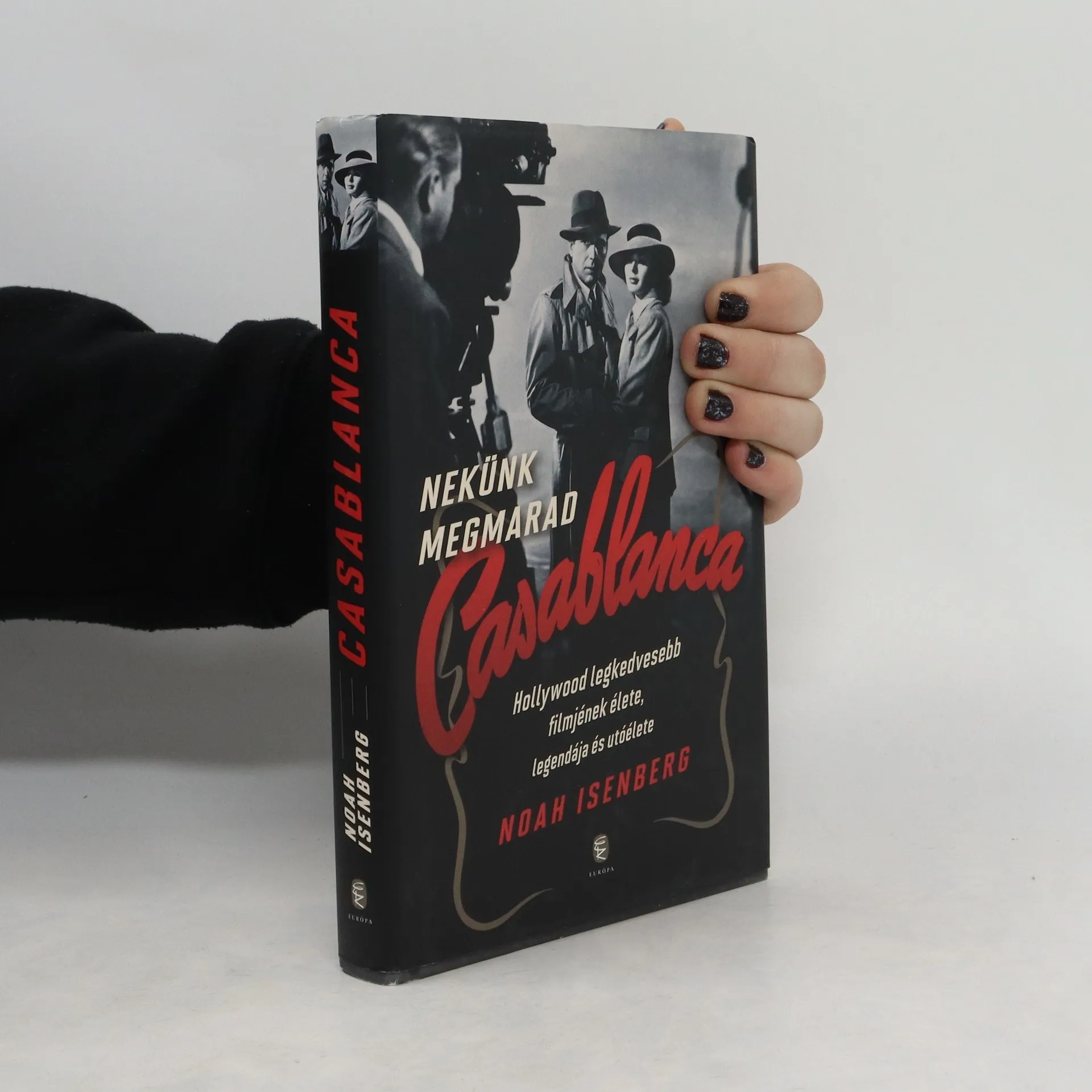
Umberto Eco azt mondta, a Casablanca nem film, hanem filmek. A világ kedvenc szerelmes filmje. A világ kedvenc háborús filmje. A világ kedvenc Bogart-filmje. Ez mind a Casablanca. Két amerikai színdarabszerző ötletéből egy amerikás magyar rendezte, és legalább tíz náció vett részt az elkészítésében.De mitől ennyire népszerű a mai napig egy olyan film, amelyet lóhalálában forgattak, a közreműködői közül egy sem járt soha a helyszínen, és amelynek a főszereplője addig főleg rosszfiúkat játszott? Noah Isenberg filmtörténész a bemutató hetvenötödik évfordulójára megpróbálta megfejteni a titkot. Egy soha be nem mutatott darab bekerült az álomgyárba, és sok kézen ment át, míg kialakult a forgatókönyv. A forgatáson hemzsegtek a nácizmus elől menekülő európaiak. Két híres színész komoly fenntartásokkal vállalta azt a szerepet, amely aztán szupersztárrá tette őket. Egy 178 centis, kopaszodó amerikaiból szexszimbólum lett, és állítása szerint ehhez csak annyi kellett, hogy Ingrid Bergman szerelmesen nézzen rá. Egy fiatal svéd színésznő a bemutató után évtizedekre megtestesítette az eleganciát és tisztaságot. Egy pikáns arcú lány a francia ellenállás arca lett, pedig Hollywoodban élt.Rengeteg fotóval, rengeteg sztorival varázsolja el az olvasót ez a könyv, amely minden filmrajongónak létfontosságú. kevesebb