

The book presents a philosophical exploration of the modern economy, focusing on the intricate relationship between credit and faith. It delves into how these elements shape economic structures and influence societal interactions, providing insights into the underlying principles that govern contemporary financial systems. Through this analysis, readers are invited to reconsider the foundational beliefs that drive economic behavior and the implications for future economic practices.
Philip Goodchild Reihenfolge der Bücher (Chronologisch)
Philip Goodchild ist Professor für Religion und Philosophie und erforscht die komplexen Verbindungen zwischen Kapitalismus, Begehren und Religion. Seine Arbeit befasst sich mit den tiefgreifenden Wechselbeziehungen zwischen Wirtschaftssystemen, spirituellen Praktiken und psychologischen Motivationen. Goodchild betrachtet Philosophie als eine spirituelle Übung, die die Leser dazu anregt, über ihren Platz in der Welt nachzudenken.

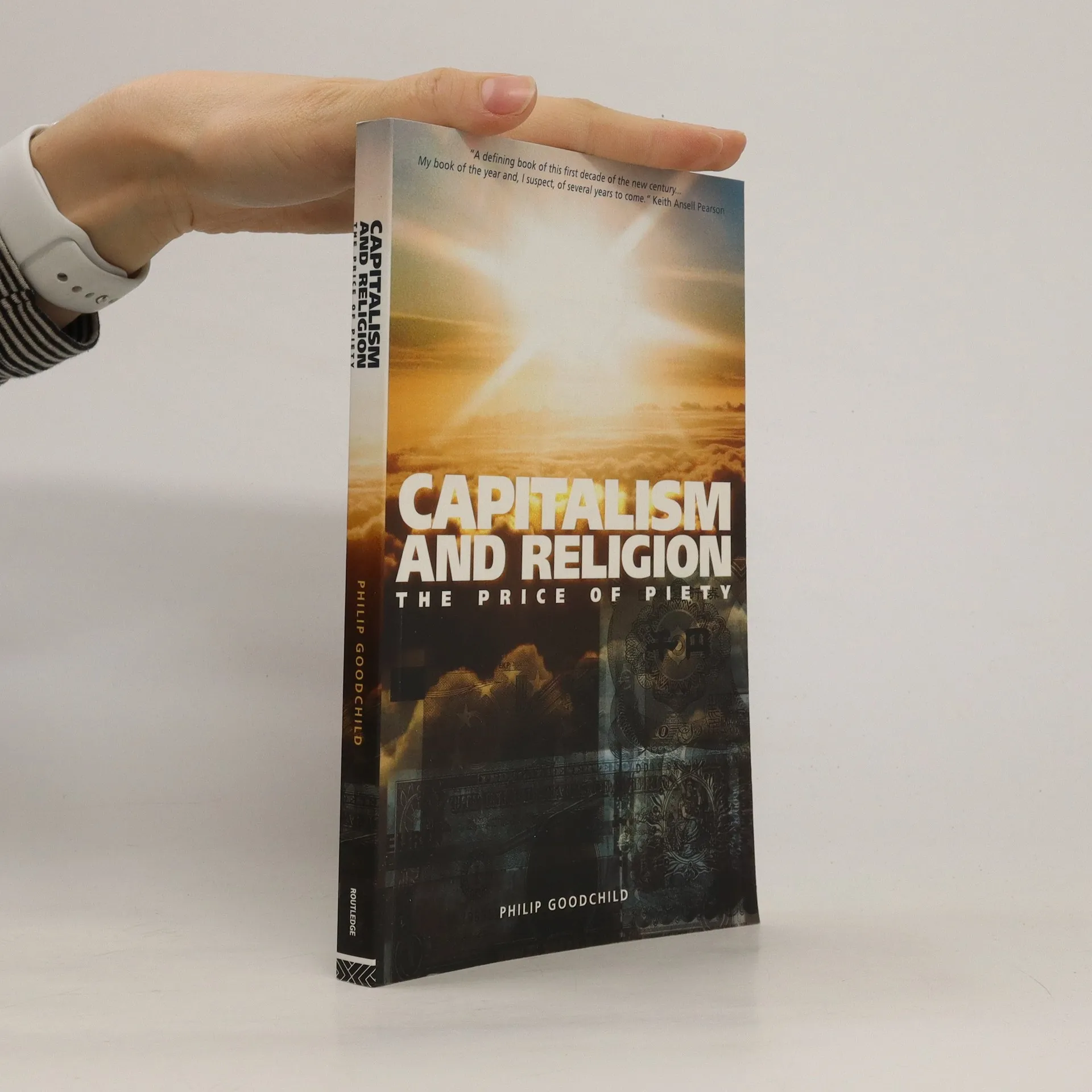
Capitalism and Religion
- 288 Seiten
- 11 Lesestunden
Do religions justify and cause violence or are they more appropriately seen as forces for peace and tolerance? Featuring contributions from international experts in the field, this book explores the debate that has emerged in the context of secular modernity about whether religion is a primary cause of social division, conflict and war, or whether this is simply a distortion of the 'true' significance of religion and that if properly followed it promotes peace, harmony, goodwill and social cohesion. Focusing on how this debate is played out in the South Asian con.