
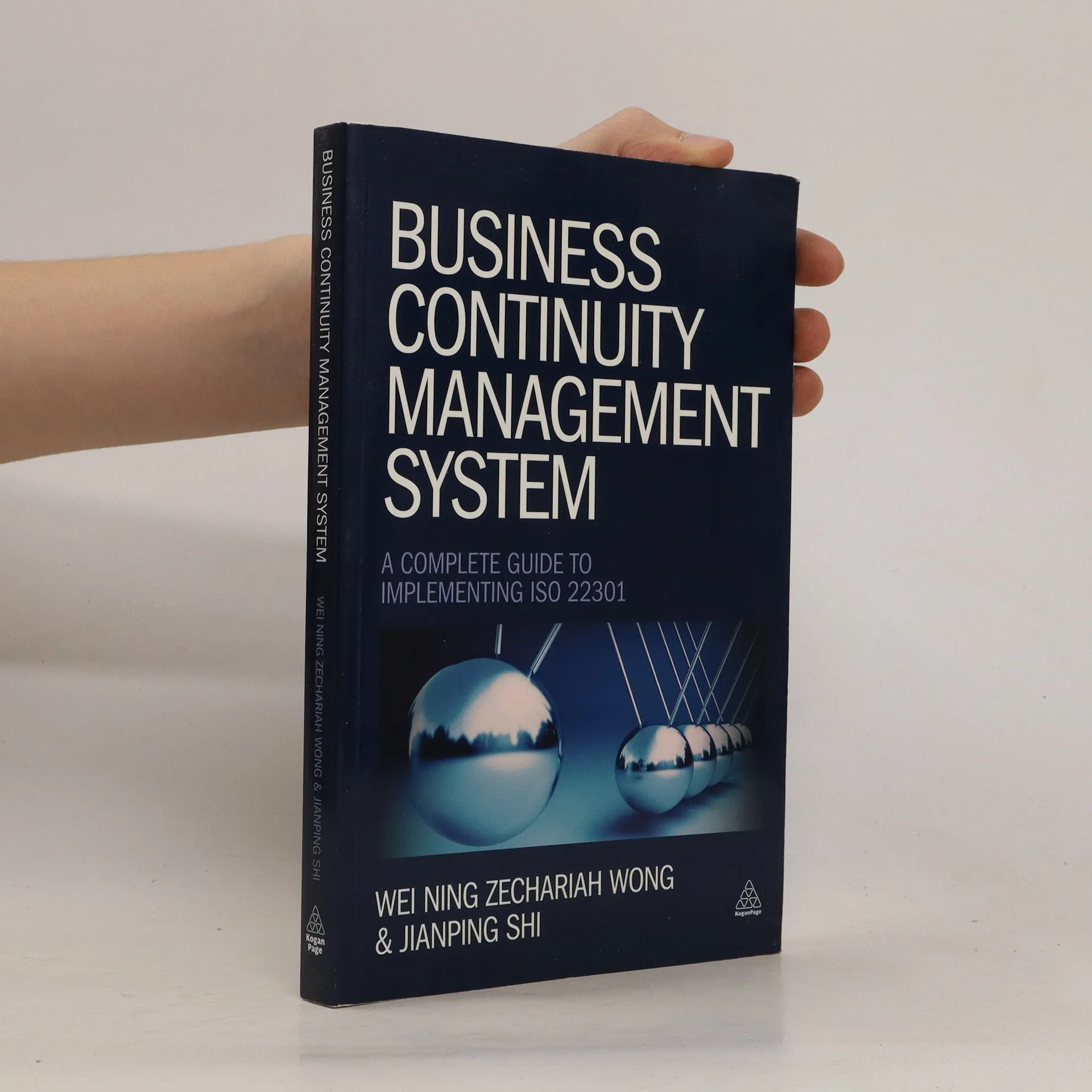
Implement a business continuity management system in line with ISO with this complete guide to establishing a fit-for-purpose business continuity capability in your organisation.
This book delves into strategic governance, focusing on the impact of governance actors—such as boards of directors, institutional investors, and securities analysts—on crucial strategic decisions. It addresses two main issues. First, the authors analyze how these actors influence strategic decisions and their quality, highlighting the unintended consequences that may arise. They support their findings with unique datasets collected over the years. Second, the book offers managerial insights on how to effectively leverage governance actors while managing conflicting interests to secure sustainable competitive advantages. Given that the interests of governance actors often diverge in the short term, executives must navigate these conflicting demands to avoid strategic pitfalls that could jeopardize long-term competitiveness. The initial chapters provide an overview of strategic governance and introduce various internal and external governance actors worldwide. Subsequent chapters explore the influence of these actors on corporate strategy, competitive strategy, innovation, global strategy, stakeholder strategy, and nonmarket strategy. The authors also provide guidance on leveraging governance actors for successful strategic decision-making. The final chapter discusses emerging trends, future research opportunities, and implications for managers, along with regulatory and policy considerations.