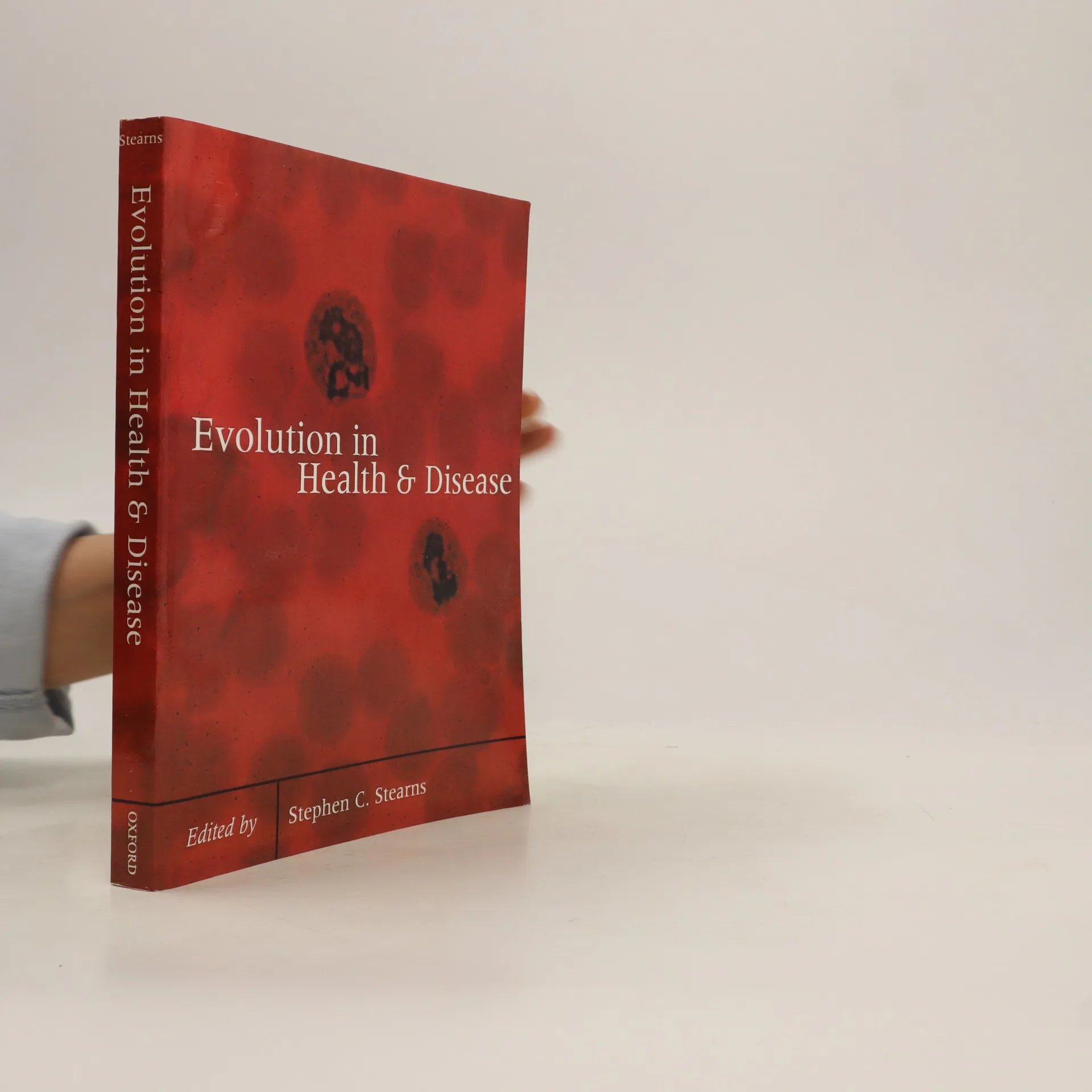
Have you ever considered how the life experiences of our ancestors might impact our health today? For most of our evolutionary history, humans lived in small hunter-gatherer groups with diets, lifestyles, and living conditions vastly different from contemporary life. The adaptations that define us—height, brain size, body proportions, metabolic rate—were established during the Pleistocene, a period far longer than our recent evolutionary history, and may not align with modern conditions. This engaging exploration examines how our ancient genes interact with contemporary human life. It provides a comprehensive look at the intersections of evolutionary biology and medical science, an area often overlooked in medical education yet rich with insights into human health and disease. Topics covered include antibiotic resistance, pathogen virulence, aging, vaccine design, and population-specific drug responses. The book also delves into mother-offspring conflict during pregnancy, menstruation, menopause, child abuse, homicide, depression, schizophrenia, and chronic diseases like cancer and osteoporosis. Written by leading experts in evolutionary medicine, it offers accessible insights into the primary literature, making a compelling case for integrating evolutionary biology into medical practice for students, researchers, and practitioners alike.
Stephen C. Stearns Bücher
Stephen C. Stearns ist ein amerikanischer Biologe und Professor für Ökologie und Evolutionsbiologie. Er ist bekannt für seine Arbeiten zur Lebensgeschichte-Theorie und Evolutionsmedizin. Seine Forschung untersucht, wie evolutionäre Prozesse die Entwicklung von Lebensstrategien von Organismen und ihre Anfälligkeit für Krankheiten beeinflussen. Stearns' Arbeit hat wesentlich zu unserem Verständnis der evolutionären Prinzipien beigetragen, die Lebenszyklen und Gesundheitsprobleme prägen.