Jeffrey Ford ist ein amerikanischer Schriftsteller, der für seine umfassende Vorstellungskraft, seinen Witz und seine tiefe Faszination für ineinander verschachtelte Geschichten gefeiert wird. Sein Werk durchquert meisterhaft Genres und verbindet Elemente von Fantasy, Science-Fiction und Mystery zu einzigartig fesselnden Erzählungen. Ford's unverwechselbare Stimme zeichnet sich durch literarische Anspielungen und eine tiefe Auseinandersetzung mit der Tradition der fantastischen Literatur aus. Leser fühlen sich von seiner Fähigkeit angezogen, immersive Welten zu erschaffen, die unerwartete Reisen und eindrucksvolle Bilder versprechen.
Der Roman thematisiert das Erwachsenwerden in den 60er Jahren in Amerika und verbindet dabei phantastische Elemente mit einer tiefgründigen Coming-of-Age-Geschichte. Die Erzählung entfaltet sich vor dem Hintergrund gesellschaftlicher Umbrüche und persönlicher Herausforderungen, während die Protagonisten ihre Identität und ihren Platz in einer sich verändernden Welt suchen. Jeffrey Ford gelingt es, die Magie des Alltags mit den komplexen Emotionen des Heranwachsens zu verweben und eine nostalgische, aber auch kritische Perspektive auf diese prägende Zeit zu bieten.
The nightmare metropolis called the Well-Built City exists because the satanic genius and Master, Drachton Below, wished it so. And few within its confines hold the power of Physiognomist First Class Cley. With scalpels, calipers, and the other instruments of his science, Cley can divine good and evil, determine character and intelligence, uncover dark secrets and foretell a person's destiny, through the careful study of facial and bodily features. But now the Master has ordered the great physiognomist out of the City on a seemingly trivial assignment into the rural hinterlands. but there, removed from Below's omnipresent scrutiny, even the most loyal servant of logic and order can fall prey to seductions of the flesh and spirit. And in this strange and unfamiliar place possessing terrors uniquely its own, there are stark truths awaiting the eminent Cley--and inescapable revelations that could shatter his perceptions of himself, his profession, and his world.
There is a town that brews a strange intoxicant from a rare fruit called the deathberry—and once a year a handful of citizens are selected to drink it. . . .There is a life lived beneath the water—among rotted buildings and bloated corpses—by those so overburdened by the world's demands that they simply give up and go under. . . .In this mesmerizing blend of the familiar and the fantastic, multiple award-winning New York Times notable author Jeffrey Ford creates true wonders and infuses the mundane with magic. In tales marked by his distinctive, dark imagery and fluid, exhilarating prose, he conjures up an annual gale that transforms the real into the impossible, invents a strange scribble that secretly unites a significant portion of society, and spins the myriad dreams of a restless astronaut and his alien lover. Bizarre, beautiful, unsettling, and sublime, The Drowned Life showcases the exceptional talents of one of contemporary fiction's most original artists.
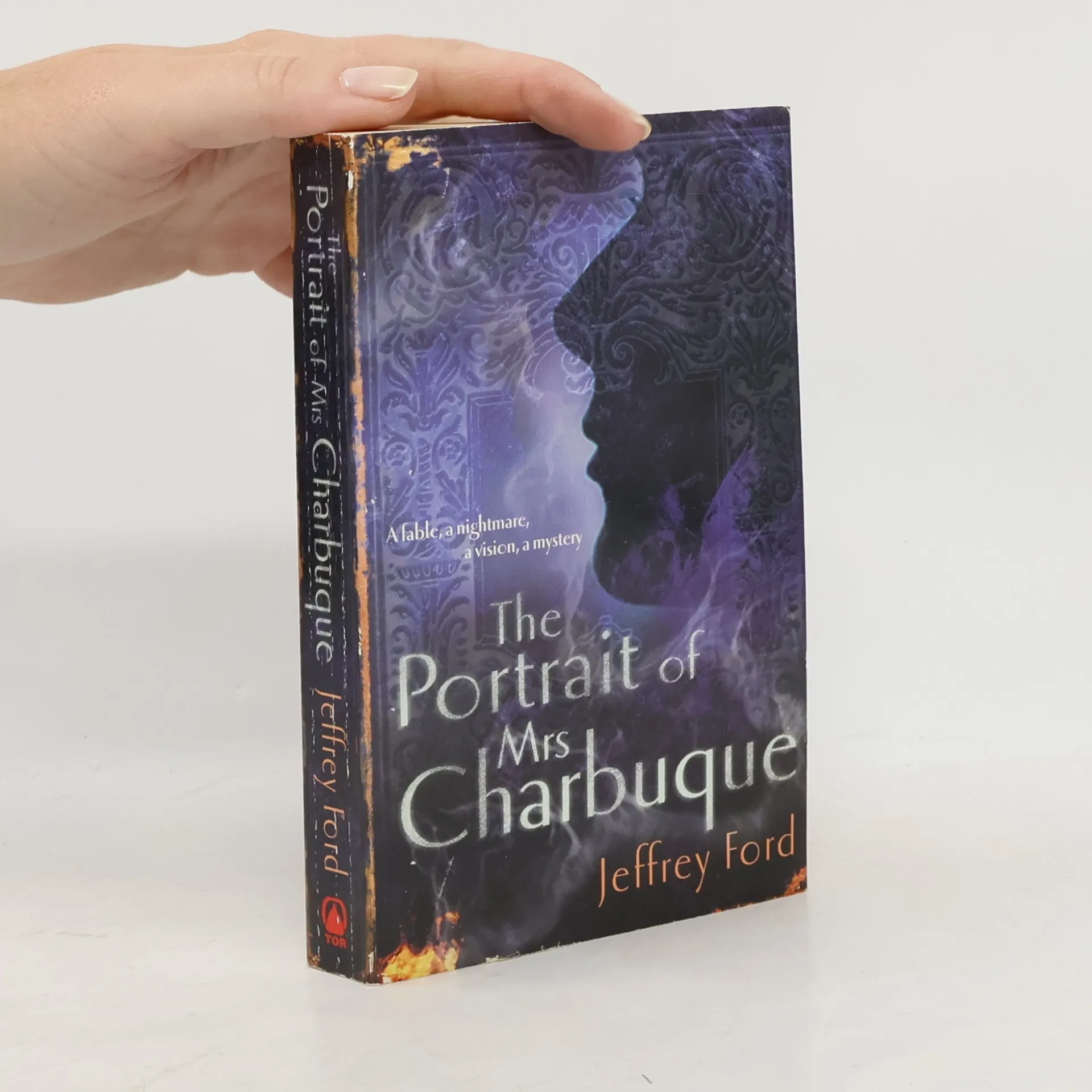
In 1893 New York, portraitist Piero Piambo enjoys the heights of society, yet grapples with the feeling that he has compromised his integrity to achieve success. His life takes a turn with a peculiar commission from Mrs. Charbuque, who offers him a lucrative deal: he must paint her portrait without ever looking at her. He can question her freely, but this unusual condition challenges his artistic abilities and mental stability. As Piambo sketches behind a screen, he is drawn into her haunting narrative, which includes a chilling childhood spent with a possibly murderous father studying snowflakes, intertwined with themes of fame, despair, and myth. Each session deepens his obsession with unraveling her mystery. Meanwhile, a series of gruesome deaths of women in the city unfolds, and Piambo begins to sense a disturbing connection between these events, his artistic endeavor, and Mrs. Charbuque herself. This novel masterfully blends elements of psychological intrigue and historical context, offering a compelling and atmospheric experience that resonates with the works of literary giants. It promises to leave a lasting impression on its readers.
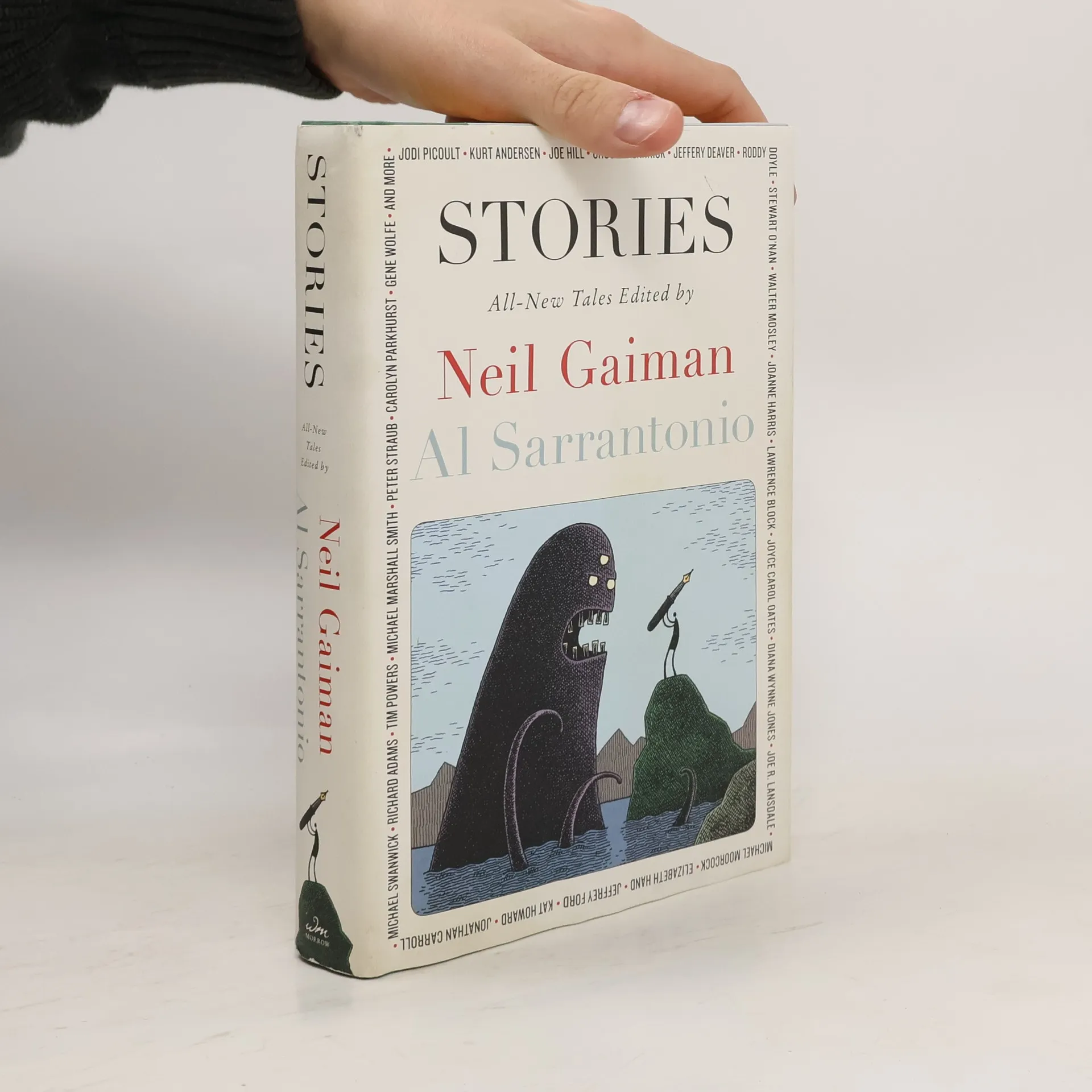
"The joy of fiction is the joy of the imagination. . . ." The best stories engage readers, compelling them to turn pages in anticipation of what comes next. Great literature is defined by its imagination, as demonstrated in this exceptional anthology, which redefines the boundaries of imaginative fiction. It features contributions from renowned writers like Peter Straub, Chuck Palahniuk, Roddy Doyle, and Joyce Carol Oates, among others, showcasing their craft and challenging misconceptions about genres. Curated by Neil Gaiman and Al Sarrantonio, who personally selected each story, the anthology sets a high standard for this "new literature of the imagination." The collection aims to present familiar themes in fresh, illuminating ways. Notable tales include Joe Hill's disturbing exploration of evil in "Devil on the Staircase," Lawrence Block's unique take on fishing in "Catch and Release," and Carolyn Parkhurst's dark sibling rivalry in "Unwell." Joanne Harris introduces ancient gods in modern New York in "Wildfire in Manhattan," while Richard Adams's "The Knife" delves into vengeance. Jeffery Deaver's "The Therapist" features a psychologist on a mission to save lives, and Neil Gaiman's chilling "The Truth Is a Cave in the Black Mountains" offers a haunting punishment for a grave crime. This visionary volume will transform readers’ perspectives and ignite a renewed appreciation for exceptional fiction.
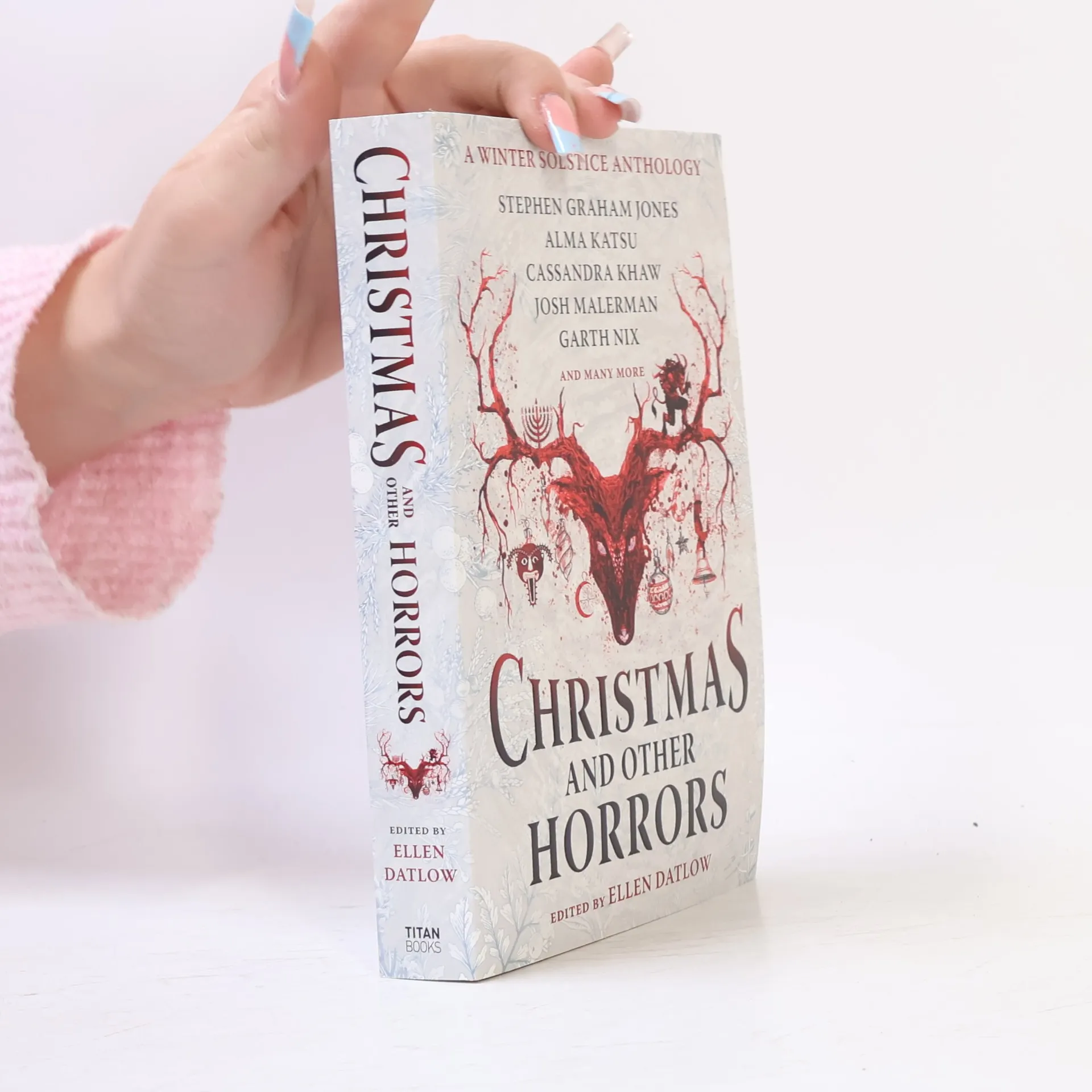
"Christmas and Other Horrors" is an anthology that explores the darker side of the winter solstice through original stories. It invites readers to embrace the eerie and horrific traditions of the season, featuring contributions from notable authors. The collection weaves together chilling tales that contrast festive joy with unsettling encounters.
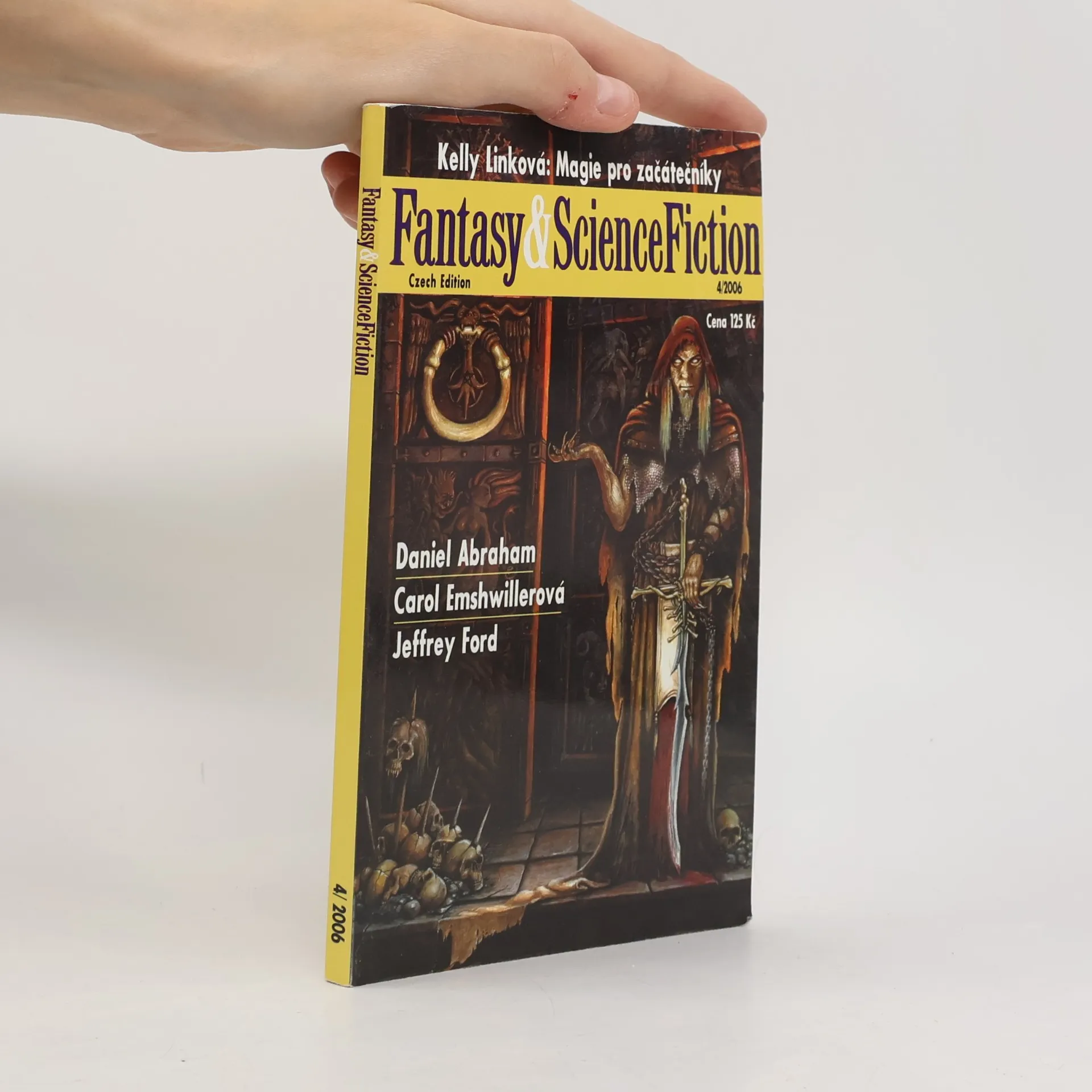
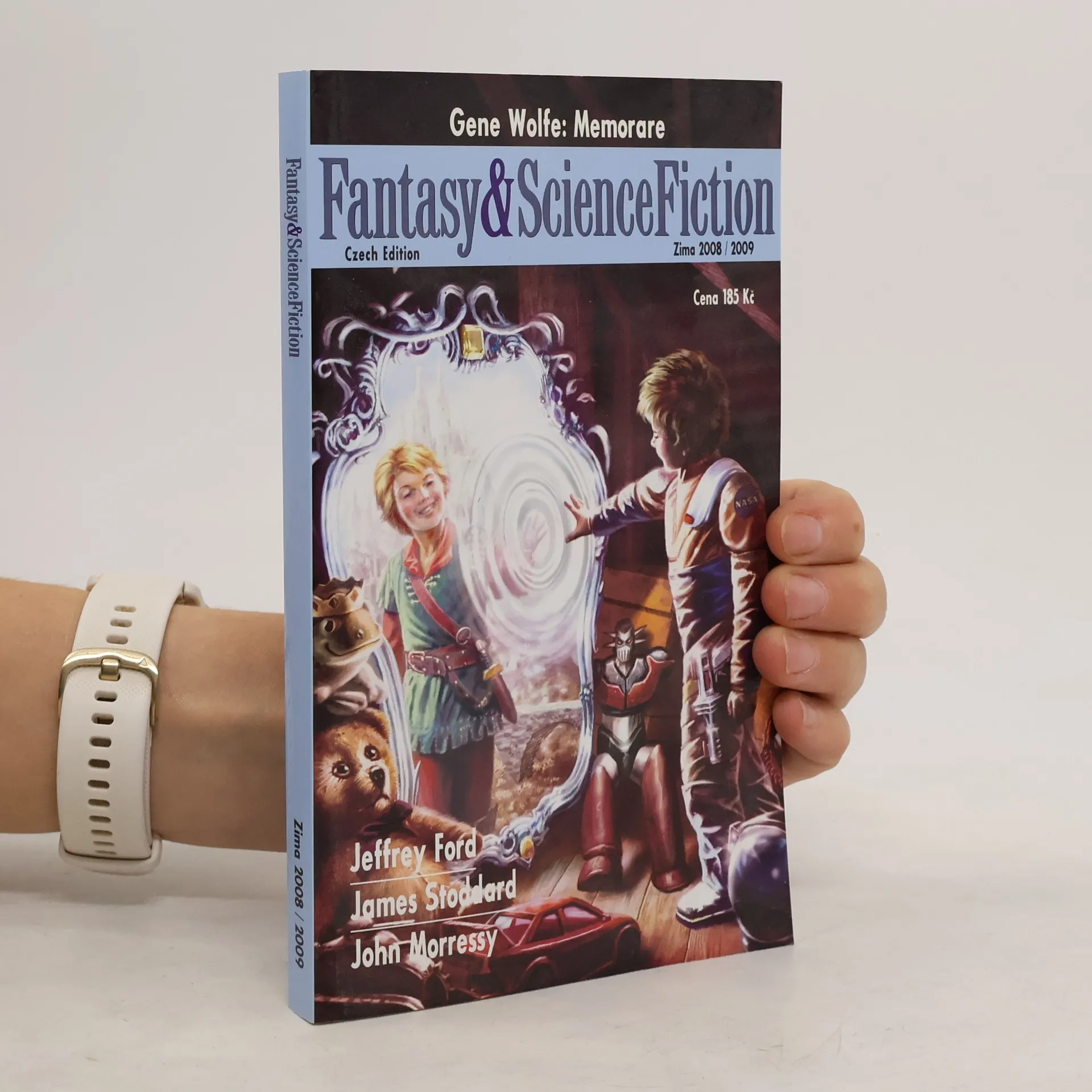
Toto číslo lze brát jako mimořádný speciál věnovaný cenám Nebula. Pokud to nevíte, pak vám prozradíme, že cena Nebula je každoročně udílena jako výsledek hlasování Americké společnosti autorů science fiction a fantasy. Daniel Abraham se v hororové povídce Placatá Diana velmi znepokojivým způsobem podívá na problémy jedné neúplné rodiny. Letos si Nebulu v kategorii krátká povídka odnesla Carol Emshwillerová s příběhem Žiji s tebou, v němž odkryla možnou existenci bytosti žijící nepozorovaně přímo vedle vás. U nás dosud neznámá K. D. Wentworthová se představí povídkou Znovuzrození a přinese nám zajímavý pohled na téma klonování. Nebulou oceněná novela Magie pro začátečníky od Kelly Linkové je příběhem chlapce, jenž patří do skupiny dospívajících, kteří propadli kouzlu zvláštního televizního programu. Paolo Bacigalupi se v povídce Škváropísečníci podívá do nehostinné budoucnosti, kdy se lidstvo muselo přizpůsobit zhoršujícím se ekologickým podmínkám na úkor samotného lidství. A na samotný závěr jsme připravili Nebulou opět odměněnou povídku Stvoření od Jeffreyho Forda. Magazín Fantasy & Science Fiction je jednoduše splněným snem každého milovníka dobrých a čtivých příběhů....
Magazín F&SF; je již šedesát let jedním z nejlepších zdrojů fantastické
povídky ve světě. Česká edice vám v úzké spolupráci s americkou redakcí nabízí
léty prověřenou klasiku i příběhy těch nejlepších autorů žhavé současnosti.
Každé čtvrtletí se tak spolu s námi můžete ponořit do barvitých světů ničím
neomezované spisovatelské fantazie.
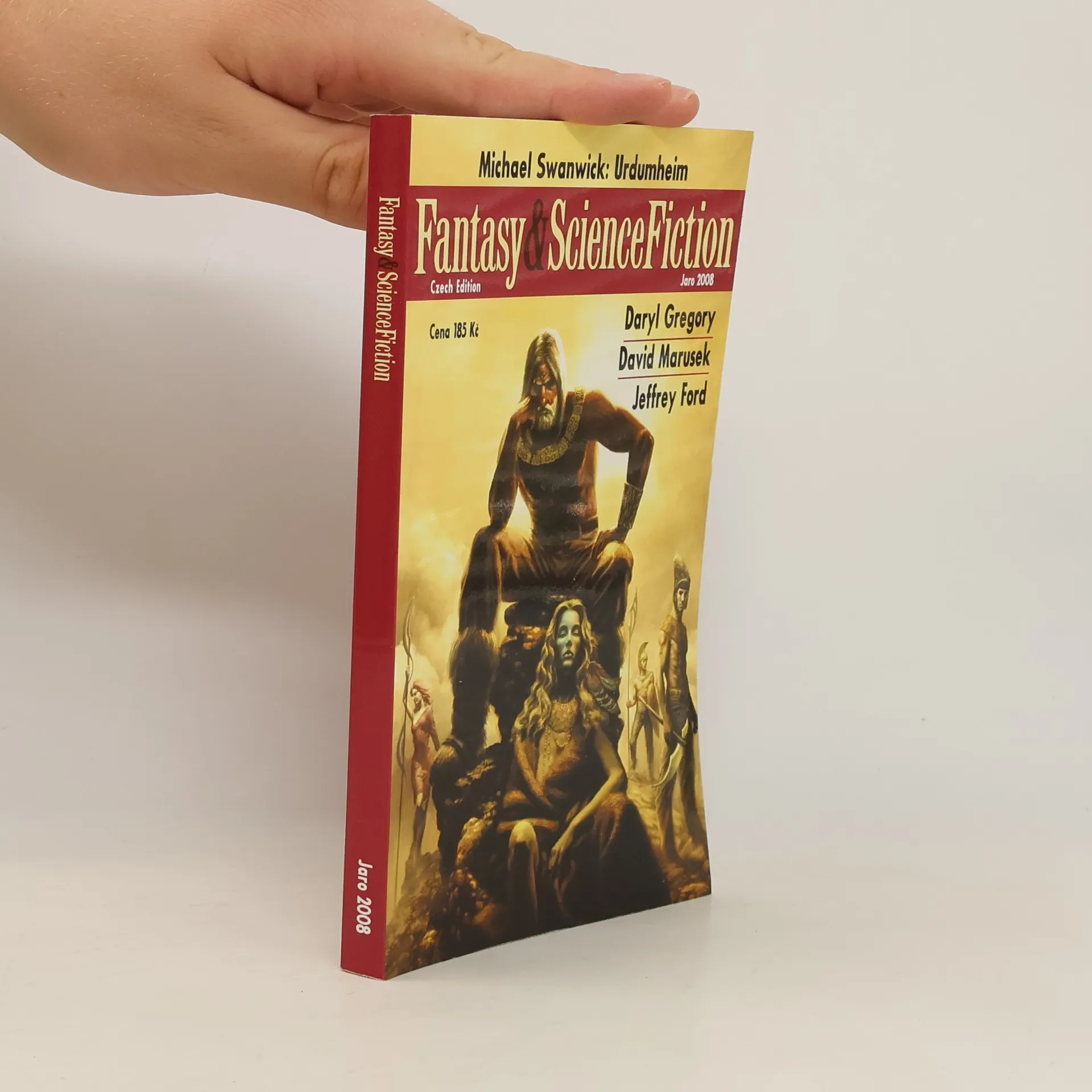
Česká mutace známého amerického sci-fi a fantasy magazínu, který vychází téměř šedesát let a je považován za nejlepší zdroj fantastické povídky na světě. Česká edice, ve spolupráci s americkou redakcí, přináší klasiku i příběhy současných autorů. Každé čtvrtletí se čtenáři mohou ponořit do barvitých světů spisovatelské fantazie. V povídce Antimožné Daryl Gregory zkoumá návrat do fantastické krajiny dětství. Fred Chappell představuje experta na umění stínů v Tanci stínů. V Políbit hvězdu se postižená dívka rozhoduje, zda se vzdát těla pro cestu ke hvězdám. David Marusek ukazuje snahu o chycení teroristy v povídce Usámo, zavolej domů. Nancy Springerová přináší příběh Chlapec, který splétal koním hřívy, o mladíkovi s neobvyklým nadáním. Hrdinka novelety Špatné číslo od Alexandera Jablokova chce změnit minulost promarněných šancí. Richard Bowes přibližuje všední život strážců v čase v Převozníkova žena. Mýty ožívají v Urdumheim od Michaela Swanwicka, kde se snaží osvobodit z područí démonů. K. D. Wentworthová představuje matoucí Kaleidoskop. Jeffrey Ford na závěr přibližuje, jaké to je Ve službách mistra fantasy. Magazín je splněným snem každého milovníka dobrých příběhů.
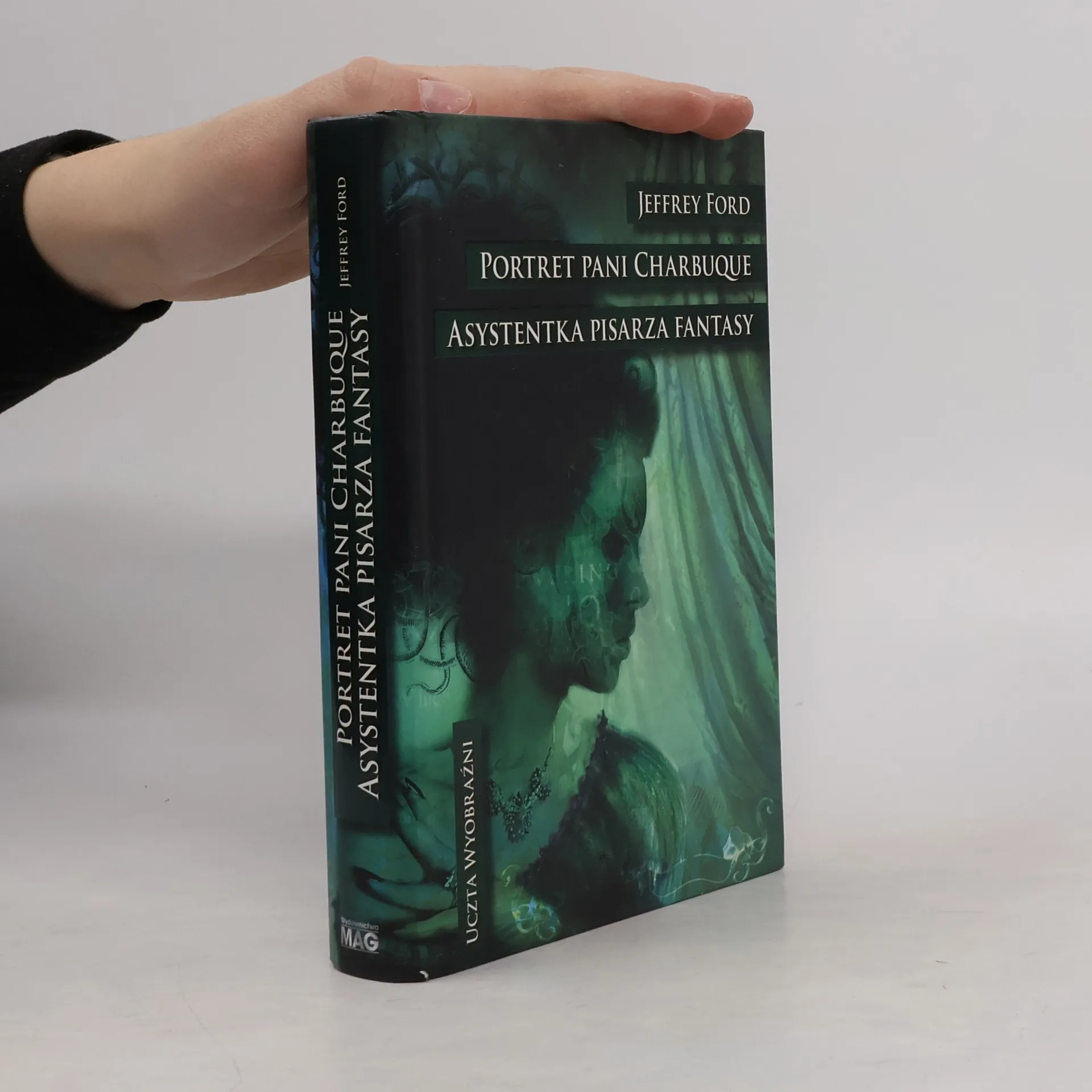
Portret pani CharbuqueTa tajemnicza i nastrojowa powieść opowiada historię portrecisty Piero Piambo, który otrzymuje zlecenie inne od wszystkich. Pani Charbuque, bogata i skryta kobieta, zamawia u niego swój portret, jednak stawia dziwaczny warunek: Piambo może jej zadawać pytania na dowolny temat, ale pod żadnym pozorem nie wolno mu jej zobaczyć. Tak rozpoczyna się oszałamiająca i wciągająca literacka podróż do świata pani Charbuque oraz Nowego Jorku w roku 1893.Asystentka pisarza fantasyZdobywca dwóch World Fantasy Award w 2003 roku: za najlepsze opowiadanie („Stworzenie”) oraz najlepszy autorski zbiór!Recenzja w „Publishers Weekly” oraz miejsce na ich liście „Najlepszych Książek Roku”.„Miasto Egzo-Szkieletów” – w 2005 roku zdobywca francuskiej Grand Prix de l’Imaginaire za najlepsze przetłumaczone opowiadanie!
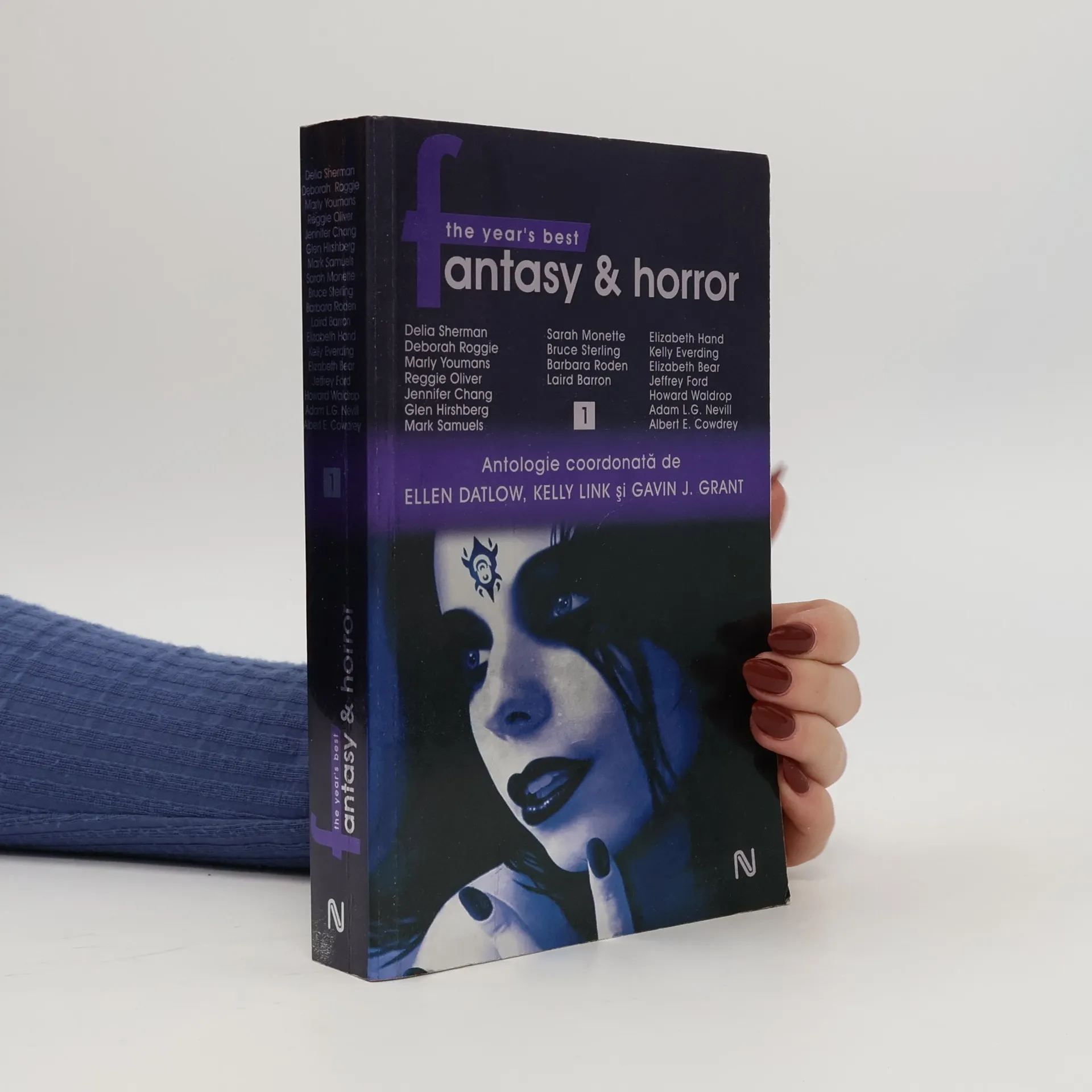
De două decenii, an de an, The Year’s Best Fantasy and Horror constituie un standard de calitate al literaturii fantastice. Ellen Datlow, Kelly Link și Gavin Grant duc mai departe această tradiție în volumul de față. Rezultată în urma unei cartografii exhaustive a tărâmului ficțiunii literare, această colecție reunește peste patruzeci de poezii și nuvele, de la povestiri pentru copii până la horror gotic, de la realism magic până la povești întunecate în stilul Grand Guignol. Veteranilor genului li se alătură vocile tinere cele mai curajoase, într-un regal al ficțiunii literare contemporane.
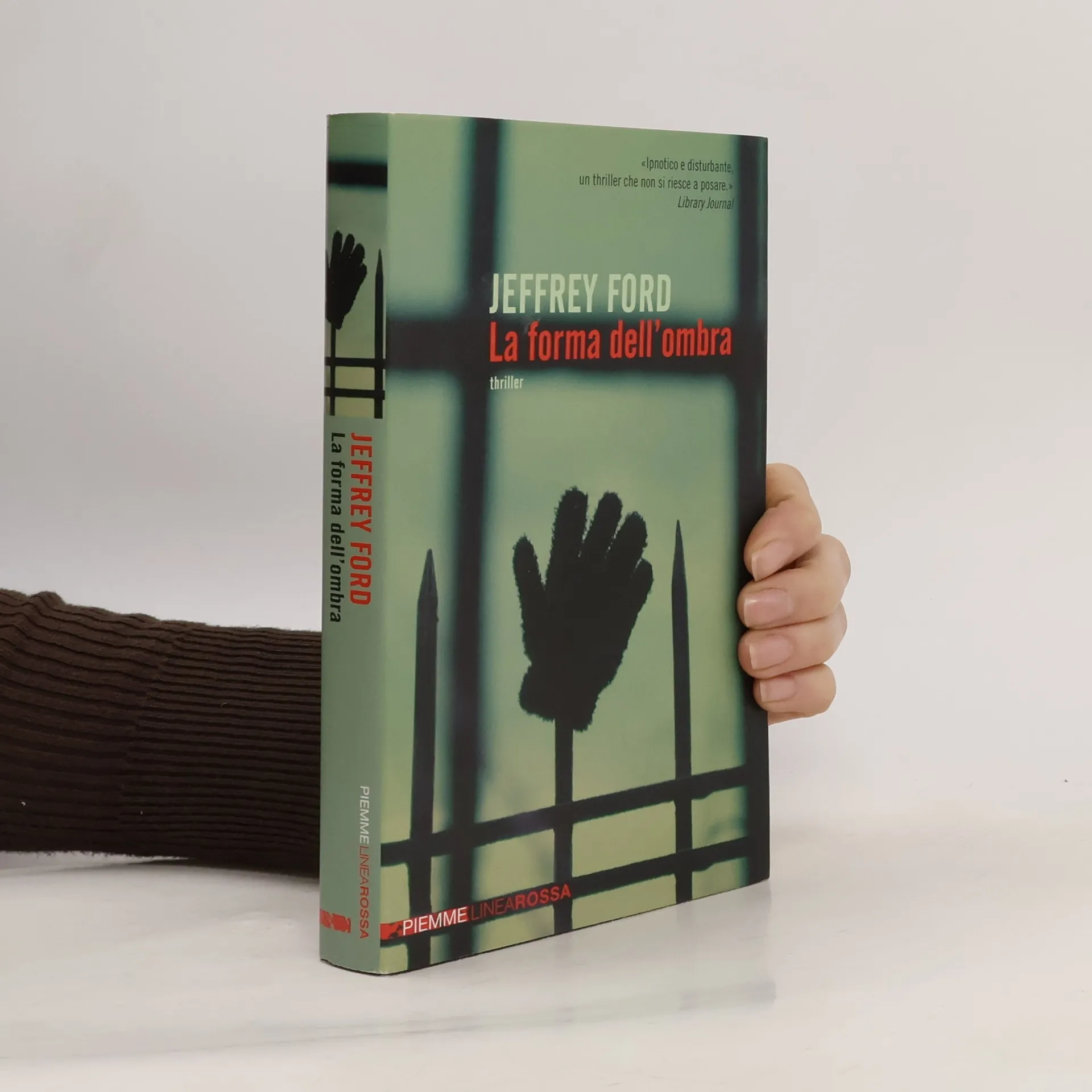
L'estate volge pigramente al termine quando gli occhi del predatore cominciano a insinuarsi nelle case della città. Un semplice voyeur, a quanto pare, ma tanto basta per scuotere la tranquillità di Long Island e scatenare la fantasia dei ragazzini, la cui unica, monotona prospettiva è il ritorno a scuola. Tra loro c'è un undicenne che ha la passione per Sherlock Holmes e vive con una famiglia non esattamente un padre assente perché occupato da tre lavori; una madre alcolizzata che dipinge bellissimi quadri mai esposti; un fratello maggiore, Jim, che un po' lo tiranneggia e un po' lo protegge; una sorellina, Mary, che forse è particolarmente geniale o forse particolarmente ritardata, ma sta di fatto che vive in un mondo tutto suo abitato da molteplici amici immaginari. I tre si improvvisano investigatori per catturare il maniaco, ma un'ombra scura si estende sul loro gioco quando eventi ancora più sinistri cominciano a la scomparsa di un compagno di scuola, l'arrivo di una misteriosa auto bianca che vaga per le strade dopo il tramonto, morti inaspettate e violente. Nel frattempo, qualcuno sembra capace di prevedere gli qualcuno che, di nascosto, muove le figurine degli abitanti sul plastico della città costruito da Jim nello scantinato di casa.