

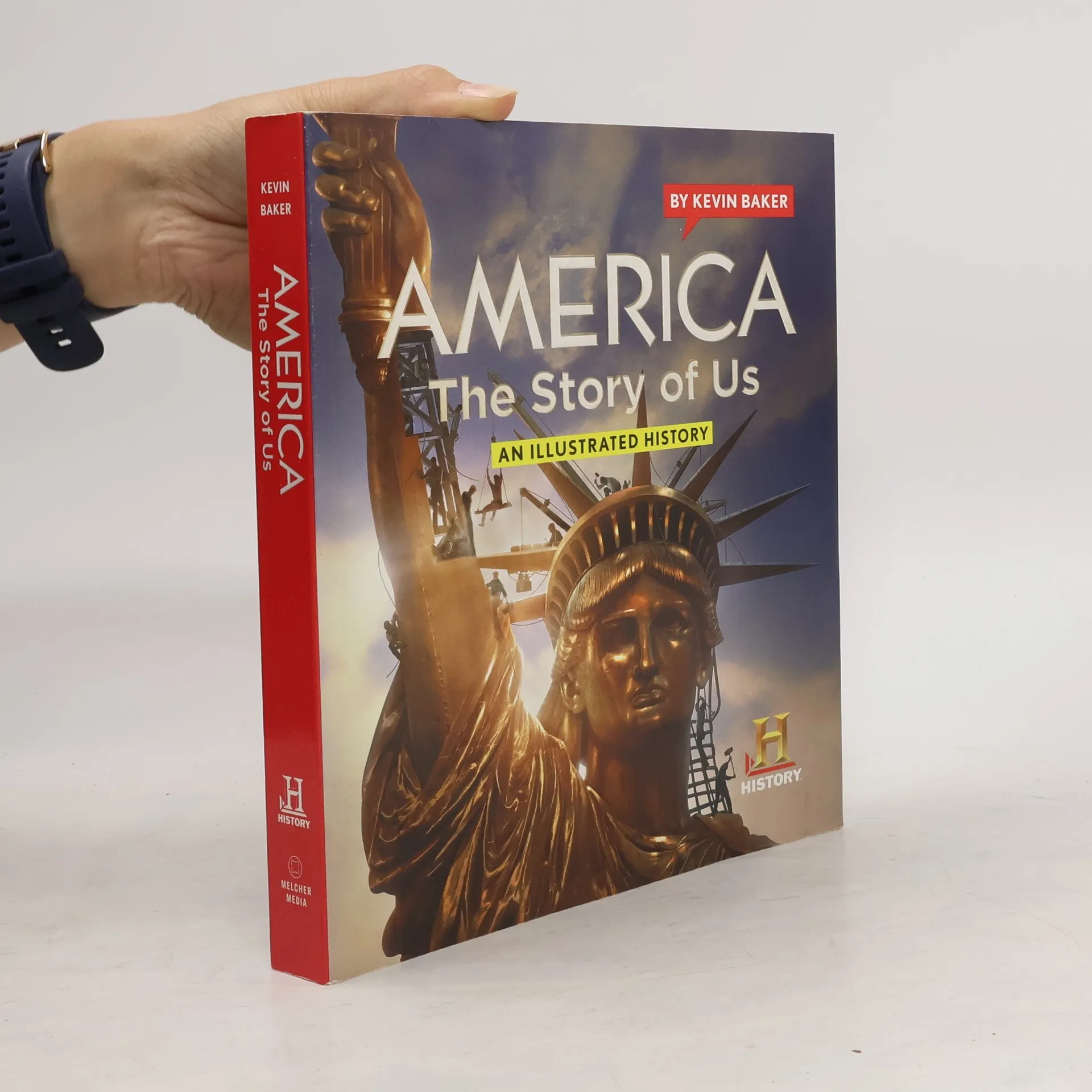
This groundbreaking series brings the epic story of America to life for a new generation. The companion book is both penetrating and lively, suitable for serious reading or casual skimming. It explores the vast forces that shaped the nation, detailing how revolutions in technology and transportation transformed American life, commerce, and conflict. Key themes include the struggle between settlers and Native Americans, the conflict of slavery leading to the Civil War, the creation of the transcontinental railroad, and American ingenuity during the Great Depression and World War II. Beginning with Jamestown and Plymouth Bay, it highlights landmark moments in political, social, economic, and military history, featuring figures from John Rolfe to Barack Obama. Written by Kevin Baker, the narrative captures the dramatic moments in U.S. history with added detail and nuance. This essential account is beautifully illustrated with over 300 full-color images and includes innovative graphics and text. It presents a comprehensive history of the U.S. that hasn't been told in 40 years, linking events from the frontier to modern cities, and from Jamestown to 9/11. The book takes readers on a journey through the forces that shaped America’s destiny, making it a must-have for every family.
Gail Buckland Reihenfolge der Bücher (Chronologisch)



An illustrated history of American innovators--some well known, some unknown, and all fascinating-- by the author of the bestselling The American Century.
Studies the role of crime photography in American history, culture, and law enforcement, presenting such photographs as an autopsy study of Lee Harvey Oswald, photographs of the parents of Lizzie Borden, and mug shots of celebrities.
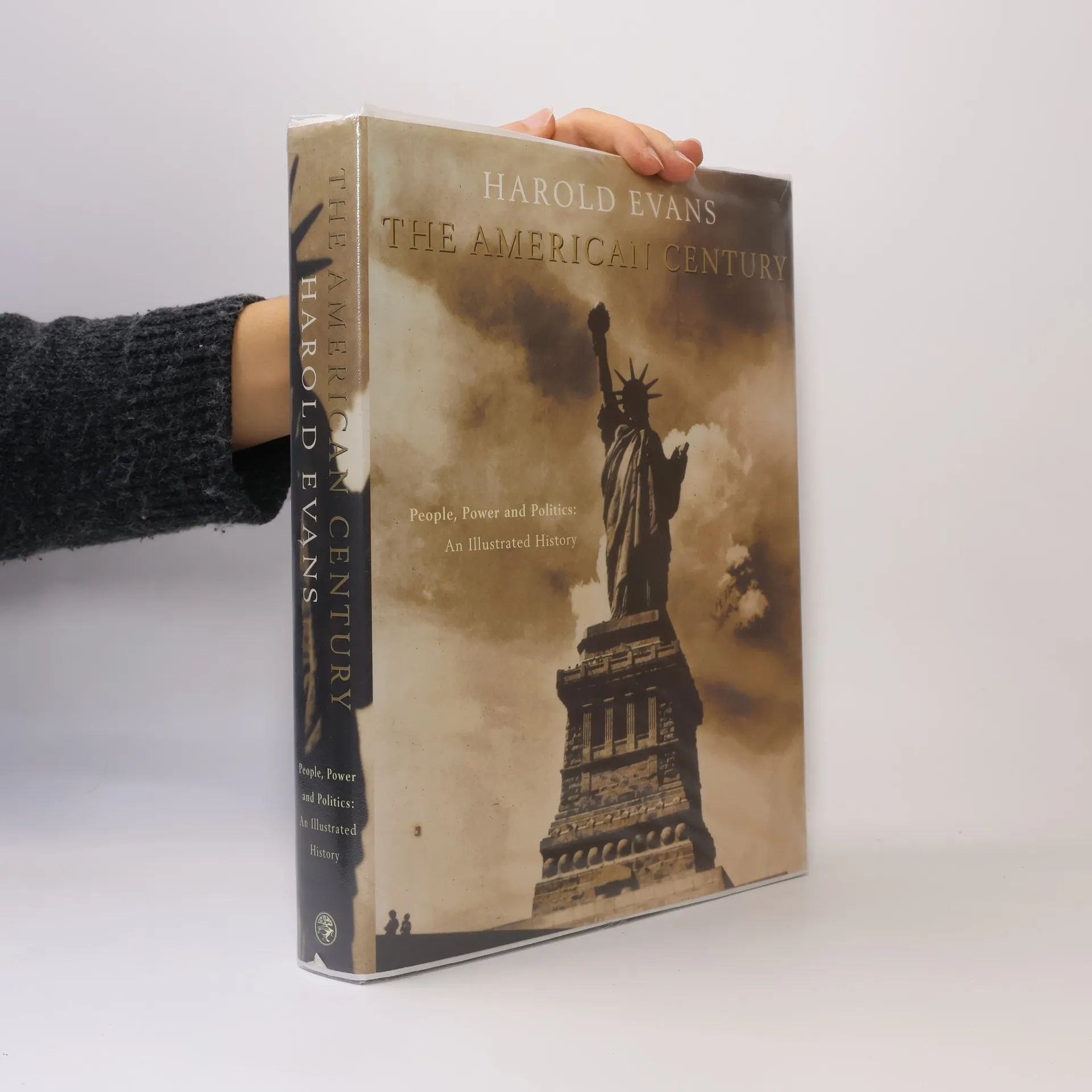
As we embark upon a new millennium we look back at the incredible last 100 years, 1889-1989, an amazing adventure that was unique, unforgettable, and all-American. Now, just in time for Father's Day and the Fourth of July, The American Century Volumes 1-4 is available as a boxed audio set and boxed CD set.Magnificently written by Harold Evans, these stunningly powerful audiobooks dynamically portray the events that altered the course of America and the world.
Fox Talbot and the Invention of Photography
- 216 Seiten
- 8 Lesestunden
Explores the significant contributions to the development of modern photography made by William Henry Fox Talbot, the discoverer of the latent image, inventor of the negative-positive process and of halftone reproduction, and the creator of color-tinted photography