Gratisversand in ganz Deutschland!
Bookbot

Raimond Gaita

    1. Januar 1946
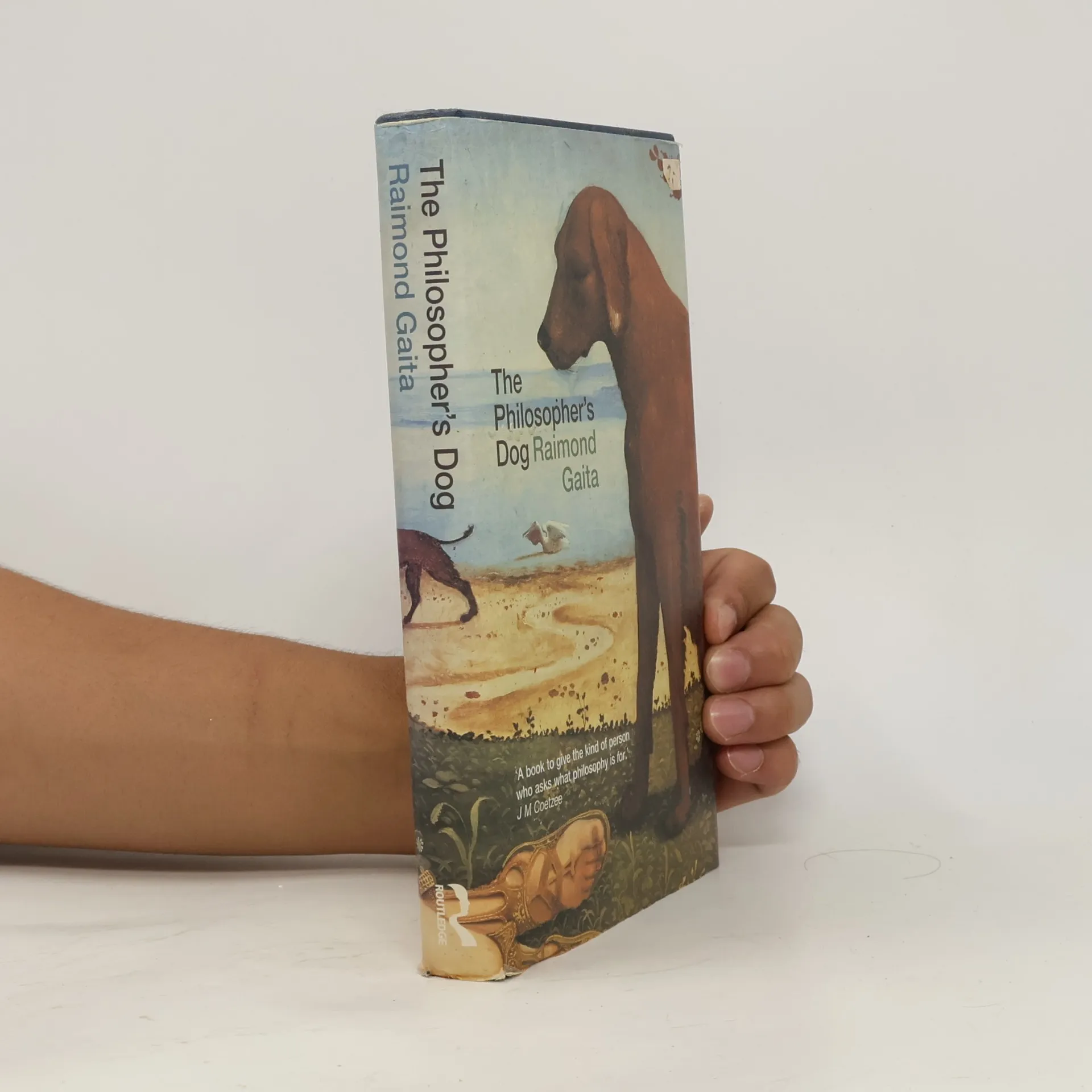
    The Philosopher's Dog
    Breach of Trust
    A Common Humanity
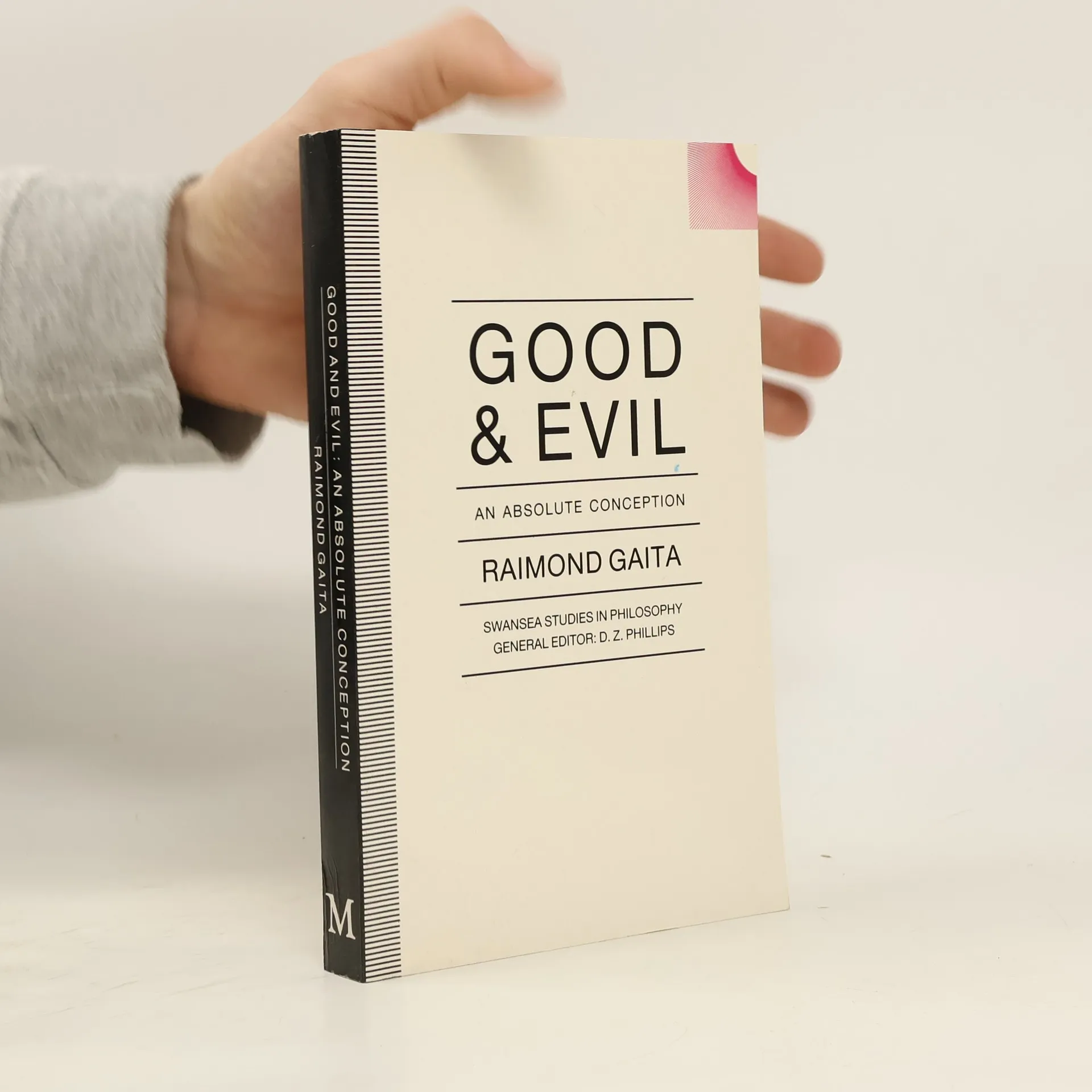
    Good and Evil
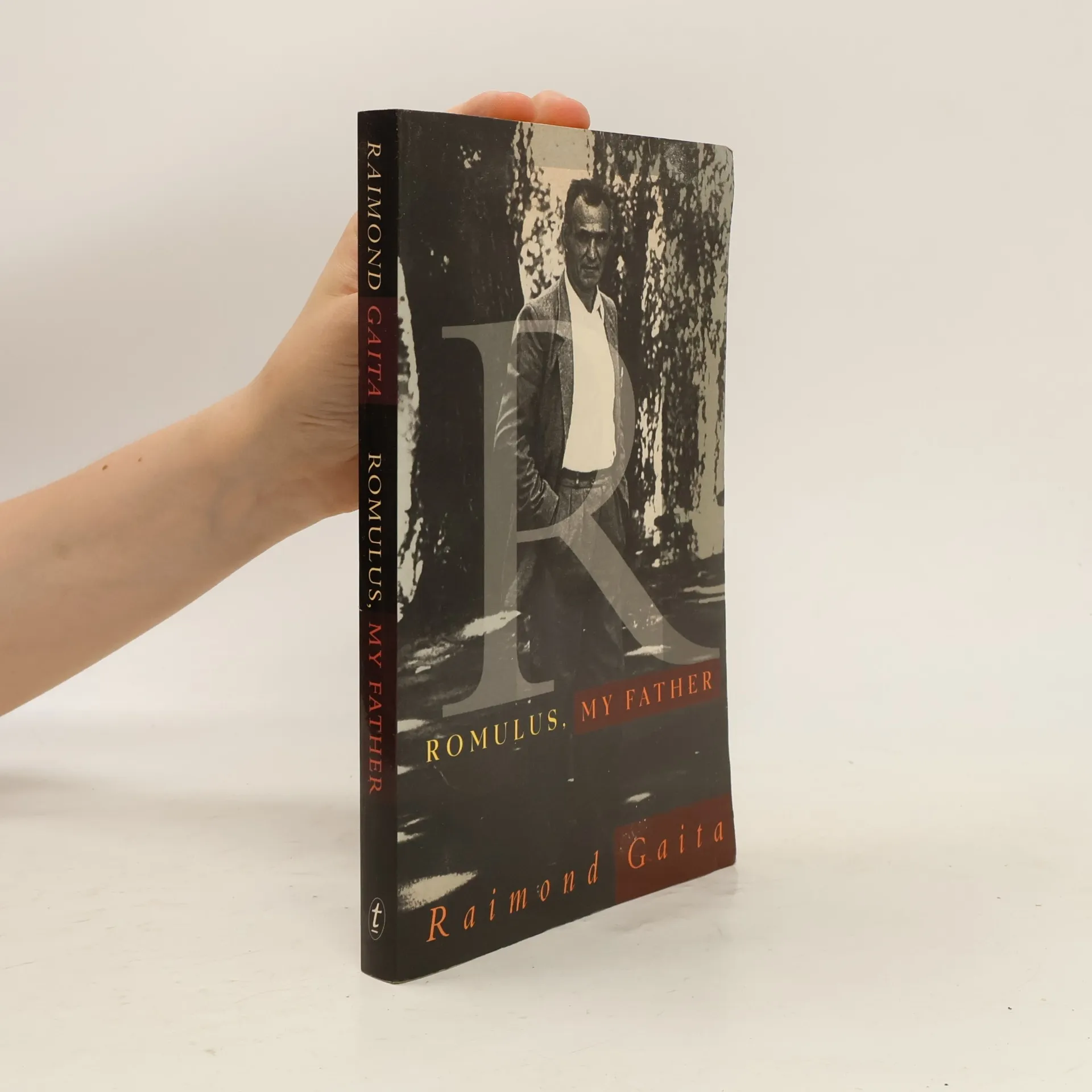
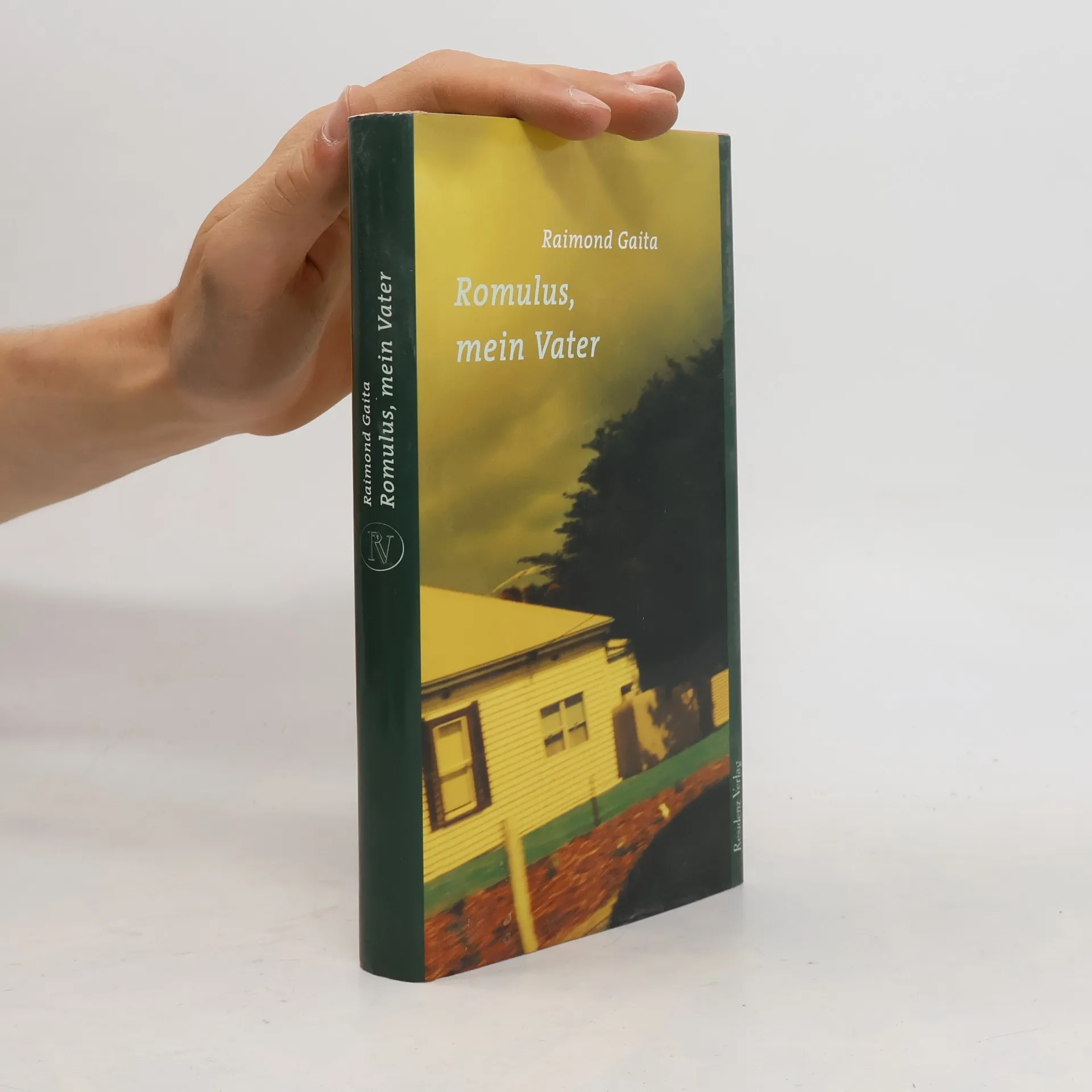
    Romulus, mein Vater. Roman. Aus d. Engl. v. Wolfgang Astelbauer
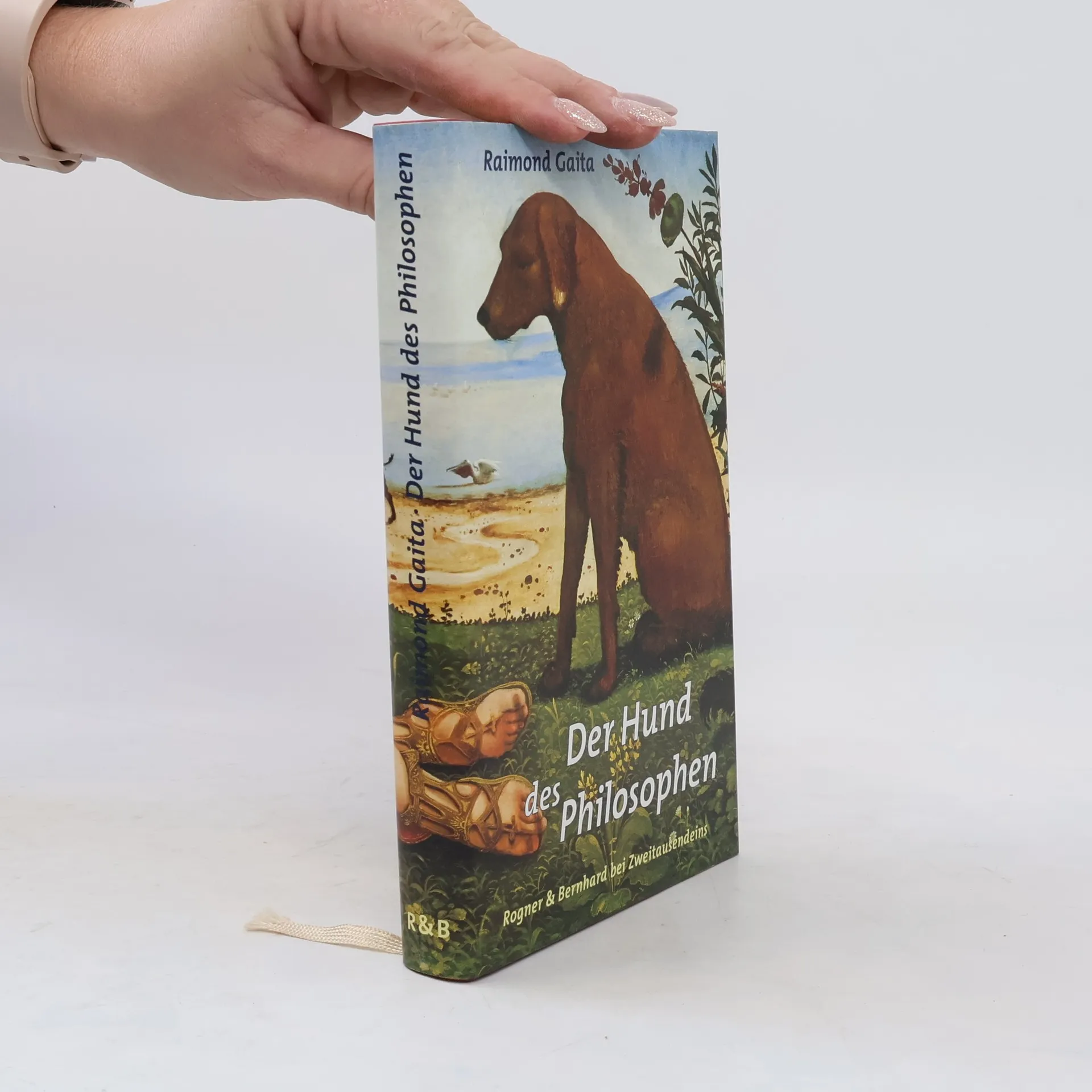
    Der Hund des Philosophen
    • 2024

      Justice and Hope

      Essays, Lectures and Other Writings

      • 600 Seiten
      • 21 Lesestunden

      Raimond Gaita's writings explore the essence of genuine conversation and our shared humanity amidst a landscape of superficial communication and societal challenges. He addresses pressing issues such as genocide, the War on Terror, and the injustices faced by Australia's First Peoples, while reflecting on the need for truth in politics and the impact of crises like the COVID-19 pandemic. Gaita's moral vision emphasizes unconditional love for the world as a source of hope and a guide to fulfilling the demands of justice, urging readers to embrace what it means to be human.

      Justice and Hope
    • 2014

      After Romulus

      • 224 Seiten
      • 8 Lesestunden

      Gaita offers a profound and introspective exploration of his experiences while writing the acclaimed "Romulus, My Father" and the subsequent film adaptation. He delves into the emotional and philosophical challenges of capturing personal and cultural narratives, reflecting on the impact of storytelling on identity and memory. Through this journey, he reveals the intricate connections between life, art, and the human experience, making for a compelling meditation on the power of literature and film.

      After Romulus
    • 2013

      Value and Understanding

      Essays for Peter Winch

      • 304 Seiten
      • 11 Lesestunden

      The book features a collection of philosophical perspectives from thinkers across Britain, Europe, America, and Australia, offering a blend of sympathy and criticism regarding Winch's ideas on human conditioning. Through diverse voices, it explores the nuances of his theories, engaging with the implications of his work on understanding human behavior and social practices.

      Value and Understanding
    • 2013

      Mój ojciec Romulus

      • 160 Seiten
      • 6 Lesestunden
      4,1(35)Abgeben

      Romulus Gaita jako młody chłopak opuścił ojczyznę i wyjechał do Niemiec, skąd po zakończeniu II wojny światowej wraz z młodziutką żoną Christine i czteroletnim synem Raimondem przeniósł się do Australii. Wśród jej kamienistych pagórków i pożółkłych traw znalazł nowy dom. 'Mój ojciec Romulus' to urzekająca w swej prostocie historia człowieka, który chciał nauczyć swojego syna, jak przejść przez życie z podniesioną głową. To opowieść o namiętności, zdradzie i szaleństwie, o przyjaźni i pracy, która może być źródłem radości i dumy, a także o cierpieniu, godności i sile ducha. To książka, która z całą mocą przypomina, co znaczy prawość i człowieczeństwo. Książka otrzymała nagroda im. Nettie Palmer (1998) i była finalistą Nagrody Literackiej Premiera Stanu Queensland (1999). Została również uznana za jedną z najlepszych książek 1999 roku przez „New Statesman” oraz jedną z dziesięciu najważniejszych książek dekady przez „The Australian Financial Review”.

      Mój ojciec Romulus
    • 2005

      The Philosopher's Dog

      • 222 Seiten
      • 8 Lesestunden
      2,5(7)Abgeben

      In this beautifully written book Raimond Gaita tells inspirational, poignant, sometimes funny but never sentimental stories of the dogs, cats and cockatoos that lived and died within his own family. Drawing on the ideas of Descartes, Wittgenstein and J.M.Coetzee, Gaita pleads that we ask ourselves what it means to be creatures of 'flesh and blood.' He discusses mortality and sexuality, the relations between story telling, philosophy and science and the spiritual love of mountains. An arresting and profound book The Philosopher's Dog is a triumph of both story telling and philosophy. This Routledge Classics edition includes a new foreword by the author.

      The Philosopher's Dog
    • 2004

      Breach of Trust

      Truth, morality and politics

      • 106 Seiten
      • 4 Lesestunden
      3,5(14)Abgeben

      Exploring the intricate relationship between truth, morality, and politics, Raimond Gaita delves into the concept of trust in political discourse. He questions the significance of truthfulness in leadership and examines the extent of political and moral divisions, drawing parallels with the American context. Additionally, Gaita scrutinizes whether the war on terror justifies actions that were previously deemed unacceptable, challenging readers to reflect on contemporary political ethics.

      Breach of Trust
    • 2003

      Raimond Gaita, Autor und Dozent, beleuchtet in seinen Erzählungen die komplexe Beziehung zwischen Menschen und Tieren. Seit Darwin wissen wir, dass wir eng mit dem Tierreich verbunden sind. Die meisten Menschen leben mit domestizierten Tieren zusammen und haben unterschiedlichste Begegnungen mit ihnen. Gaita stellt Fragen wie: Was passiert, wenn wir ein Tier in unsere Welt aufnehmen? Warum berührt uns der Tod eines Rehs mehr als der einer Fliege? Und was versteht ein Hund, der ein weinendes Kind tröstet? Er erzählt von seinen eigenen Erfahrungen mit Tieren, darunter sein erster Hund Orloff und der Kakadu Jack. Diese Geschichten sind geprägt von Vertrautheit und Fremdartigkeit, Liebe und Leid, und sie berühren den Leser, ohne sentimental zu sein. Gaita nutzt nachvollziehbare Erlebnisse als Ausgangspunkt für tiefere philosophische Überlegungen und formuliert komplexe Gedanken auf verständliche Weise. Inspiriert von Ludwig Wittgenstein fragt er, ob wir unsere menschlichen Mitgeschöpfe wirklich besser verstehen als Tiere. Sein Fazit ist, dass das bescheidene Anerkennen unserer Bedürfnisse als Kreaturen der beste Schutz vor Überheblichkeit gegenüber Menschen und Tieren ist.

      Der Hund des Philosophen
    • 2000

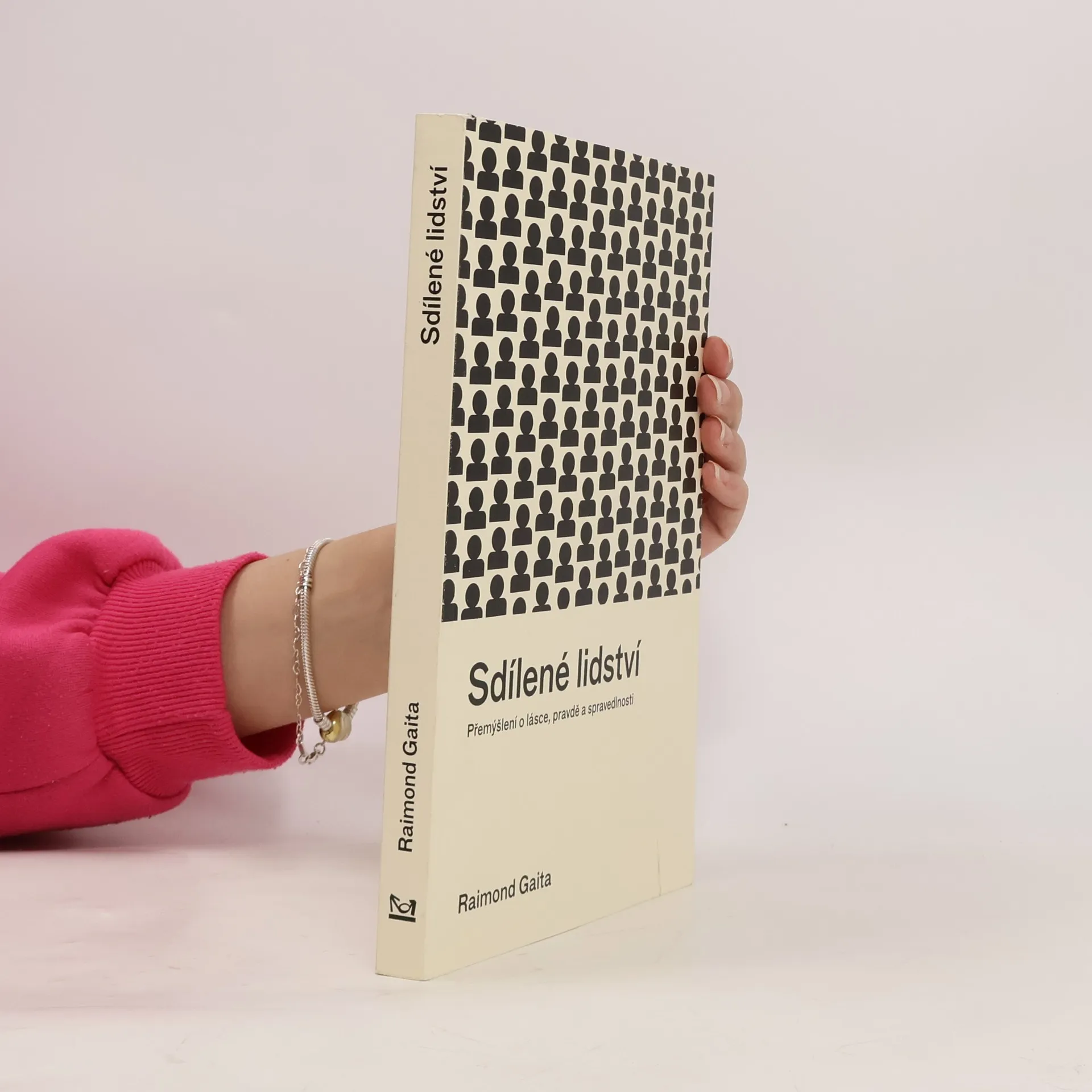
      A Common Humanity

      Thinking about Love and Truth and Justice

      • 336 Seiten
      • 12 Lesestunden
      4,0(54)Abgeben

      Exploring the complexities of human nature, the book delves into themes of evil and denial, examining historical atrocities like the Holocaust alongside contemporary issues such as racism and individual cases like Mary Bell. Raimond Gaita challenges readers to confront these painful contradictions and consider how they fit into a broader understanding of humanity. Through his thought-provoking insights, he seeks to harmonize these incongruities within a vision of shared human experience.

      A Common Humanity