

Gratis Versand in ganz Deutschland
Bookbot

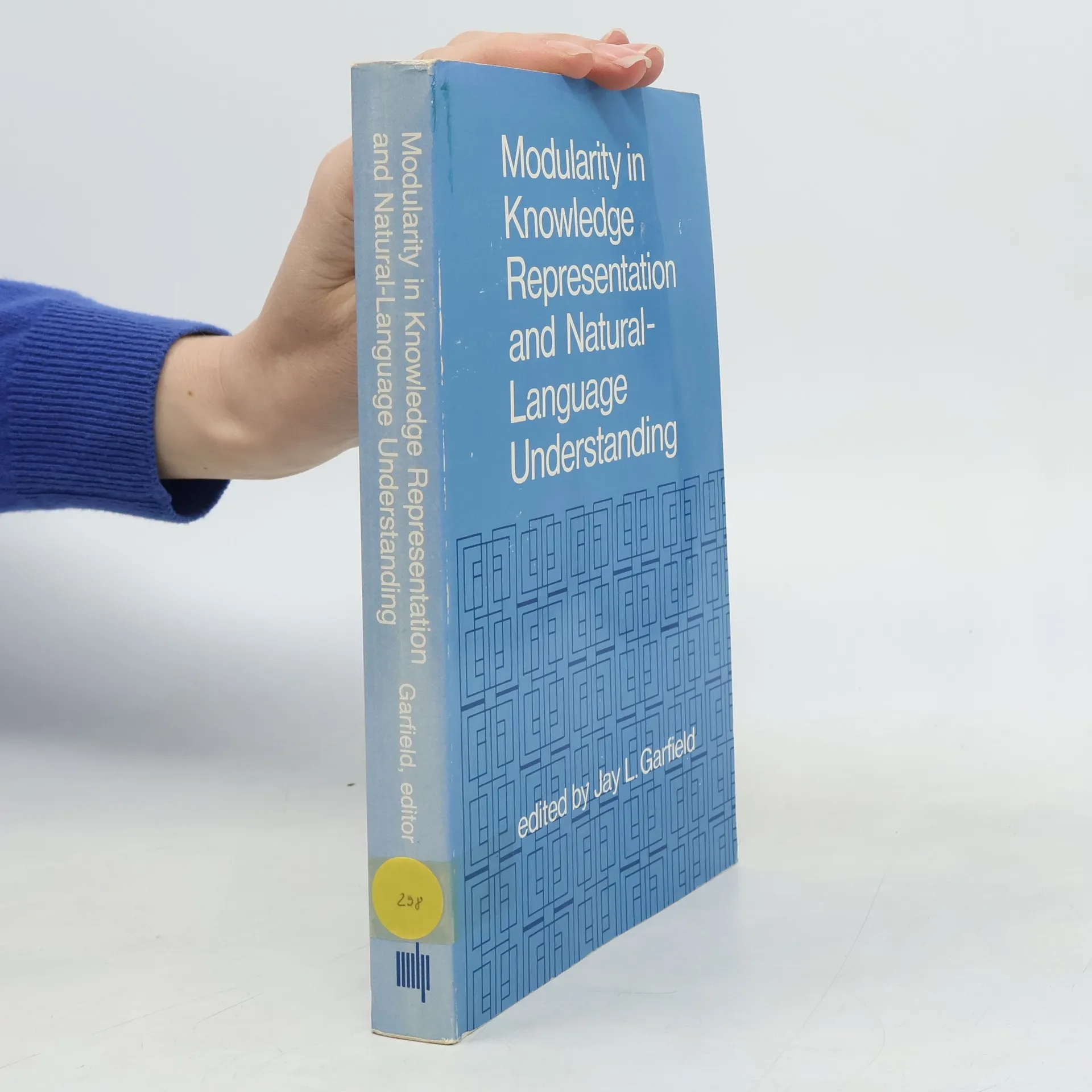
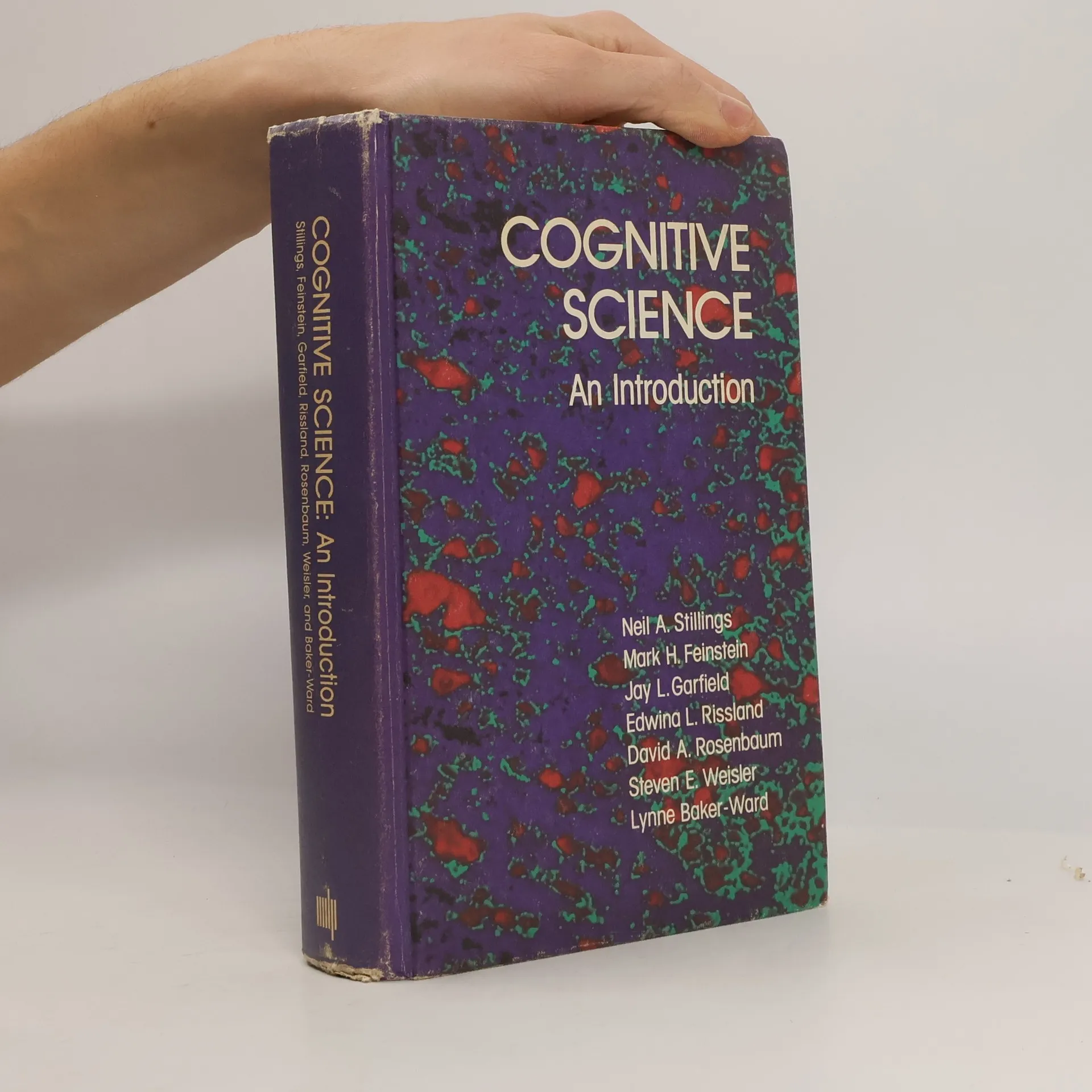
Jay L. Garfield

    Buddhist Philosophy
    How to Lose Yourself
    Losing Ourselves
    Buddhist Ethics
    • Buddhist Ethics

      • 248 Seiten
      • 9 Lesestunden
      4,6(19)Abgeben

      Buddhist Ethics presents an outline of Buddhist ethical thought. It is not a defense of Buddhist approaches to ethics as opposed to any other, nor is it a critique of the Western tradition. Garfield presents a broad overview of a range of Buddhist approaches to the question of moral philosophy. He draws on a variety of thinkers, reflecting the great diversity of this 2500-year-old tradition in philosophy but also the principles that tie them together. In particular, he engages with the literature that argues that Buddhist ethics is best understood as a species of virtue ethics, and with those who argue that it is best understood as consequentialist. Garfield argues that while there are important points of contact with these Western frameworks, Buddhist ethics is distinctive, and is a kind of moral phenomenology that is concerned with the ways in which we experience ourselves as agents and others as moral fellows. With this framework, Garfield explores the connections between Buddhist ethics and recent work in moral particularism, such as that of Jonathan Dancy, as well as the British and Scottish sentimentalist tradition represented by Hume and Smith.

      Buddhist Ethics
    • In Losing Ourselves, Jay Garfield, an expert in Buddhist philosophy, presents a compelling argument about the concept of self and its implications for our lives. He draws from Indian and East Asian Buddhism, Daoism, Western philosophy, and cognitive neuroscience to illustrate that while it's natural to believe in a self, this belief is ultimately misguided and can be harmful. Garfield argues that letting go of the self-illusion can lead to personal growth and improved relationships. Through a thorough examination of various arguments regarding the existence of the self, he asserts that denying its reality can foster healthier social and moral lives. The book highlights the transformative power of the Buddhist notion of no-self, emphasizing its practical benefits. Embracing this perspective allows individuals to overcome egoism, act more ethically, and engage more fully with life. By shedding the confines of self-identity, we can escape isolation and participate more meaningfully in the shared experience of existence. Ultimately, the text encourages readers to recognize that losing the self can lead to profound gains in personal and communal well-being.

      Losing Ourselves
    • How to Lose Yourself

      An Ancient Guide to Letting Go

      • 216 Seiten
      • 8 Lesestunden

      Exploring the Buddhist concept of self as an illusion, this volume delves into the implications of relinquishing self-centered impulses. It draws from early Buddhist texts across Theravada, Tibetan Indian, and Chinese Zen traditions, marking a significant addition to the Ancient Wisdom for Modern Readers series. The authors, Jay Garfield, Maria Heim, and Robert Sharf, translate and interpret key texts, emphasizing that while we are interdependent beings, the absence of a core self offers a constructive perspective on personal identity, ethics, and our role in the world.

      How to Lose Yourself
    • Buddhist Philosophy

      Essential Readings

      • 457 Seiten
      • 16 Lesestunden

      The Buddhist philosophical tradition is vast, internally diverse, and comprises texts written in a variety of canonical languages. It is hence often difficult for those with training in Western philosophy who wish to approach this tradition for the first time to know where to start, and difficult for those who wish to introduce and teach courses in Buddhist philosophy to find suitable textbooks that adequately represent the diversity of the tradition, expose students to important primary texts in reliable translations, that contextualize those texts, and that foreground specifically philosophical issues.Buddhist Philosophy fills that lacuna. It collects important philosophical texts from each major Buddhist tradition. Each text is translated and introduced by a recognized authority in Buddhist studies. Each introduction sets the text in context and introduces the philosophical issues it addresses and arguments it presents, providing a useful and authoritative guide to reading and to teaching the text. The volume is organized into topical sections that reflect the way that Western philosophers think about the structure of the discipline, and each section is introduced by an essay explaining Buddhist approaches to that subject matter, and the place of the texts collected in that section in the enterprise.This volume is an ideal single text for an intermediate or advanced course in Buddhist philosophy, and makes this tradition immediately accessible to the philosopher or student versed in Western philosophy coming to Buddhism for the first time. It is also ideal for the scholar or student of Buddhist studies who is interested specifically in the philosophical dimensions of the Buddhist tradition.

      Buddhist Philosophy