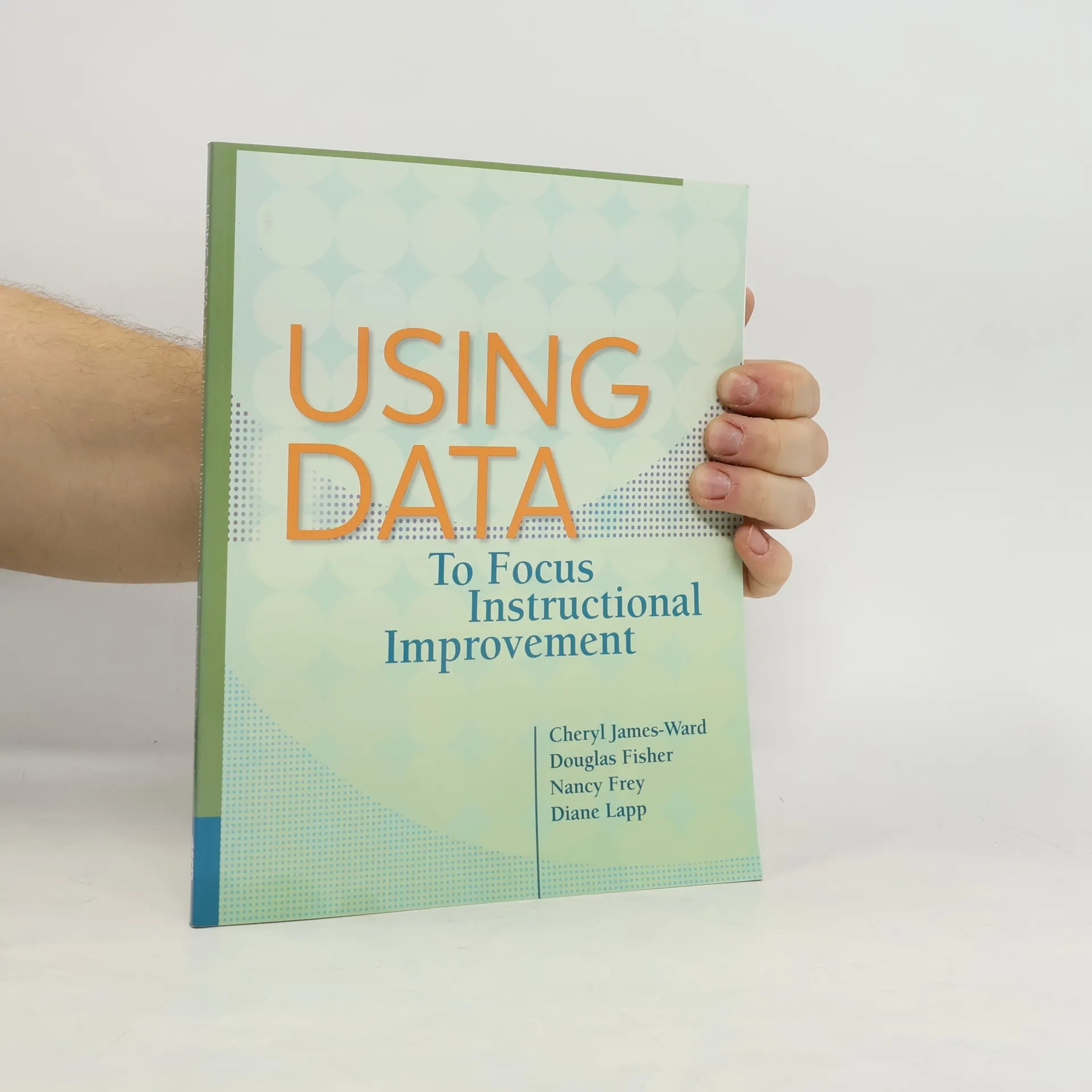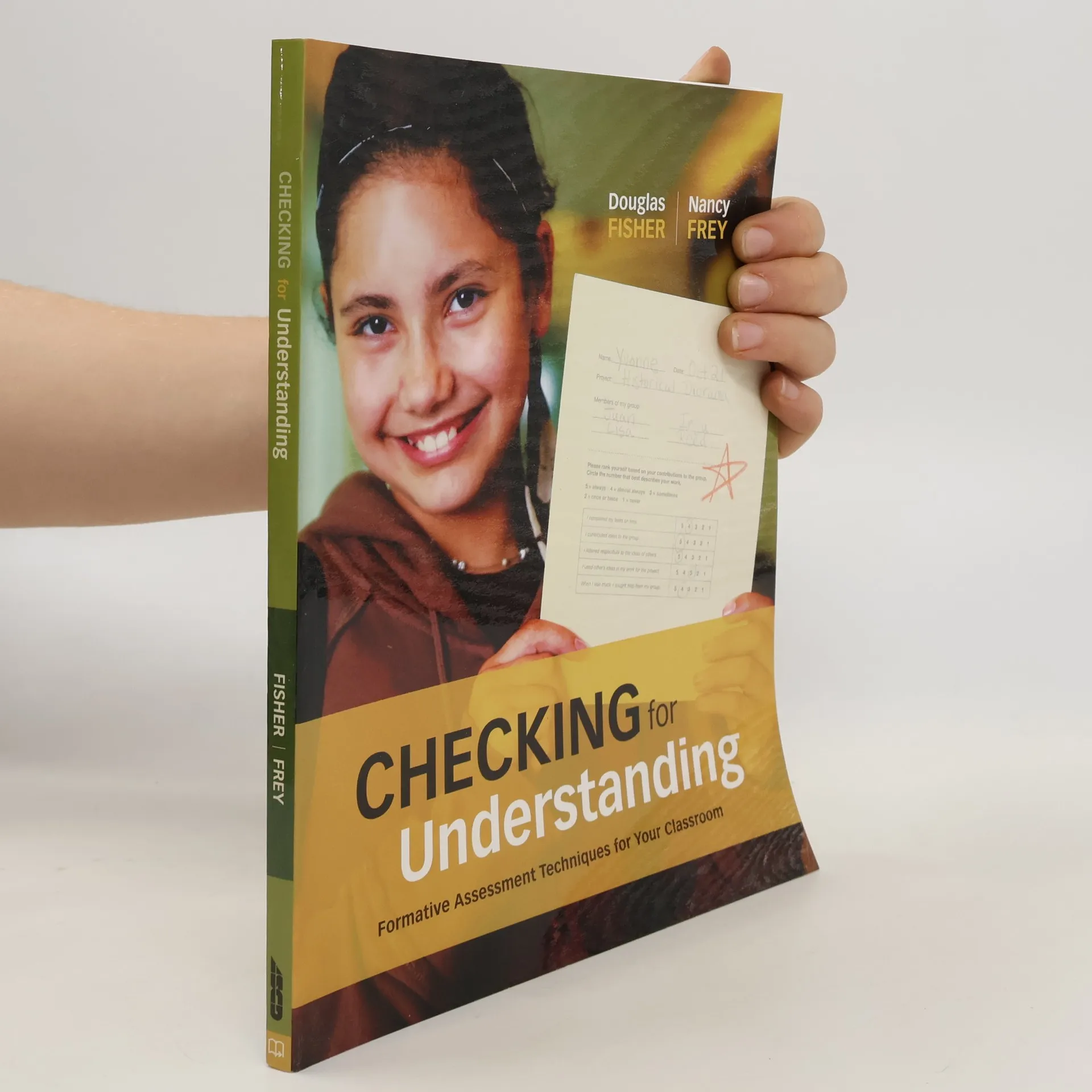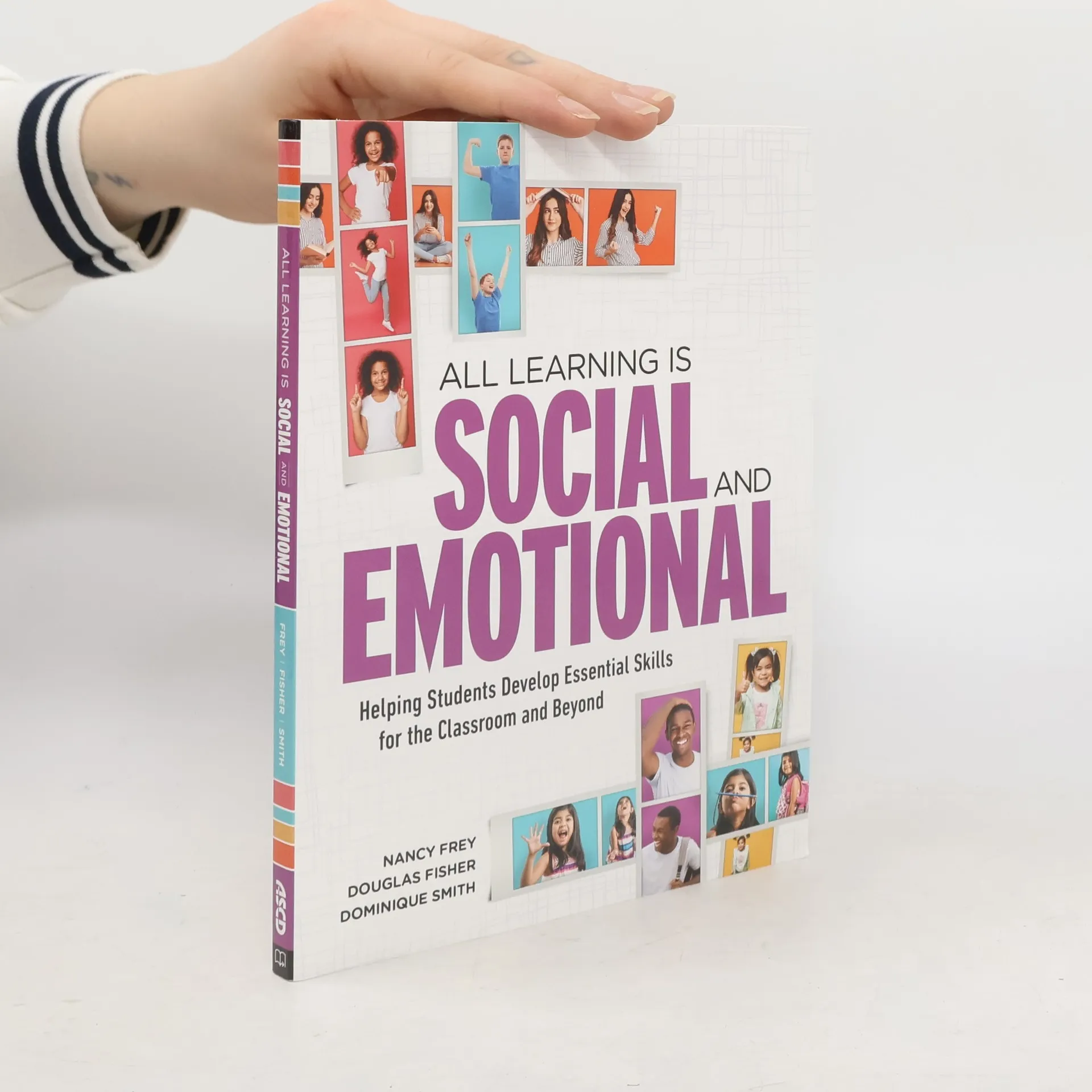

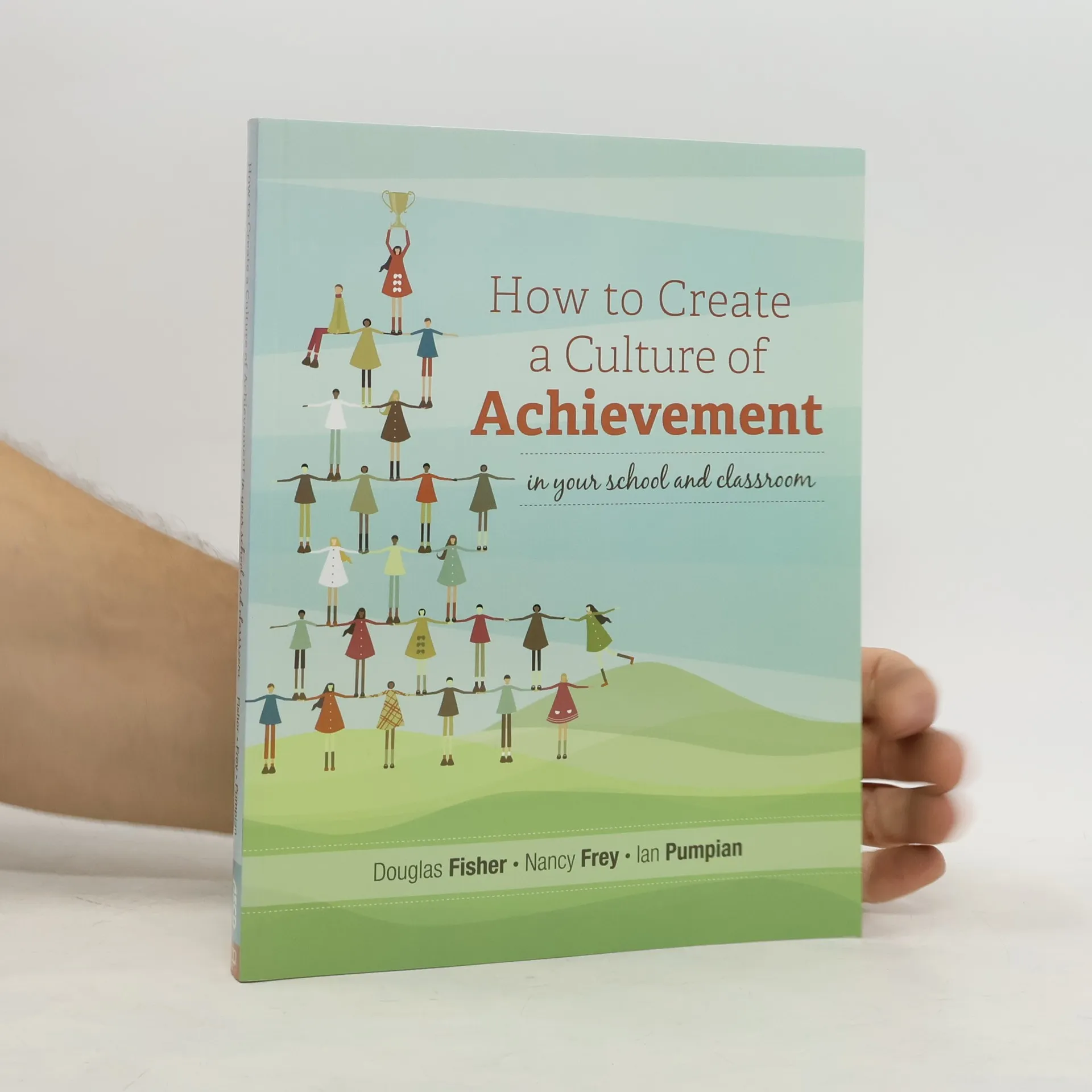

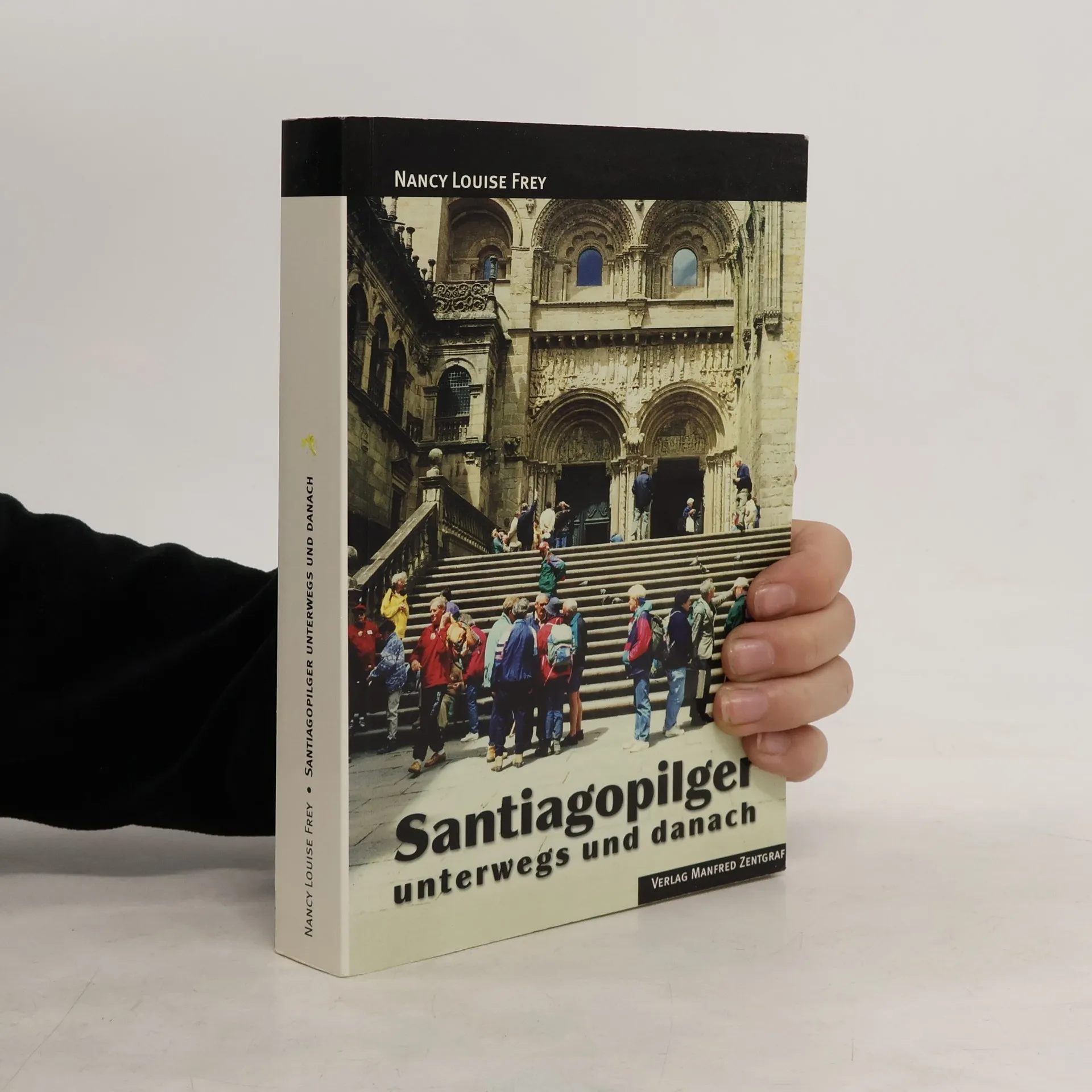
Nancy Frey ist eine Pädagogin und Professorin für Literalität, deren Arbeit die Brücke zwischen Theorie und Praxis schlägt. Sie verfügt über umfangreiche Erfahrung im Unterricht auf allen Ebenen und arbeitet derzeit als leitende Lehrkraft, die ihre Expertise in realen Bildungseinrichtungen anwendet. Freys Forschung konzentriert sich darauf, wie Schüler kritische Lese- und Schreibfähigkeiten entwickeln, wobei sie ein tiefes Textverständnis betont. Sie widmet sich der Inspiration zukünftiger Generationen von Lesern und Schriftstellern durch innovative pädagogische Ansätze.
A Research-Based Approach Grounded in Honesty, Transparency, Accuracy, and Equity
192 Seiten
7 Lesestunden
Focusing on evidence-based grading, this book emphasizes the importance of integrity in educational assessments. It provides strategies for implementing fair grading practices that reflect student learning accurately. Through practical examples and research-backed methods, educators can enhance their grading systems to promote transparency and accountability. The text encourages a shift from traditional grading to more meaningful assessments that support student growth and success.
The book features a comprehensive table of contents that outlines the main topics and chapters covered, providing readers with a clear roadmap of the material. Each section is organized to facilitate understanding and navigation, allowing for easy reference to key themes and concepts. This structured approach enhances the reader's ability to engage with the content effectively.
The book emphasizes resilience and personal growth through adversity, highlighting the importance of facing and overcoming defeats. It suggests that experiencing challenges is essential for self-discovery and understanding one's strength. Maya Angelou's powerful words serve as a reminder that setbacks can lead to greater self-awareness and the ability to rise above difficulties.
Time Saving AI Tools that Make Learning More Engaging Busy educators need tools that support their planning and provide them with more time with students. While Artificial Intelligence (AI) has emerged as a promising solution, it can only help if we're willing to learn how to use it in ways that improve upon what we already do well. The Artificial Intelligence Playbook: Time Saving Tools that Make Learning More Engaging is here to empower teachers to explore AI's potential and discover practical ways to implement it to enhance their planning and instruction. Two chapters and 6 "Educator Functions" guide teachers step-by-step through how to purposely use AI to: Compose Writing Prompts and Avoid Plagiarism Manage Content Foster Student Engagement Meet Students' Instructional Needs Assess Student Learning Continue Lifelong Learning Though AI has the potential to reduce workload for educators, it will never replace teachers. Your connection with students is irreplaceable--and greatly impacts their learning. Consider AI a valuable tool that provides you with more time to build and sustain those vital relationships with students and that can assist them in learning at the very same time.
Your Hands-On Guide to Thriving Your First Year of Teaching You’ve made the incredible decision to become an educator because you want to impact the learning lives of young people. Thank you, and welcome. We welcome you to this amazing profession with open arms, and with an arsenal of experience and essential tools, strategies, and lessons to help you establish a successful and satisfying teaching career. We wanted to make it easier for you to learn and practice these techniques that research shows increase student learning. To do so, we also considered cognitive psychology research that tells us that images and illustrations can help strengthen communication and our own understanding. This helped us develop the unique format for this part hands-on playbook, part professional book, and all highly illustrated, it is designed to make complicated concepts more digestible and memorable. This extensive guide for new teachers provides everything you need to impact learning from your first day on, Teaching is without a doubt one of the most challenging professions there is. But those who chose to accept that challenge are what make teaching the best profession in the world!
It's all about the right support, at the right time, in the right amount New teaching staff, whether novice or veteran, are a central part of a successful school year. So why is it that they are often greeted at the door of our school community with the autopilot vibe of a ticket taker at the movies? Onboarding Teachers changes the rules of engagement, offering activities and practical strategies that focus leaders and coaches on critical aspects of success for that make-or-break first year. Built on high-impact instructional and coaching practices and ready for you to roll out in four eight-week cycles, everything you need is here: Timely content aligned to needs as they come up throughout the year including the physical environment, engagement, and classroom management Checklists and self assessments to gauge readiness Sample emails and communication tips for various audiences Coaching scenarios to apply and reflect on strategies Links to access additional resources on-line Half of all new teachers leave the profession within five years. We can reduce that attrition by integrating new members in a way that deepens connection and practice. With Onboarding Teachers, the wish for new teachers to find their stride becomes a plan.
Concepts, conversation, collaboration--vocabulary instruction is so much more than lists of words. More is more when it comes to students' vocabulary knowledge, and in The Vocabulary Playbook, educators in K-12 get ideas for transforming all children into curious, capable word learners. The key? Put away the word-list mindset, and embrace active modeling, peer work, and independent practice. Five modules offer direct instruction and effective routines that show how to: Select and teach only the most high-utility, transferable words that are ripe for discussion Use direct instruction to model word-solving in each content area Teach morphology in ways that invite students to apply understandings in reading, writing, talk, and listening Turn academic word-learning into a relevant experience with peer collaboration activities Create a culture of word consciousness by emphasizing concepts, modeling curiosity, and offering "low-risk" routines that make it okay to not yet know Intentional vocabulary instruction is critical in every grade, and in every content area. With The Vocabulary Playbook, your approach is now tactical, transparent, and fun. Whether you are an administrator executing a school-wide plan or a teacher eager for practical strategies, this is the book that will help students build academic success--word by word.
Provide the perfect structure and support to develop student independence. Effective scaffolding leads to learner autonomy―but too many educators have been airlifting students to right answers, perpetuating a generation who don’t know how to learn. Yes, we know the sweet spot for learning involves giving our students the right blend of productive failure and productive success, but how to do it is cloaked in misconceptions. How Scaffolding Works unveils the essential moves and methods. Ten interactive modules help every K-12 educator structure support in new ways, including knowing how to: Perhaps we rush in to rescue learners because the world seems fraught; we want to help our students reach the safety of academic success. Our intentions are good, but it’s time to step back, gradually and purposefully, and let them pilot their own learning.
Everything you need to create a high-trust, high-achieving learning environment for multilingual students We have never known more than we do now about teaching multilingual students -- nevertheless, we teeter on the edge of retreating to old-think practices. The next generation depends upon our getting this right, and this spare, salient guide helps ensure we do. Kids Come in All Languages provides teachers and leaders with all they need to design high-quality curriculum to support multilingual learners. With this book, learn to: Create a low-anxiety, high-expectation classroom climate that gives multilingual students access to engaging grade-level content Plan clear, cohesive lessons and tasks that motivate students to produce language, use critical thinking skills, and access complex texts Offer ample time for student-led talk that ramps up knowledge and amps up a sense of belonging Use heterogeneous, flexible grouping so children acquiring English don't stall out in fixed-mindset, below-grade level groups And much more Teachers act like tributaries, helping learners access a wider stream of knowledge, and catch the swift current of wanting to learn. It's time to envision this expansiveness for multilingual students. It's time to design learning experiences with optimism for their futures.