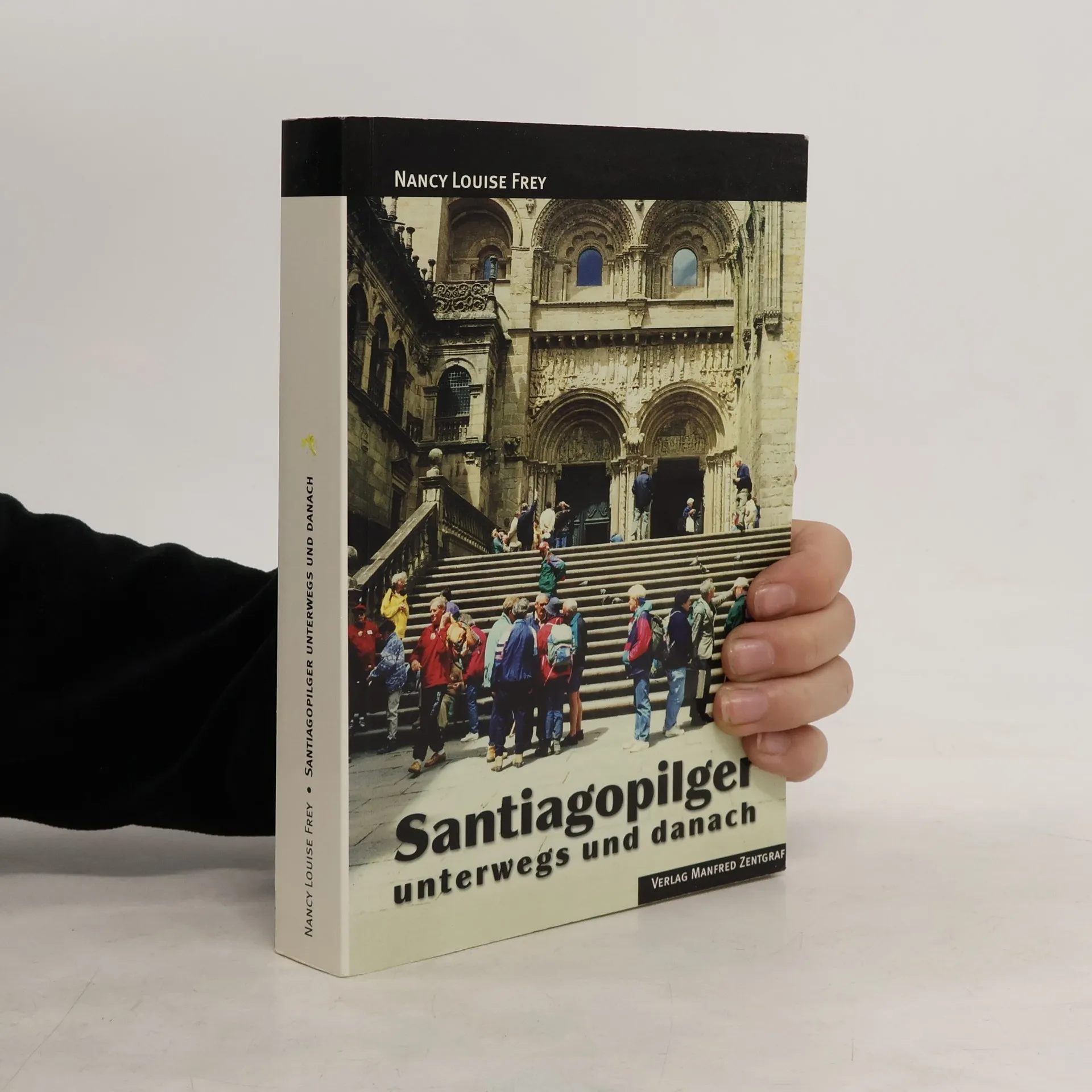
Santiagopilger unterwegs und danach
- 344 Seiten
- 13 Lesestunden


Nancy Frey ist eine Pädagogin und Professorin für Literalität, deren Arbeit die Brücke zwischen Theorie und Praxis schlägt. Sie verfügt über umfangreiche Erfahrung im Unterricht auf allen Ebenen und arbeitet derzeit als leitende Lehrkraft, die ihre Expertise in realen Bildungseinrichtungen anwendet. Freys Forschung konzentriert sich darauf, wie Schüler kritische Lese- und Schreibfähigkeiten entwickeln, wobei sie ein tiefes Textverständnis betont. Sie widmet sich der Inspiration zukünftiger Generationen von Lesern und Schriftstellern durch innovative pädagogische Ansätze.



One of Andrew Wyeth's most important paintings, Wind from the Sea, a recent gift to the National Gallery of Art, is also the artist's first full realization of the window as a recurring subject in his art. Wyeth returned to windows over the next sixty years, producing more than 250 works that explore both the formal and conceptual richness of the subject. Spare, elegant and abstract, these paintings are free of the narrative element inevitably associated with Wyeth's better-known figural compositions. In 2014 the Gallery will present an exhibition of a select group of these deceptively 'realistic' works, window paintings that are in truth skilfully manipulated constructions engaged with the visual complexities posed by the transparency, beauty and formal structure of windows. In its exclusive focus on paintings without human subjects, this catalogue will offer a new approach to Wyeth's work, being the first time that his non-figural compositions have been published as a group. The authors explore Wyeth's fascination with windows - their formal structure and metaphorical complexity. In essays that address links with the poetry of Robert Frost and the paintings of Edward Hopper, Charles Sheeler and Franz Kline, the authors consider Wyeth's statement that he was, in truth, an 'abstract' painter.
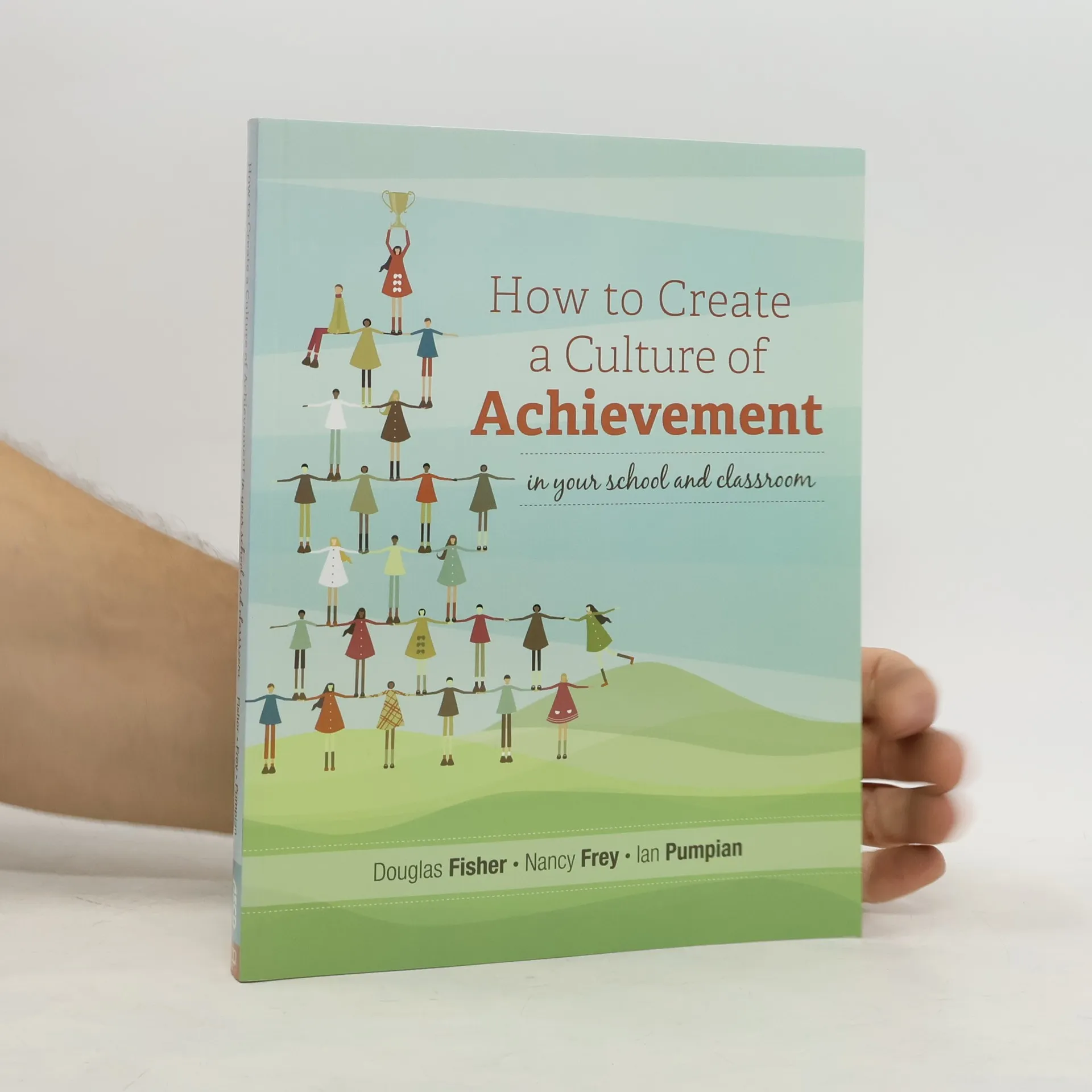
What does it feel like to walk into your school? Is it a welcoming place where everyone feels valued? While many school improvement efforts focus on academic goals and assessments, the true essence of a learning community often lies in its culture—encompassing relationships, identity, and connections. The authors argue that effective school improvement must address culture, identifying five critical pillars for building a culture of achievement: 1. **Welcome:** All staff should strive to make every student, parent, and visitor feel noticed and valued. 2. **Do no harm:** School rules should guide students in becoming moral and ethical citizens. 3. **Choice words:** Language that fosters a narrative of possibility and potential can enhance student performance. 4. **It's never too late to learn:** Encourage students to exceed minimum expectations and realize their capabilities. 5. **Best school in the universe:** Is your school the ideal environment for teaching and learning? Drawing from their extensive classroom experience, the authors illustrate how these pillars support effective teaching and learning. They also provide 19 action research tools to help cultivate a culture of achievement, ensuring your school or classroom reaches its fullest potential. After engaging with this material, you’ll understand how culture can differentiate between a school that fosters success and one that merely houses students.
Updated and expanded to feature new walks form the Pyrenees to Andalucia, including the famous Camino de Santiago pilgrim route, this guide has reliable maps and an illustrated flora and fauna section.
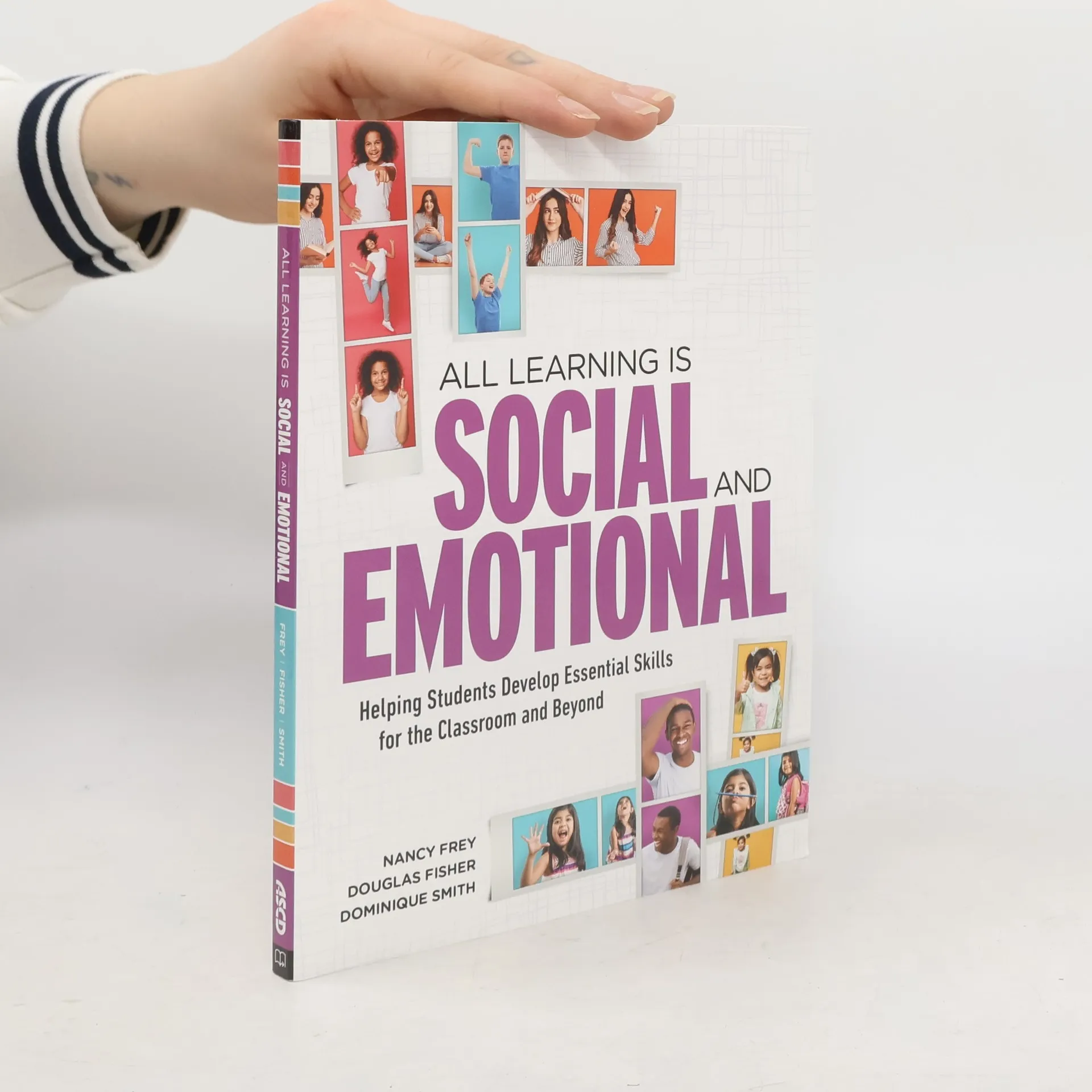
Helping Students Develop Essential Skills for the Classroom and Beyond
While social and emotional learning (SEL) is most familiar as compartmentalized programs separate from academics, the truth is, all learning is social and emotional. What teachers say, the values we express, the materials and activities we choose, and the skills we prioritize all influence how students think, see themselves, and interact with content and with others. If you teach kids rather than standards, and if you want all kids to get what they need to thrive, Nancy Frey, Douglas Fisher, and Dominique Smith offer a a comprehensive, five-part model of SEL that's easy to integrate into everyday content instruction, no matter what subject or grade level you teach. You'll learn the hows and whys of
Focusing on the gradual release of responsibility, this guide offers an instructional framework designed for teachers to enhance student learning. It emphasizes strategies to cultivate self-directed learners, providing practical insights and techniques that can be implemented in various educational settings. The book serves as a comprehensive resource for educators aiming to foster independence and accountability in their students.
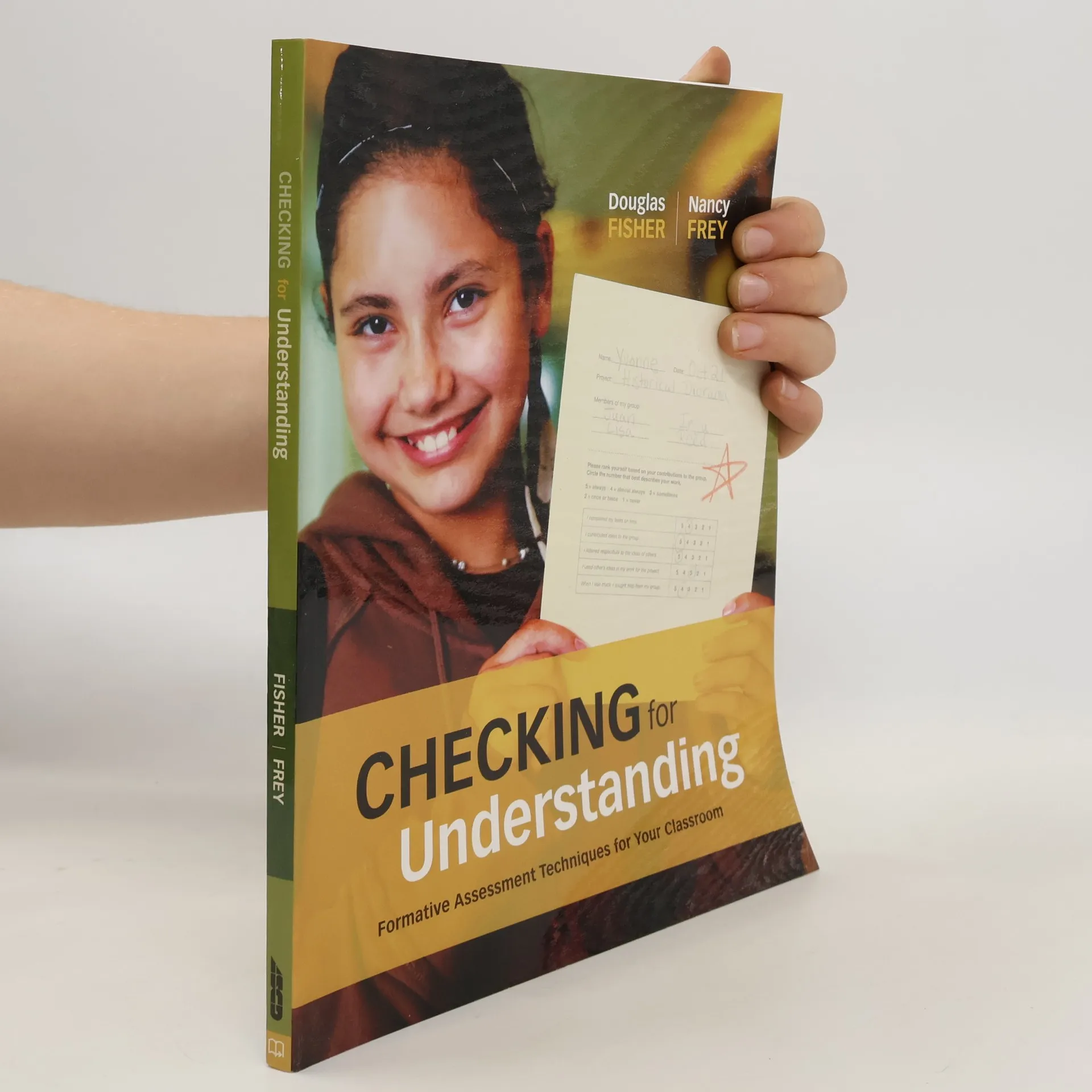
If you ever have students who are reluctant to tell you when they don’t understand something—or worse, tell you they understand when they really don't—then here's a book that gives you lots of ways to check for understanding. Learn why typical methods to check for understanding are usually ineffective. And explore formative assessment techniques that work in any subject area and grade level. Extensive classroom examples show you how to use these formative assessments to correct misconceptions, improve learning, and model good study skills for individual students or across multiple classrooms.
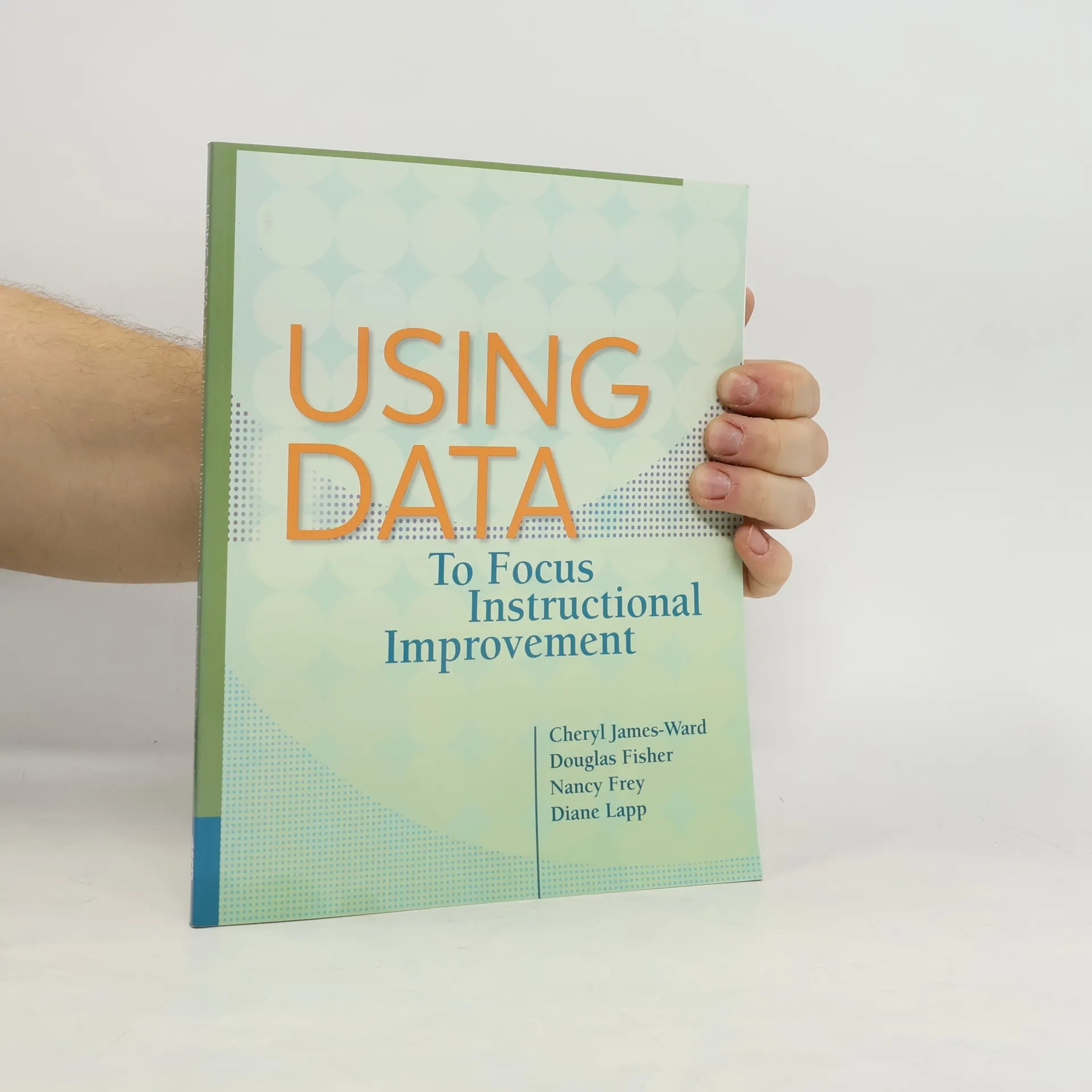
Data. Does the word make you cringe? Does it evoke feelings of guilt? Are you unsure how to distill it and use it effectively? Grab this book and learn how to empower yourself and your school community with information gleaned from your school's data. Experienced educators and authors offer simple instructions that can help focus school improvement efforts and result in increasing teacher expertise—a factor that positively affects the quality of life for students long after they have left the classroom. Accepting responsibility for such far-reaching influence requires educators to adopt instructional improvement as a standard by which a school needs to operate and as a means to collaborate and interact with one another. More than that, though, instructional improvement is an important component of successful schools.
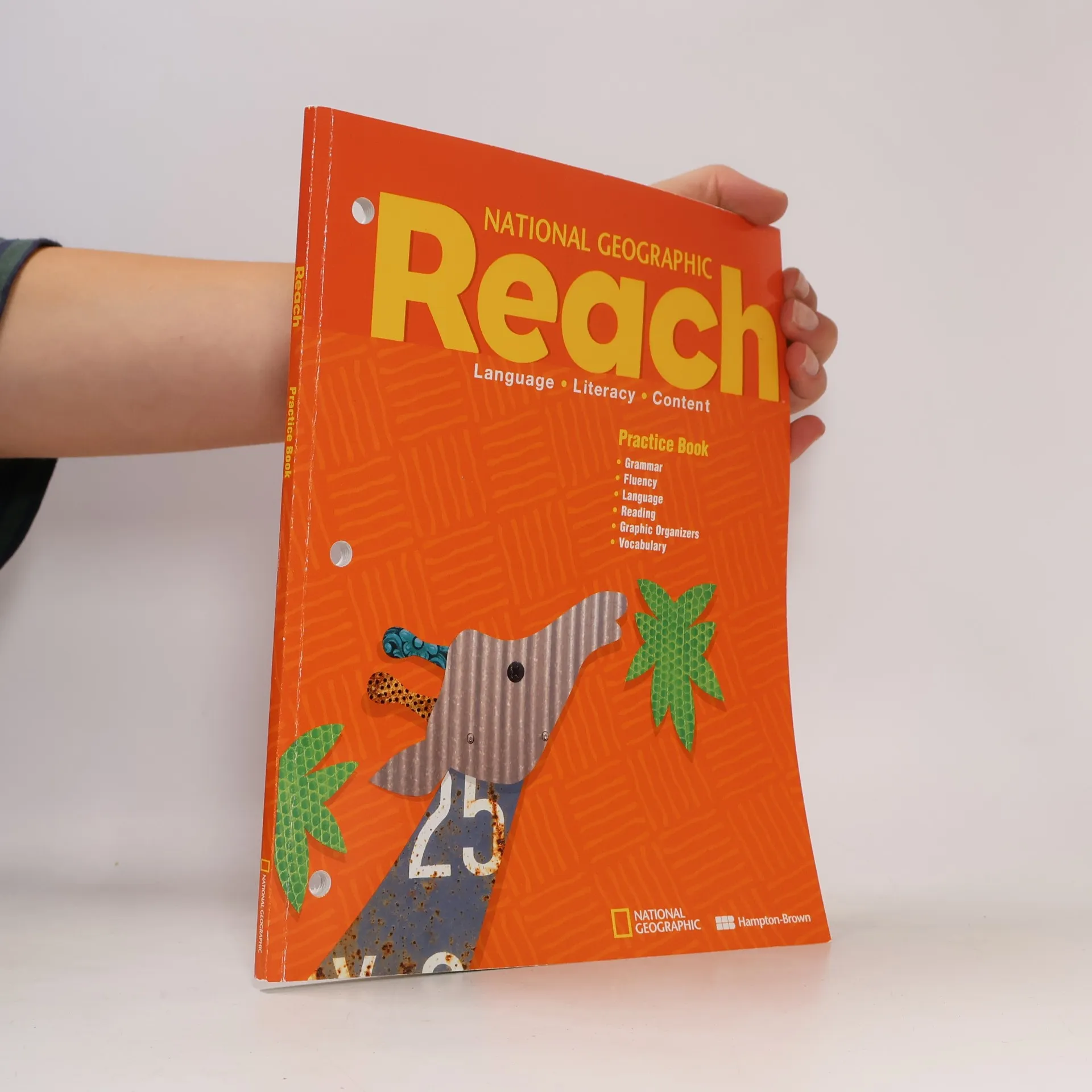
The Practice Book features student activities for skills practice in vocabulary, language, grammar, reading, and fluency.